Artwork
San Diego saves the boy asleep in the oven
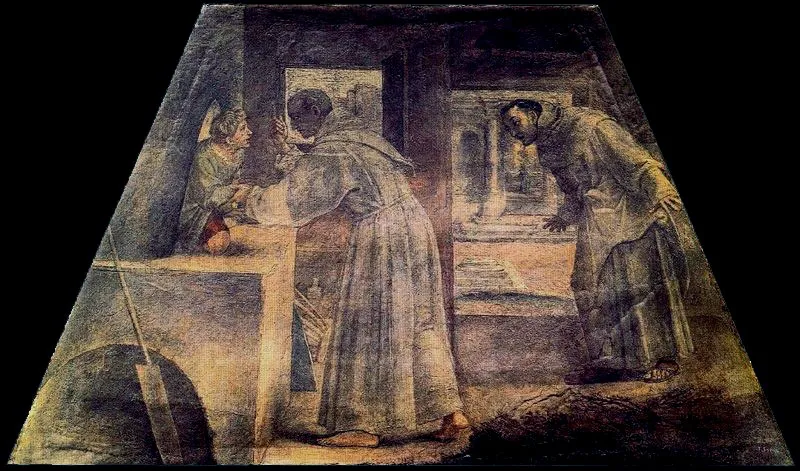
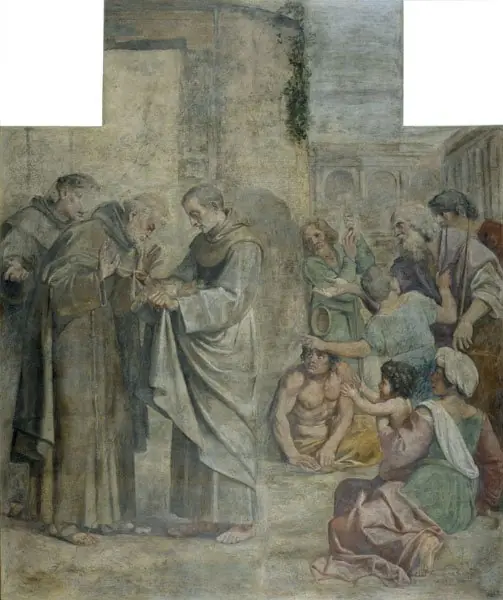
San Diego saves the boy asleep in the oven is a fresco painting by the Early Baroque Italian artist Annibale Carracci. It dates from 1604 and is held in the collection of the Museo de la Trinidad.
About this work
Overview
Carracci, trained in Bologna and active in Rome, contributed to the transition from Mannerism toward a more naturalistic Baroque style.
Painted in 1604 by Annibale Carracci, this work illustrates a miracle attributed to Saint Didacus of Alcalá, a Franciscan lay brother. The scene captures a moment of divine intervention in a modest interior, rendered with restrained emotion and careful composition. Carracci, trained in Bologna and active in Rome, contributed to the transition from Mannerism toward a more naturalistic Baroque style. The painting resides in the Museo del Prado, Madrid.
Subject & Meaning
The painting portrays Saint Didacus rescuing a child who appears to have been placed in a heated oven, a miracle from hagiographic tradition. The boy lies still on a table, his vulnerability emphasized by his posture and the surrounding figures’ focused attention. The scene conveys faith in divine protection, with Didacus as a humble intermediary. No overt spectacle accompanies the act, its power lies in quiet solemnity and the implied miracle.
Technique & Style
Carracci employs chiaroscuro to model forms and heighten emotional tension, directing light from a high window to illuminate the boy and the central figures. The palette is muted, dominated by earth tones and soft grays, reinforcing the scene’s intimacy. Brushwork is controlled yet expressive, avoiding theatricality.
The spatial arrangement is deliberate, with figures positioned to guide the viewer’s eye toward the central act of rescue.
History & Provenance
Commissioned for a religious context, the painting entered the Spanish royal collection in the 17th century and was later transferred to the Museo del Prado. Its survival through centuries of political and institutional change reflects its perceived significance within Habsburg devotional culture. No major alterations to the composition are recorded, preserving Carracci’s original intent and execution.
Context
Created during a period when the Catholic Church encouraged devotional imagery to reinforce faith after the Reformation, the painting aligns with Counter-Reformation ideals. Saint Didacus, though less prominent than other saints, was venerated for his humility and miracles. Carracci’s approach, grounded in observation yet spiritually elevated, reflected broader efforts to make sacred narratives accessible and credible to viewers.
Legacy
The painting exemplifies Carracci’s role in shaping Baroque religious art through emotional restraint and naturalism. While not widely reproduced, it influenced later Spanish painters who favored quiet, psychologically grounded scenes of sanctity. Its presence in the Prado ensures continued study as a model of how light, gesture, and composition can convey divine intervention without melodrama.
Artist & collection
Artist
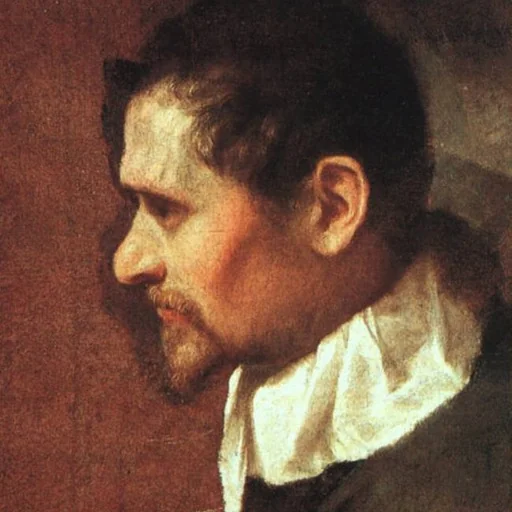
Annibale Carracci ( kə-RAH-chee, UK also kə-RATCH-ee, Italian:; November 3, 1560 – July 15, 1609) was an Italian painter and instructor, active in Bologna and later in Rome.


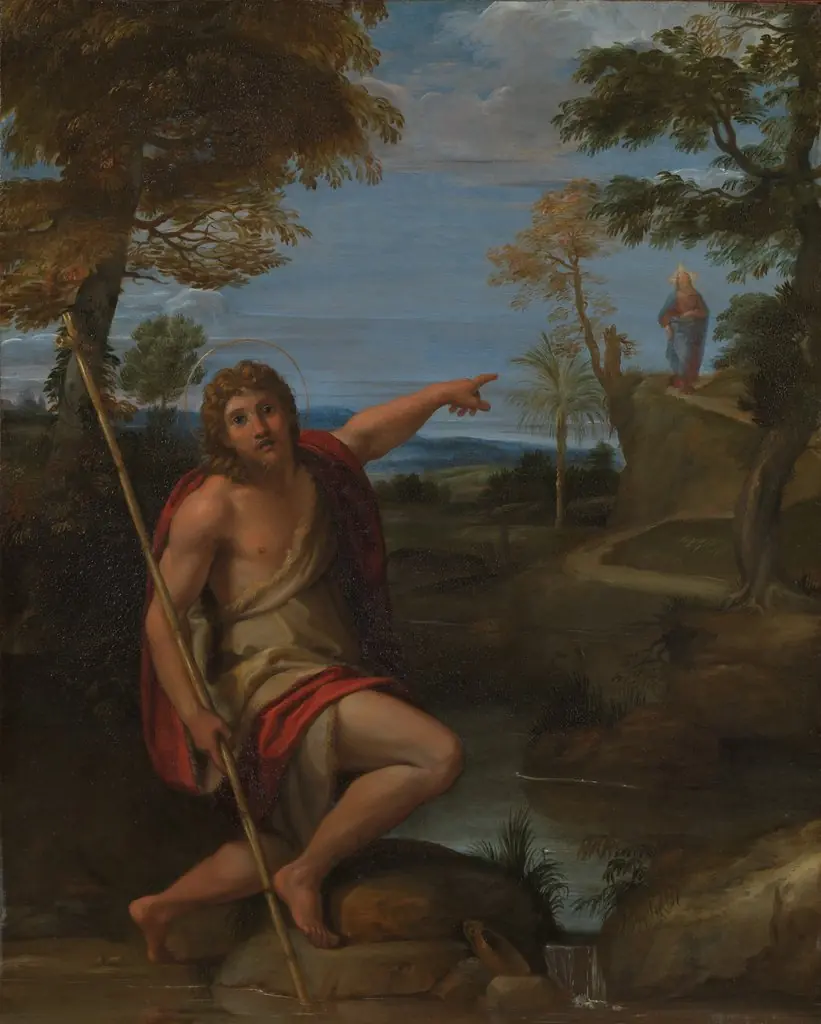
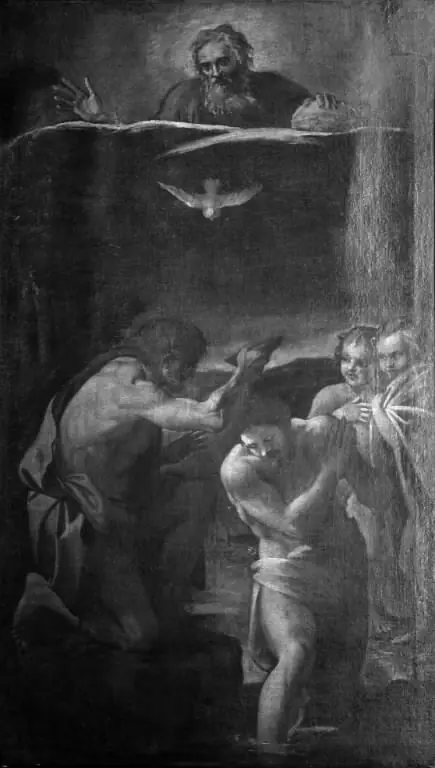
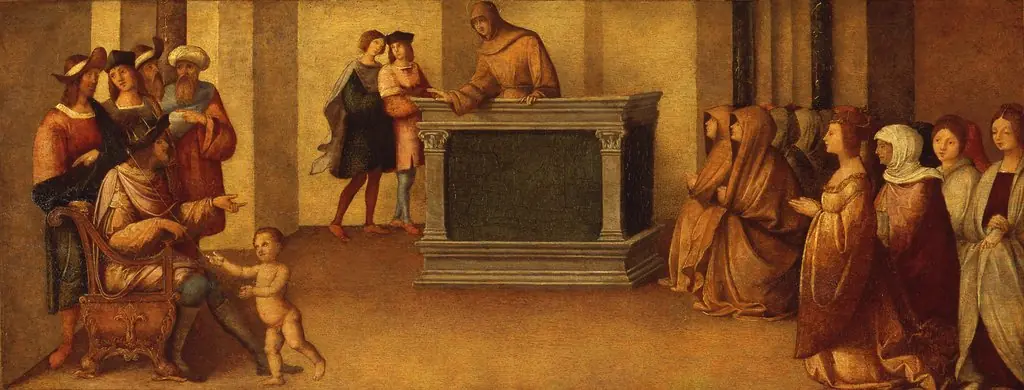
- St. Anthony of Padua Convinces a Nobleman about the Innocence of his Wife in Ferrara
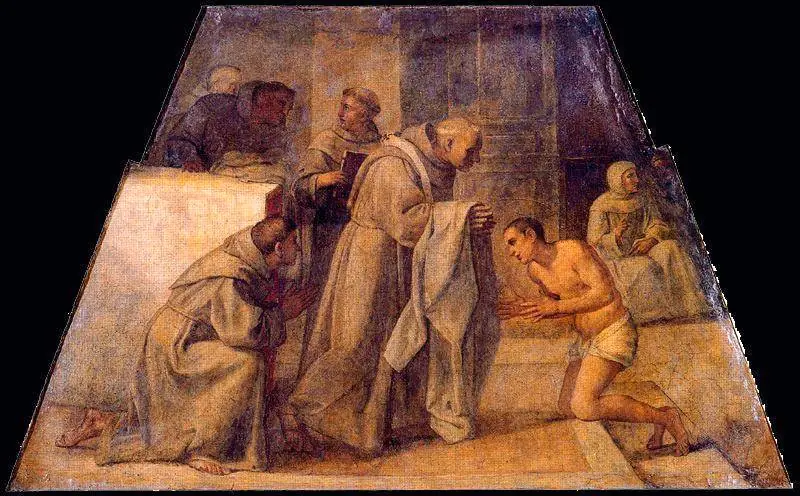 Saint Didacus of Alcalá receiving the franciscan habit
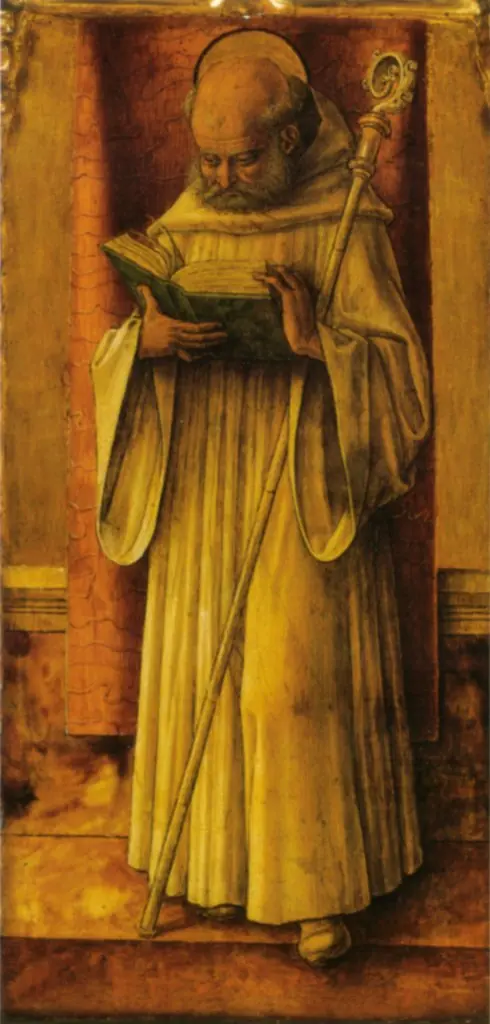 Saint Benedict
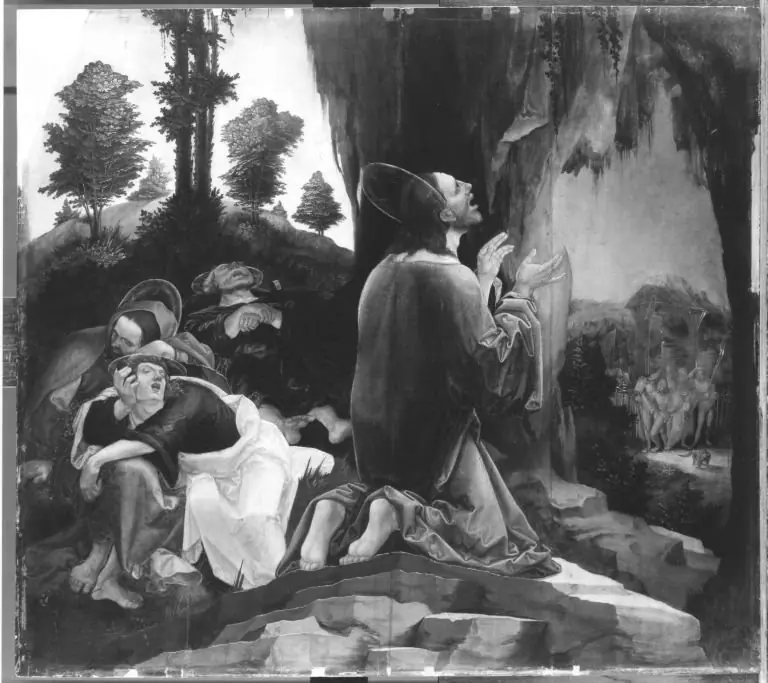 Christus am Ölberg
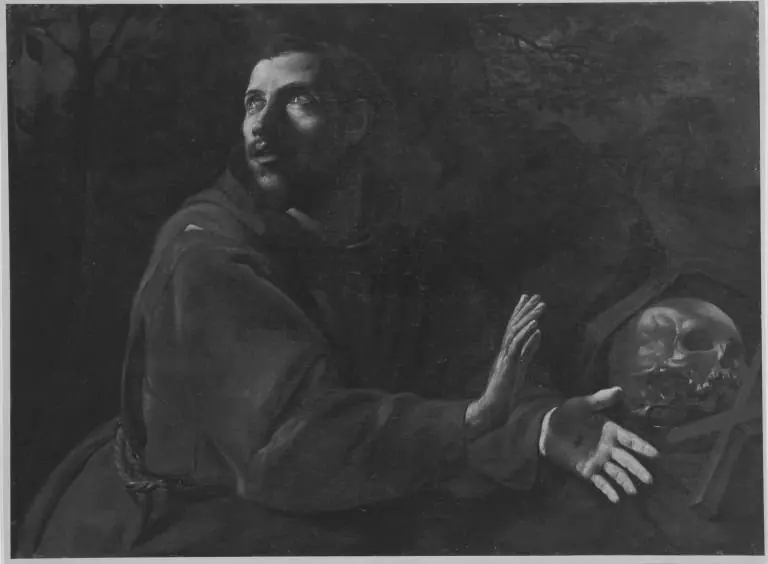 Hl. Franziskus in Ekstase (Art des)
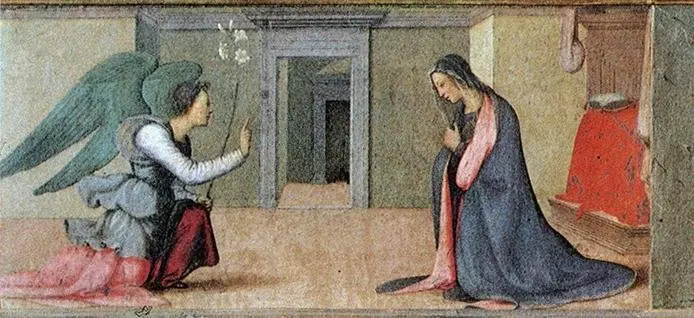 Annunciation
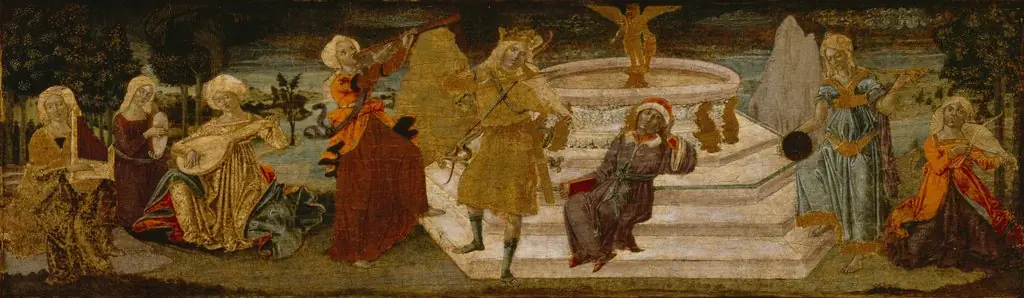 Apollo and the Muses
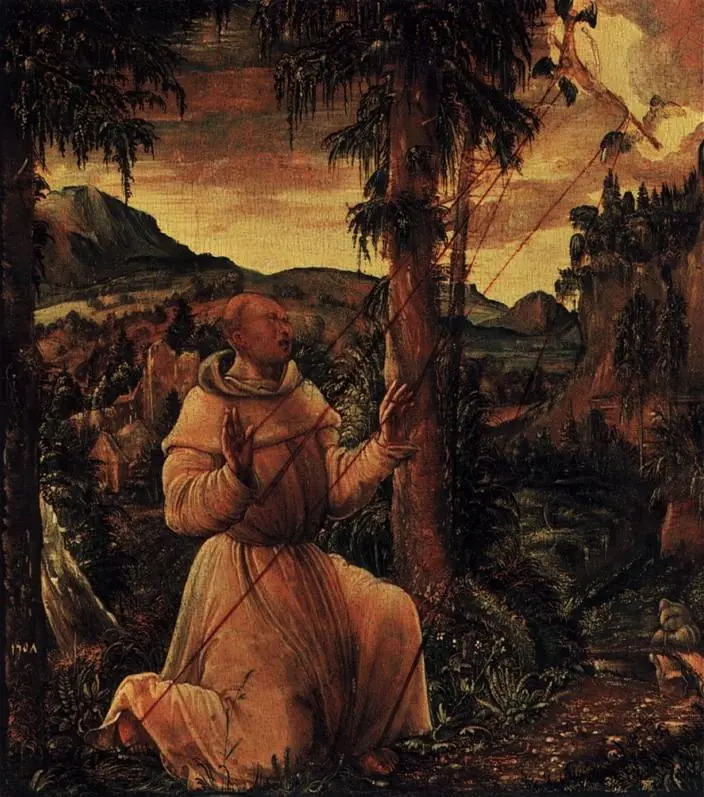 Stigmatization of Saint Francis
 Landscape with the hermits Paul and Anthony
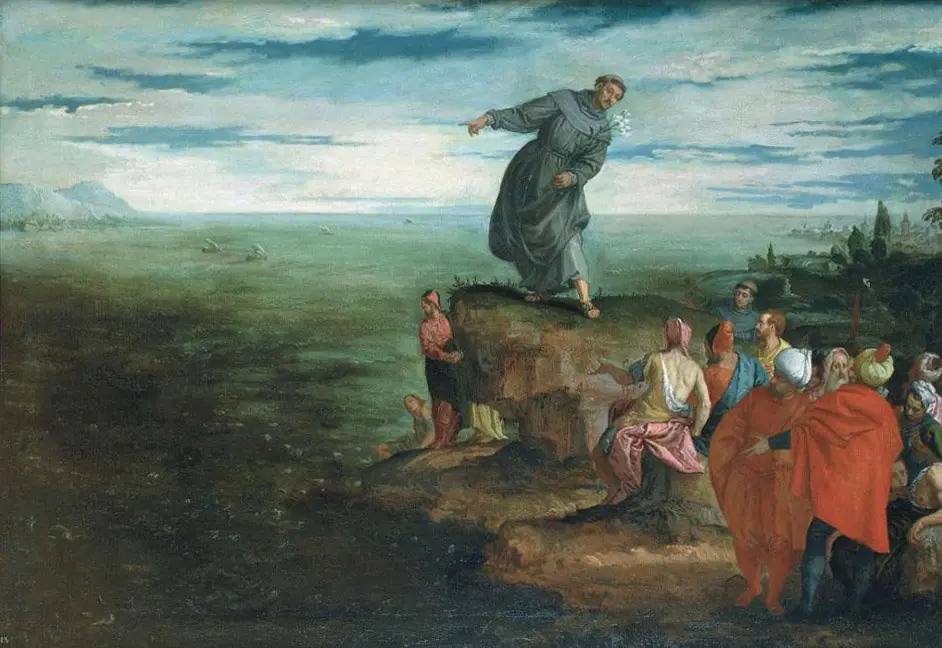 Saint Anthony Preaching to the Fish
 Miracle of the Roses
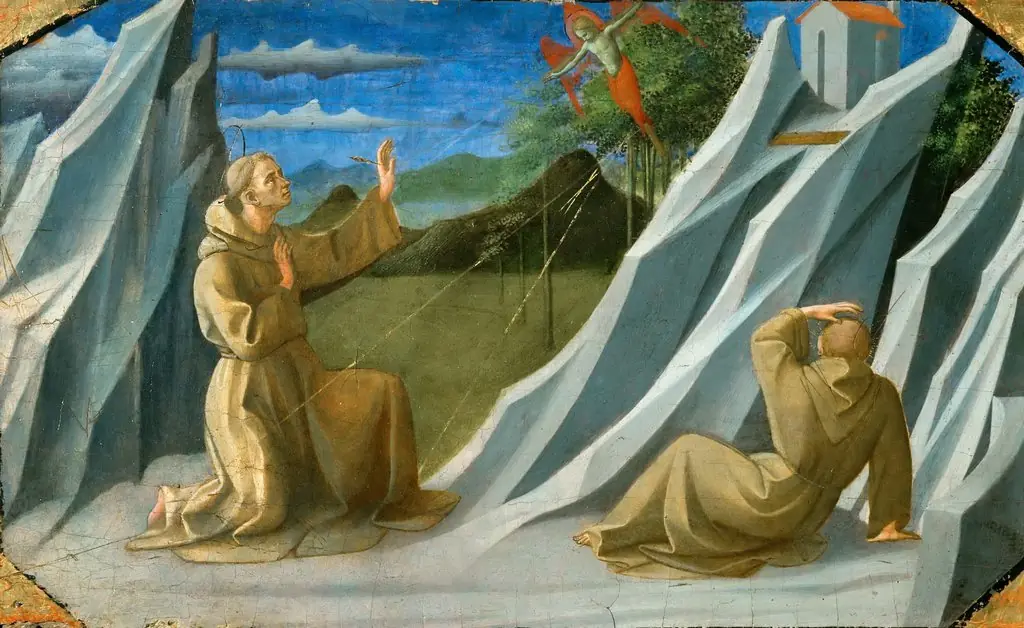 Stigmata of St. Francis