Artwork
The Incredulity of St Thomas
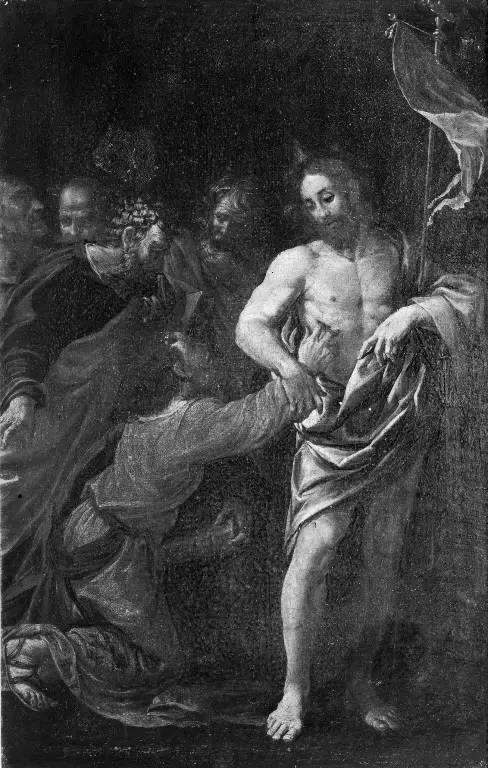
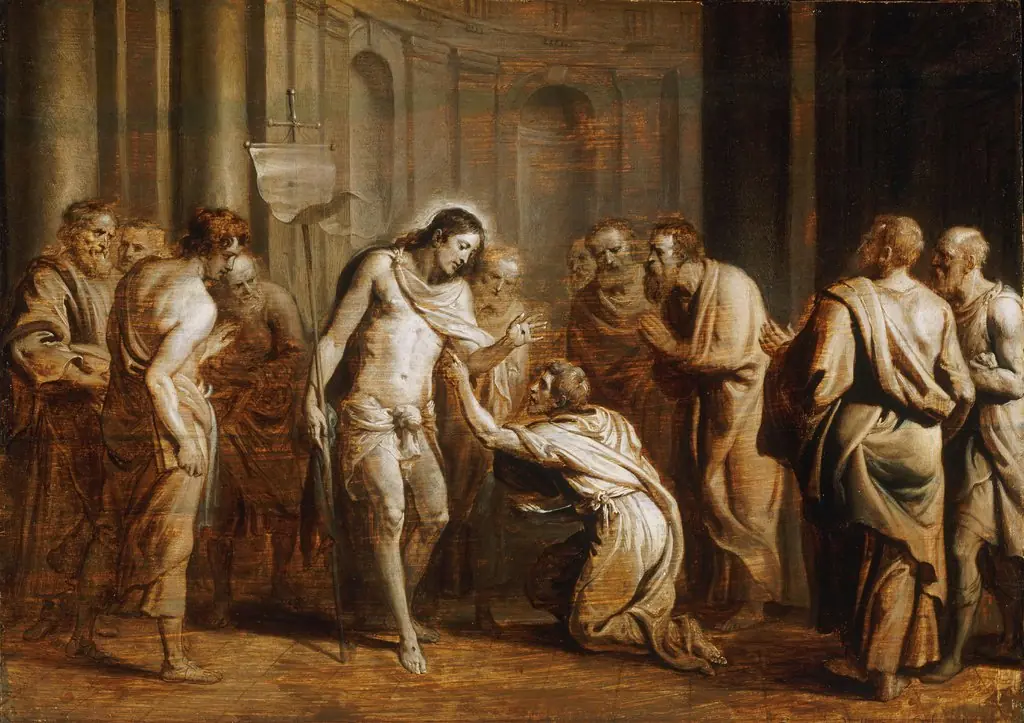
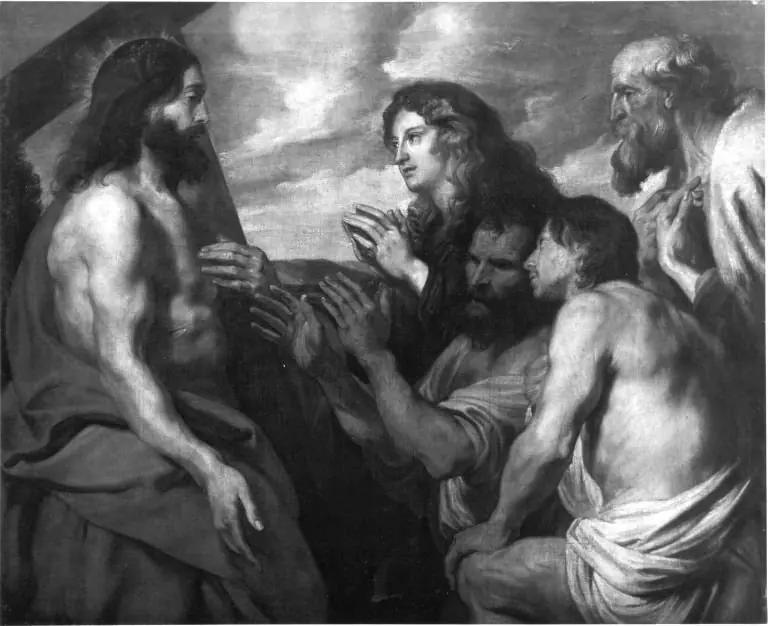
The Incredulity of St Thomas is an oil painting by the Mannerist artist Annibale Carracci. It dates from 1596 and is held in the collection of the Statens Museum for Kunst.
About this work
Technique & Style
The palette is earthy and subdued, punctuated by Christ’s luminous drapery and the apostles’ varied reactions, which guide the viewer’s eye across the scene.
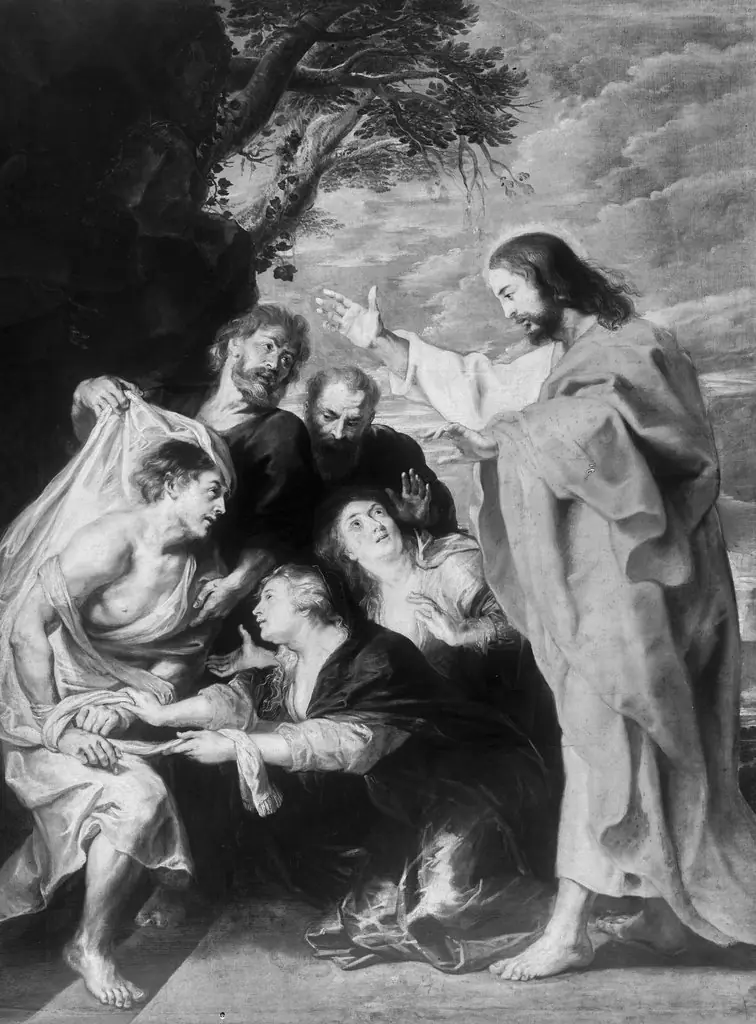
Executed in oil on canvas, the work measures 475 cm in height and 315 cm in width. Annibale Carracci employs a restrained yet dynamic handling, organizing the composition around the central act of Christ guiding Thomas’s hand to the wound in his side. The figures are modeled with subtle chiaroscuro, modulating tonal transitions to articulate volume and space without excessive drama.
The palette is earthy and subdued, punctuated by Christ’s luminous drapery and the apostles’ varied reactions, which guide the viewer’s eye across the scene. Brushwork remains largely smooth, with fine detail in faces and hands, while broader passages in drapery and architecture suggest a controlled, integrated finish.
History & Provenance
Annibale Carracci created the oil painting The Incredulity of St Thomas in 1592. The work depicts the biblical scene of Thomas the Apostle and Jesus Christ, classifying it as religious art. Currently, the painting is held in the collection of the Statens Museum for Kunst. The canvas measures 475 cm in height and 315 cm in width.
The Incredulity of St Thomas is held in the collection of the Statens Museum for Kunst in Copenhagen. The work, created by Annibale Carracci in 1592, is executed in oil on canvas and measures 475 cm in height and 315 cm in width. The provided sources do not contain specific inventory or accession numbers for this painting, nor do they list any details regarding its exhibition history.
Legacy
Annibale Carracci's 1592 oil painting The Incredulity of St Thomas, housed in the Statens Museum for Kunst, has influenced religious art through its dynamic composition and portrayal of doubt. The work depicts Thomas the Apostle examining the wounds of the resurrected Jesus, a subject tied to themes of faith and skepticism. Its legacy persists in Baroque interpretations of apostolic doubt, though specific later influences are not detailed in the provided sources.
Overview
Annibale Carracci’s oil painting The Incredulity of St Thomas was completed in 1596. Executed in the late‑sixteenth‑century Mannerist style, the work portrays the biblical episode in which the apostle Thomas tests the resurrected Christ’s wounds. The canvas is part of the permanent holdings of Denmark’s Statens Museum for Kunst.
Subject & Meaning
The composition centers on a nude, long‑haired figure identified as the risen Christ, his calm expression contrasting with the intense scrutiny of Thomas, who reaches to touch the side wound. A few surrounding figures in dark robes observe the encounter, underscoring the tension between doubt and belief that the Gospel of John narrates.
Context
The painting reflects Carracci’s effort to reconcile the idealized forms of the High Renaissance with a more naturalistic treatment of light and flesh. By focusing on a quiet, intimate moment rather than a dramatic narrative climax, the work illustrates the artist’s interest in psychological depth within religious subjects, a hallmark of his broader oeuvre.
Artist & collection
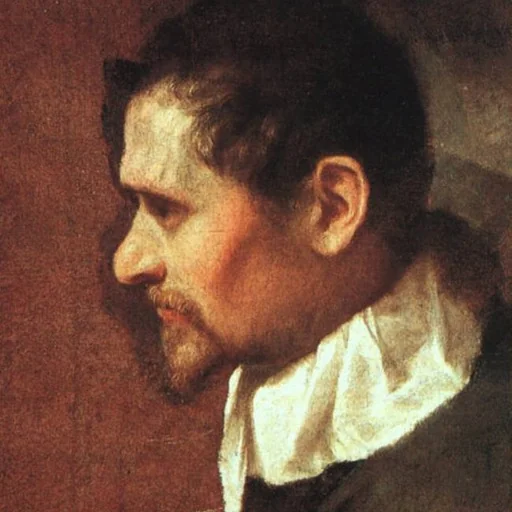
Artist
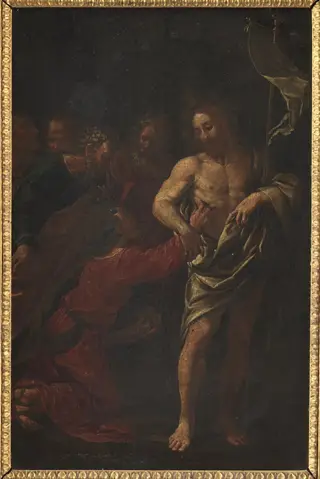
Annibale Carracci ( kə-RAH-chee, UK also kə-RATCH-ee, Italian:; November 3, 1560 – July 15, 1609) was an Italian painter and instructor, active in Bologna and later in Rome.