Artwork
Landscape
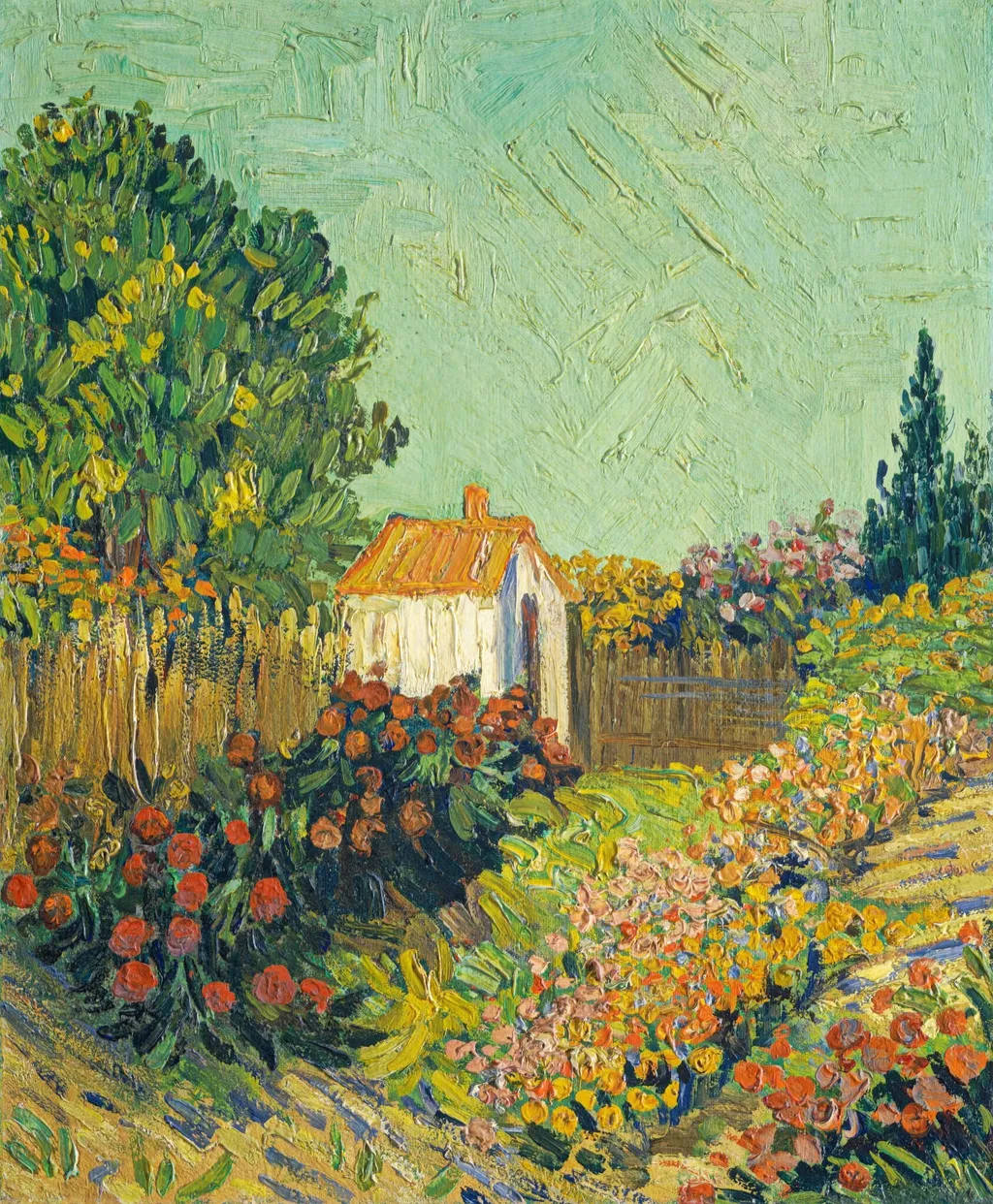
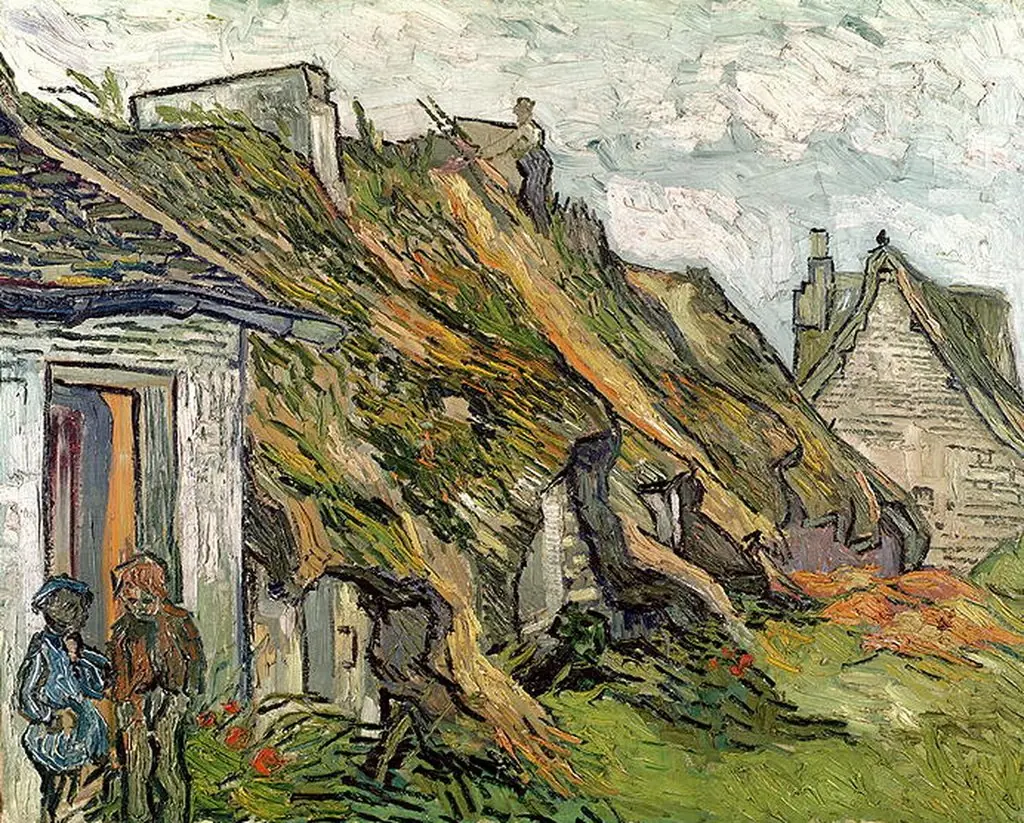
Landscape is an oil painting by the Impressionist artist Imitator of Vincent van Gogh. It dates from 1926 and is held in the collection of the National Gallery of Art.
About this work
Subject & Meaning
The work is classified as a landscape painting, but the sources do not specify a detailed iconographic program or symbolic narrative for its depicted scene.
The work is classified as a landscape painting, but the sources do not specify a detailed iconographic program or symbolic narrative for its depicted scene. It is recorded simply as a landscape without named figures or narrative elements, leaving its subject as an unspecified natural view. The painting measures 46 × 38 cm, is executed in oil on canvas, and was created in 1926; it entered the National Gallery of Art collection through a gift in 1969. Its genre and material are documented as landscape painting and oil paint on canvas, respectively.
Technique & Style
The painting is executed in oil on canvas, a standard support for early‑20th‑century works, and reflects the handling typical of studio‑based production. Its material composition includes oil paint applied to a tightly stretched canvas, a combination noted in the provenance records. Stylistically, the piece belongs to the landscape genre and displays the vigorous, swirling brushwork and saturated colour palette associated with an imitator of Vincent van Gogh, aligning with the formal qualities described in the catalogue data. The composition balances a modestly sized field with a subdued horizon, emphasizing texture over detailed representation.
Overview
Landscape is an oil painting on canvas that depicts a tranquil domestic scene. The composition centers on a modest house, characterized by its white walls and a brown roof, nestled within a vibrant garden. The artwork offers a view into a cultivated outdoor space, emphasizing natural elements and human habitation.
Artist & collection
Artist

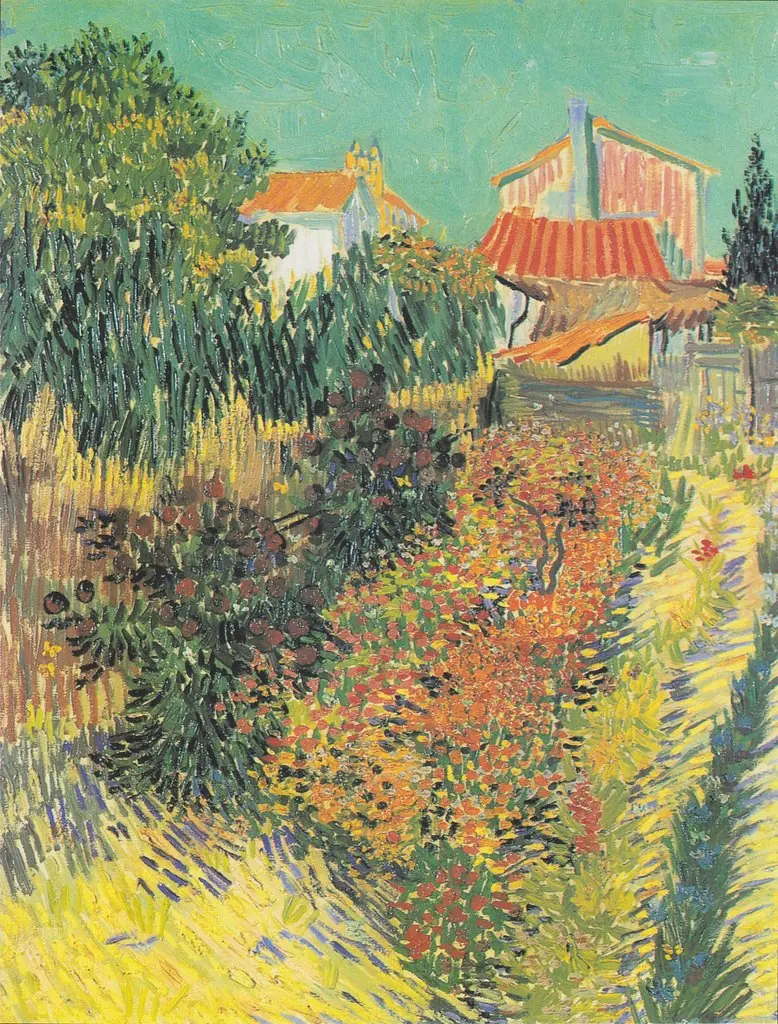
- Garden Behind a House
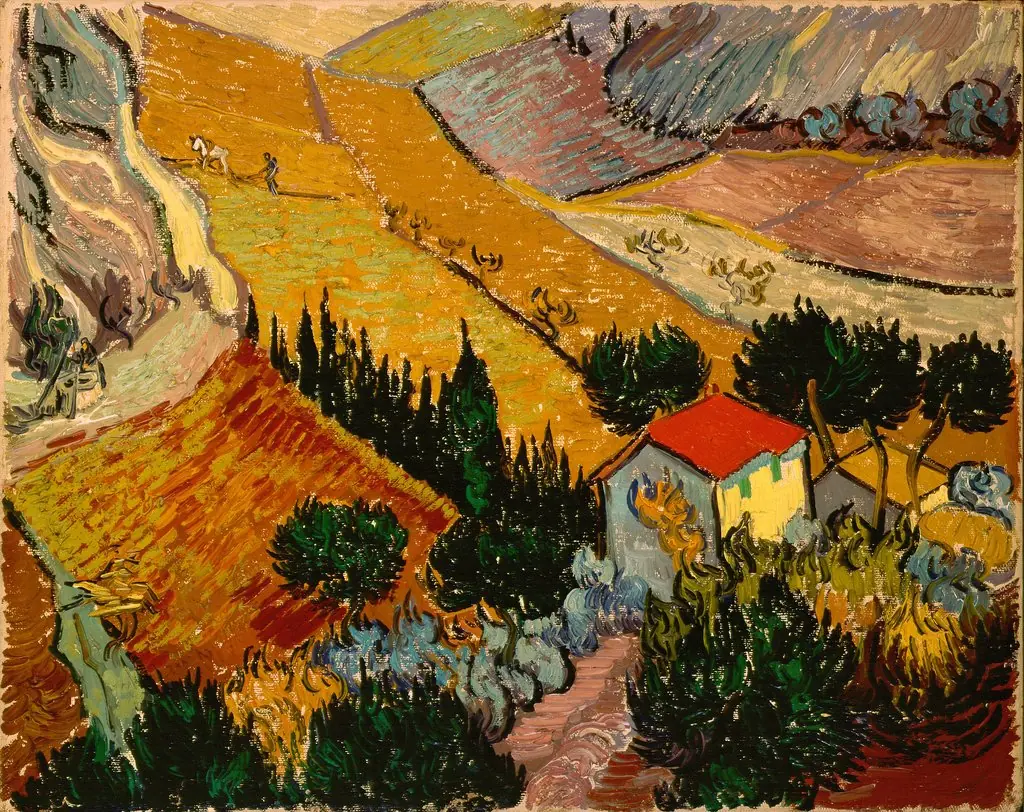 Landscape with House and Ploughman
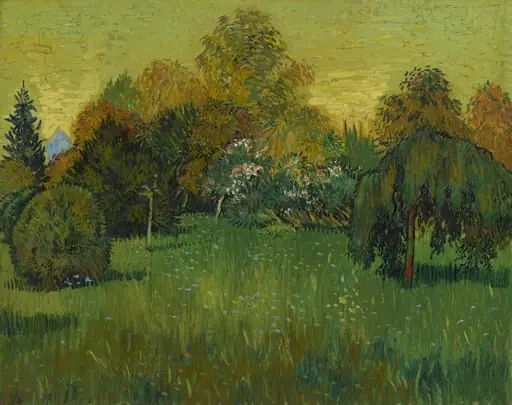 The Poet's Garden
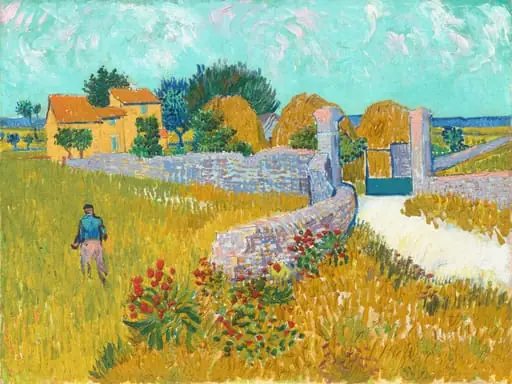 Farmhouse in Provence
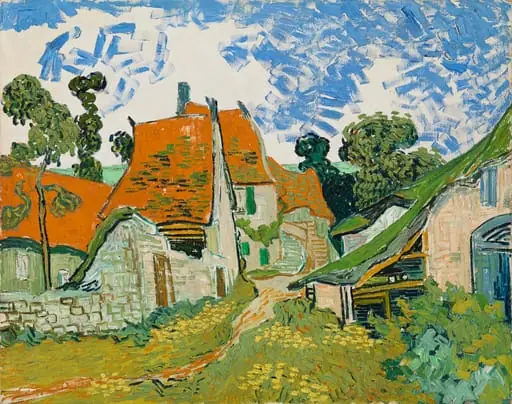 Katu, Auvers-sur-Oise
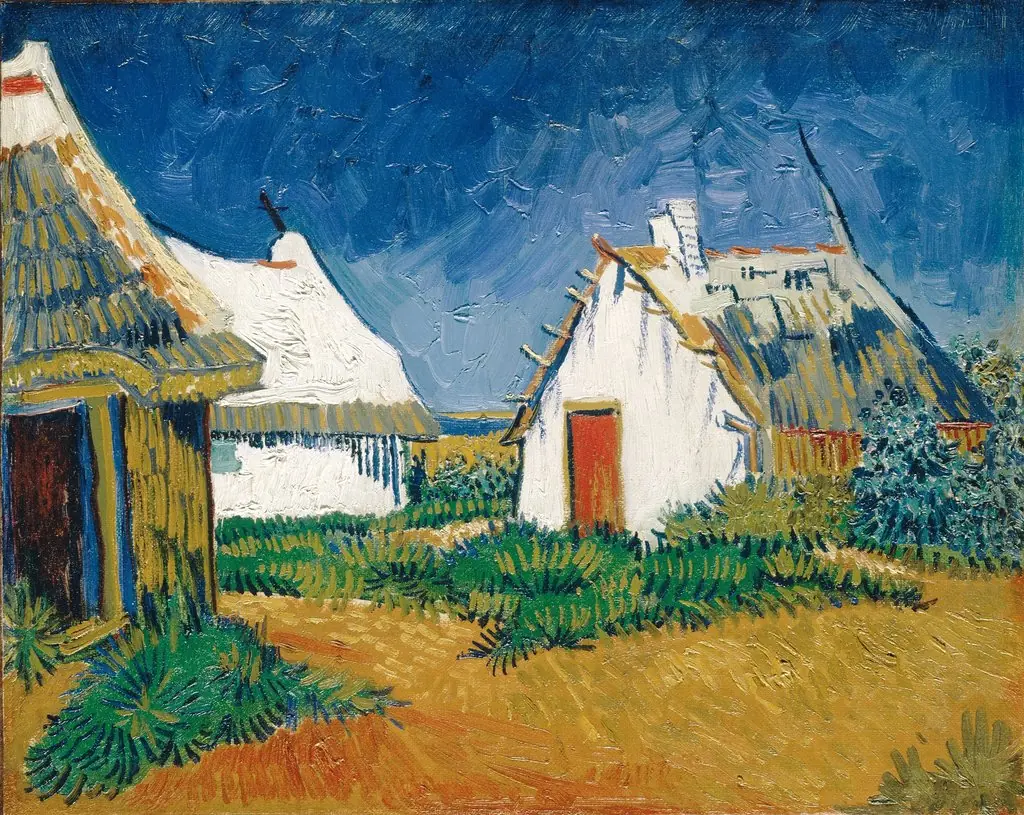 Three White Cottages in Saintes-Maries
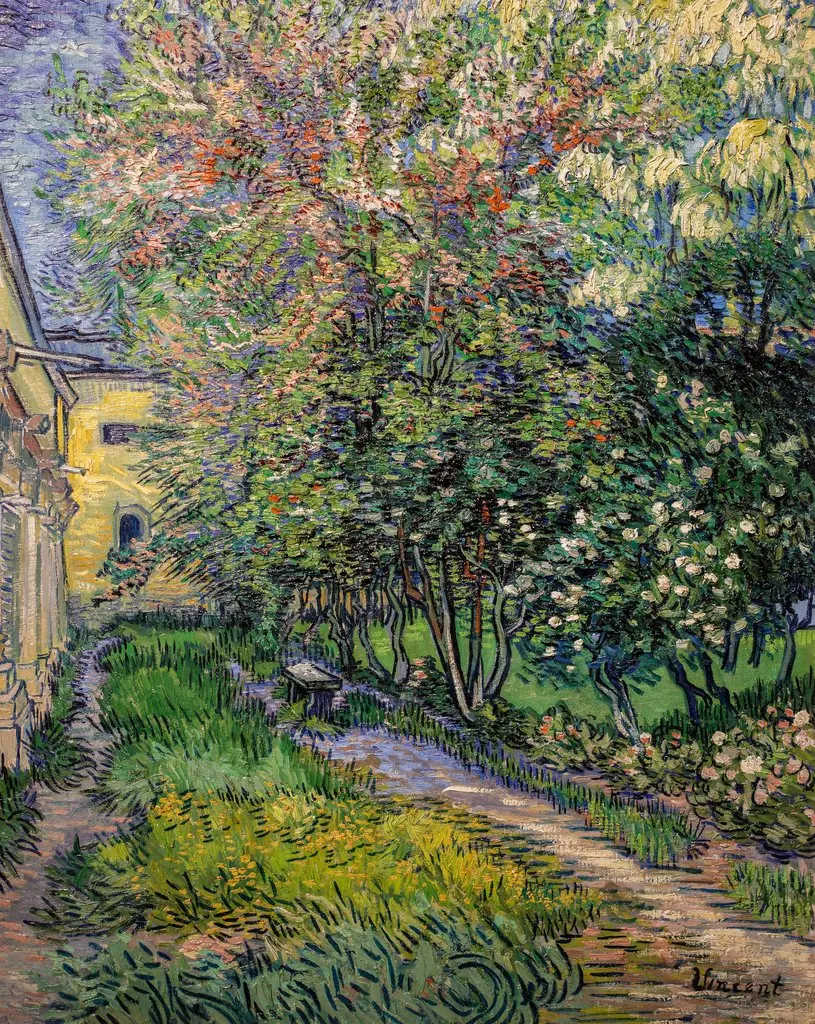 The garden at the asylum at Saint-Rémy
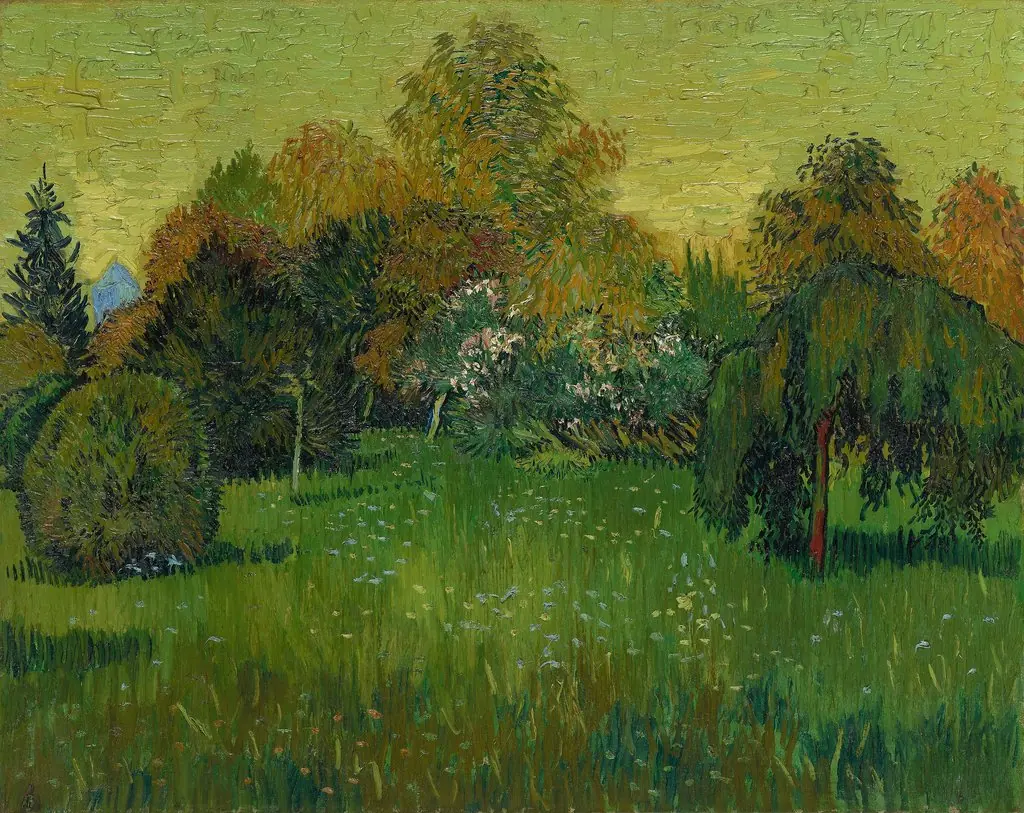 The Poet's Garden
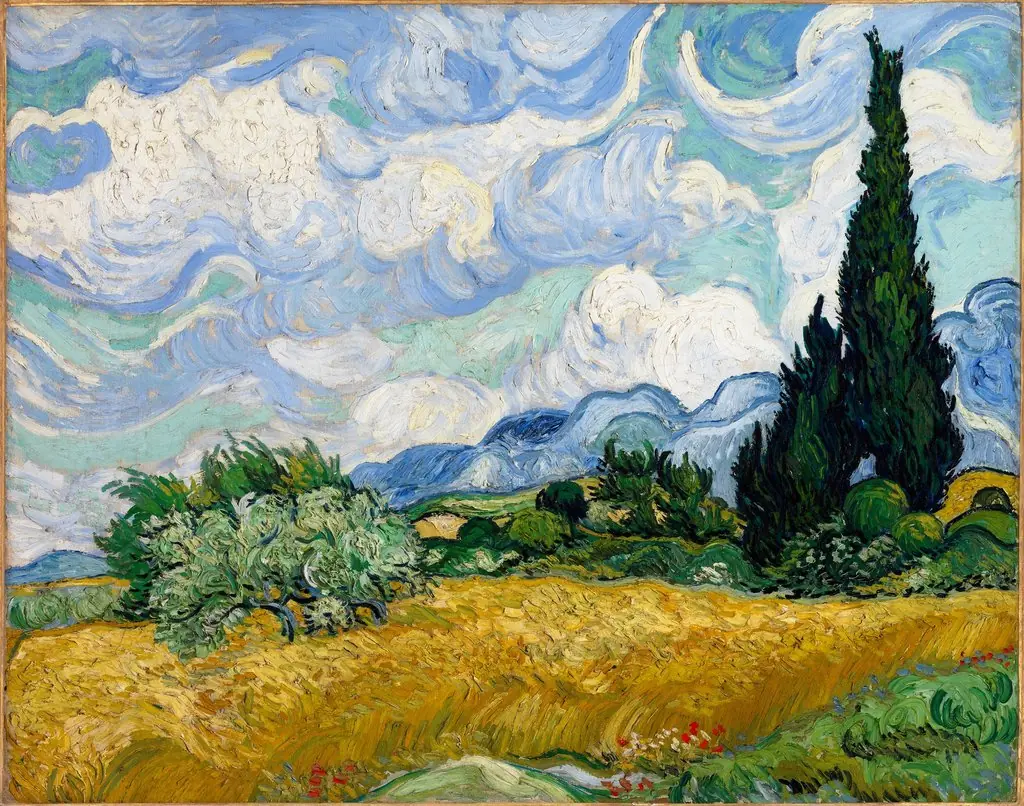 Wheat Field with Cypresses
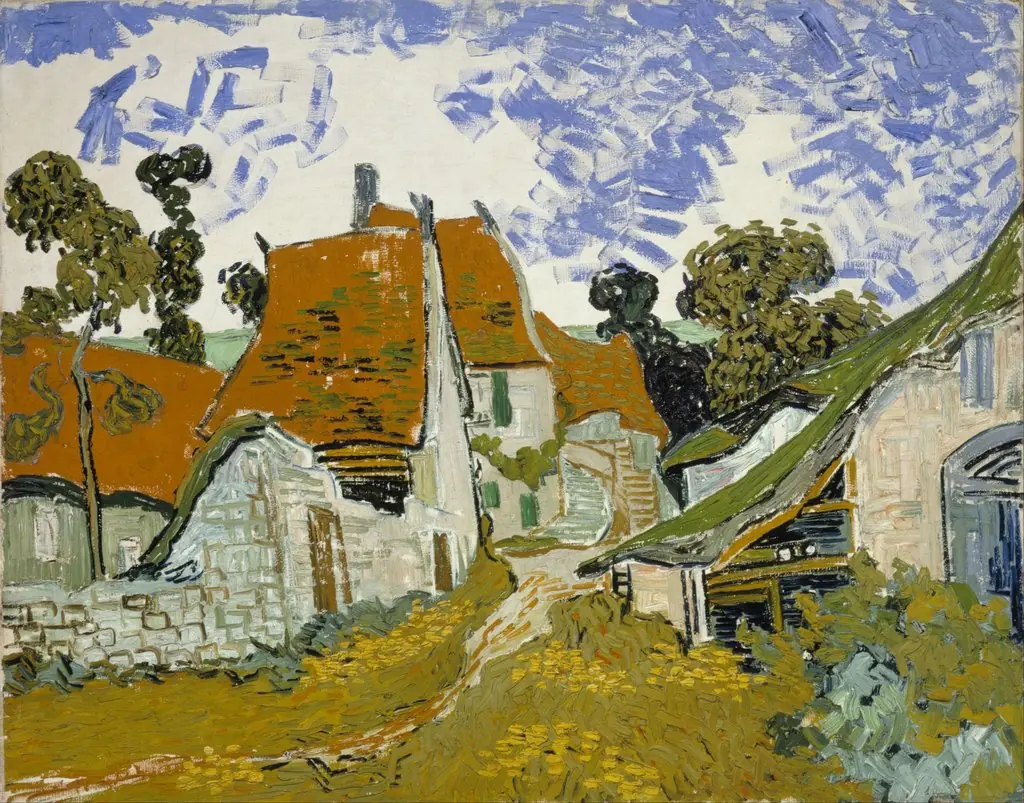 Street in Auvers-sur-Oise
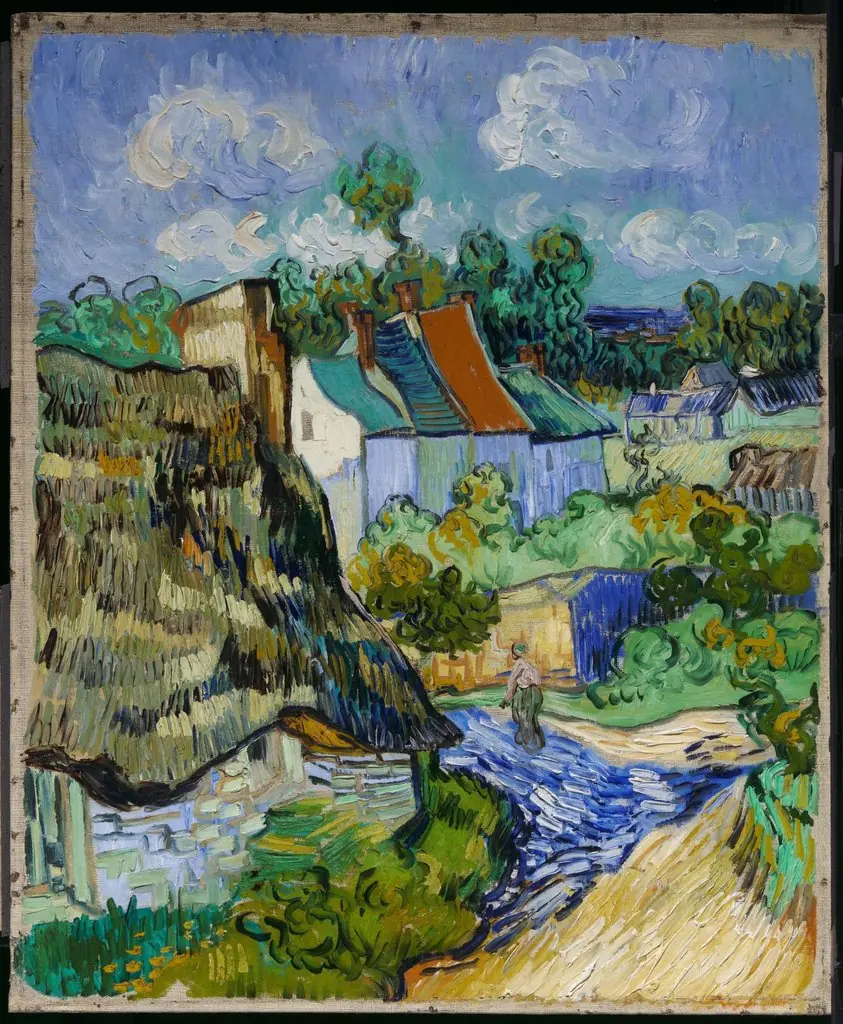 Houses in Auvers
 Thatched Sandstone Cottages in Chaponval