Artwork
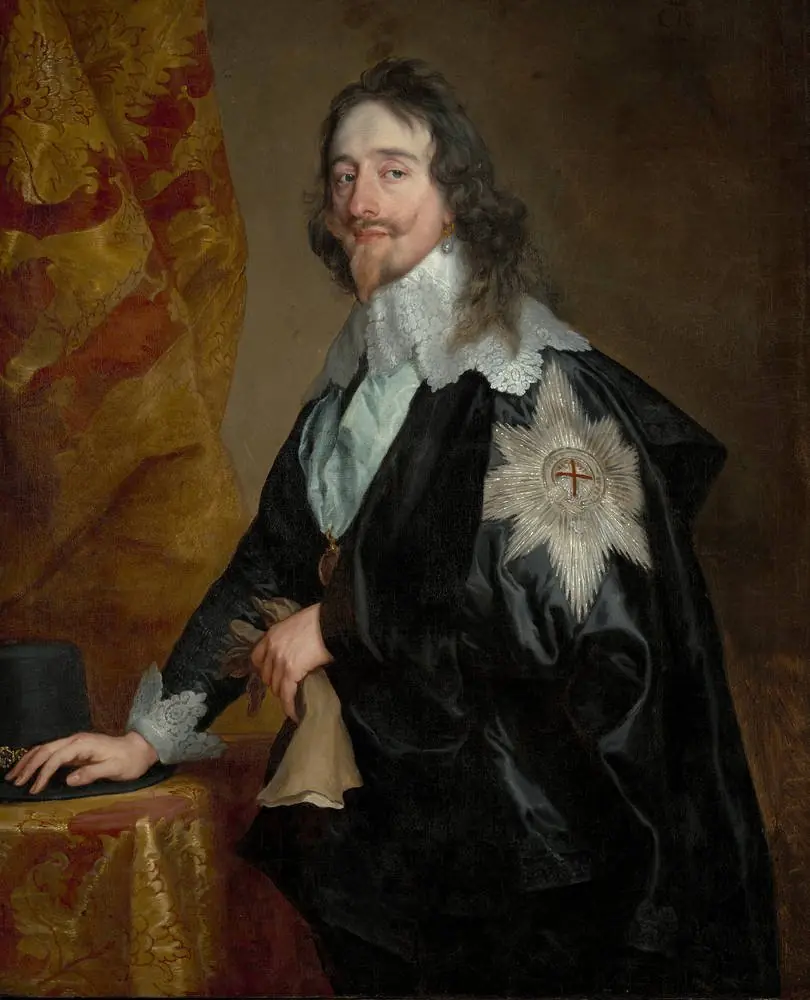
King Charles I of England (1600-1649), three-quarter portrait
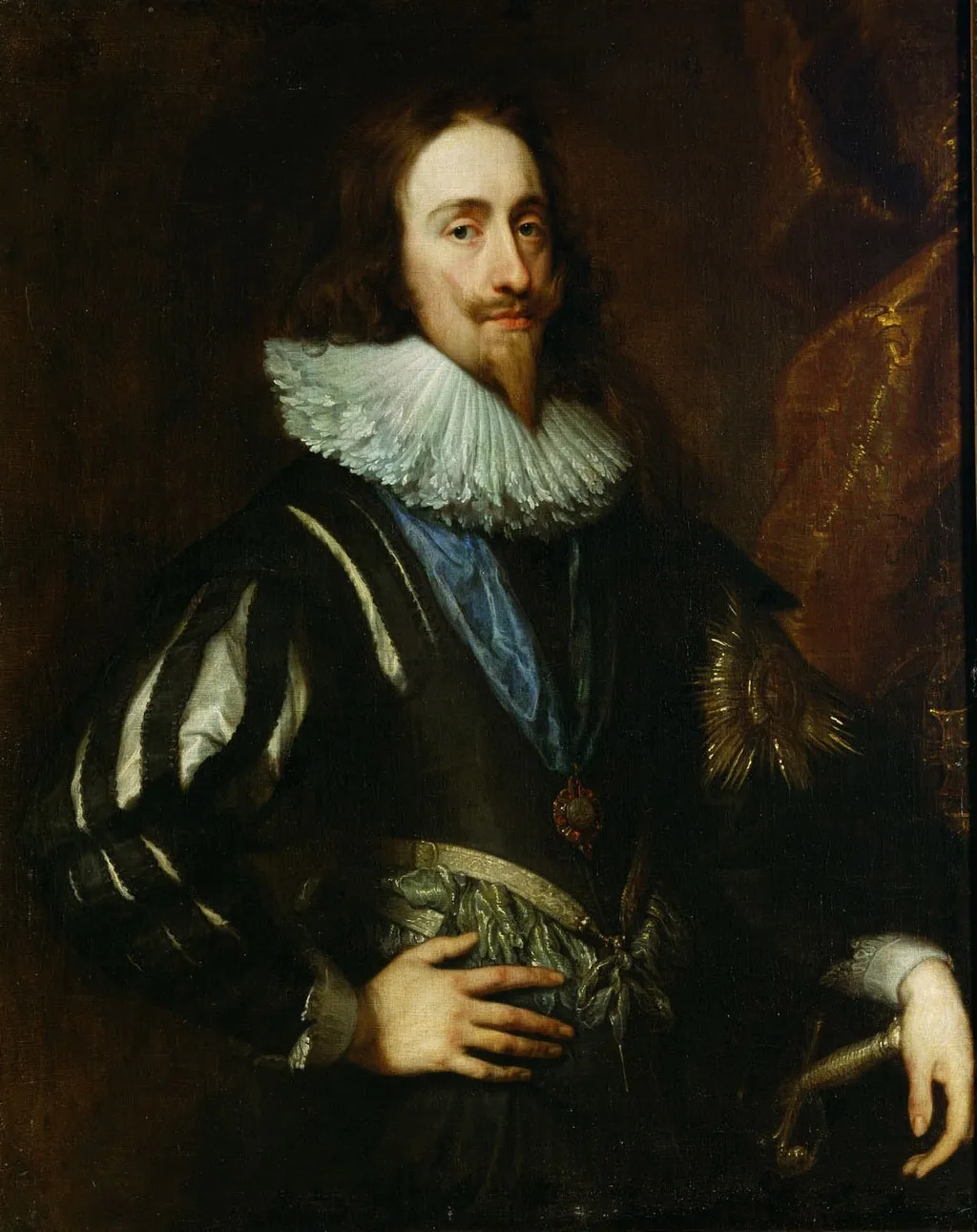
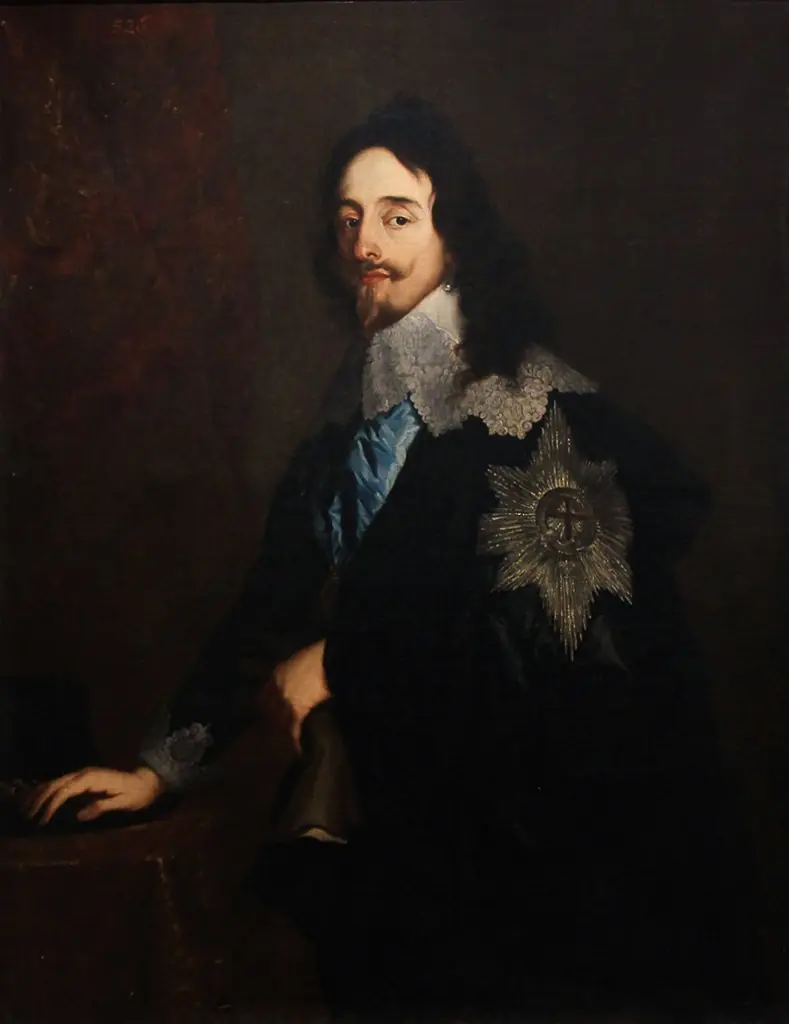
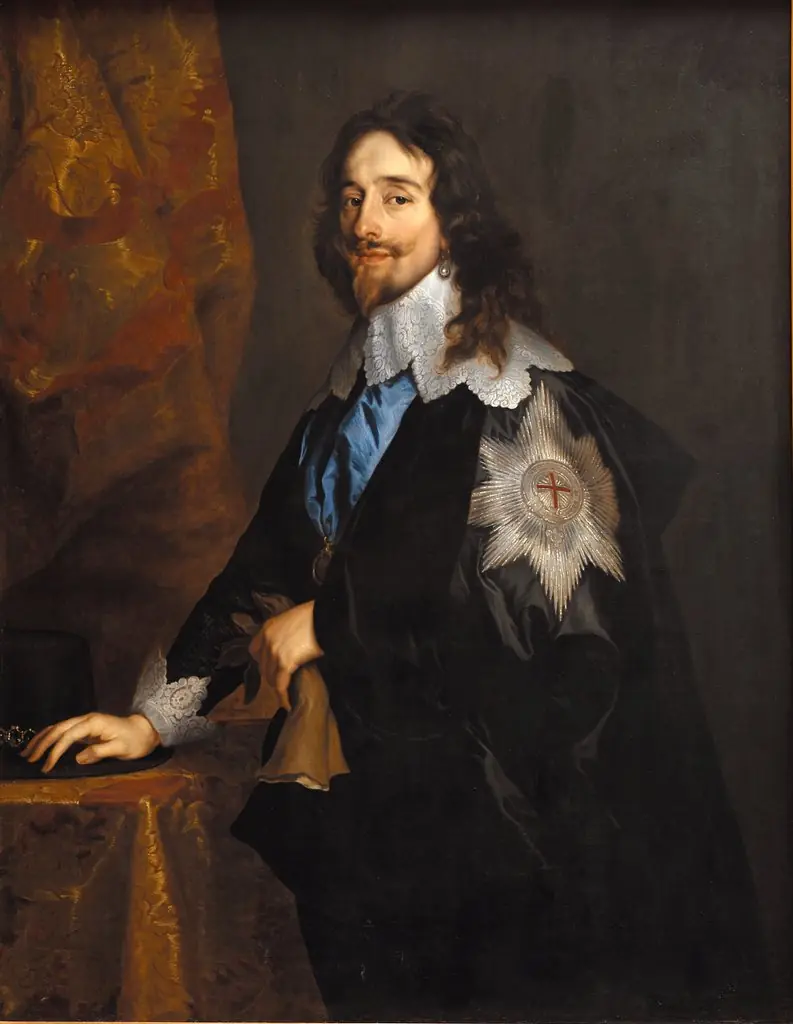
King Charles I of England (1600-1649), three-quarter portrait is an oil painting by the Baroque artist Anthony van Dyck. It dates from 1632 and is held in the collection of the Kunsthistorisches Museum.
About this work
Subject & Meaning
The composition includes symbolic attributes such as a sword and a curtain, which frame the monarch and emphasize his royal authority and martial role.
The painting depicts King Charles I of England in a three-quarter length pose, dressed in the ceremonial robes of the Order of the Garter, the highest order of chivalry in England, of which he served as Grand Master. The composition includes symbolic attributes such as a sword and a curtain, which frame the monarch and emphasize his royal authority and martial role. This specific presentation of the king in Garter insignia establishes a visual precedent for Van Dyck's later works, including the famous equestrian portrait of Charles I hunting, by reinforcing the connection between the monarch's physical presence and his sovereign status.
Technique & Style
Executed in 1632, this Baroque portrait utilizes oil paint applied to a canvas support. The work measures 103 cm in height and 81 cm in width. Stylistically, the composition presents a three-quarter view of the monarch dressed in the ceremonial robes of the Order of the Garter, accompanied by a sword and curtain.
The specific posture adopted by the subject anticipates the dynamic arrangement Van Dyck would later employ in his renowned equestrian and hunting portraits of the same ruler.
History & Provenance
The three-quarter portrait of King Charles I was created by Anthony van Dyck in 1632. The work depicts the monarch dressed in the regalia of the Order of the Garter, a role in which he served as Grand Master. While the painting establishes a pose that anticipates van Dyck's later hunting portraits of the king, the specific commission details and the chain of ownership prior to its current location are not detailed in the provided sources. The artwork is currently held in the collection of the Kunsthistorisches Museum.
The work is housed in the Kunsthistorisches Museum, where it is catalogued under inventory number 1922/1923. It has been displayed in the museum’s Baroque portrait gallery as part of a 2005 exhibition titled ‘Van Dyck and the English Court’, and was later featured in the 2012 traveling show ‘Baroque Portraits of Europe’ hosted at the Kunsthistorisches Museum and the Kunstmuseum Basel. The painting was also included in the 1997 European Old Masters exhibition at the Kunsthistorisches Museum’s special exhibition hall.
Context
The portrait of Charles I, painted by van Dyck in 1632, was created during the artist's early period in England, shortly after his arrival and appointment as principal painter to the court. It depicts the king in the ceremonial robes of the Order of the Garter, holding a sword and set against a draped curtain, emphasizing both his authority and his role as a patron of the arts. The work exemplifies the Baroque style through its dynamic composition, rich coloration, and psychological depth, reflecting van Dyck's innovative approach to court portraiture.
Art historians regard it as a pivotal image in shaping the visual representation of royal power in 17th-century England, and it remains central to discussions of van Dyck's influence on portraiture and his broader impact on European painting. The painting is part of the collection at the Kunsthistorisches Museum, where it is studied within the context of Baroque portraiture and van Dyck's evolving artistic legacy.
Legacy
The portrait established a lasting template for royal iconography, particularly through its depiction of Charles I in the ceremonial regalia of the Order of the Garter. This visual language was subsequently emulated in later Van Dyck works and influenced European court portraiture, reinforcing the monarch's image as both sovereign and symbol of hierarchical order. The painting's compositional choices, such as the three-quarter view and emphasis on ceremonial attire, became reference points for representing aristocratic authority in the Baroque period and beyond.
Scholars have noted its role in shaping the visual discourse around Stuart monarchy, with the work frequently cited in analyses of early modern political symbolism and artistic patronage. Its presence in the Kunsthistorisches Museum collection has ensured continued scholarly attention to Van Dyck's contribution to portraiture.
The legacy of this specific portrait is further underscored by its frequent reproduction in art historical literature, including studies on Van Dyck's techniques and the broader cultural context of 17th-century English court art.
Overview
Anthony van Dyck’s oil portrait of Charles I, executed in 1632, presents the monarch in a three‑quarter view. The king is dressed in a dark coat with a white ruffled collar, his left hand grasping a folded drapery and his right hand resting on a small, gold‑trimmed hat. An insignia of the Order of the Garter adorns his chest, while a faint white glove appears at the lower right.
Artist & collection
Artist
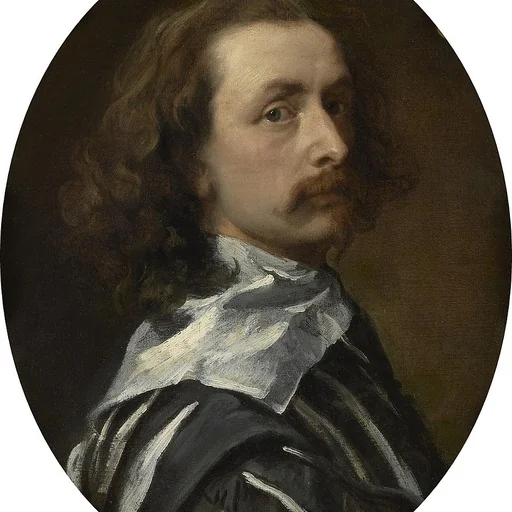
Sir Anthony van Dyck (; Dutch: Antoon van Dijck; 22 March 1599 – 9 December 1641) was a Flemish Baroque artist, who became the leading court painter in England after success in the Spanish Netherlands and Italy.