Artwork
Portrait of a Gentleman
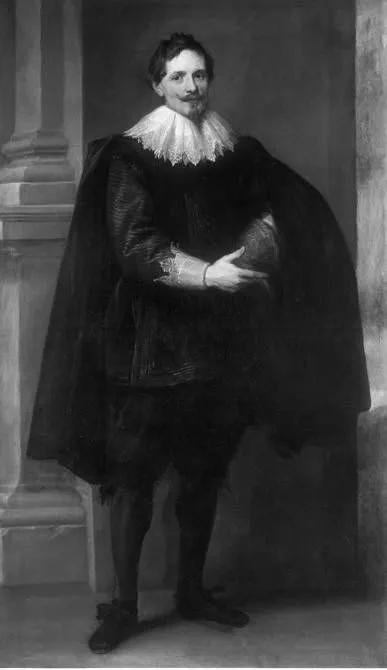
Portrait of a Gentleman is an oil painting by the Flemish Baroque painting artist Anthony van Dyck. It dates from 1630 and is held in the collection of the Bavarian State Painting Collections. Created in 1630, this oil painting presents Sebastiaan Leerse in formal seventeenth‑century attire.
About this work
Subject & Meaning
As a formal portrait, the painting focuses on the representation of this specific individual within the context of the artist's oeuvre during that year.
The work depicts Sebastiaan Leerse, identified as the main subject of this 1630 portrait by Anthony van Dyck. As a formal portrait, the painting focuses on the representation of this specific individual within the context of the artist's oeuvre during that year. The iconography is defined by the sitter's likeness rather than allegorical figures or complex narrative symbolism, presenting a direct visual record of the gentleman.
The piece serves as a historical document of Leerse, capturing his appearance for the collection that would eventually include the Electoral Gallery Dusseldorf holdings.
Technique & Style
Portrait of a Gentleman is executed in oil paint on canvas, a standard support for Anthony van Dyck's full-scale portraits of the period. The work is a large-format composition, measuring 203.7 cm in height by 121.1 cm in width, a tall, single-figure format consistent with Van Dyck's standing or seated portrait conventions of around 1630.
Stylistically, the painting belongs to the portrait genre and reflects Van Dyck's mature handling of the sitter, identified as Sebastiaan Leerse. The canvas support and oil medium allowed for the layered, fluid handling characteristic of his aristocratic portrait commissions of the early 1630s, produced during his international career.
History & Provenance
Created in 1630, this oil painting on canvas by Anthony van Dyck depicts Sebastiaan Leerse. The work entered the collection of Johann Wilhelm von der Pfalz, forming part of the holdings associated with the Electoral Gallery in Dusseldorf. It is currently preserved within the Bavarian State Painting Collections and displayed at the Alte Pinakothek.
The painting has been part of the collection of the Bavarian State Painting Collections and is held at the Alte Pinakothek in Munich. Its provenance traces back through the Electoral Gallery in Düsseldorf to the Johann Wilhelm von der Pfalz collection.
No exhibition history is documented in the available sources.
Overview
Created in 1630, this oil painting presents Sebastiaan Leerse in formal seventeenth‑century attire. Executed by Anthony van Dyck, a leading Flemish Baroque painter, the work is part of the Alte Pinakothek’s holdings. The composition isolates the sitter against an unadorned backdrop, emphasizing his posture and the subtle play of light across the fabrics.
Context
The painting reflects the Baroque interest in portraying individual identity within a refined visual language. Van Dyck’s experience in Rubens’s studio informed his approach to composition and color, while his later English court commissions honed his skill in rendering aristocratic elegance. This work exemplifies the transitional phase between Flemish tradition and the emerging English portrait style.
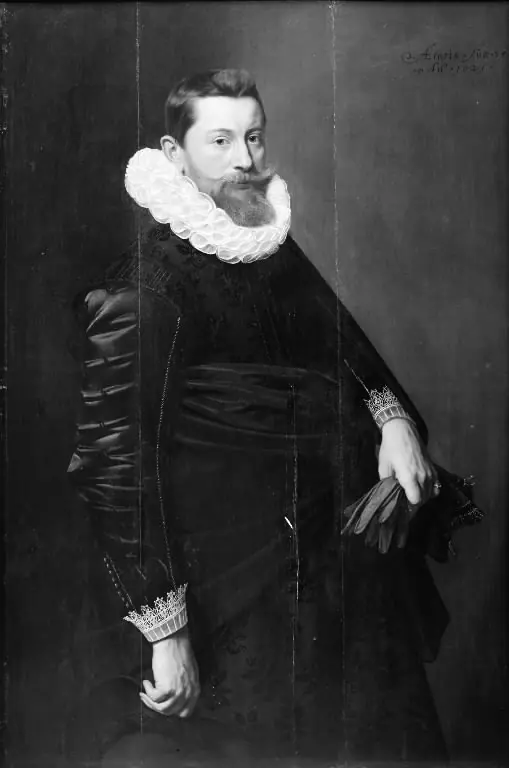
Artist & collection
Artist
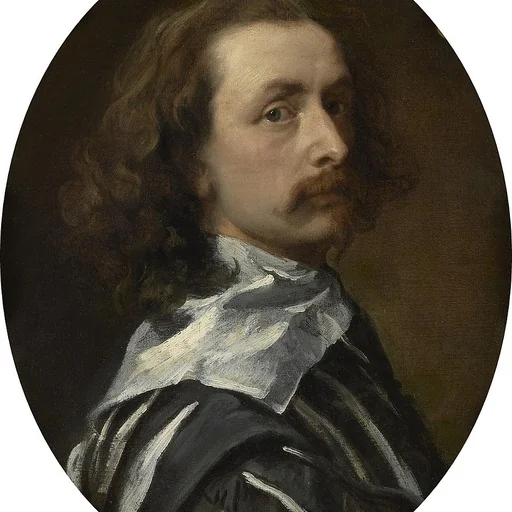
Sir Anthony van Dyck (; Dutch: Antoon van Dijck; 22 March 1599 – 9 December 1641) was a Flemish Baroque artist, who became the leading court painter in England after success in the Spanish Netherlands and Italy.

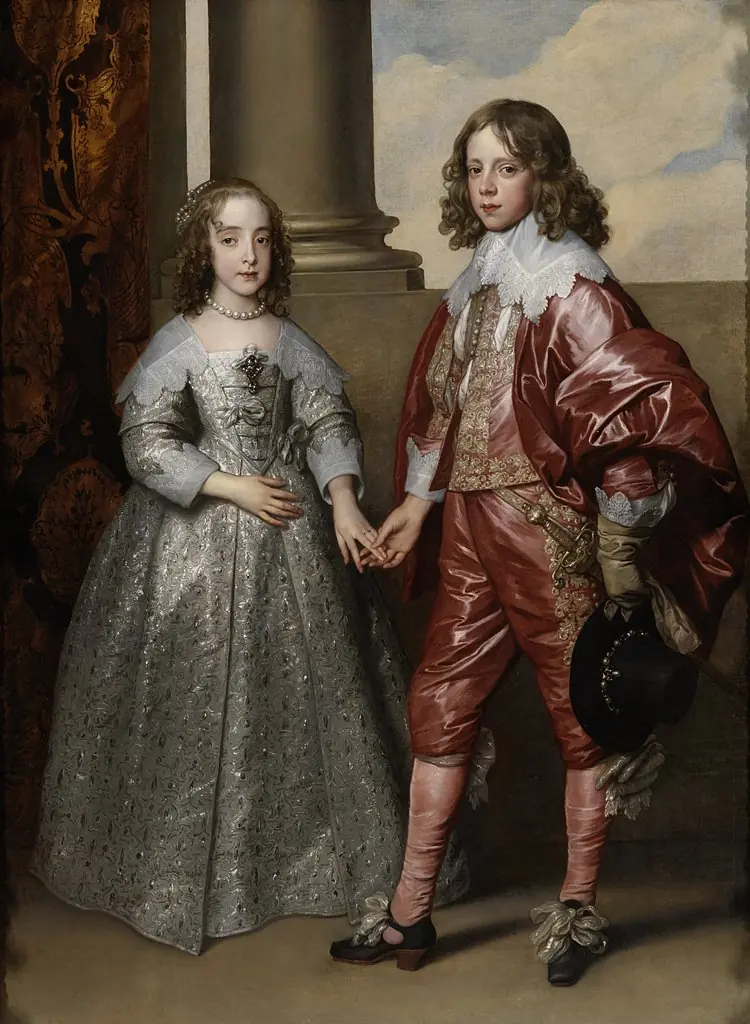
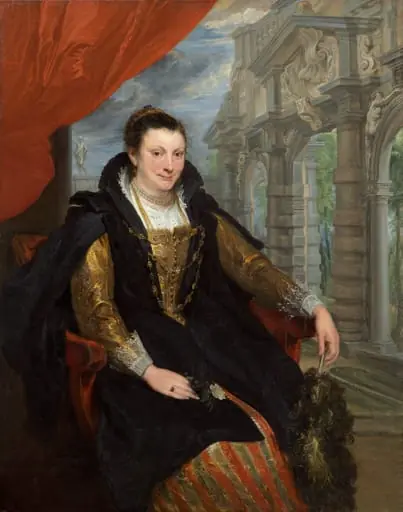
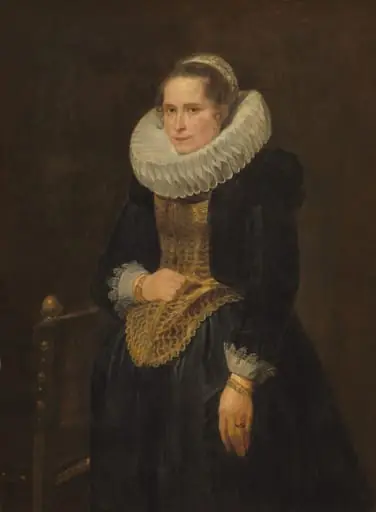
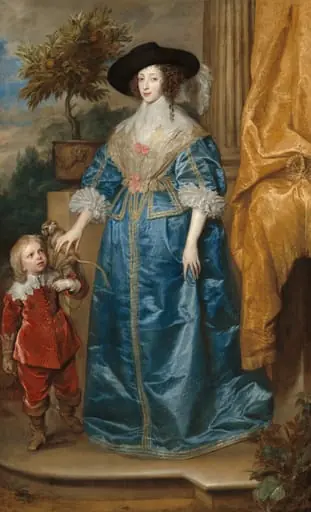
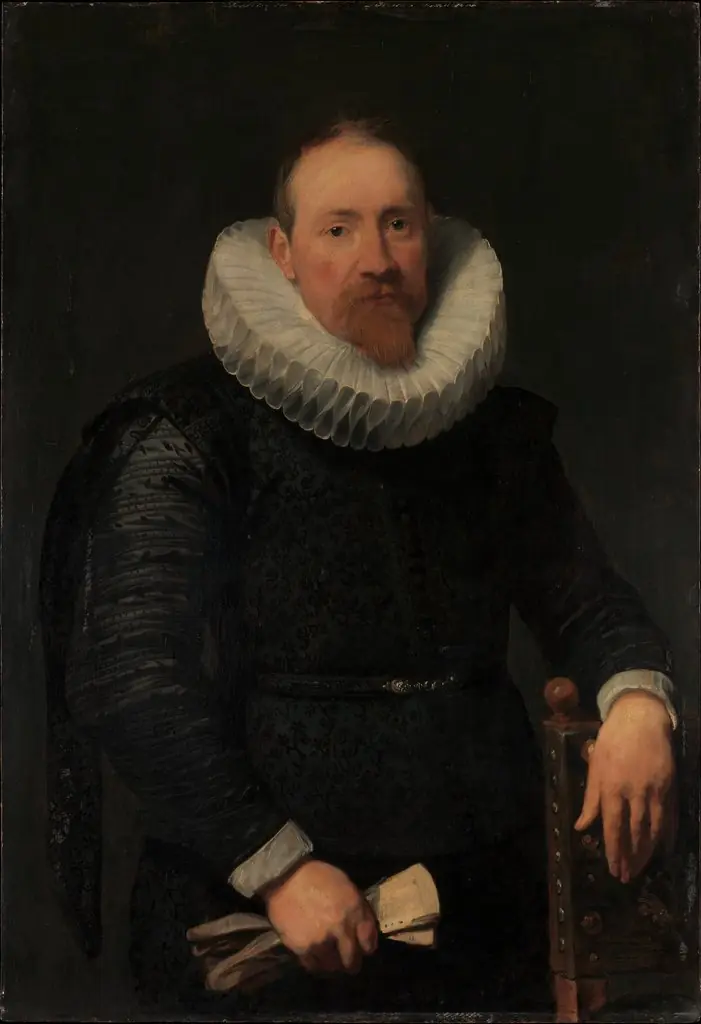
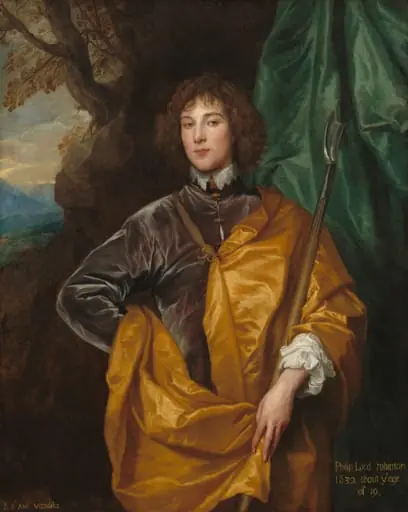
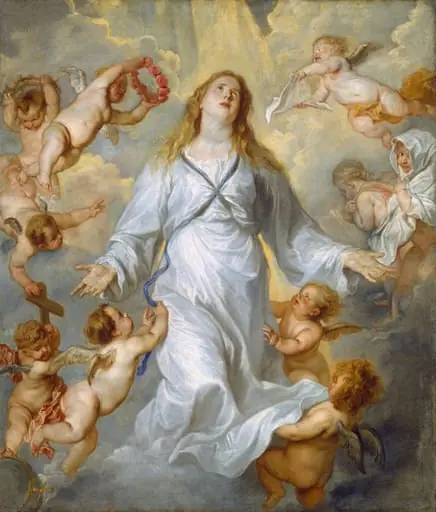
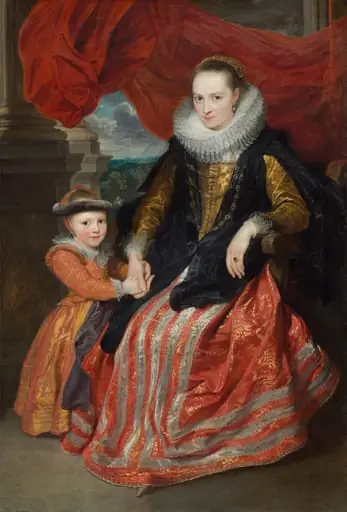
- Portrait of a Gentleman
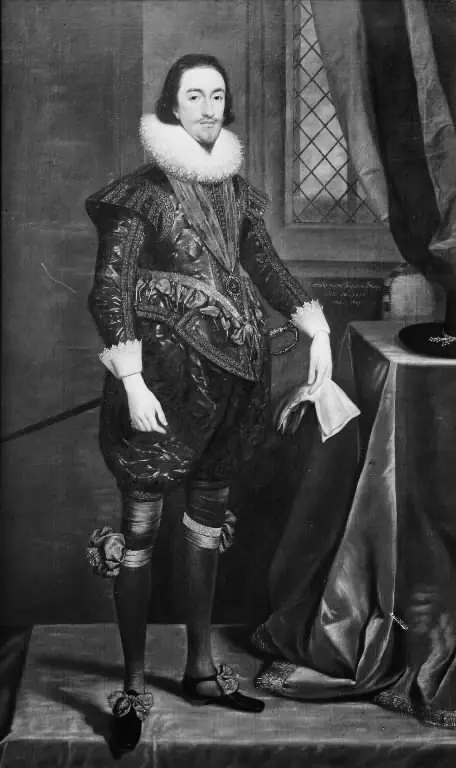 Charles I of England (1600–1649) as Prince of Wales
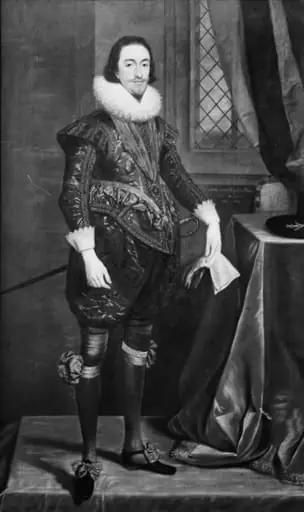 Charles I of England (1600-1649) as Prince of Wales
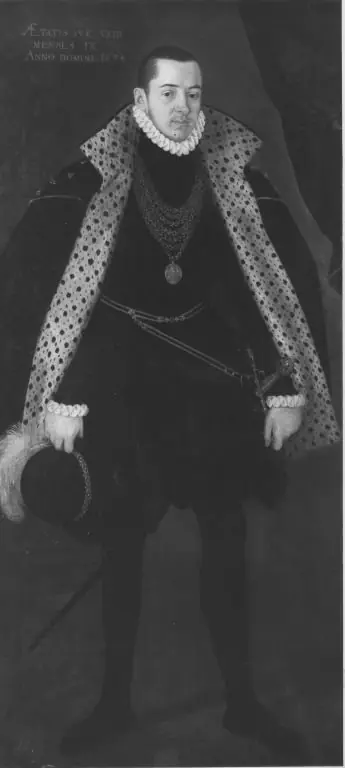 Prinz Johann I.
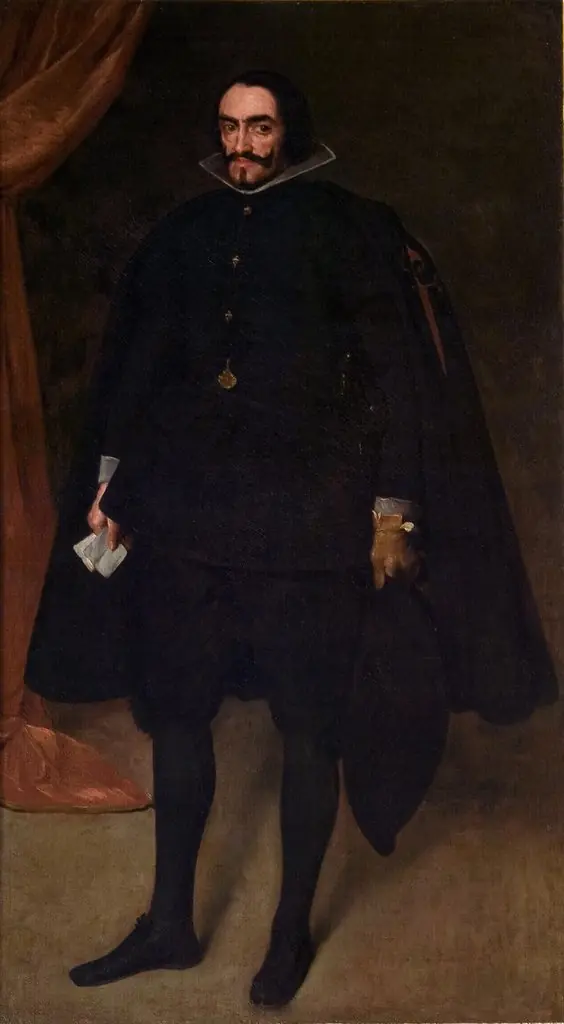 Portrait of a Knight of the Order of Santiago
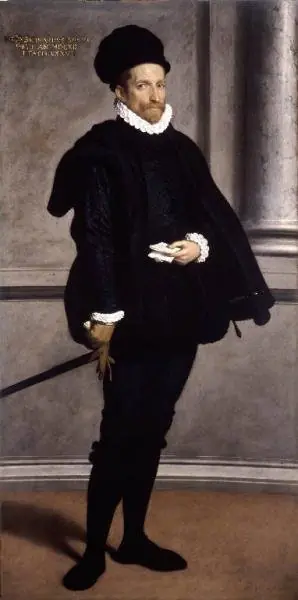 Portrait of Bernardo Spini
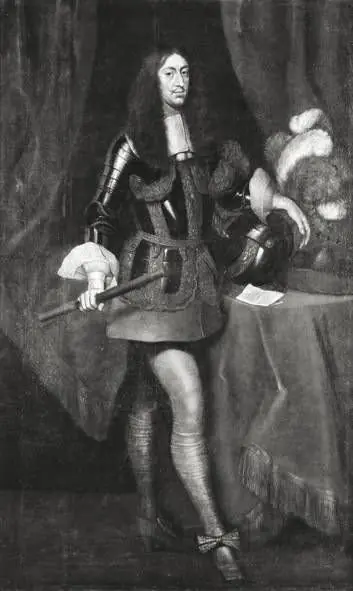 Kurfürst Ferdinand Maria von Bayern
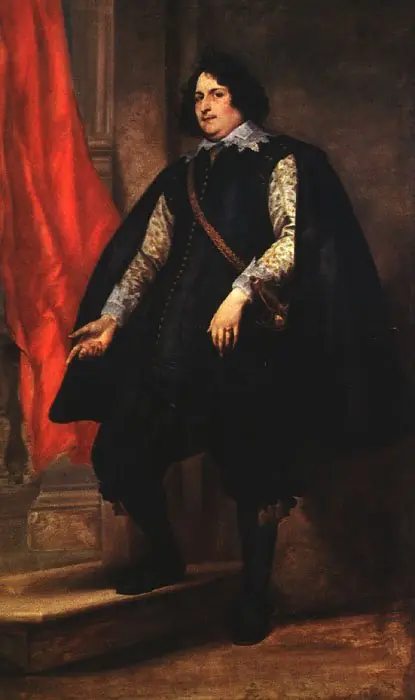 Portrait of Filips de Godines
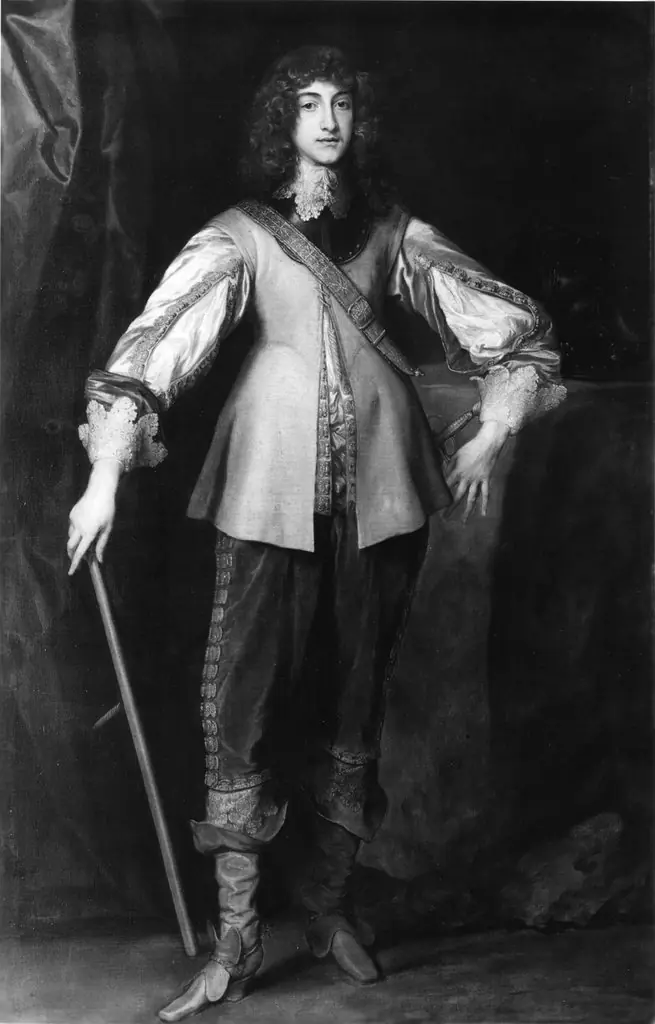 Portrait of Prince Rupert
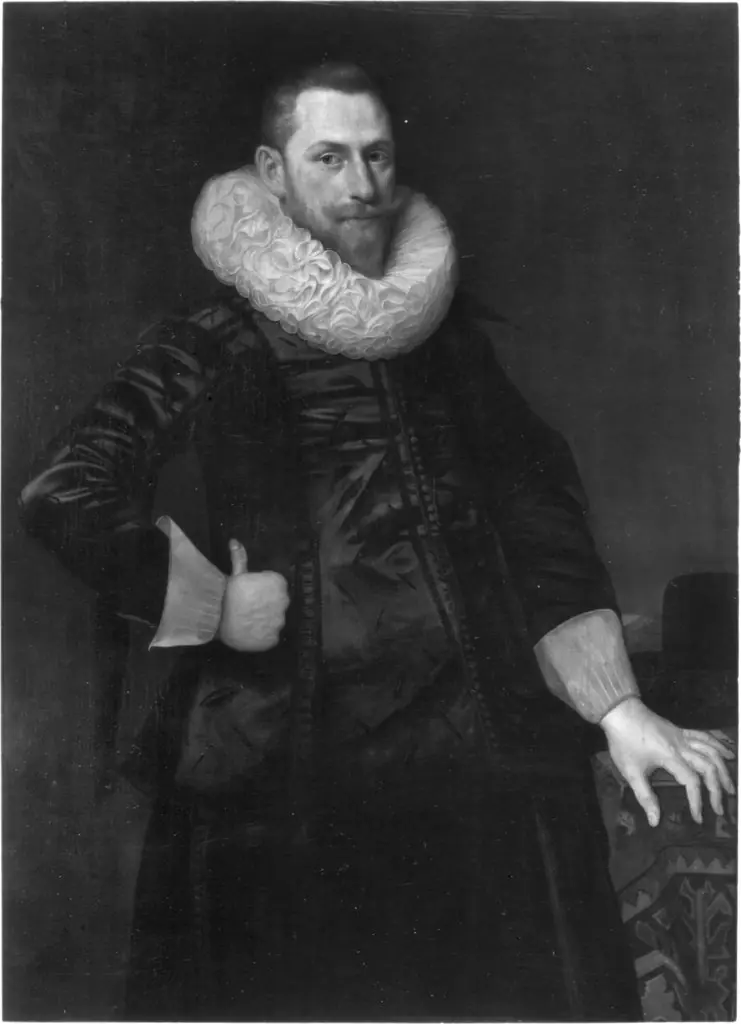 Portrait of Dirck Corver (1587-1633)
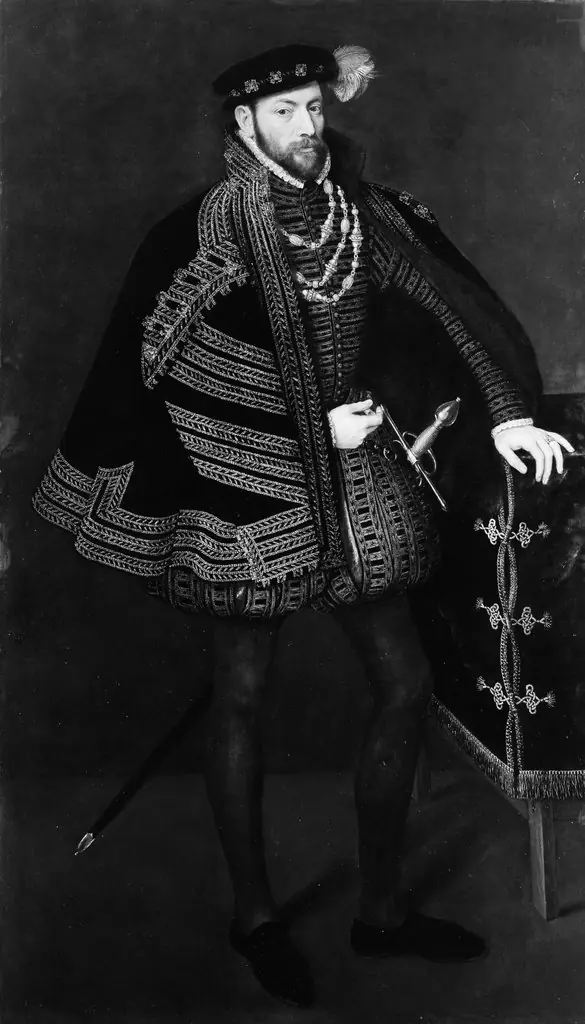 Portrait of a Man, Possibly Ottavio Farnese (1524–1586), Duke of Parma and Piacenza
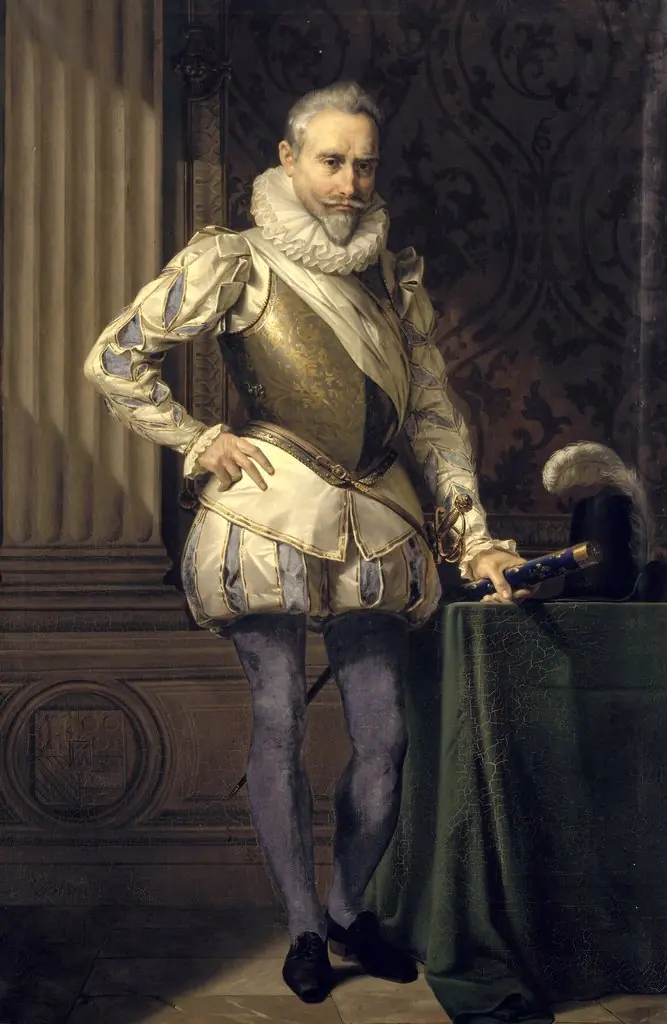 Portrait of Henri de La Tour d'Auvergne, duc de Bouillon