Artwork
Portrait of Isabella, Lady de La Warr
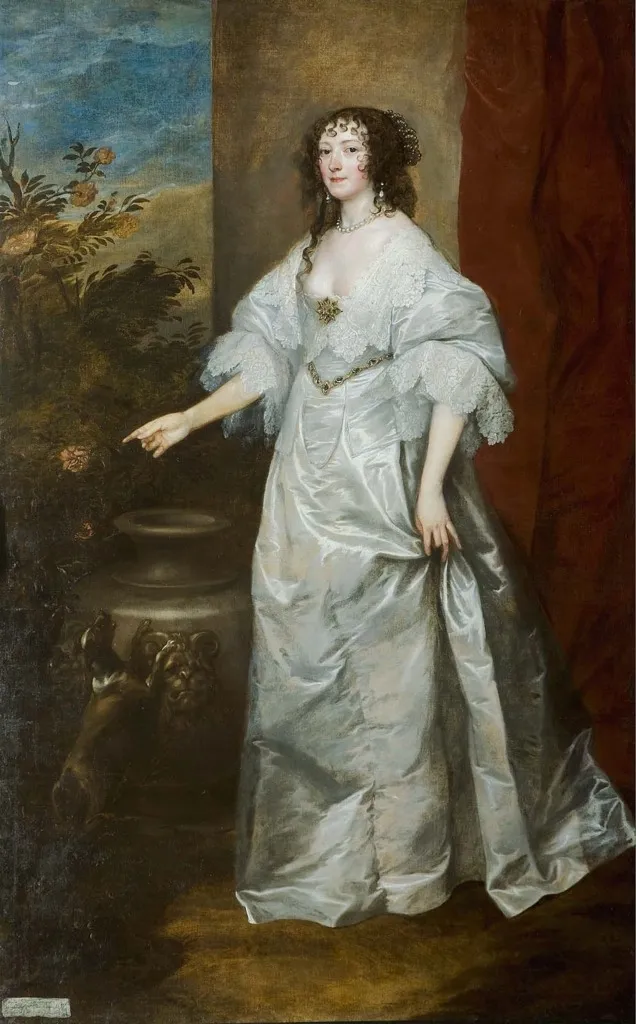
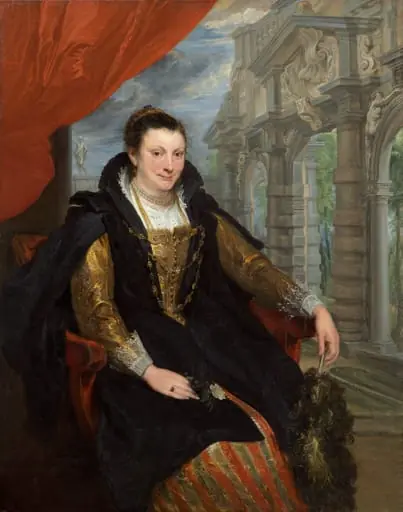
Portrait of Isabella, Lady de La Warr is an oil painting by the Flemish Baroque painting artist Anthony van Dyck. It dates from 1638 and is held in the collection of the Museum of Fine Arts Boston.
About this work
Subject & Meaning
Together these visual cues suggest an idealized representation of femininity and domestic virtue in early‑17th‑century England.
The painting shows Isabella Edmunds, a young woman from a prominent English family, rendered in a style that emphasizes her social standing through fine clothing and delicate accessories. A rose held near her hand serves as a symbol of youthful virtue and marital promise, while the modest background underscores a focus on personal character rather than overt narrative. Together these visual cues suggest an idealized representation of femininity and domestic virtue in early‑17th‑century England.
The work belongs to the portrait genre and reflects the sitter’s connection to the aristocratic circles of the time, as evidenced by her inclusion in the collection of William Lukens Elkins and its later presence at the Museum of Fine Arts, Boston.
History & Provenance
Anthony van Dyck executed the Portrait of Isabella, Lady de La Warr in 1638. Created as an oil painting on canvas, the work depicts Isabella Edmunds alongside symbolic elements including a rose and a vase. The canvas measures 213.4 cm in height and 137.2 cm in width.
Regarding its ownership history, the painting was once held in the collection of William Lukens Elkins. It subsequently entered the holdings of the Museum of Fine Arts Boston, where it remains part of the institution's collection.
Portrait of Isabella, Lady de La Warr is held at the Museum of Fine Arts Boston. Its inventory number is 35.1234. The work entered the collection through the bequest of William Lukens Elkins.
It has been displayed in the museum’s European Paintings galleries and featured in the exhibition "Van Dyck and His Contemporaries," which traveled to the National Gallery of Art in Washington, D.C.
The painting was acquired by William Lukens Elkins in the late nineteenth century and subsequently donated to the Museum of Fine Arts Boston, where it remains on permanent view.
Overview
Anthony van Dyck painted the portrait of Isabella, Lady de La Warr in 1638. Executed in oil on canvas, the composition presents the sitter in a light blue, lace‑trimmed dress, her hair styled in curls and secured behind her head. She holds a rose in one hand, rests the other on her hip, and stands before a darkened curtain that hints at a landscape and a vase on a pedestal.
Technique & Style
Van Dyck employs the Flemish Baroque sensibility of smooth modeling and subtle chiaroscuro, allowing the fabric’s folds to catch light and cast gentle shadows. The delicate rendering of lace and the luminous quality of the pearls reflect his skill in depicting texture. The background is rendered with a soft focus, a technique that isolates the figure and enhances its three‑dimensional presence.
Context
The portrait exemplifies the early‑modern aristocratic portraiture that van Dyck refined for English patrons. By 1638, he had established a reputation for rendering nobility with a blend of formality and naturalism, influencing subsequent English portraitists. The work reflects contemporary tastes for refined attire, restrained backgrounds, and the subtle display of status through accessories.
Artist & collection
Artist
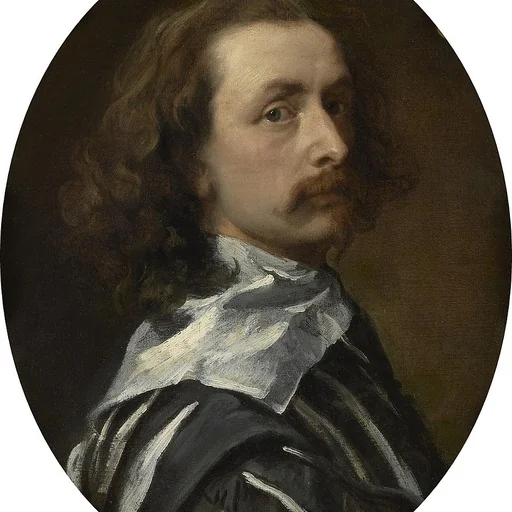
Sir Anthony van Dyck (; Dutch: Antoon van Dijck; 22 March 1599 – 9 December 1641) was a Flemish Baroque artist, who became the leading court painter in England after success in the Spanish Netherlands and Italy.

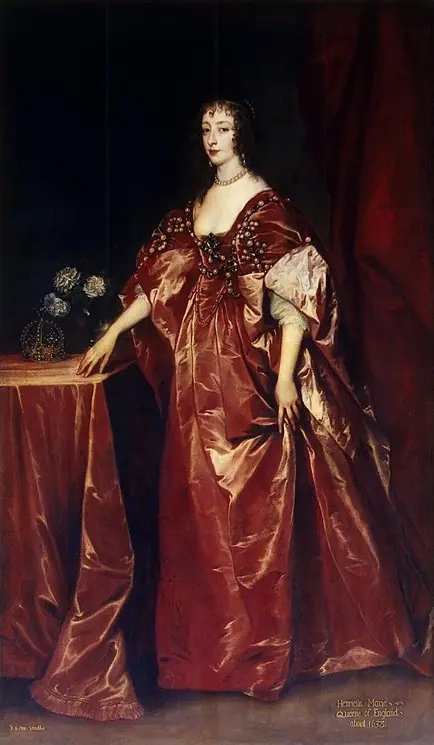
- Portrait of Queen Henrietta-Maria
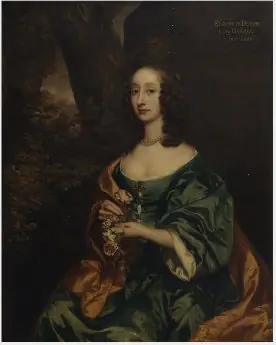 Elizabeth Dering, Lady Darell
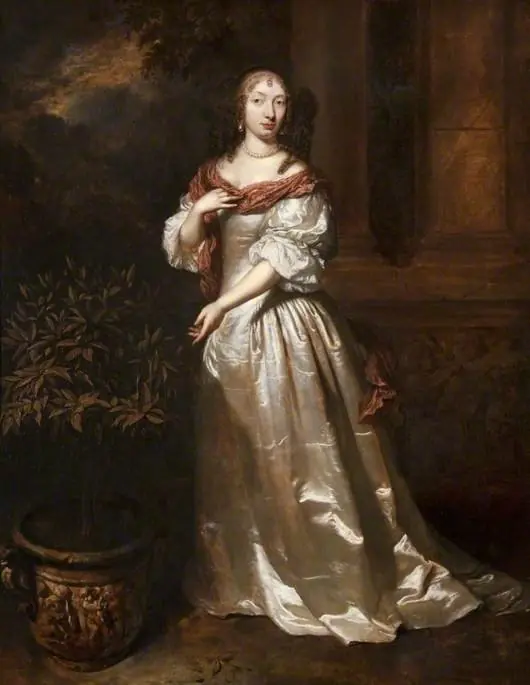 Portrait of a Young Woman by an Orange Tree
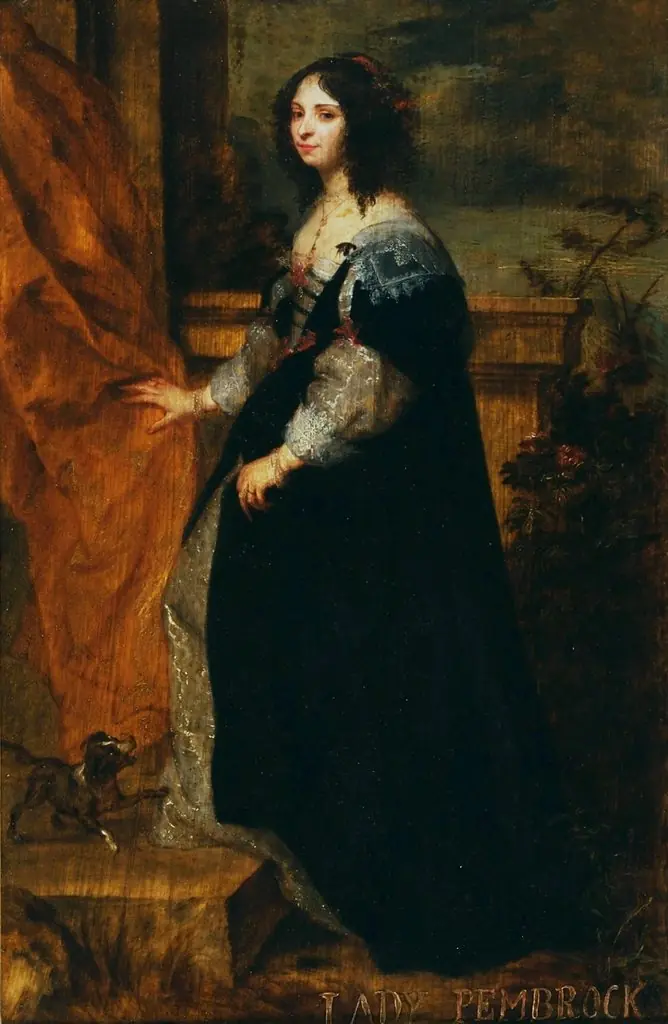 Portrait of Lady Pembrock
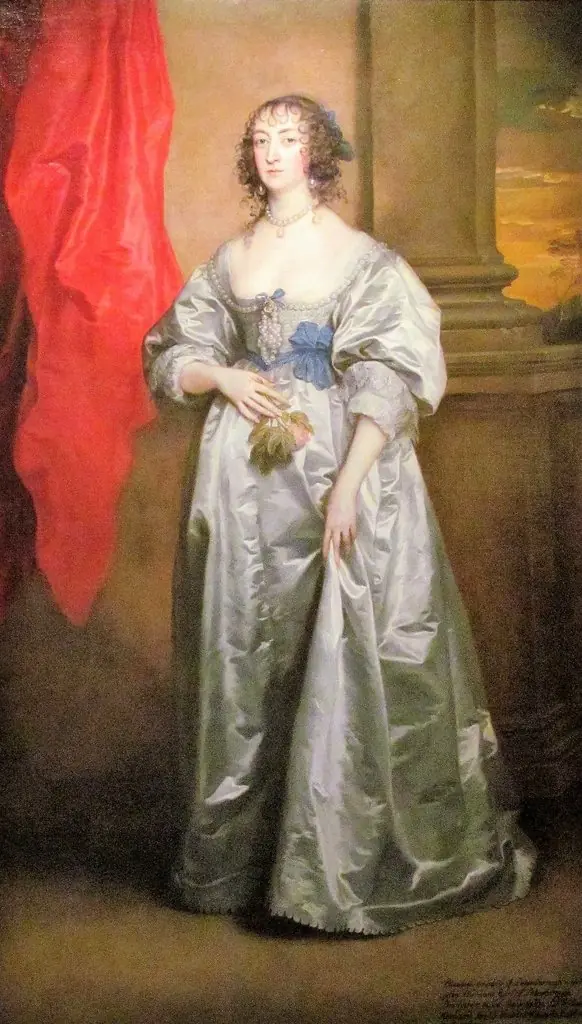 Portrait of Elizabeth Howard, 1st Countess of Peterborough
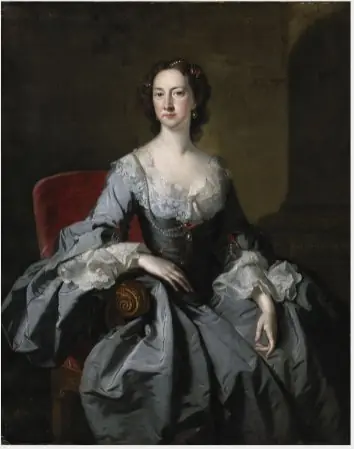 Portrait of Diana, Countess of Mountrath (1696-1766), Wife of the 6th Earl
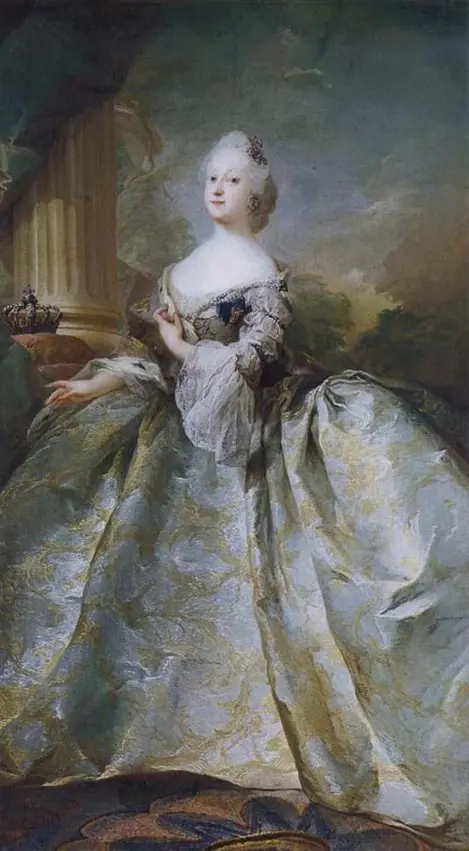 Portræt af Louise, Frederik V's første dronning
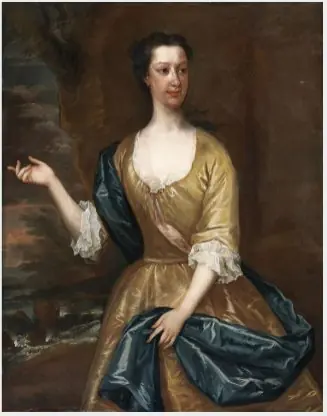 Portrait of Lady Anne Conolly (née Wentworth) (1713-1797)
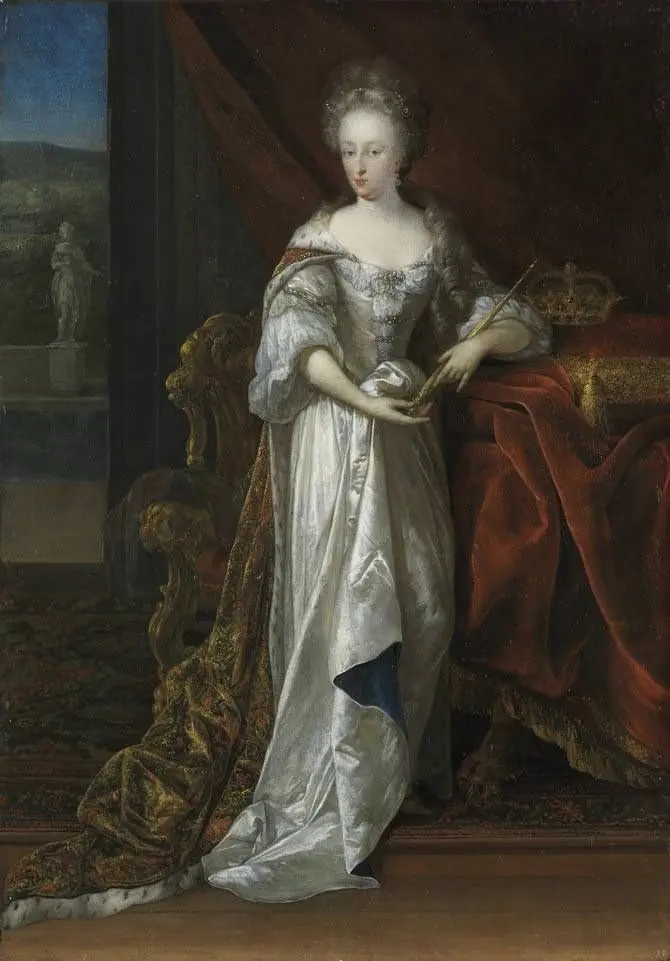 Maria Anna of Neuburg, Queen of Spain
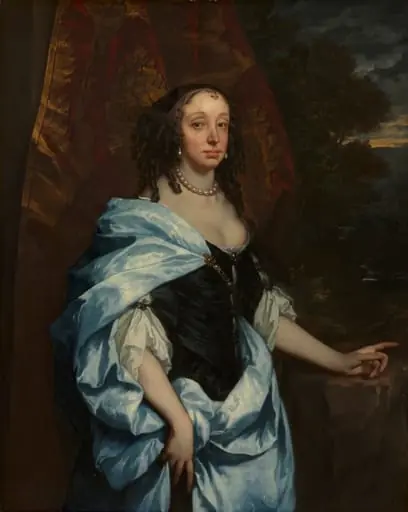 Portrait of Mrs. Leneve
 Portrait of Anne Hamilton, Countess of Donegall (1731-1780)
 Elizabeth Cunyngham, Mrs Daniel Cunyngham