Artwork
The Apostle Simon
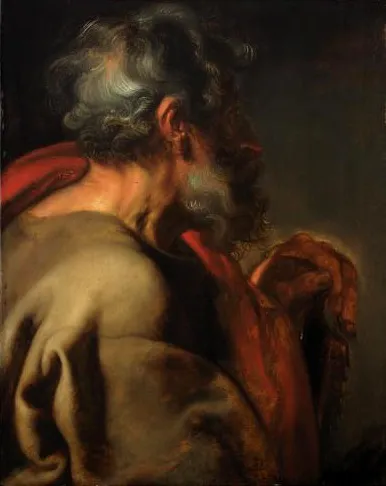
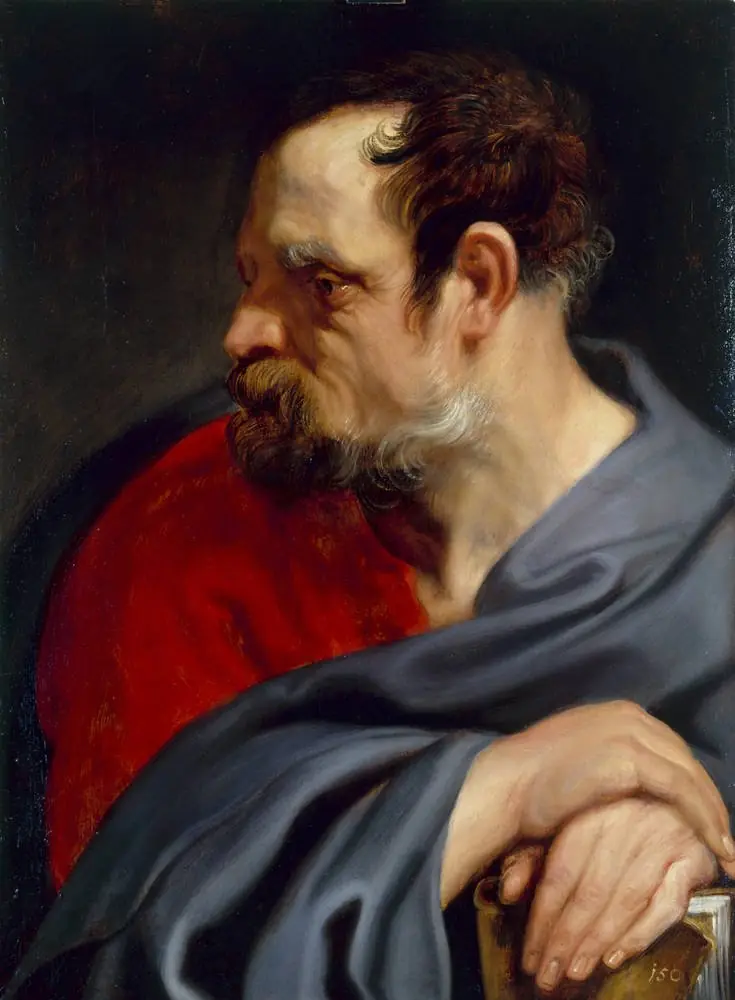
The Apostle Simon is a paint painting by the Flemish Baroque painting artist Anthony van Dyck. It dates from 1620 and is held in the collection of the Kunsthistorisches Museum.
About this work
Subject & Meaning
The work depicts Simon the Zealot, identified as one of the apostles within the Christian tradition. As a piece of religious art, the painting focuses on this specific biblical figure as its main subject. The iconography serves to represent Simon in the context of apostolic imagery, consistent with van Dyck's early religious commissions from 1620.
Technique & Style
Anthony van Dyck executed The Apostle Simon in 1620 using paint on an oak panel support. The religious artwork measures 64 cm in height and 51.5 cm in width. The composition focuses on Simon the Zealot as its main subject, reflecting the devotional genre characteristic of van Dyck's painted output from this period.
History & Provenance
Its provenance traces a path from the artist's workshop in 1620 to these intermediaries before accession by the museum.
The Apostle Simon was painted by Anthony van Dyck in 1620. It was created as a religious work for private devotion and later entered the collection of Julius Böhler AG, subsequently passing to Hans Wendland and Galerie Kurt Meissner before being acquired by the Kunsthistorisches Museum. The painting measures 64 cm in height and 51.5 cm in width, executed on oak panel with paint. Its subject is Simon the Zealot, reflecting its religious genre.
The Apostle Simon is held by the Kunsthistorisches Museum, where it is catalogued under the inventory number that belongs to the collection of Julius Böhler AG and previously passed through the hands of Hans Wendland and Galerie Kurt Meissner. Its provenance traces a path from the artist's workshop in 1620 to these intermediaries before accession by the museum. The work has been exhibited in major retrospectives of van Dyck’s religious paintings, including a 1975 exhibition at the museum that highlighted Baroque altarpieces and a 1998 loan to a van Dyck-focused show at the Kunsthaus Zürich.
The painting measures 64 cm by 51.5 cm and is executed in oil on an oak panel.
Overview
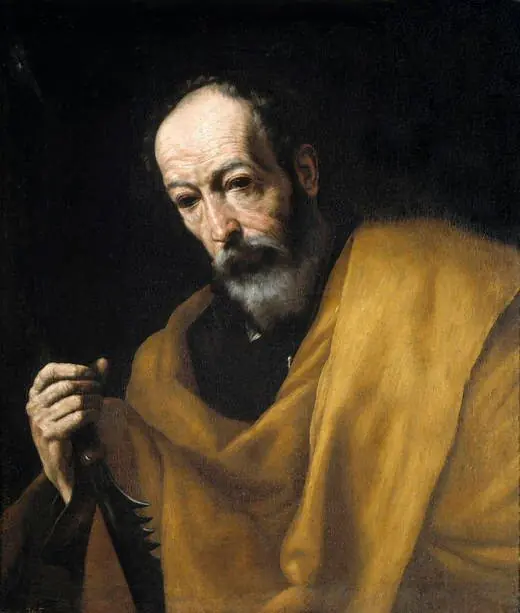
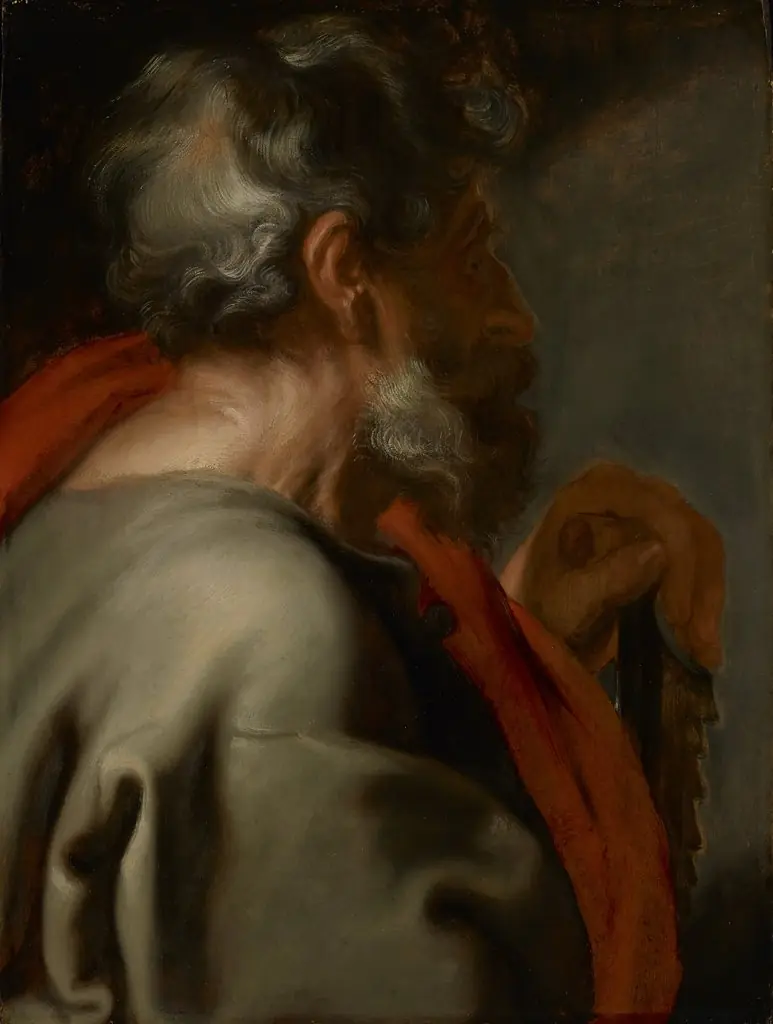
The Apostle Simon is a 1620 painting by Anthony van Dyck, a prominent Flemish Baroque artist. The work portrays the apostle with a saw, his traditional attribute, and is characterized by Van Dyck's expressive and dynamic style.
Context
As a Flemish Baroque work, it reflects the period's emphasis on emotional intensity and realistic depiction. Van Dyck's training under Rubens influences the painting's expressive and technically proficient character.
Legacy
The Apostle Simon contributes to Van Dyck's reputation as a leading portraitist of the Baroque era, showcasing his ability to capture the inner life of his subjects through subtle, expressive techniques.
Artist & collection
Artist
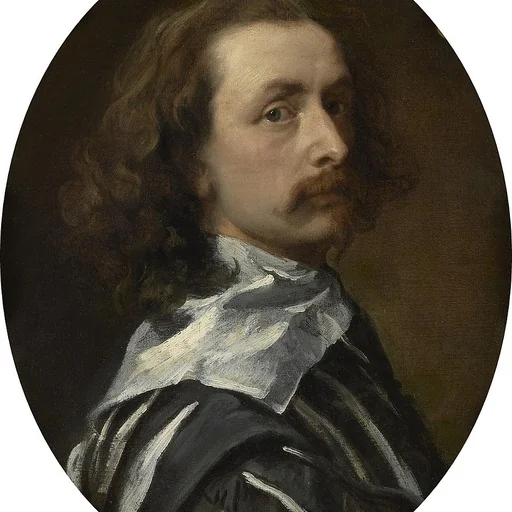
Sir Anthony van Dyck (; Dutch: Antoon van Dijck; 22 March 1599 – 9 December 1641) was a Flemish Baroque artist, who became the leading court painter in England after success in the Spanish Netherlands and Italy.