Artwork
The Christ Child, Saint John and the Lamb
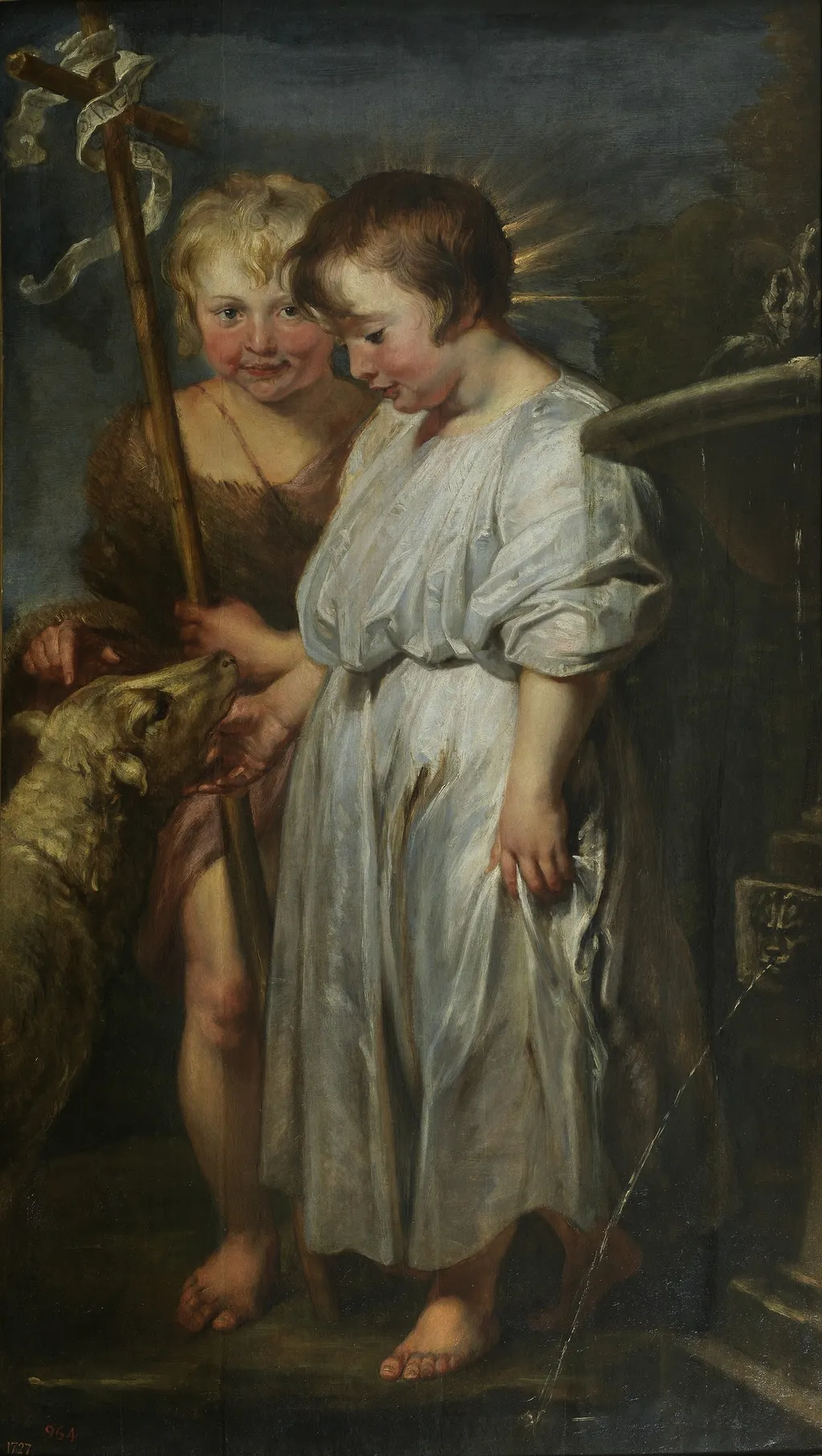
The Christ Child, Saint John and the Lamb is an oil painting by the Flemish Baroque painting artist Anthony van Dyck. It dates from 1618 and is held in the collection of the Museo del Prado.
About this work
Subject & Meaning
Created by Anthony van Dyck in 1618, the painting presents a scene where the young John is the central figure interacting with the setting.
The work depicts the Child Saint John the Baptist, accompanied by a fountain, within a religious context. Created by Anthony van Dyck in 1618, the painting presents a scene where the young John is the central figure interacting with the setting. The inclusion of the fountain alongside the child saint suggests a specific iconographic program related to the Baptist's role, though the title provided in other records mentions the Christ Child and a Lamb. The composition is classified as religious art, focusing on the spiritual significance of the figures portrayed.
Technique & Style
Created in 1618, this religious work by Anthony van Dyck is executed in oil paint on a canvas support. The composition measures 131 cm in height and 75 cm in width. Stylistically, the painting depicts the Christ Child alongside Saint John and a lamb, set against a backdrop that includes a fountain. The piece is currently held in the collection of the Museo del Prado in Madrid.
History & Provenance
The painting was created in 1618 by Anthony van Dyck for Ferdinand VII of Spain, who later owned it. It has been part of the collection at the Museo del Prado in Madrid since entering the royal collection, where it remains on display in the Royal Palace of Madrid.
The painting is held in the collection of the Museo del Prado in Madrid. It was previously owned by Ferdinand VII of Spain. The provided sources do not contain specific inventory numbers or a record of exhibition history for this work.
Overview
Created in 1618 by the young Anthony van Dyck, this oil painting presents a tender encounter between two children, identified as the Christ Child and the infant Saint John the Baptist, accompanied by a lamb. The work belongs to the Flemish Baroque period and is currently part of the Museo del Prado’s collection.
Context
The work exemplifies the early Flemish Baroque interest in devotional subjects rendered with naturalistic detail. Its intimate scale and focus on infant saints align with contemporary Counter‑Reformation aims to present sacred narratives in a relatable, humanized manner.
Artist & collection
Artist
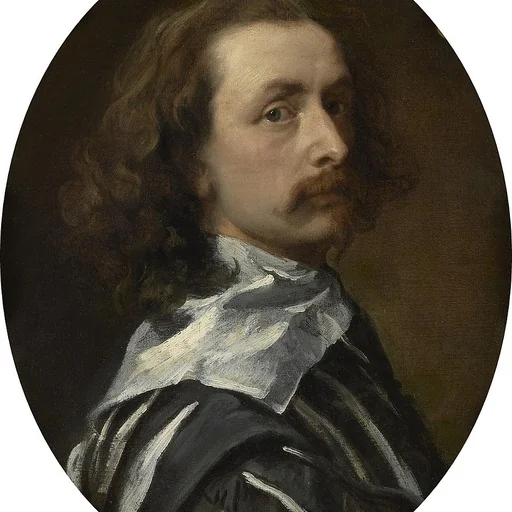
Sir Anthony van Dyck (; Dutch: Antoon van Dijck; 22 March 1599 – 9 December 1641) was a Flemish Baroque artist, who became the leading court painter in England after success in the Spanish Netherlands and Italy.

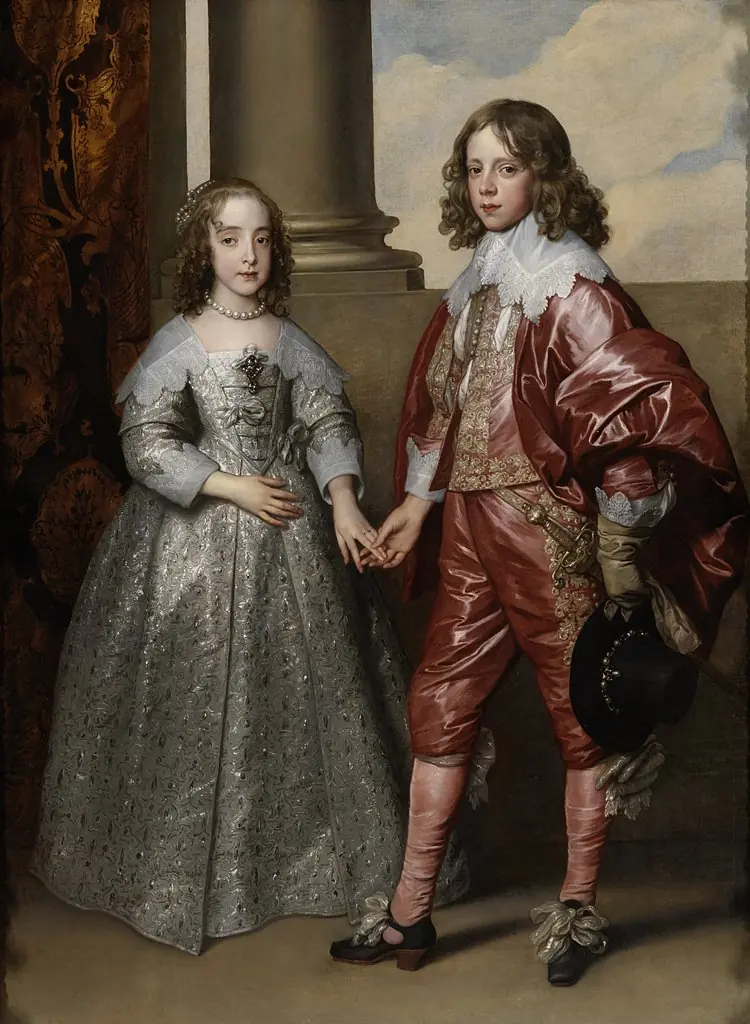
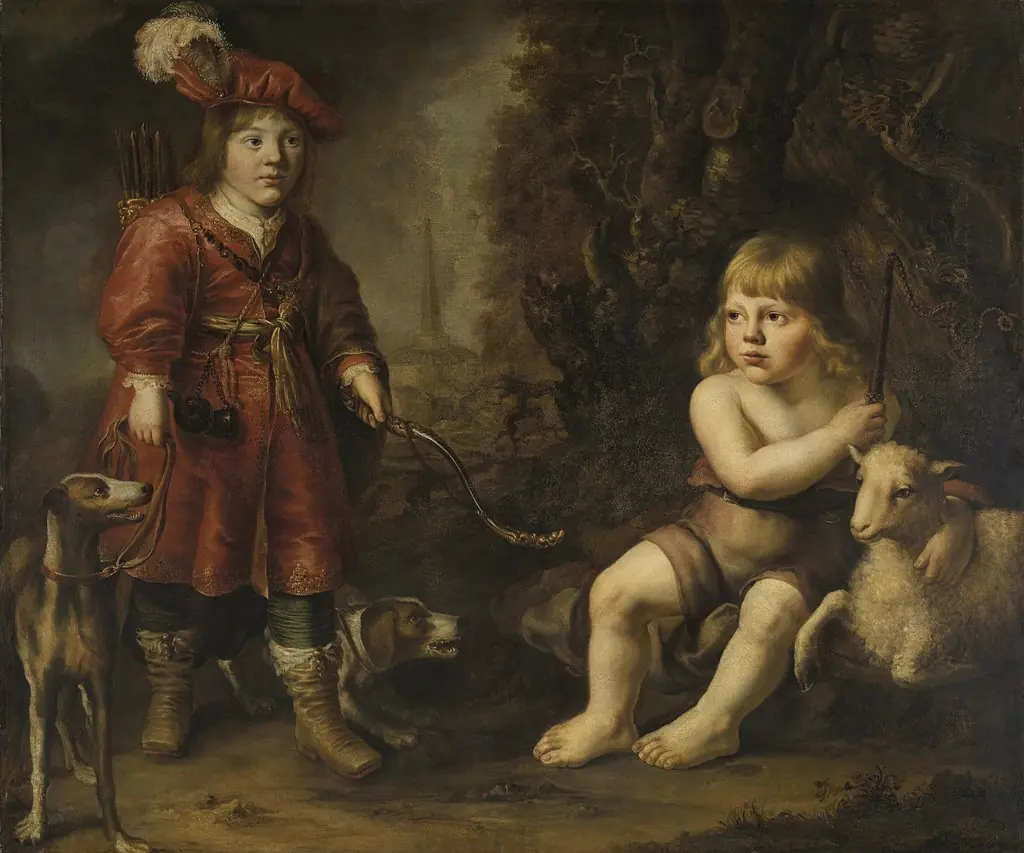 Portraits of two boys in a landscape, one dressed as a hunter, the other as St. John the Baptist
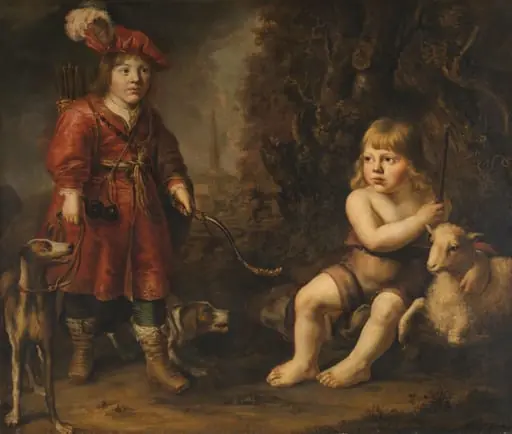 Portraits of two Boys in a Landscape, one dressed as a Hunter, the other St as John the Baptist
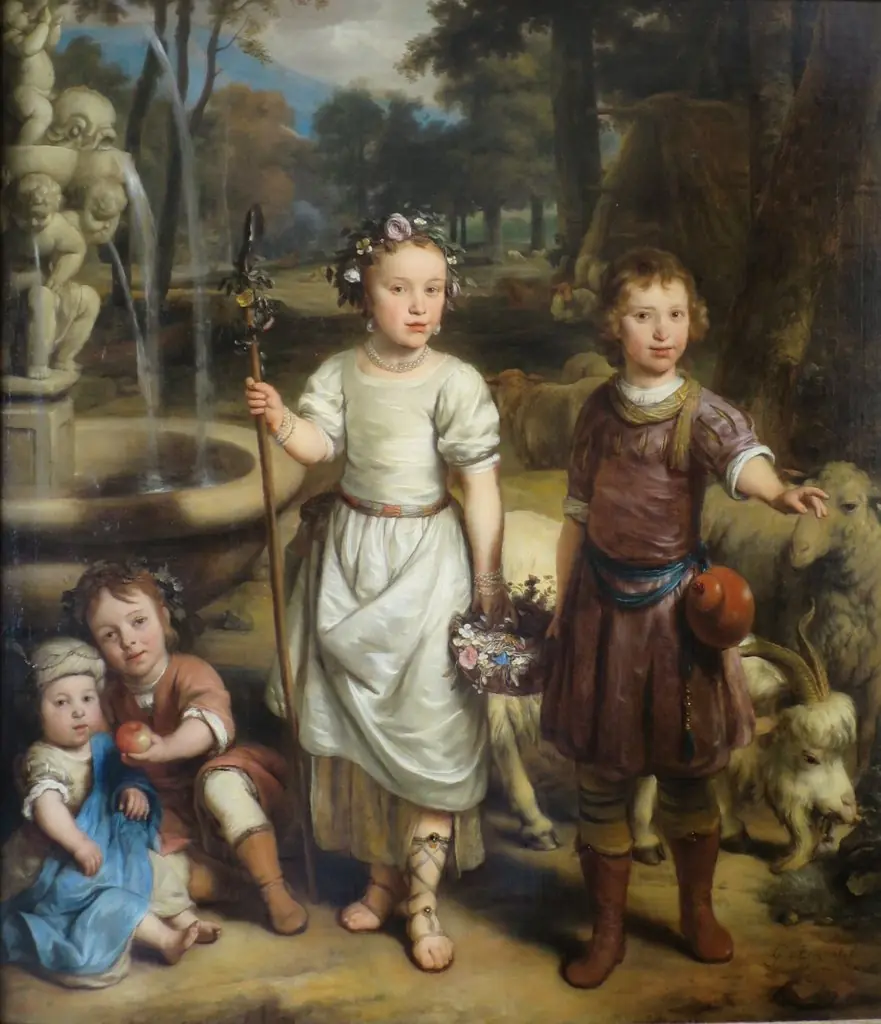 Children in a Park
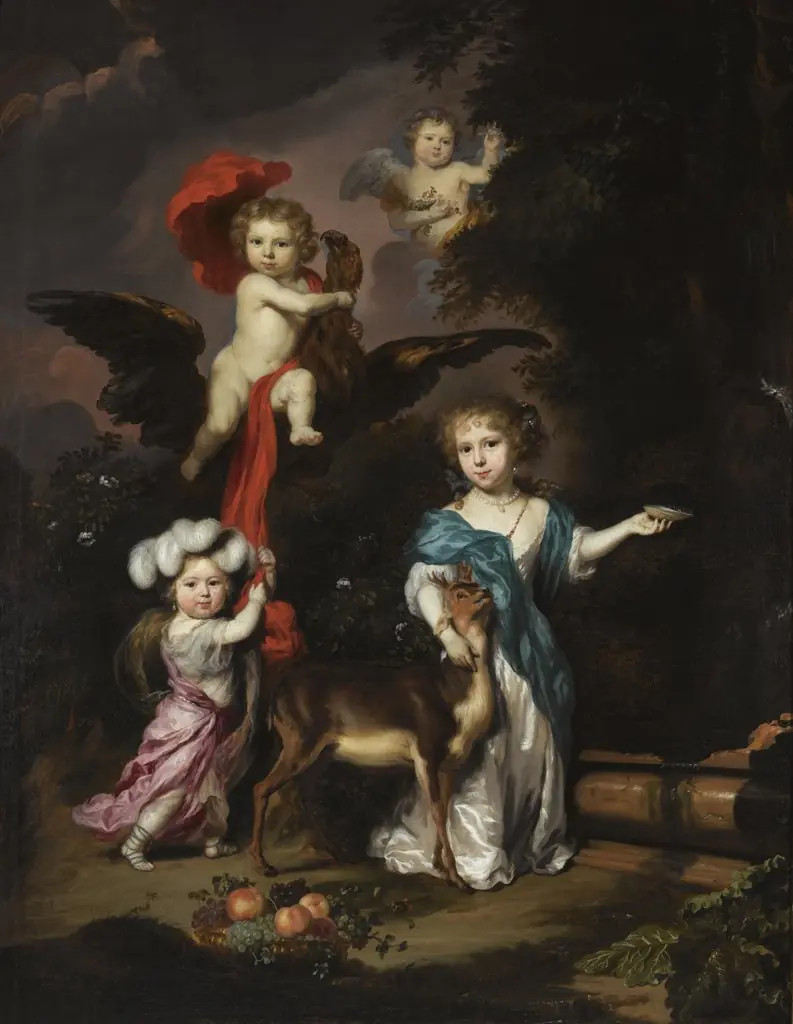 Portrait of Four Children as Ceres Ganymede Cherub and Diana
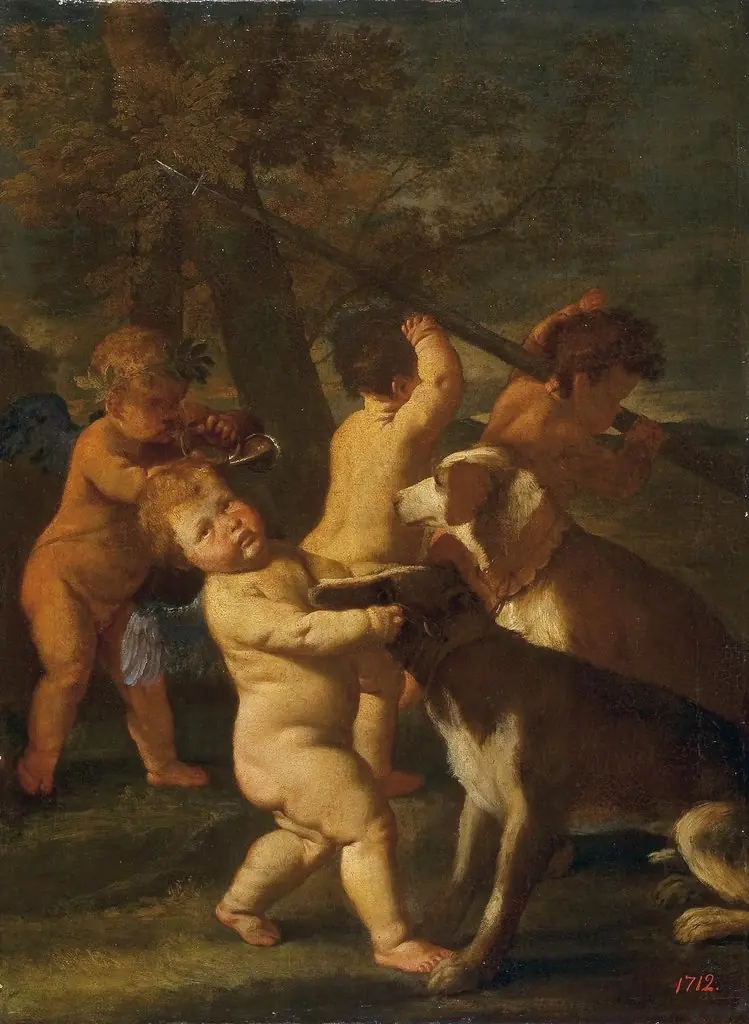 Cupids Hunting
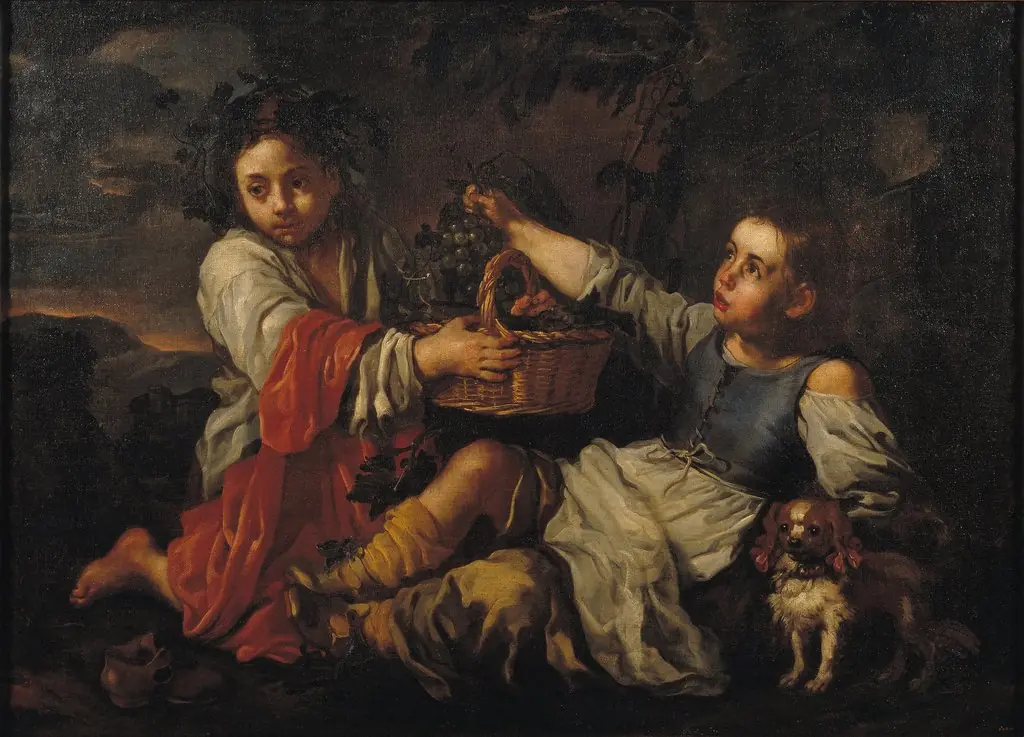 Children with Grapes
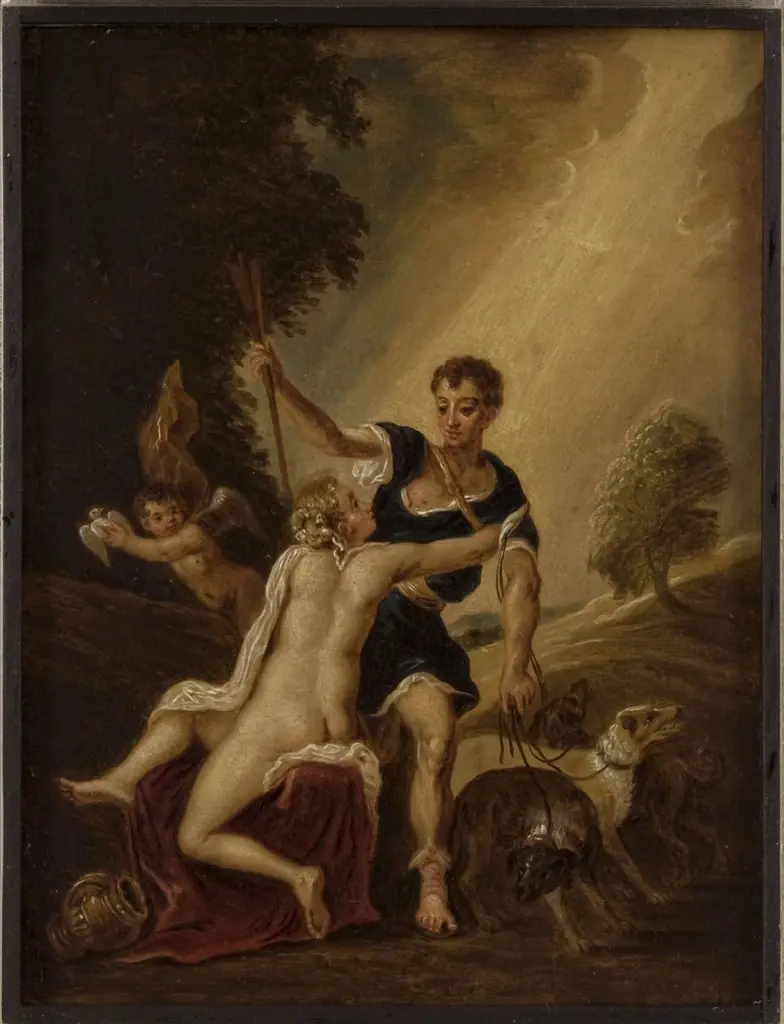 Venus and Adonis
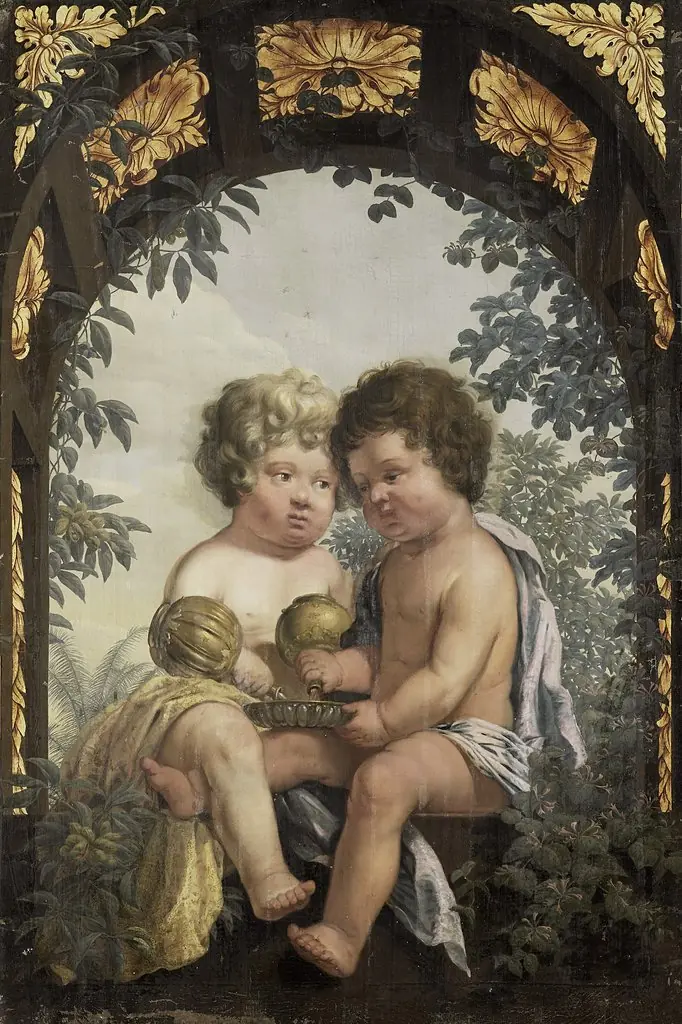 Christian Allegory with two Children both Pouring from a Carafe into a Bowl
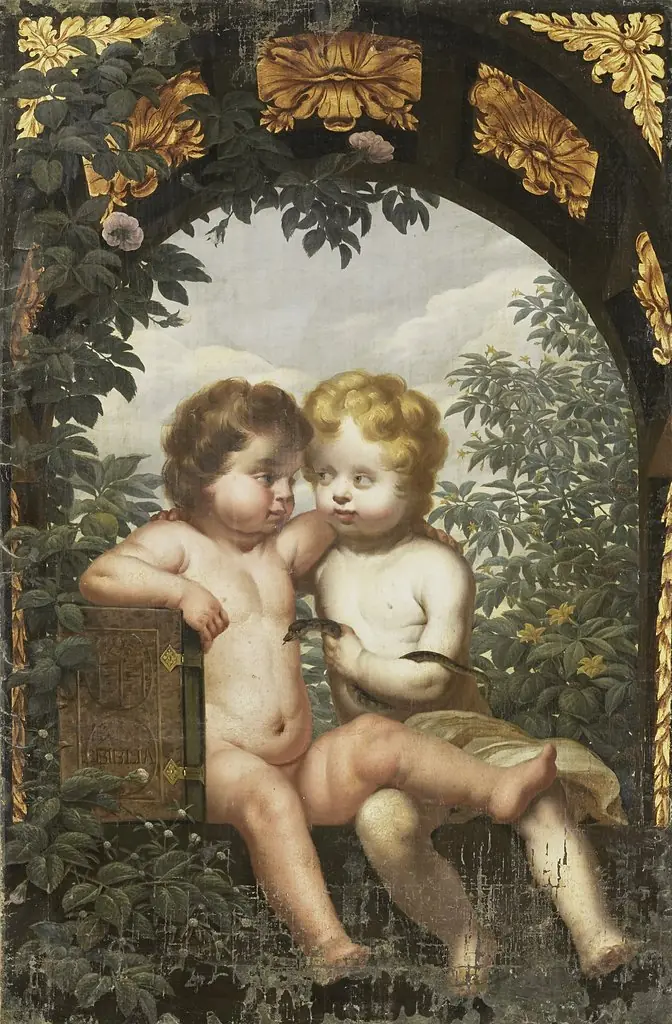 Christian Allegory with two Children with a Bible and Snake