Subject
Adoration
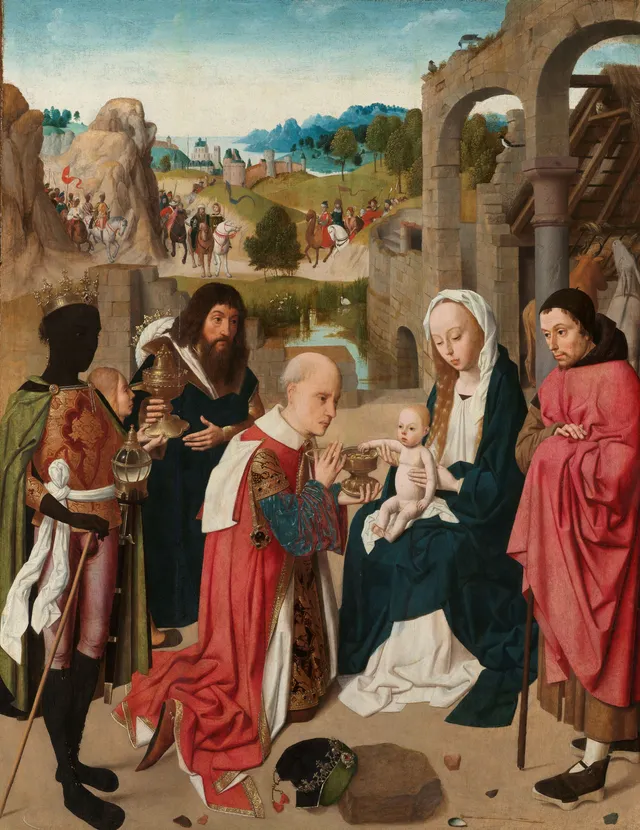
Adoration is a subject in art. The gallery holds 27 works in this subject in art, including works by Hieronymus Bosch, Gerard David and Fra Angelico.
Adoration is respect, reverence, strong admiration, and love for a certain person, place, or thing. The term comes from the Latin adōrātiō, meaning "to give homage or worship to someone or something".
Key artists

Overview
Adoration, from the Latin adōrātiō meaning to give homage or worship to someone or something, denotes respect, reverence, strong admiration, and love directed toward a person, place, or thing. In art, the motif most commonly refers to scenes of religious worship, particularly the adoration of the divine, and has served as a central subject across centuries of artistic production. The theme recurs because it allows artists to explore the tension between human and divine, the hierarchies of power and humility, and the universal aspiration toward transcendence. Within the collection under discussion, the subject appears in 27 works, with the vast majority depicting the Adoration of the Magi, a specific narrative from Christian tradition in which the three wise men pay homage to the infant Jesus.
Iconography & meaning
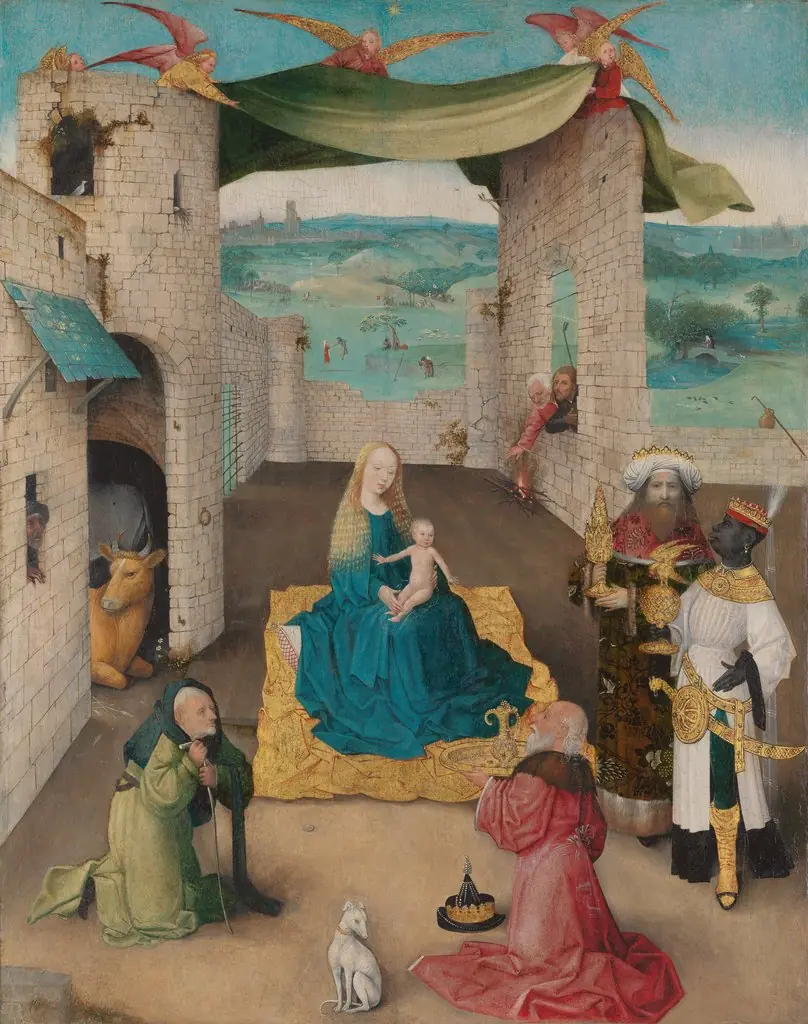
The iconography of adoration varies by religious and cultural context but consistently involves gestures of submission, reverence, and recognition of greatness. In ancient Rome, adoration involved raising the hand to the mouth, kissing it, and waving it toward the adored object, a practice called adoratio; devotees covered their heads and turned from left to right, sometimes kissing the feet or knees of divine images. Eastern traditions introduced even more prostrate forms: Cyrus the Great established Persian court protocol involving kissing the knee, falling on the face, striking the earth with the forehead, and kissing the ground. In Christian art, the most developed iconographic traditions center on three scenes: the Adoration of the Magi, the Adoration of the Shepherds, and Eucharistic adoration. The Adoration of the Magi carries particular symbolic weight through the gifts of gold, frankincense, and myrrh, representing kingship, divinity, and burial. The three Magi themselves became differentiated by region and race by the late fifteenth century, as seen in works like that of Hieronymus Bosch, where the Black king appears prominently with a crowned, feathered fez, gold collar and belt, Turkish curved sword, and jeweled hand shield. The Adoration of the Shepherds, drawn from the Gospel of Luke, offers a humbler counterpart, with shepherds arriving with simpler gifts such as lambs, and sometimes depicted with musical instruments drawn from classical or local Italian customs. Christian theology distinguishes sharply between adoration, reserved for God alone, and veneration, directed toward saints and images, a distinction emphasized at the Council of Trent and maintained in Catholic and Orthodox traditions.
Across movements & periods
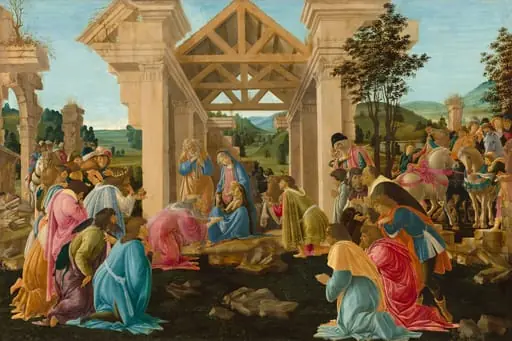
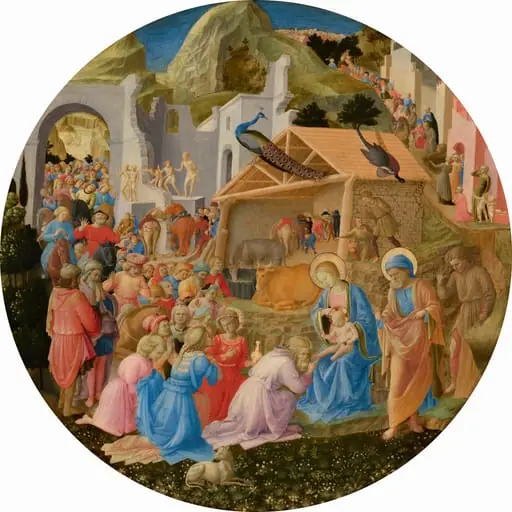
The treatment of adoration evolved significantly across artistic movements. In the International Gothic, as exemplified by Gentile da Fabriano's Adoration of the Magi of 1423, the scene became an occasion for sacred excess: gold leaf transformed panels into thresholds between earthly and divine realms, with elaborate processions of horses, camels, leopards, peacocks, pages, and knights filling every corner. The Early Renaissance introduced greater spatial and psychological coherence; the tondo begun by Fra Angelico and completed by Filippo Lippi around 1440-1460 compressed the world into a circular format suggesting universal convergence on the Christ Child, with Fra Angelico's serene central group complemented by Lippi's energetic crowd and architectural ruins. Botticelli's version around 1475 politicized the subject, inserting the Medici family as the Magi and their attendants, making the painting a document of Florentine power disguised as devotion. Hieronymus Bosch's early Adoration of the Magi, dated around 1475, shows a tranquil, stagelike setting with tunneling perspective and sensitively rendered faces, including the prominently featured Black king with his elaborate attire; this work predates Bosch's more famous hellscapes and may reflect the influence of religious plays performed in his hometown of 's Hertogenbosch. The combination of the Adoration of the Shepherds with that of the Magi, first found in the 6th-century Monza ampullae, became a standard compositional device, with the two groups representing Jewish and gentile peoples respectively, occupying opposite sides of the image space. The distinct treatment of the Shepherds as an independent subject emerged in the West only around the 15th century.
Notable depictions
Several canonical depictions of adoration have shaped the tradition. Gentile da Fabriano's Adoration of the Magi, completed in 1423 for Palla Strozzi's chapel in Santa Trinita, Florence, hangs in the Uffizi Gallery and represents the culmination of International Gothic splendor. Fra Angelico and Filippo Lippi's collaborative tondo, now in the National Gallery of Art, Washington, D.C., measures nearly one and a half meters in diameter and unites two distinct artistic temperaments. Botticelli's Adoration of the Magi of around 1475, also in the Uffizi, remains the most celebrated of his several versions, with Cosimo de' Medici as the eldest Magus and the artist himself peering out from the far right. Hieronymus Bosch's The Adoration of the Magi, painted around 1475 in oil and gold on oak, measures 71.1 by 56.5 centimeters and was acquired by the Metropolitan Museum of Art in 1913 through the John Stewart Kennedy Fund. For the Adoration of the Shepherds, notable examples include Correggio's version in Dresden, Caravaggio's in Messina, El Greco's in the Prado, and Andrea Mantegna's in the Metropolitan Museum of Art. Hugo van der Goes's Portinari Triptych in the Uffizi and Domenico Ghirlandaio's frescoes in the Sassetti Chapel, Santa Trinita, Florence, also stand as significant treatments.
Legacy
The motif of adoration has maintained its cultural force through continuous reinterpretation. In Christian practice, Eucharistic adoration developed as a distinct devotional form, with Pope Benedict XVI emphasizing that only in adoration can profound and true acceptance develop, and Pope Francis encouraging the perpetual adoration of the Eucharist as growing at every level of ecclesial life while warning against privatized spirituality. The visual tradition informed these devotional practices, as images of adoration shaped how believers conceptualized their relationship to the divine. The subject's adaptability, from Gentile da Fabriano's gold-leaf excess to Bosch's intimate stagelike setting, demonstrates its capacity to absorb changing artistic, political, and theological concerns. The continued production of adoration scenes, the establishment of adoration chapels, and the integration of the motif into Christmas music and carols attest to its persistent resonance. The collection's 27 works, predominantly Magi scenes, preserve this legacy and reflect the enduring priority of this narrative within Christian visual culture.
Works
 The Adoration of the Magi
 The Adoration of the Magi
 The Adoration of the Magi
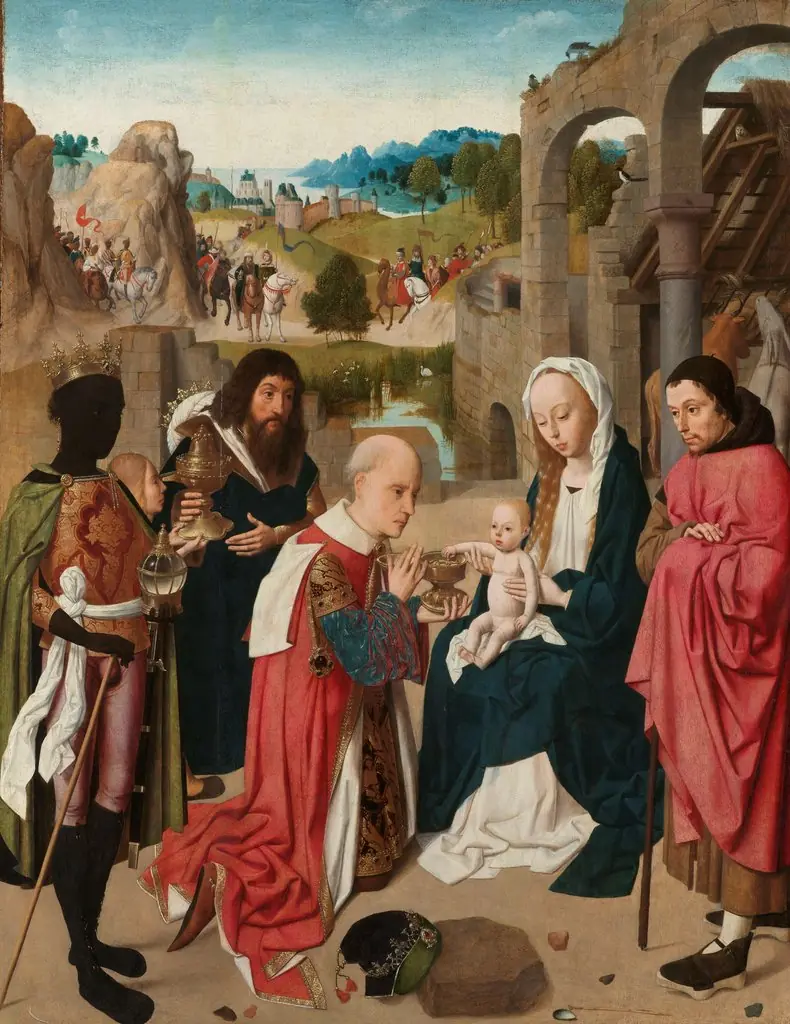 The Adoration of the Magi
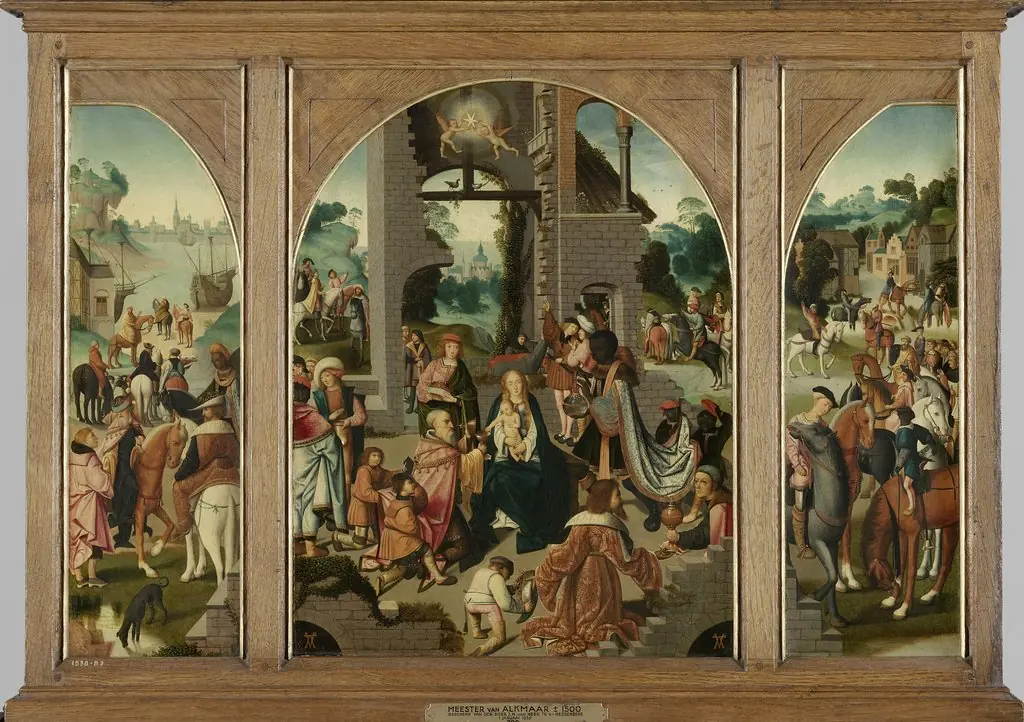 Triptych with the adoration of the Magi (centre panel and inner wings), St Antony Abbot (outer left wing) and St Adrian (outer right wing)
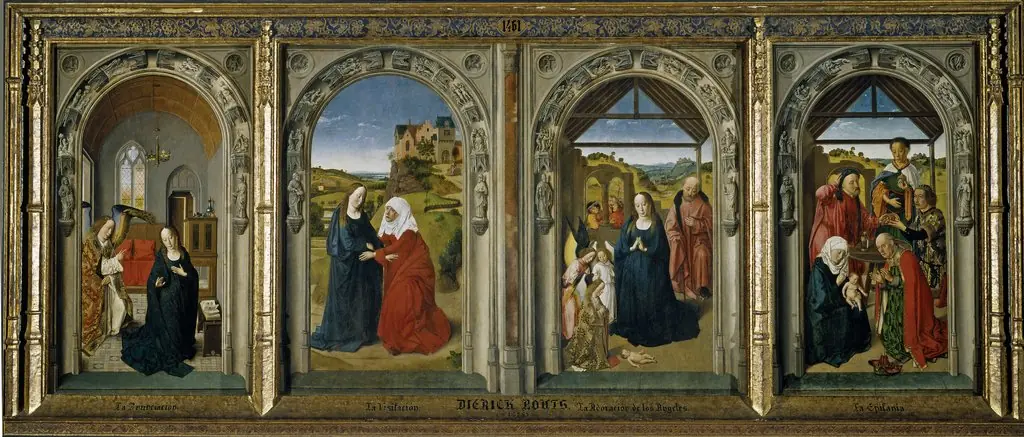 Triptych with Scenes from the Life of the Virgin
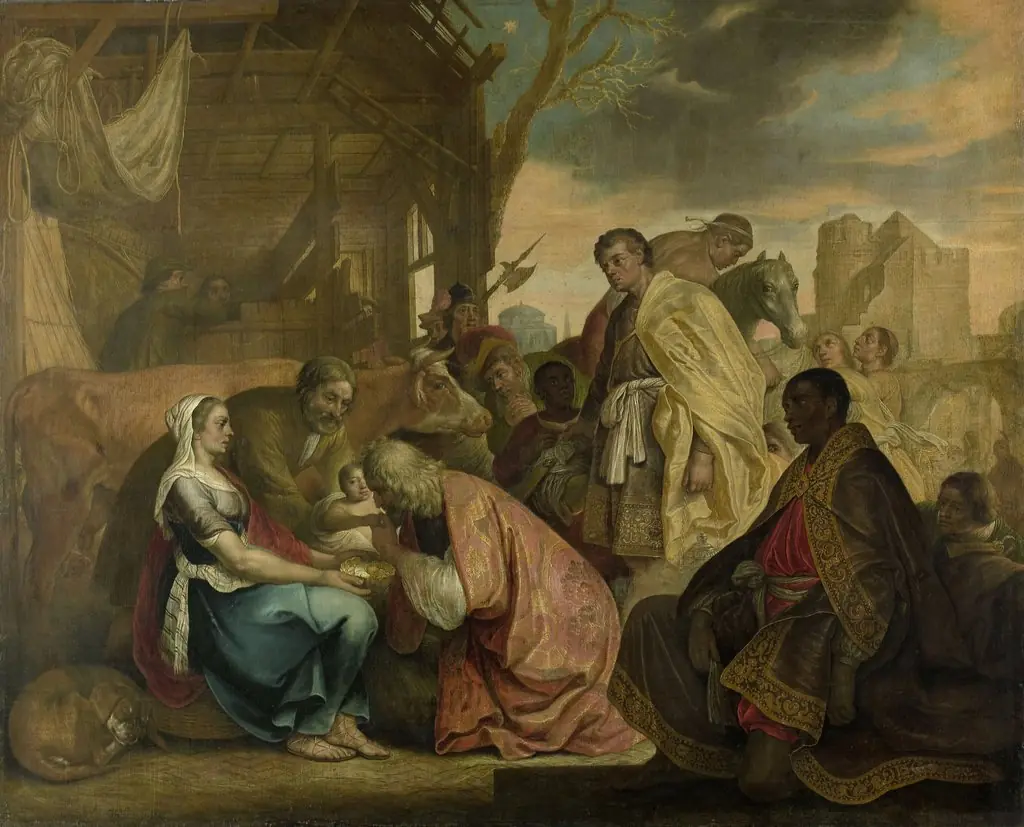 The adoration of the Magi
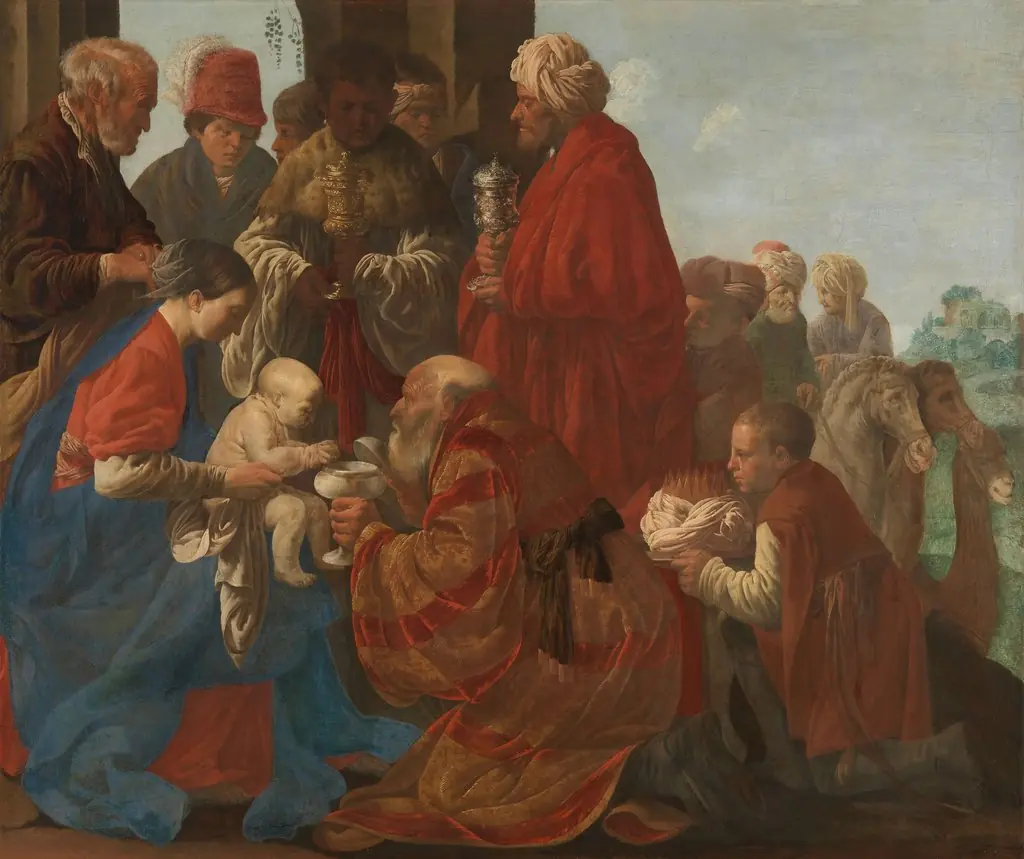 The adoration of the magi
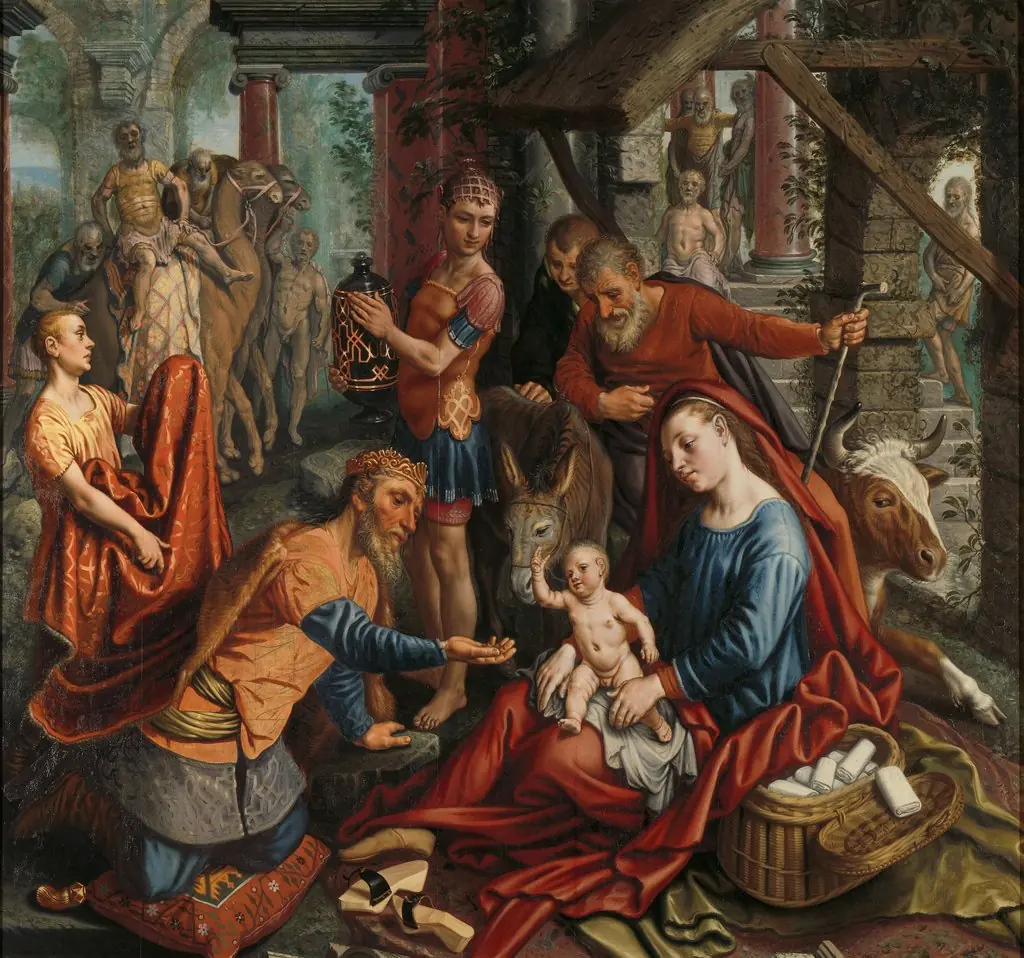 The Adoration of the Magi
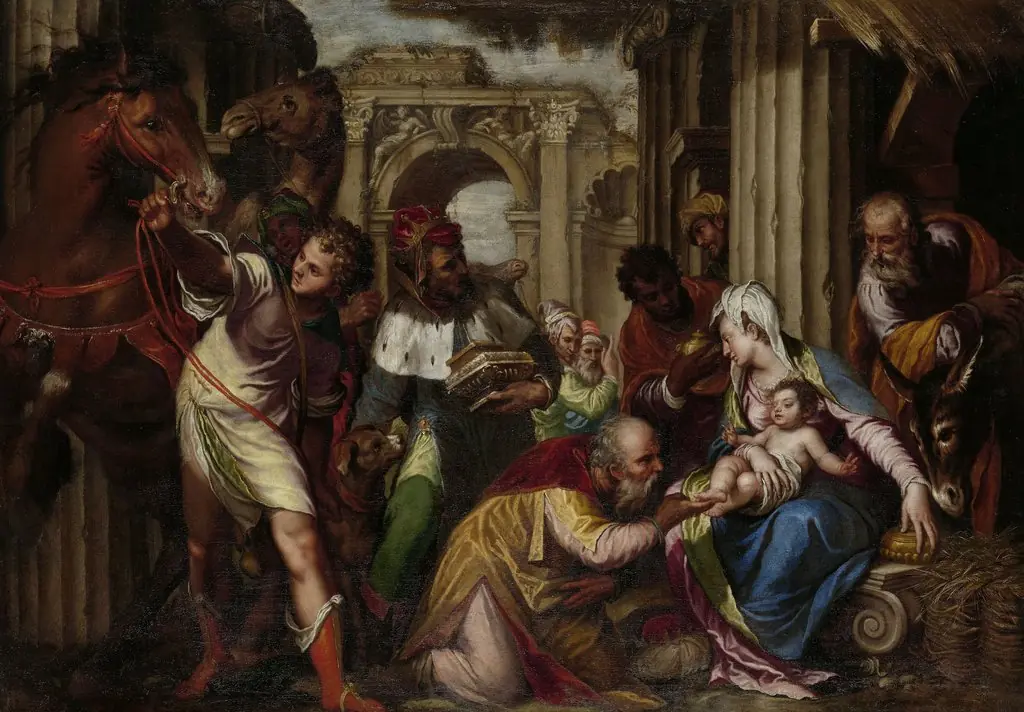 The Adoration of the Magi
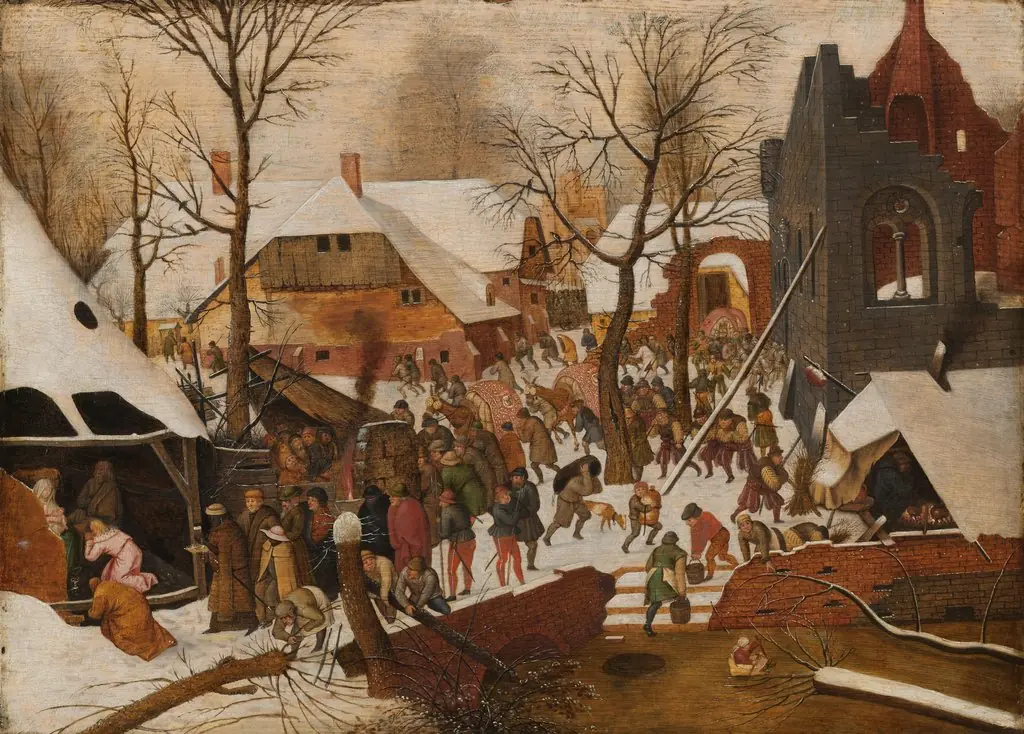 Adoration of the magi
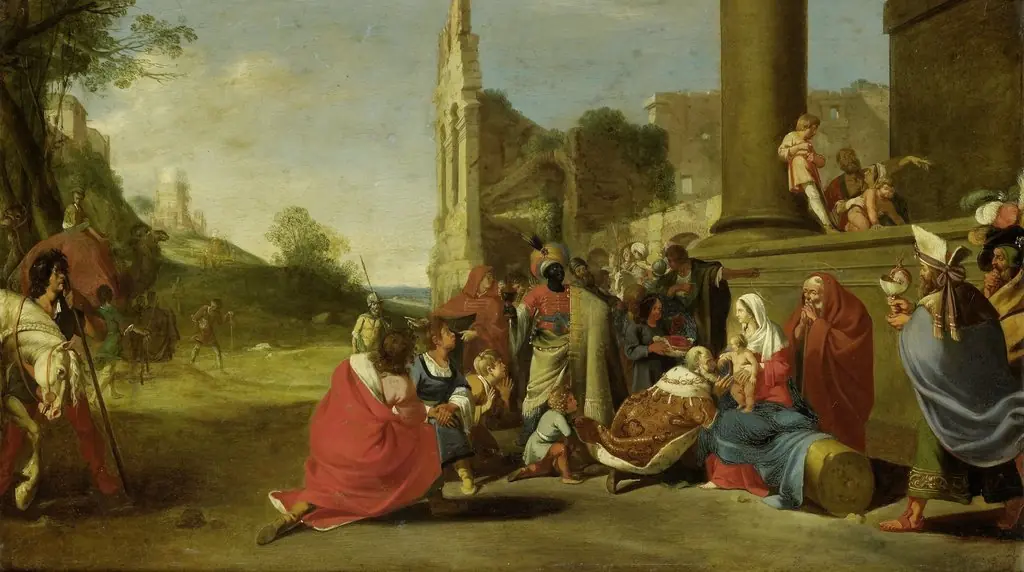 The adoration of the magi
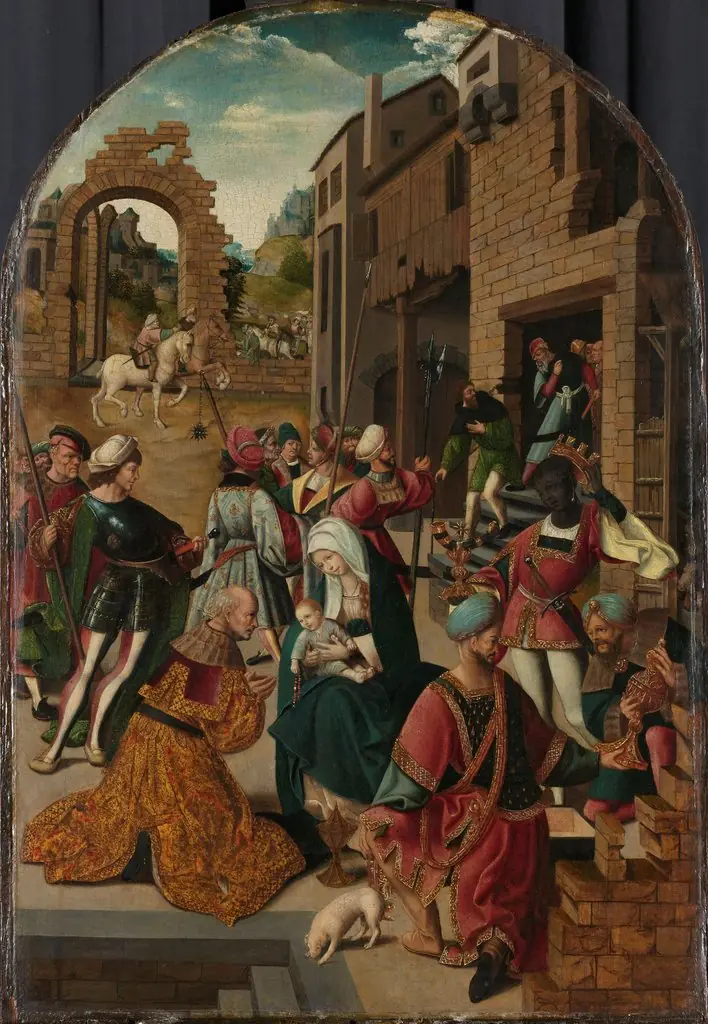 The adoration of the magi
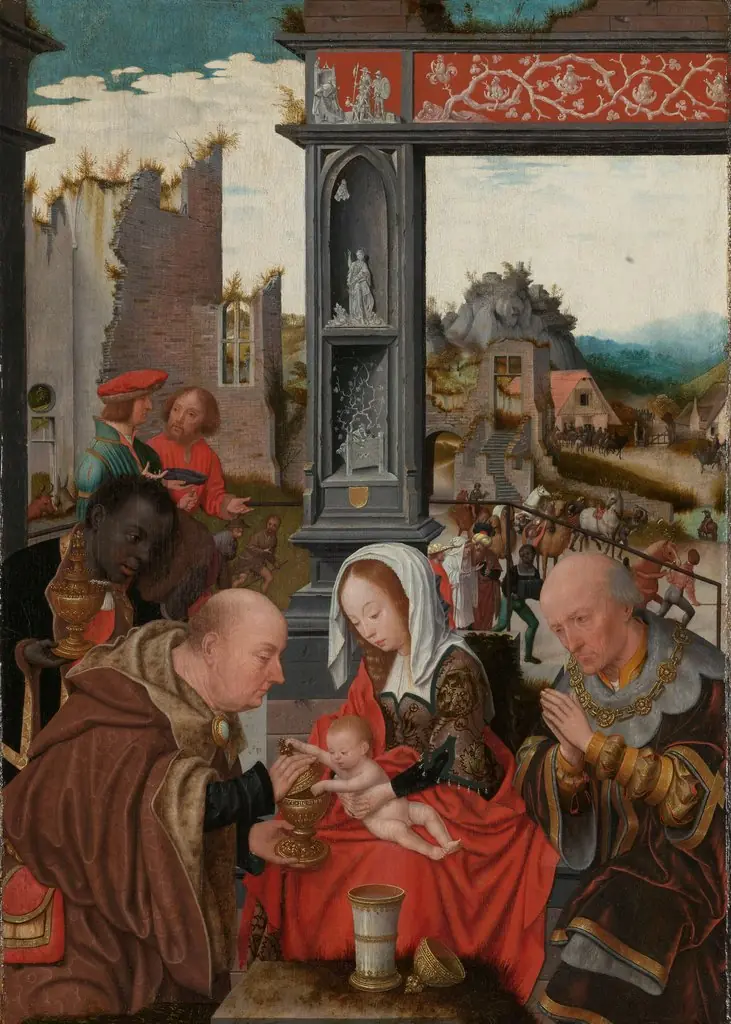 The Adoration of the Magi
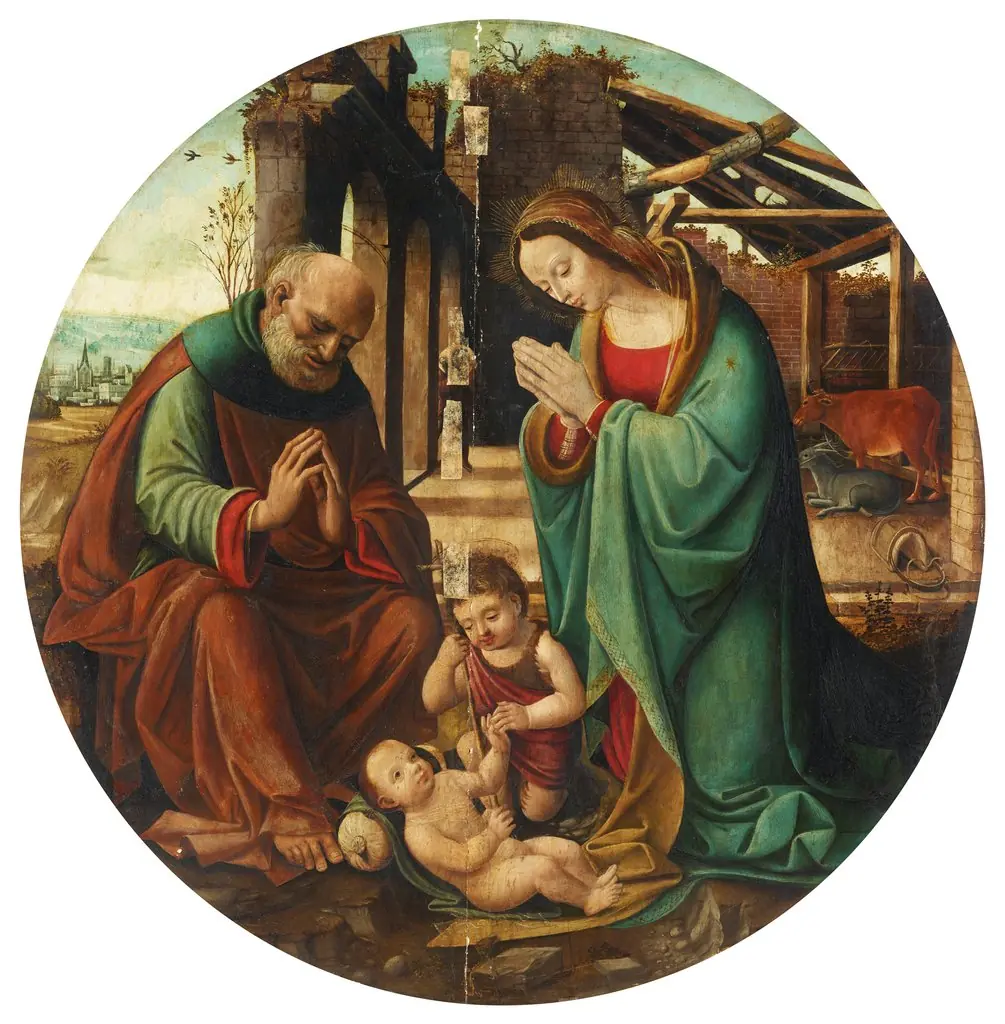 The Holy Family with Young St. John, Adoring the Child
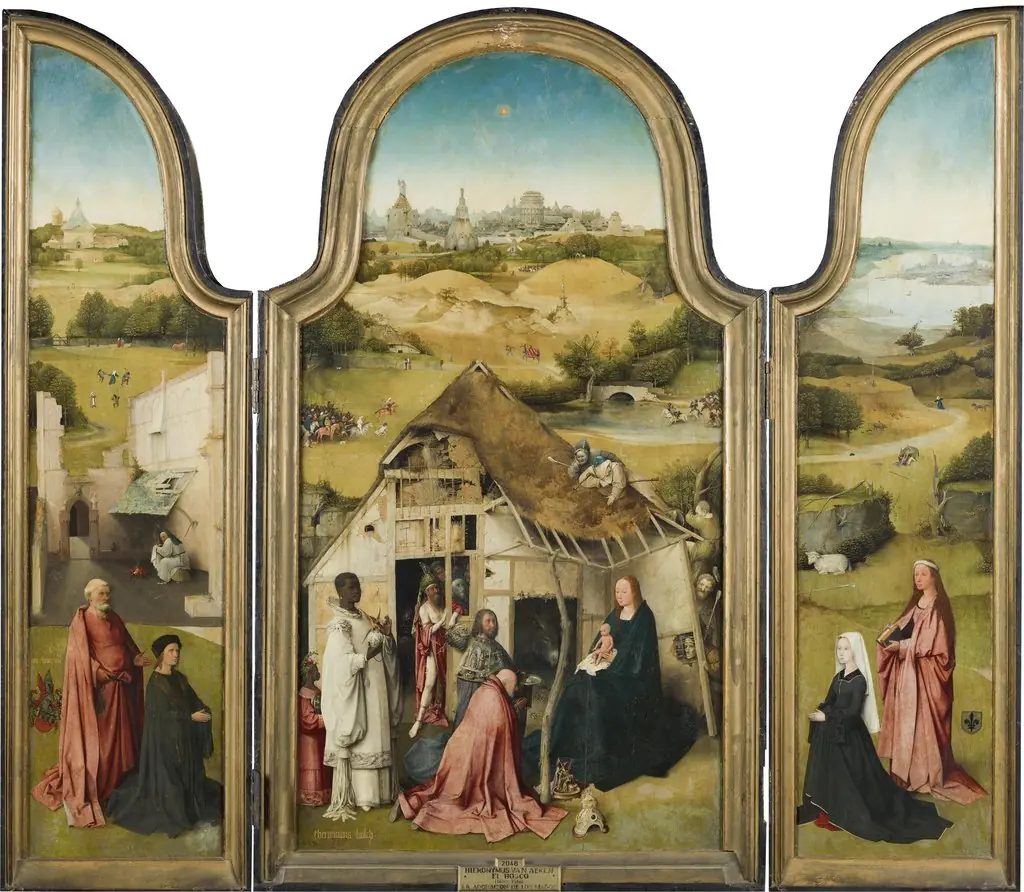 The Epiphany
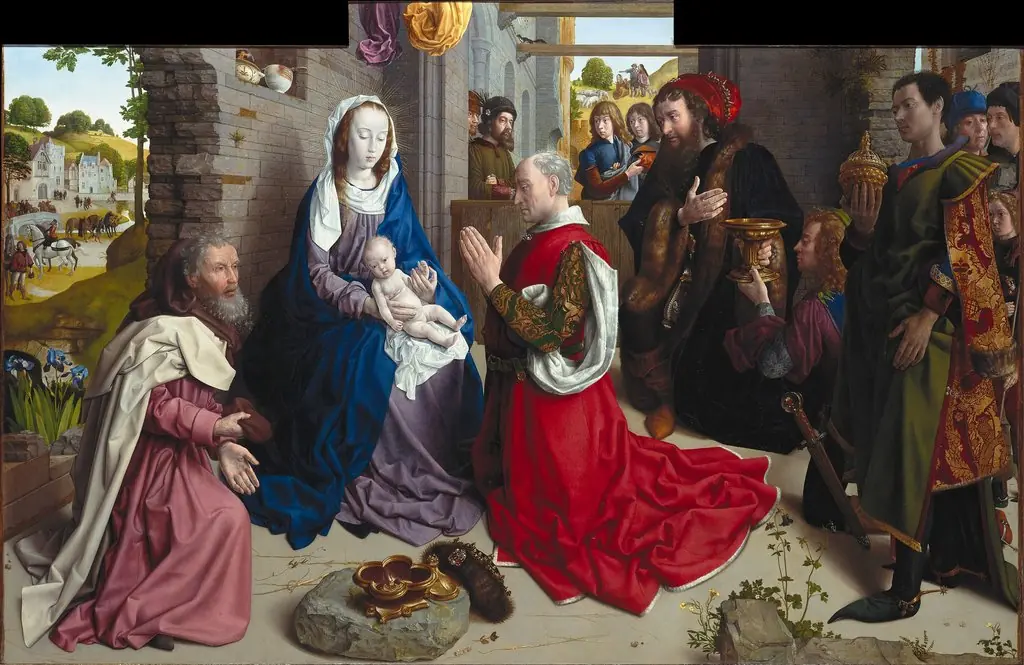 Monforte Altarpiece
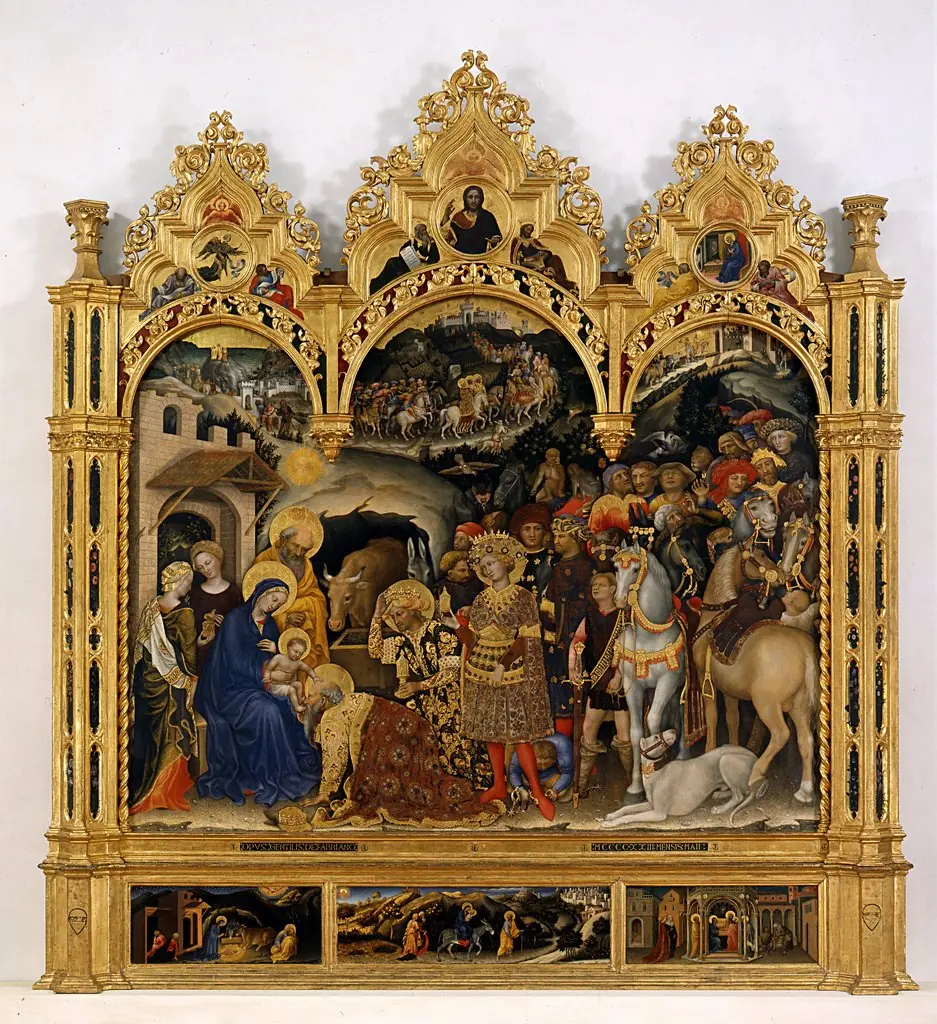 Adoration of the Magi
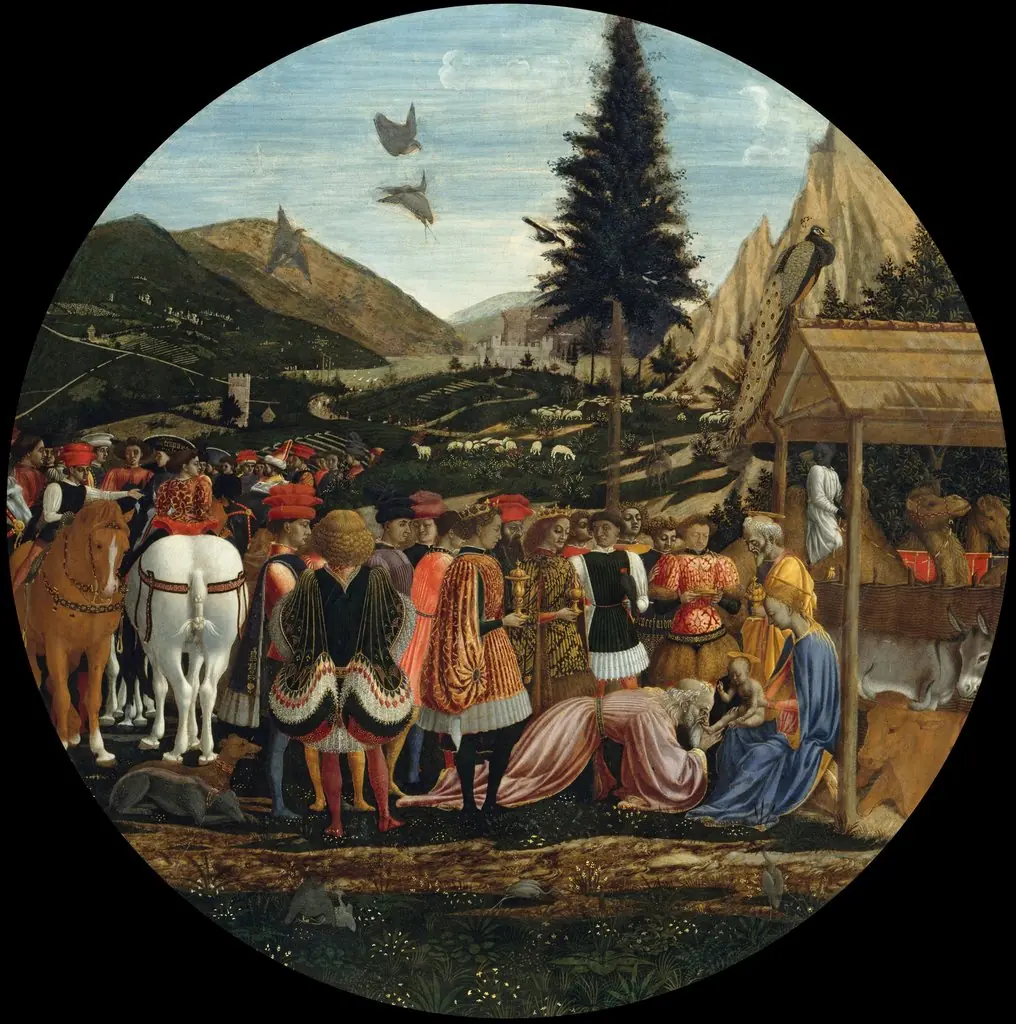 Adoration of the Magi
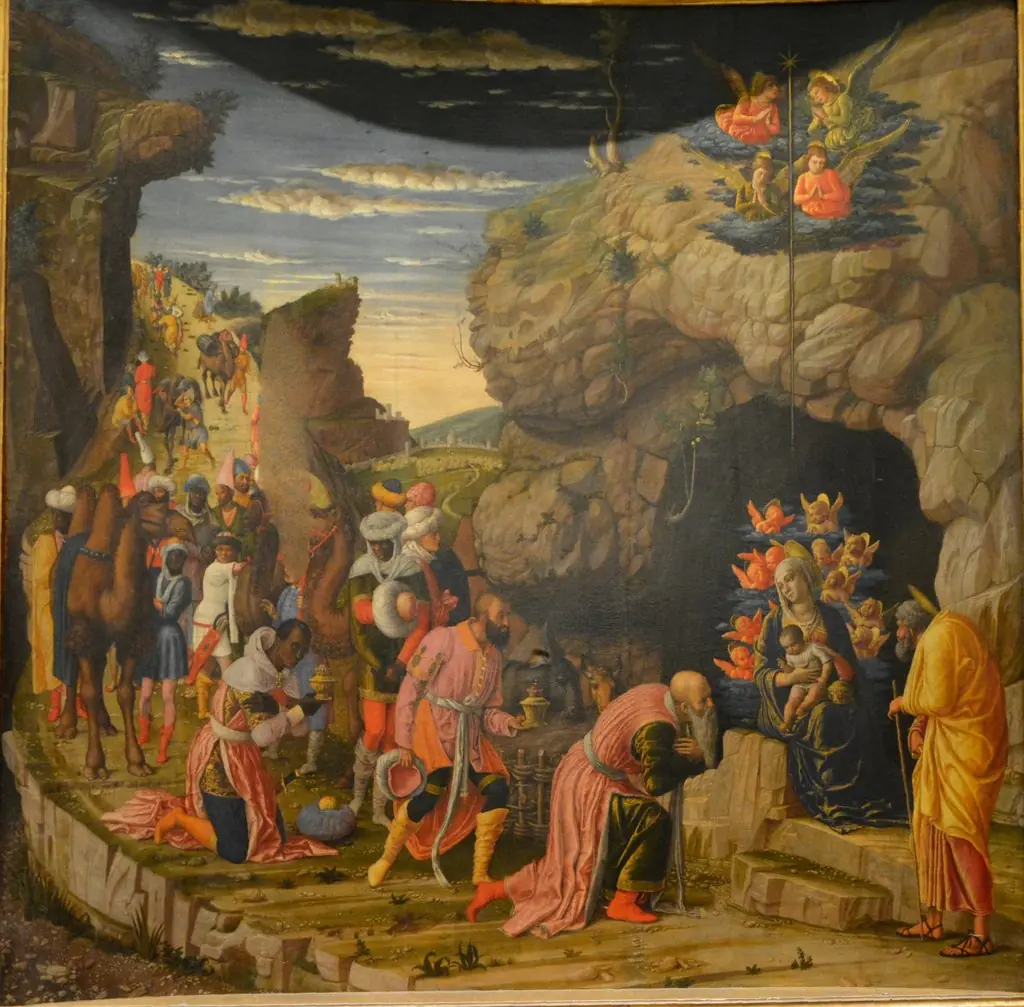 Adoration of the Magi
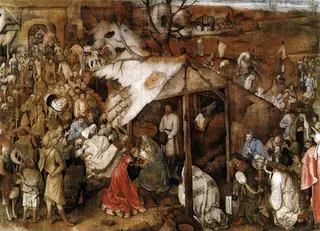 Adoration of the Magi
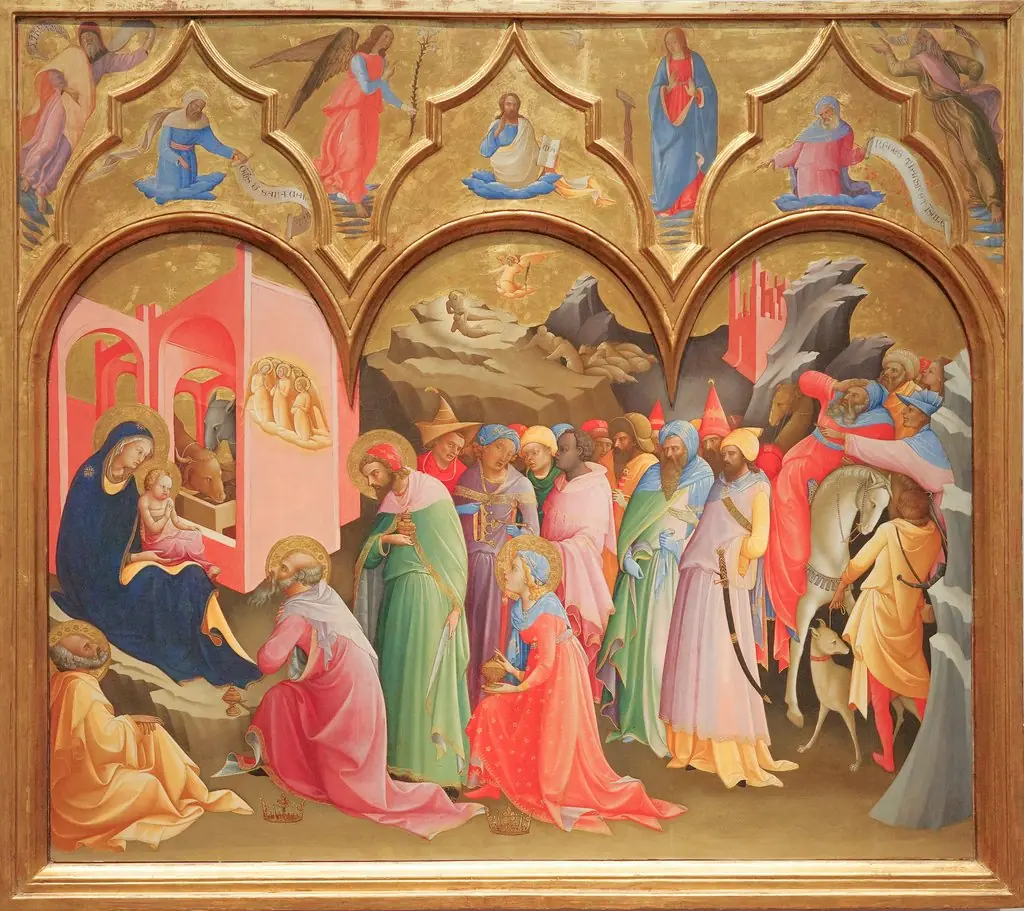 Adoration of the Magi
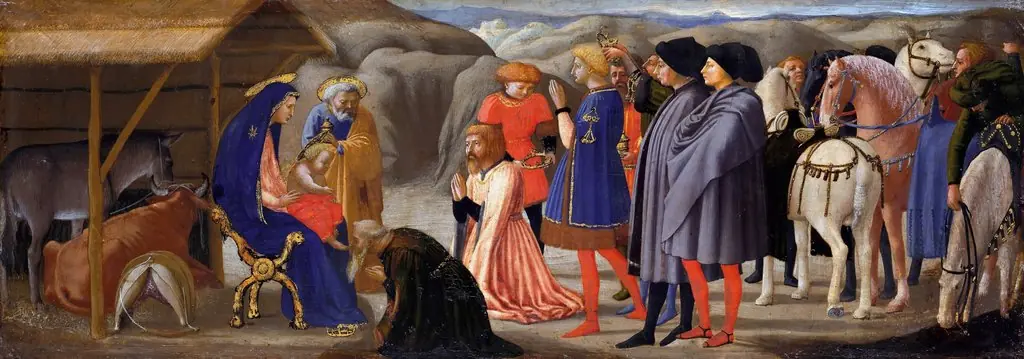 The Adoration of the Magi
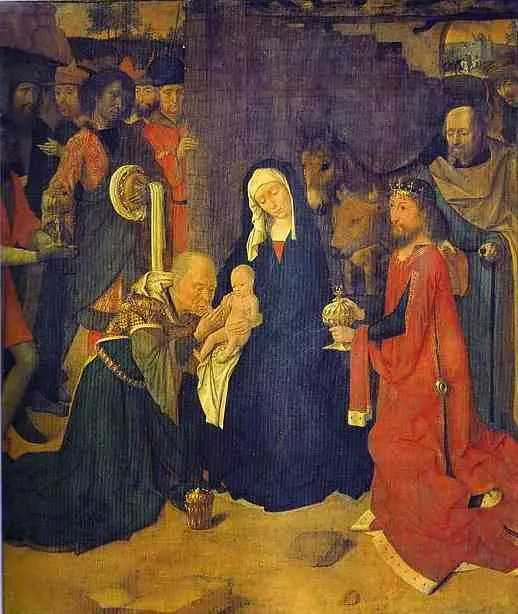 Adoration of the Magi
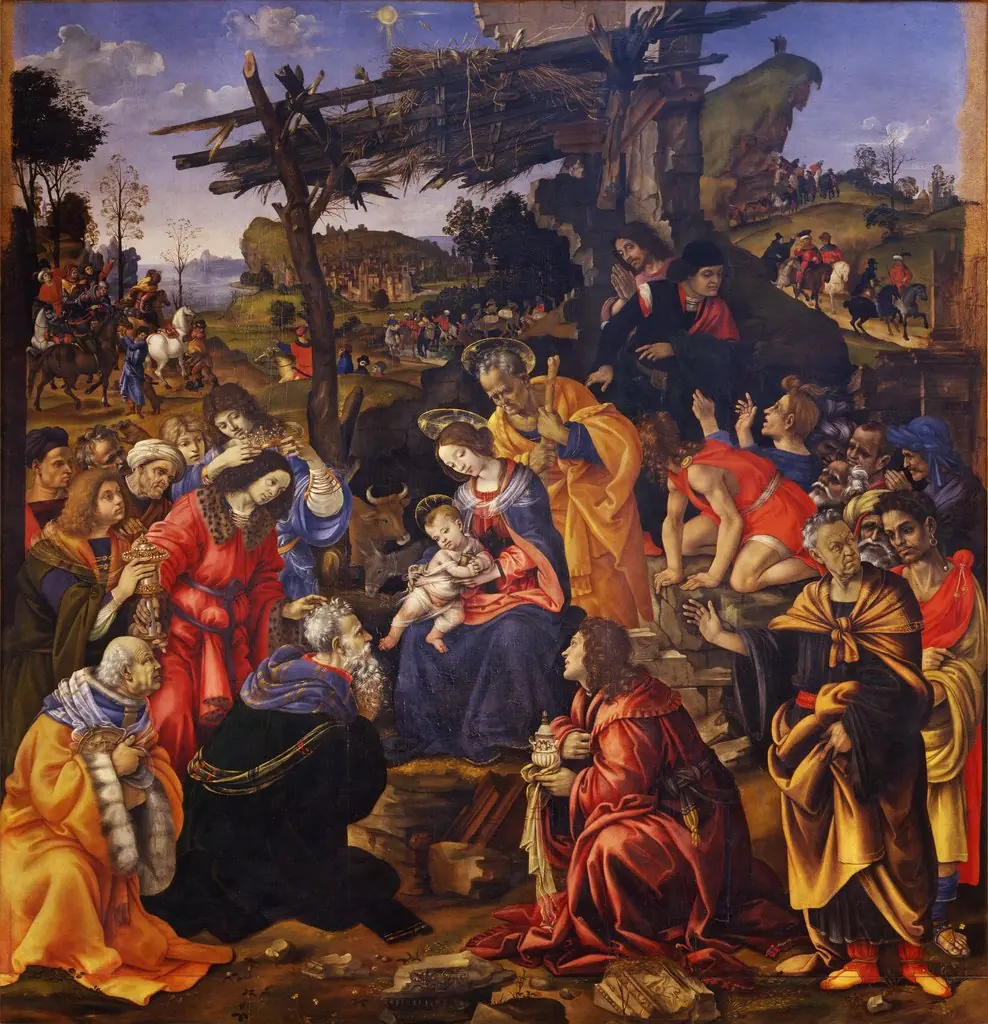 Adoration of the Magi
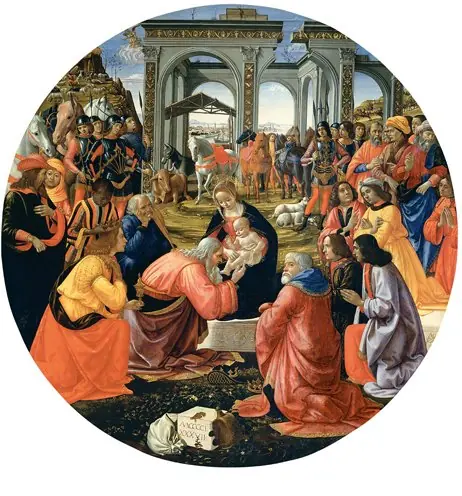 The Adoration of the Magi
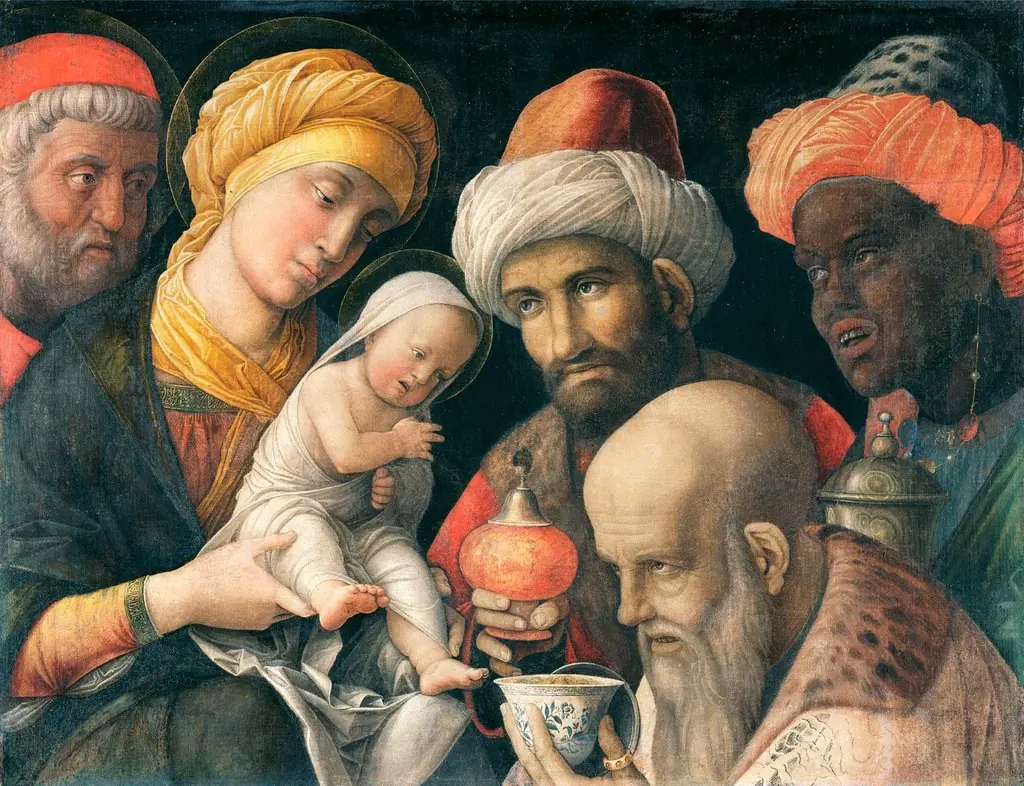 The Adoration of the Magi
Frequently asked questions
What is Adoration?
Adoration is respect, reverence, strong admiration, and love for a certain person, place, or thing.
How many Adoration works does Artifact World Gallery have?
Artifact World Gallery holds 27 public-domain Adoration works, all free to view and download.
Who are the key Adoration artists?
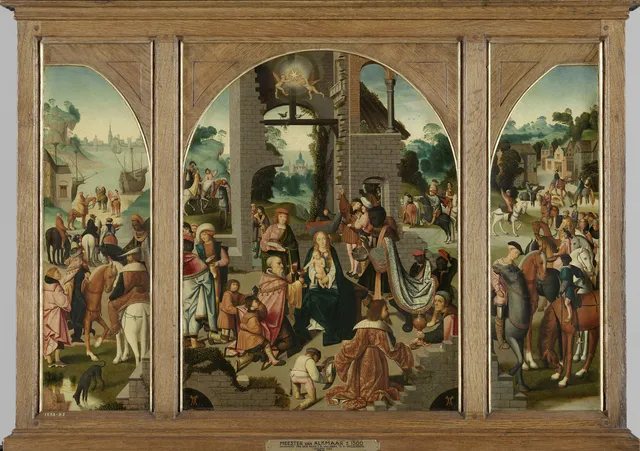
Key Adoration artists in the collection include Hieronymus Bosch, Gerard David and Fra Angelico.
Where can I see Adoration works?
Adoration works in the collection are held by Rijksmuseum, Uffizi Gallery and Gemäldegalerie Berlin.