Artwork
Tomasa de Aliaga, widow of Manuel Pablo Salcedo
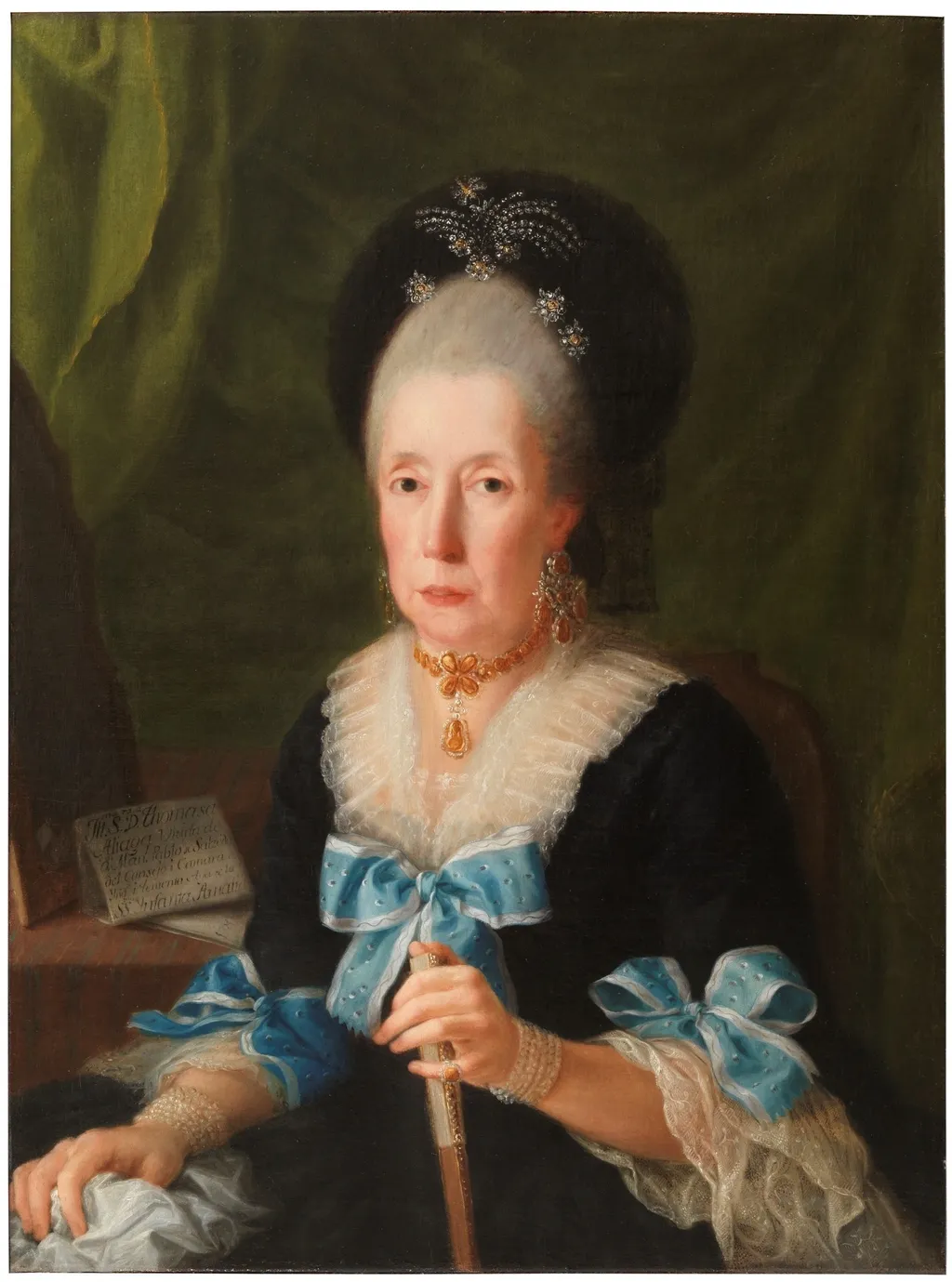
Tomasa de Aliaga, widow of Manuel Pablo Salcedo is an oil painting by the Rococo painting artist Antonio Carnicero. It dates from 1794 and is held in the collection of the Museo del Prado.
About this work
Subject & Meaning
The inclusion of the fan serves as a specific iconographic element within the composition, a detail explicitly noted in the visual description of the artwork.
The work is a formal portrait depicting Tomasa de Aliaga, identified specifically as the widow of Manuel Pablo Salcedo. As a genre piece, the painting focuses on the sitter's likeness, presenting her as a woman holding a hand fan. The inclusion of the fan serves as a specific iconographic element within the composition, a detail explicitly noted in the visual description of the artwork.
Created in 1787, the image functions as a commemorative representation of the sitter's status and identity during that period.
Technique & Style
Executed in 1787, this portrait by Antonio Carnicero is an oil painting on canvas. The work measures 94 cm in height and 69 cm in width. Stylistically, the composition focuses on the depiction of a woman holding a hand fan, adhering to the conventions of portraiture from the late eighteenth century.
History & Provenance
Antonio Carnicero painted this 1787 portrait of Tomasa de Aliaga, widow of Manuel Pablo Salcedo, which the Museo del Prado holds under accession number P00968841. The work has been displayed in the museum’s Spanish painting galleries, including exhibitions focused on 18th-century portraiture.
Overview
Tomasa de Aliaga, widow of Manuel Pablo Salcedo, is the subject of an 18th-century oil portrait. Created in 1794, the painting showcases the sitters elegance and refinement against a subtle green curtain backdrop.
Context
As a portrait from the late 18th century, it reflects the artistic transition between Rococo and Neoclassical styles prevalent in Europe during this period, with the subject's attire and pose echoing contemporary aristocratic norms.
Legacy
While specific impact on the art historical canon is not detailed, the portrait remains a characteristic example of late 18th-century Spanish portraiture, offering insights into the era's aesthetics and social conventions.
Own this work as a print
Artist & collection
Artist
Antonio Carnicero (1748–1814) was a Spanish painter of the Neoclassical style. In addition to his paintings, over the course of his career he also produced prints and engravings as well as creating theatrical decorations.

- Manuela Tolosa y Aviñón
 Ulrika Bock s. Kostfeldt (1721-1782)
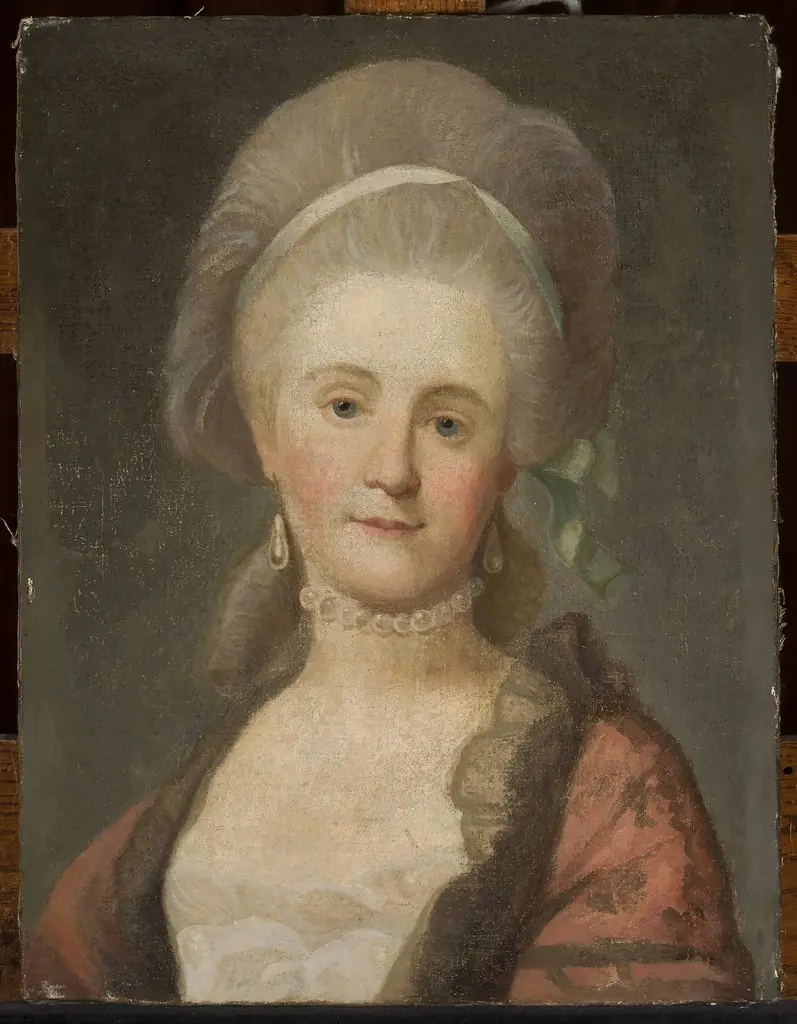 Portrait of Anna Szaniawska née Scypion (?–1795)
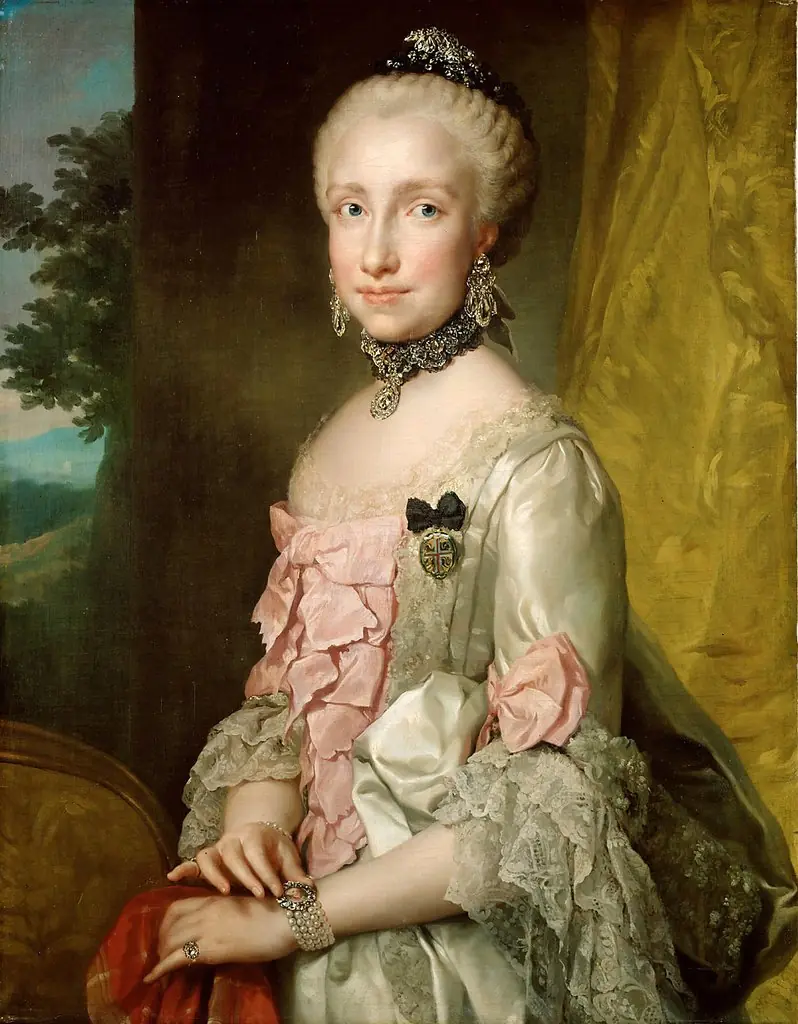 Portrait of Maria Luisa of Spain
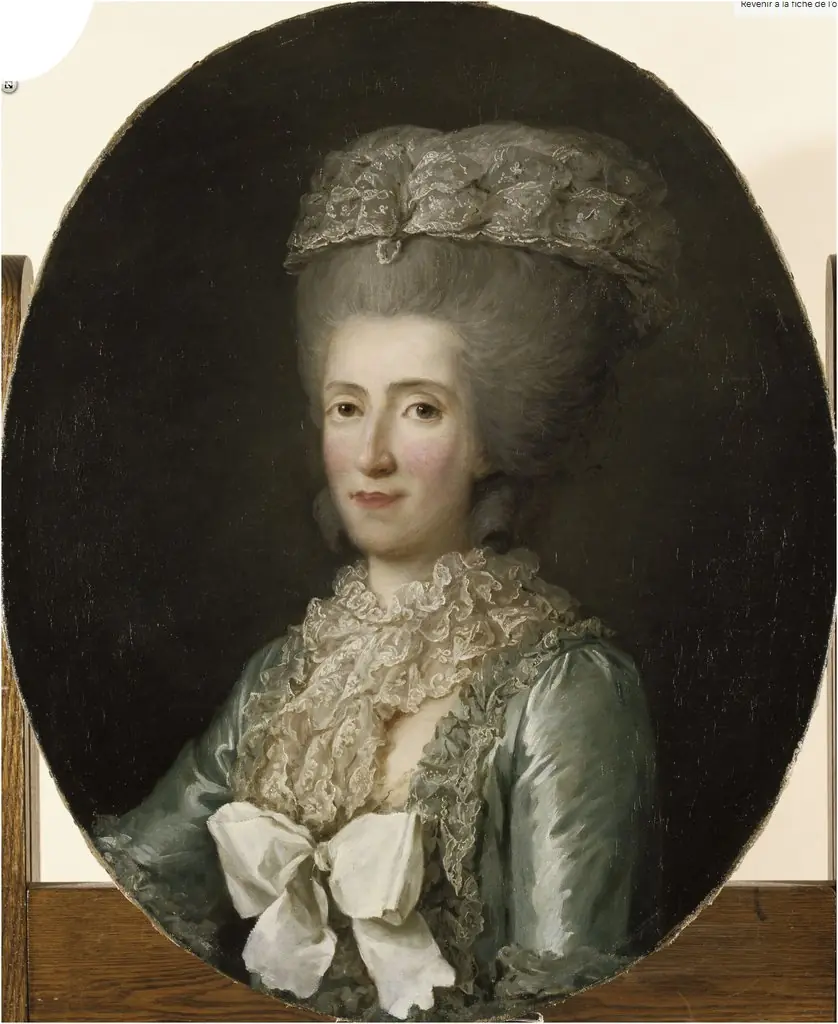 Marie-Adélaïde de France, dite Madame Adélaïde
 Anna Constanze Gräfin von Cosel (1680-1765)
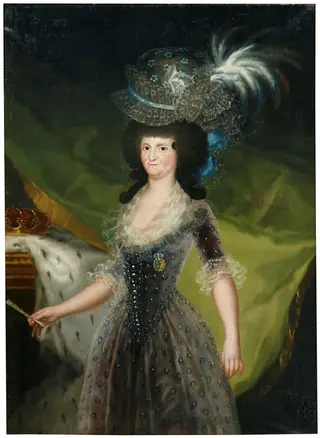 Maria Luisa of Parma, Queen of Spain
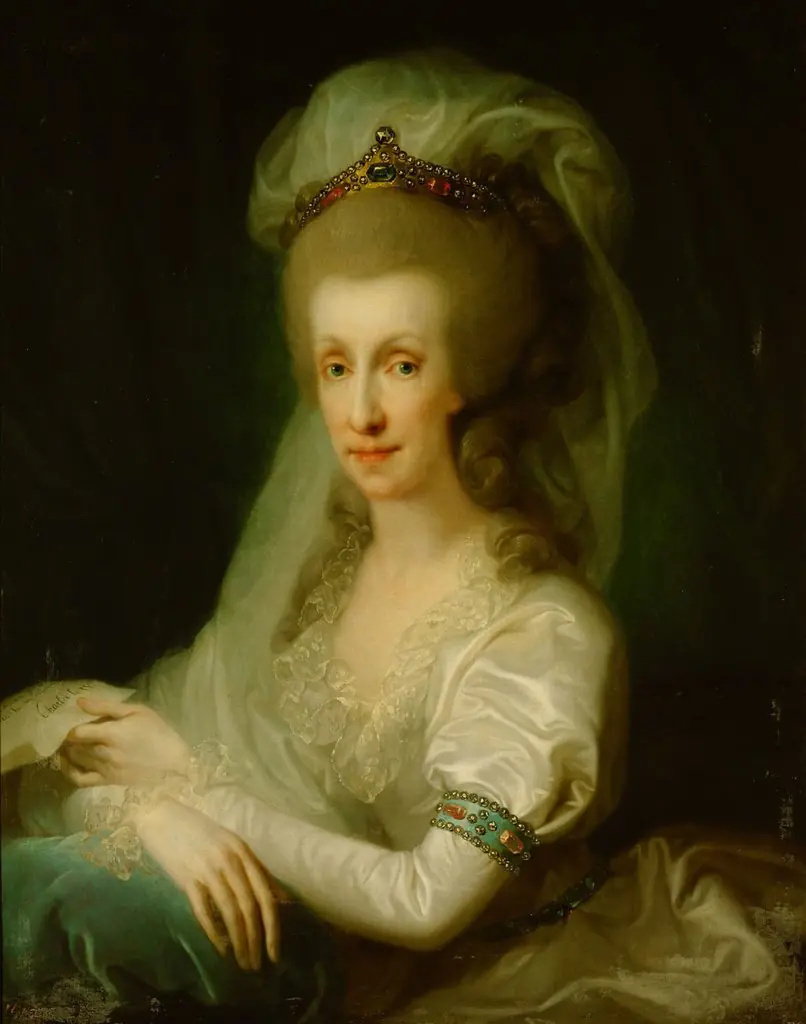 Portrait of Maria Luisa of Spain (1745-1792), Holy Roman Empress
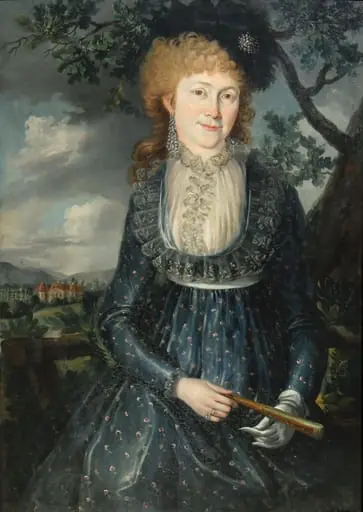 Portret de femeie
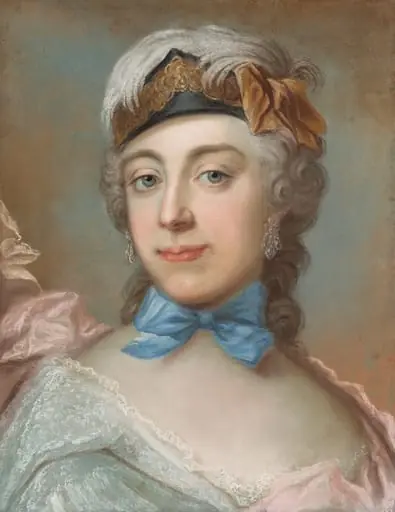 Kreivitär Ulrika Charlotta Sprengtporten
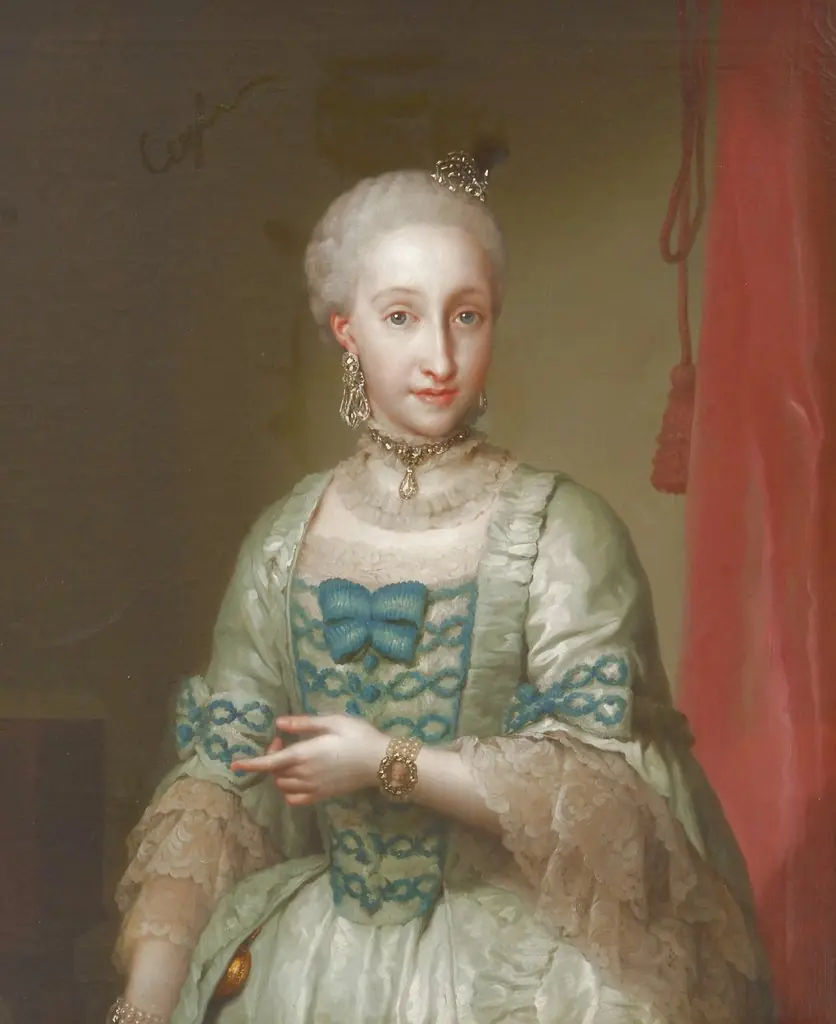 Ritratto di Maria Giuseppa Carmela di Borbone
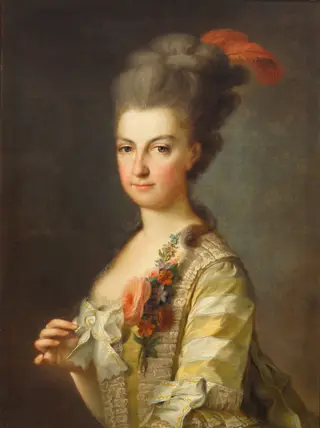 Erzherzogin Maria Christine (1742-1798), Herzogin von Sachsen - Teschen, in gestreiftem Seidenkleid, Halbfigur