Artwork
Maria Luisa of Parma, Queen of Spain
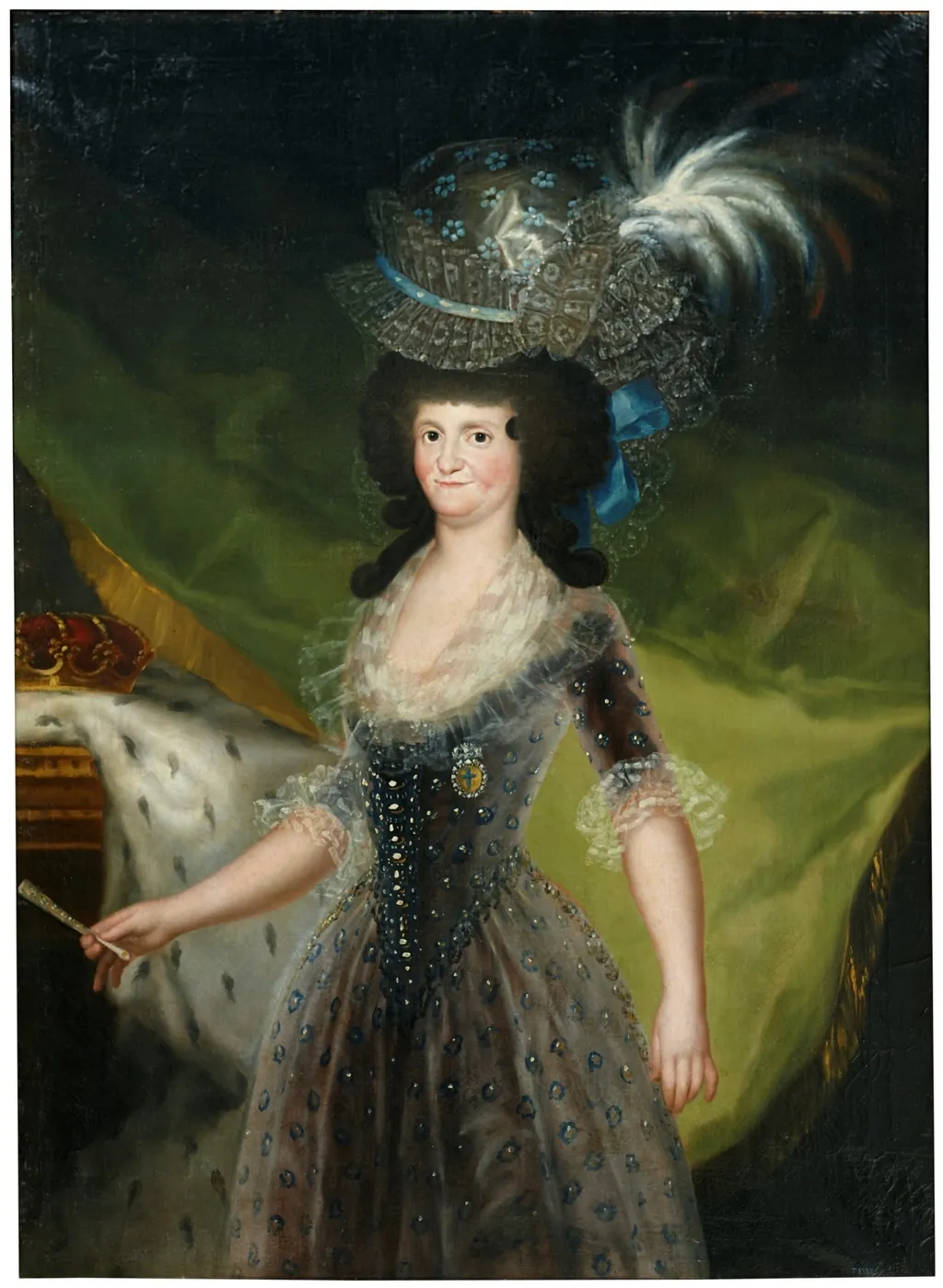
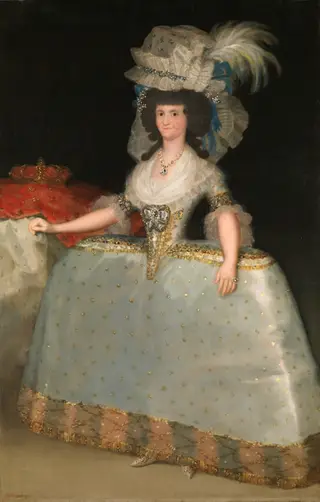
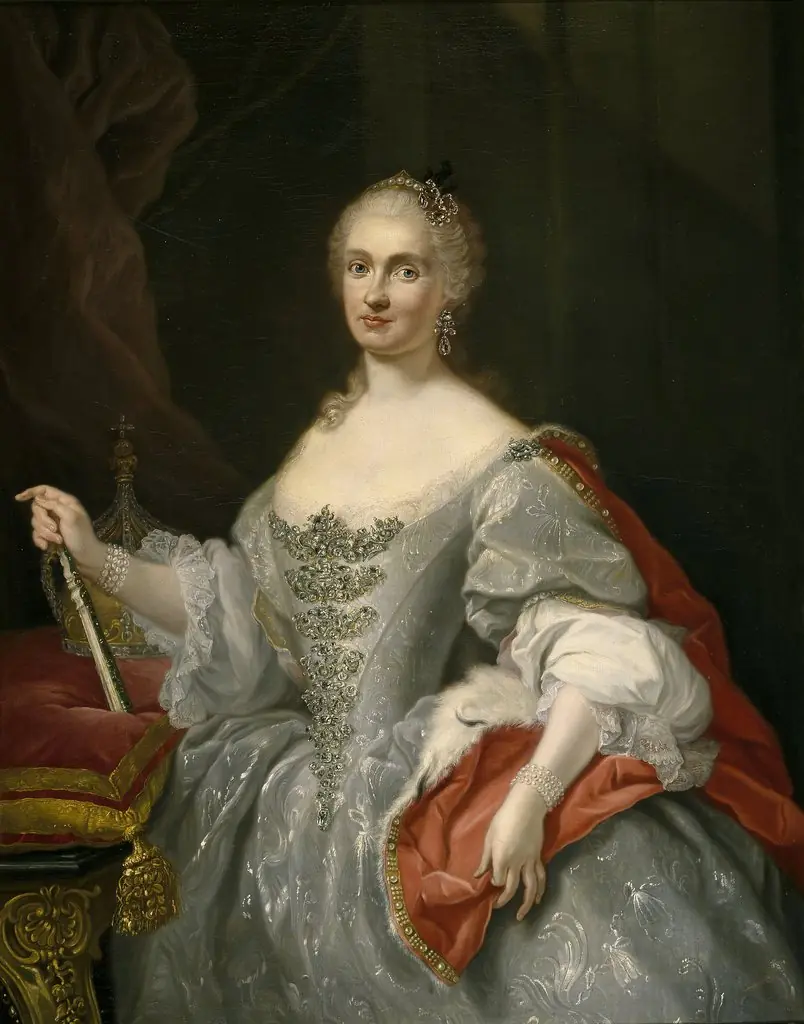
Maria Luisa of Parma, Queen of Spain is an oil painting by the Rococo painting artist Francisco de Goya. It dates from 1795 and is held in the collection of the Museo del Prado.
About this work
Subject & Meaning
Through these visual elements, the work represents Maria Luisa not merely as an individual, but as the embodiment of the Spanish monarchy.
This 1789 oil painting by Francisco Goya portrays Maria Luisa of Parma in her capacity as Queen of Spain. The composition functions as a formal royal portrait, utilizing specific regalia to assert her sovereign status. The Queen is depicted wearing a crown and a royal mantle, traditional symbols of monarchical authority.
She also holds a hand fan and wears a hat, accessories that reflect both the fashion of the late eighteenth century and the dignified bearing expected of her rank. Through these visual elements, the work represents Maria Luisa not merely as an individual, but as the embodiment of the Spanish monarchy.
Technique & Style
The portrait of Maria Luisa of Parma, Queen of Spain, is an oil painting on canvas created in 1789. Executed in oil paint, the work employs the smooth, blended brushwork characteristic of Goya’s court portraiture, with a restrained palette that emphasizes the rich textures of the royal mantle and the delicate rendering of the sitter’s features. The canvas support is primed to a fine finish, allowing precise detail in the depiction of the crown, fan, and ornamental accessories.
Light is modeled through subtle glazes, producing a three‑dimensional presence while maintaining the formal elegance expected of 18th‑century Spanish aristocratic portraiture.
History & Provenance
Francisco Goya created the oil-on-canvas portrait of Maria Luisa of Parma in 1789. The work was executed as a formal royal depiction, capturing the queen in regalia that includes a crown and royal mantle. Since its inception, the painting has been held in the collection of the Museo del Prado in Madrid. The piece measures 152 cm in height and 110 cm in width.
Context
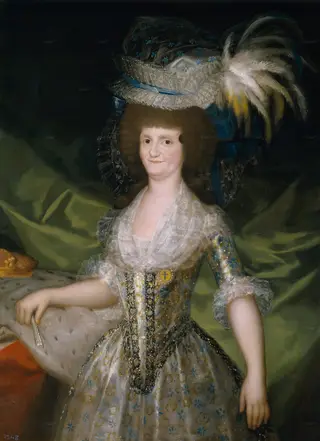
Francisco Goya painted Maria Luisa of Parma, Queen of Spain in 1789, an oil on canvas portrait measuring 152 × 110 cm that is now housed in the Museo del Prado. The work depicts the queen wearing a crown, a royal mantle, and holding a hand fan, symbols of her rank. As a court portrait from the late Bourbon period, it exemplifies the neoclassical style Goya used in official commissions and serves as visual propaganda for the monarchy.
Art historians consider it part of Goya’s early royal portrait series, noting its significance in documenting aristocratic representation before his later, more personal works.
Overview
Francisco Goya's 1795 oil painting, "Maria Luisa of Parma, Queen of Spain," captures the monarch in a formal portrait. This work presents the Spanish queen, identifiable by her regal bearing and attire. The artwork is currently housed within the extensive collection of the Museo del Prado, offering a glimpse into late 18th-century European court portraiture.
Own this work as a print
Artist & collection
Artist
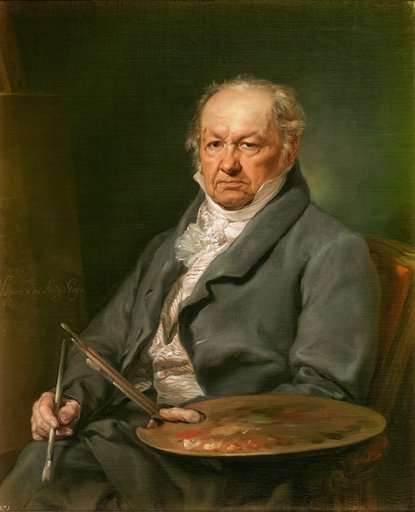
Francisco José de Goya y Lucientes was a Spanish romantic painter and printmaker.