Artwork
Autoretrat
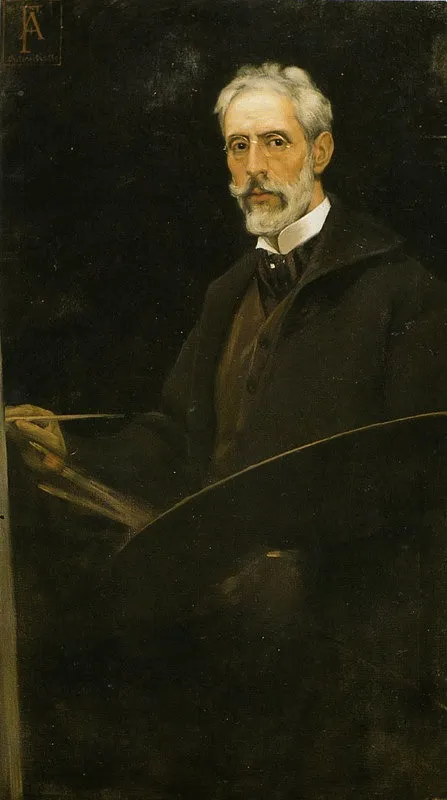
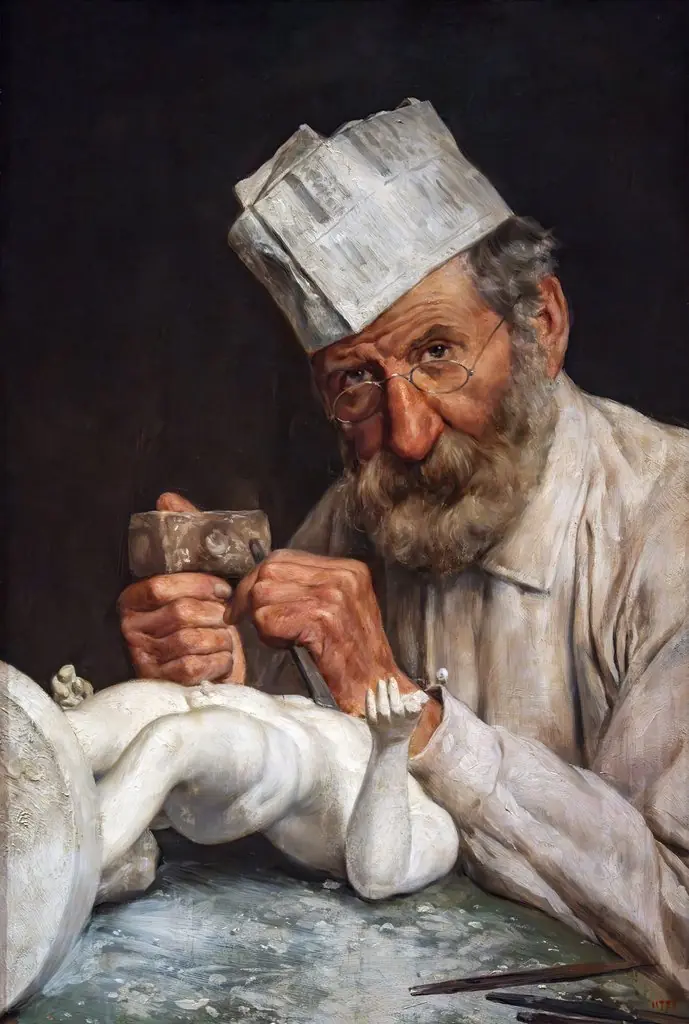
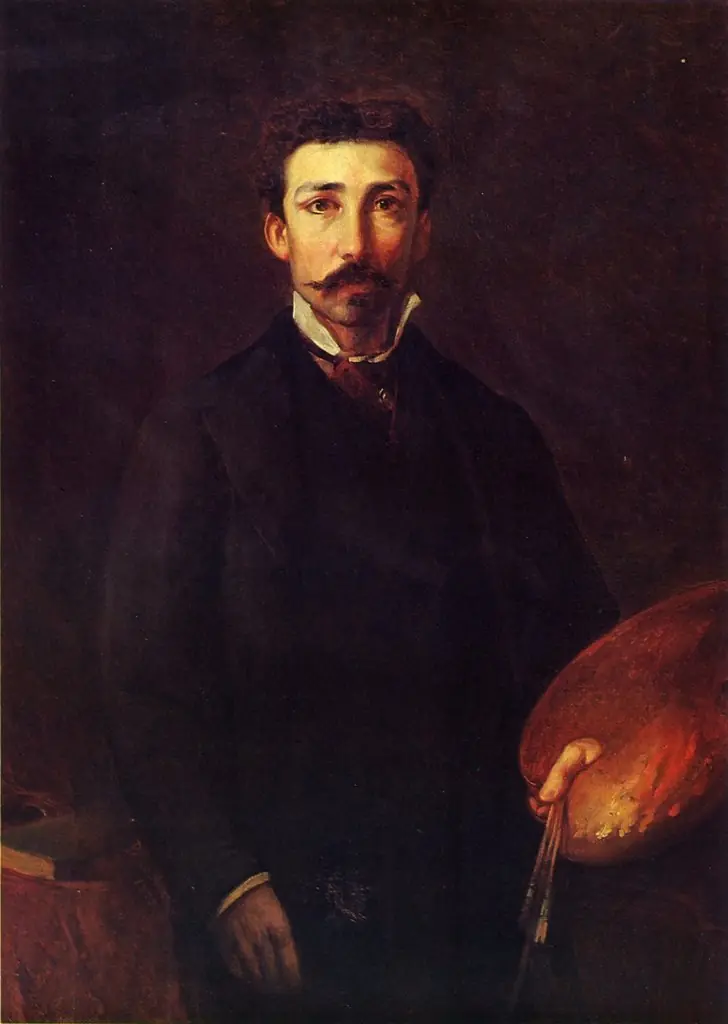
Autoretrat is an oil painting by the Art Nouveau artist Antonio Fabrés. It dates from 1911 and is held in the collection of the Museu Nacional d'Art de Catalunya.
About this work
Overview
The work resides in the Museu Nacional d'Art de Catalunya, reflecting its significance within Catalan artistic heritage.
Antonio Fabrés completed this oil on canvas self-portrait in 1911. It presents the artist in middle or later life, dressed in formal dark attire, holding a paintbrush as if mid-creation. The composition is restrained, with a muted palette and deep background that focus attention on the figure. The work resides in the Museu Nacional d'Art de Catalunya, reflecting its significance within Catalan artistic heritage.
Subject & Meaning
The painting portrays Fabrés not as a dramatic figure but as a quiet, introspective creator. His gaze is directed inward, suggesting reflection rather than performance. The brush in hand and the unseen canvas imply the act of making art as a private, deliberate ritual. The absence of overt symbolism or narrative emphasizes the dignity of the artist’s daily practice over grandiosity.
Technique & Style
Fabrés employed traditional oil painting methods with subtle tonal transitions and soft edges, avoiding the ornamental flourishes typical of Art Nouveau. The dark, gradated background enhances the three-dimensionality of the figure, while the rendering of fabric and skin conveys texture without excess detail. The brushwork is controlled, aligning more with academic realism than the decorative tendencies of his era.
History & Provenance
Painted in 1911, the self-portrait entered the collection of the Museu Nacional d'Art de Catalunya, where it remains today. Its preservation within a national institution underscores its role as a document of Catalan artistic identity. There is no record of public exhibition prior to its acquisition, suggesting it was likely kept in the artist’s private sphere before institutional recognition.
Context
While Fabrés was known for Orientalist and historical subjects, this self-portrait diverges from those themes, offering a personal counterpoint to his public work. In early 20th-century Catalonia, artists increasingly turned inward, documenting their own identities amid cultural revival. This painting reflects that shift, prioritizing individual presence over myth or exoticism.
Legacy
The portrait stands as a quiet testament to Fabrés’s dual identity as painter and sculptor, emphasizing process over spectacle. Though not widely reproduced, it contributes to the broader understanding of Catalan modernism’s introspective strand. Its endurance in a national collection affirms its value as a record of an artist’s self-perception, not merely his stylistic output.
Artist & collection
Artist
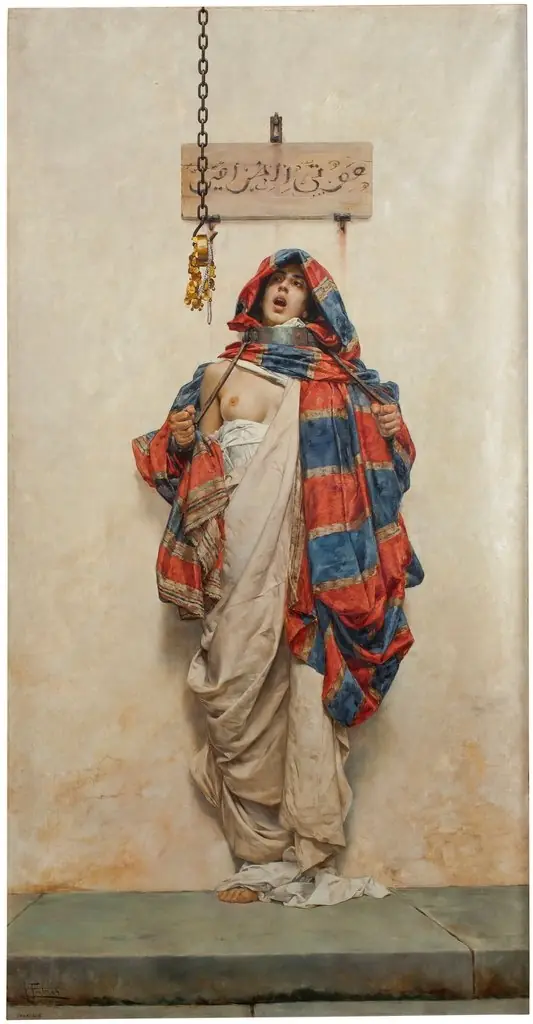
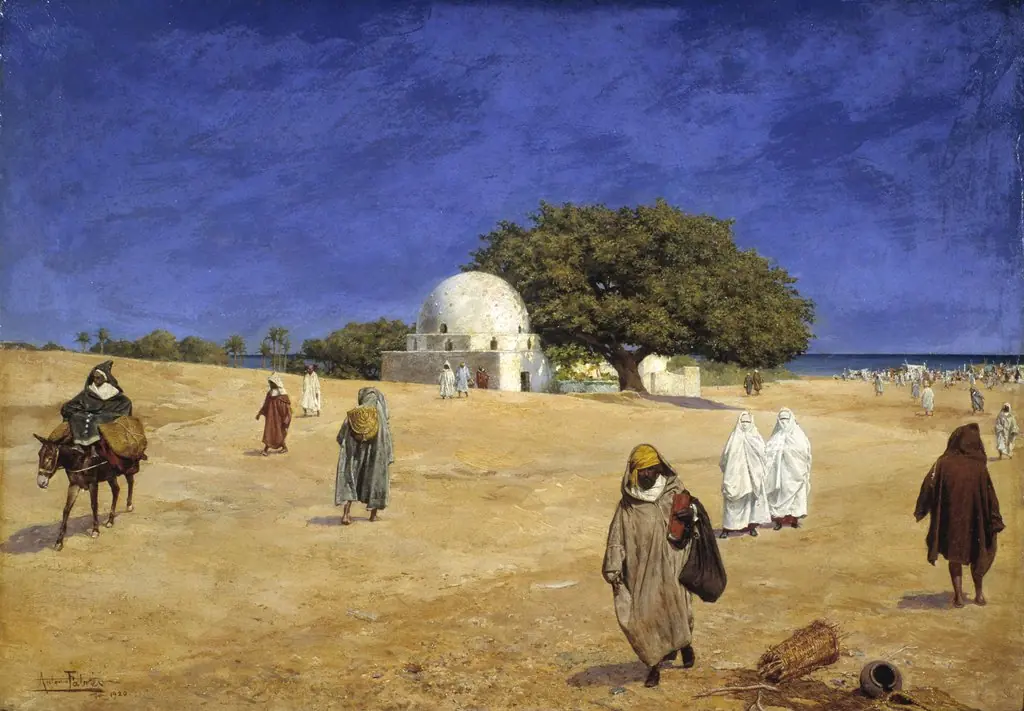
Antoni Maria Fabrés i Costa (Spanish: Antonio Maria Fabrés y Costa; 1854–1938), also known as Antoni Fabrés, was a Catalan sculptor and painter known especially for his depictions of Orientalist and period subjects.

- Worthington Whittredge
 Autorretrato de Pedro Américo
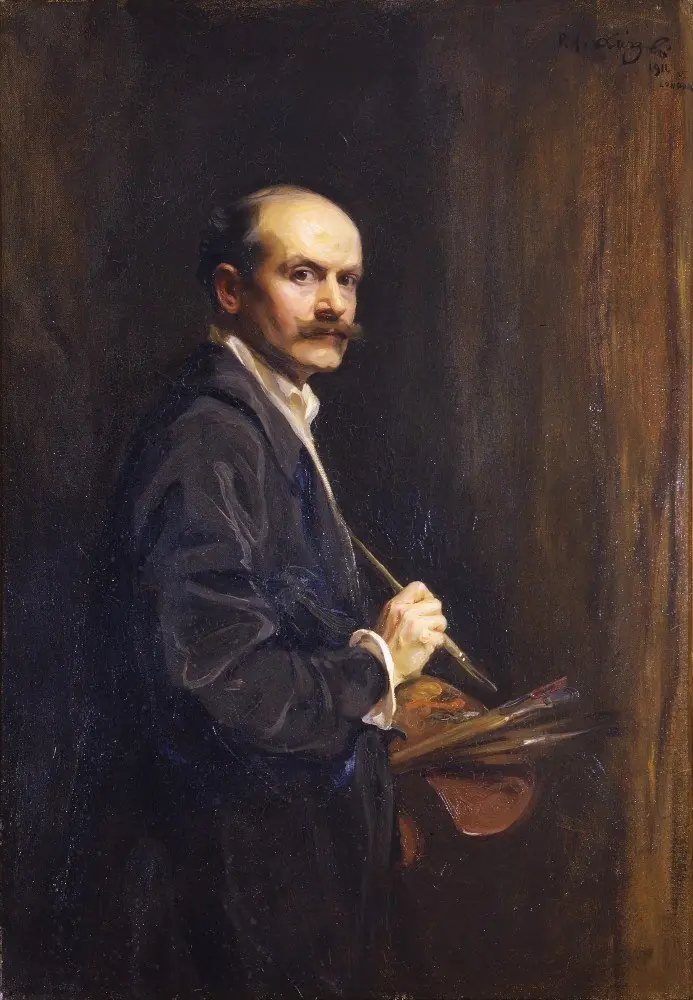 Self-portrait of Philip Alexius László de Lombos
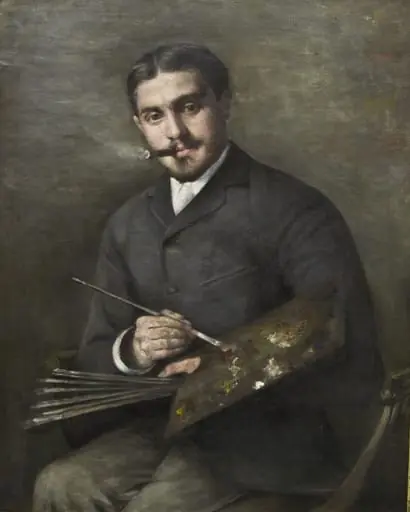 Portretul pictorului Menelas Simonidy
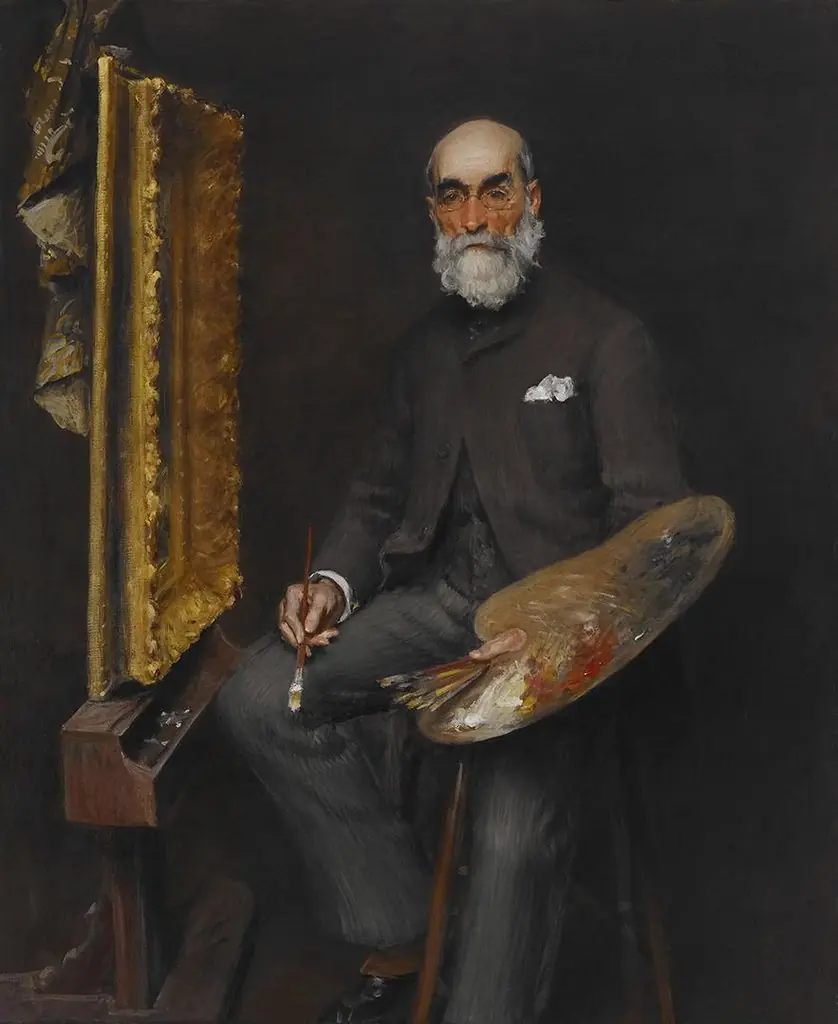
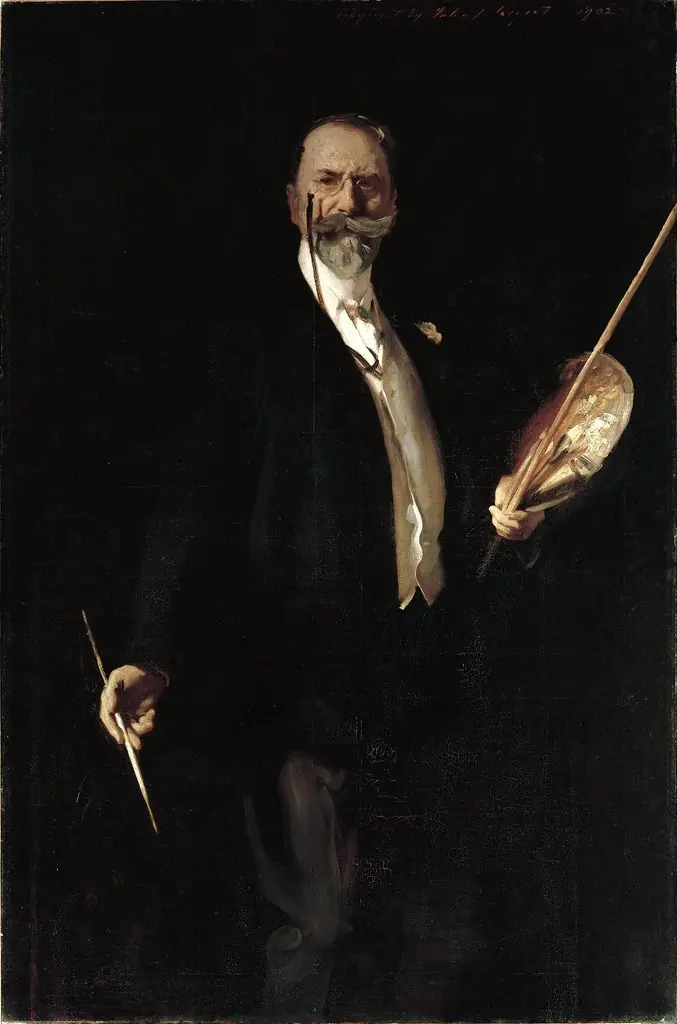 William M. Chase, N. A.
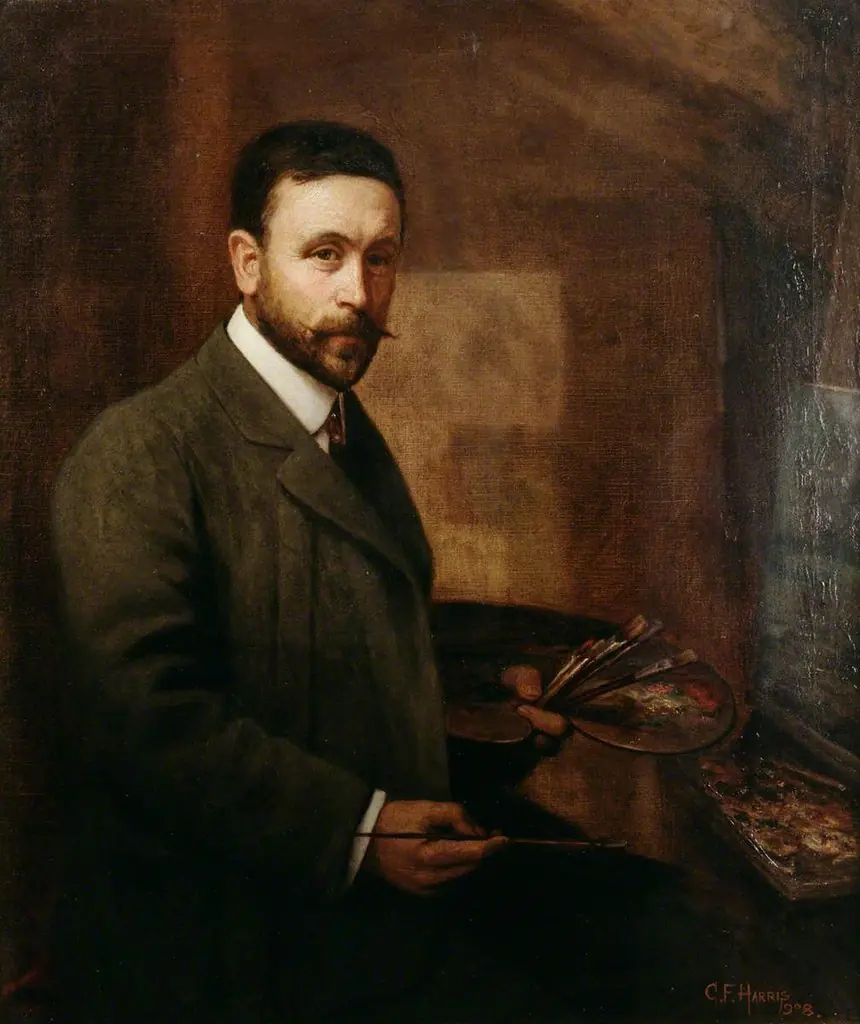 Portrait of a Man
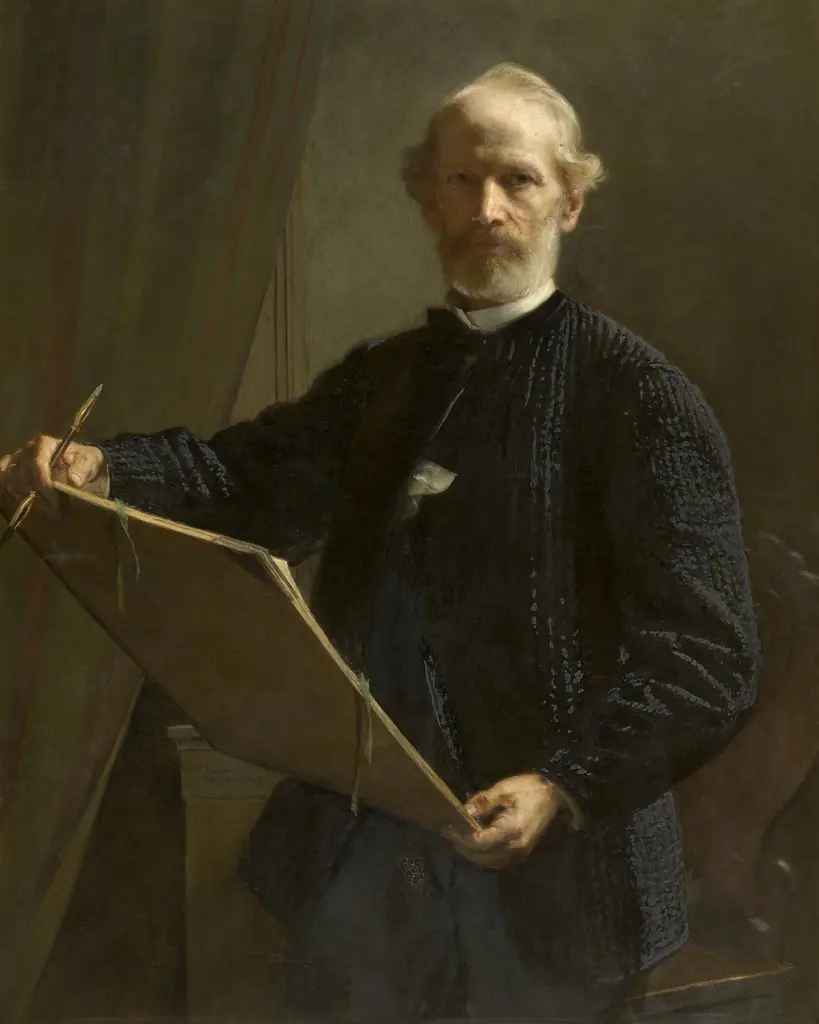 Self Portrait
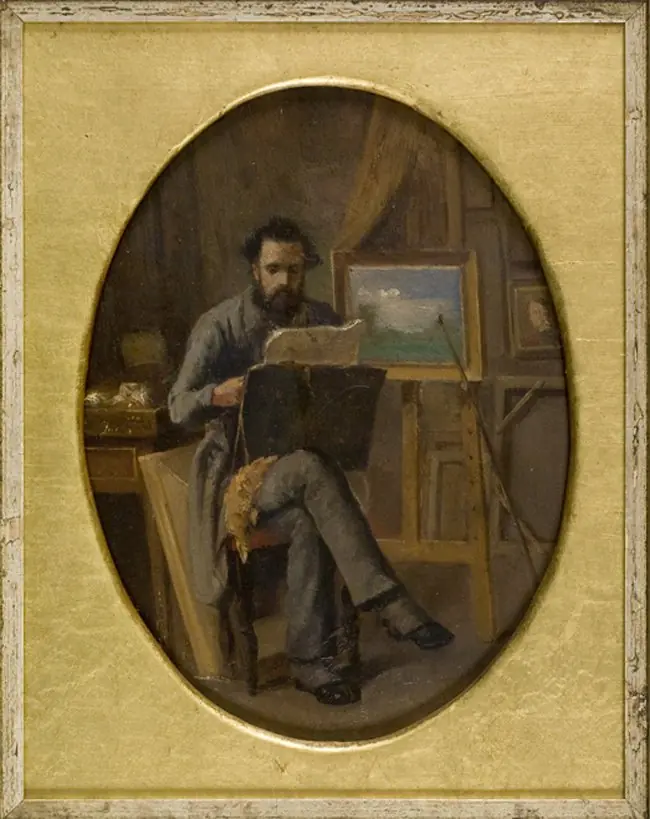 A Painter in his Studio. The Artist Himself (?)
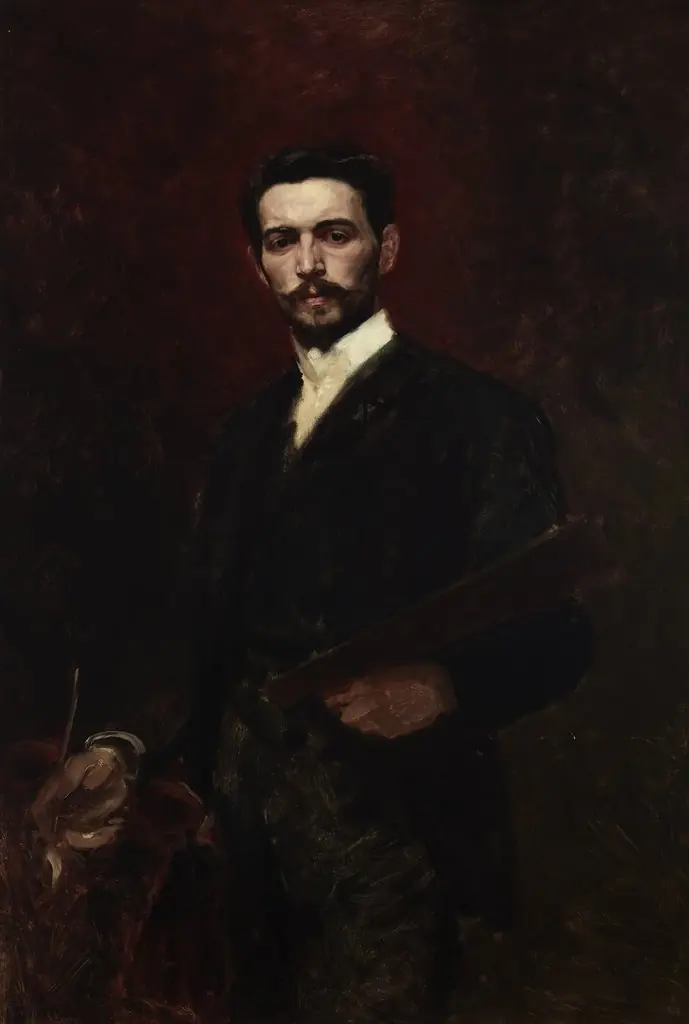 Portrait of Józef Unierzyski
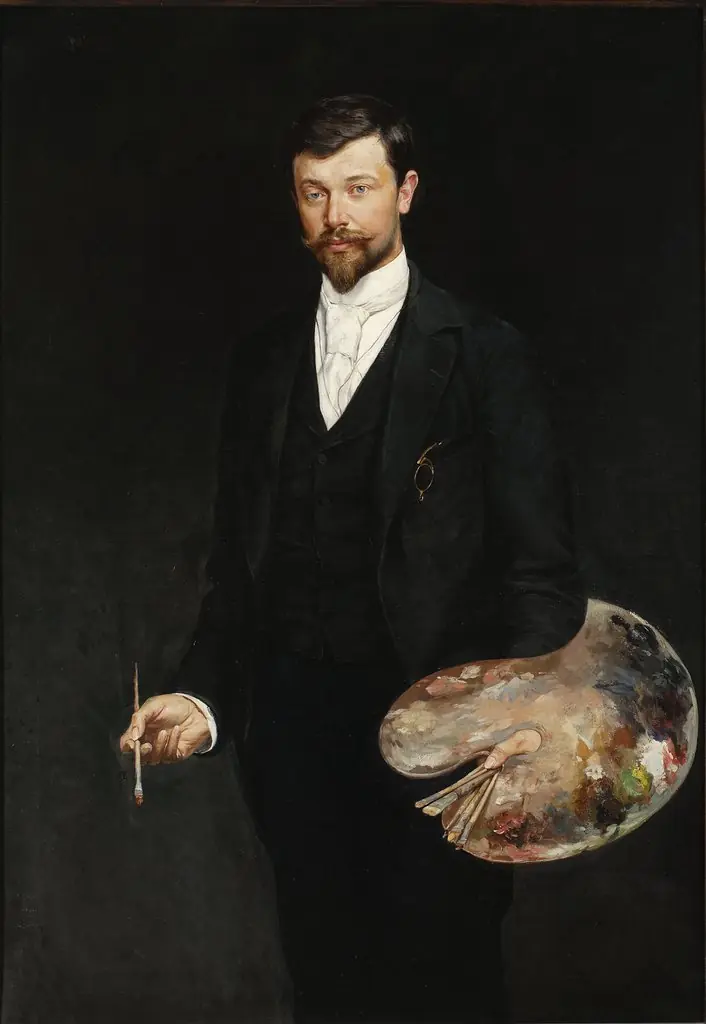 Self-portrait with palette
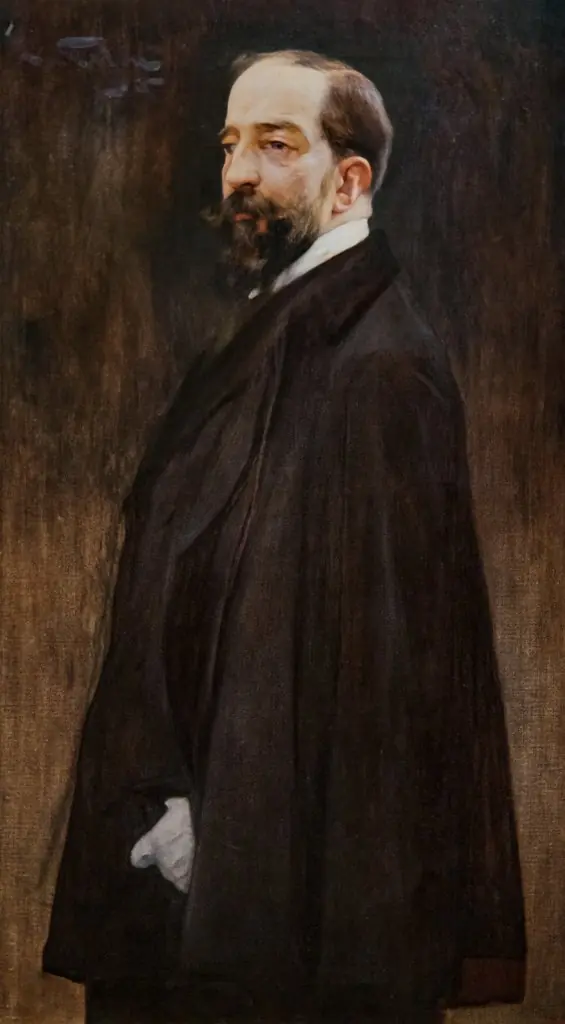 Retrat de Joan Baptista Parés (1847-1926) (Museu Nacional d'Art de Catalunya, inv 010150-000)
 Captain Folger of Nantucket