Artwork
Ruin by the Sea
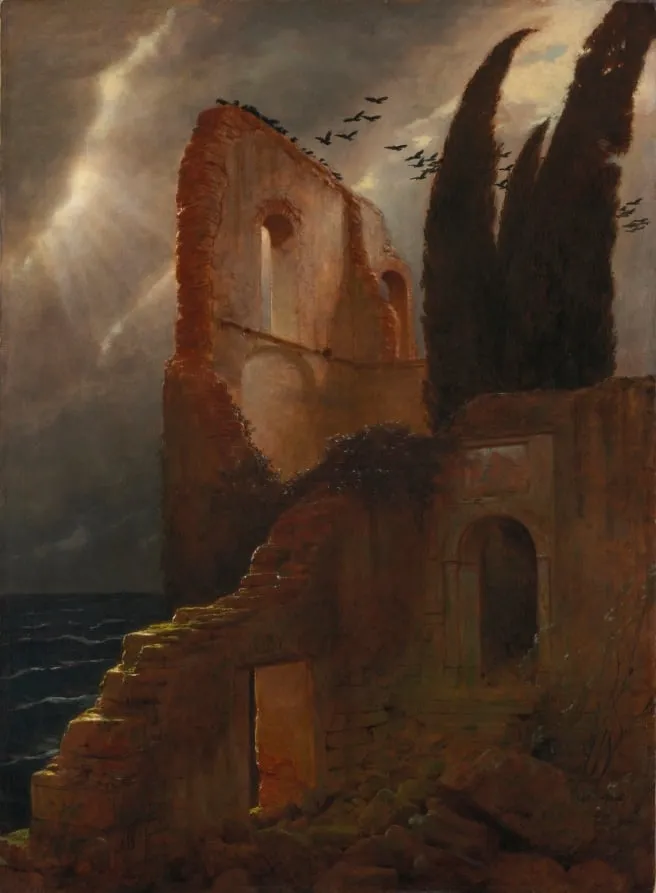
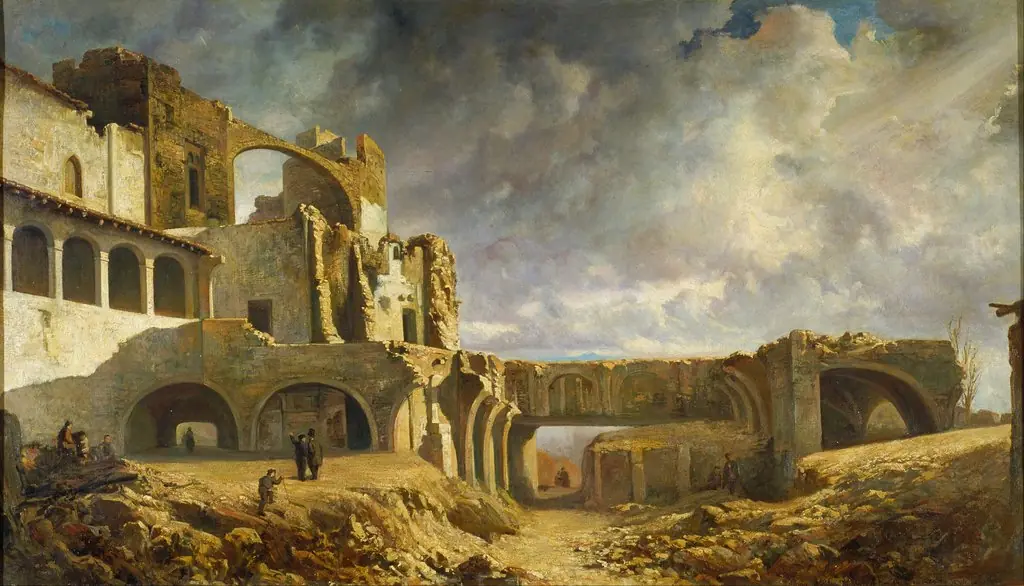
Ruin by the Sea is an unspecified painting by the Impressionist artist Arnold Böcklin. It dates from 1881 and is held in the collection of the Cleveland Museum of Art. In this 1881 oil work, a dilapidated villa clings to a turbulent shoreline, its broken walls exposed to a restless sea.
- Accession no.
- 1979.57
- Credit line
- Mr. and Mrs. William H. Marlatt Fund
About this work
If you like this mood, look up chiaroscuro, the way artists use strong light and shadow to create drama.
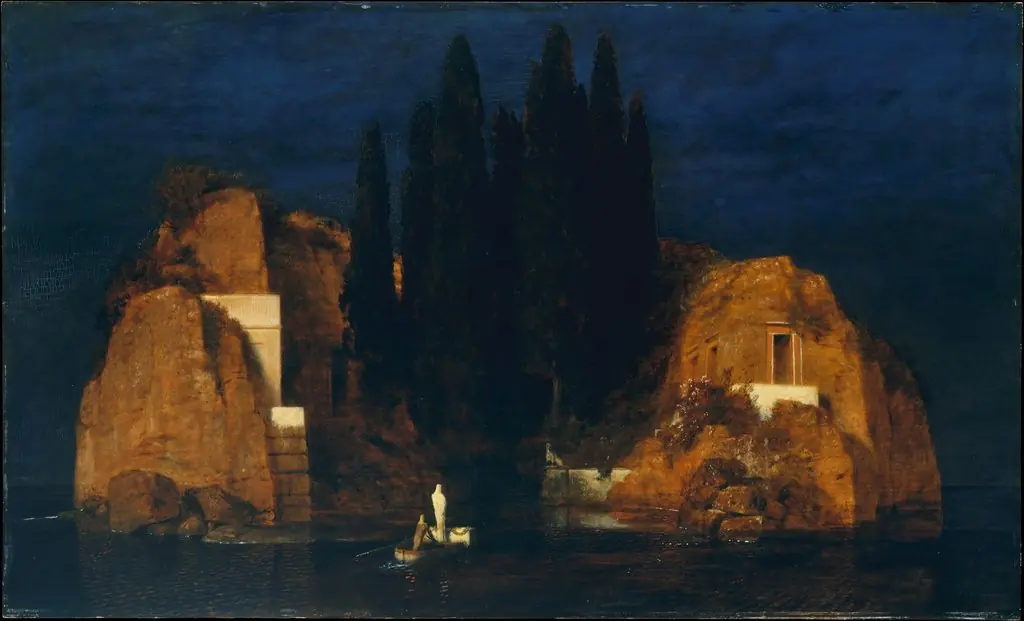
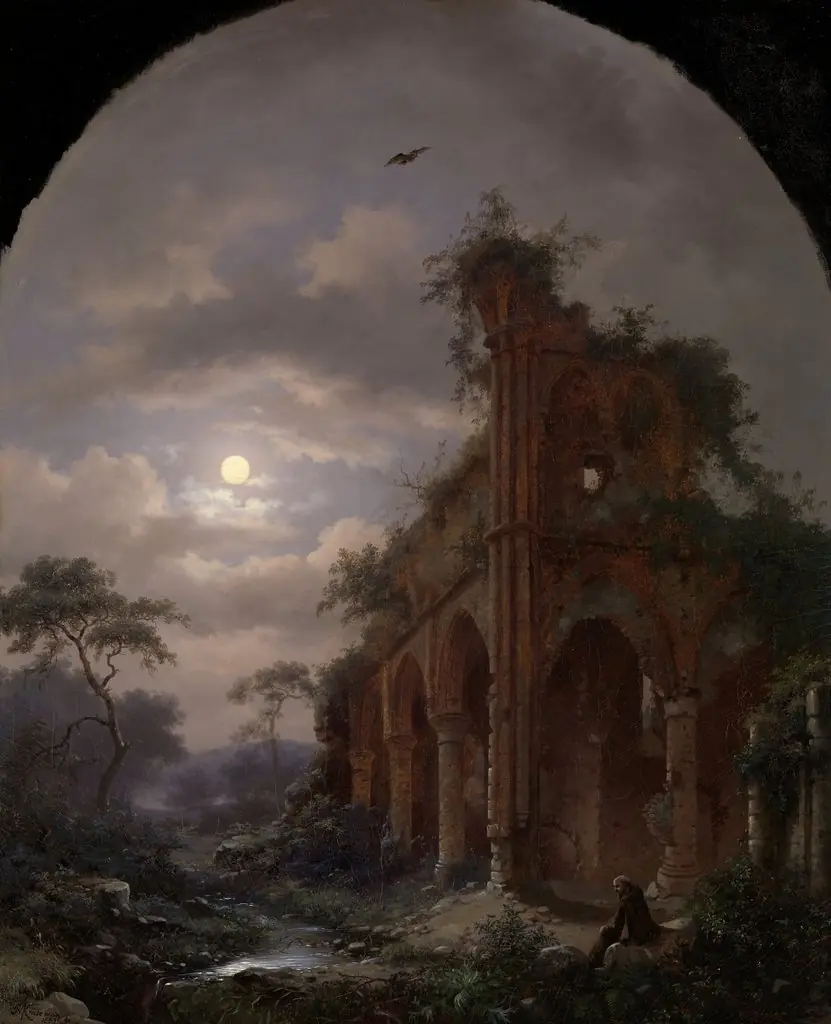
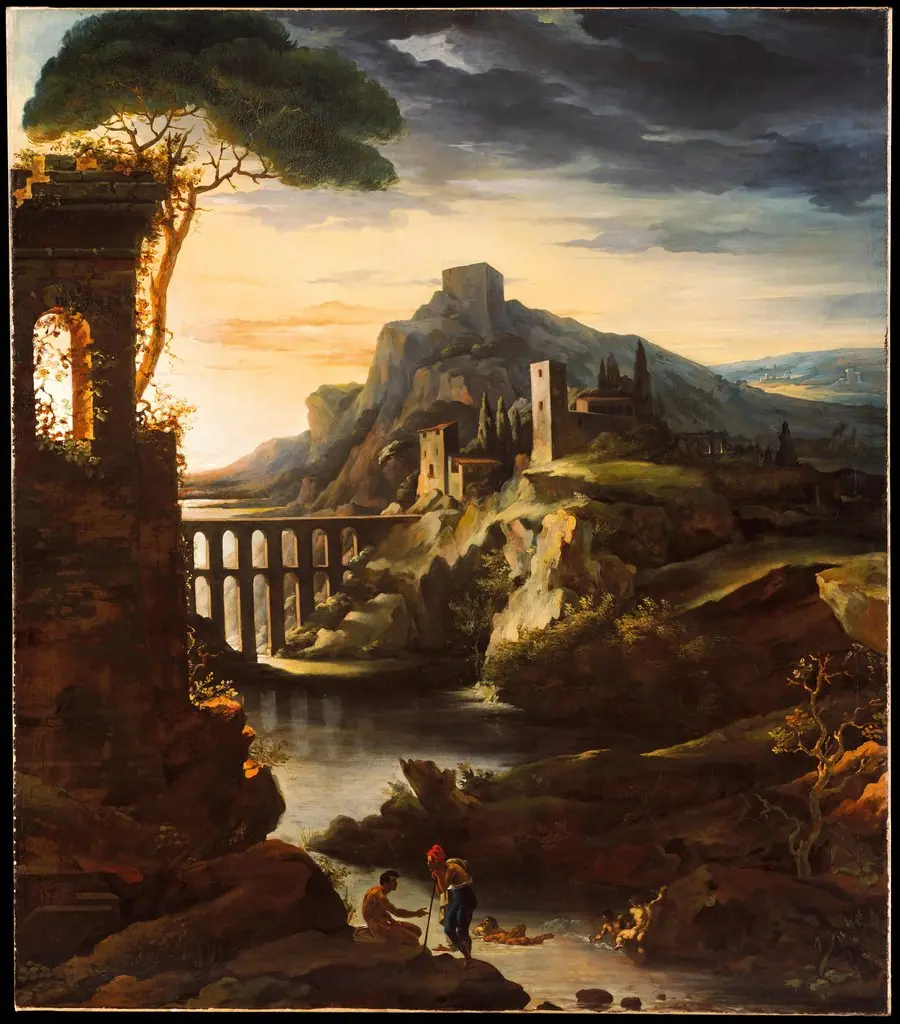
A crumbling villa sits by a stormy sea, its walls half-collapsed. Dark cypress trees twist in the wind, and a sickly green light glows through the ruins. The scene feels eerie, like a place abandoned long ago.
Böcklin painted this in 1881, when artists often used nature to suggest deeper emotions. The ruins might symbolize decay or the passage of time. The wind-tossed trees and flickering light make the scene feel alive, even though nothing moves.
If you like this mood, look up chiaroscuro, the way artists use strong light and shadow to create drama.
Overview
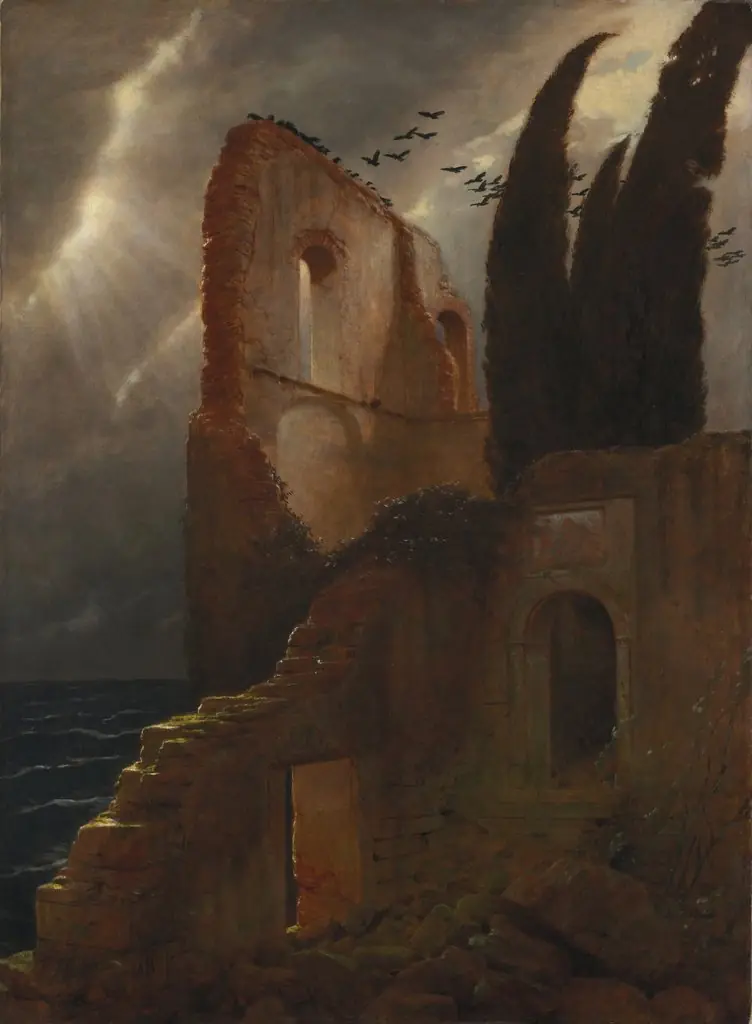
In this 1881 oil work, a dilapidated villa clings to a turbulent shoreline, its broken walls exposed to a restless sea. Gnarled cypress trunks bend under an unseen gust, while an unsettling greenish illumination suffuses the scene, casting eerie shadows across the crumbling stone. The composition conveys a palpable sense of abandonment and quiet menace.
Subject & Meaning
The painting presents a deserted coastal structure surrounded by wind‑tossed trees, suggesting themes of impermanence and the inexorable march of time. The sickly green glow, coupled with the decaying architecture, evokes a contemplative mood about mortality and the fleeting nature of human achievement, inviting viewers to reflect on decay as a natural process.
Technique & Style
Executed with a pronounced chiaroscuro, the artist contrasts deep, inky shadows against the luminous green haze, heightening the dramatic tension. Brushwork varies from the smooth rendering of the sea’s surface to the more textured, almost sketchy treatment of the twisted cypresses, reflecting the influence of early‑19th‑century German Romanticism and its emphasis on emotive, atmospheric effects.
History & Provenance
Created in 1881, the work emerged during a period when many painters employed landscape to express inner states rather than literal observation. It entered private collections shortly after its completion, later passing through several European dealers before being acquired by a museum in the early 20th century, where it remains on display as part of the Romantic landscape holdings.
Artist & collection
Artist
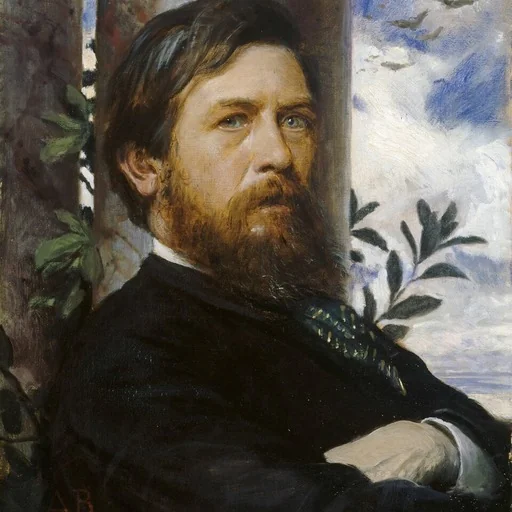
Arnold Böcklin was a Swiss Symbolist painter. His five versions of the Isle of the Dead inspired works by several late Romantic composers.