Artwork
A Knight of Alcántara or Calatrava
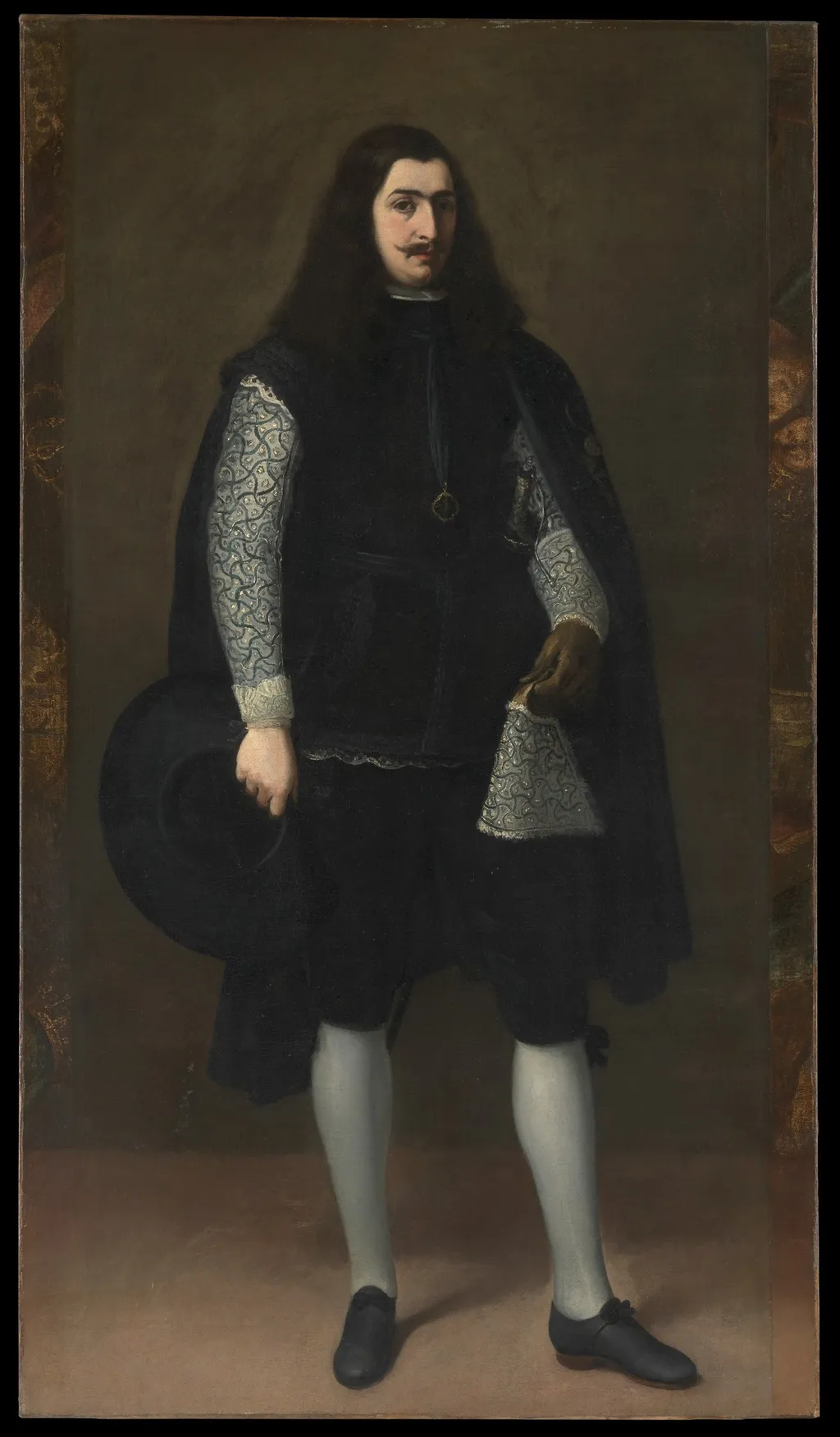
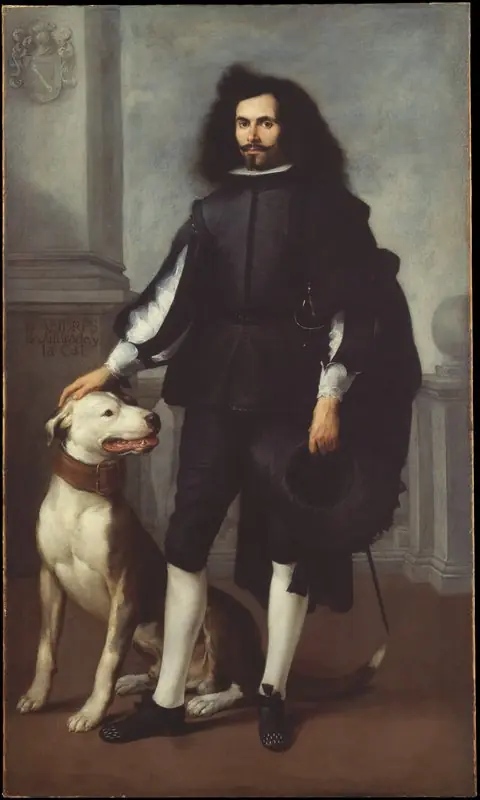
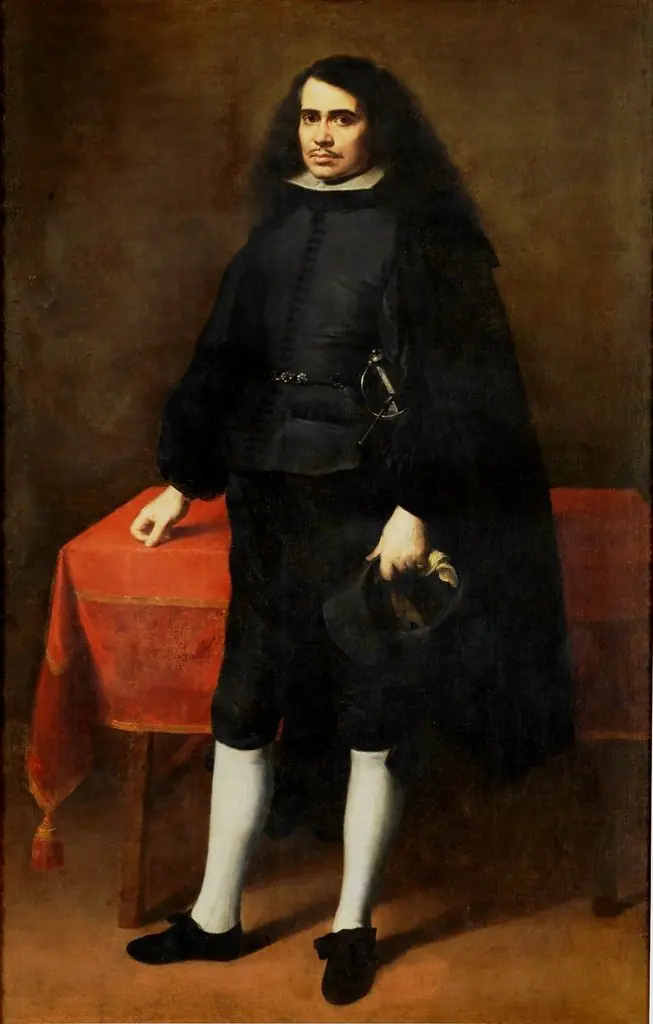
A Knight of Alcántara or Calatrava is an oil painting by the Spanish Baroque Tenebrist artist Bartolomé Esteban Murillo. It dates from 1650 and is held in the collection of the Metropolitan Museum of Art.
About this work
Subject & Meaning
As a portrait genre work, the subject is presented as a man of standing, with the composition focusing entirely on his individual identity and status.
The painting depicts a single male figure identified as a knight, specifically associated with the military orders of Alcántara or Calatrava. As a portrait genre work, the subject is presented as a man of standing, with the composition focusing entirely on his individual identity and status. The iconography centers on the figure's representation as a knight, a designation that implies membership in a specific Spanish chivalric order, though the precise affiliation between Alcántara and Calatrava remains a point of identification within the work's title.
The symbolism lies in the portrayal of the knight himself, serving as a visual testament to the ideals and presence of these religious-military orders in mid-seventeenth-century Spain. The work functions as a formal representation of the man, capturing his likeness and the dignity associated with his knighthood.
History & Provenance
Created by Bartolomé Esteban Murillo in 1650, this oil-on-canvas portrait depicts a knight, likely from the orders of Alcántara or Calatrava. The work's ownership history traces a path through several significant collectors and dealers before entering a major public museum. Prior to its current residence at the Metropolitan Museum of Art, the painting was held by Frederick Mont, Pinakos Inc., and the E.A. Fleischmann Gallery.
The documented chain of custody also includes ownership by Rudolf J. Heinemann and Arthur L. Nicholson. These transactions established the work's provenance leading to its acquisition by the Metropolitan Museum of Art, where it remains part of the permanent collection.
Overview
Bartolomé Esteban Murillo's A Knight of Alcántara or Calatrava, painted around 1650, is an oil portrait from the Spanish Baroque period. This work showcases the artist's skill in depicting secular subjects, a departure from his more frequent religious commissions. The painting is characterized by its dramatic use of light and shadow, a hallmark of the era, and is now part of The Metropolitan Museum of Art's collection.
Technique & Style
Murillo employed a tenebrist style in this portrait, utilizing stark contrasts between light and deep shadow to create a dramatic effect. The technique, often referred to as chiaroscuro, illuminates the subject's face and the intricate details of his attire, while the background recedes into darkness. This approach emphasizes the figure's presence and is characteristic of the Spanish Baroque period's visual intensity.
Context
While Bartolomé Esteban Murillo is predominantly recognized for his extensive output of religious paintings, particularly those depicting the Virgin and Child or saints, he also undertook secular commissions. This portrait, created in the mid-17th century, exemplifies his proficiency in capturing individual likenesses outside of sacred narratives. It offers insight into the range of subjects patronized during the Spanish Baroque era.
Artist & collection
Artist
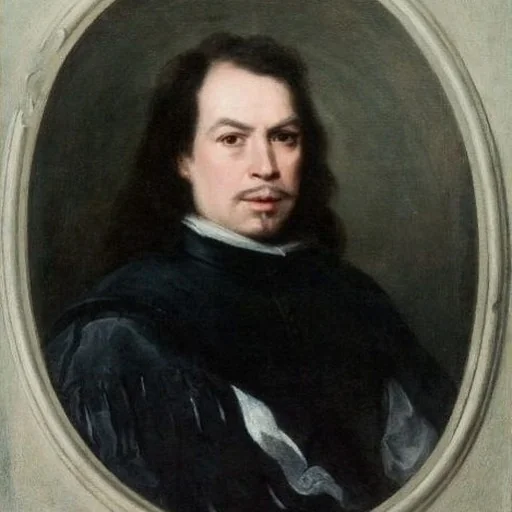
Bartolomé Esteban Murillo ( mure-IL-oh, m(y)uu-REE-oh, Spanish:; late December 1617, baptised 1 January 1618 – 3 April 1682) was a Spanish Baroque painter.

 Portrait of a Man
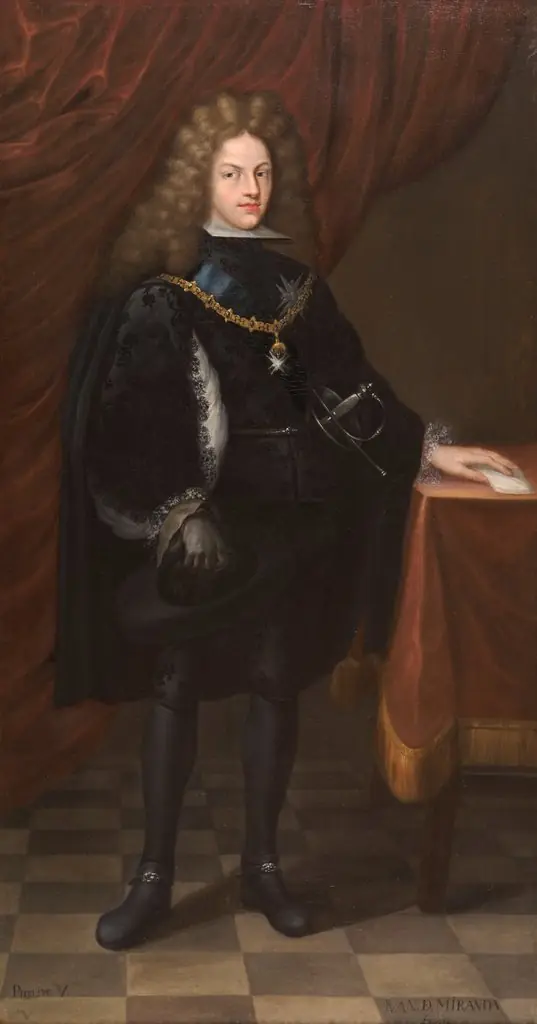 Philip V of Spain
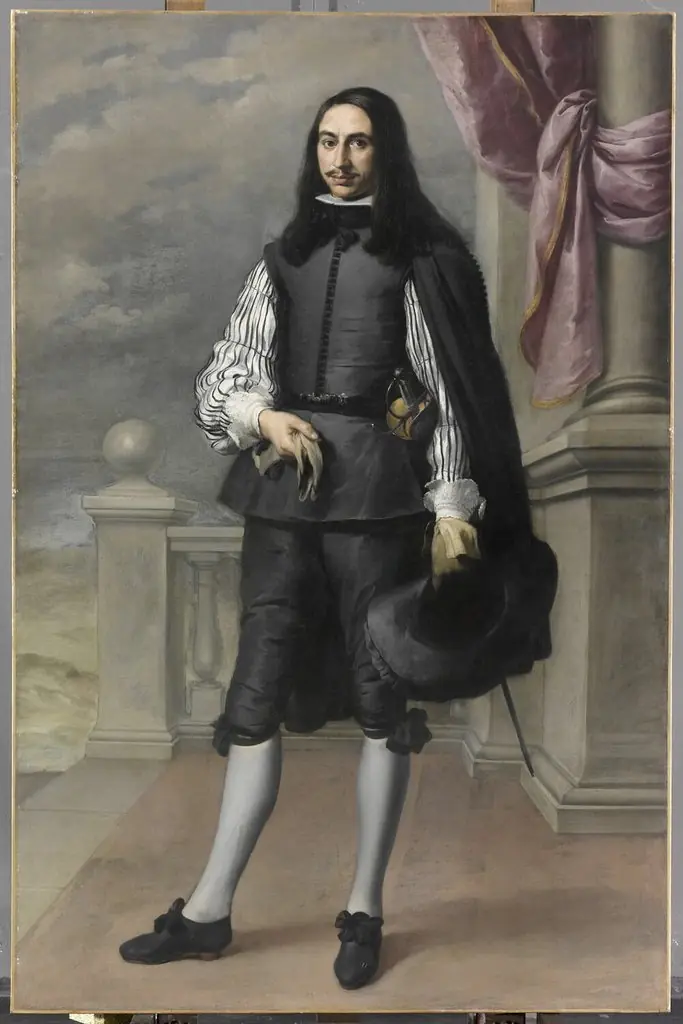 Portrait of Íñigo Fernández de Velasco
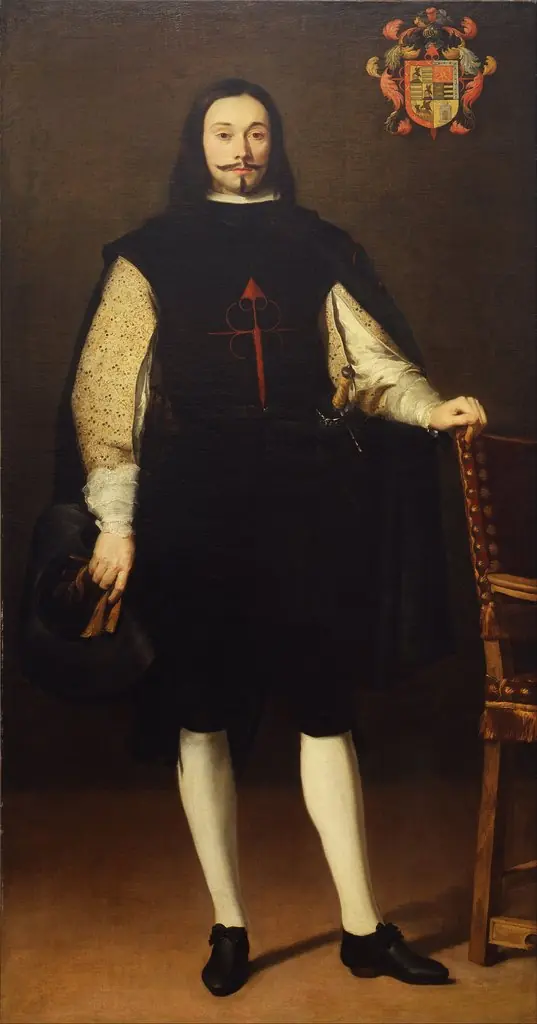 Portrait of Don Diego Felix de Esquivel y Aldama
 Erik I, 1470-1549, hertig av Braunscweig-Calenberg
 Philip II of Spain
 Philip IV, King of Spain
 Portrait of Philip IV, King of Spain
 Perejon, the Buffoon of the Count of Benavente and of the Grand Duke of Alba
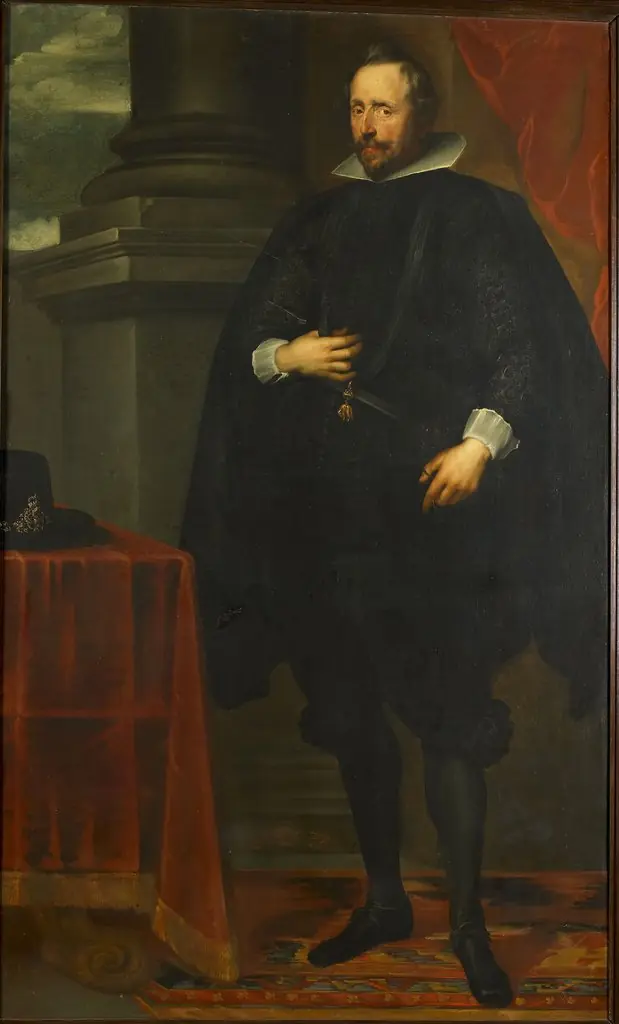 Portrait of Wolfgang Wilhelm, Count Palatine of Neuburg
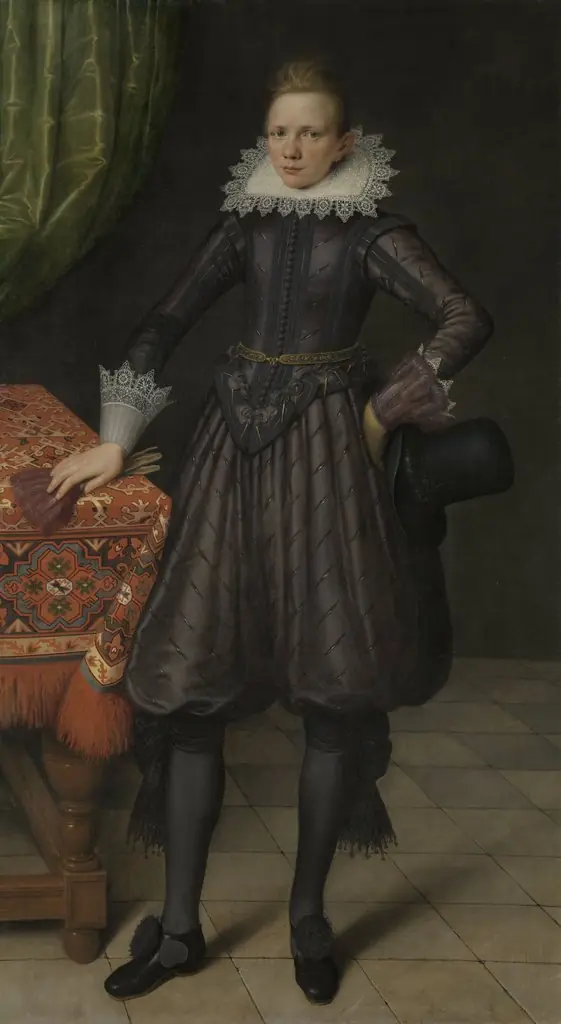 Portrait of Peter Courten
- Portrait of a Knight of the Order of Santiago