Artwork
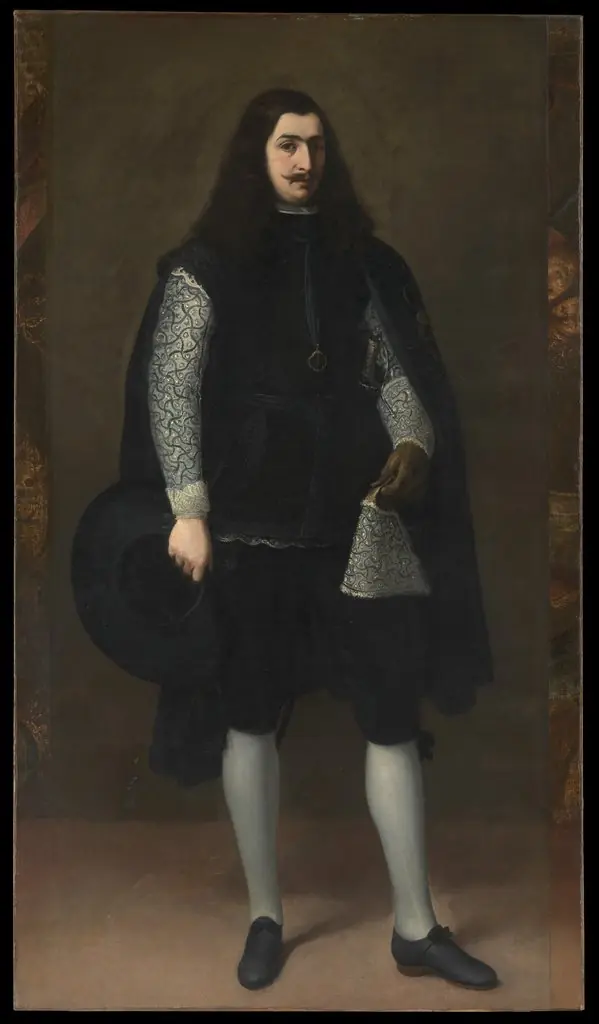
Don Andrés de Andrade y la Cal
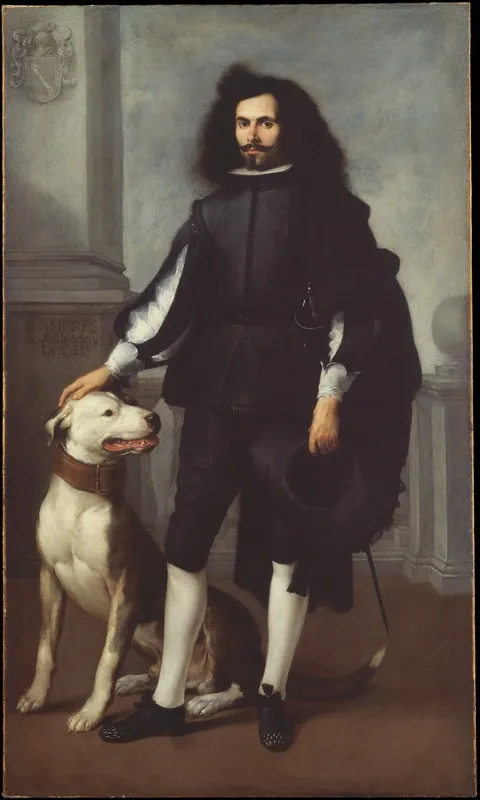
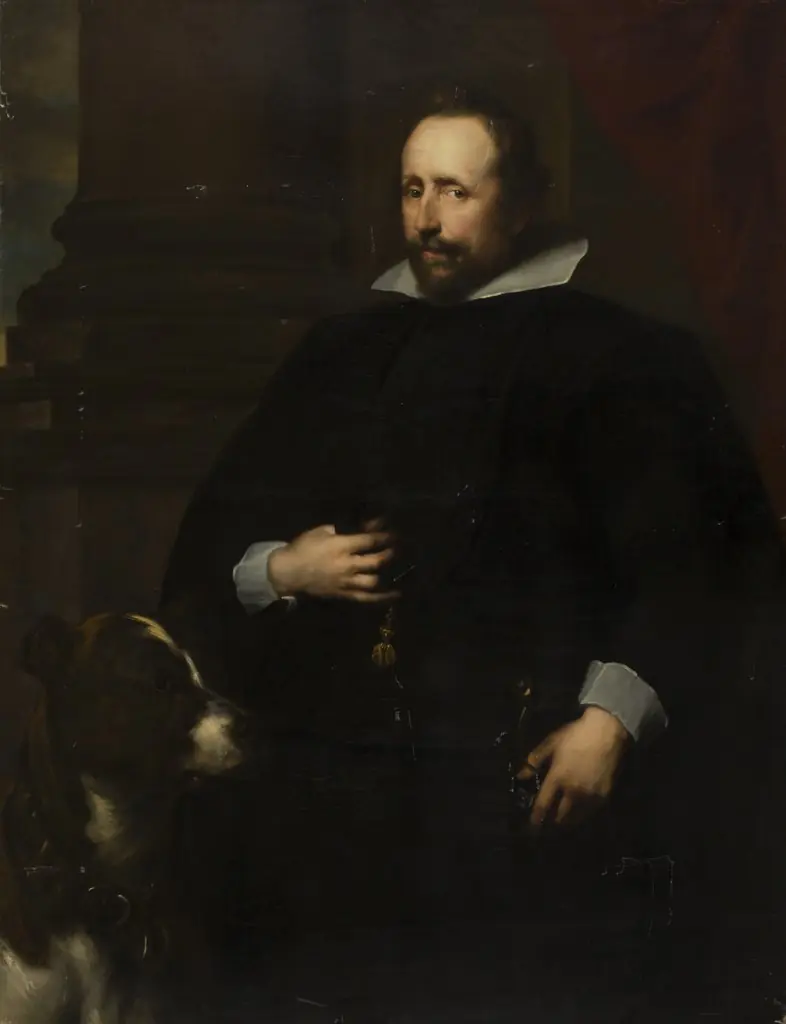
Don Andrés de Andrade y la Cal is an oil painting by the Spanish Baroque Tenebrist artist Bartolomé Esteban Murillo. It dates from 1665 and is held in the collection of the Metropolitan Museum of Art.
About this work
Subject & Meaning
Created in 1665 by Bartolomé Esteban Murillo, the painting presents the sitter in a dignified manner typical of the genre.
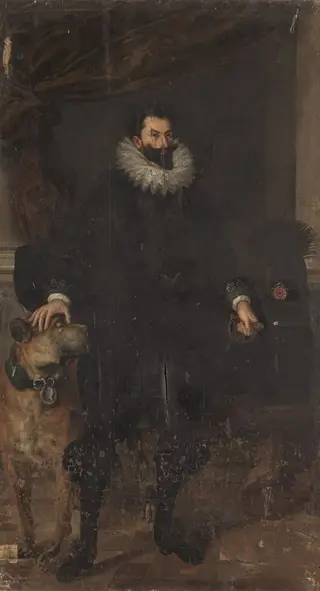
The work is a formal portrait depicting a man identified as Don Andrés de Andrade y la Cal, accompanied by a dog. Created in 1665 by Bartolomé Esteban Murillo, the painting presents the sitter in a dignified manner typical of the genre. While the specific symbolic function of the dog is not detailed in the available records, its inclusion alongside the male subject is a standard compositional element in portraiture of this era, often signifying loyalty or status.
The composition focuses entirely on the individual and his canine companion, establishing the piece's primary meaning as a representation of the sitter's identity and social standing rather than a narrative scene or allegory.
Technique & Style
The work titled Don Andrés de Andrade y la Cal is an oil painting on canvas dated 1665. According to the catalog entry, the medium is oil paint and the support is canvas, with overall dimensions of approximately 200.7 cm in height by 119.4 cm in width. The composition portrays a man accompanied by a dog, classifying it as a portrait.
The painting belongs to the Metropolitan Museum of Art collection and was formerly owned by Thomas Baring, 1st Earl of Northbrook. Its formal qualities emphasize the sitter's depiction and the inclusion of a domestic animal.
History & Provenance
The portrait Don Andrés de Andrade y la Cal is dated 1665, aligning with Murillo's mature period. The work was formerly in the collection of Thomas Baring, 1st Earl of Northbrook, before entering the Metropolitan Museum of Art, New York, where it is now held. The cited sources do not document a complete chain of ownership or any exhibition history for the painting.
Overview
Bartolomé Esteban Murillo's 1665 oil painting, Don Andrés de Andrade y la Cal, is a formal portrait depicting a gentleman alongside his dog. This work, held in the collection of The Metropolitan Museum of Art, showcases Murillo's proficiency in portraiture, a genre he pursued alongside his more renowned religious compositions. It provides a detailed visual record of a contemporary figure from 17th-century Spain.
Context
Though celebrated for his numerous religious paintings, Bartolomé Esteban Murillo also maintained a significant practice as a portraitist for secular patrons. Works like Don Andrés de Andrade y la Cal are crucial for understanding the social fabric of 17th-century Spain. They offer a direct visual connection to the individuals who populated the era, capturing their likenesses and contributing to a broader historical record beyond devotional art.
Artist & collection
Artist
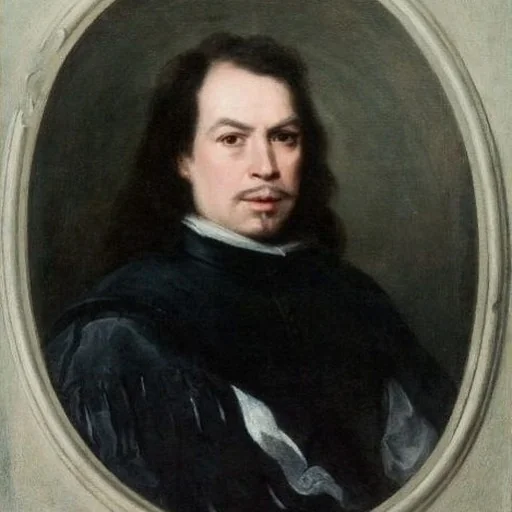
Bartolomé Esteban Murillo ( mure-IL-oh, m(y)uu-REE-oh, Spanish:; late December 1617, baptised 1 January 1618 – 3 April 1682) was a Spanish Baroque painter.

 Bildnis des Herzogs Albrecht VI. von Bayern, der "Leuchtenberger" (1584-1666)
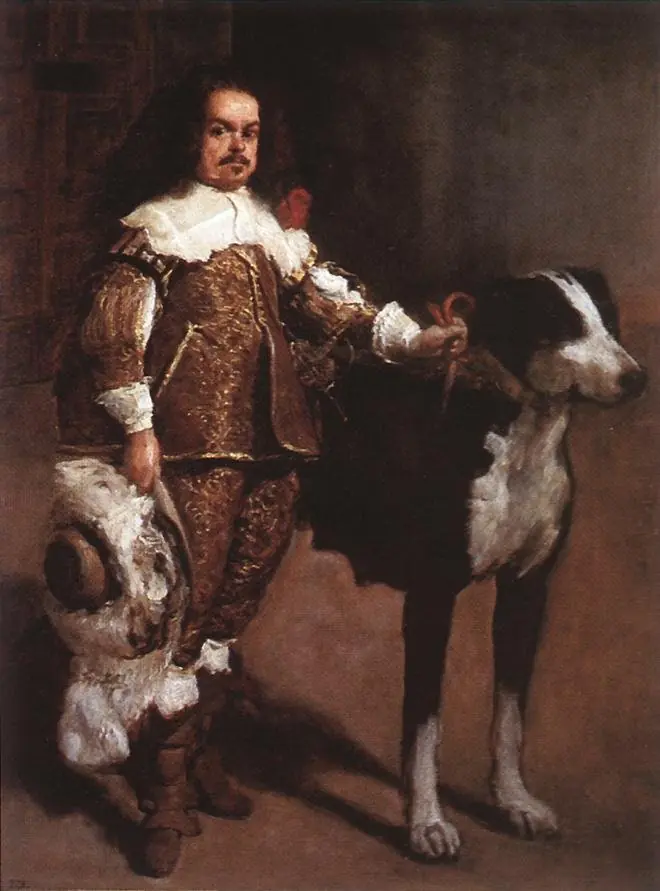 Dwarf with a Dog, formerly denominated Antonio el Inglés
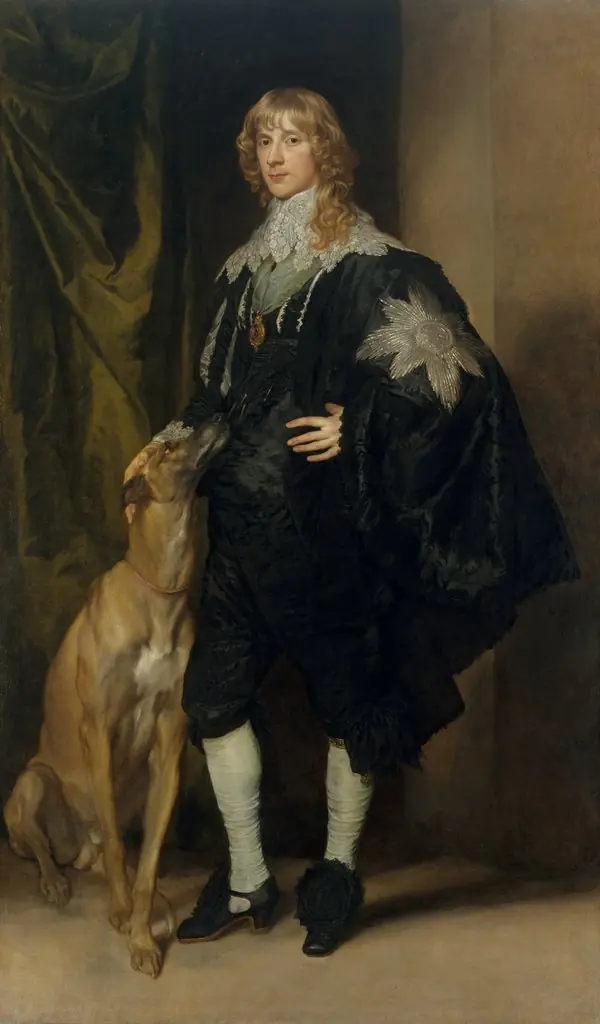 Portrait of James Stuart, Duke of Lennox and Richmond
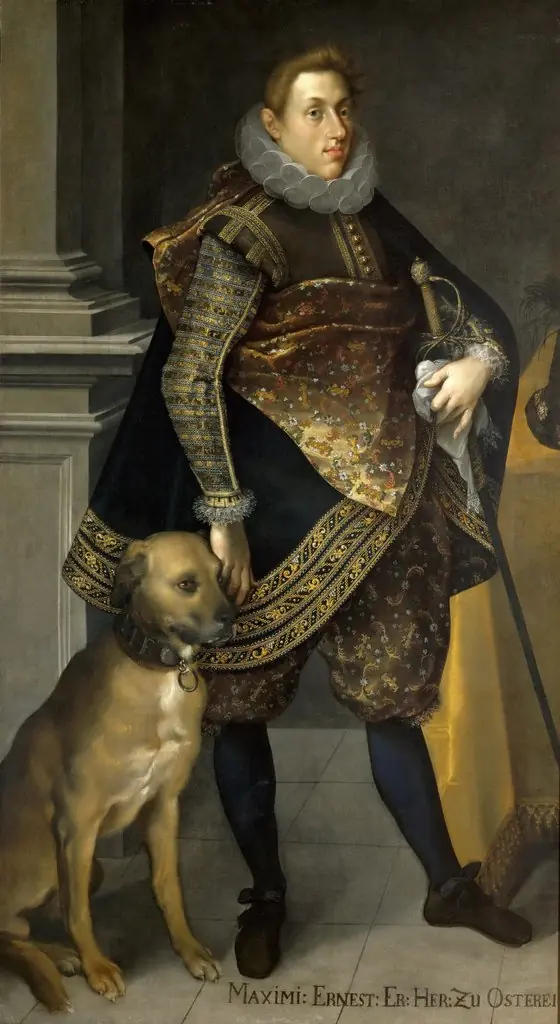 Erzherzog Maximilian Ernst (1583-1616) mit Jagdhund
 James Stuart, Duke of Lenox and Richmond
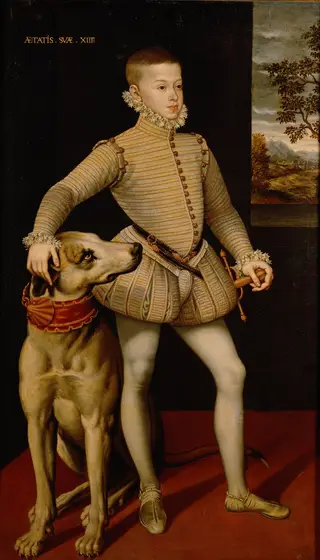 Erzherzog Albrecht VII. (1559-1621) im Alter von 14 Jahren mit einer Dogge, in ganzer Figur
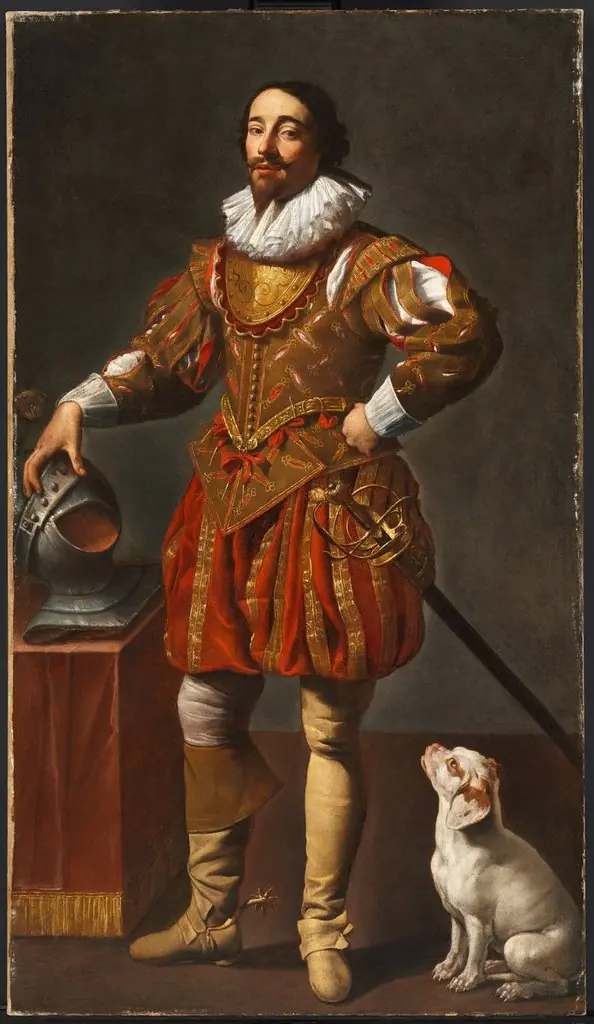 Portrait of a Man with his Dog
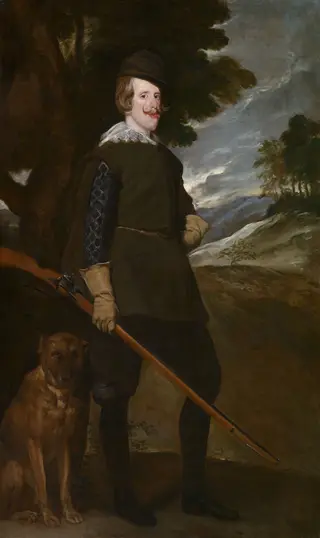 Portrait of Philip IV
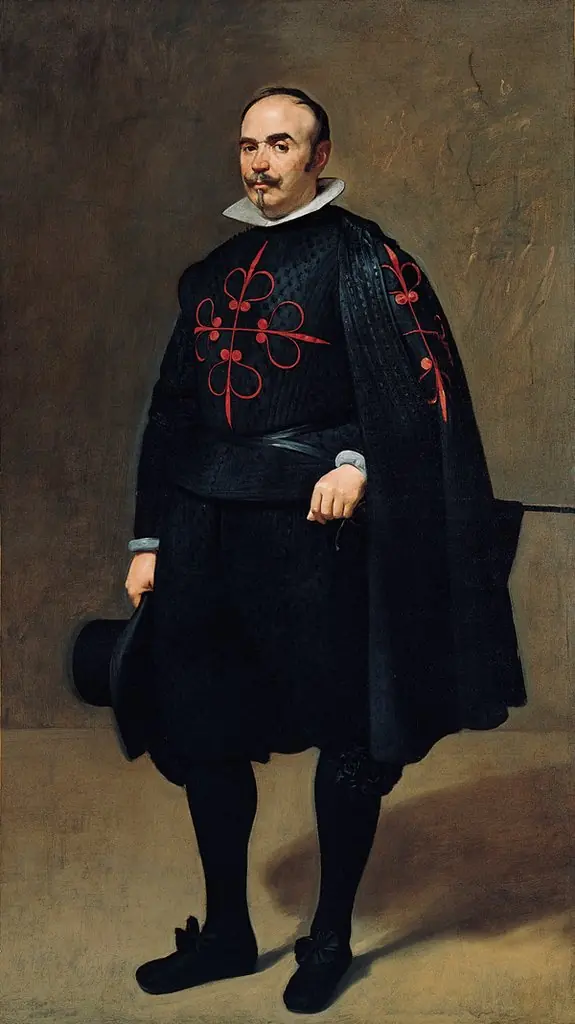 Portrait of Don Pedro de Barberana
 Wolfgang Wilhelm (1578-1653), count palatine of Neuburg, duke of Gulik and Berg
- Don Tiburcio de Redín