Artwork
Prince Philip and the Dwarf, Miguel Soplillo
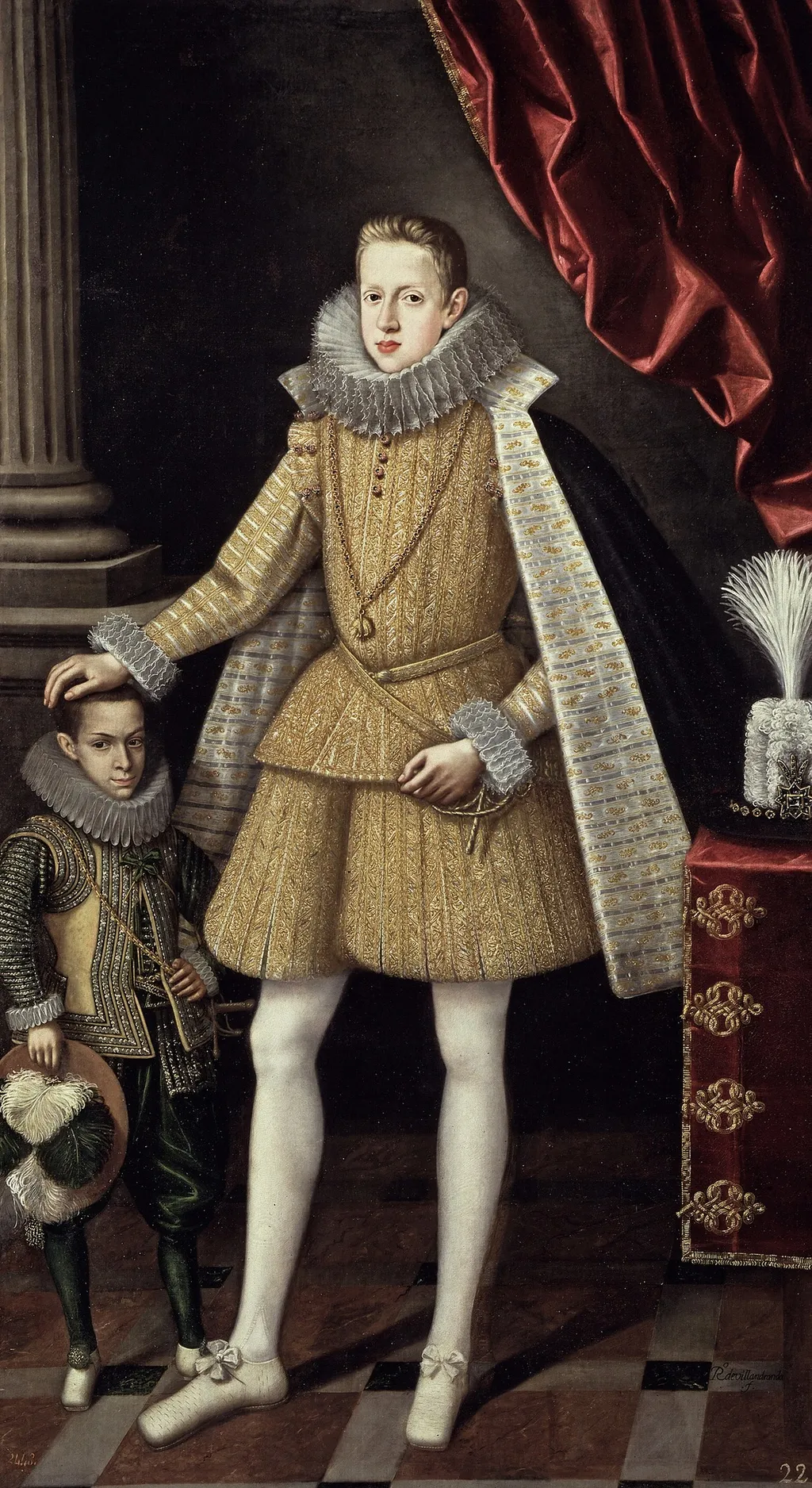
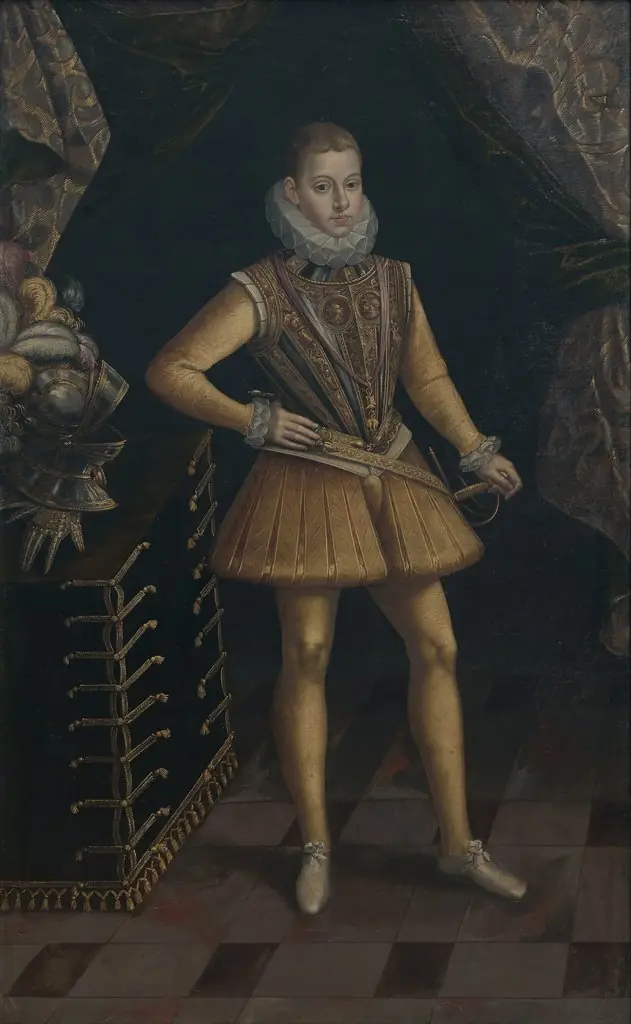
Prince Philip and the Dwarf, Miguel Soplillo is an oil painting by the Early Baroque Italian artist Rodrigo de Villandrando. It dates from 1620 and is held in the collection of the Museo del Prado.
About this work
Subject & Meaning
The composition blends portraiture with symbolic reference, suggesting the prince's embodiment of virtue and his place within elite ceremonial culture.
The painting shows Prince Philip accompanied by a dwarf, surrounded by symbols of chivalric and courtly rank including a sword, the collar of the Golden Fleece, a gemstone, and a hat. These attributes reference his royal status and his ties to the Spanish court, conveying both martial honor and personal intimacy. The composition blends portraiture with symbolic reference, suggesting the prince's embodiment of virtue and his place within elite ceremonial culture.
The work reflects the values of early seventeenth-century Spain, where such accoutrements underscored the intertwining of nobility, religion, and imperial ambition.
Technique & Style
Executed in 1620, this portrait is an oil painting on canvas measuring 204 cm in height and 110 cm in width. The work depicts its subjects with specific attention to material details, including a sword, a hat, gemstones, and the collar of the Golden Fleece. As a formal portrait, the composition uses the oil medium to render these symbolic attributes and attire with clarity.
History & Provenance
Prince Philip and the Dwarf, Miguel Soplillo, an oil-on-canvas portrait by Rodrigo de Villandrando dated 1620, is held in the collection of the Museo del Prado as part of its permanent holdings. The work measures 204 cm in height by 110 cm in width. No specific inventory or accession number is recorded in the available sources, and no exhibition history outside the museum's own display is documented.
Overview
Rodrigo de Villandrando, a court painter serving Philip III of Spain, completed the oil portrait of Prince Philip and the dwarf Miguel Soplillo in 1620. Executed in the early Baroque idiom, the work combines the formal elegance of Spanish court portraiture with influences from contemporary Italian painting.
Context
The portrait reflects the hierarchical structure of the Spanish court, where dwarfs were often depicted alongside royalty to underscore the sovereign’s power and the intimate, sometimes theatrical, nature of court life during Philip III’s reign.
Artist & collection
Artist
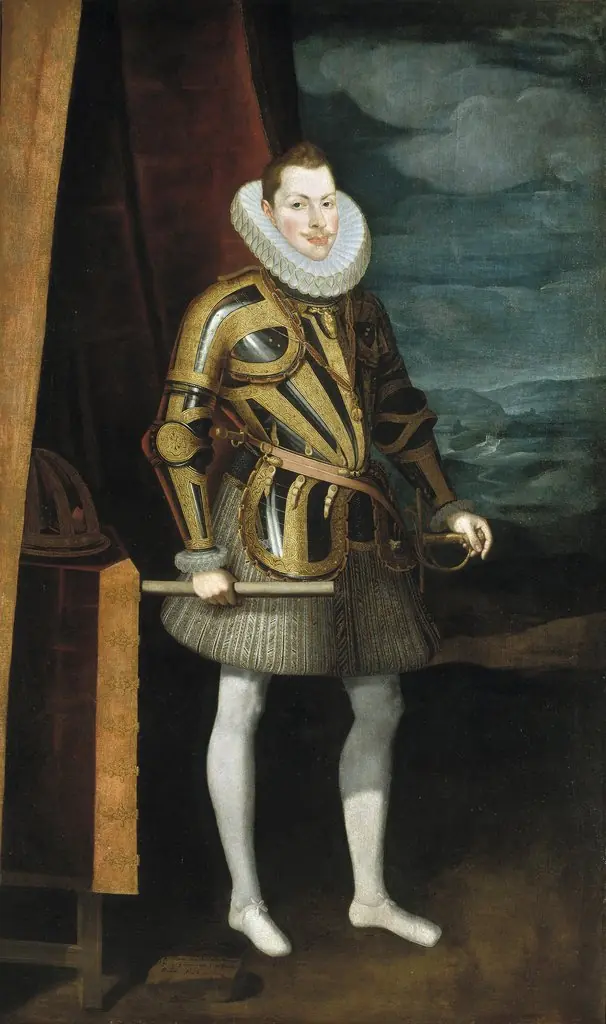
Rodrigo de Villandrando (1588 – December 1622) was a court painter during the reign of Philip III of Spain.

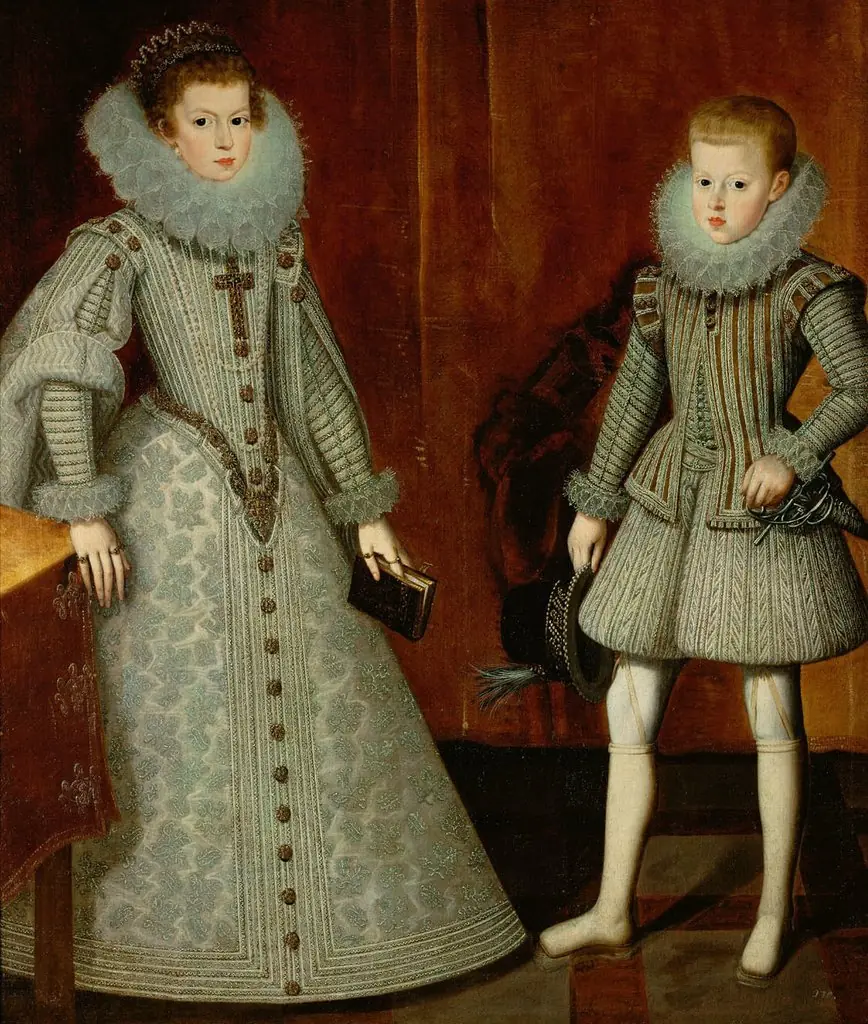 König Philipp IV. von Spanien (1605-1665) mit seiner Schwester, der Infantin Anna (1601-1666), Bildnis in ganzer Figur
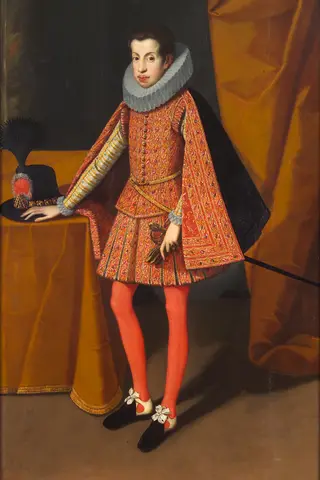 Kaiser Ferdinand III. (1608-1657)
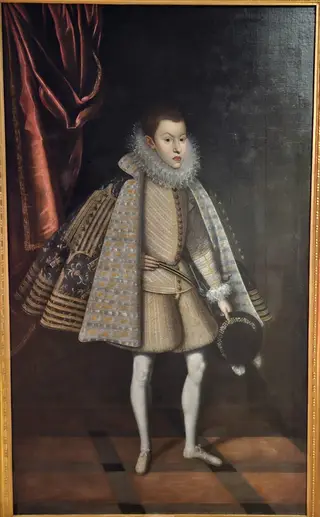 Retrato do Infante Carlos de Áustria
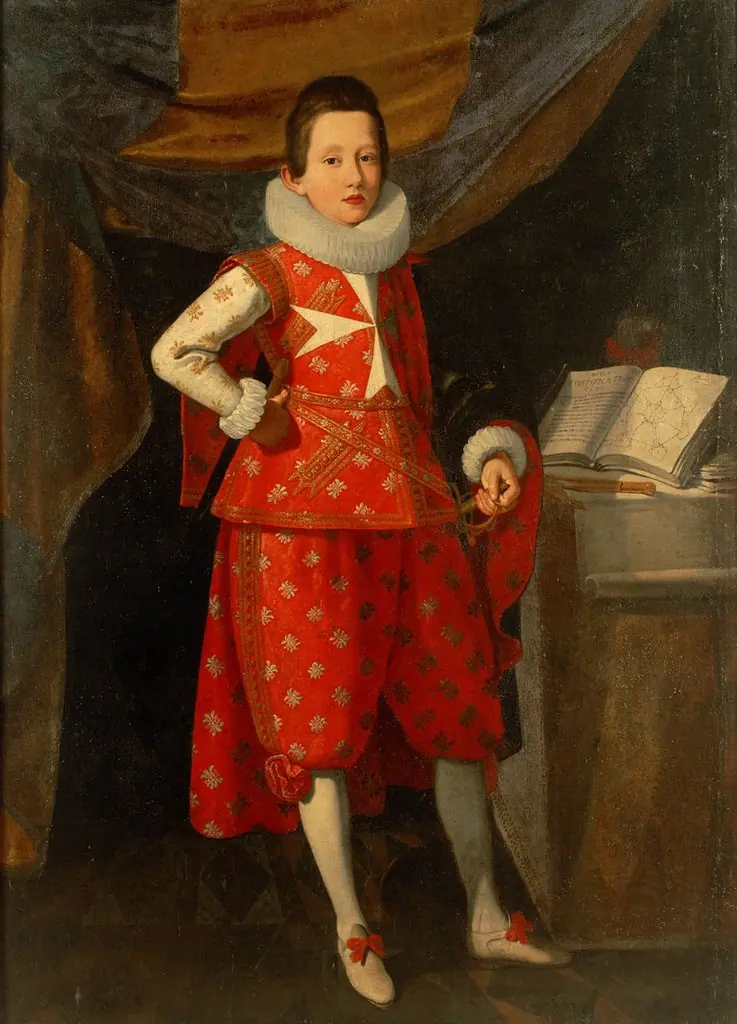 Giancarlo de' Medici (1611-1663), Cardinal, at the age of 10.
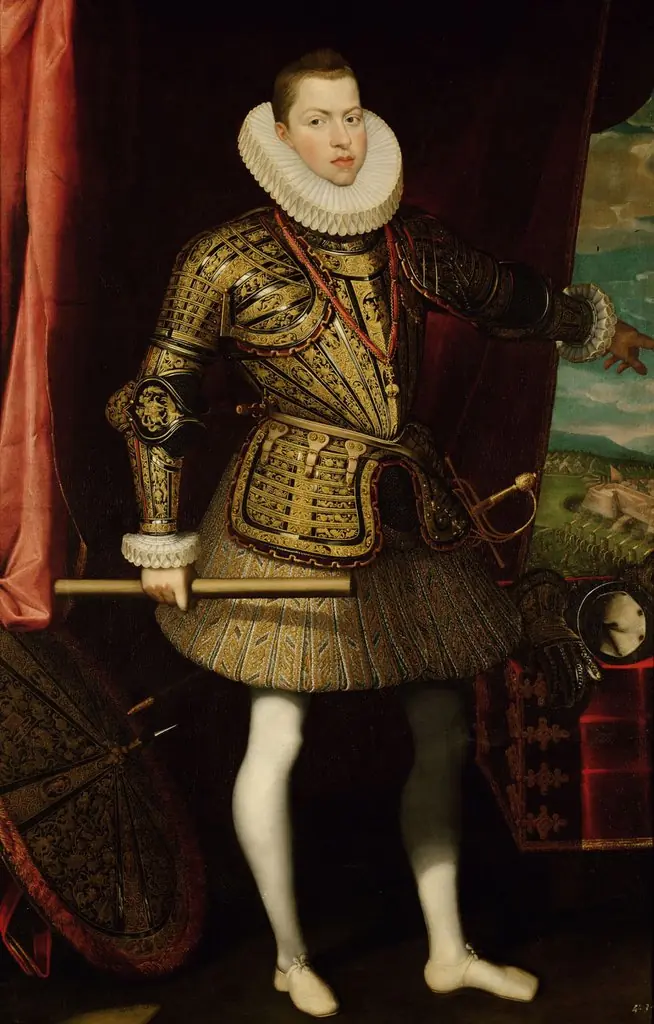 König Philipp III.(1578-1621) von Spanien, Bildnis in ganzer Figur als General der Infanterie (Im Hintergrund: Die Belagerung von Ostende 1601-1604)
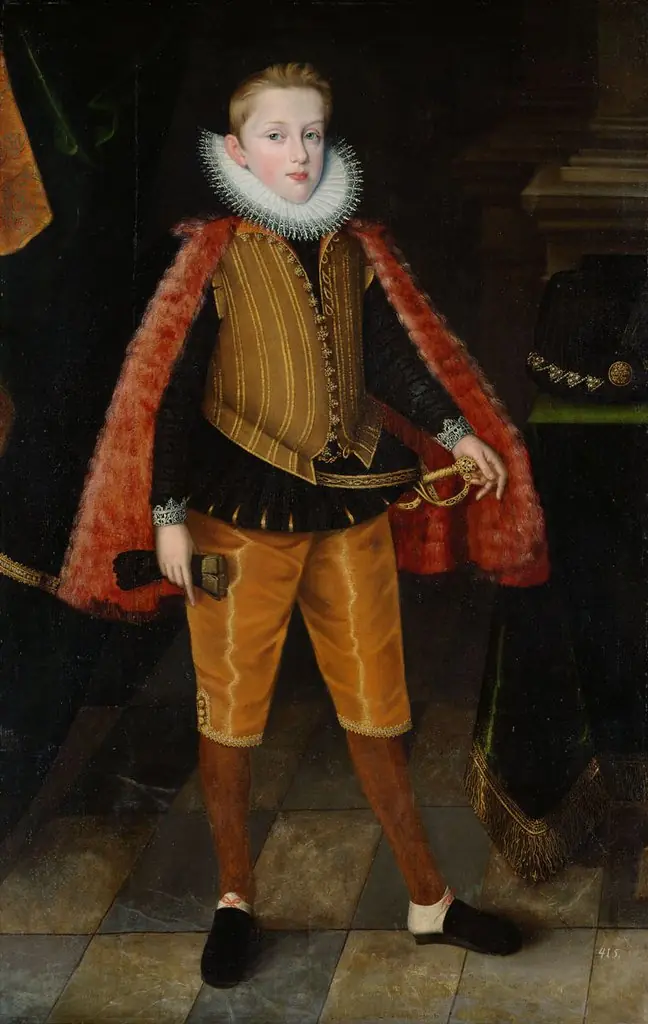 Kaiser Ferdinand II (1578-1637) at the age of 14
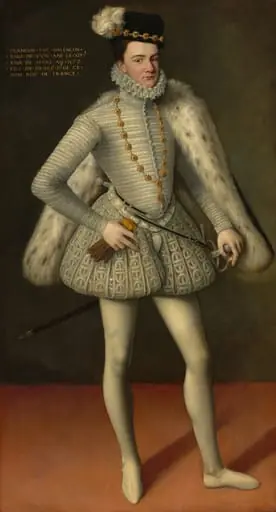 Prince Hercule-François, Duc d'Alençon
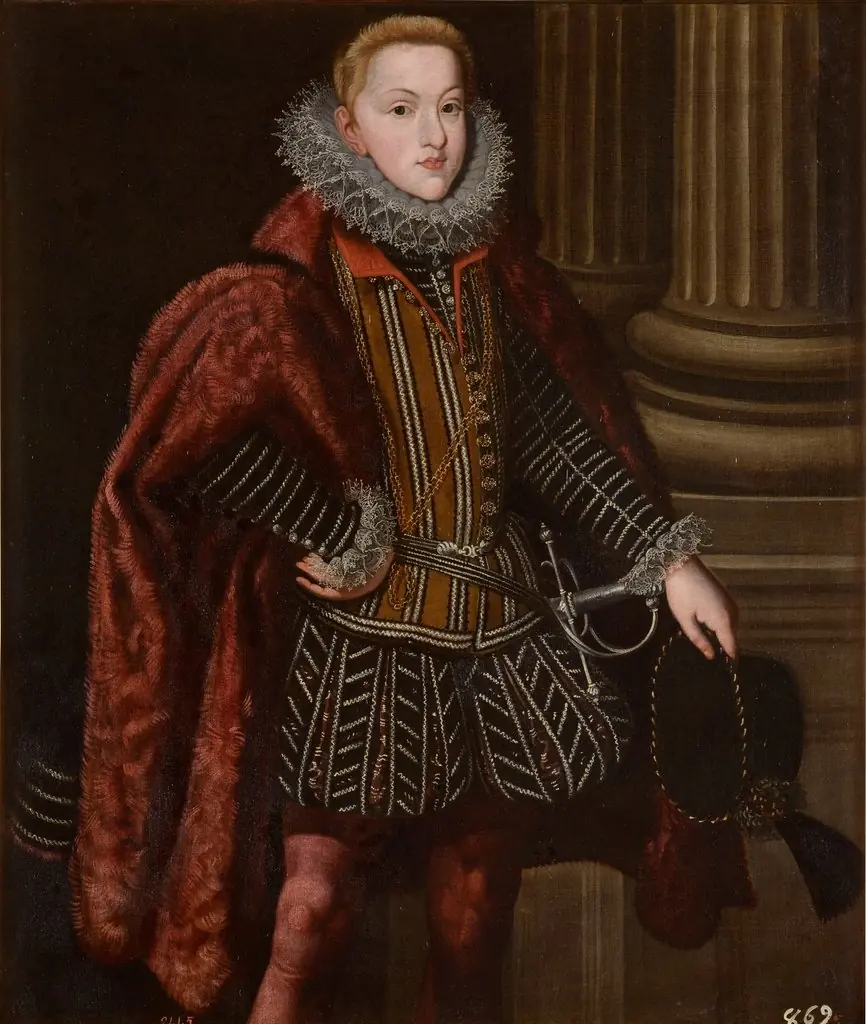 El archiduque Leopoldo cuñado de Felipe III
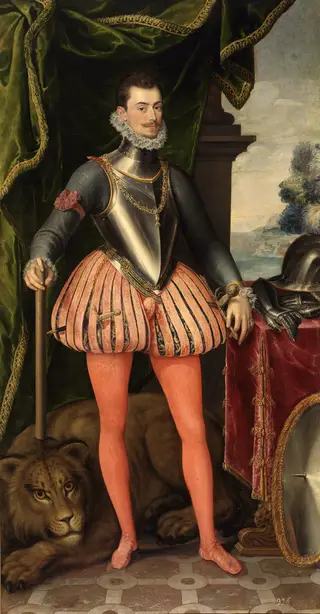 Don Juan de Austria
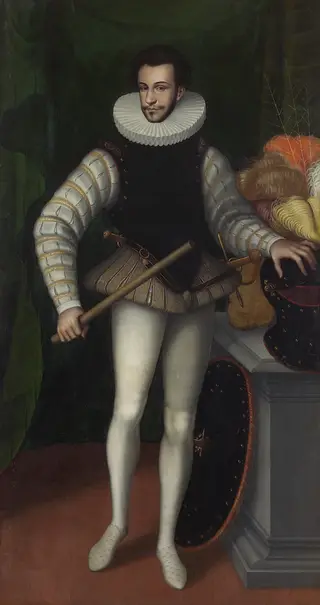 Herzog Francois von Alencon und Anjou (1555-1584)
 Philip of Asturias, later Philip III of Spain
- Philip III