Artwork
The Calling of Saint Matthew
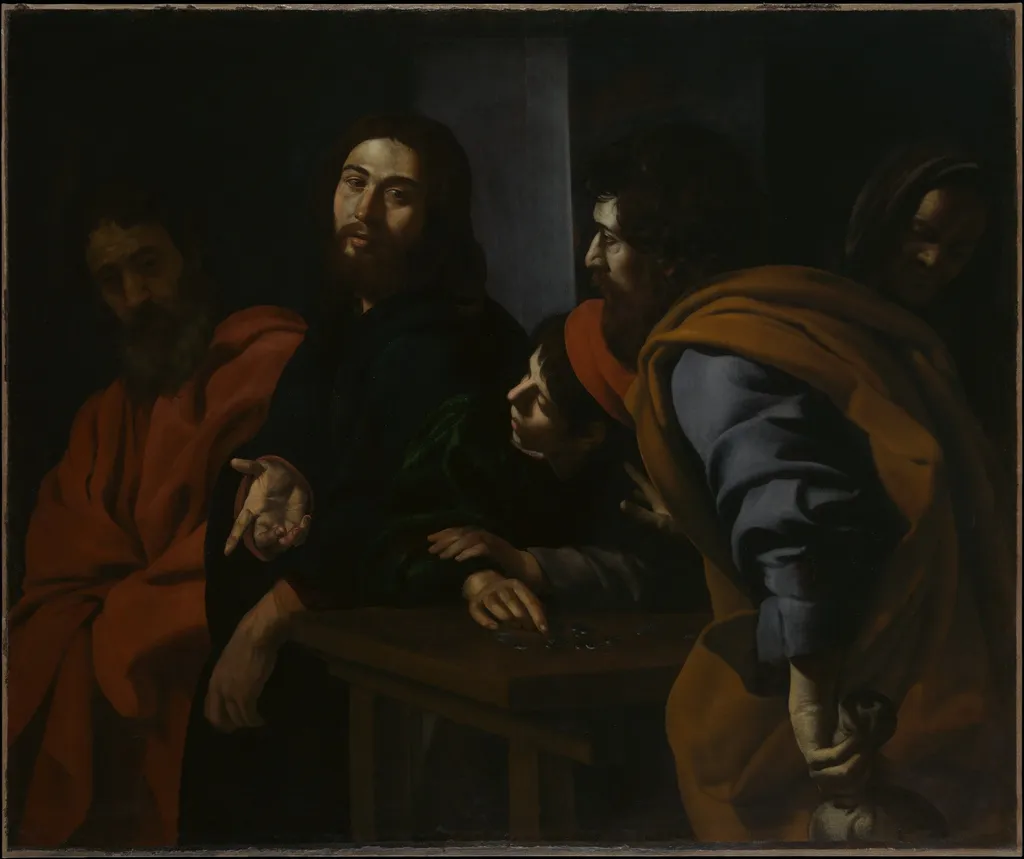
The Calling of Saint Matthew is an oil painting by the Early Baroque Italian artist Battistello Caracciolo. It dates from 1627 and is held in the collection of the Metropolitan Museum of Art.
About this work
Subject & Meaning
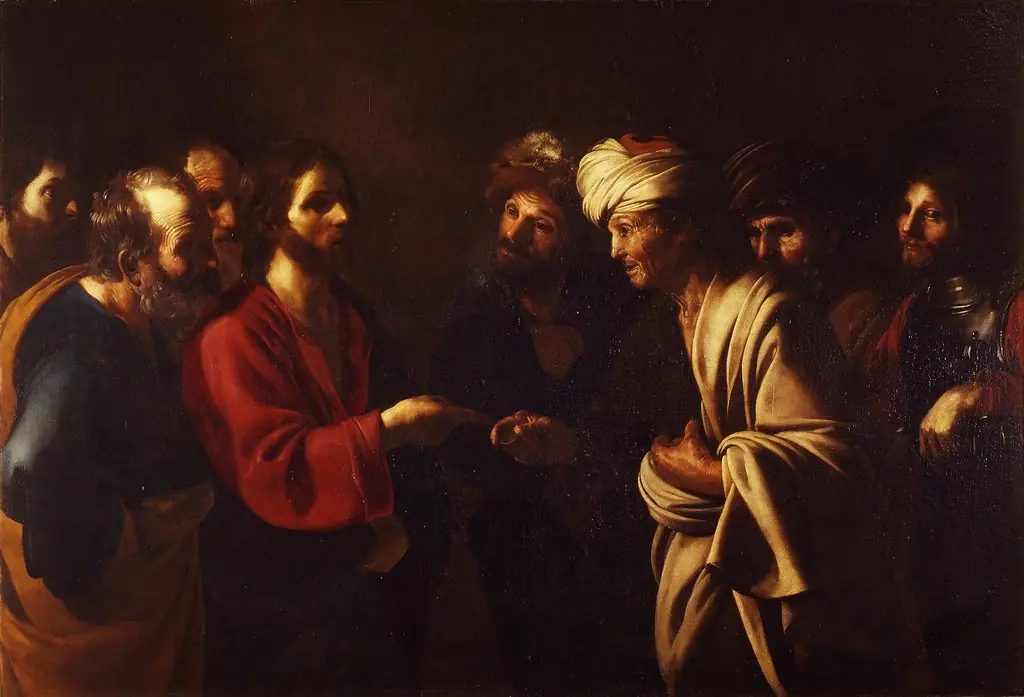
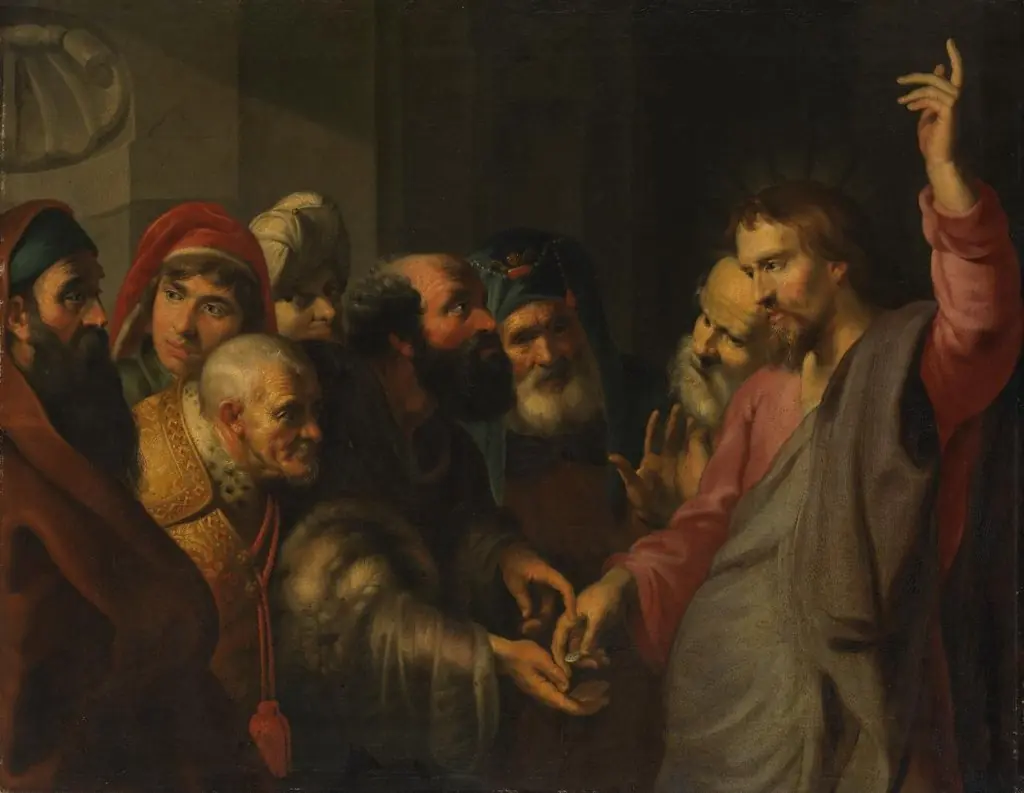
Caracciolo's composition centers on the figure of Matthew the Apostle, shown among a group of men, capturing the moment of divine calling.
The Calling of Saint Matthew depicts the biblical episode in which Jesus summons the tax collector Matthew to follow him, a subject drawn from the Gospel of Matthew (9:9). Caracciolo's composition centers on the figure of Matthew the Apostle, shown among a group of men, capturing the moment of divine calling. As a religious painting, the work belongs to the long tradition of Italian devotional art that visualized this pivotal conversion, when an ordinary man is chosen for apostolic office.
The painting translates the scriptural narrative into a visual encounter between the mundane world of tax collection and the transformative summons of Christ, a theme that resonated strongly in Counter-Reformation Naples where Caracciolo worked.
History & Provenance
Created in 1627, The Calling of Saint Matthew is an oil on canvas painting executed by Battistello Caracciolo, also recorded as Giovanni Battista Caracciolo. The work portrays the biblical moment of Christ calling the tax collector Matthew and falls within the religious genre. It was produced as a devotional image, reflecting Counter‑Reformation artistic intentions.
The painting entered the Metropolitan Museum of Art’s collection and remains on display in New York, where it has been catalogued under its full title and attributed to the artist. Its material composition includes oil paint applied to canvas, and its creation is dated to the early seventeenth century.
The painting is held by the Metropolitan Museum of Art, New York, where it is recorded under accession number 1975.1.113. According to museum records, the work has been exhibited in several institutional contexts, including the exhibition "The Age of Caravaggio" held at the Metropolitan Museum of Art in 1985–1986, and more recently in "Caravaggisti: North and South" at the Museo di Capodimonte, Naples, in 2019.
Overview
Battistello Caracciolo's The Calling of Saint Matthew, an oil painting from 1627, exemplifies the early Italian Baroque style. This work depicts a pivotal moment from the New Testament, illustrating the biblical account of Matthew's summons to apostleship. It is currently part of the collection at The Metropolitan Museum of Art.
Technique & Style
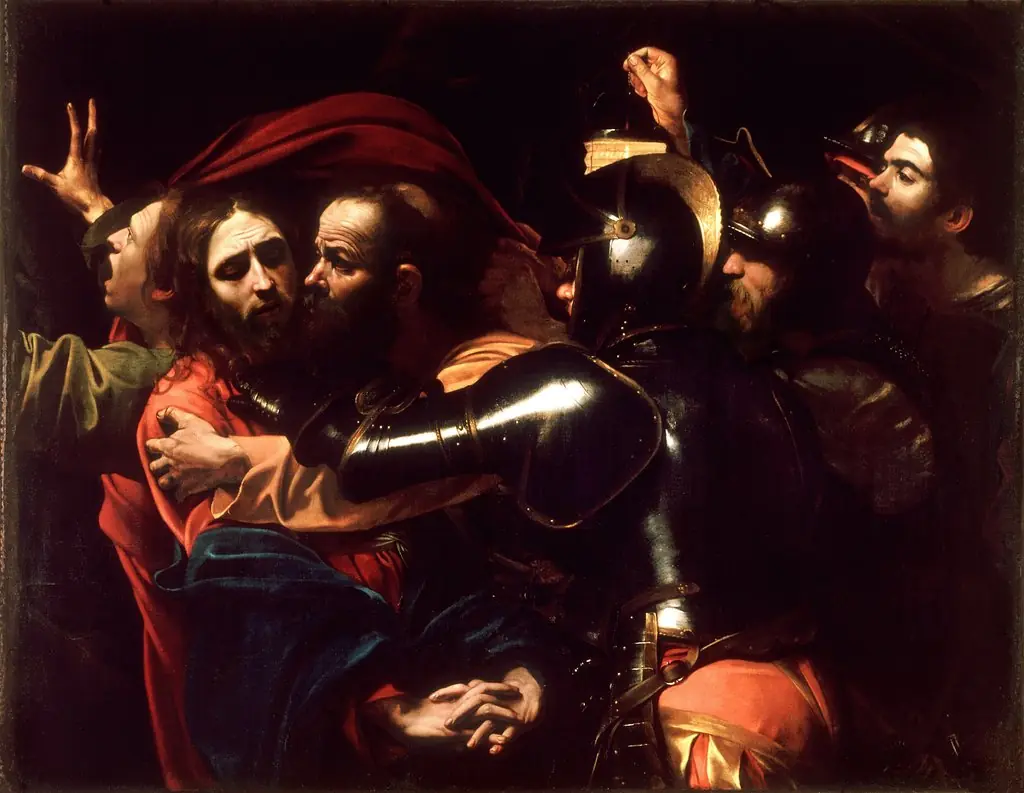
Caracciolo employed oil paint to create a powerful visual narrative, utilizing strong contrasts of light and shadow, known as chiaroscuro. This technique generates a profound sense of depth and theatricality, drawing the viewer's eye to the central figure of Matthew. The dramatic illumination and deep shadows are characteristic of the artist's adherence to the naturalistic style pioneered by Caravaggio.
Context
As a prominent Italian artist working in Naples, Battistello Caracciolo was a significant proponent of Caravaggio's revolutionary style. His adoption of Caravaggio's dramatic realism and use of chiaroscuro positioned him as a leading figure in the early Baroque movement, particularly influencing the Neapolitan school of painting. This work reflects the widespread impact of Caravaggio's innovations across Italy.
Own this work as a print
Artist & collection
Artist
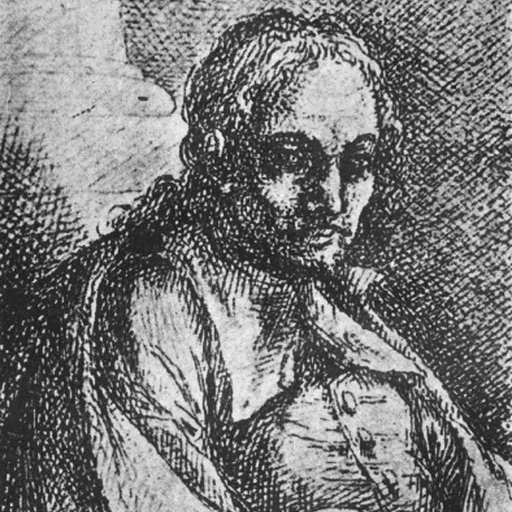
Giovanni Battista Caracciolo (also called Battistello) (1578–1635) was an Italian artist and important Neapolitan follower of Caravaggio.