Artwork
The Madonna of the Carnation
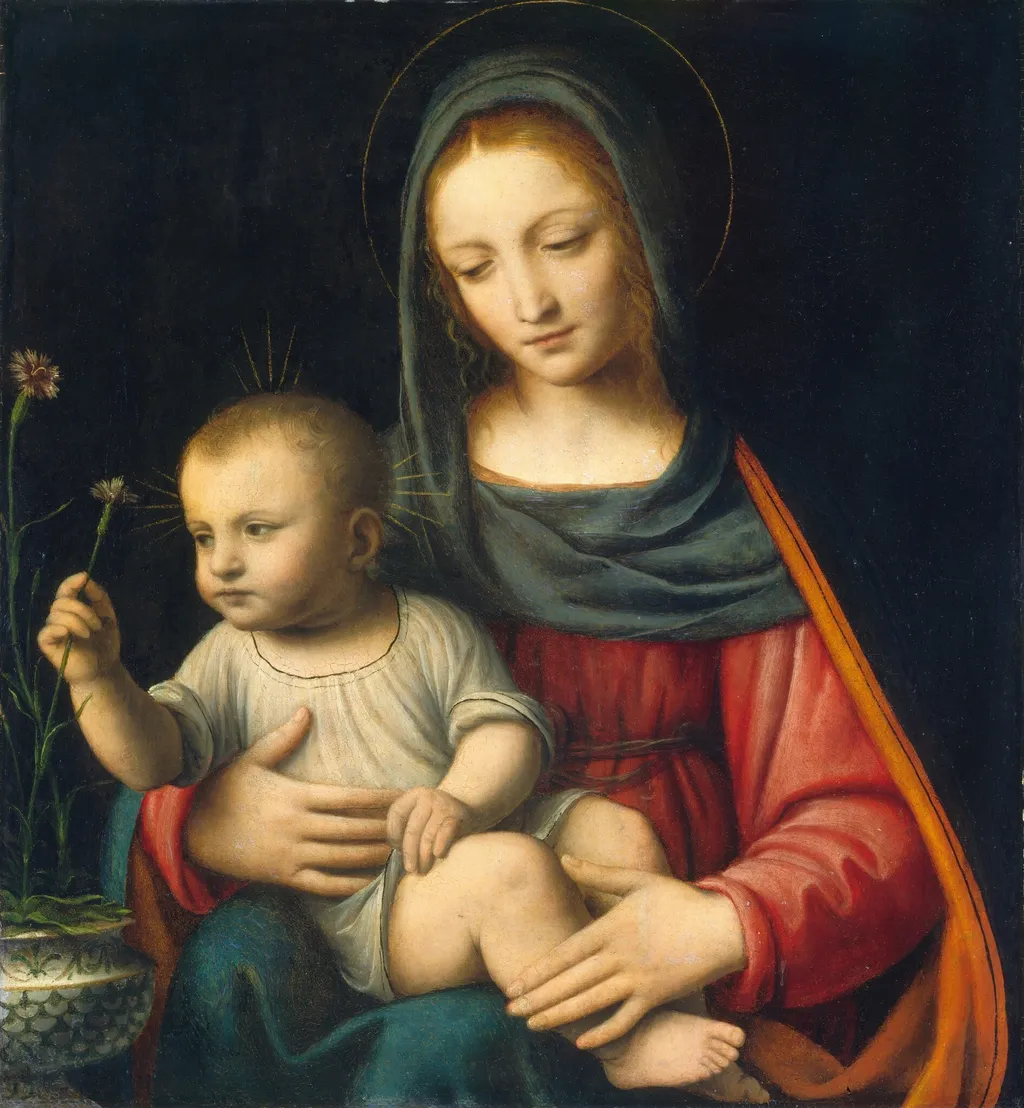
The Madonna of the Carnation is an oil painting by the High Renaissance artist Luini Bernardino. It dates from 1515 and is held in the collection of the National Gallery of Art.
About this work
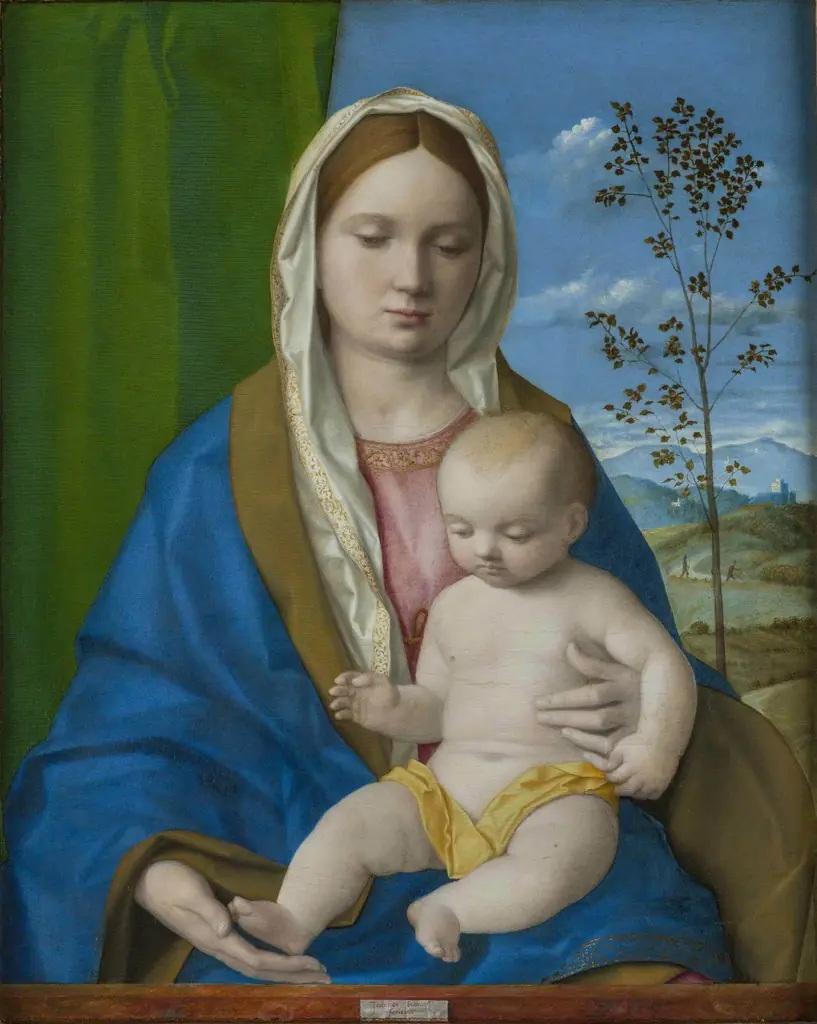
Mary holds the Christ Child and a carnation against a plain background that keeps the focus on the two figures. Light falling across her face and the child's hands gives the scene a quiet calm. Bernardino Luini, oil on panel, around 1515.
Subject & Meaning
The painting presents the Virgin Mary cradling the infant Christ Child, a traditional iconographic pairing that signifies the Incarnation and maternal devotion in Christian art. As a religious work by Bernardino Luini, it emphasizes the sacred relationship between mother and son, reflecting the devotional emphasis on the Madonna as the intercessor and the Child as the savior. The composition aligns with the conventional Madonna and Child motif found in Renaissance devotional imagery, underscoring themes of purity, divine humanity, and spiritual protection.
Technique & Style
The handling of the paint is smooth and refined, with delicate glazes used to build luminous transitions in the flesh tones of the Virgin and Child.
The Madonna of the Carnation is executed in oil on a wooden panel, a common medium for Italian Renaissance paintings of this period. The handling of the paint is smooth and refined, with delicate glazes used to build luminous transitions in the flesh tones of the Virgin and Child. The composition features a close, tender interaction between Mary and the Christ Child, who holds a pink carnation, a symbol of the Passion, while gazing upward. The drapery is modeled with soft, flowing contours, and the landscape background recedes subtly through atmospheric perspective.
History & Provenance
The Madonna of the Carnation is dated to circa 1515 based on stylistic analysis and early provenance records. It entered the collection of the Duke of Leuchtenberg by 1852, documented in J.D. Passavant's 1852 catalog of the Leuchtenberg Gallery and later cited by A. Néoustroïeff in 1903. After remaining in the Leuchtenberg holdings, the painting was sold in 1933 through Heinemann Galerie, Munich, to Count Alessandro Contini Bonacossi in Florence.
It was subsequently purchased by the Samuel H. Kress Foundation on 27 December 1934, as recorded in the foundation's acquisition files. The Kress Foundation donated the work to the National Gallery of Art, Washington, D.C., in 1939, where it remains part of the Samuel H. Kress Collection under accession number 1939.1.118.
Overview
Bernardino Luini's painting, The Madonna of the Carnation, created around 1515, is an oil on panel work. It portrays the Virgin Mary holding the infant Christ, a common devotional theme in Renaissance art. The composition focuses intimately on the two central figures, presenting a tender moment between mother and child. This piece exemplifies Luini's approach to religious imagery, combining traditional subjects with a serene aesthetic.
Own this work as a print
Artist & collection

Artist
Bernardino Luini (c. 1480/82 – June 1532) was a north Italian painter from Leonardo's circle during the High Renaissance. Both Luini and Giovanni Antonio Boltraffio were said to have worked with Leonardo directly; he…

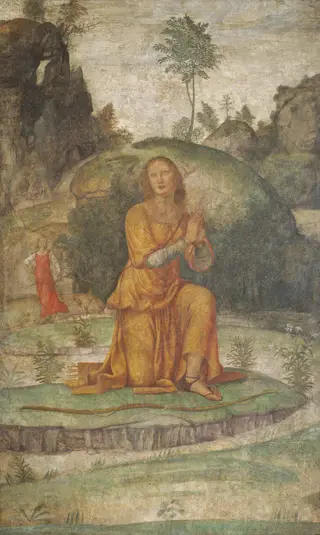
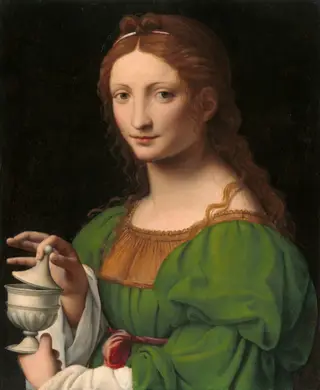
- Virgin and Child with Saint John the Baptist
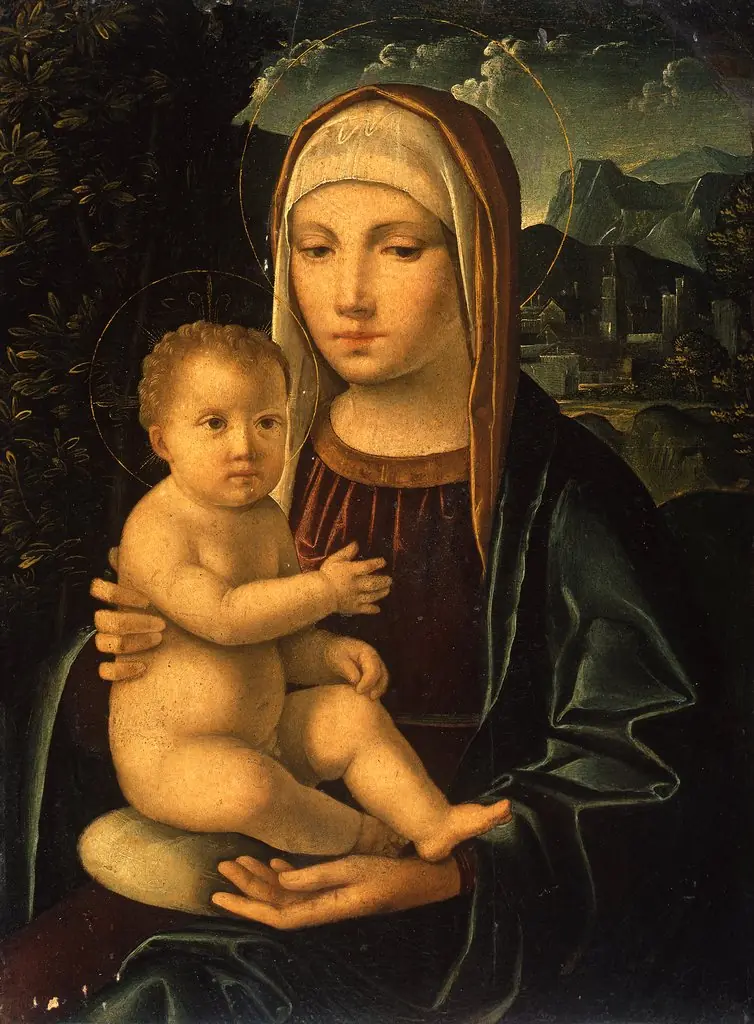 The Virgin and Child
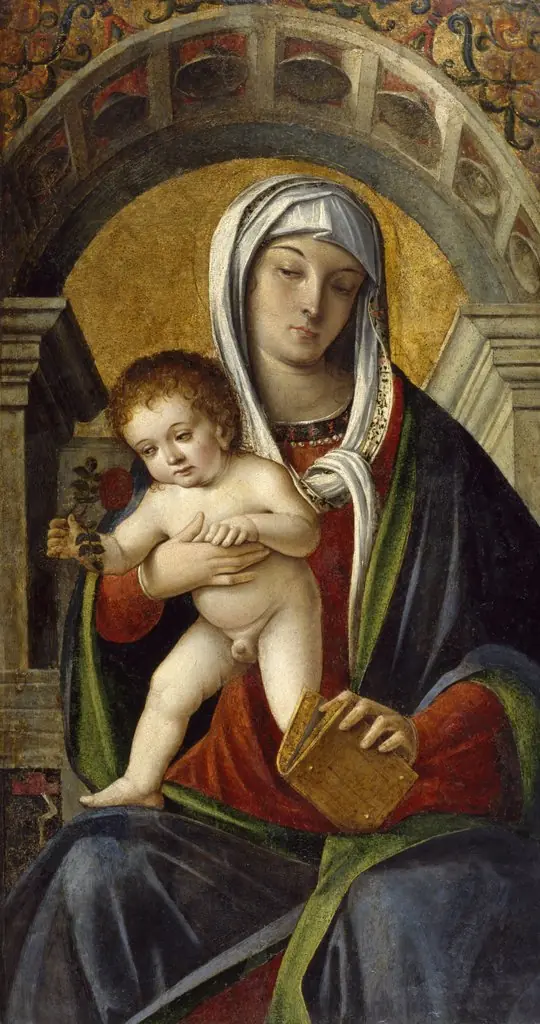 Triptych with Madonna and Child Enthroned Between the Archangel Michael and Saint Peter
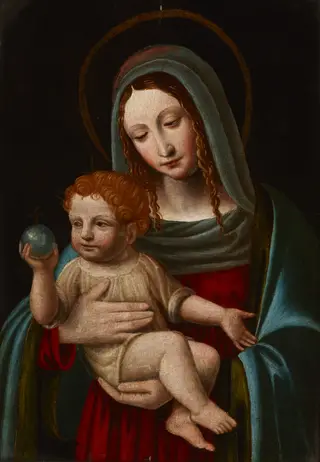 Madonna and Child
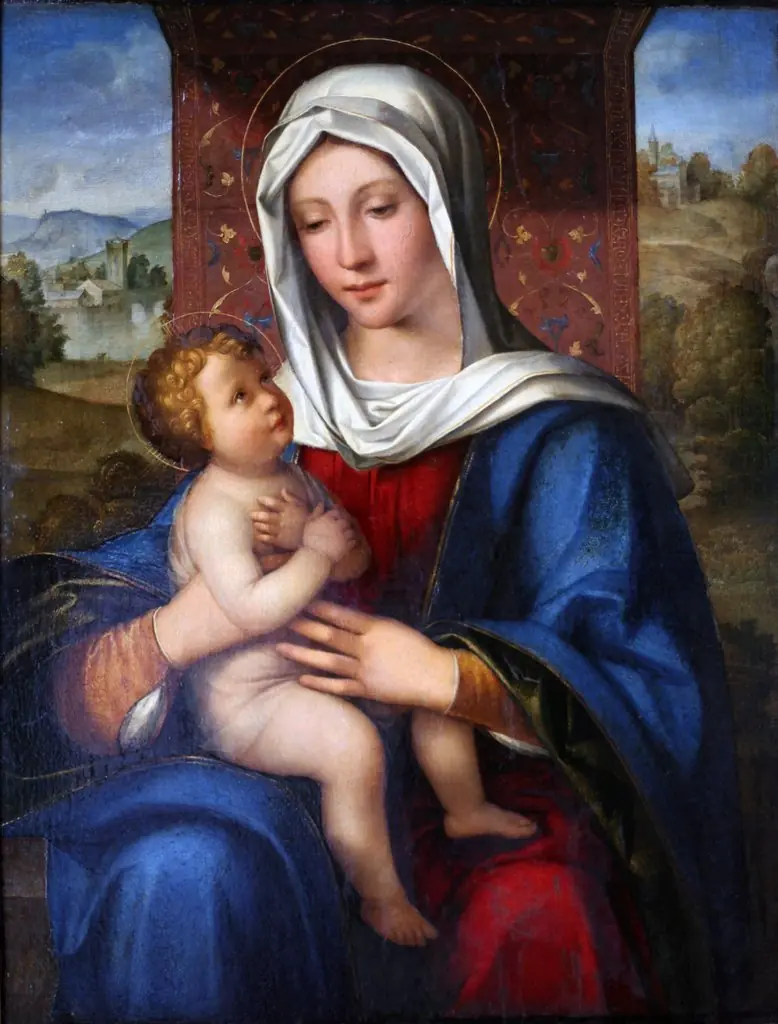 Virgin and Child
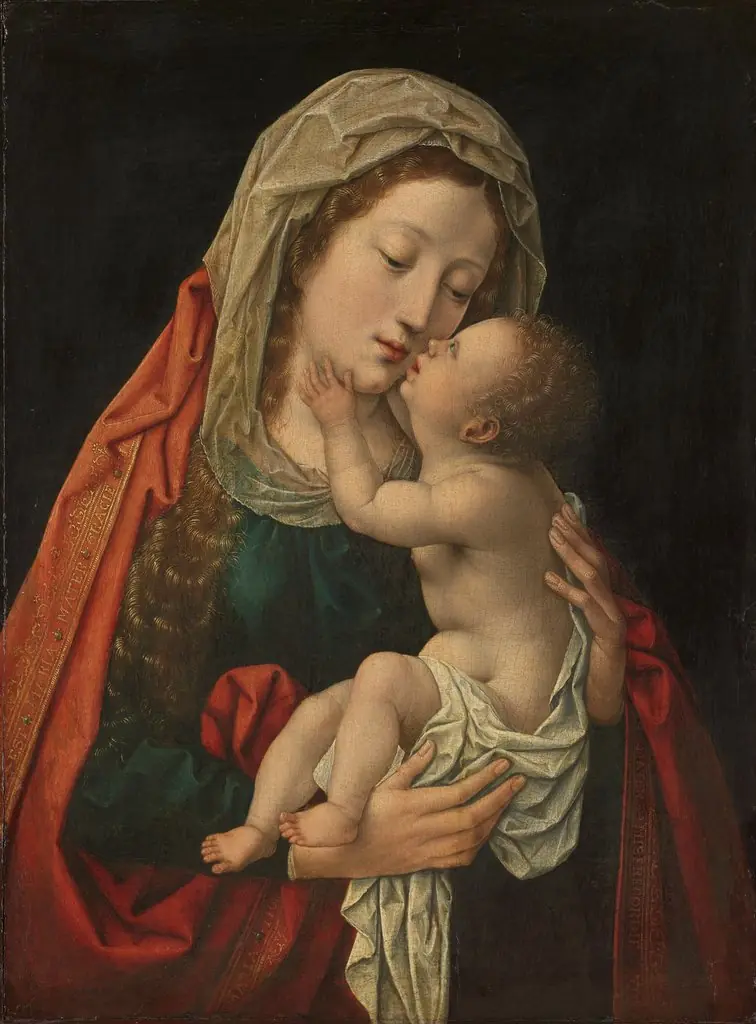 The Virgin and Child
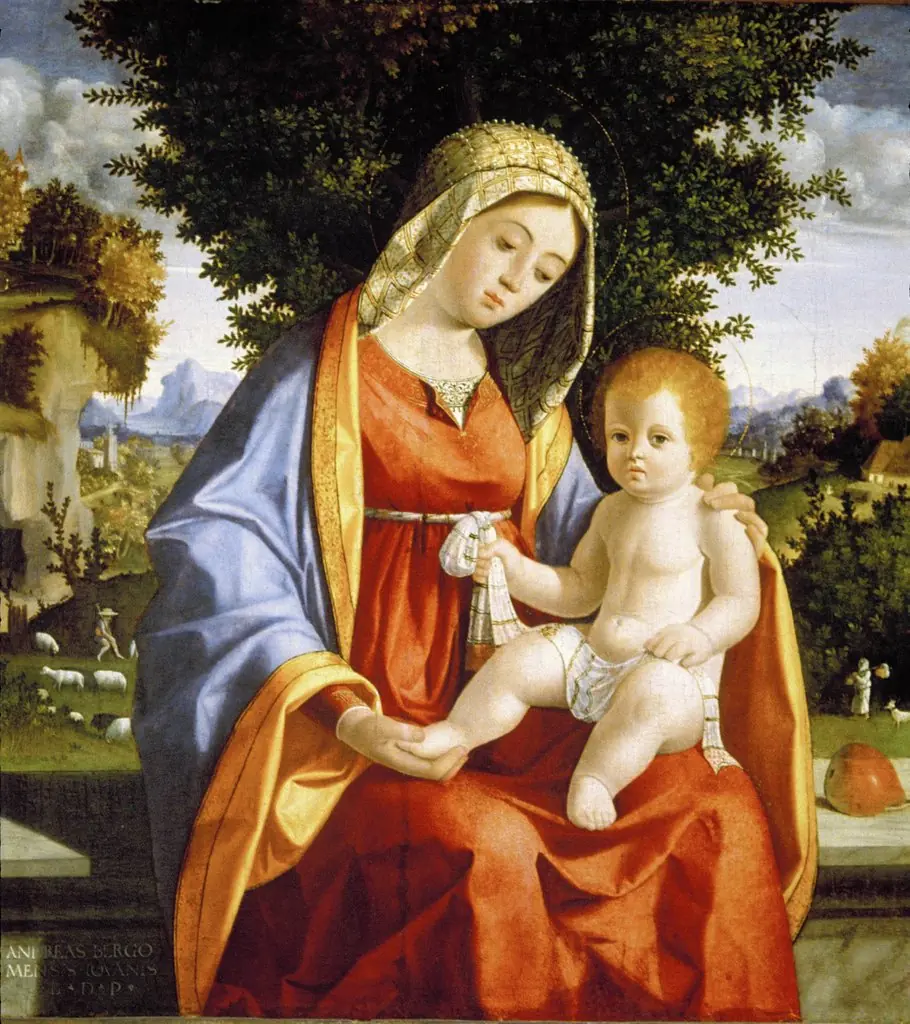 Madonna and Child in Landscape
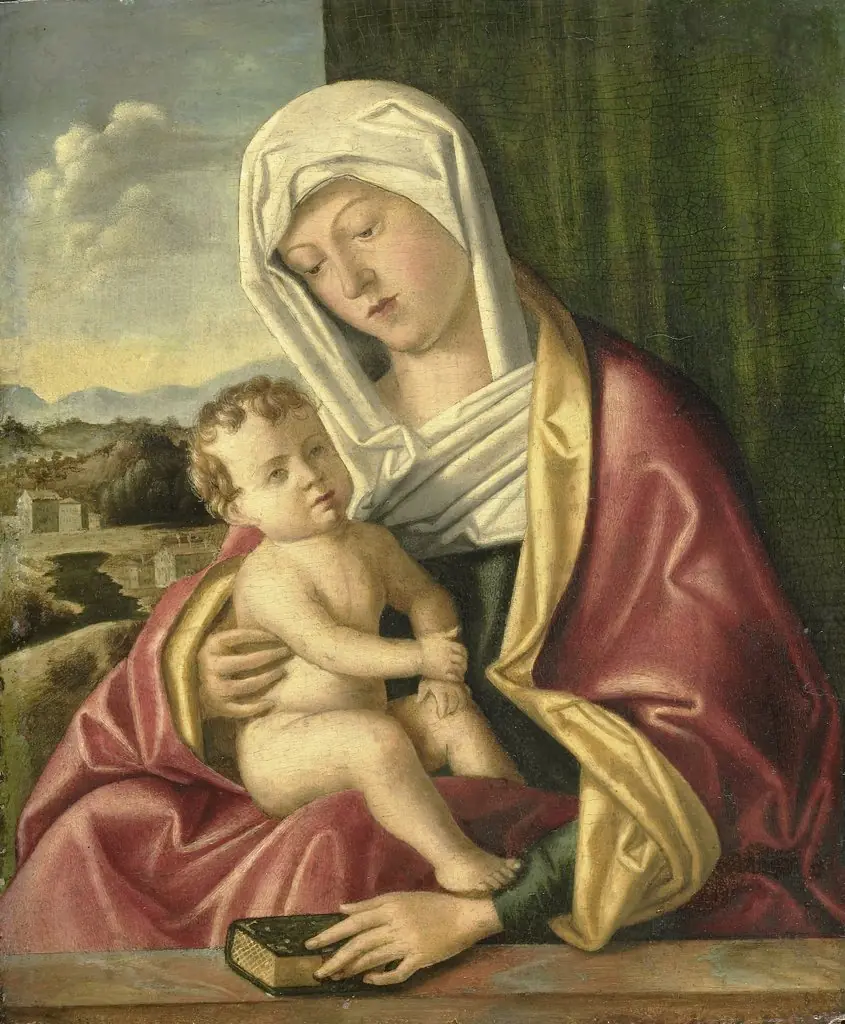 Virgin and Child
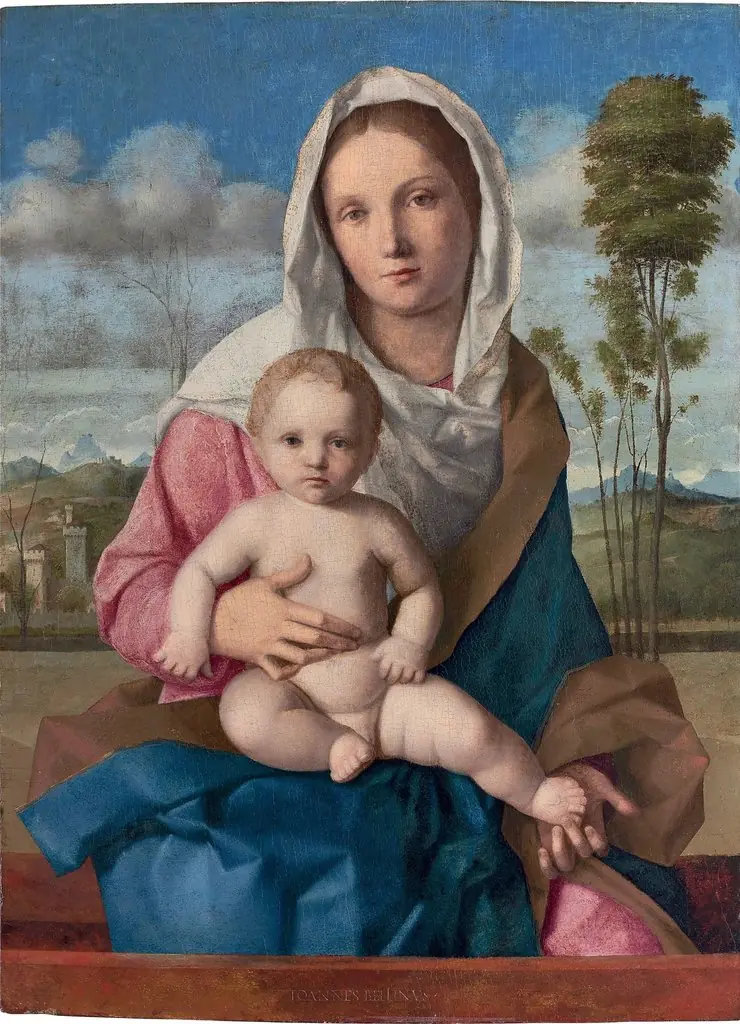 Madonna Dudley
 The Virgin and Child
 The Virgin and Child
 Madonna and Child