Artwork
Salome with the Head of John the Baptist
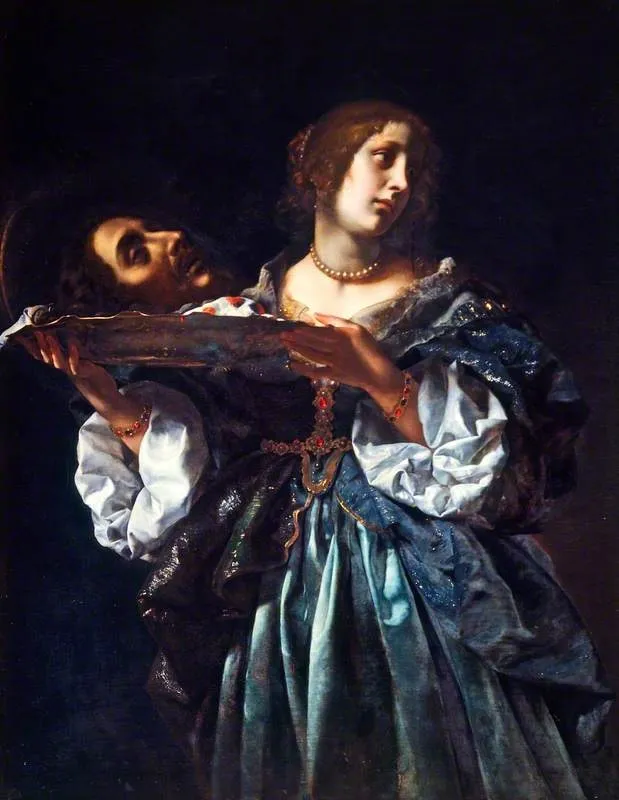
Salome with the Head of John the Baptist is an oil painting by the High Baroque Italian artist Carlo Dolci. It dates from 1665 and is held in the collection of the Victoria and Albert Museum.
About this work
Overview
Dolci, a Florentine artist known for his refined technique and devotional focus, rendered the scene with deliberate stillness rather than dramatic intensity.
Painted in 1665 by Carlo Dolci, this oil on canvas work presents a quiet, introspective moment from the biblical narrative of John the Baptist’s execution. Dolci, a Florentine artist known for his refined technique and devotional focus, rendered the scene with deliberate stillness rather than dramatic intensity. The painting is one of several versions he produced of this subject, reflecting his tendency to revisit favored themes with subtle variations.
Subject & Meaning
The painting illustrates Salome presenting the severed head of John the Baptist, as recounted in the Gospels. Unlike more visceral interpretations, Dolci emphasizes restraint: Salome’s composed demeanor and the victim’s serene expression suggest contemplation over horror. The act is framed not as a moment of violence but as a solemn ritual, inviting reflection on moral consequence and divine judgment rather than sensationalism.
Technique & Style
Dolci employed fine brushwork to render textures with precision, the lace-like patterns on Salome’s dress, the sheen of pearls, the soft curl of hair. The dark, unmodulated background isolates the figures, heightening their emotional stillness. His palette is muted, with cool blues and pale flesh tones dominating, while the red bracelet provides a restrained accent. The lighting is even and diffuse, avoiding theatrical contrast in favor of quiet clarity.
History & Provenance
The painting entered the collection of the Victoria and Albert Museum in the 19th century, having previously been held in private collections in Italy. Its attribution to Dolci is consistent with his known oeuvre and documented studio practices. Multiple versions of this composition exist, suggesting it was commissioned or replicated for devotional use, likely within Florentine religious circles that valued his meticulous, emotionally restrained style.
Context
In mid-17th century Florence, religious art favored introspection over spectacle, aligning with Counter-Reformation ideals that emphasized personal piety. Dolci’s approach contrasted with the dynamism of Roman Baroque painters; his works appealed to patrons seeking quiet devotion. This painting reflects a local tradition where spiritual narratives were rendered with intimate precision, prioritizing moral gravity over emotional spectacle.
Legacy
Though Dolci’s reputation waned after his death as tastes shifted toward more dynamic styles, his works retained value among collectors for their technical polish and devotional sincerity. This painting remains a key example of Florentine Baroque restraint, illustrating how religious themes could be conveyed through stillness and detail rather than movement or drama. It continues to be studied for its unique interpretation of a widely depicted biblical moment.
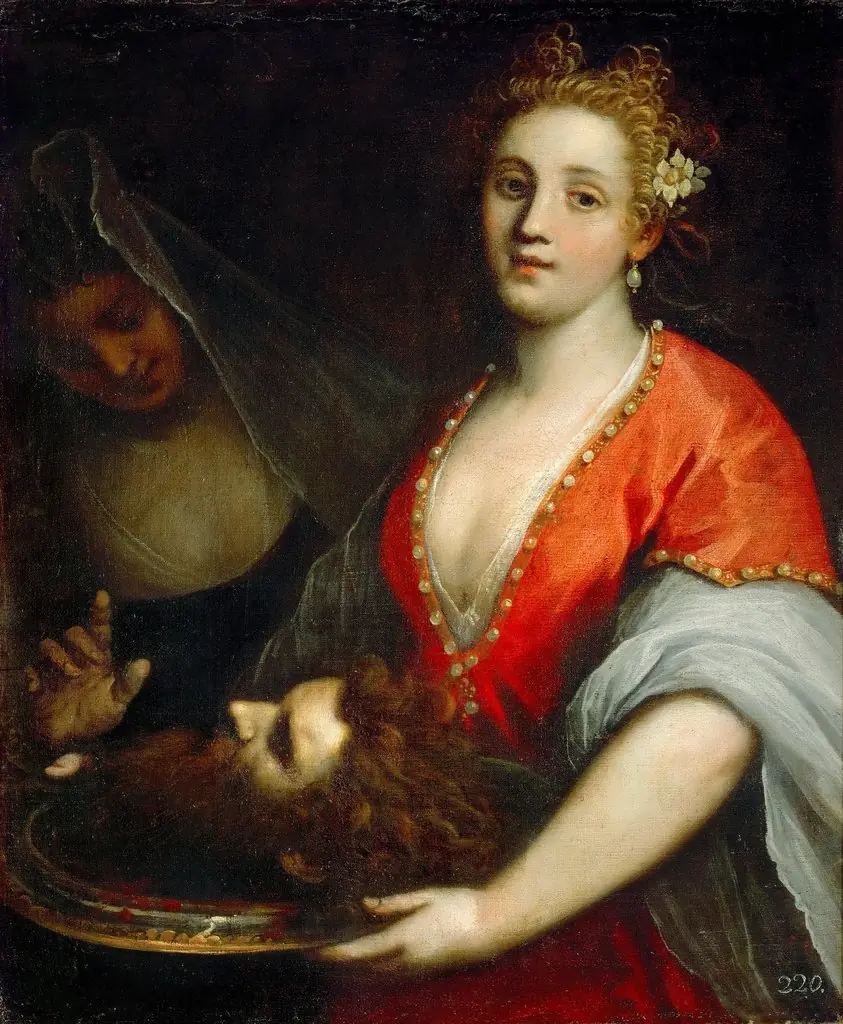
Artist & collection
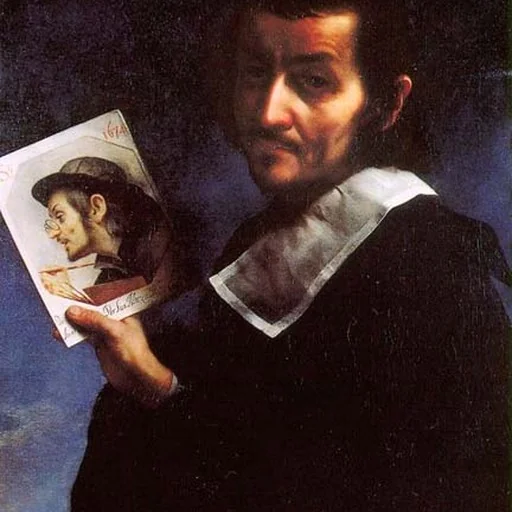
Artist
Carlo (or Carlino) Dolci (25 May 1616 – 17 January 1686) was an Italian Baroque painter active mainly in Florence, known for highly finished religious pictures, often repeated in many versions.

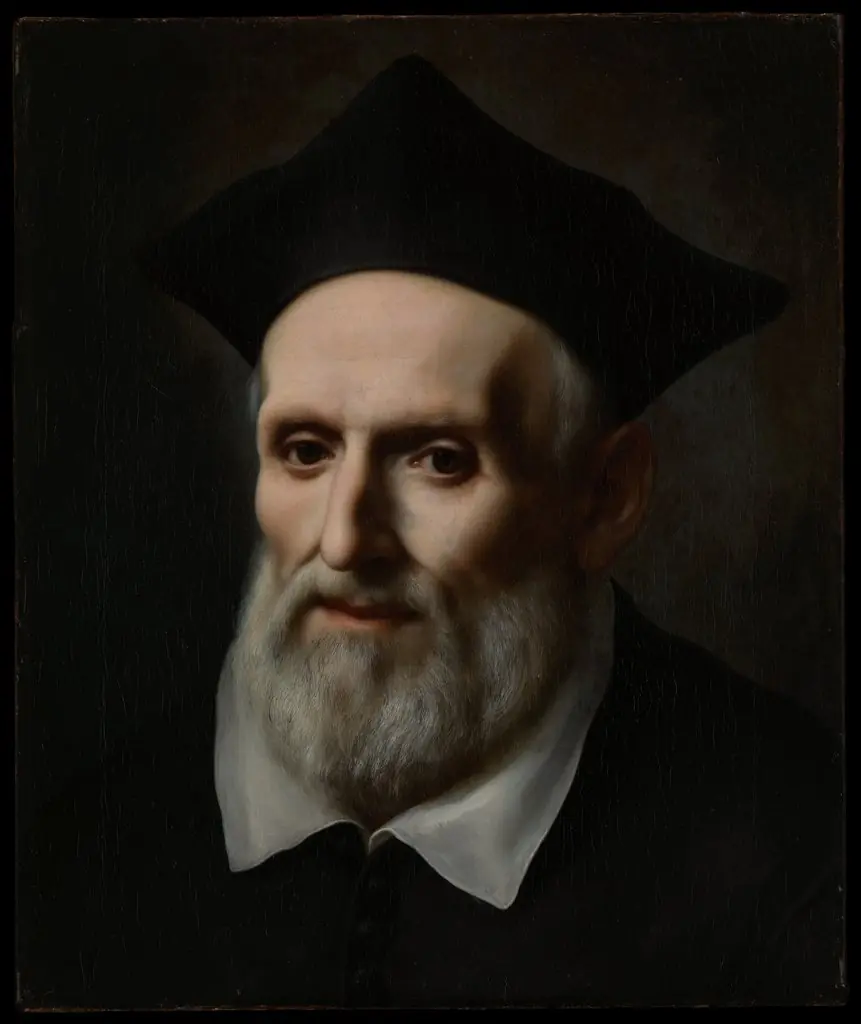
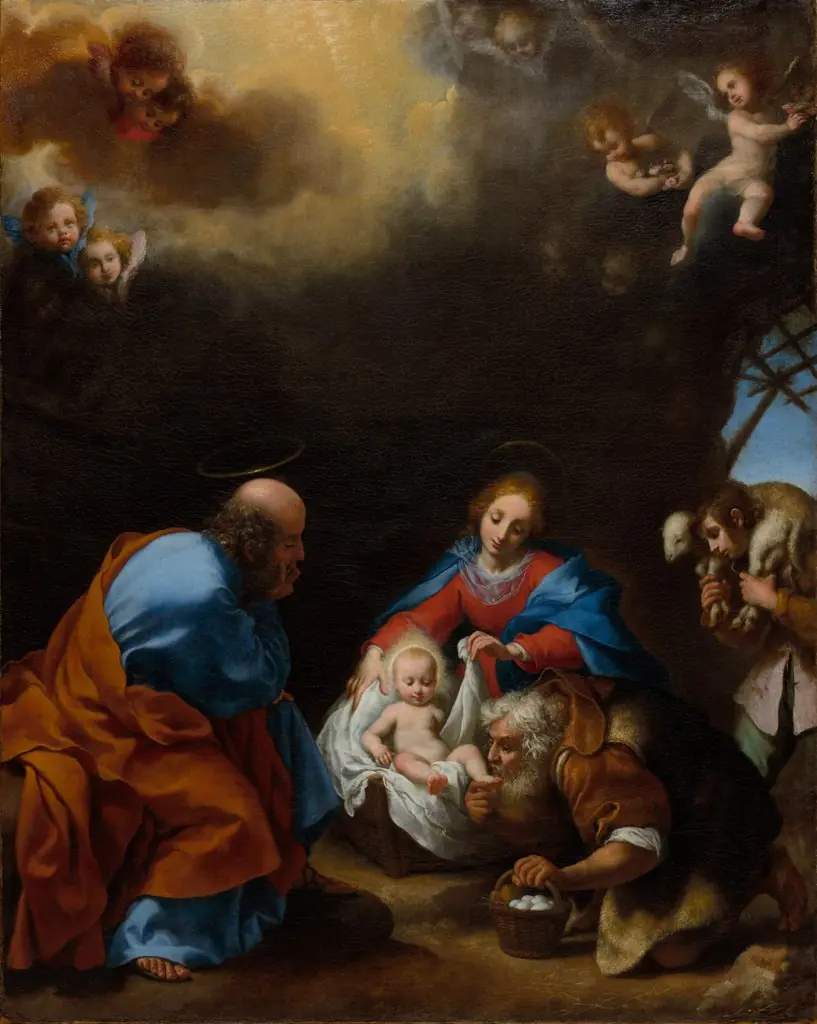
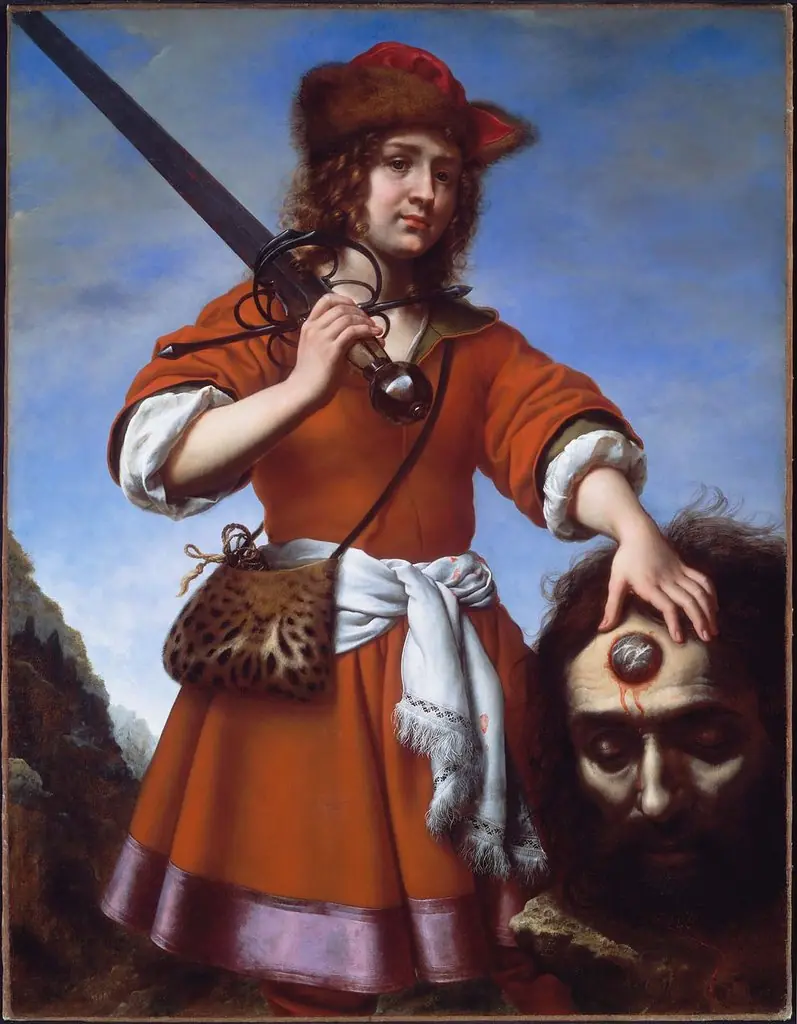
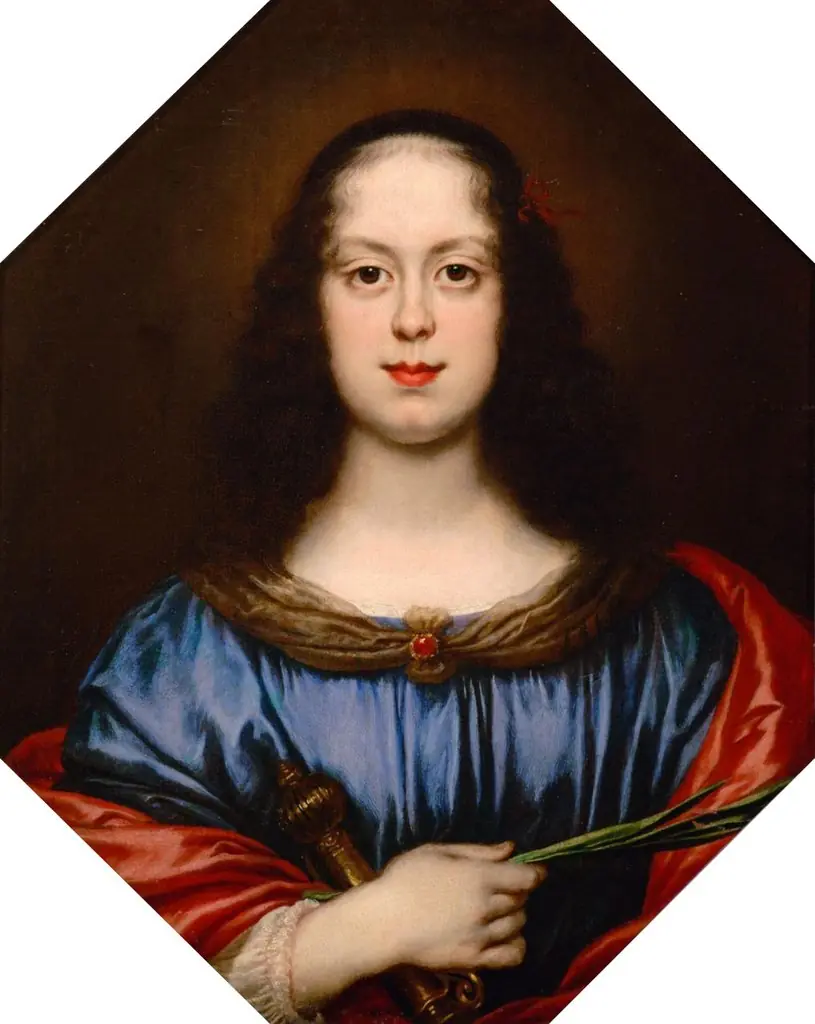
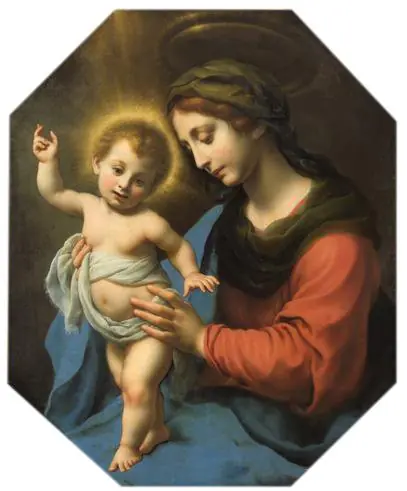
- Salomé with the Head of John the Baptist
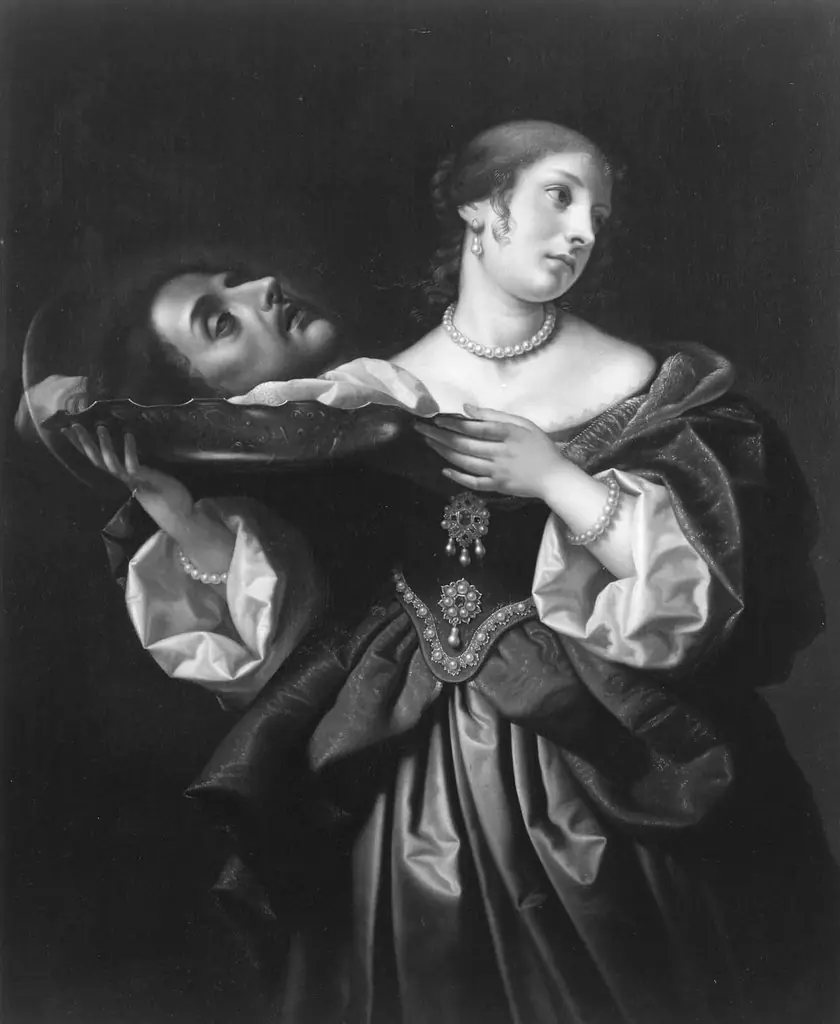 Salome with the Head of Saint John the Baptist
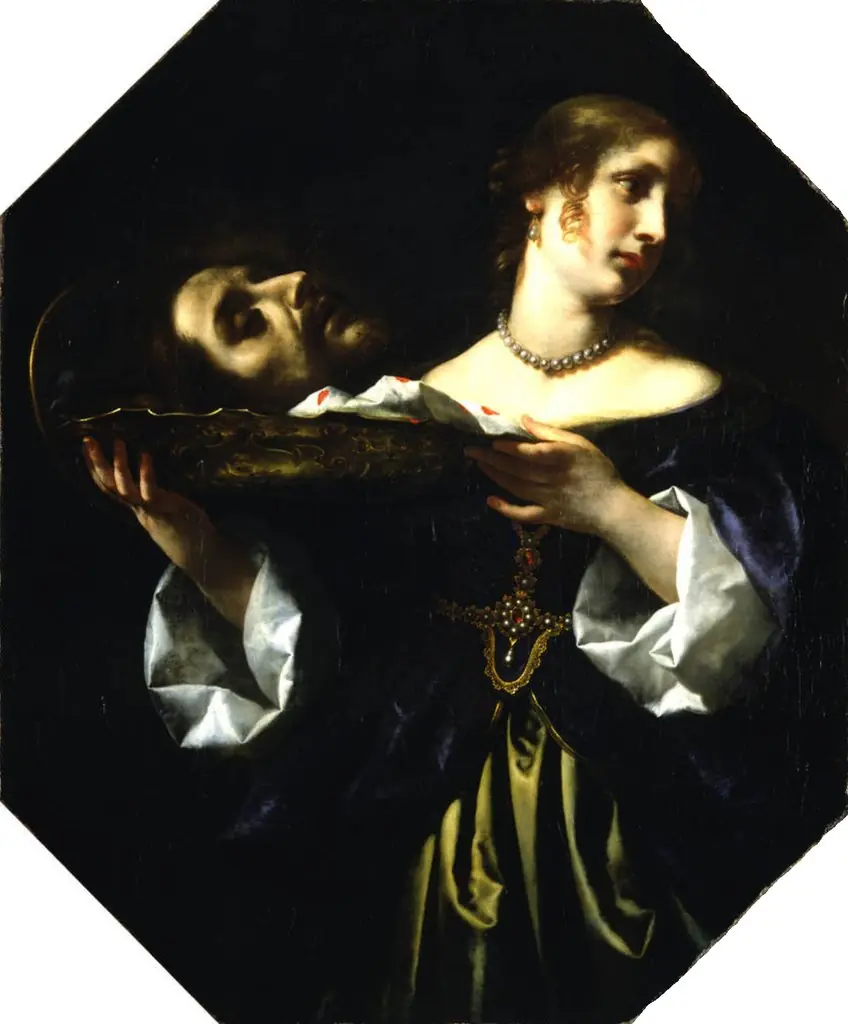 Salome with the Head of St John the Baptist
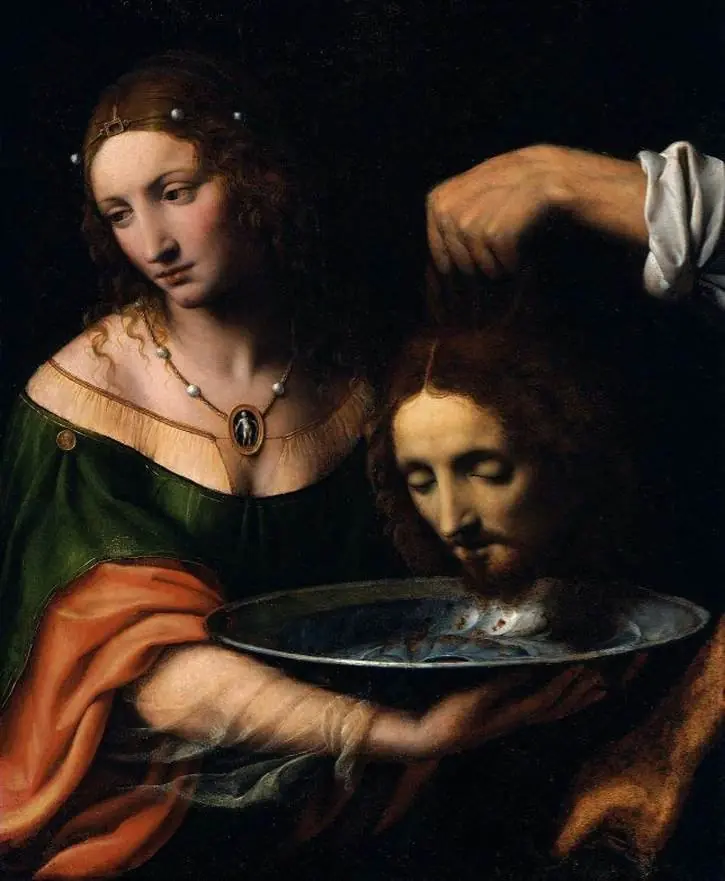 Salome with the Head of Saint John the Baptist
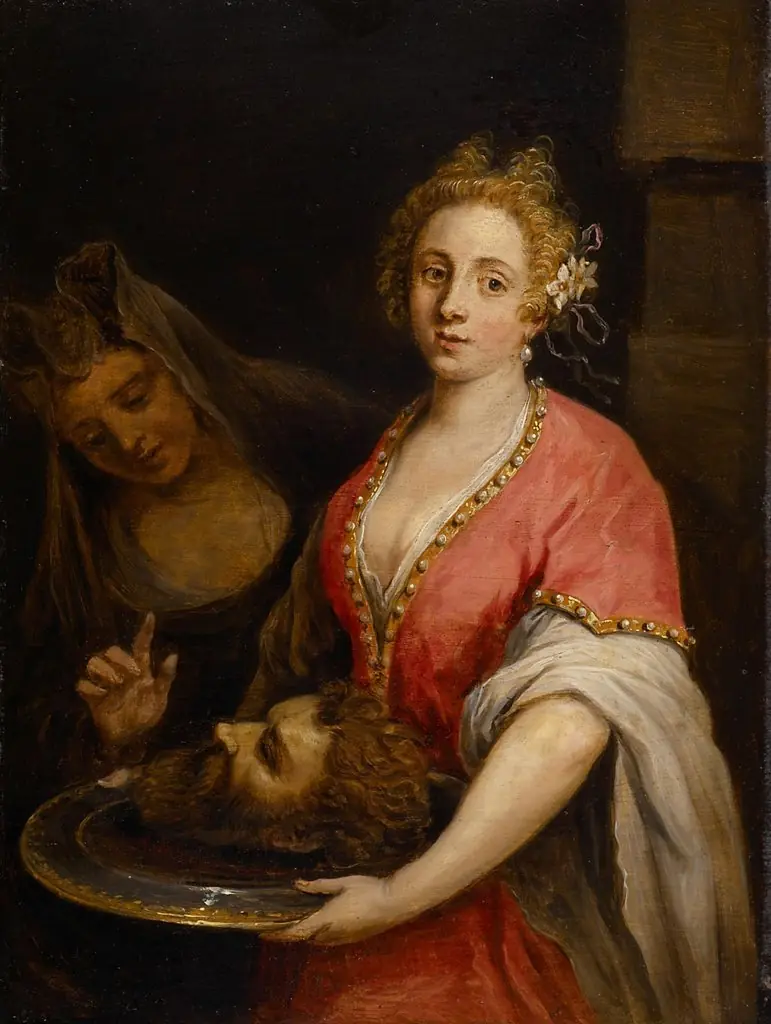 Salome with the Head of John the Baptist
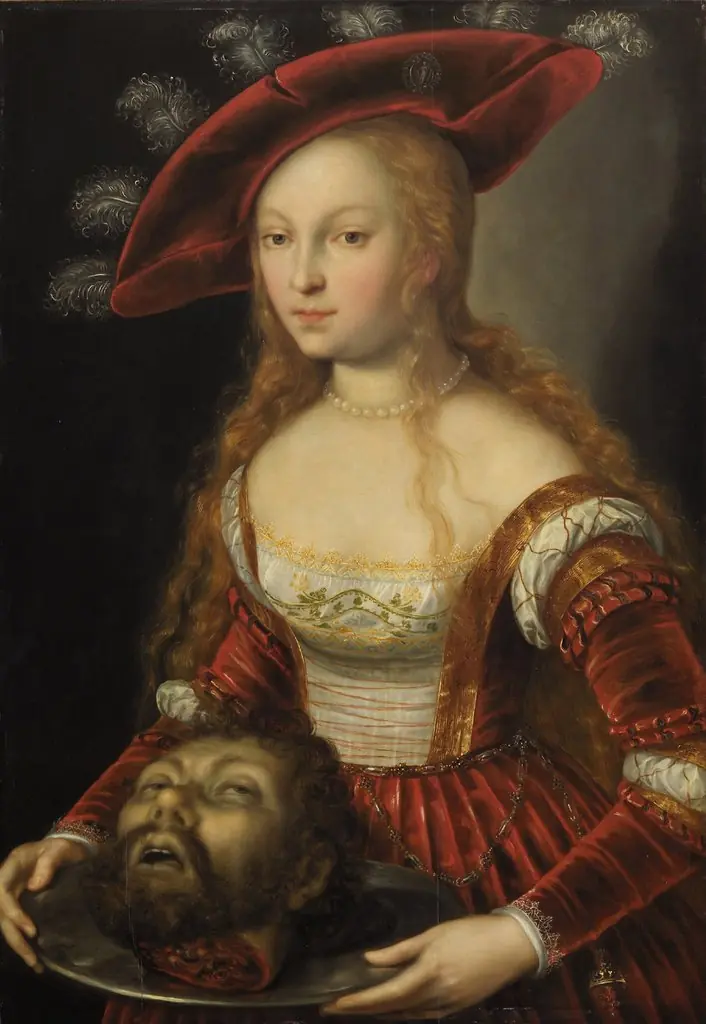 Salome with the head of John the Baptist
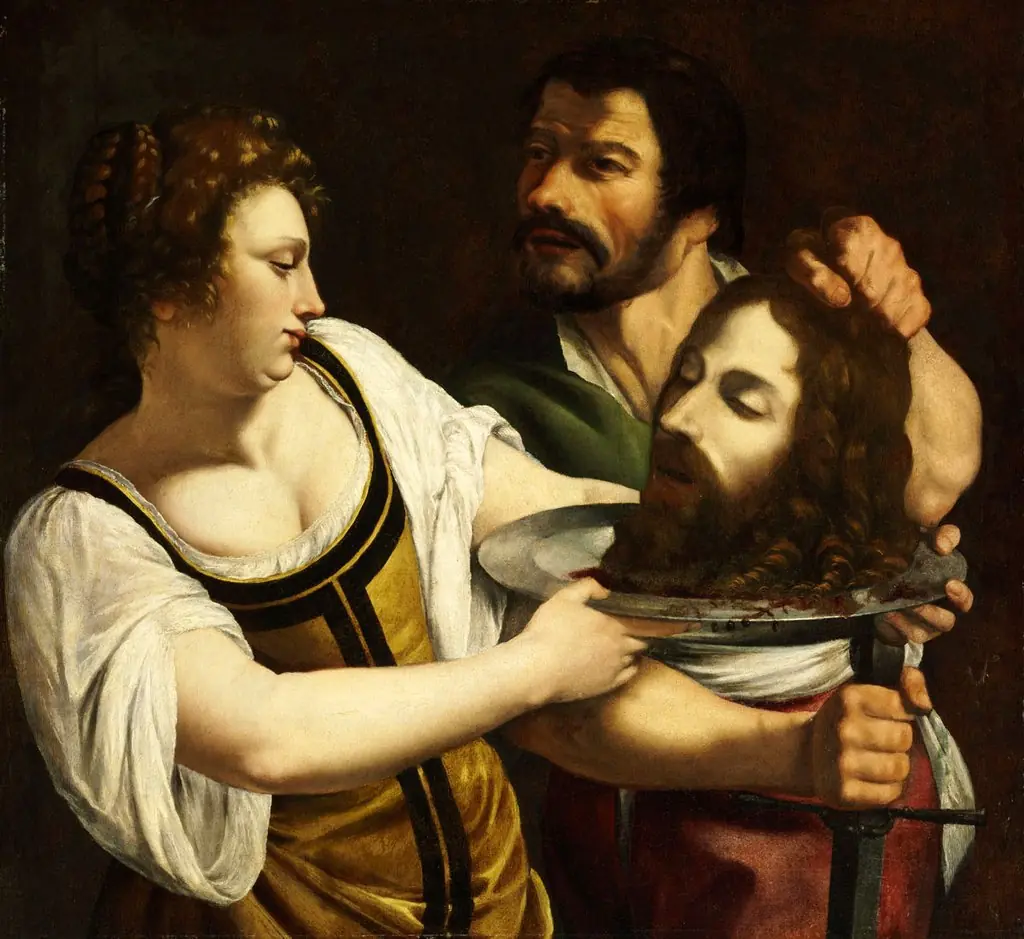 Salome with the Head of Saint John the Baptist
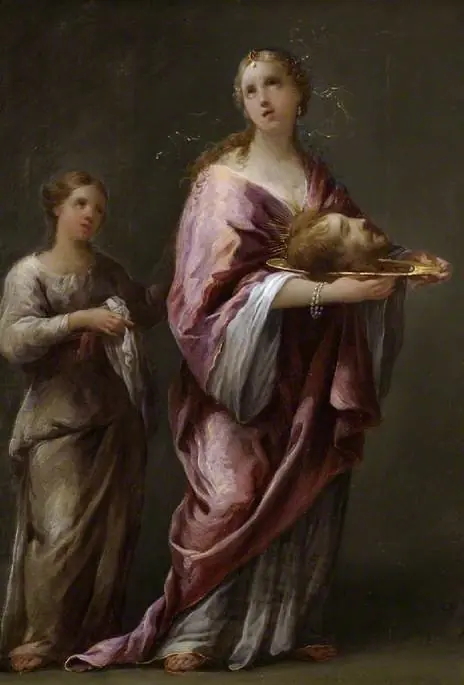 Salome with the head of St John the Baptist
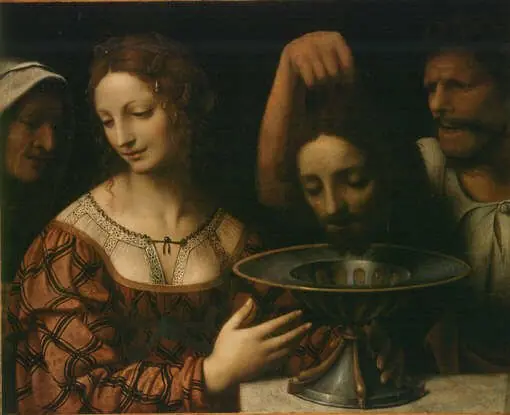 Salome with the head of John the Baptist
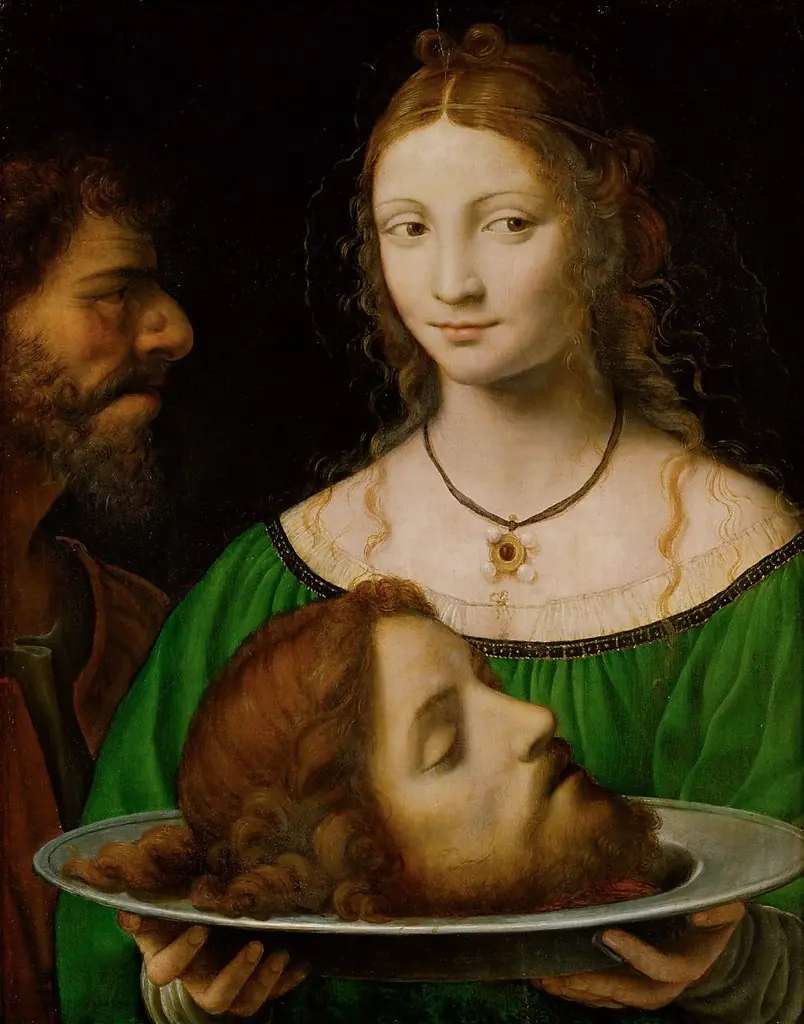 Salome with the Head of John the Baptist
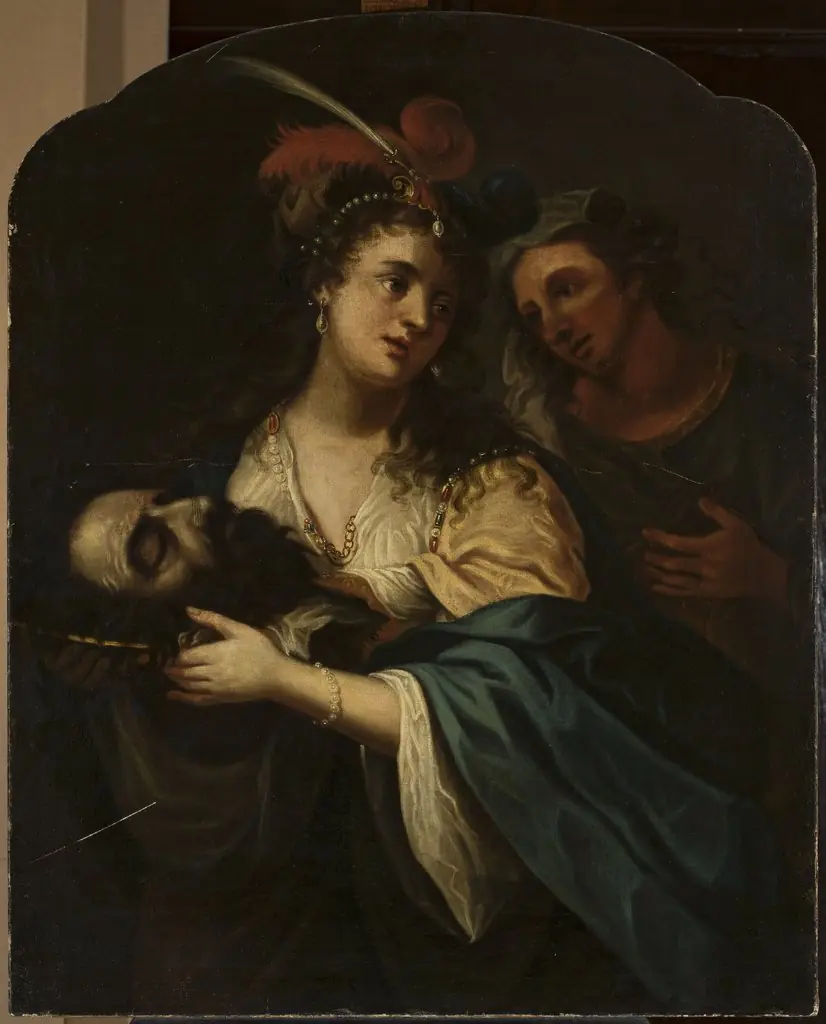 Salome with the head of St. John the Baptist
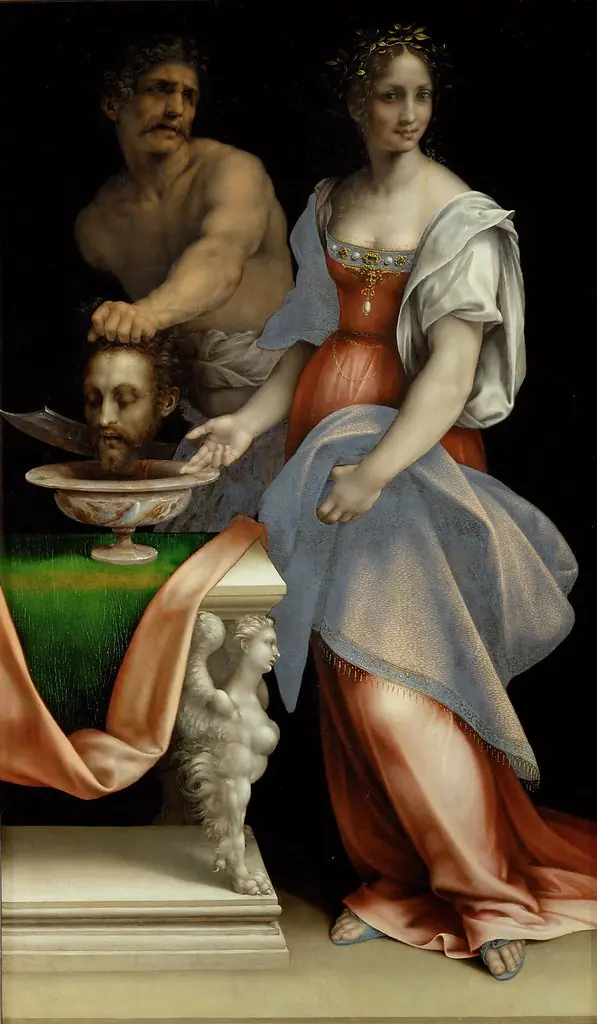 Salome with the head of John the Baptist