Artwork
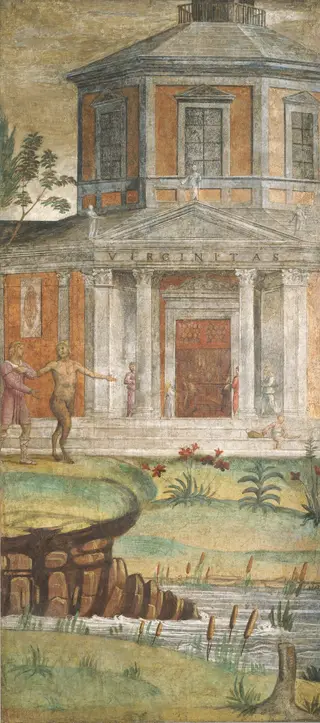
Cephalus and the Nymphs
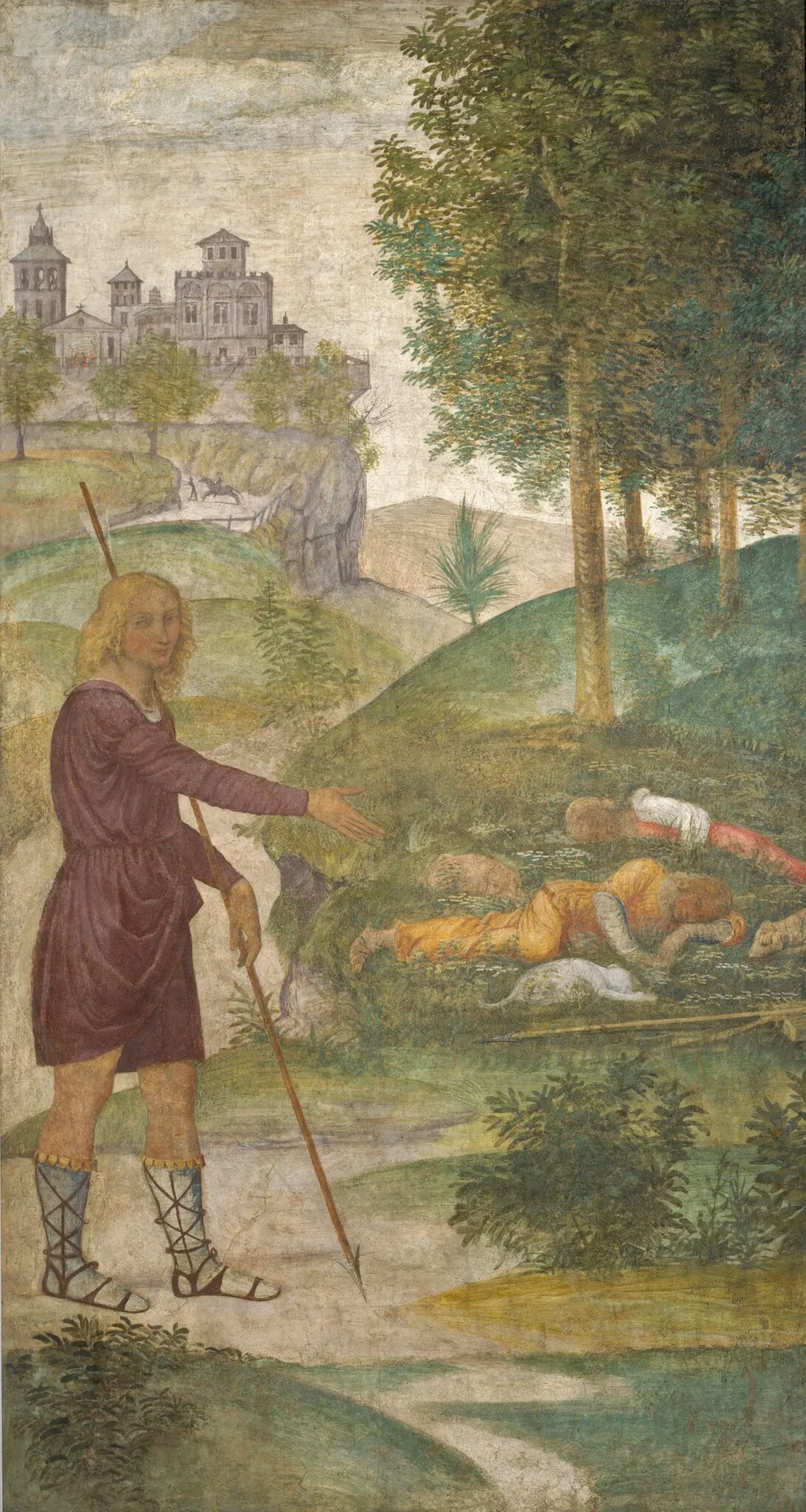
Cephalus and the Nymphs is a fresco painting by the Mannerist artist Luini Bernardino. It dates from 1521 and is held in the collection of the National Gallery of Art.
About this work
Subject & Meaning
The fresco titled Cephalus and the Nymphs portrays the classical myth of the hunter Cephalus accompanied by nymphs, a subject typical of Renaissance mythological painting. Bernardino Luini executed the work in 1521 for Gerolamo Rabia, originally installed at either the Casa Rabia in Milan or the family's country house, La Pelucca, near Monza. As a mythological scene, the composition emphasizes the fleeting nature of youth and the allure of the pastoral realm, reflecting Renaissance interests in antiquity and allegorical storytelling.
Technique & Style
As a mythological painting, the piece relies on the fresco medium's characteristic matte finish and integration with the architectural surface.
Bernardino Luini executed Cephalus and the Nymphs in 1521 as a fresco, a technique requiring the application of pigment to wet lime plaster. The work measures 228 cm in height and 124.5 cm in width, indicating a substantial mural scale typical of the High Renaissance decorative tradition. As a mythological painting, the piece relies on the fresco medium's characteristic matte finish and integration with the architectural surface.
It was originally part of a larger decorative scheme for the Casa Rabia in Milan or the family's country estate, La Pelucca. Over time, the fresco was detached from its support and removed from the wall, eventually entering major European collections before arriving at the National Gallery of Art.
History & Provenance
Cephalus and the Nymphs is a fresco painted by Bernardino Luini in 1521 for the Milanese patron Gerolamo Rabia, for display in either the Casa Rabia on Piazza San Sepolcro or his country house, La Pelucca, near Monza. After remaining in place until about 1800, the work entered the collection of the lawyer Michele Cavaleri, who sold it to Enrico Cernuschi in 1873. The painting then passed to Charles Sedelmeyer by 1897, to Rodolphe Kann by 1900, to Duveen Brothers in 1907, and finally to the Samuel H. Kress Foundation in 1942, which gifted it to the National Gallery of Art, Washington, D.C., in 1943, where it remains in the Samuel H. Kress Collection. The fresco was detached from its wall and transferred to a new support during its history.
Context
Bernardino Luini, a leading painter of the Lombard Renaissance, executed Cephalus and the Nymphs as a fresco for the private residence of Gerolamo Rabia; the work later passed through several European collections before being acquired by the Kress Foundation in 1942 and gifted to the National Gallery of Art. Scholars have regarded the painting as an exemplary mythological composition reflecting Luini's synthesis of Leonardo-inspired figure modeling with the decorative fresco traditions of Milan. Its inclusion in the Kress collection has made the fresco a reference point for the study of sixteenth-century Italian fresco painting in American museum holdings.
Legacy
After its removal from the original site, the fresco passed through several European collections before being acquired by the Samuel H. Kress Foundation in 1942 and gifted to the National Gallery of Art in 1943. Its inclusion in the Kress Collection, which emphasized Italian Renaissance works for American public museums, elevated Luini's profile in the United States and made the piece regularly accessible to scholars and visitors. The fresco's presence in the National Gallery has contributed to ongoing discussion of Lombard fresco painting and Luini's influence on later decorative work.
Overview
Bernardino Luini's fresco, Cephalus and the Nymphs, dates to approximately 1521. This mythological painting depicts a male figure with a spear alongside three women gathered near a water trough. The artwork, characterized by its soft palette of pinks and greens, presents a serene scene where the female figures appear calm rather than distressed.
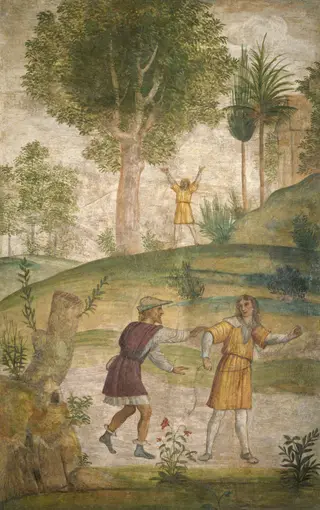
Artist & collection
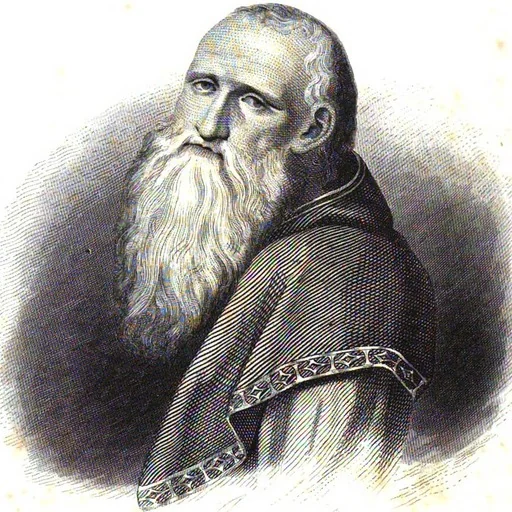
Artist
Bernardino Luini (c. 1480/82 – June 1532) was a north Italian painter from Leonardo's circle during the High Renaissance. Both Luini and Giovanni Antonio Boltraffio were said to have worked with Leonardo directly; he…

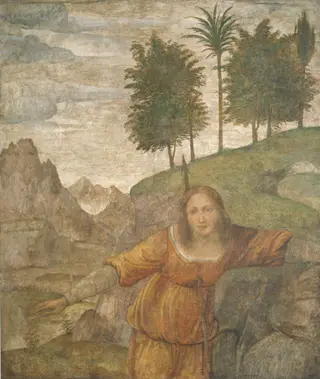
 The Misfortunes of Cephalus
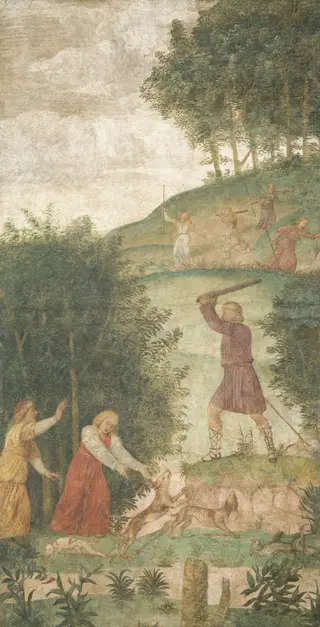 Cephalus Punished at the Hunt
 Überführung der Bundeslade durch David; der Tod des Usa
 Saint Jerome in the Wilderness
 Musicians
 The Marriage of Jason and Medea
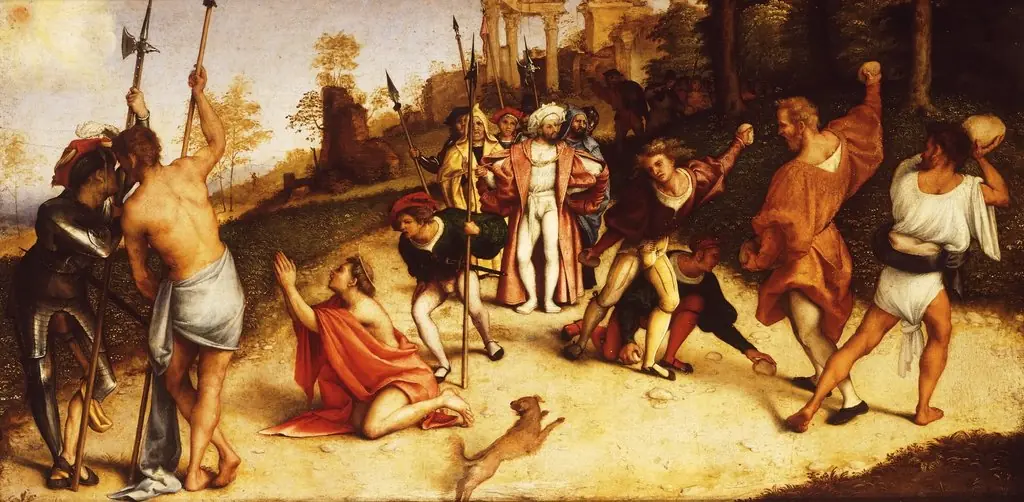 Martyrdom of St Stephen, division of Martinengo Altarpiece
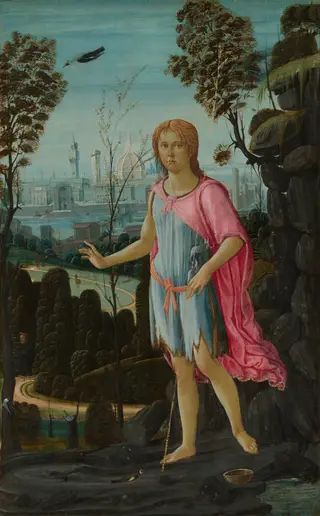 Saint John the Baptist
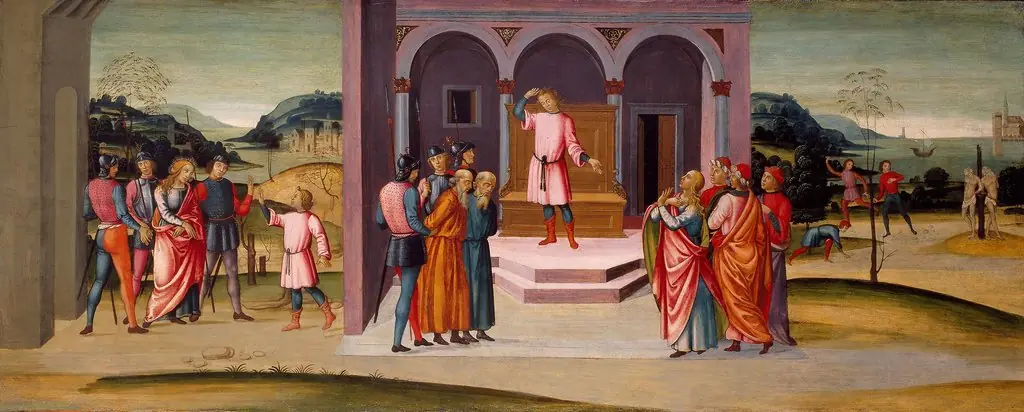 Daniel Saving Susanna, the Judgment of Daniel, and the Execution of the Elders
- The Despair of Cephalus