Artwork
Arrival of Saint Ursula at Cologne
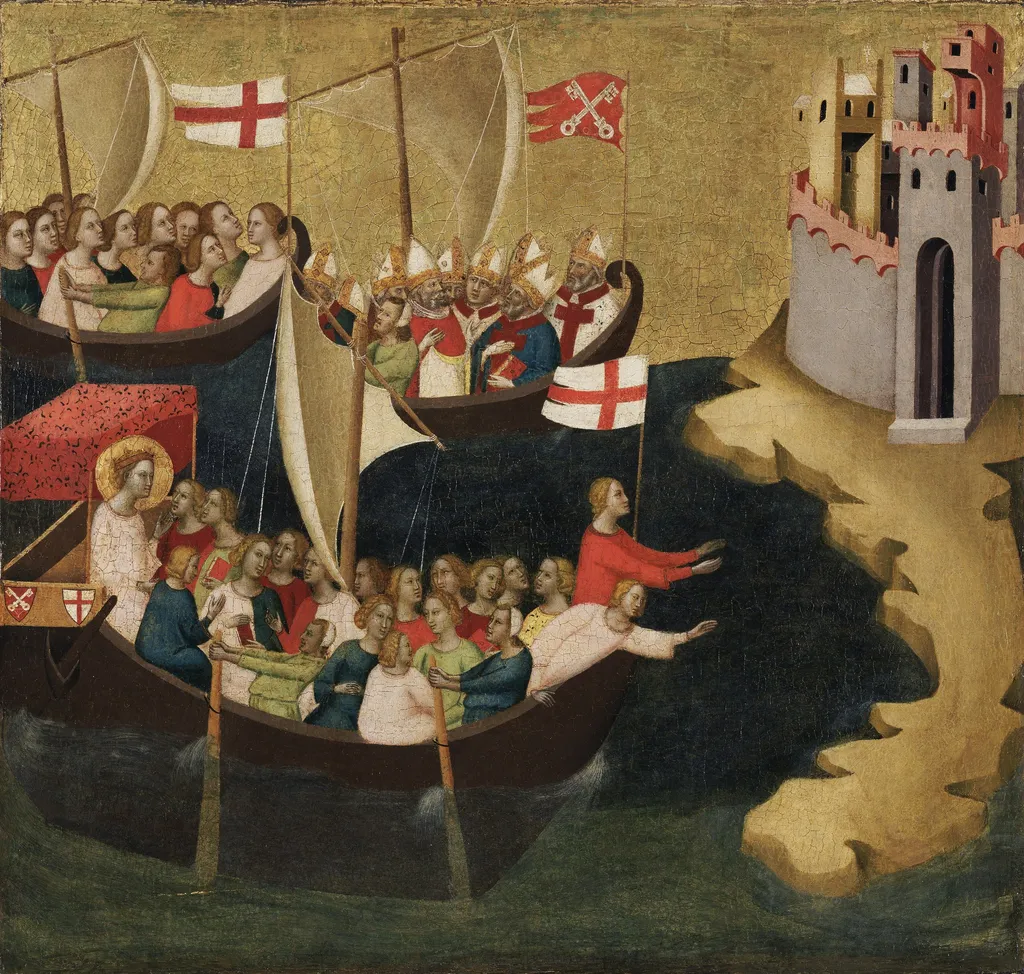
Arrival of Saint Ursula at Cologne is an unspecified painting by Bernardo Daddi. It dates from 1333 and is held in the collection of the J. Paul Getty Museum.
About this work
Overview
Created as a portable altarpiece, it reflects Daddi’s role in developing intimate devotional imagery in early 14th-century Florence.
Painted in 1333 by Bernardo Daddi, this work depicts the arrival of Saint Ursula and her companions at Cologne. Created as a portable altarpiece, it reflects Daddi’s role in developing intimate devotional imagery in early 14th-century Florence. The piece bridges late Gothic traditions and emerging naturalism, offering a compact narrative scene suited for private worship rather than large church settings.
Subject & Meaning
The painting illustrates the legendary journey of Saint Ursula, a British princess who, with eleven thousand virgins, traveled by boat to Cologne before their martyrdom. The scene captures the moment of arrival, emphasizing divine purpose and pilgrimage. The central figure in red, likely Ursula herself, gestures toward the city, signaling the culmination of a sacred voyage and the impending fulfillment of her destiny.
Technique & Style
Daddi rendered the scene with meticulous attention to textile patterns, architectural detail, and spatial arrangement. Though still rooted in gold-ground backgrounds typical of Gothic art, he introduced subtle depth through overlapping boats and layered fortifications. Figures are arranged with deliberate rhythm, and clothing is defined by crisp folds, suggesting a move toward observed form without full naturalism.
History & Provenance
Commissioned during Daddi’s peak years in Florence, the painting likely originated in a private chapel or noble household. Its small scale and portable format align with the devotional practices of the time. While its early ownership is undocumented, it entered institutional collections in the 19th century, where it remains as a representative example of Florentine panel painting from the pre-Renaissance era.
Context
In the 1330s, Florentine painting was transitioning from stylized Byzantine models toward more human-centered narratives. Daddi, influenced by Giotto’s innovations, adapted these ideas into smaller formats for personal devotion. This work reflects a broader trend: the rise of lay piety and the demand for portable religious images that could be carried, prayed before, and passed through generations.
Legacy
Though overshadowed by later Renaissance figures, Daddi’s portable altarpieces helped shape the visual language of domestic devotion in Italy. His emphasis on narrative clarity and refined detail influenced a generation of painters who sought to make sacred stories accessible in intimate settings. This painting stands as a quiet but significant step in the evolution of Italian panel painting before the full emergence of linear perspective.

Own this work as a print
Artist & collection
Artist
Bernardo Daddi (c. 1280 – 1348) was an early Italian Renaissance painter and the leading painter of Florence of his generation. He was one of the artists who contributed to the revolutionary art of the Renaissance,…


- The Betrayal of Christ
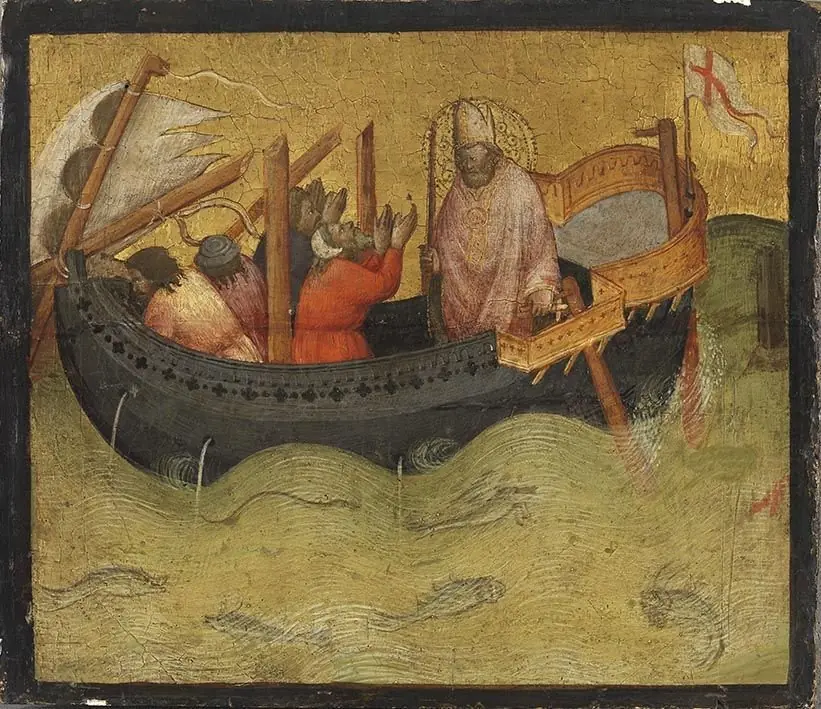 Saint Nicholas and the storm
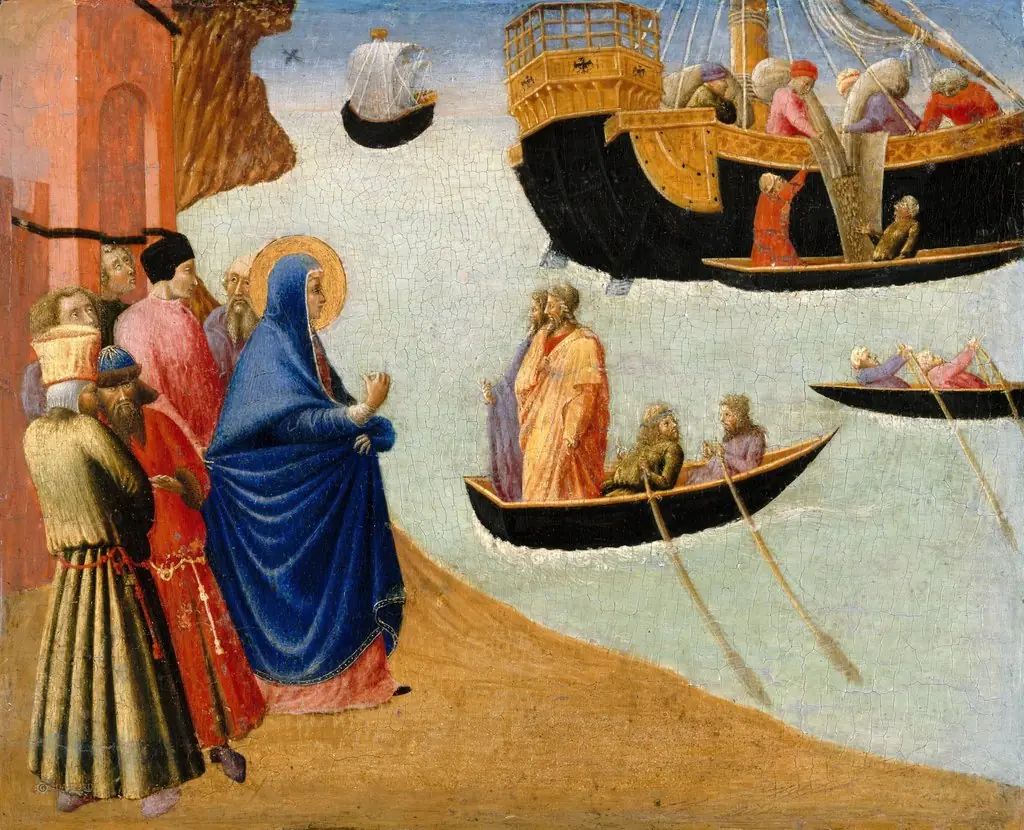 Ein Wunder des Heiligen Augustinus
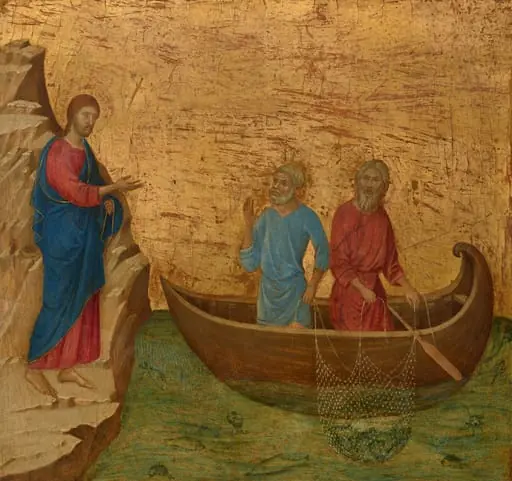 The Calling of the Apostles Peter and Andrew
 Jesus saves Peter from drowning
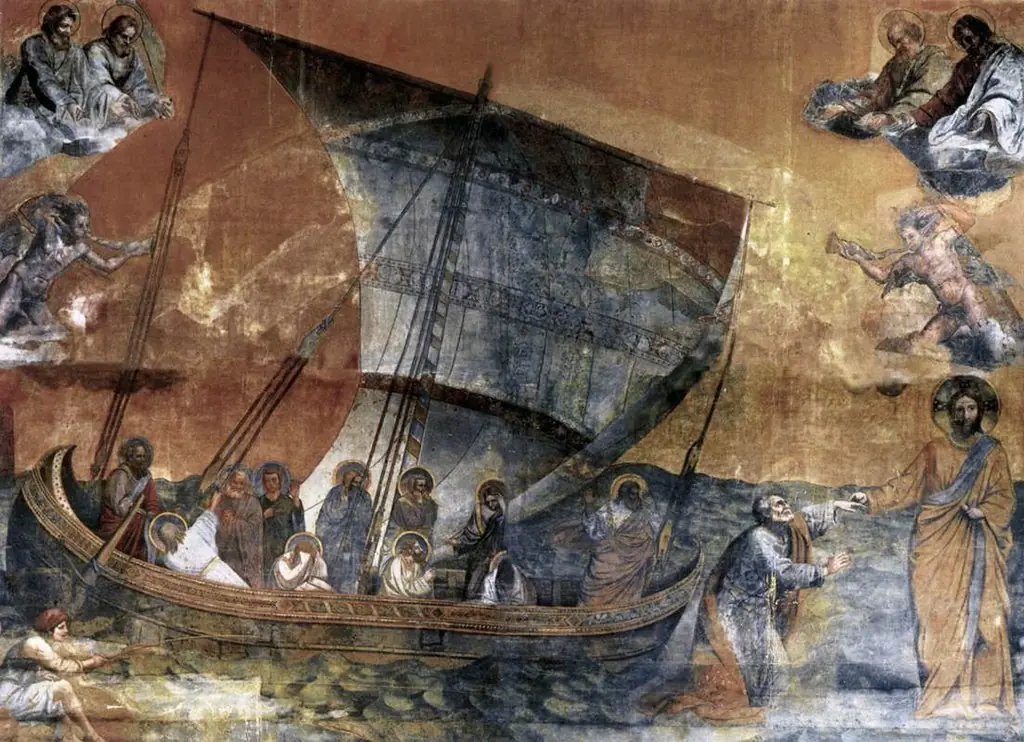 Navicella
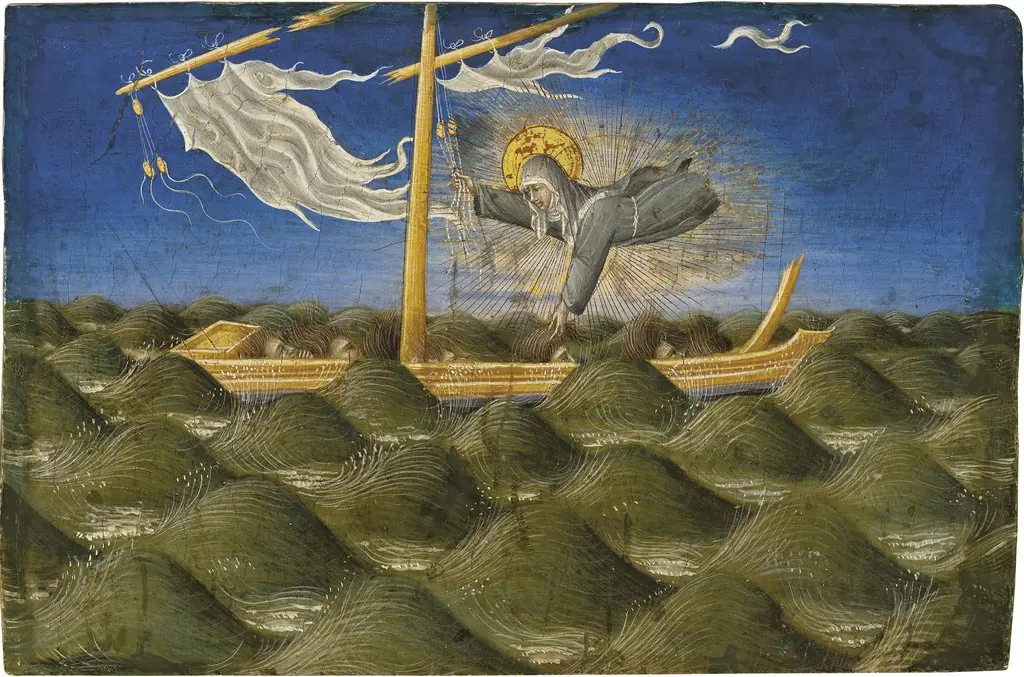 Saint Clare rescuing the shipwrecked
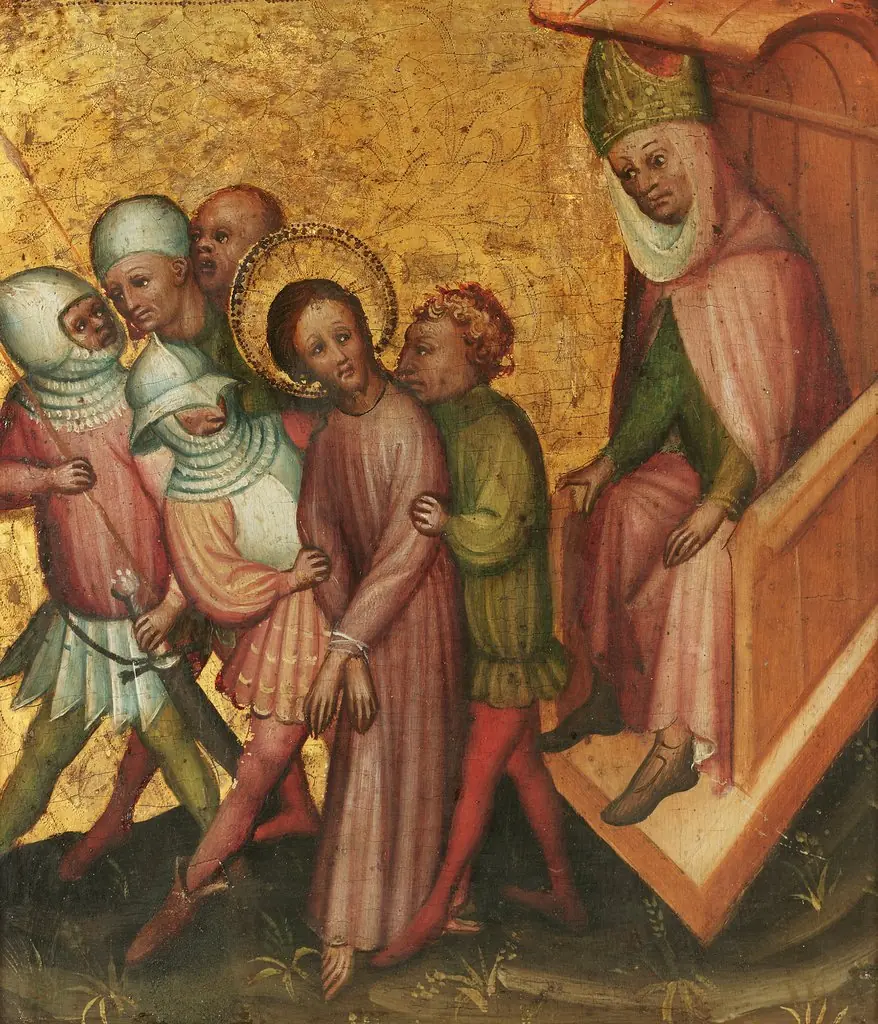 Christus vor Kaiphas
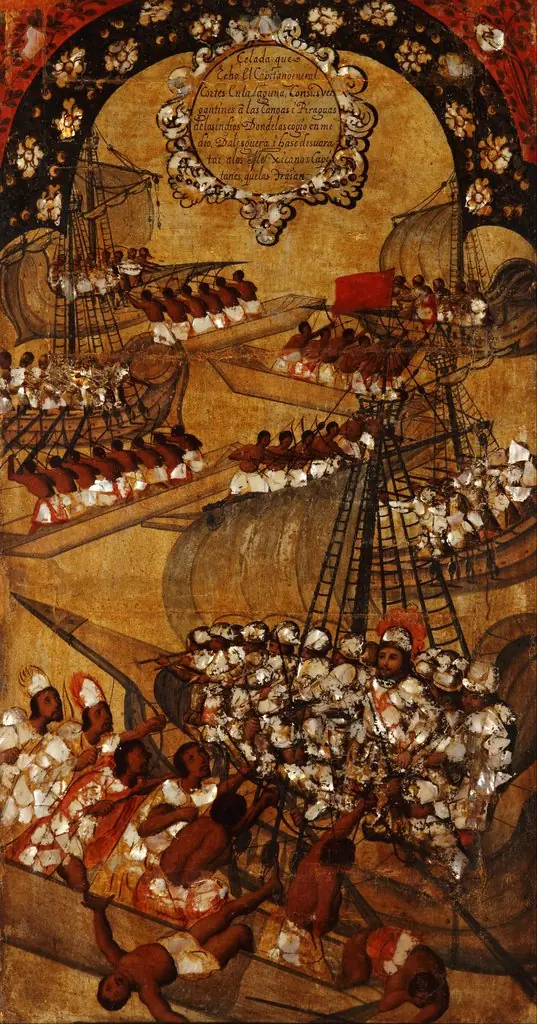 Conquest of Mexico, Tablet 22
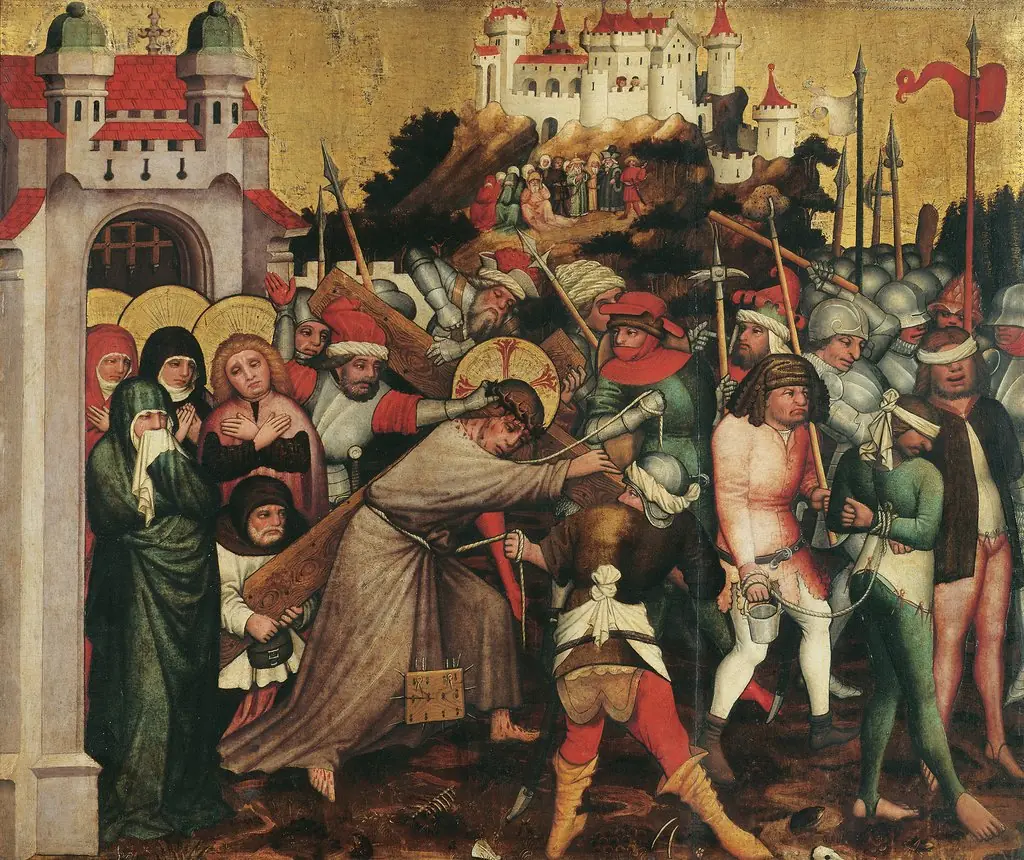 Christ carrying the cross
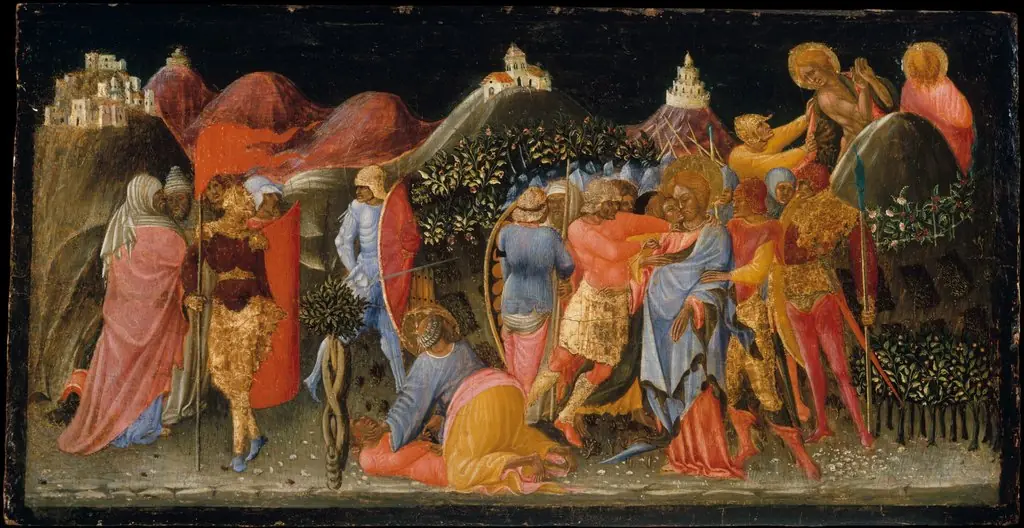 The Betrayal of Christ
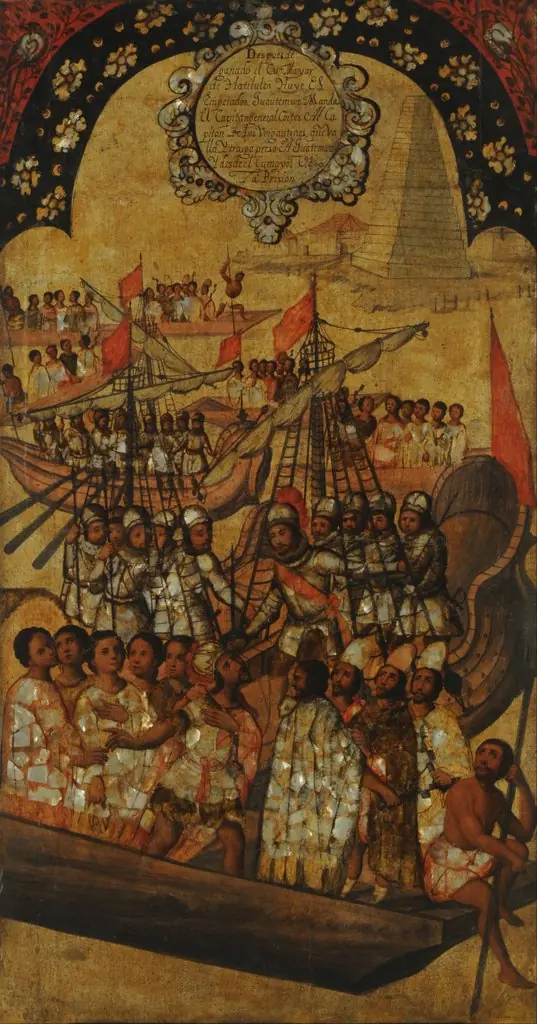 The Conquest of Mexico