Artwork
The Wedding Feast of St Cecilia
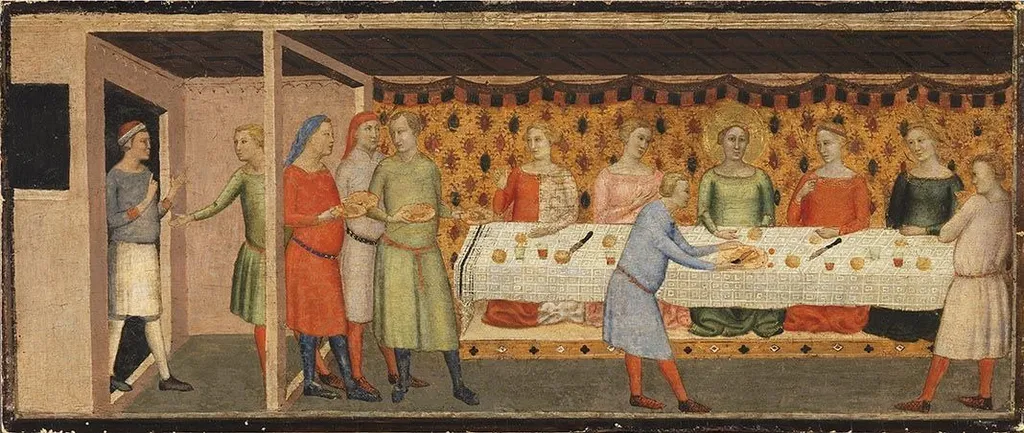
The Wedding Feast of St Cecilia is an oil painting by the Sienese School artist Bernardo Daddi. It dates from 1334 and is held in the collection of the Bavarian State Painting Collections.
About this work
Subject & Meaning
The painting depicts Saint Cecilia, a Roman martyr and the patron saint of music. The work's title refers to her "wedding feast," alluding to her mystical marriage to Christ, a common theme in medieval Christian iconography that represents the saint's devotion and virginity. The religious genre positions the image within a tradition of devotional works meant to inspire piety and veneration.
History & Provenance
Bernardo Daddi's The Wedding Feast of St Cecilia, created in 1334, is held within the collection of the Bavarian State Painting Collections in Munich.
The painting known as The Wedding Feast of St Cecilia was created in 1334 by the artist Bernardo Daddi. The work was executed using oil paint on a poplar panel. It currently belongs to the collection of the Bavarian State Painting Collections and is housed at the Alte Pinakothek. The piece depicts Saint Cecilia and is classified as a work of religious art.
Bernardo Daddi's The Wedding Feast of St Cecilia, created in 1334, is held within the collection of the Bavarian State Painting Collections in Munich. The work is specifically located at the Alte Pinakothek museum. While the provided sources confirm its current institutional home and physical location, no specific inventory or accession numbers are listed in the available documentation. Additionally, the sources do not contain information regarding a history of exhibitions for this painting.
Overview
The Wedding Feast of St Cecilia is a 1334 oil painting by Bernardo Daddi, a prominent early Renaissance artist from Florence. It exemplifies the emerging trend toward realism during this period and the creation of compact, portable religious artworks, such as altarpieces.
Technique & Style
Executed in oil paint, the work showcases Daddi's contribution to the Sienese school's aesthetic, blending early Renaissance realism with traditional religious themes. The vivid, colorful attire of the figures and the detailed interior setting reflect the school's emphasis on narrative depth and visual richness.
Context
This painting was produced during a transitional artistic period, marking a shift towards greater realism in early Renaissance Florence. It also represents the popularity of portable religious art pieces during this time.
Legacy
While specific lasting impacts of The Wedding Feast of St Cecilia on subsequent art movements are not broadly highlighted, it remains a valuable example of Bernardo Daddi's work and the Sienese school's influence on early Renaissance religious art.
Artist & collection
Artist
Bernardo Daddi (c. 1280 – 1348) was an early Italian Renaissance painter and the leading painter of Florence of his generation. He was one of the artists who contributed to the revolutionary art of the Renaissance,…

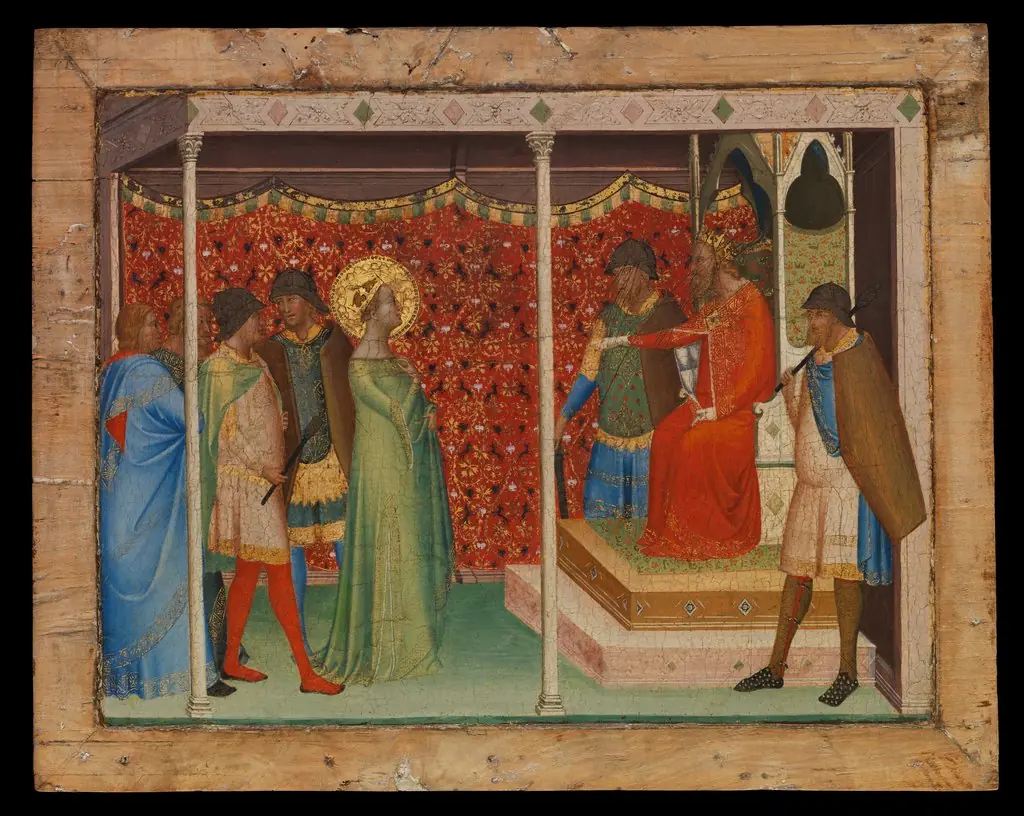
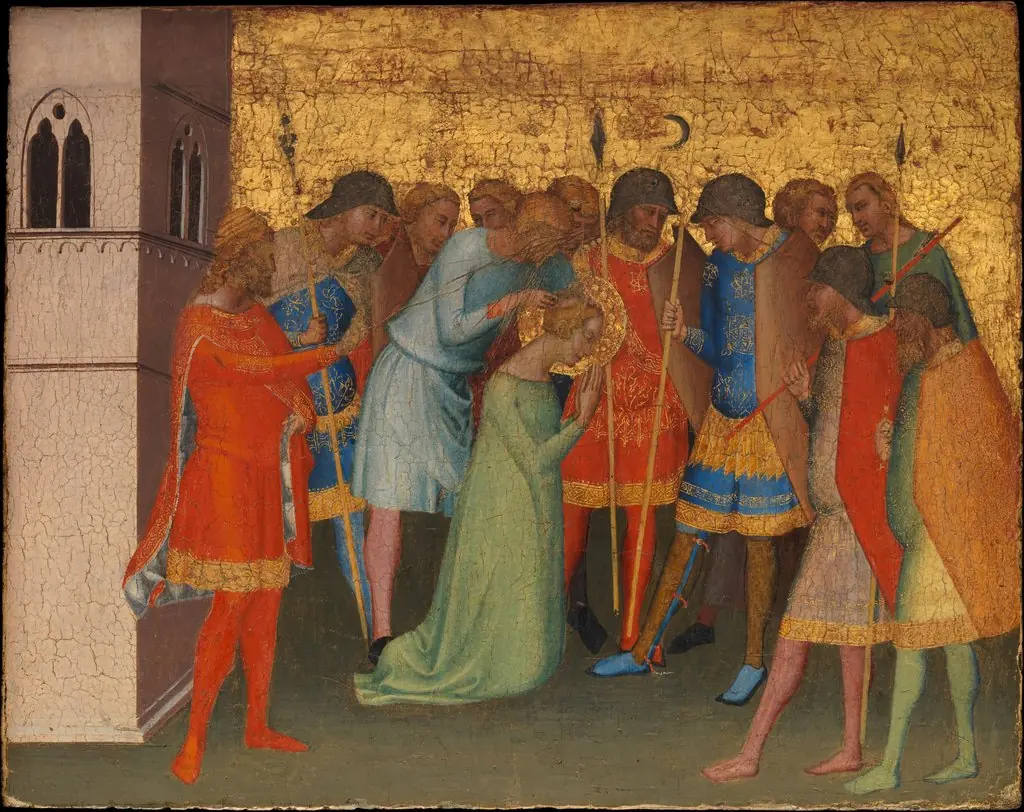
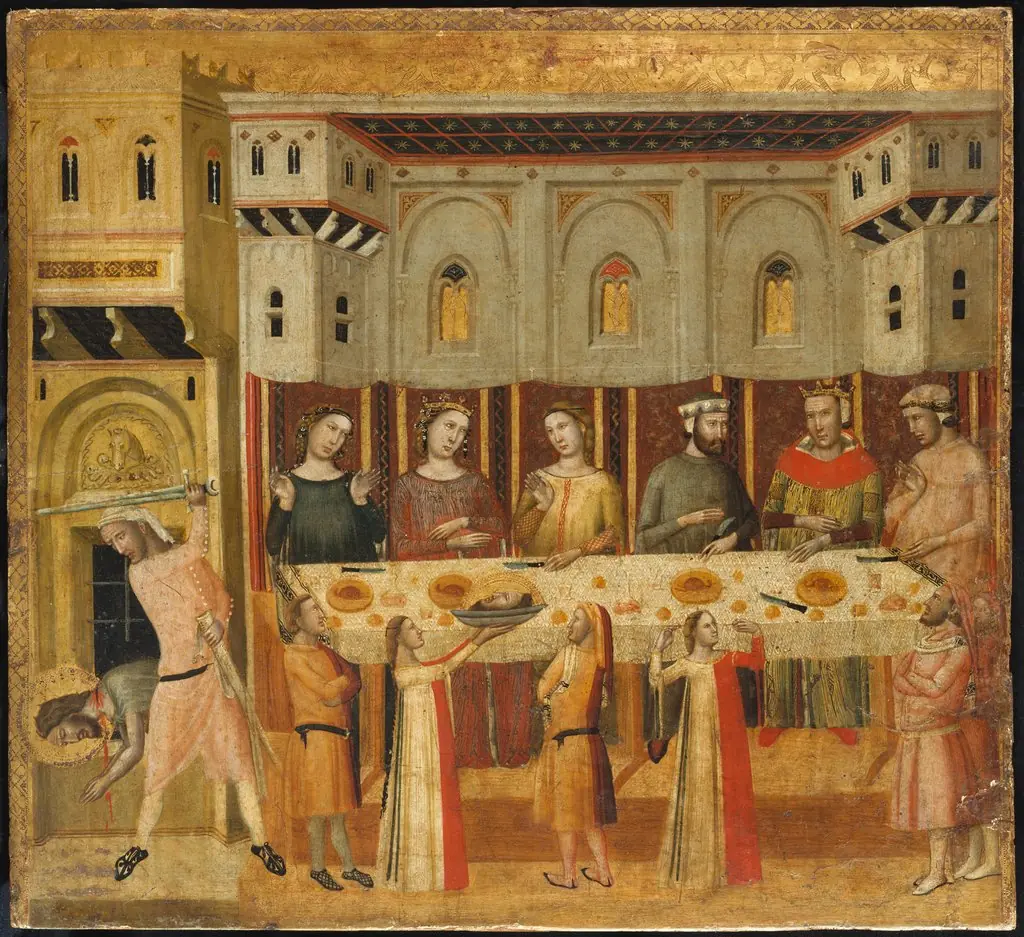
- The Feast of Herod and the Beheading of the Baptist
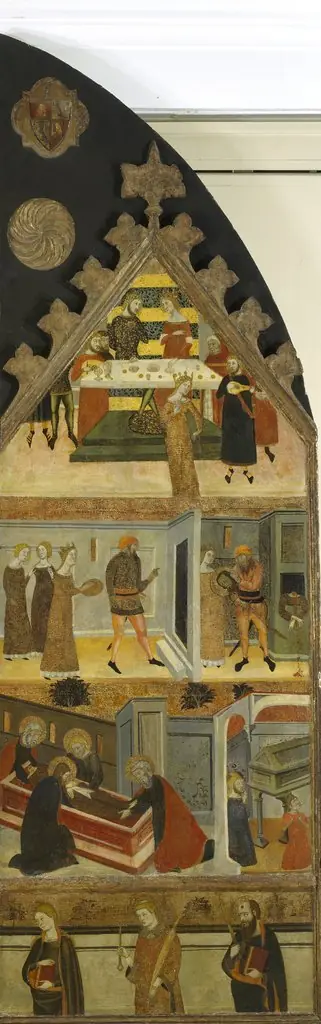 Episodes from the Lives of Mary Magdalen and Saint John the Baptist
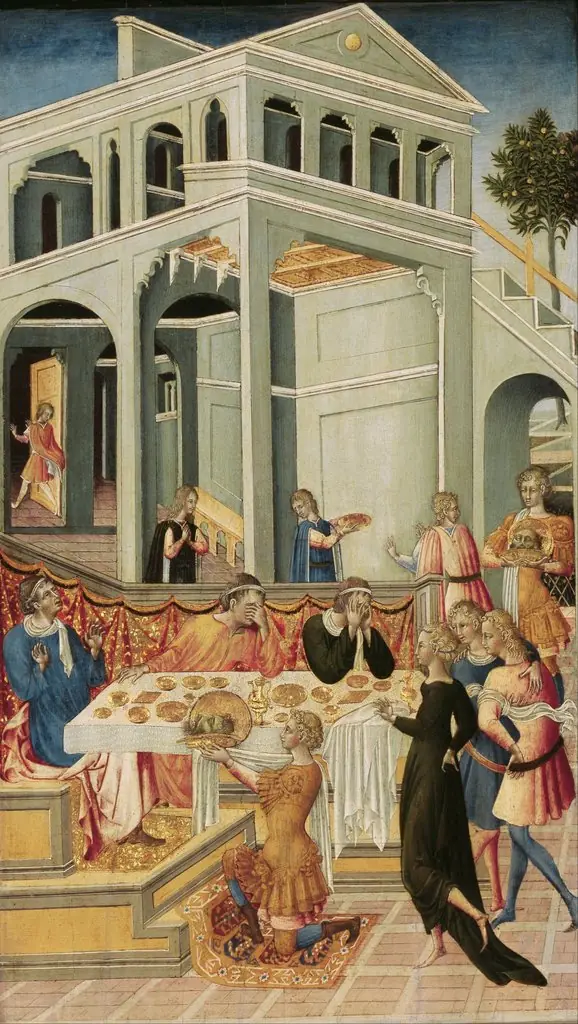 The Head of Saint John the Baptist Brought before Herod
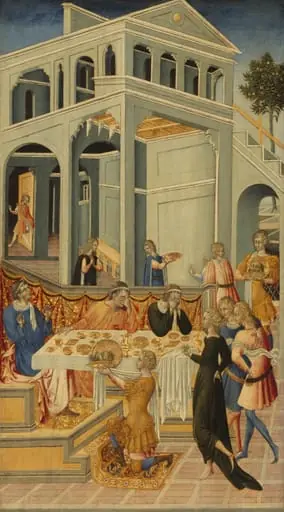 The Head of Saint John the Baptist Brought before Herod
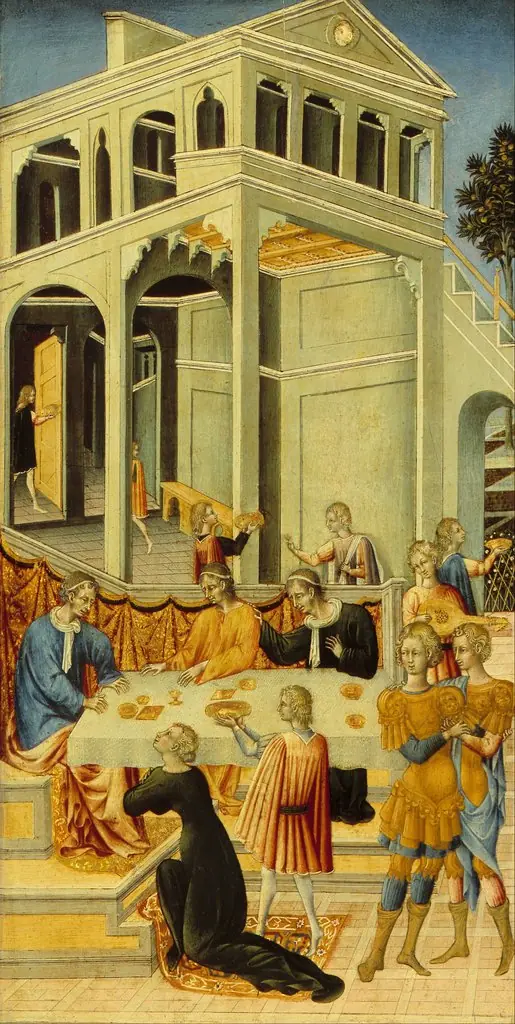 Salome Asking Herod for the Head of Saint John the Baptist
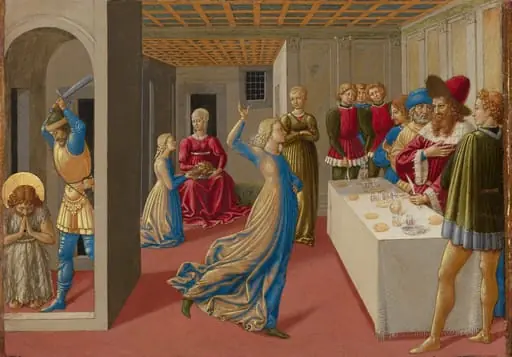 The Feast of Herod and the Beheading of Saint John the Baptist
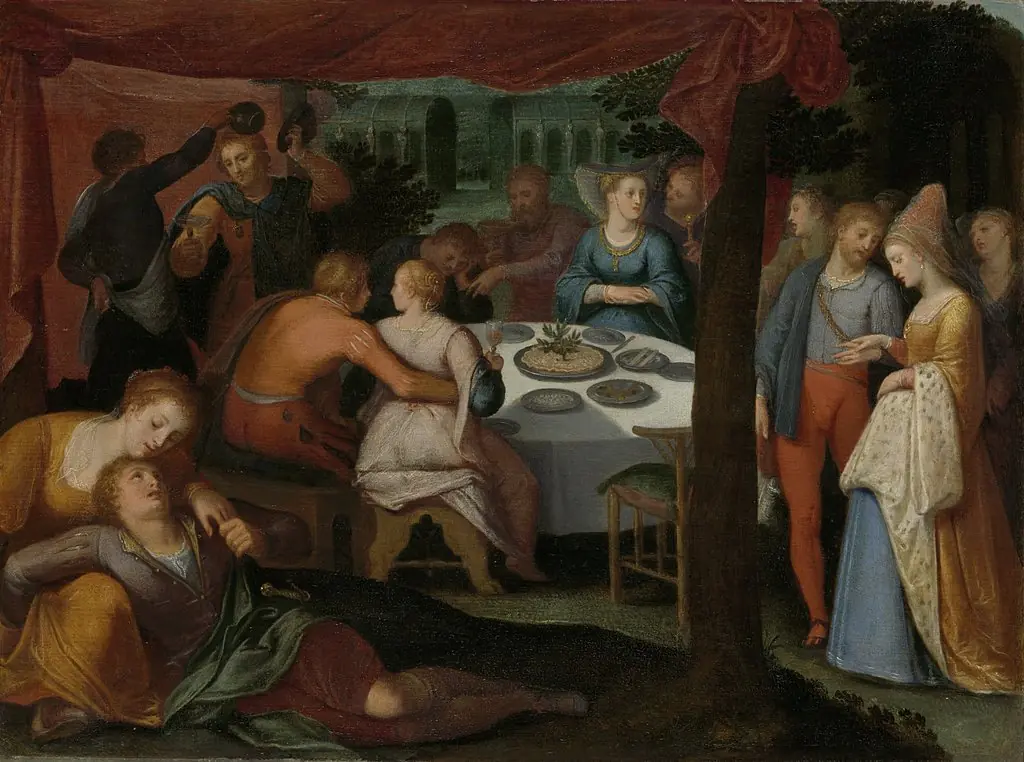 Evening Meal in the Woods
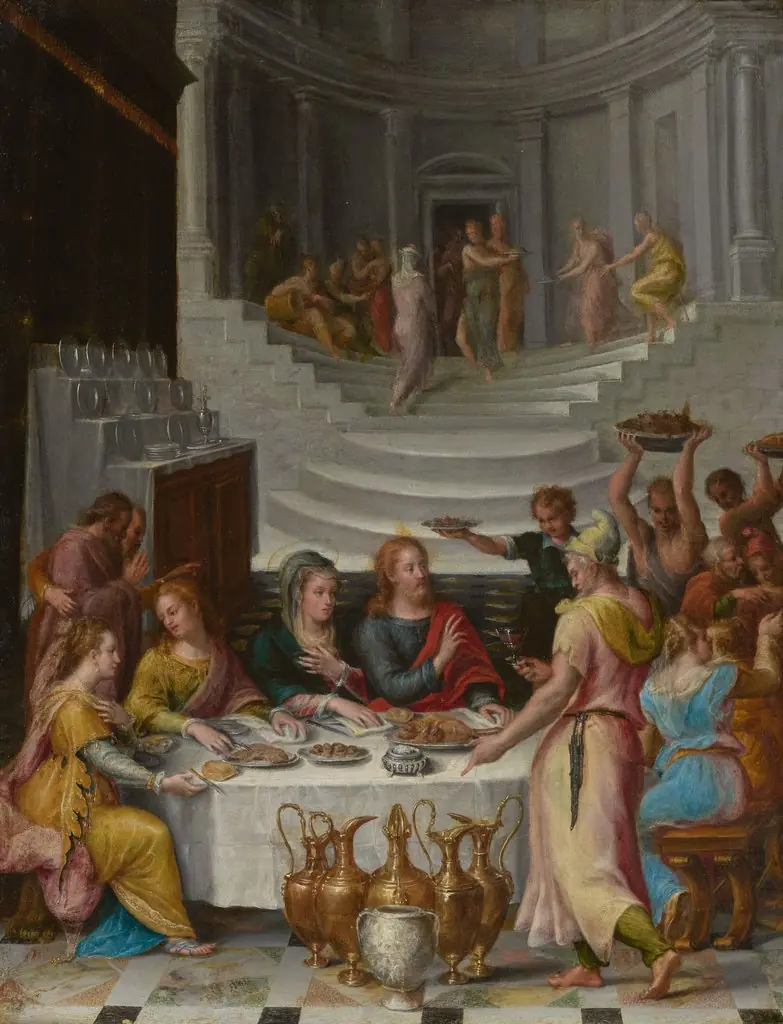 The Wedding Feast at Cana
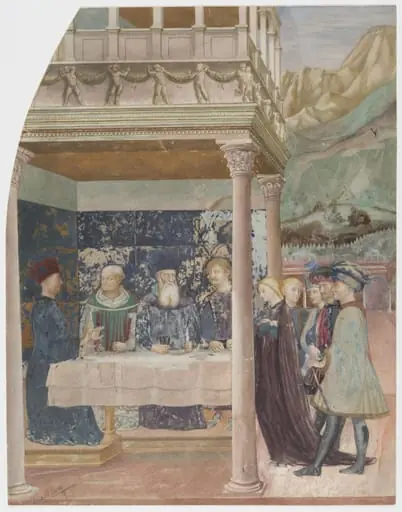 Copy after the painting The Daughter of Herodias before Herod by Masolino in Castiglione d'Olona
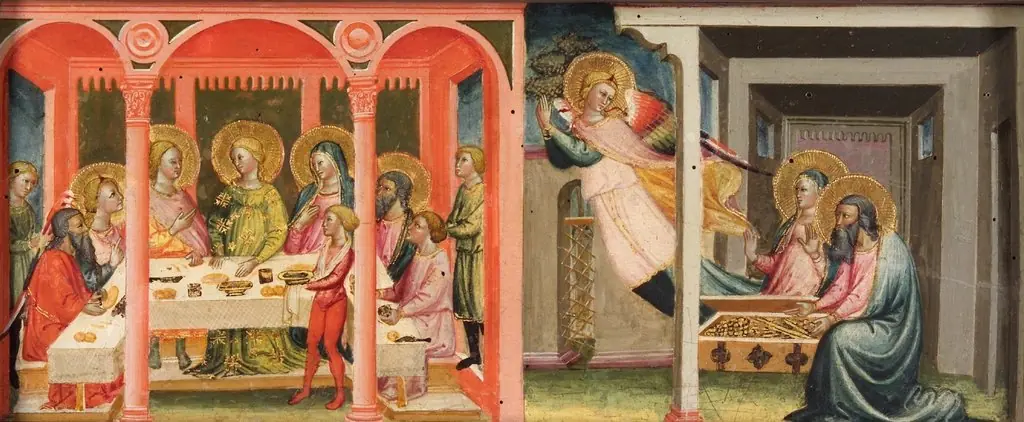 Scenes from the story of Tobias (marriage of Tobias and Sara; the archangel leaves Tobit and Anna)
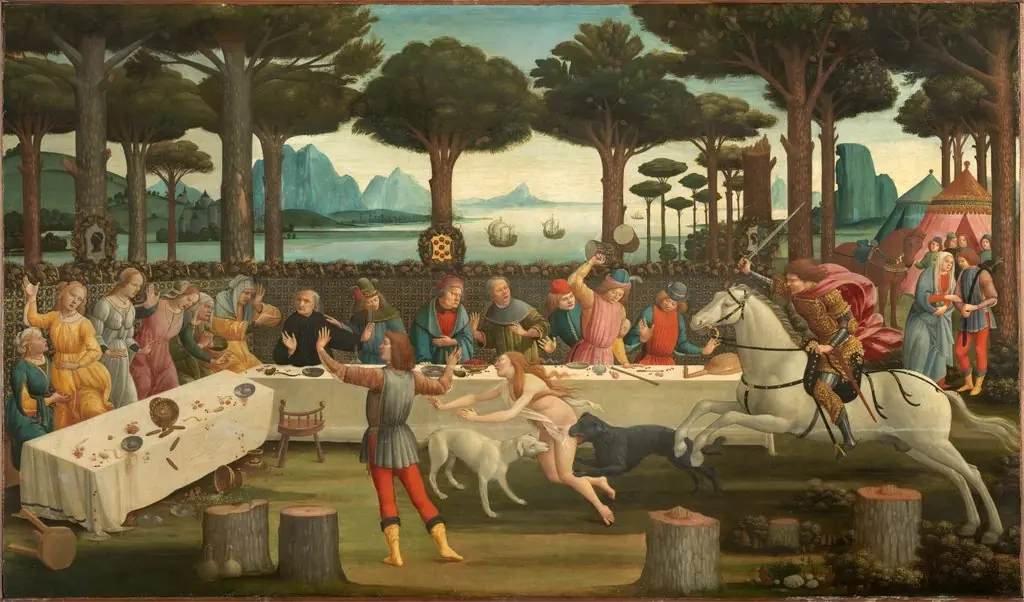 The Story of Nastagio Degli Onesti, part three
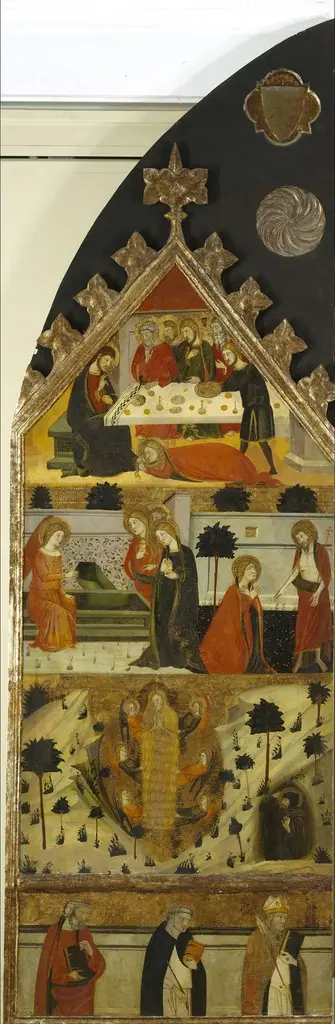 Episodes from the Lives of Mary Magdalen and Saint John the Baptist