Artwork
Saint George and the Dragon
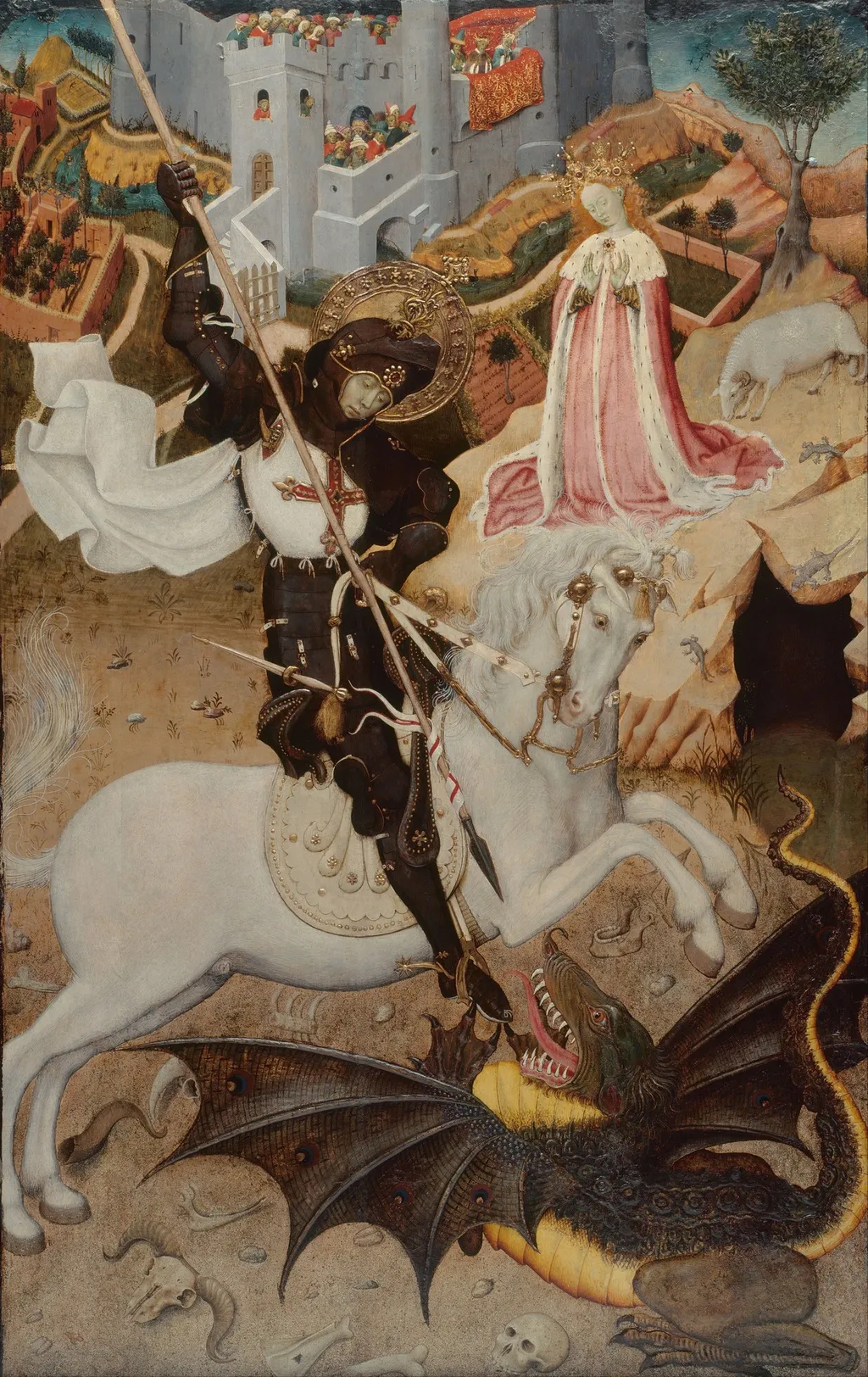
Saint George and the Dragon is a tempera painting by the Northern Renaissance artist Bernat Martorell. It dates from 1434 and is held in the collection of the Art Institute of Chicago.
About this work
Subject & Meaning
This International Gothic piece reflects Catalan religious art of the early 15th century and was likely commissioned for a Catalan chapel.
The painting Saint George and the Dragon portrays the legendary Christian martyr Saint George in the act of slaying a dragon, a motif symbolizing the triumph of good over evil and the protection of the vulnerable. In the composition Saint George appears in black armor with a halo, mounted on a white horse and poised to strike the dragon with a lance, while the princess is shown praying in a pink ermine‑lined robe. The dragon is rendered with dark‑green scales, wings, and red eyes, and the work is enriched with decorative stucco on armor and halo.
The narrative also includes onlookers, skulls, and lizards on the ground, underscoring themes of mortality and divine intervention. This International Gothic piece reflects Catalan religious art of the early 15th century and was likely commissioned for a Catalan chapel.
Technique & Style
Saint George and the Dragon is executed in tempera on panel, a technique characteristic of mid-15th-century Catalan painting. The work is painted in the International Gothic style, depicting the legend of Saint George within a contemporary 15th-century Catalan setting. A distinctive decorative feature is the use of raised stucco to embellish the dragon's scales and the saint's armor and halo, lending tactile relief to these elements.
Stylistically, the composition follows International Gothic conventions, with the ground rising steeply behind the scene, yet it departs from the norm by introducing a clear separation between foreground and background. While the background preserves the decorative continuity of color typical of the style, the foreground is more expressive, employing gradations of color and light. The composition is organized around a central axis formed by Saint George's lance and an imaginary vertical line through the dragon's, horse's, and princess's eyes, creating a "V" shape that frames the distant castle.
History & Provenance
The work was likely commissioned by the Catalan government for the Chapel of Saint George in the Government Palace of Barcelona as an altarpiece, with related panels now in the Louvre. It was created between 1434 and 1435 by Bernat Martorell, who painted it in tempera as the central panel of the altarpiece. After changing hands several times from 1867 onward, it was sold to Charles Deering in 1917, loaned to the Art Institute of Chicago in 1921, and finally donated by Deering's daughters in 1933. The painting is currently housed in the Art Institute of Chicago.
The painting is held in the collection of the Art Institute of Chicago. Its ownership history traces back to a probable commission by the Catalan government for the Chapel of Saint George in Barcelona. By 1867, the work began circulating through various private hands before being acquired by Charles Deering in 1917. Deering loaned the piece to the Art Institute of Chicago in 1921.
Following Deering's death, the artwork passed to his daughters, Marion Deering-McCormick and Barbara Deering-Danielson, in 1924. They subsequently donated the painting to the museum in 1933, where it has remained since. The four side panels originally associated with this altarpiece are currently located in the Louvre in Paris.
Legacy
The painting has shaped later Gothic art through its vivid narrative and decorative details. Its International Gothic style influenced subsequent Catalan and broader European religious works that adopted similar compositions and ornamental elements. Art historians cite its dramatic portrayal of Saint George as a model for later depictions of heroic saints in the 15th century.
The work's provenance, including its donation to the Art Institute of Chicago, has kept it visible in public collections, reinforcing its reputation as a key example of the period.
Overview
Bernat Martorell's 'Saint George and the Dragon' is a tempera painting created between 1434 and 1435, depicting the legendary Christian knight Saint George's rescue of a princess from a dragon.
Context
This work reflects the medieval European fascination with saints' legends, particularly Saint George's widespread popularity across Catalonia and beyond. The scene's depiction aligns with the religious and chivalric values of the time.
Own this work as a print
Artist & collection

Artist
Bernat Martorell was the leading painter of Barcelona, in modern-day Spain. He is considered to be the most important artist of the International Gothic style in Catalonia. Martorell painted retable panels and…

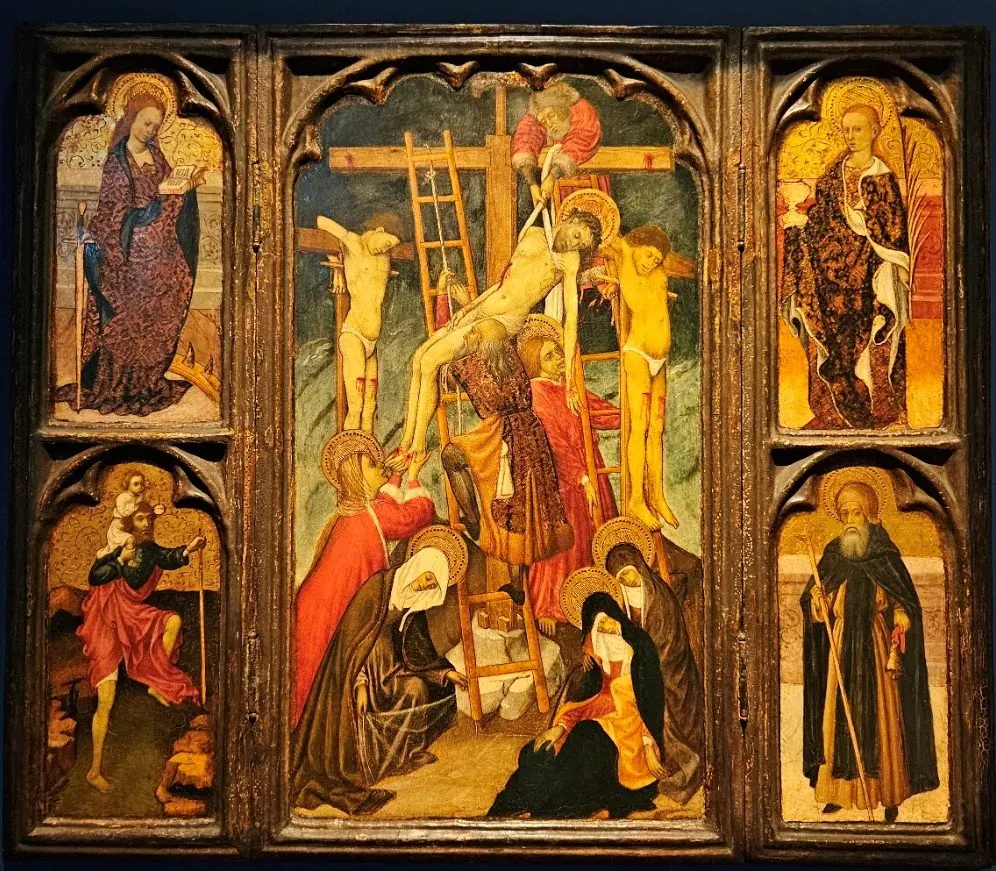 Triptych of the Descent from the Cross
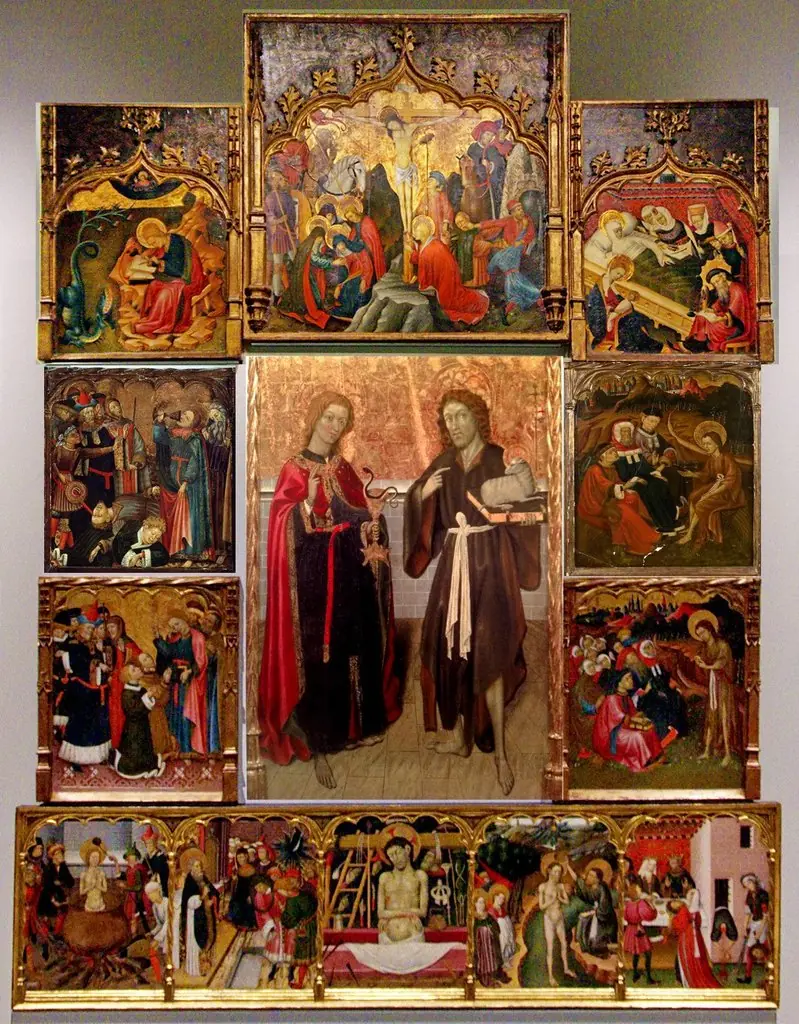 Altarpiece of the Saints John
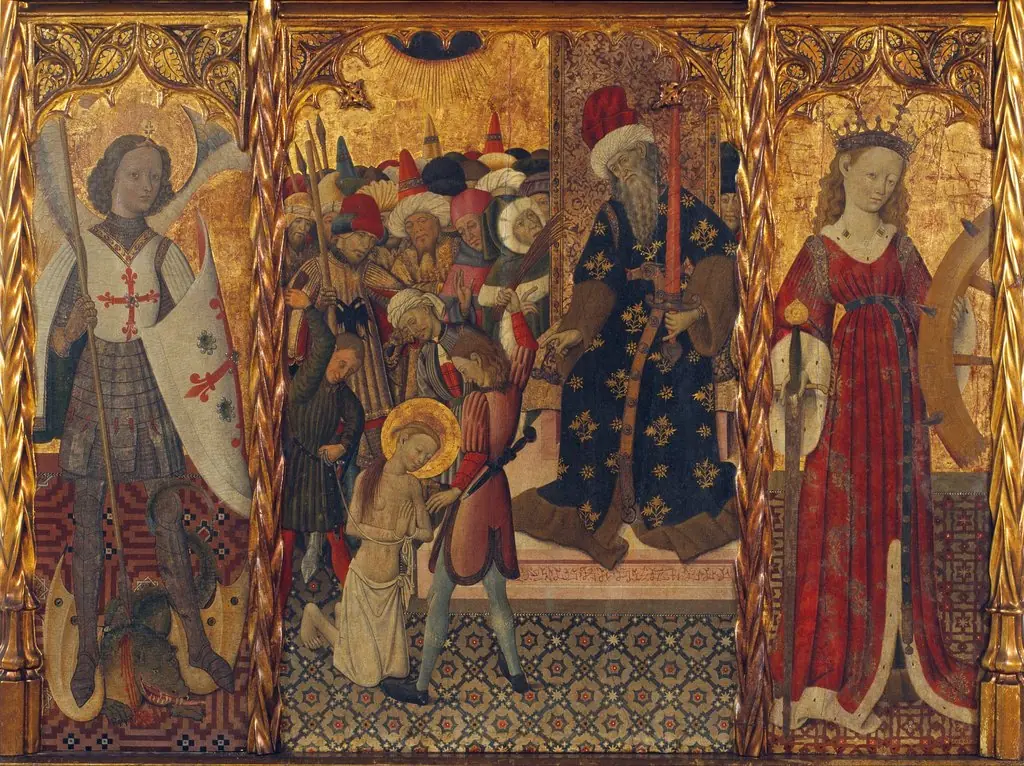 Saint Michael, Martyrdom of Saint Eulalia and Saint Catherine
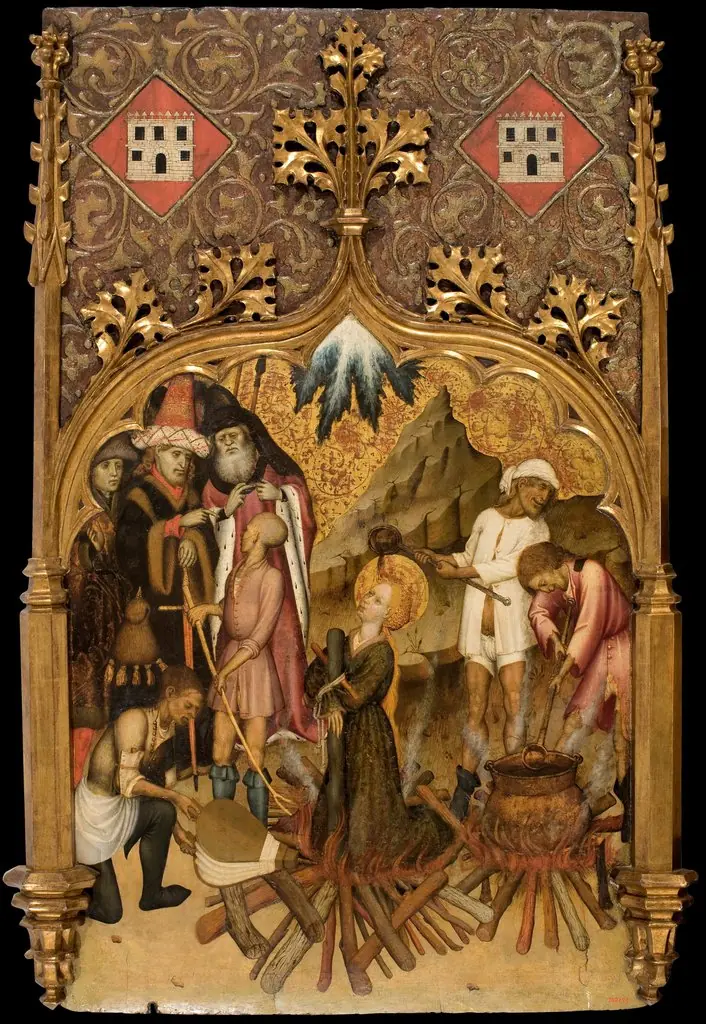 Martyrdom of Saint Lucy
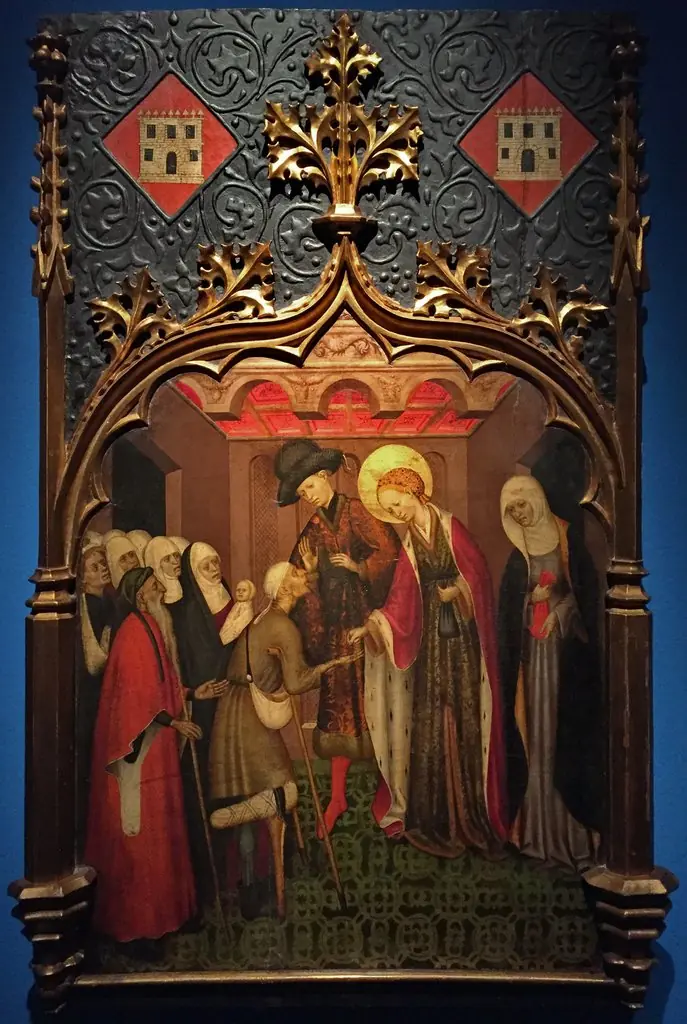 Santa Llúcia repartint almoines
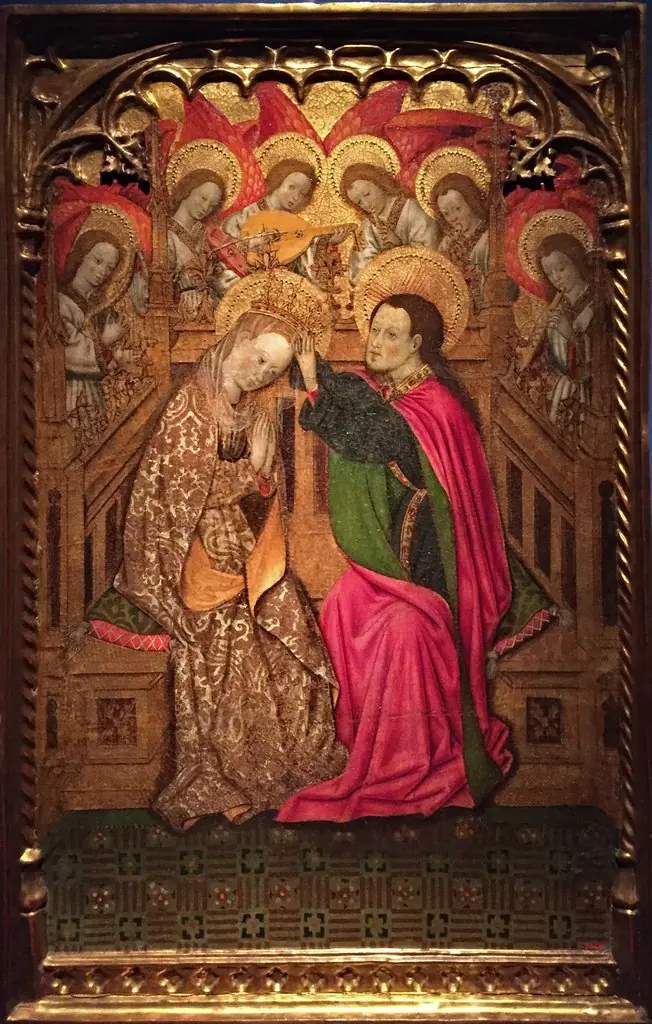 Coronació de la Mare de Déu amb àngels músics
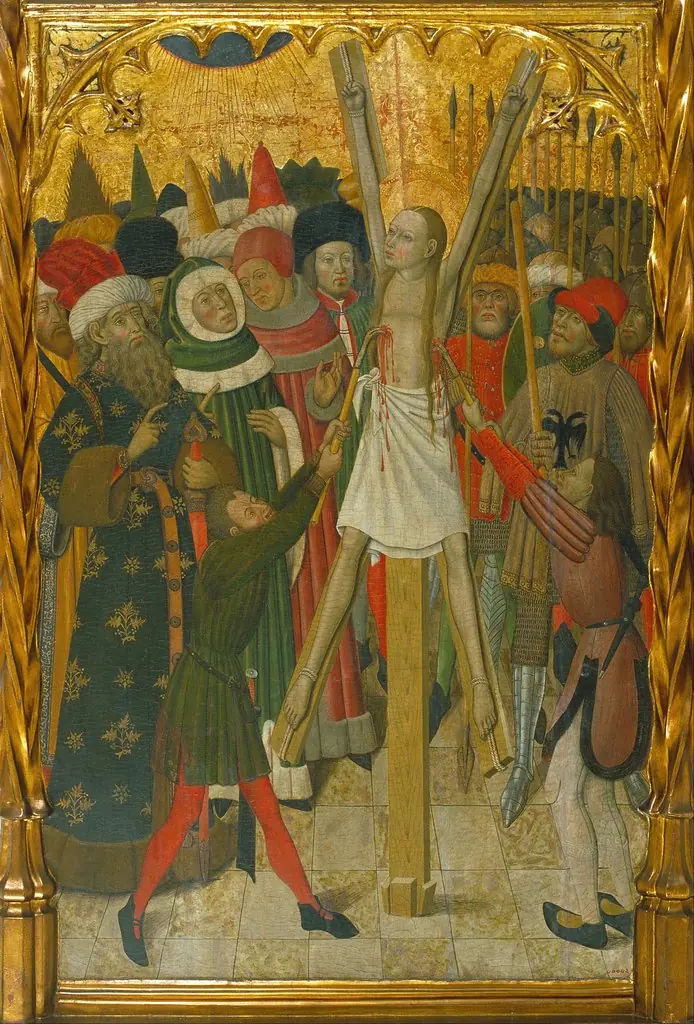 Martyrdom of Saint Eulalia
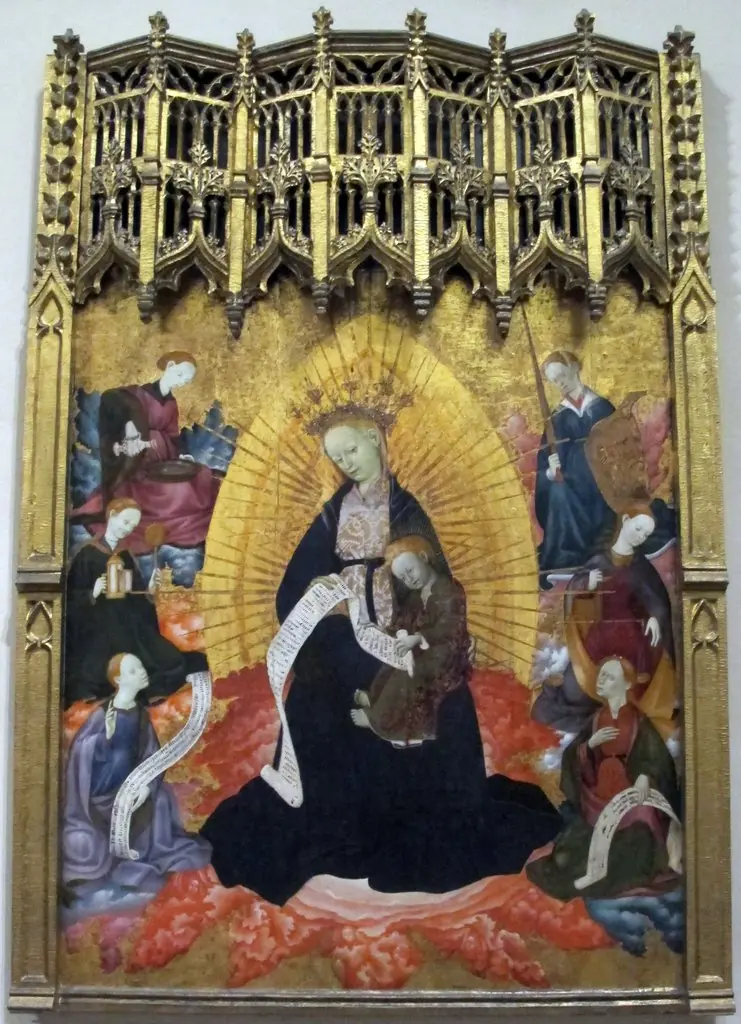 Enthroned Virgin and Child, with the Cardinal Virtues and Two Figures Holding Scrolls