Artwork
Untitled
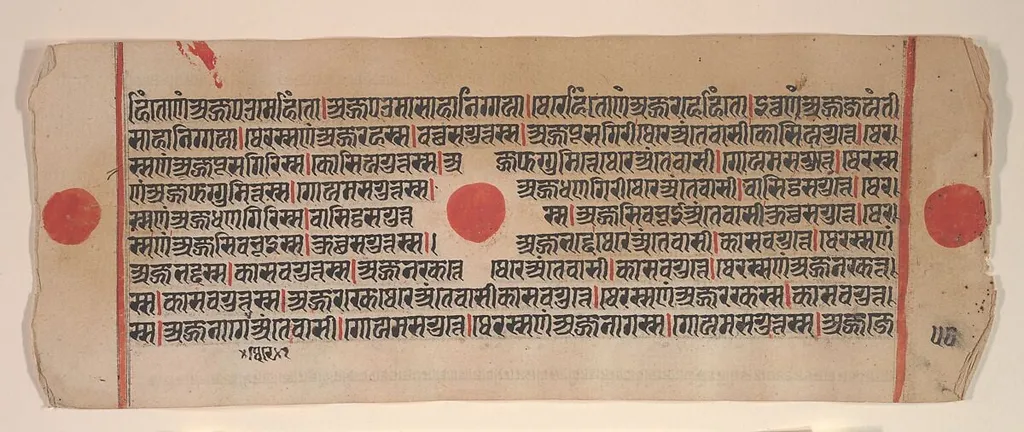
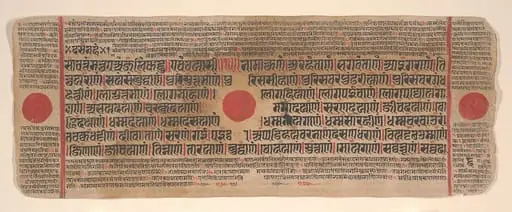
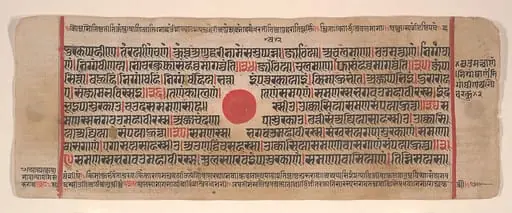
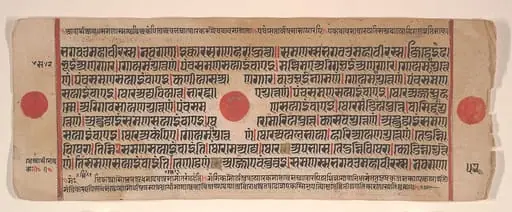
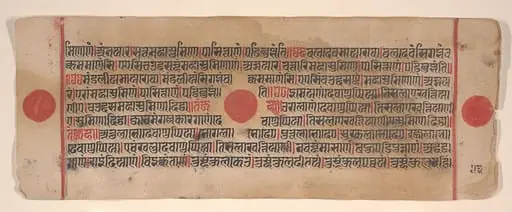
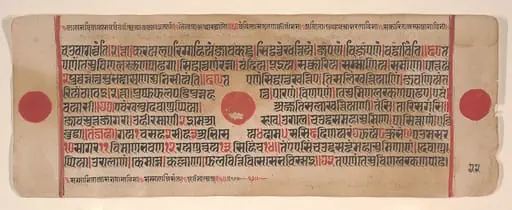
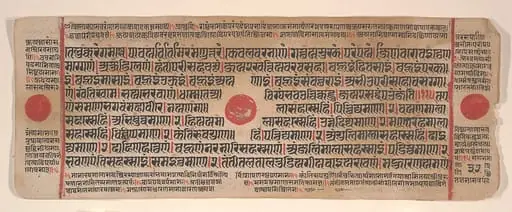
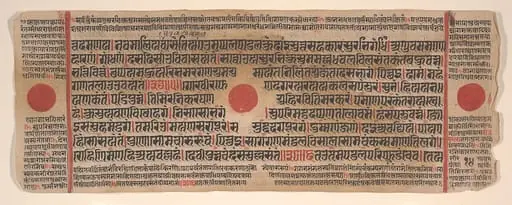
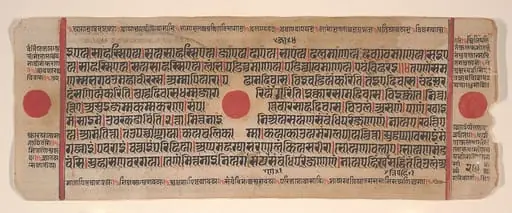
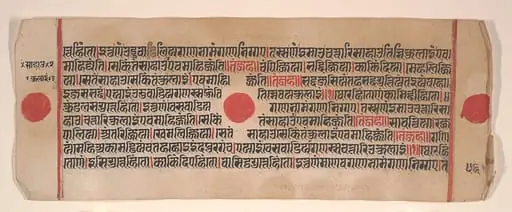
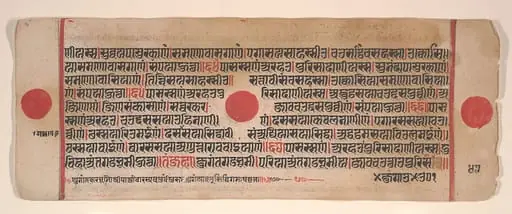
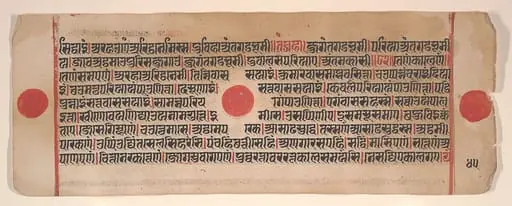
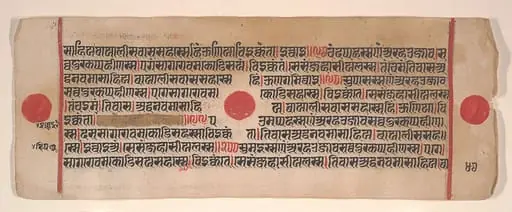
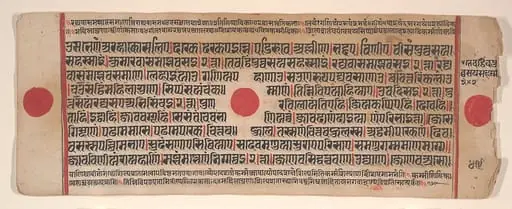
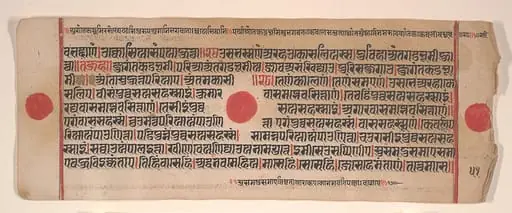
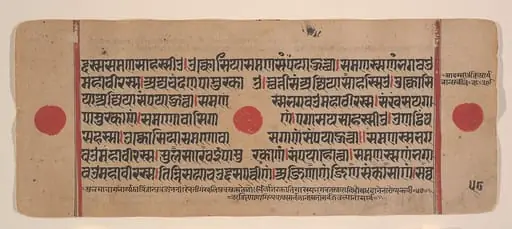
Untitled is a watercolor painting by the Indian Miniature artist Bhadrabahu. It dates from 1449 and is held in the collection of the Metropolitan Museum of Art.
About this work
Technique & Style
The application of gold alongside opaque pigments suggests a luminous surface quality designed to enhance the spiritual subject matter.
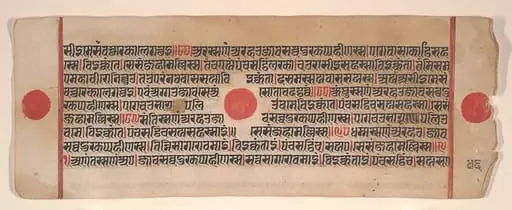
Created in 1449 by the artist Bhadrabahu in India, this religious painting depicts themes of Jainism. The work is executed on a paper support using a combination of ink, opaque watercolor, and gold. These materials are characteristic of the region's manuscript illumination traditions of the period.
The piece measures 11.4 cm in height and 28.9 cm in width, indicating a format likely intended for inclusion within a larger codex or as a standalone devotional leaf. The application of gold alongside opaque pigments suggests a luminous surface quality designed to enhance the spiritual subject matter. Currently held in the collection of the Metropolitan Museum of Art, the object is classified formally as a painting.
History & Provenance
This untitled work by Bhadrabahu was created in 1449, as recorded in both the institutional cataloguing and the Wikidata entry. It was produced in India, executed in ink, opaque watercolor, and gold on paper, and belongs to the religious genre, depicting Jainism. The painting is held in the collection of the Metropolitan Museum of Art, where it is identified by the accession number 57.51.38.60.
Beyond its present location and date of inception, the sources do not document the original commission, intermediate ownership, or any subsequent transfers prior to its acquisition by the museum.
Overview
This untitled painting, created by Bhadrabahu in 1449, is rendered with ink, opaque watercolor, and gold on paper. The artwork portrays a scene central to Jainism, featuring a revered holy man. Its small scale and vibrant palette contribute to its devotional character, inviting contemplation of its spiritual subject matter.
Subject & Meaning
The painting illustrates a Jain monk, identifiable by his white robes, seated peacefully beneath a tree. He is depicted in a state of spiritual tranquility, surrounded by both animals and human disciples. This imagery reflects the Jain principle of renunciation and non-violence, emphasizing the monk's detachment from worldly possessions and his harmonious connection with all living beings.
Artist & collection