Artwork
Garzia de' Medici
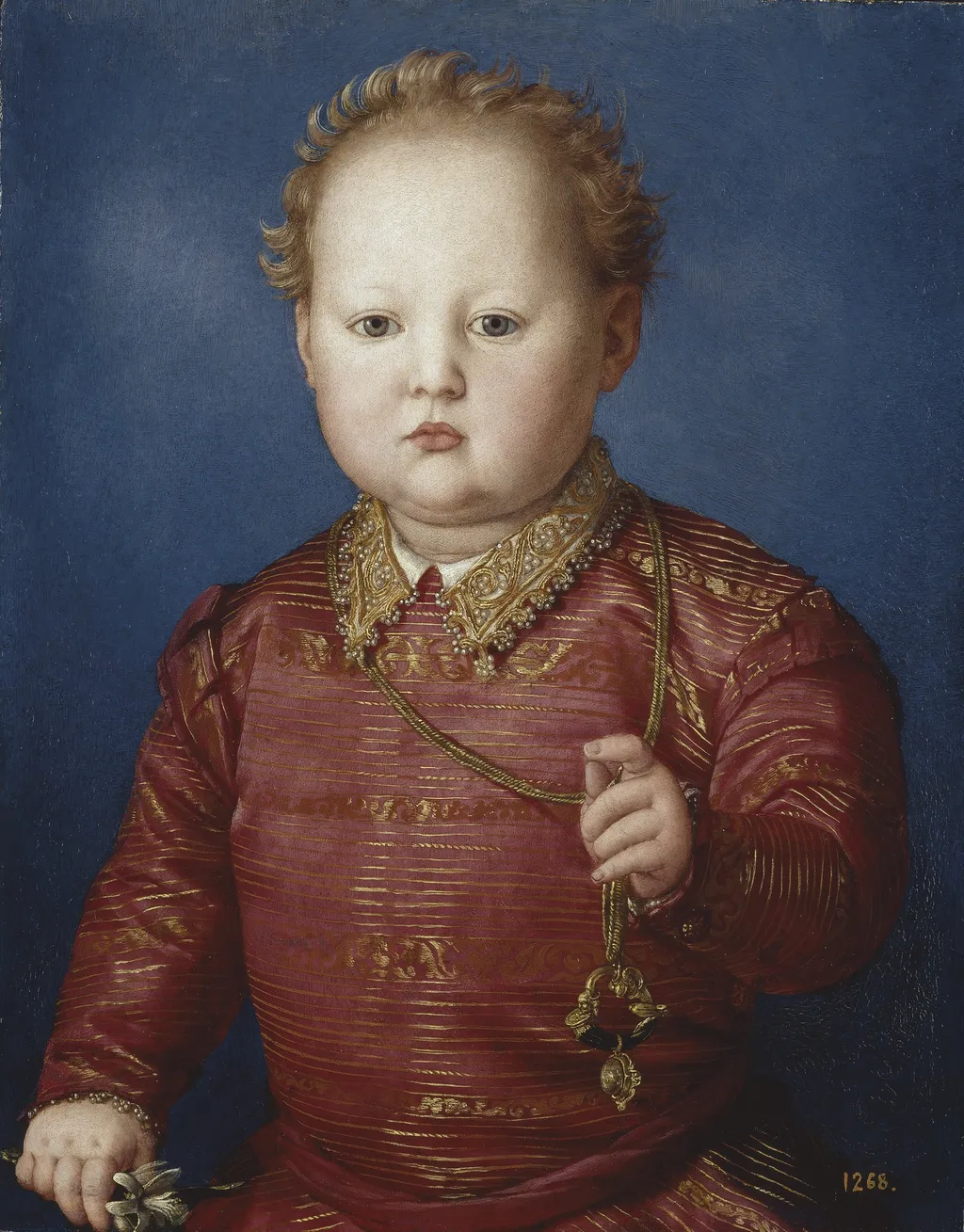
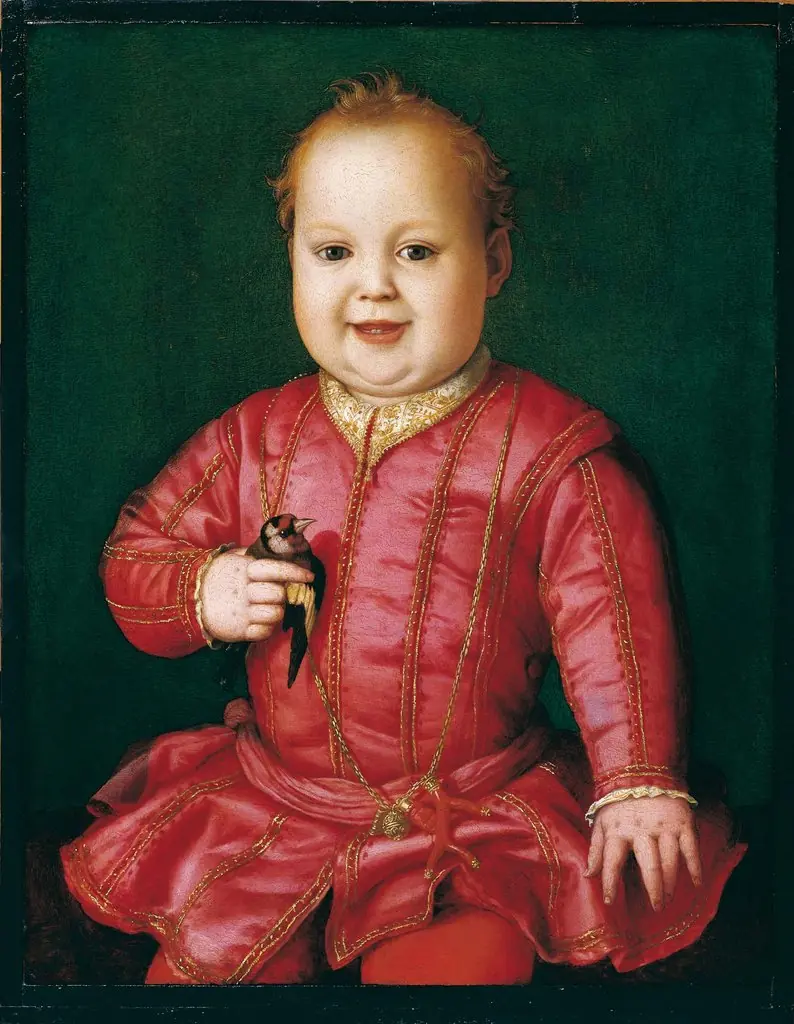
Garzia de' Medici is an oil painting by the Mannerist artist Bronzino. It dates from 1550 and is held in the collection of the Museo del Prado.
About this work
Technique & Style
The portrait of Garzia de’ Medici is executed in oil on a poplar panel, measuring 48 cm in height and 38 cm in width.
The portrait of Garzia de’ Medici is executed in oil on a poplar panel, measuring 48 cm in height and 38 cm in width. Bronzino renders the child’s head and shoulders with smooth, enamel-like modeling, emphasizing the porcelain-like surface of the flesh and the crisp detailing of costume and jewelry. The handling combines precise linear definition with subtle tonal transitions, particularly in the face, where delicate glazes articulate the soft contours of youth and the luminous quality of the skin.
The dark, neutral background isolates the figure, while the sitter’s direct gaze and composed posture align with Florentine court portraiture conventions of the mid-sixteenth century.
History & Provenance
The portrait of Garzia de’ Medici is dated 1550 and attributed to Agnolo di Cosimo, known as Bronzino. The work entered the holdings of the Museo del Prado in Madrid, where it remains today. The painting depicts the young Garzia de’ Medici, the third son of Cosimo I de’ Medici, Grand Duke of Tuscany, and is recorded as a portrait in oil on panel measuring 48 cm in height and 38 cm in width.
The portrait of Garzia de' Medici by Bronzino is held in the collection of the Museo del Prado in Madrid. Created in 1550, this oil-on-panel work is part of the museum's permanent holdings. While the specific inventory or accession number is not detailed in the provided records, the painting remains a significant item within the Prado's collection of Renaissance portraits.
Context
Bronzino's 1550 portrait of Garzia de' Medici, housed in the Museo del Prado, was created as a memorial to the young courtier who died in 1543. Its restrained elegance and psychological intensity established a model for aristocratic portraiture across European courts, influencing later generations of court painters who sought to combine moral gravity with refined visual poise.
Legacy
Bronzino's portrait of Garzia de' Medici, painted in 1550, remained in the Museo del Prado collection throughout the 20th century and was featured in the major Prado retrospective of Bronzino's work from 1988 to 1989. The painting's composition and psychological intensity influenced later portraitists who sought to emulate its restrained elegance and precise characterization, a legacy noted in scholarly studies of Mannerist portraiture.
Overview
Executed circa 1550, this oil portrait presents Garzia de' Medici, a young member of the Florentine ruling house. The figure is rendered against a flat blue backdrop, his curly hair framing a solemn gaze. He holds a gold chain, and his attire, a striped red‑gold shirt with an elevated collar, signals his aristocratic status.
Subject & Meaning
Garzia, son of Cosimo I, is depicted with a restrained demeanor typical of courtly representation, emphasizing lineage and decorum over overt emotion. The gold chain he grasps serves as a visual marker of wealth and familial authority, while his serious expression conveys the expectations placed upon a Medici heir in a politically charged environment.
Own this work as a print
Artist & collection
Artist
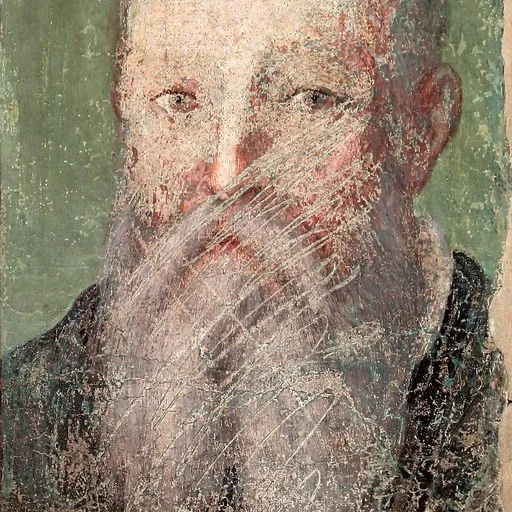
Agnolo di Cosimo (Italian:; 17 November 1503 – 23 November 1572), usually known as Bronzino (Italian: Il Bronzino ) or Agnolo Bronzino, was an Italian Mannerist painter from Florence.

 Portrait of Giovanni de' Medici as a Child
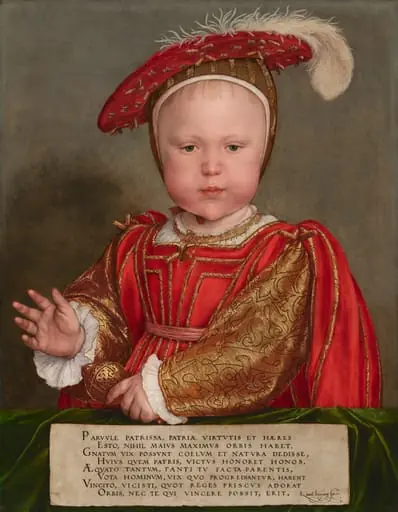 Edward VI as a Child
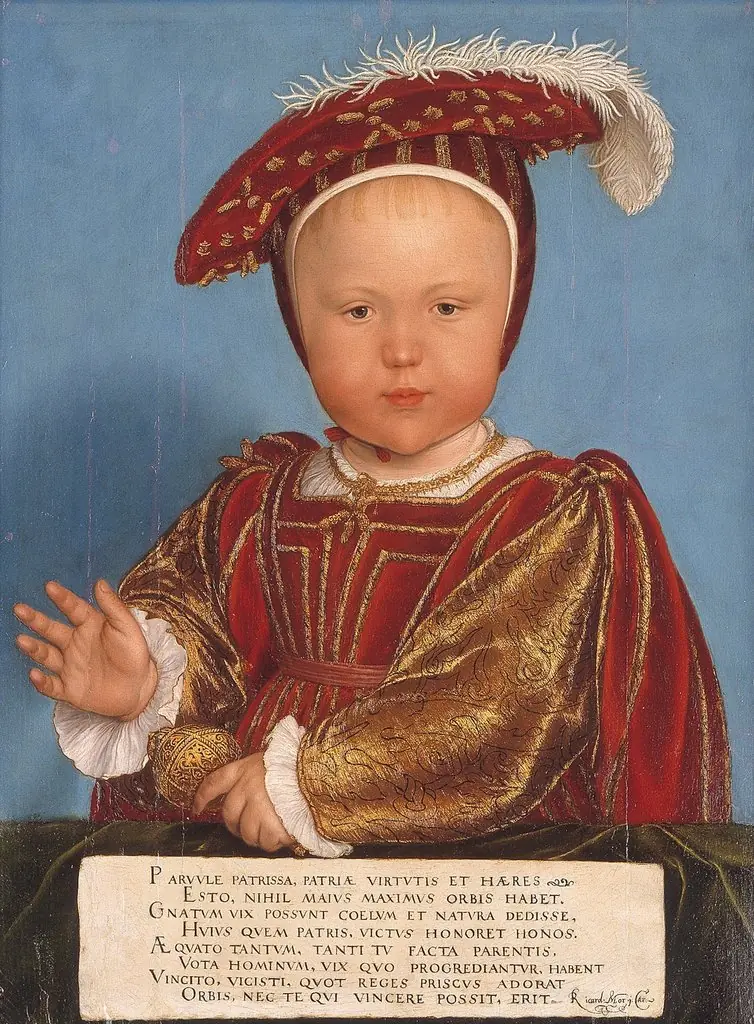 Edward, Prince of Wales, later King Edward VI
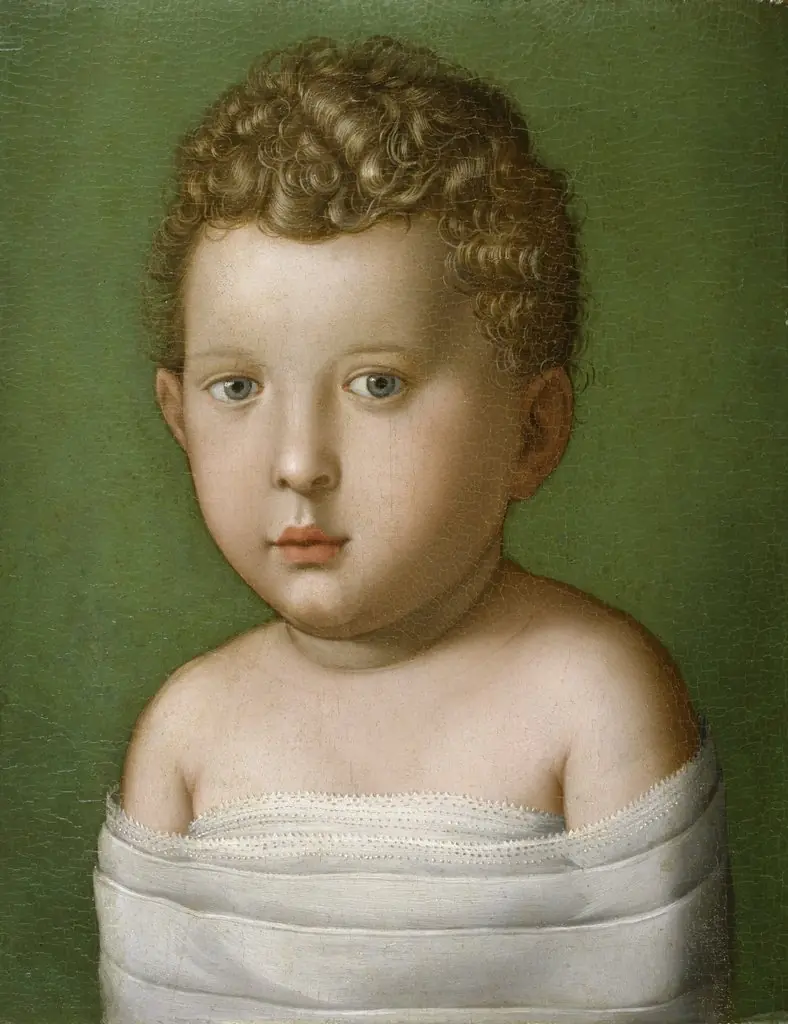 Portrait of a Baby Boy
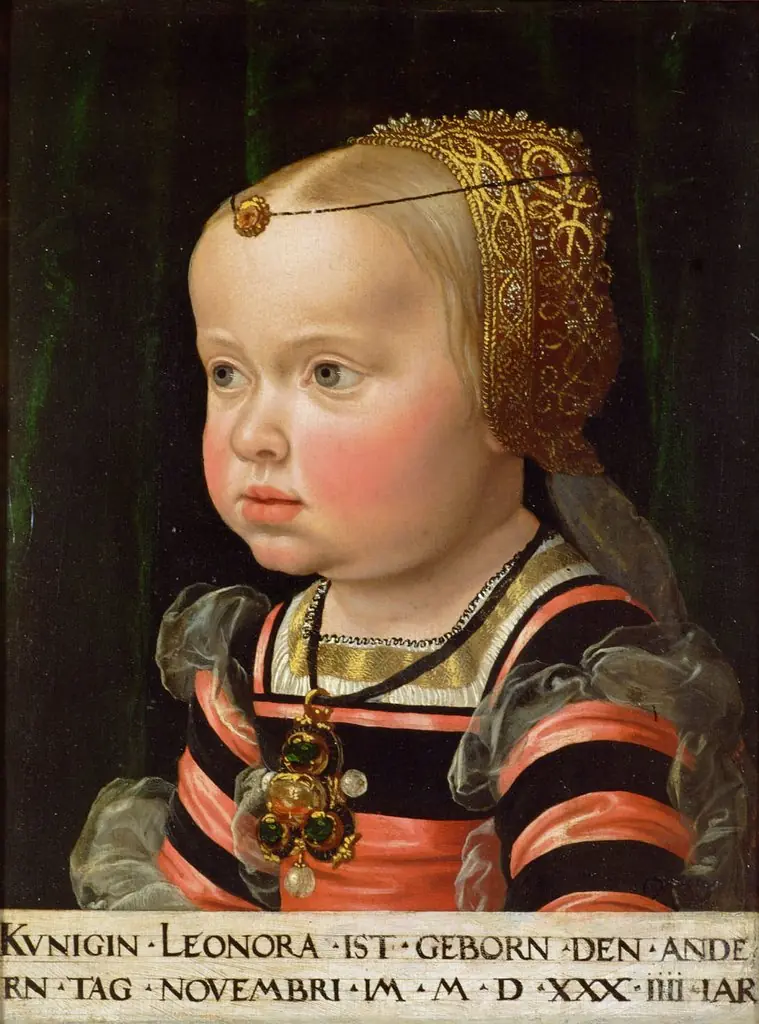 Erzherzogin Eleonore (1534-1594), Herzogin von Mantua als Zweijährige
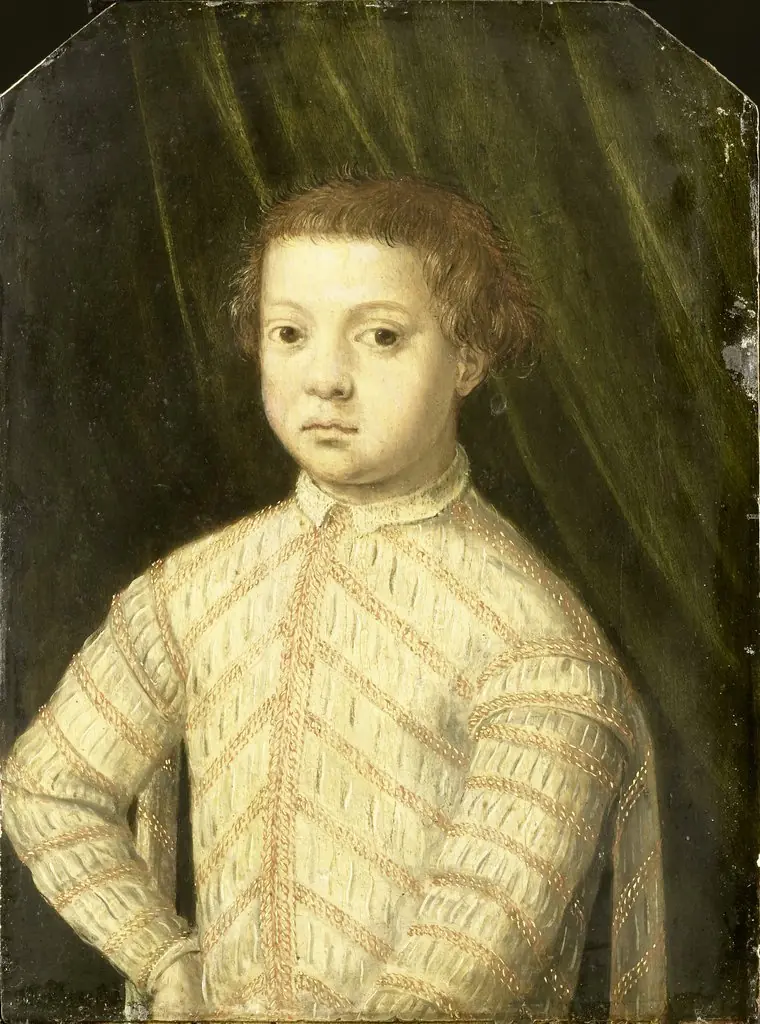 Portrait of a Boy, thought to be Giovanni de' Medici (1543-1562)
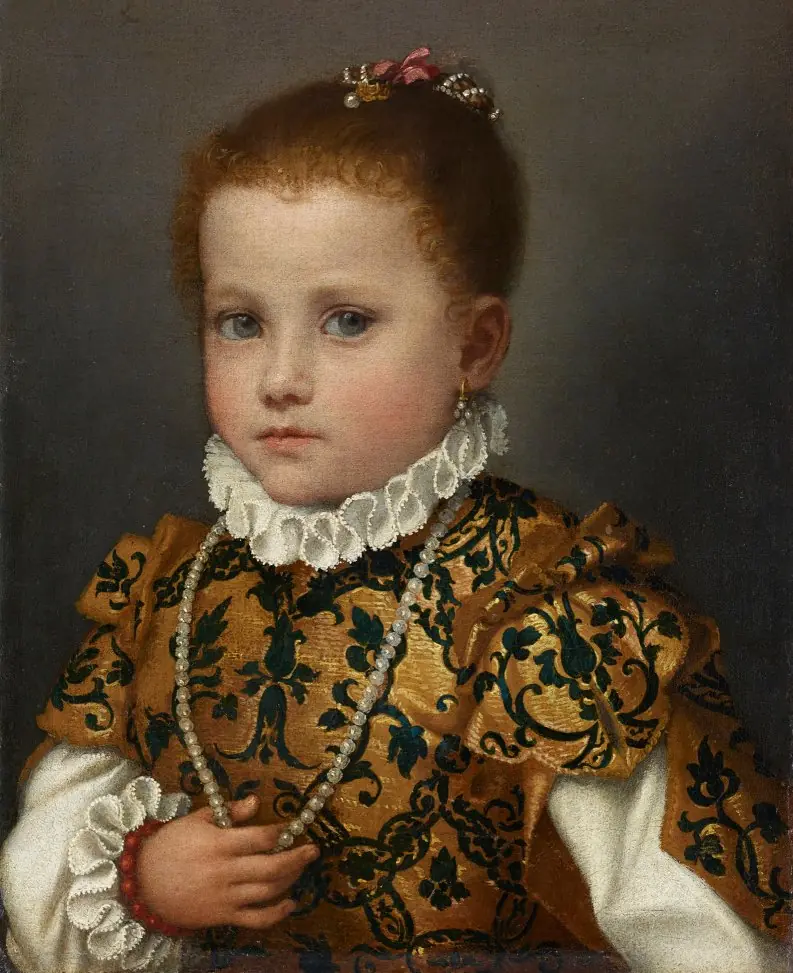 Portrait of a child of the House of Redetti
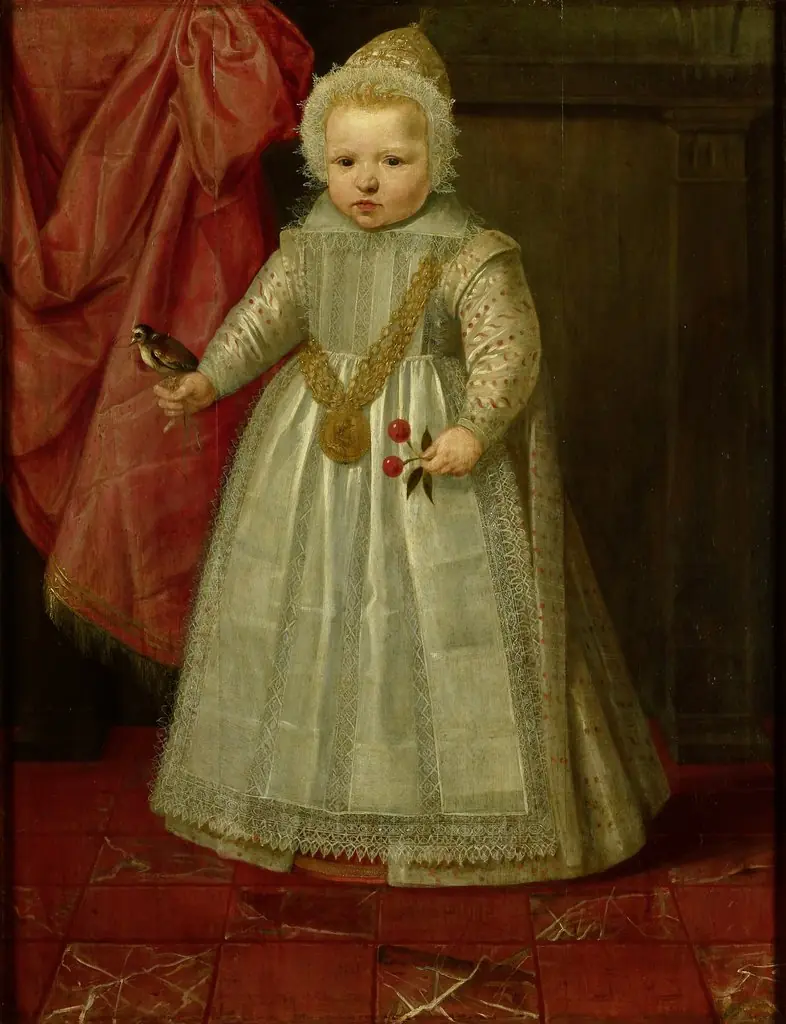 Portrait of a Boy, possibly Louis of Nassau, later Lord of Beverweerd, De Leck, Odijk and Lekkerkerk, Illegitimate Son of Maurice, Prince of Orange, and Margaretha van Mechelen
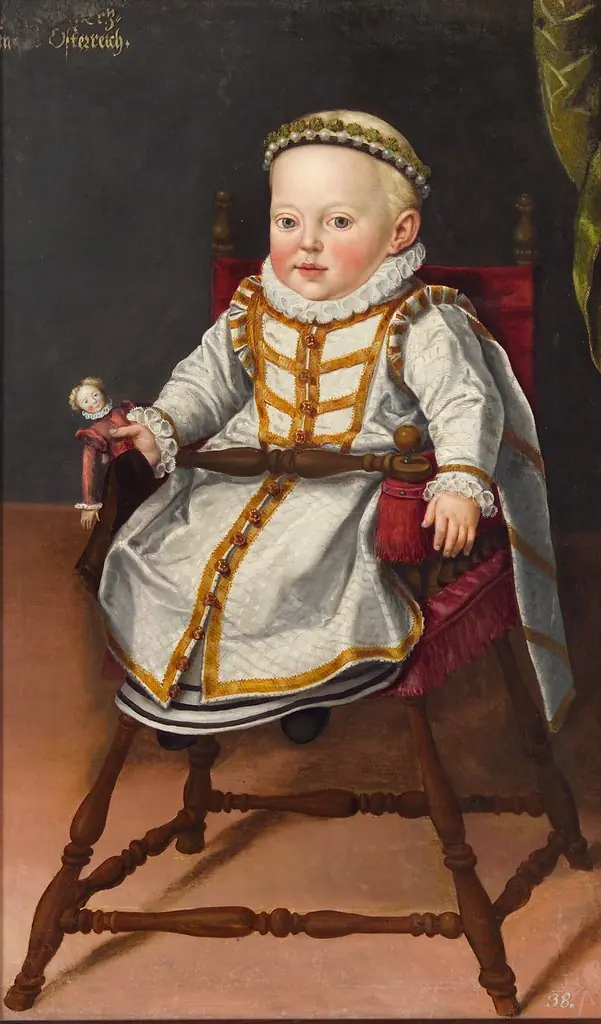 Erzherzogin Katharina Renea (1576-1595) im Alter von einem Jahr in einem Kindersessel sitzend mit einer Puppe
 Infanta Margarita Francisca, Daughter of Philip III