Artwork
Erzherzogin Claudia Felicitas (1653-1676)
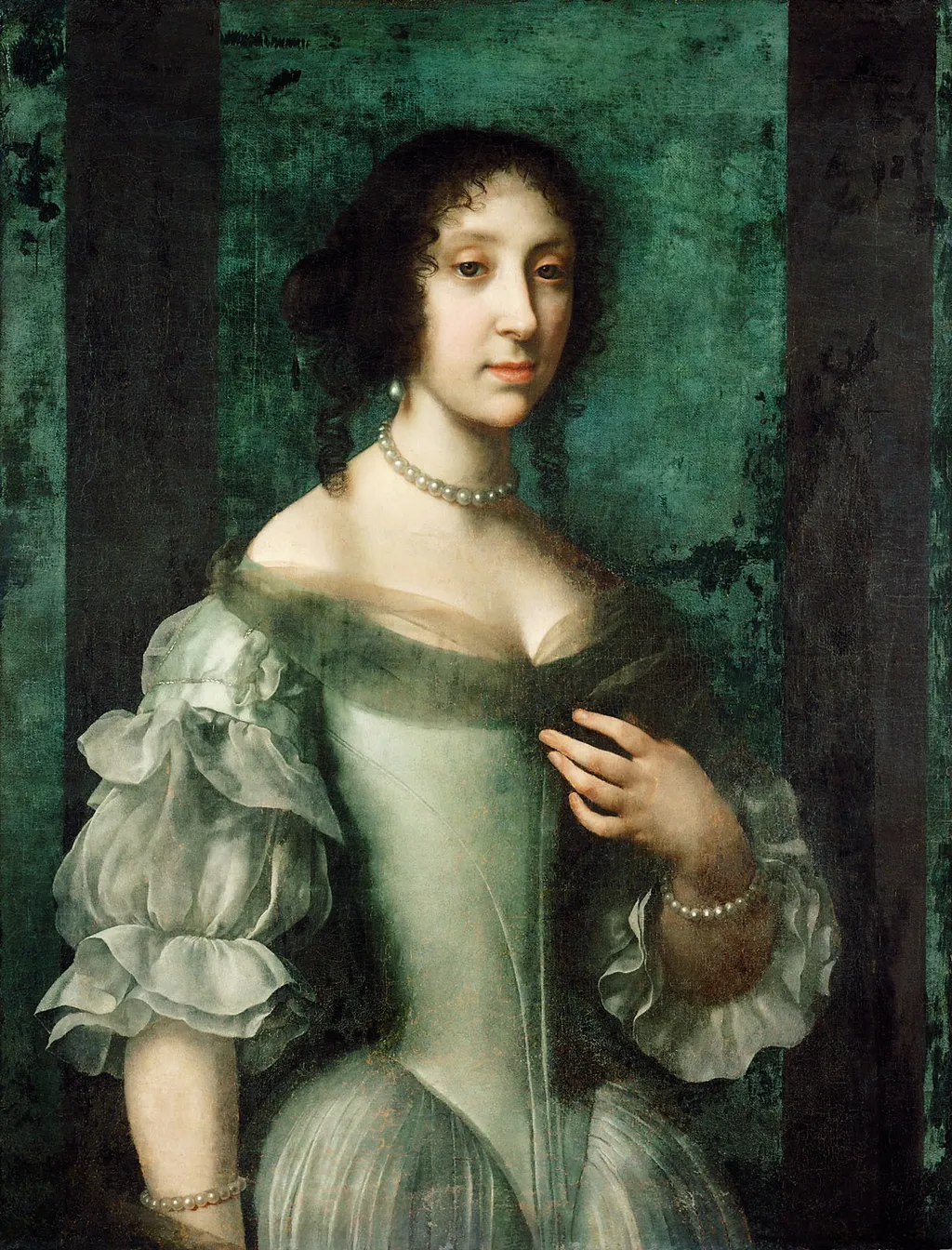
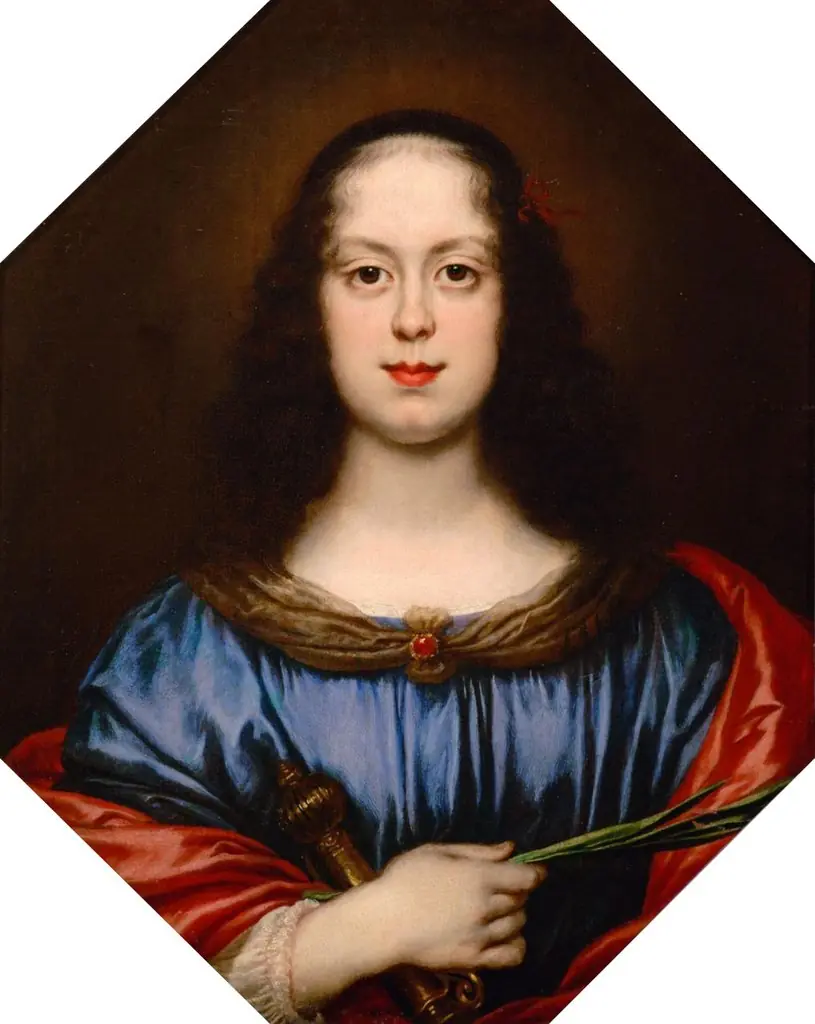
Erzherzogin Claudia Felicitas (1653-1676) is an oil painting by the Early Baroque Italian artist Carlo Dolci. It dates from 1672 and is held in the collection of the Kunsthistorisches Museum. This portrait, painted in 1672, depicts Erzherzogin Claudia Felicitas of Austria.
About this work
Technique & Style
The handling is characteristic of Carlo Dolci’s refined manner, with smooth, meticulous brushwork and a polished surface that emphasizes clarity and detail.
The portrait of Erzherzogin Claudia Felicitas is painted in oil on canvas and measures 90.5 cm in height by 69.5 cm in width.
The handling is characteristic of Carlo Dolci’s refined manner, with smooth, meticulous brushwork and a polished surface that emphasizes clarity and detail. The composition centers on the sitter’s face and upper torso, rendered with delicate transitions in flesh tones and a restrained palette dominated by soft, harmonious hues. The background is subdued, focusing attention on the subject’s poised expression and formal attire.
The work’s condition is not documented in the cited sources, and no specific material anomalies are reported.
History & Provenance
The oil painting portrait of Claudia Felicitas of Austria was created by Carlo Dolci in 1672 as a commissioned work for the Viennese court, reflecting the Habsburg dynasty's patronage of the arts during the Baroque period. It entered the collection of the Kunsthistorisches Museum in Vienna shortly after its completion and has remained part of the museum's permanent holdings since its acquisition. The work measures 90.5 cm in height and 69.5 cm in width, and depicts the Archduchess Claudia Felicitas as she appeared in her mature years, capturing her status and influence within the imperial family.
The painting's provenance is well documented, tracing its ownership from the immediate post‑creation period in the Habsburg household to its formal accession by the Kunsthistorisches Museum, where it continues to be displayed in the portrait gallery.
The portrait of Archduchess Claudia Felicitas is held in the collection of the Kunsthistorisches Museum. Executed in oil on canvas, the work measures 90.5 cm in height and 69.5 cm in width. While the painting was created in 1672, the available records do not list specific inventory numbers or detail any past exhibitions for this piece.
Legacy
The portrait of Claudia Felicitas by Carlo Dolci, painted in 1672, became a model for aristocratic portraiture in later centuries, influencing court artists across Europe through its dignified composition and psychological depth. Reproductions of the work circulated widely in the 18th and 19th centuries, particularly through engravings that disseminated its iconography beyond the Habsburg circles. The painting remains a key reference point in studies of Baroque portraiture and Habsburg dynastic imagery, frequently cited in art historical literature on the period.
The work is housed in the Kunsthistorisches Museum in Vienna, where it is part of the permanent collection and regularly featured in exhibitions on Baroque art and Habsburg heritage.
Overview
This portrait, painted in 1672, depicts Erzherzogin Claudia Felicitas of Austria. Created by Carlo Dolci, it is an example of early Italian Baroque painting and is now held in the Kunsthistorisches Museum.
Subject & Meaning
The subject is Claudia Felicitas, an Austrian archduchess who died in 1676, four years after the portrait was painted. She is shown in a relaxed pose, wearing a light green dress and jewelry, including a pearl necklace.
Own this work as a print
Artist & collection
Artist
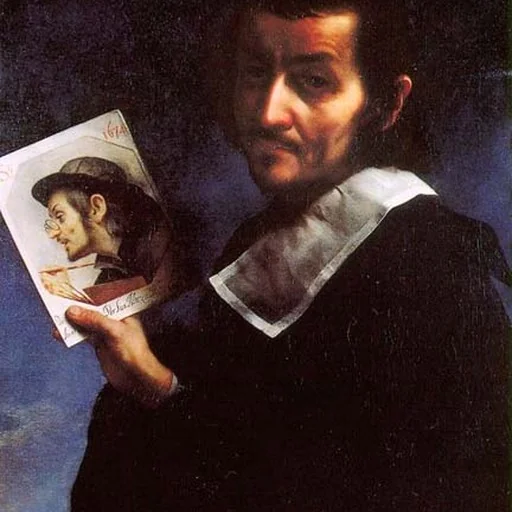
Carlo (or Carlino) Dolci (25 May 1616 – 17 January 1686) was an Italian Baroque painter active mainly in Florence, known for highly finished religious pictures, often repeated in many versions.

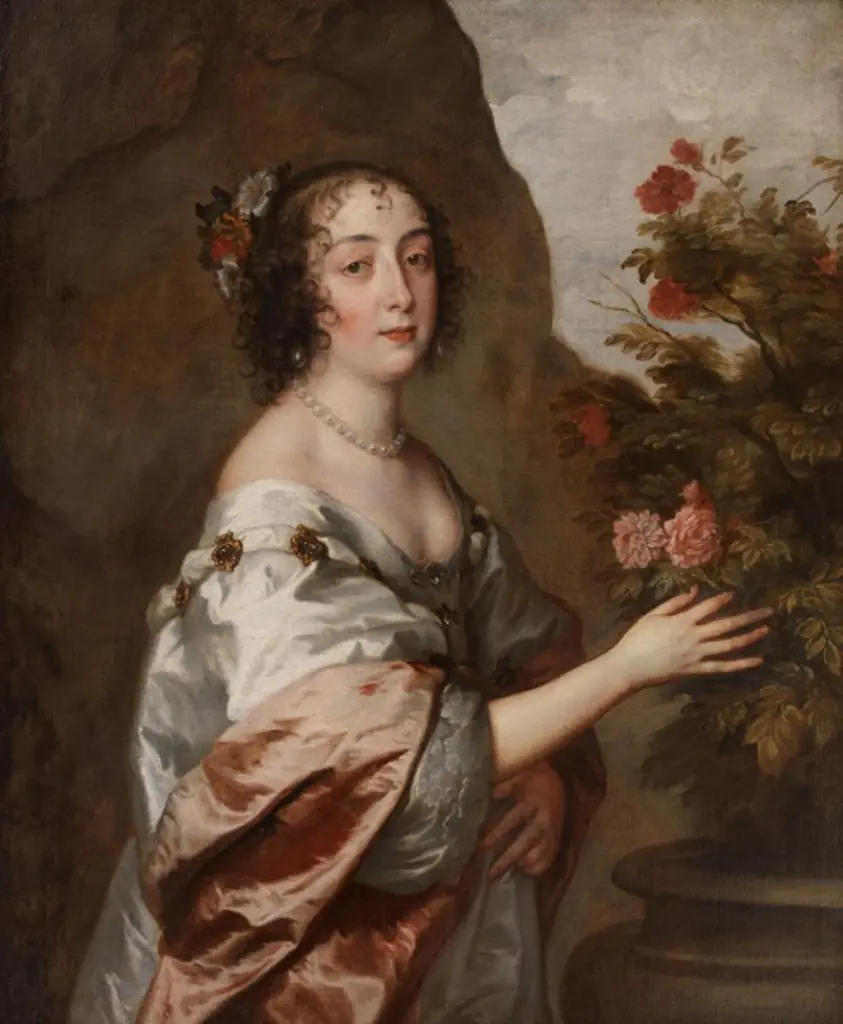
- Barbara Villiers, Duchess of Cleveland
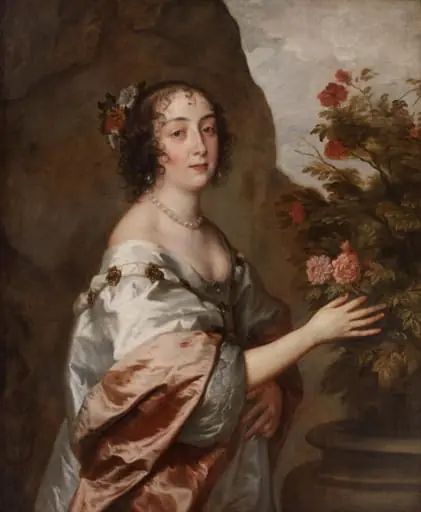
 Portræt af en kvinde som Flora
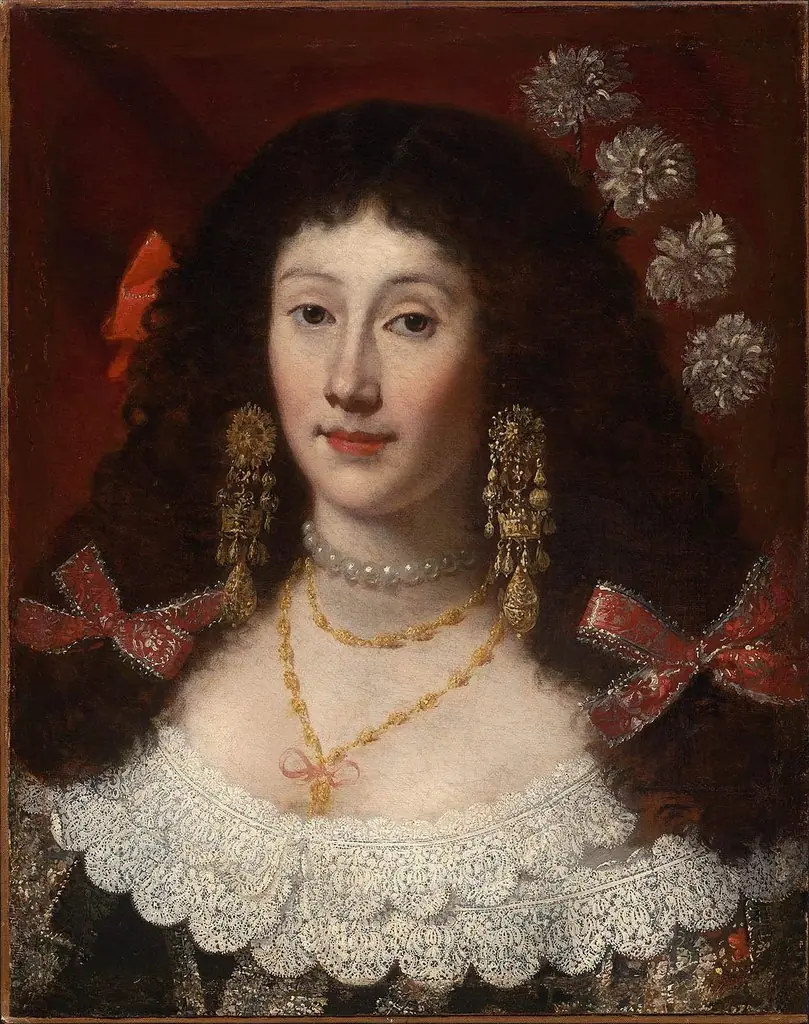
 Portrait of a Lady
 Portrait of a Woman
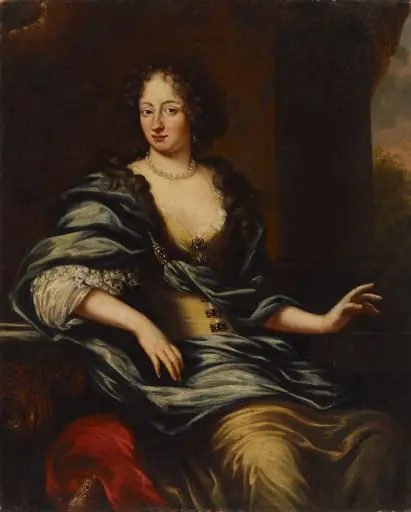 Kuningatar Ulrika Eleonora vanhempi
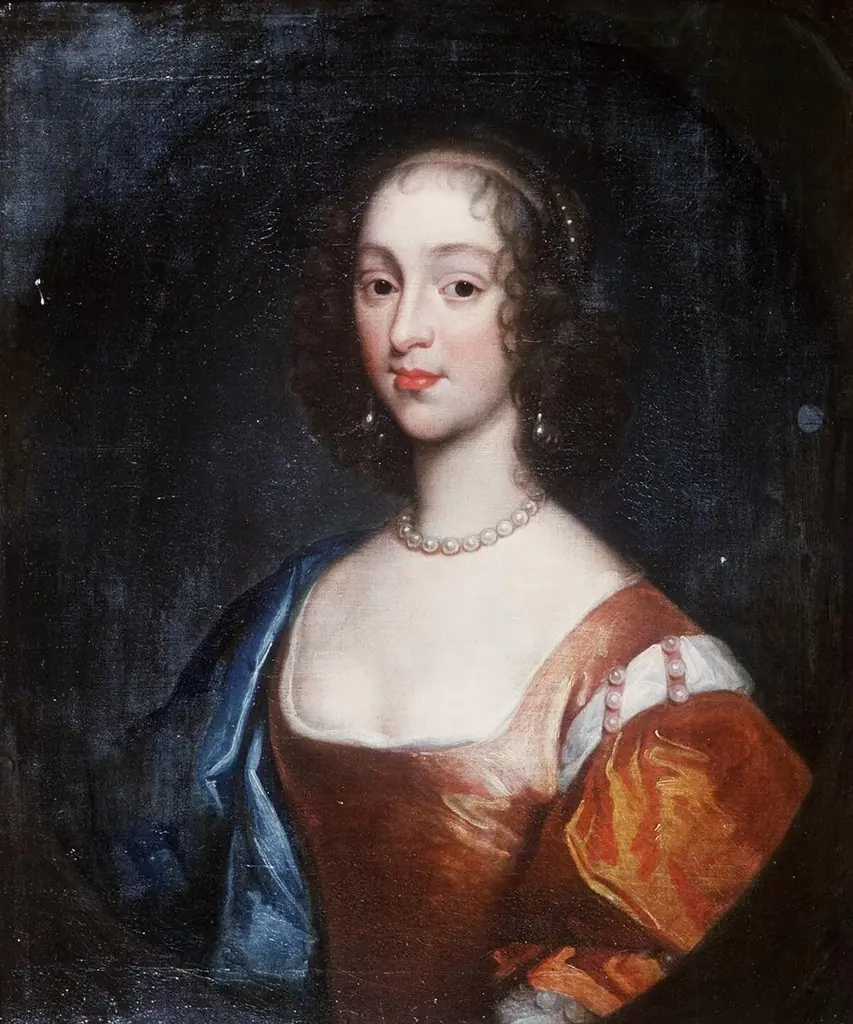 Wife of David Lloyd
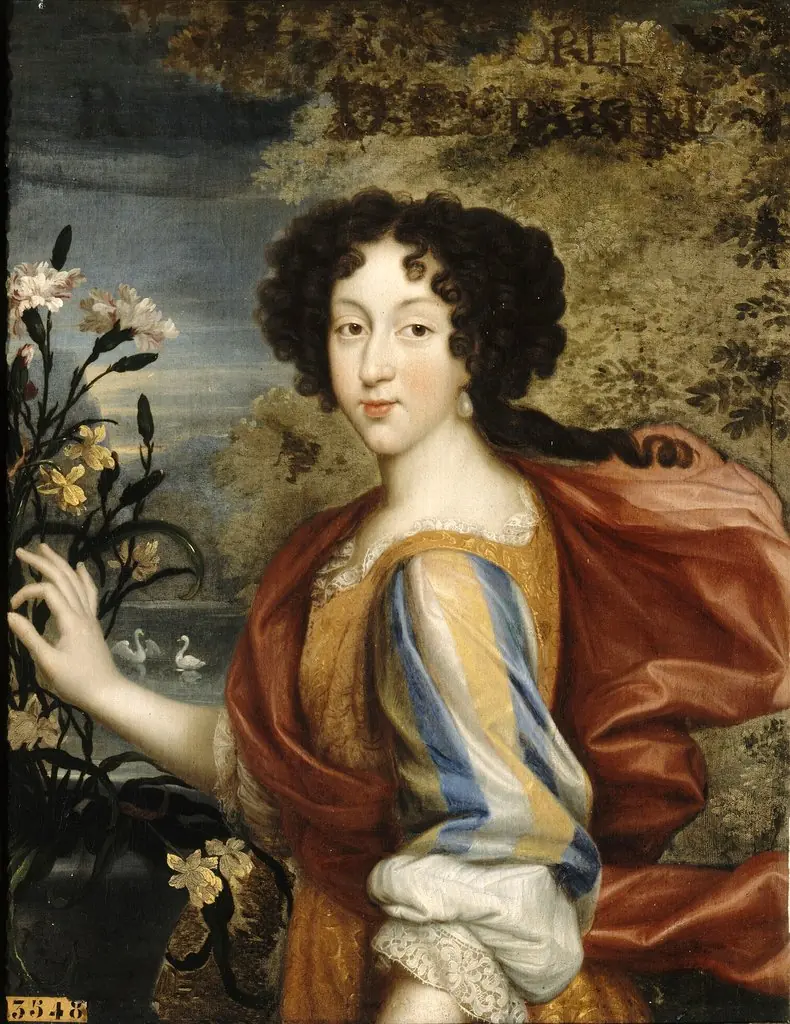 Portrait of Marie Louise d'Orléans (1662–1689)
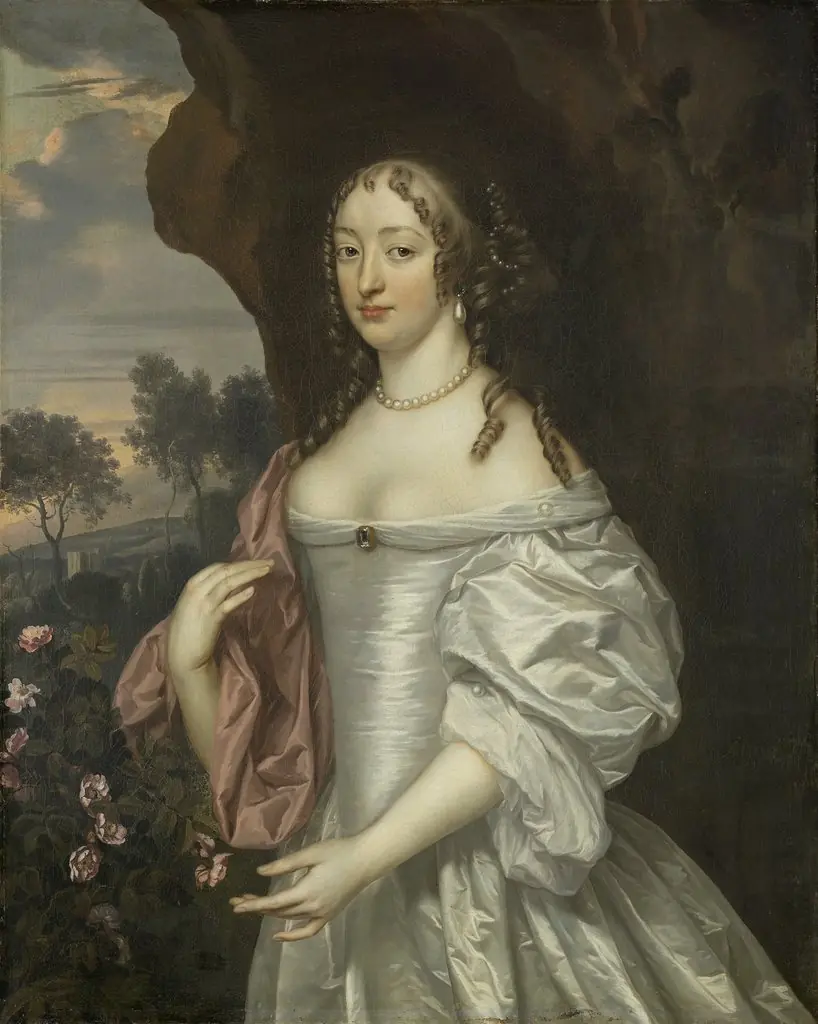 Jacoba van Orliens (1643-91). Wife of Jacob de Witte van Haamstede
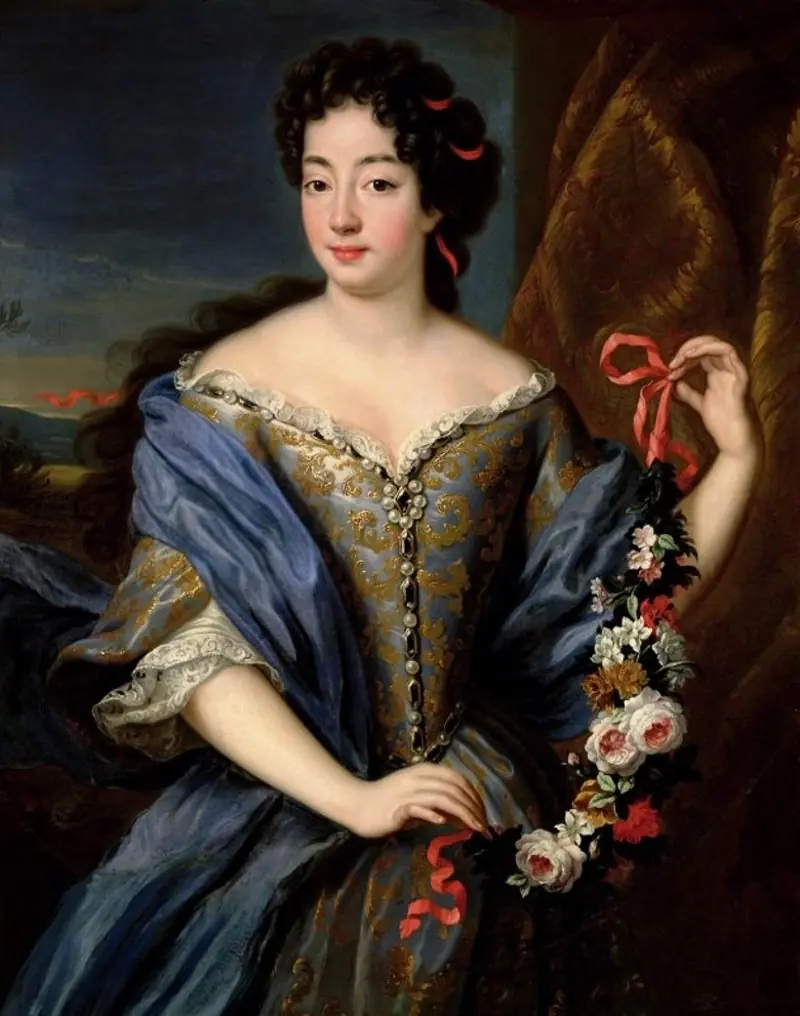 Anne de Bavière, princesse de Condé
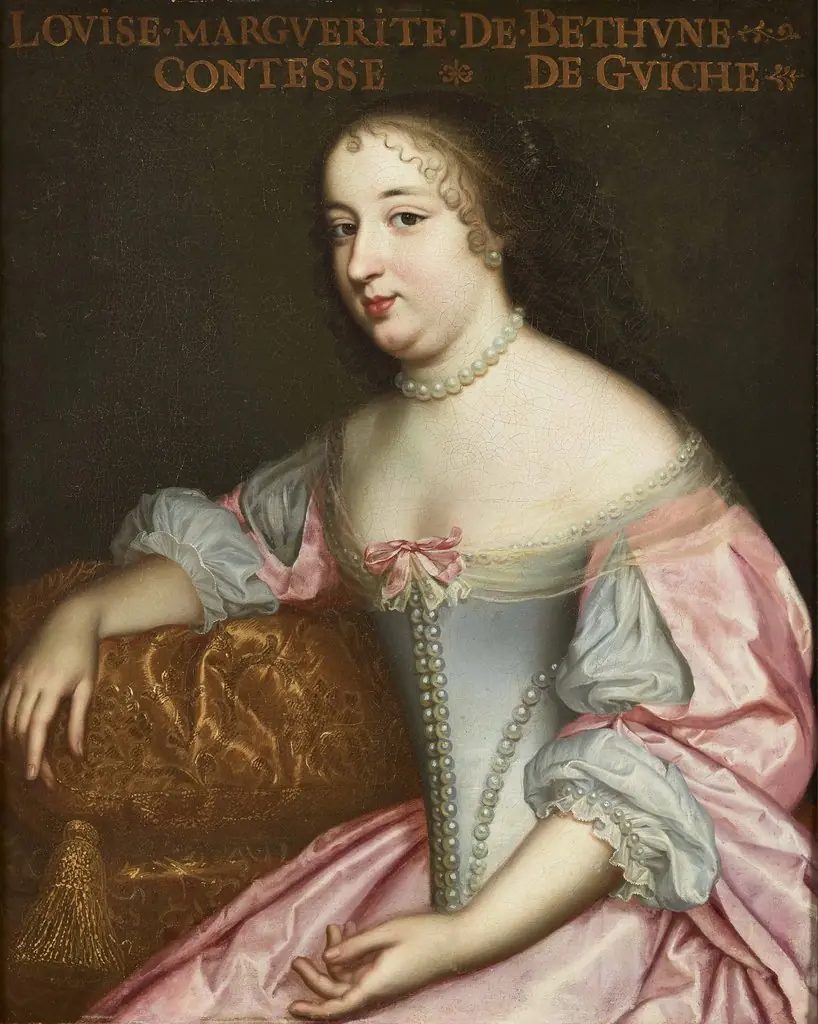 Portrait of Marguerite-Louise-Suzanne de Bethune Sully, Duchess of Lude
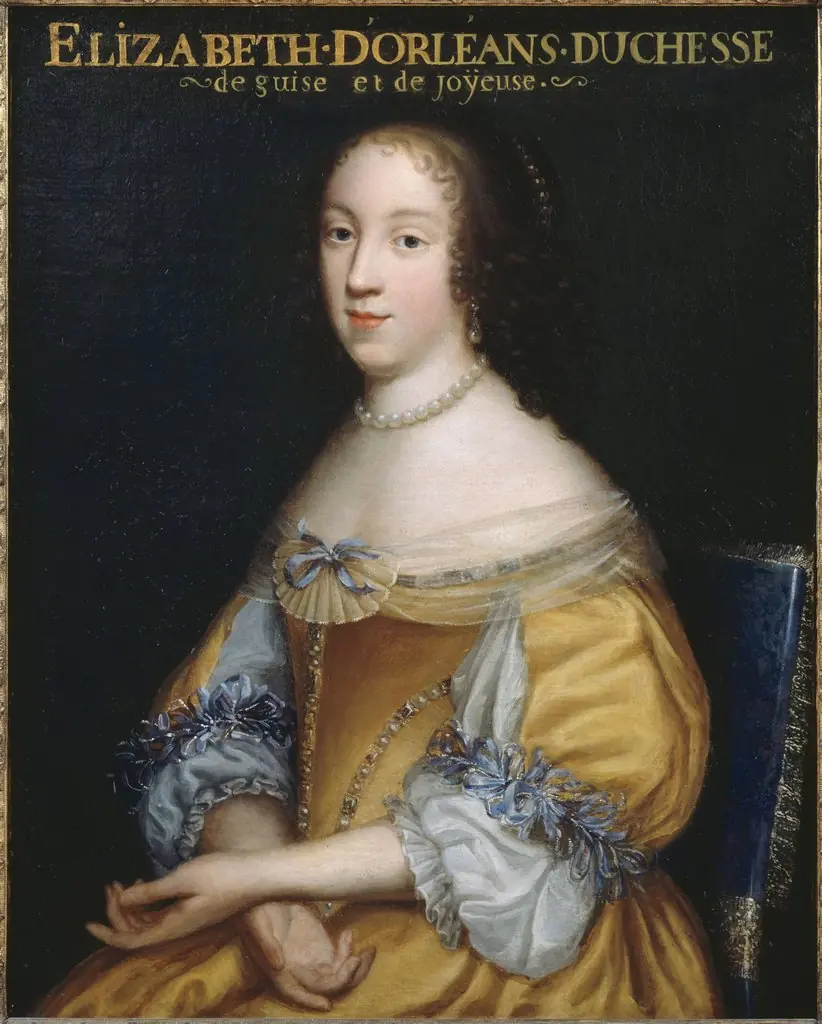 Elisabeth of Orleans, Duchess of Guise
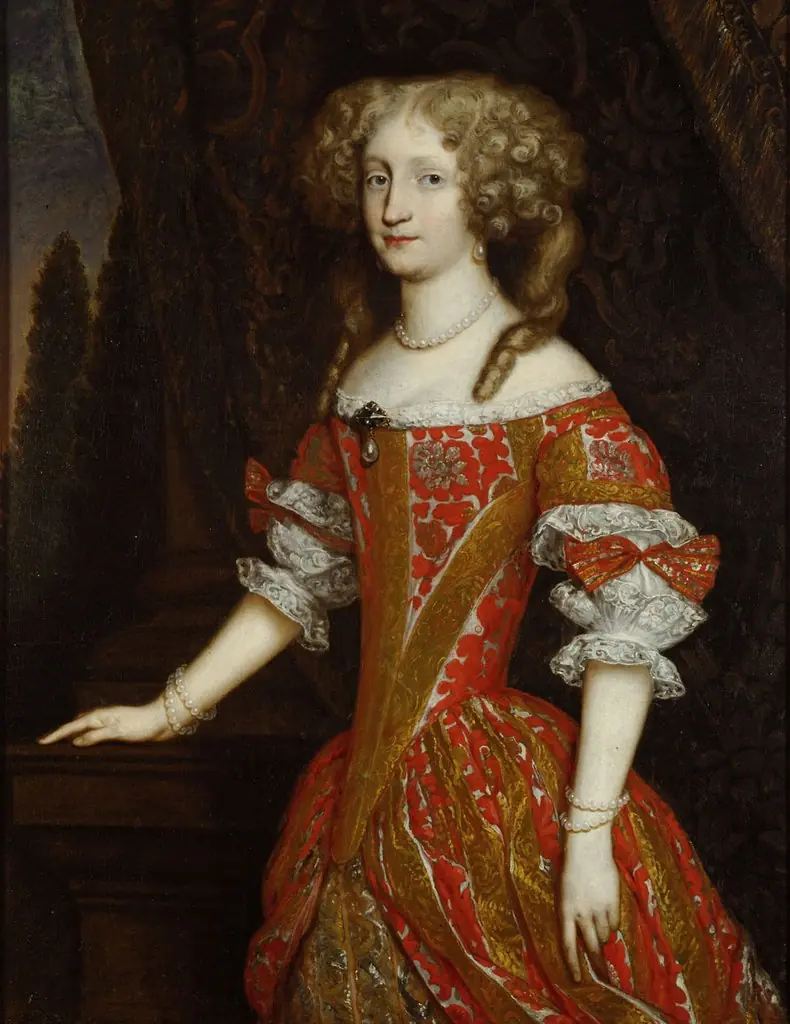 Eleonore Magdalena (1655-1720) von Pfalz - Neuburg, Kaiserin, Kniestück