Artwork
Slaves' Dance - Saukie
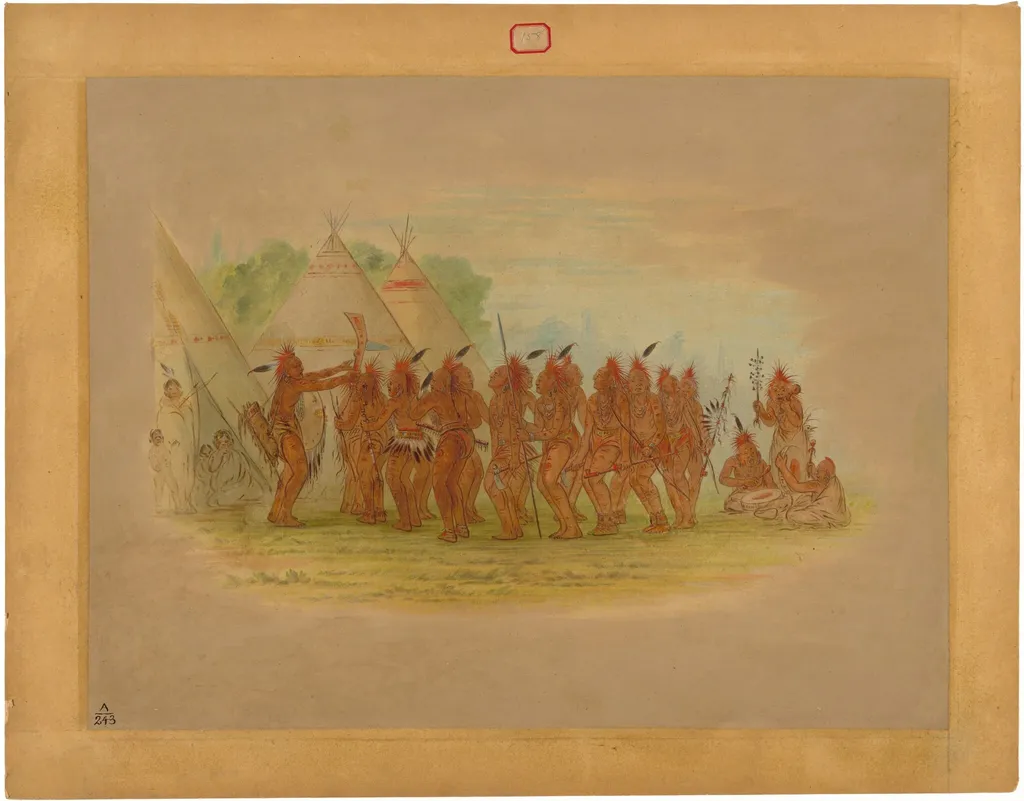
Slaves' Dance - Saukie is an oil painting by the Impressionist artist George Catlin. It dates from 1861 and is held in the collection of the National Gallery of Art. Created in 1861, Slaves’ Dance – Saukie is an oil painting executed on a thin card that has been mounted on paperboard.
- Inscription
- Inscribed:lower center: Geo. Catlin 1861
About this work
George Catlin painted three Black men dancing under a tree. Their clothes look loose and wild. One lifts his foot high. The tree’s leaves glow in the bright light.
This was made in 1861, the year the U.S. Civil War started. The scene feels free but tense. It’s oil on a thin board, not a big canvas.
Look for more by Catlin, George at the National Gallery of Art, Washington.
Technique & Style
Slaves' Dance - Saukie is executed in oil on card mounted on paperboard, a support combination typical of Catlin's small-scale documentary works.
Slaves' Dance - Saukie is executed in oil on card mounted on paperboard, a support combination typical of Catlin's small-scale documentary works. The painting measures 46.8 by 61 centimeters, a modest horizontal format suited to its genre-scene subject. Its 1861 date places it within Catlin's mature output of Native American life scenes. The work is held in the collection of the National Gallery of Art in Washington, D.C.
History & Provenance
George Catlin painted Slaves' Dance - Saukie in 1861, creating an oil on card work mounted on paperboard measuring 46.8 by 61 centimeters. The painting descended through Catlin's daughters, Clara Gregory Catlin, Louise Catlin Kinney, and Elizabeth Wing Catlin, before being acquired by the American Museum of Natural History in 1912. It was purchased by Paul Mellon in 1959 via Kennedy Galleries, New York, and gifted to the National Gallery of Art in 1965, where it remains today.
Overview
Created in 1861, Slaves’ Dance – Saukie is an oil painting executed on a thin card that has been mounted on paperboard. The work measures modestly and presents a small‑scale genre scene rather than a grand historical tableau. It is attributed to George Catlin, an American painter noted for his extensive visual records of Native American peoples and frontier life.
Subject & Meaning
The composition shows three Black men gathered beneath a solitary tree, engaged in an exuberant dance. Their garments are rendered loosely, suggesting movement and a degree of informality. One figure lifts his foot dramatically, emphasizing rhythm, while the surrounding foliage is illuminated by a bright, almost radiant light, imparting a sense of both celebration and underlying tension.
Context
The painting was completed the same year the American Civil War began, a period marked by profound social upheaval and debates over slavery. Although the work does not depict a specific event, the title and subject reflect contemporary interest in the lives of enslaved people and the cultural expressions that persisted despite oppression.
Own this work as a print
Artist & collection

Artist
George Catlin ( KAT-lin; July 26, 1796 – December 23, 1872) was an American lawyer, painter, author, and traveler, who specialized in portraits of Native Americans in the American frontier.

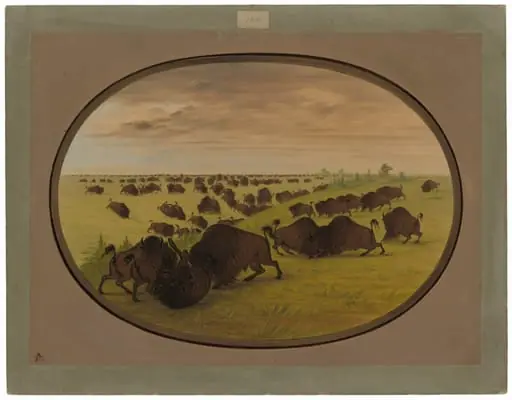 Bulls Fighting
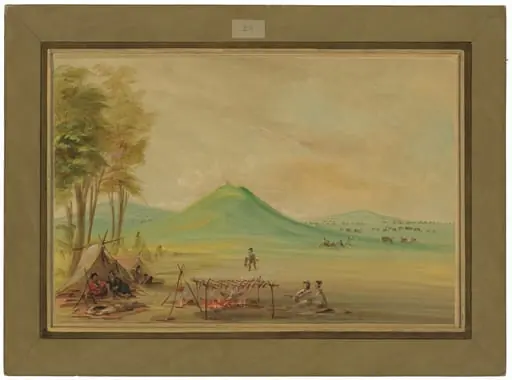 Expedition Encamped on a Texas Prairie. April 1686
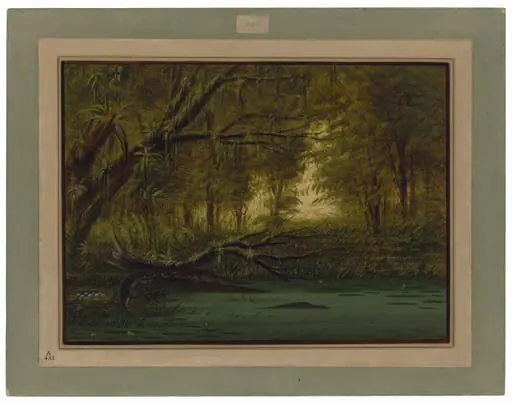 An Alligator's Nest
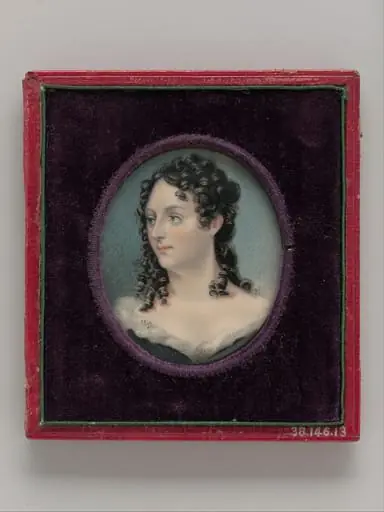 Mrs. George Catlin (Clara Bartlet Gregory)
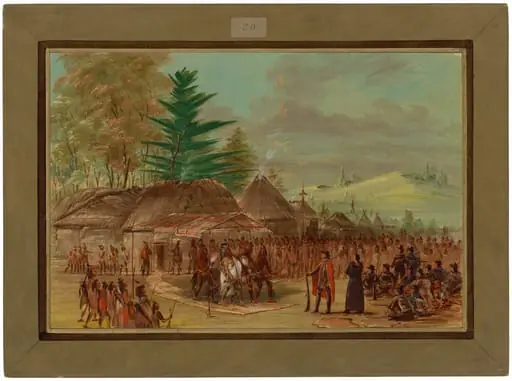 Chief of the Taensa Indians Receiving La Salle. March 20, 1682
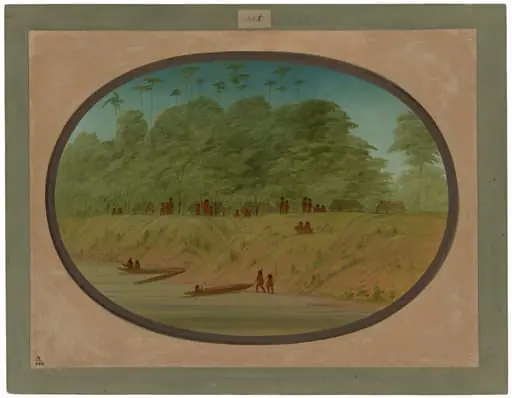 A Small Village - Payaguas Indians
 Omaha Chief, His Wife, and a Warrior
 Father Hennepin Leaving the Mississippi to Join La Salle. May 8, 1680