Artwork
Portrait d'un moine (Monk's Portrait)
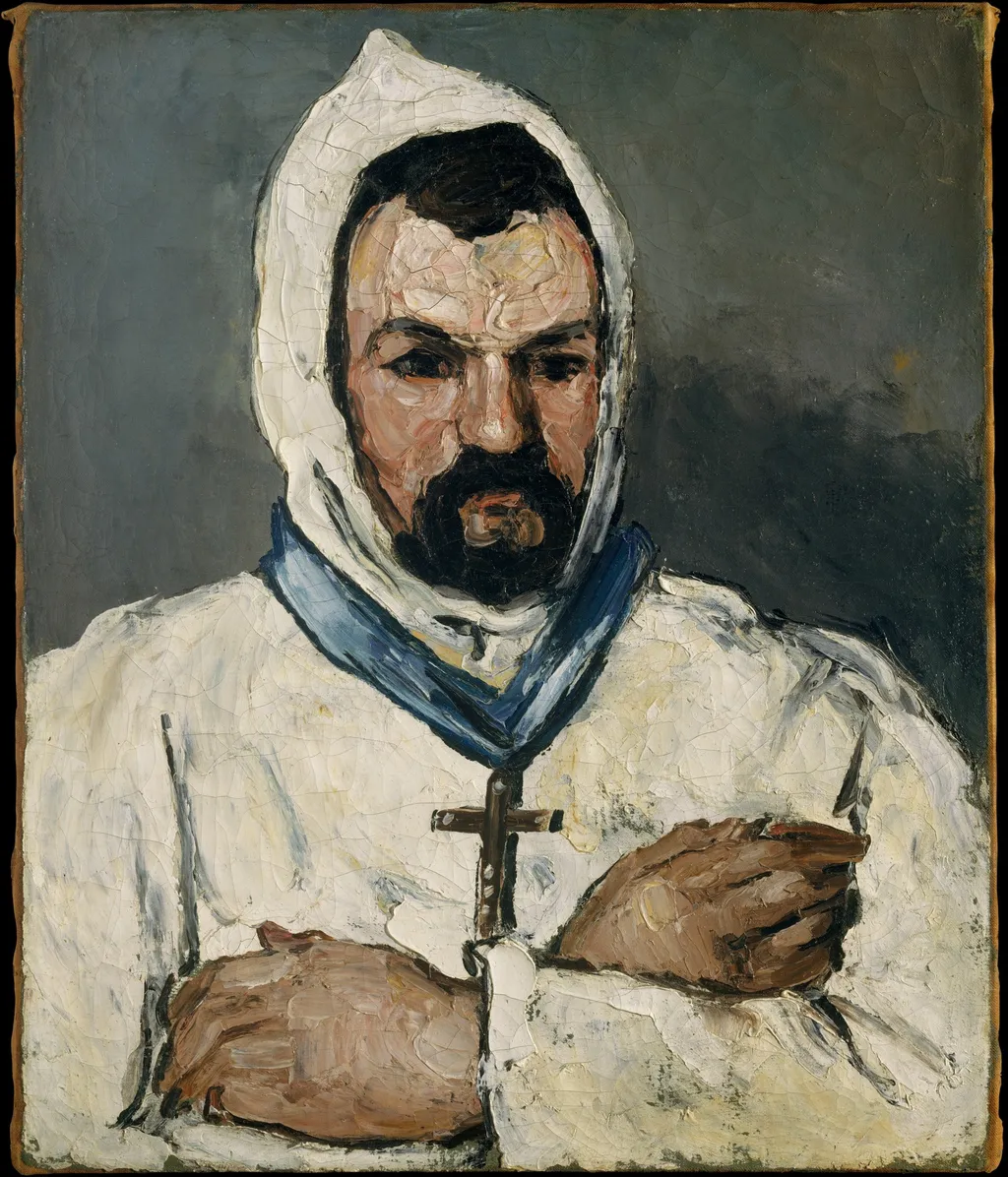
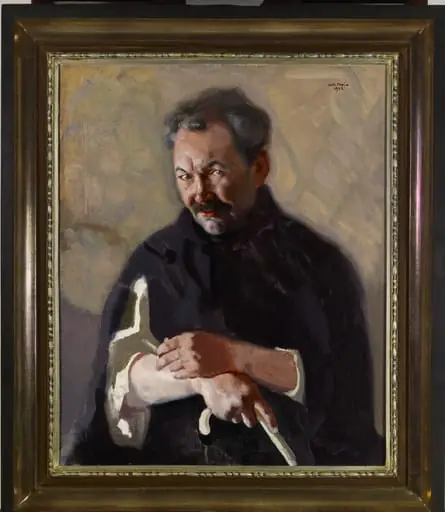
Portrait d'un moine (Monk's Portrait) is an oil painting by the French Romanticist artist Paul Cézanne. It dates from 1866 and is held in the collection of the Metropolitan Museum of Art.
About this work
Subject & Meaning
Created in 1866, this portrait by Paul Cézanne captures the subject in a manner consistent with the artist's early exploration of figure painting.
The work depicts a man identified as a monk, characterized by the presence of a cross within the composition. Created in 1866, this portrait by Paul Cézanne captures the subject in a manner consistent with the artist's early exploration of figure painting. The inclusion of the cross serves as the primary iconographic element, signifying the sitter's religious vocation.
As a portrait genre piece, the image represents a formal study of a religious figure, focusing on the individual identity of the monk rather than a broader narrative scene. The depiction relies on these specific visual markers to convey the subject's spiritual role, anchoring the work's meaning in the representation of monastic life through a solitary, cross-bearing figure.
Technique & Style
Executed in 1866, this portrait by Paul Cézanne is an oil painting on canvas. The work measures 65.1 cm in height and 54.6 cm in width. Stylistically, the piece functions as a formal portrait depicting a male figure identified as a monk, distinguished by the inclusion of a cross within the composition.
The application of oil paint on a woven canvas support aligns with academic practices of the mid-nineteenth century, though specific details regarding the artist's brushwork, surface texture, or current physical condition are not explicitly detailed in the available records. The image focuses on the solitary figure, using the medium to render the subject's monastic attributes.
History & Provenance
Portrait d'un moine was created by Paul Cézanne in 1866, executed in oil paint on canvas. The work was at one point owned by the collector Oscar Schmitz before entering the collection of the Metropolitan Museum of Art, where it remains held. It is documented as an oil on canvas portrait depicting a man in monastic dress.
No further details regarding commission, intermediate ownership, accession number, or exhibition history are documented in the available sources.
Context
Created in 1866, Portrait d'un moine represents an early phase in Paul Cézanne's career, preceding his mature work. The painting depicts a man in monastic attire holding a cross, executed in oil on canvas. Currently held by the Metropolitan Museum of Art, the work reflects Cézanne's initial engagement with portraiture and the dark, somber tonalities characteristic of his formative period.
While specific critical discourse regarding this individual piece is not detailed in the provided records, its inclusion in a major institutional collection underscores its recognized place within the artist's broader oeuvre. The 1866 date situates it alongside other early experiments before Cézanne fully developed the structural innovations for which he is later celebrated.
Overview
Paul Cézanne's Portrait d'un moine (Monk's Portrait), an oil painting from 1866, represents an early phase in the artist's career. This work reflects the Romantic influences prevalent during his formative years, before he developed the distinctive structured compositions that would characterize his later Post-Impressionist style. It depicts a solitary figure, emphasizing individual presence and emotional depth.
Own this work as a print
Artist & collection

Artist
Paul Cézanne ( say-ZAN, UK also siz-AN, US also say-ZAHN; French: ; Occitan: Pau Cesana; 19 January 1839 – 22 October 1906) was a French Post-Impressionist painter whose work introduced new modes of representation,…

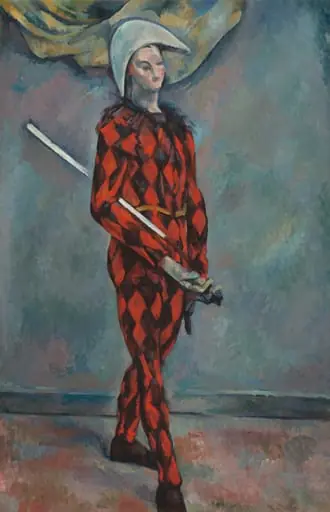 Harlequin
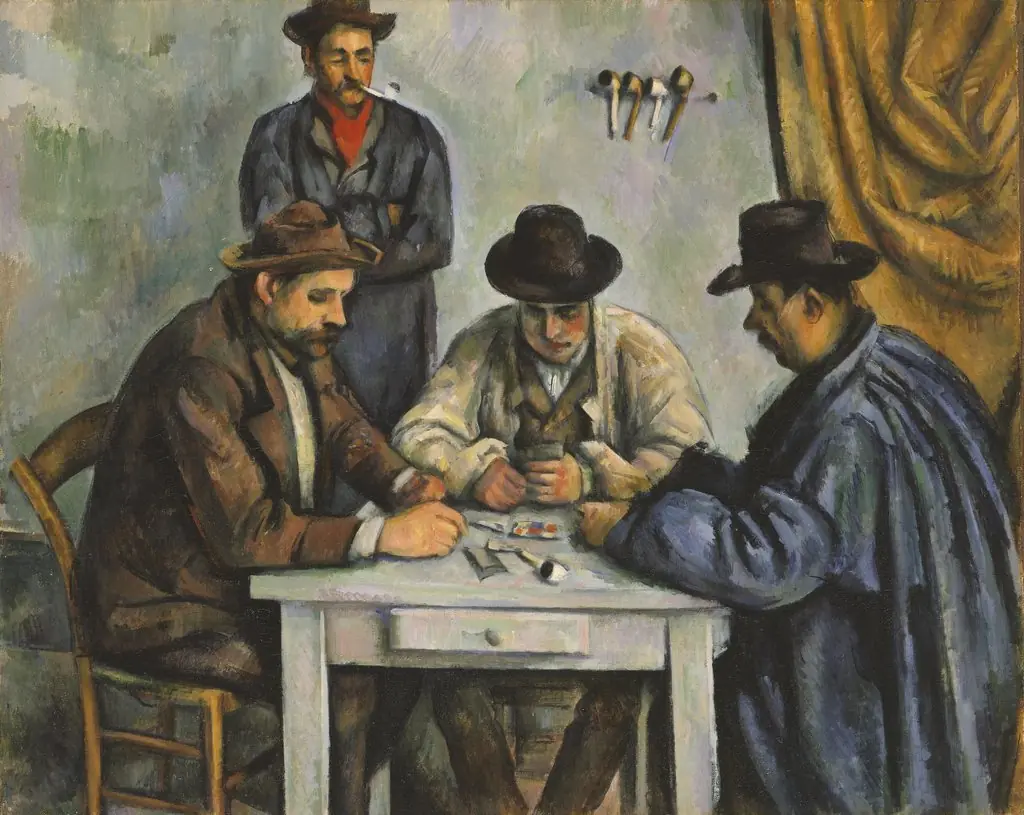 The Card Players
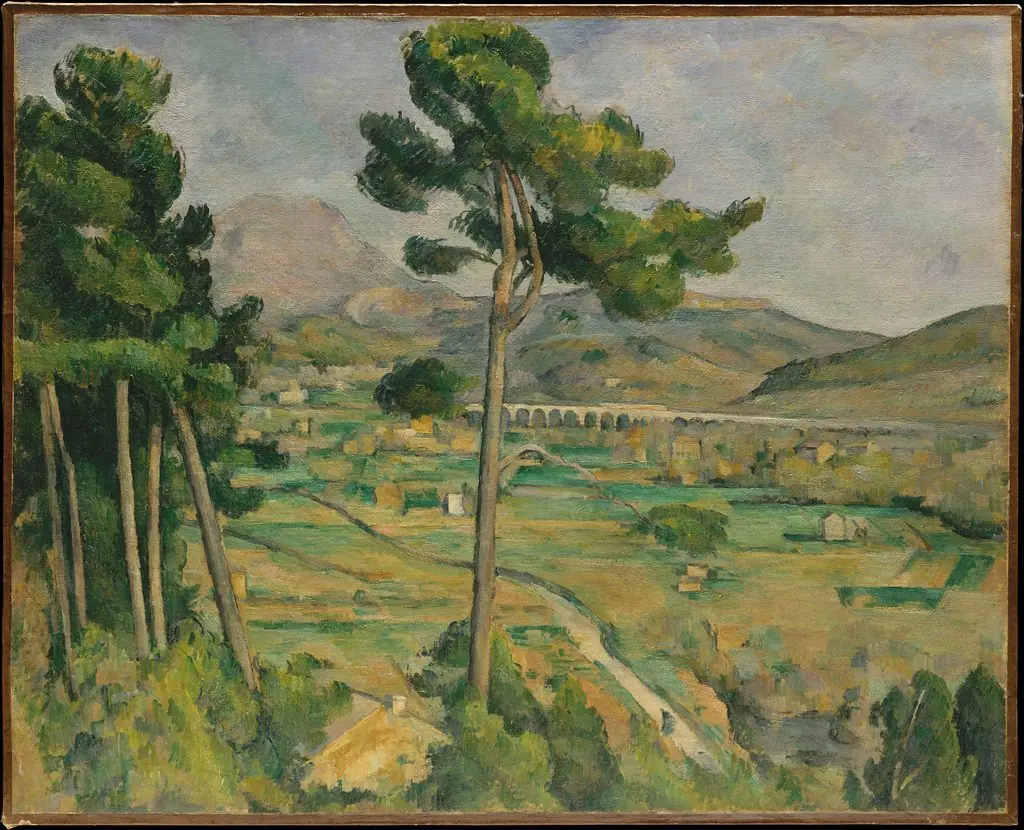 Mont Sainte-Victoire and the Viaduct of the Arc River Valley
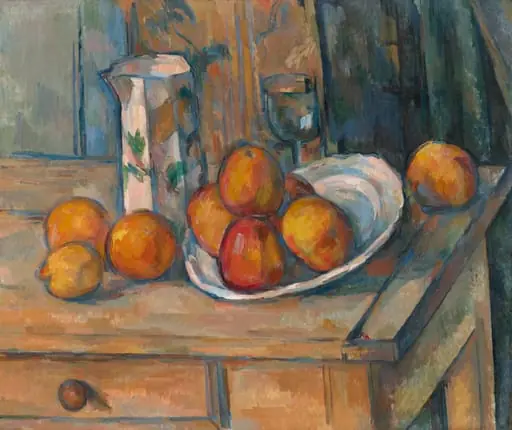 Still Life with Milk Jug and Fruit
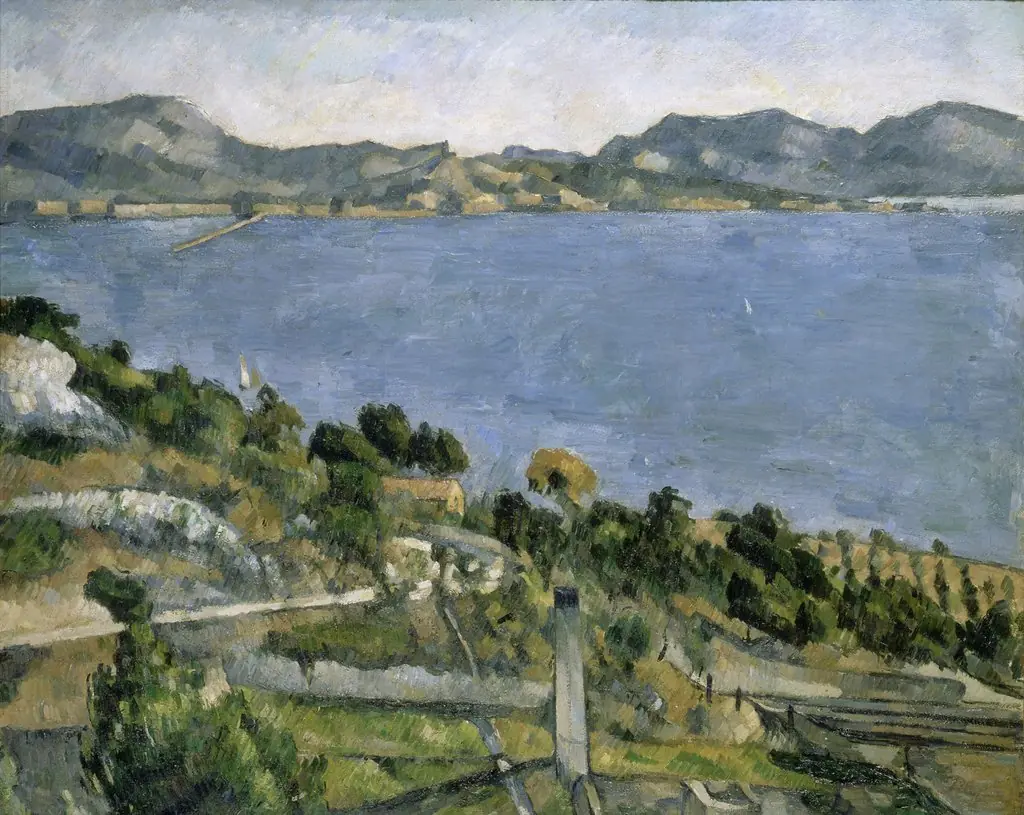 Le Golfe de Marseille vu de l'Estaque (The Gulf of Marseille Seen from L'Estaque)
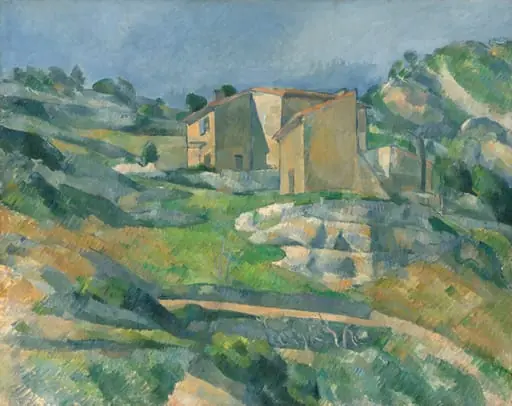 Houses in Provence: The Riaux Valley near L'Estaque
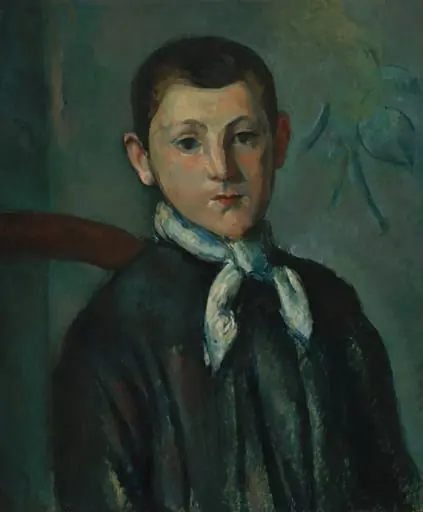 Louis Guillaume
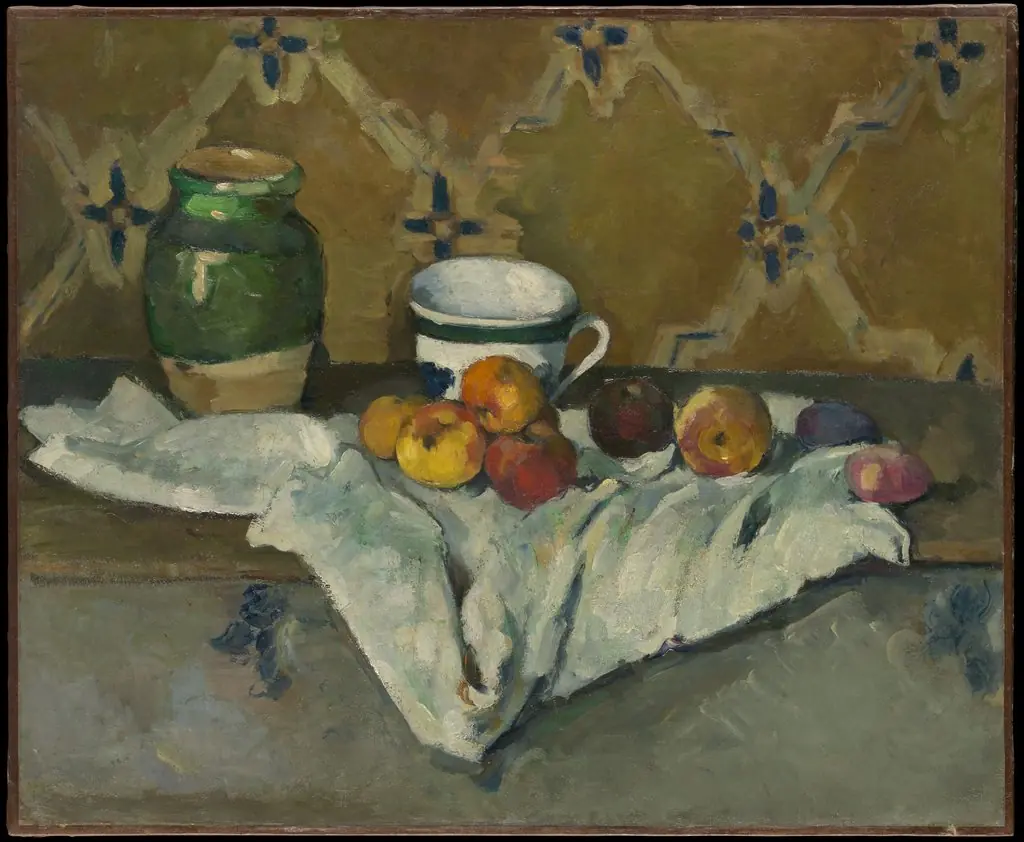 Still Life with Jar, Cup, and Apples
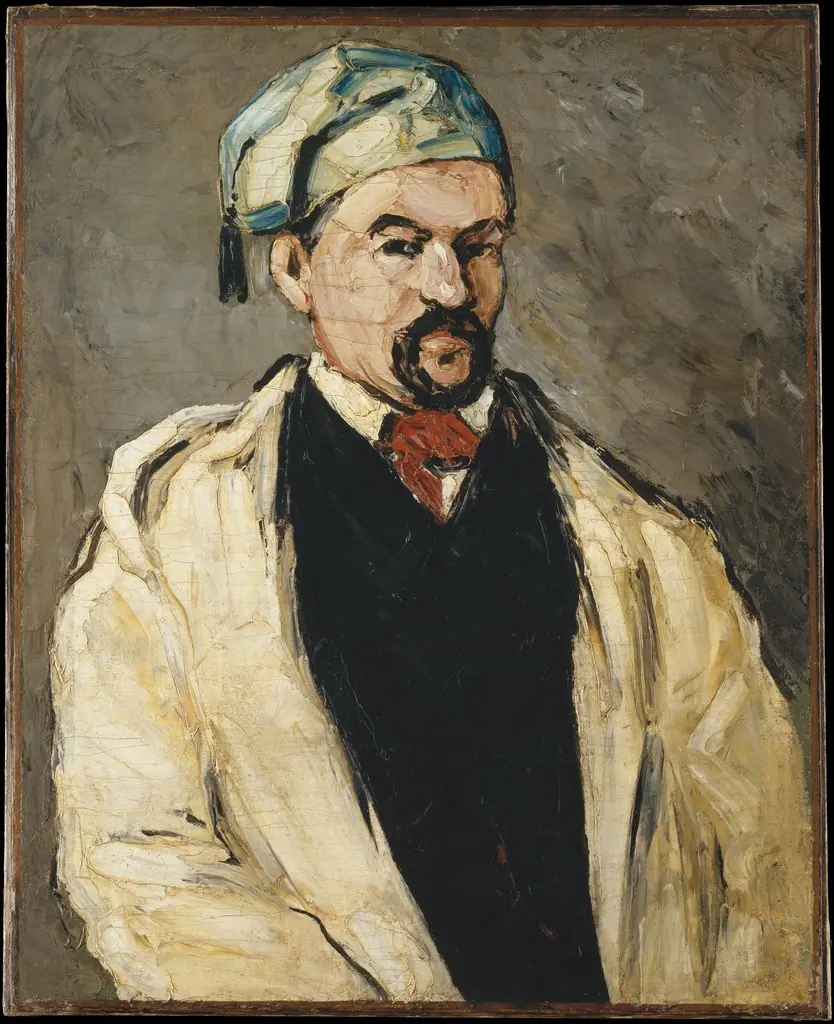
- L'Homme au bonnet de coton (Antoine Dominique Sauveur Aubert, the Artist's Uncle)
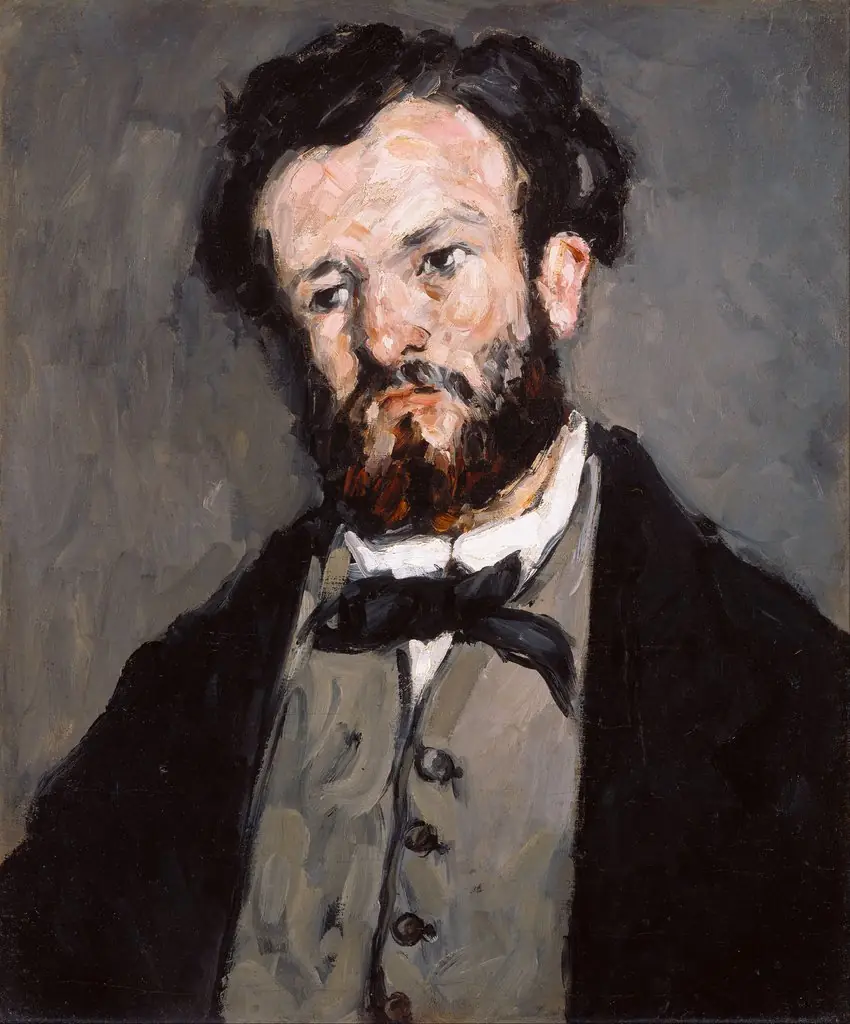 Portrait of Anthony Valabrègue
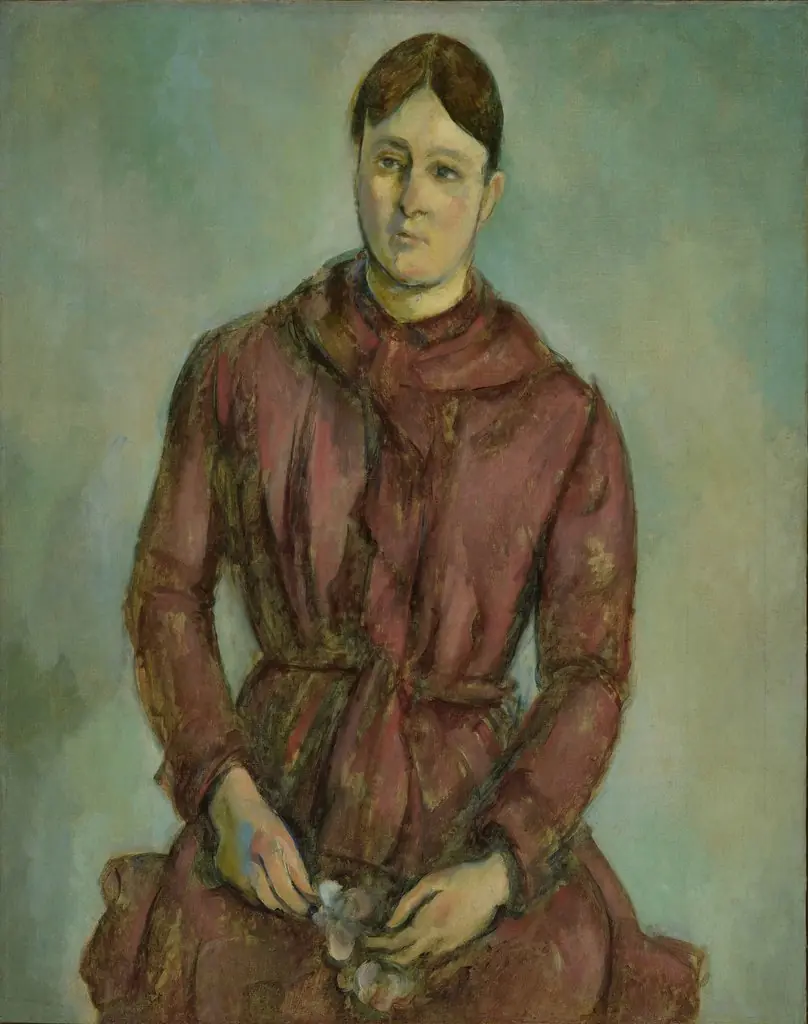 Madame Cézanne in a Red Dress
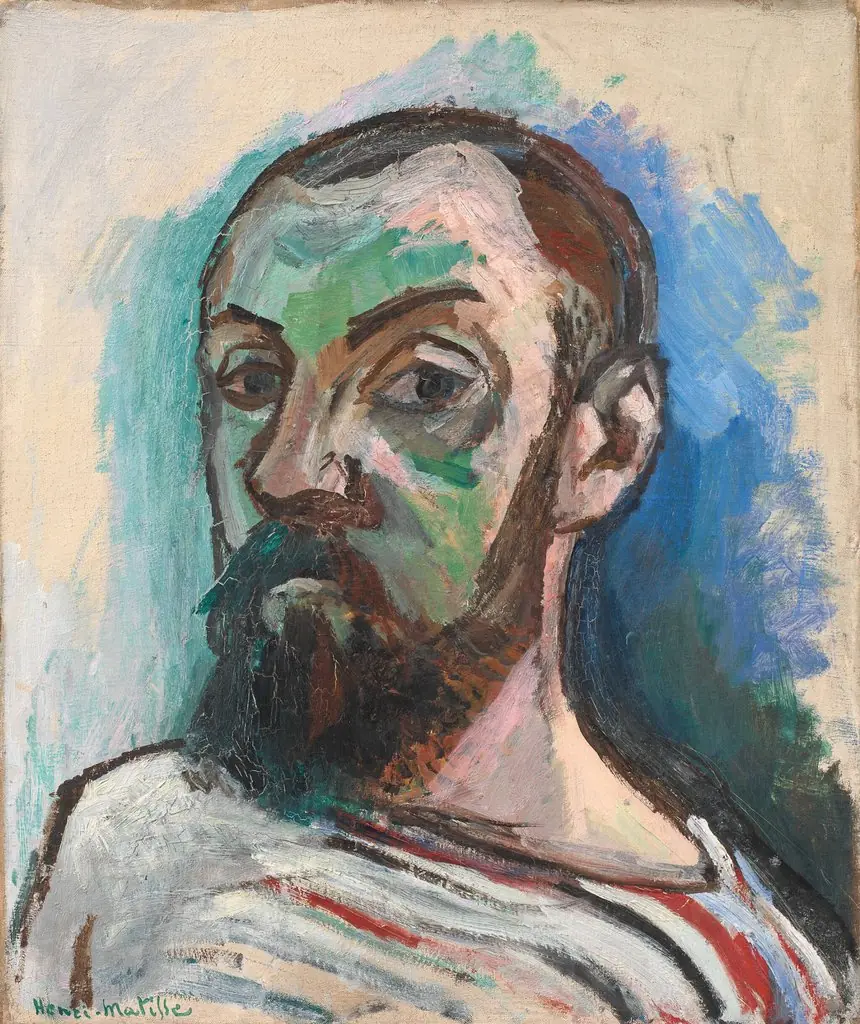 Self-Portrait in a Striped T-shirt
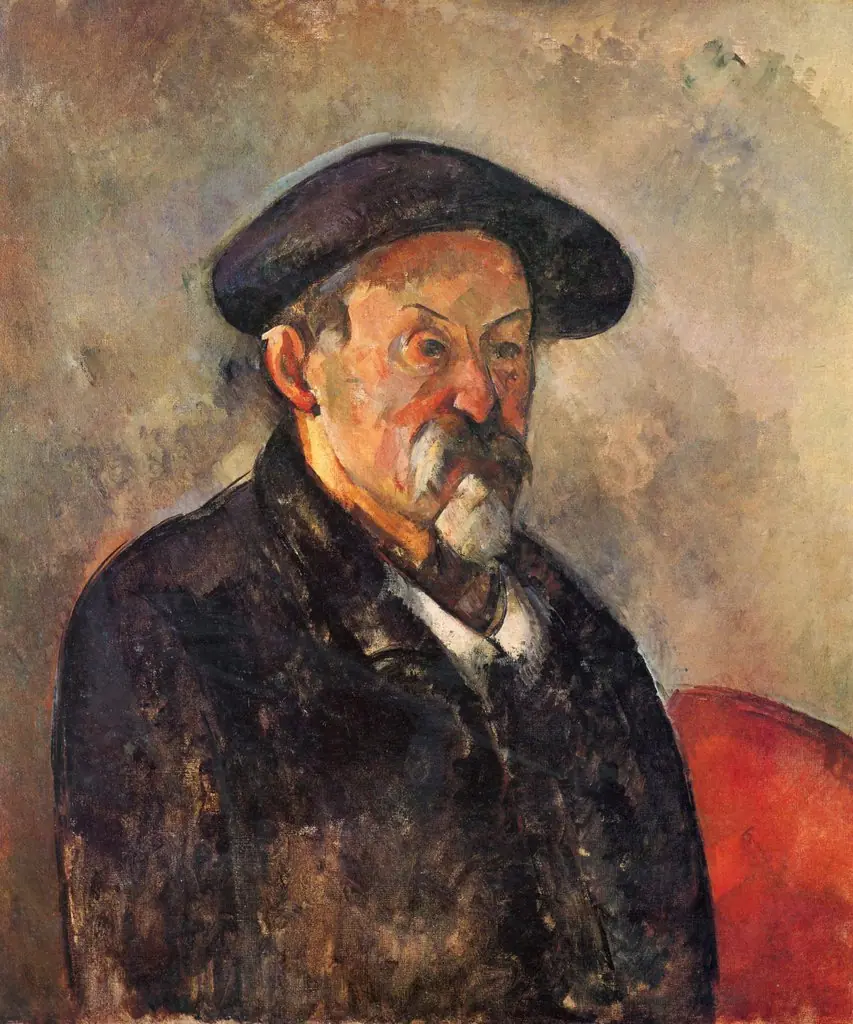 Autoportrait au béret (Self-Portrait with a Beret)
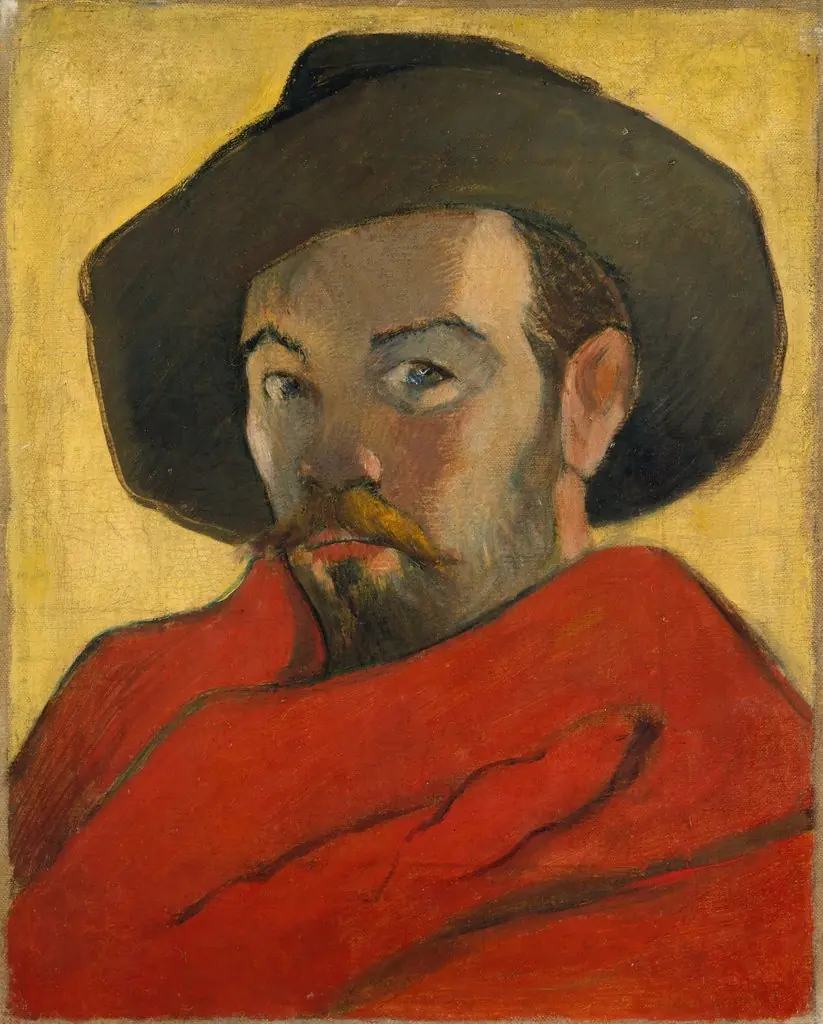 Captain Swaton
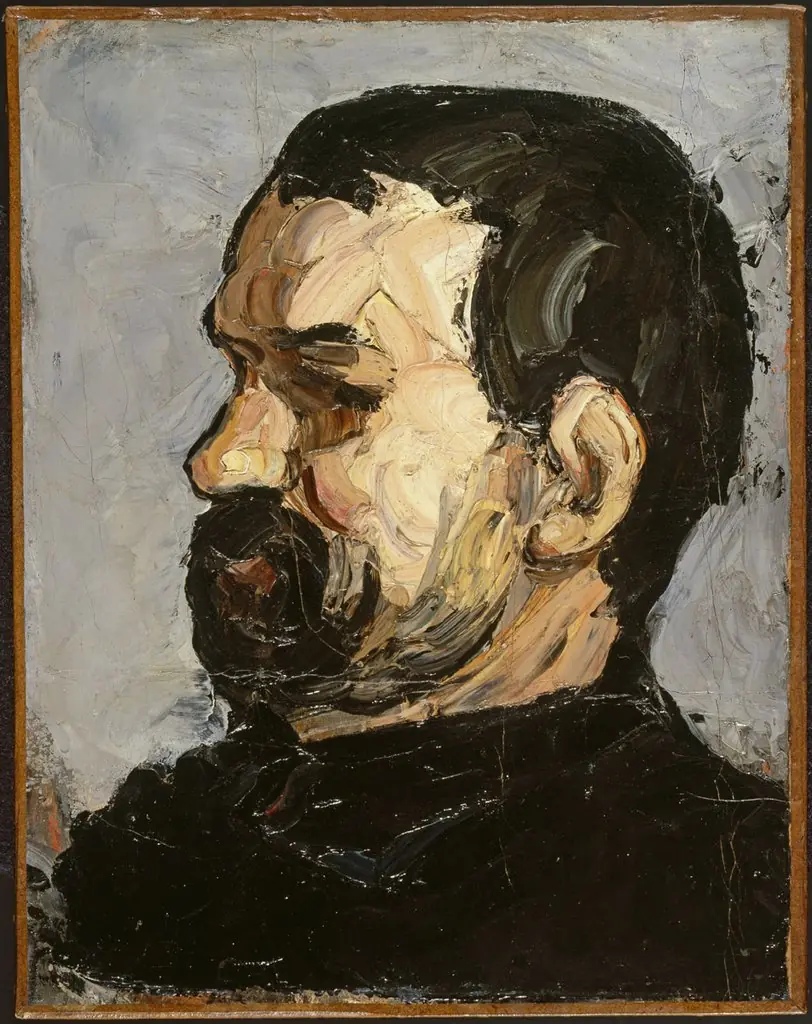 Uncle Dominique
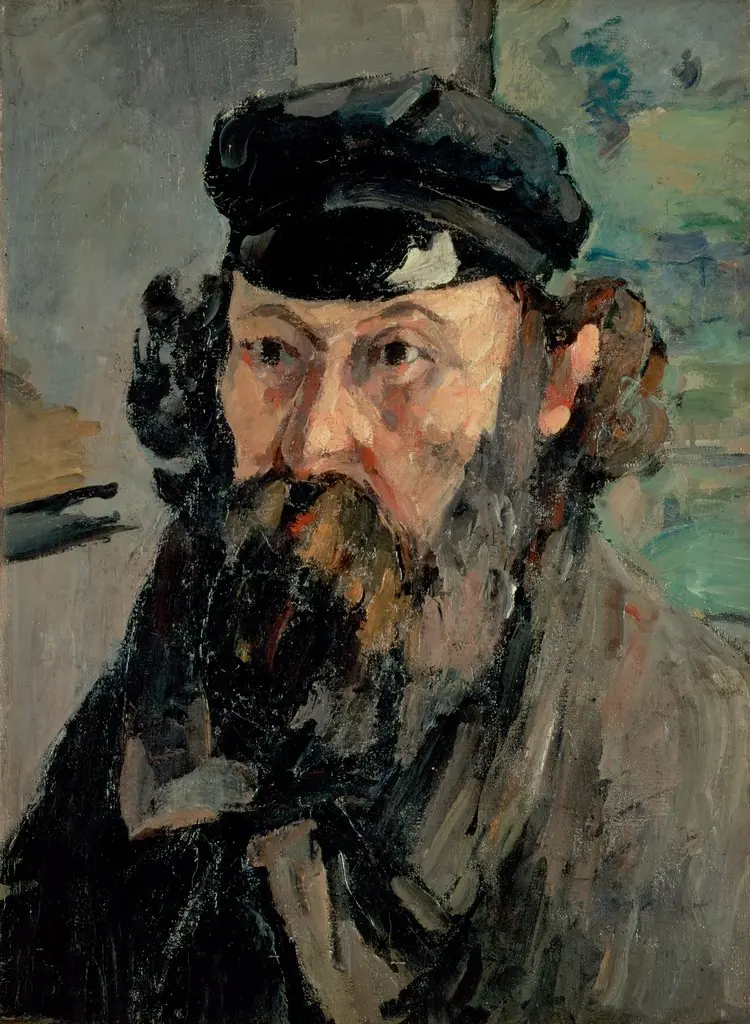 Portrait de l'artiste à la casquette (Self-Portrait in a Casquette)
 Head of a Peasant Woman with Green Shawl
 Beggar with a Duffle Coat (Philosopher)
 Firenzeläinen poliisi
 Eino Leinon muotokuva