Artwork
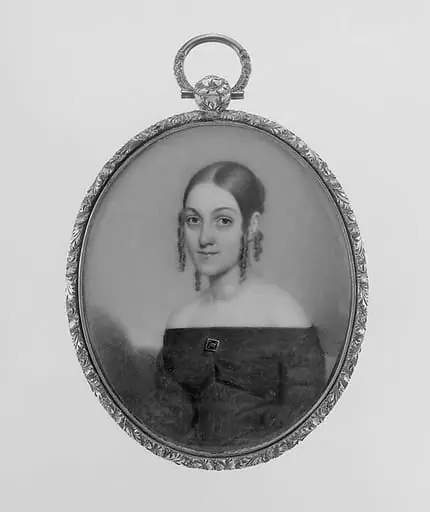
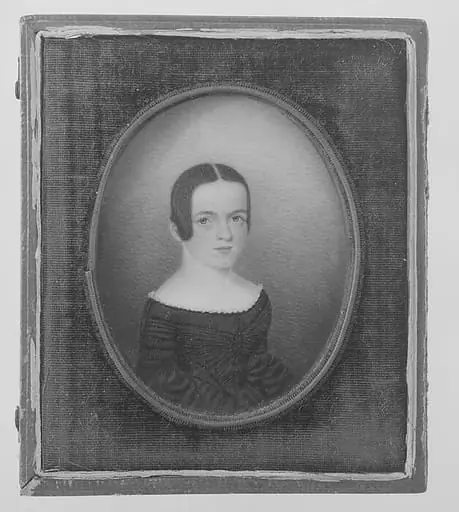
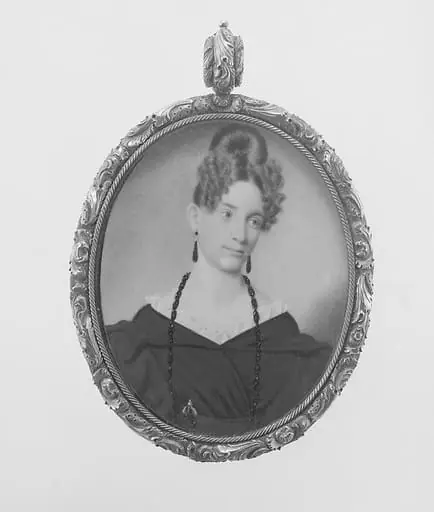
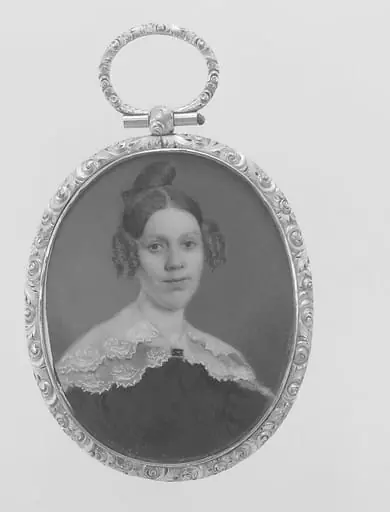
Mrs. Paul Joseph Revere (Lucretia Watson Lunt)
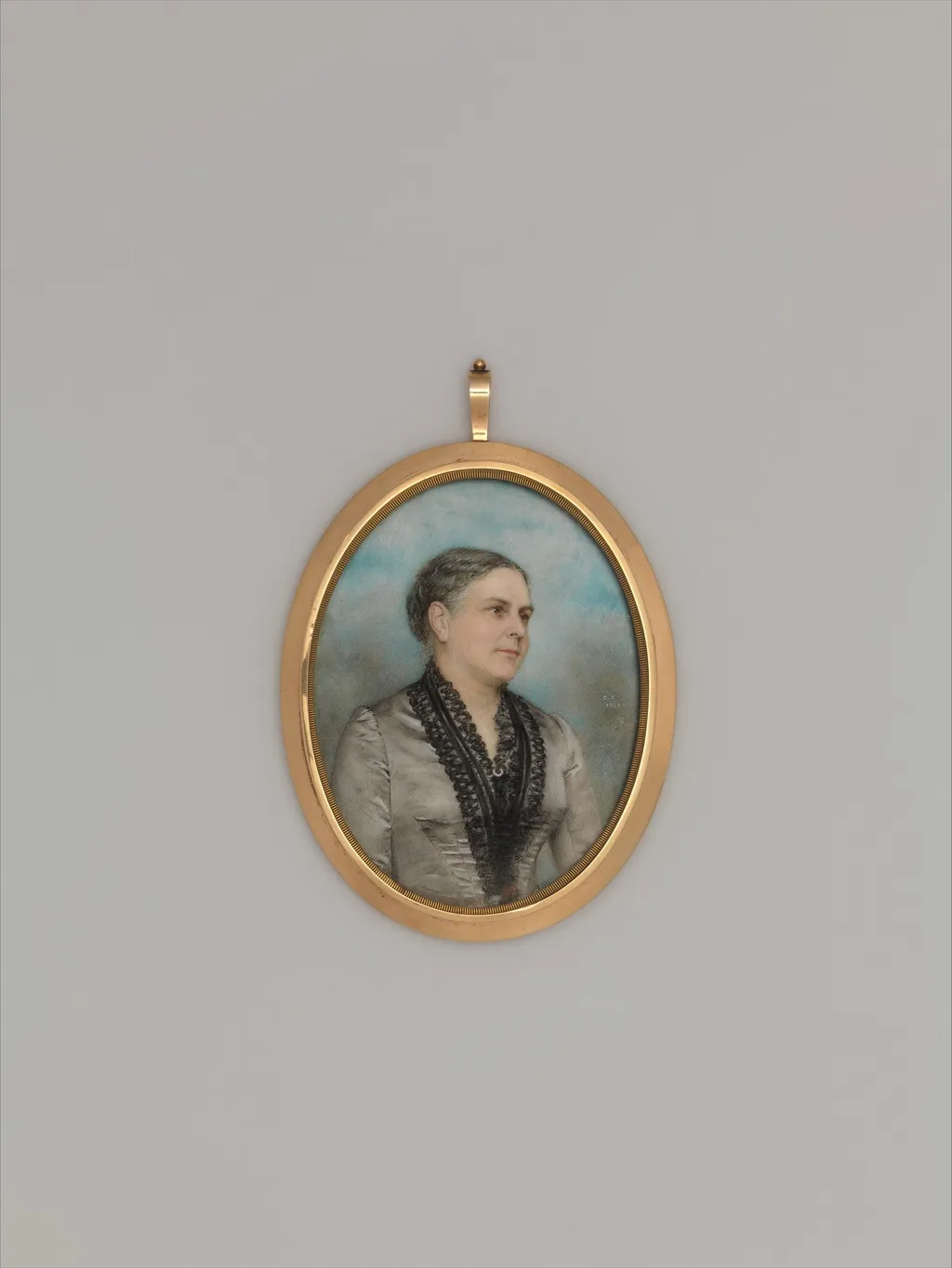
Mrs. Paul Joseph Revere (Lucretia Watson Lunt) is an unspecified painting by the American Impressionist artist Charles James Turrell. It dates from 1894 and is held in the collection of the Metropolitan Museum of Art. This painting, titled Mrs.
About this work
History & Provenance
Following its creation, the artwork entered the collection of the Metropolitan Museum of Art, where it remains housed.
Charles James Turrell executed the portrait of Mrs. Paul Joseph Revere (Lucretia Watson Lunt) in 1894. The work was created as a painted portrait during the late nineteenth century. Following its creation, the artwork entered the collection of the Metropolitan Museum of Art, where it remains housed.
The painting depicts a woman and is classified within the genre of portraiture. While specific details regarding the original commission or intermediate owners between the artist and the museum are not provided in the available records, the piece is firmly established as an 1894 creation by Turrell.
Overview
This painting, titled Mrs. Paul Joseph Revere (Lucretia Watson Lunt), is a portrait created by Charles James Turrell in 1894. It depicts Lucretia Watson Lunt, the subject indicated in its title. The artwork is currently part of the collection at The Metropolitan Museum of Art, where it is presented as an example of Turrell's portraiture from the late 19th century.
Technique & Style
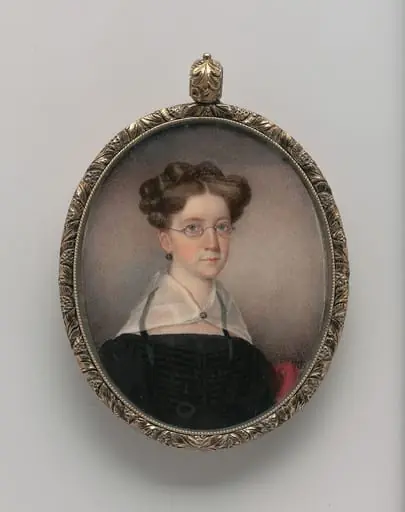
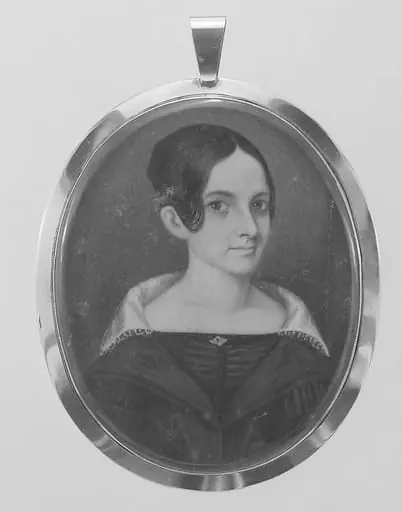
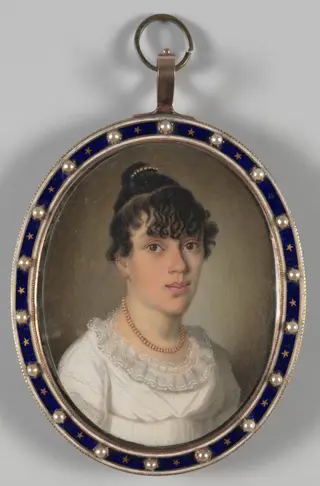
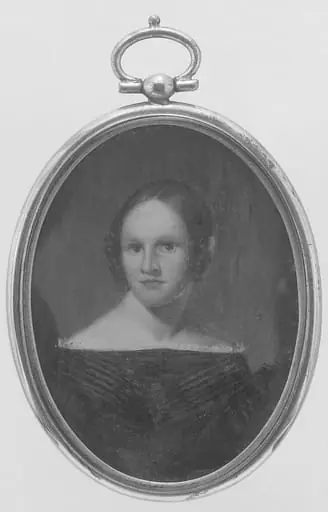
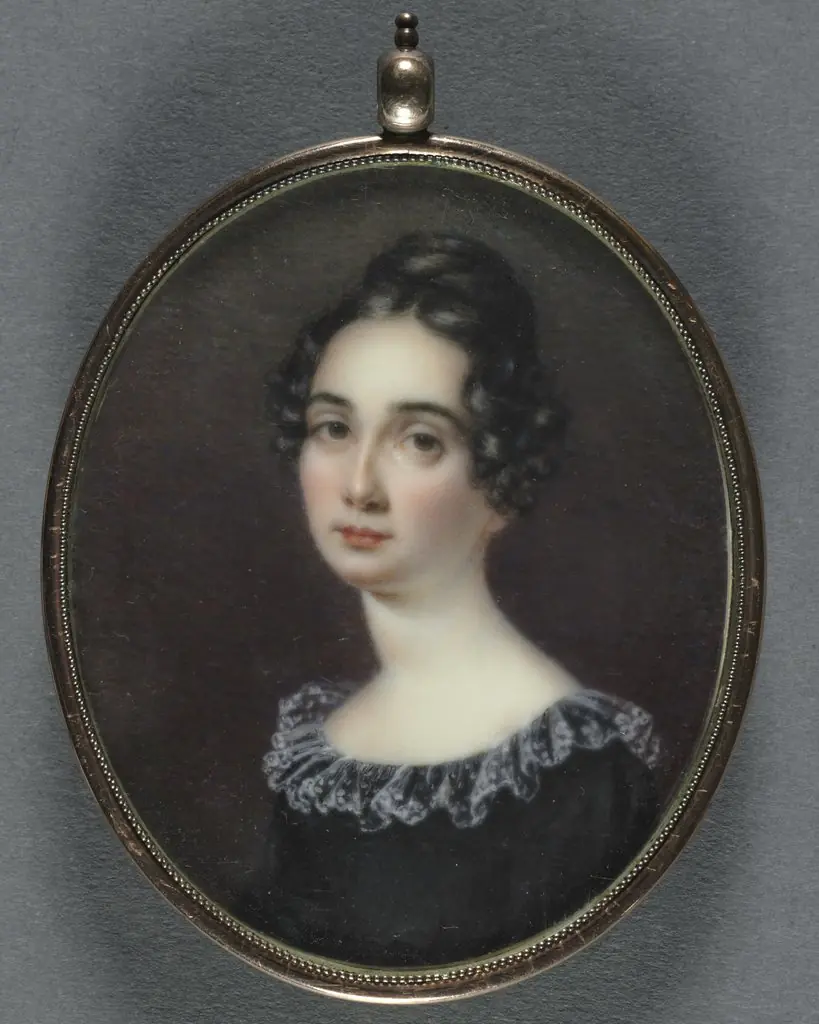
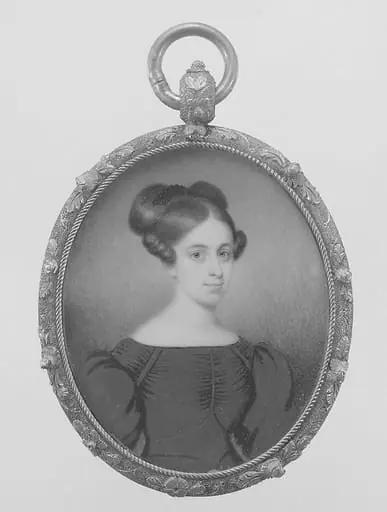
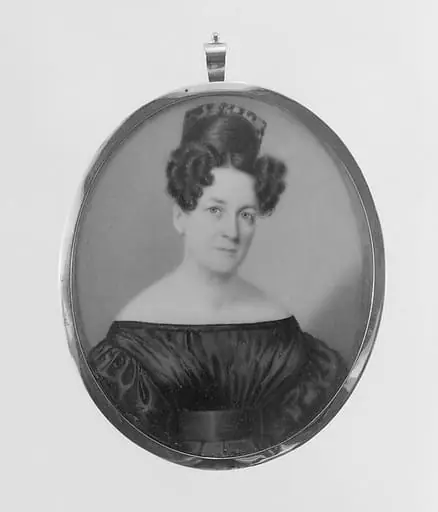
Turrell rendered this oval portrait with smooth brushstrokes, particularly evident in the subject's face, which appears gently blended into the soft, pale blue-green background. This technique creates a subtle, luminous quality around her features. The composition emphasizes her serene expression and the intricate details of her dark gray dress, which features a high collar and beaded trim. A delicate gold border frames the overall image.
Subject & Meaning
The painting presents Lucretia Watson Lunt in a composed manner, her hair neatly styled and adorned with a simple necklace. Her calm demeanor is central to the portrait's focus, conveying a sense of quiet dignity. As a formal depiction, the artwork serves to commemorate and present the sitter's likeness, reflecting the conventions of portraiture during the late 19th century.
Own this work as a print
Artist & collection