Artwork
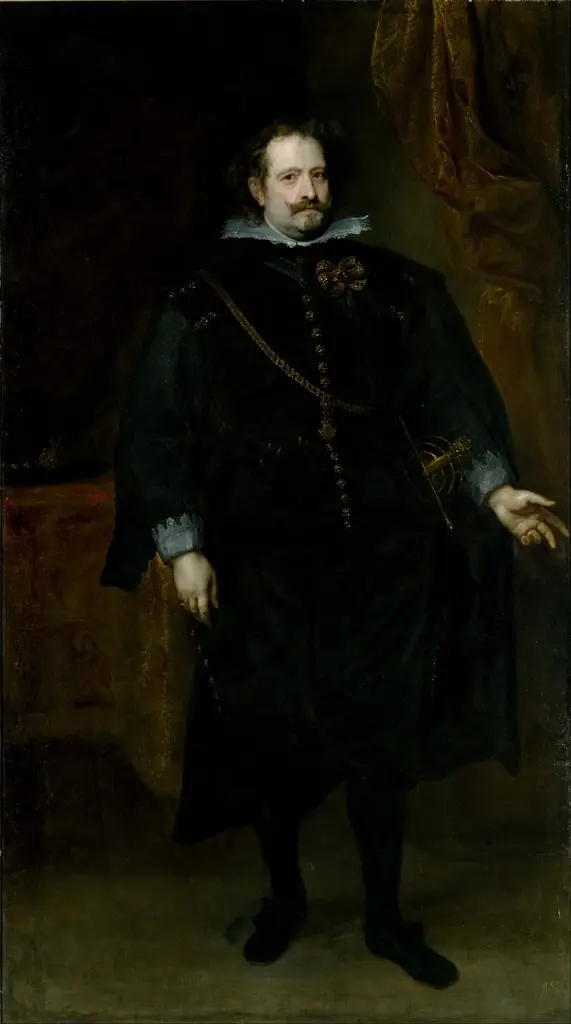
Portrait of a Gentleman
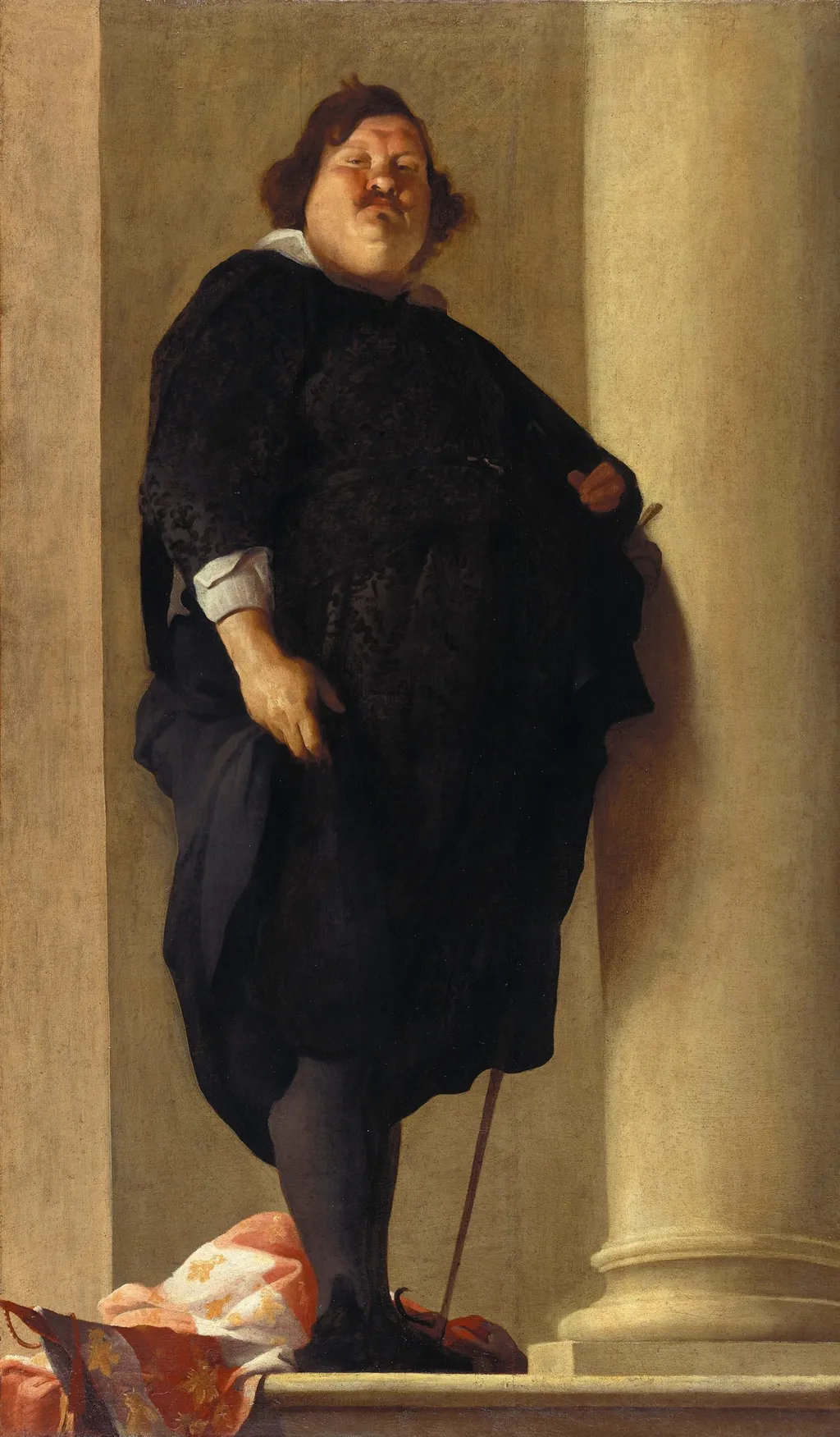
Portrait of a Gentleman is an oil painting by the Flemish Baroque painting artist Charles Mellin. It dates from 1630 and is held in the collection of the Gemäldegalerie Berlin.
About this work
Subject & Meaning
The attribution to Charles Mellin is supported by stylistic analysis, though earlier records sometimes linked it to artists like Velázquez or Bernini.
The painting depicts Alessandro dal Borro, a Tuscan general, shown in full profile with a stout build, double chin, and round cheeks. He stands beside a stone pillar with a banner displaying a Barberini coat of arms at his feet. The work is noted for its frank and striking portrayal, considered one of the earliest honest representations of obesity.
The subject's attire and posture reflect his status as a proud military figure, while the composition emphasizes his genial character. The attribution to Charles Mellin is supported by stylistic analysis, though earlier records sometimes linked it to artists like Velázquez or Bernini.
Technique & Style
The Portrait of a Gentleman is an oil-on-canvas painting, executed with oil paint on a canvas support measuring 203 cm in height by 121 cm in width. The work is dated 1630, though some sources place it closer to c. 1645, reflecting ongoing uncertainty about its creation.
Stylistically, the painting is a full-length profile portrait in the French Baroque manner. The sitter stands beside a stone pillar, gazing to his right, with a banner bearing a coat of arms at his feet. The handling is frank and unidealized, with the artist deliberately rendering the subject's stout build, thick red hair, double chin, and round, pudgy cheeks rather than flattering his appearance.
This direct, almost genial depiction of an overweight figure has been cited as one of the earliest honest portrayals of obesity in Western portraiture.
Attribution has shifted over time, with the work linked at various points to Velázquez, Bernini, and Andrea Sacchi before the current consensus favoring Charles Mellin, though no definitive evidence confirms this.
History & Provenance
The painting is generally dated to around 1645 and is attributed to the French Baroque artist Charles Mellin.
It is believed to have been commissioned by Alessandro dal Borro (1600–1656), a Tuscan military leader who served with Mattias de' Medici during the Castro War against Pope Urban VIII. The portrait’s frank depiction of dal Borro’s stout build aligns with contemporary accounts of his physical appearance and pride in his career. The work entered the collection of the Gemäldegalerie, Berlin, where it remains housed in the 17th- and 18th-century Italian, French, and Spanish paintings galleries.
The painting is held in the collection of the Gemäldegalerie in Berlin, where it is displayed in Room XIV among 17th and 18th-century Italian, French, and Spanish works. While the work is firmly situated within this museum's holdings, the provided records do not specify a distinct inventory or accession number for the piece. Furthermore, although the artwork has been attributed to various masters over the centuries and is noted for its unique depiction of obesity, the available sources contain no information regarding its specific exhibition history or participation in temporary shows.
Overview
Portrait of a Gentleman, circa 1645, is an oil-on-canvas painting attributed to French Baroque artist Charles Mellin, housed in the Gemäldegalerie, Berlin.
Context
Created in the 1600s, the work reflects the artistic and social norms of its era, blending Mellin's French background with Italian influences from his period of residence there.
Legacy
As a typical example of its time, the portrait contributes to the understanding of 17th-century European portraiture and the eclectic style of Charles Mellin, though it does not stand out as a landmark work in the broader canon of Baroque art.
Artist & collection
Artist
Charles Mellin (French pronunciation:; 1597, Nancy – 21 September 1649, Rome) was a French painter of the Baroque era.

- Portrait of a Gentleman
 Portrait of the Count-Duke of Olivares
 A Porter
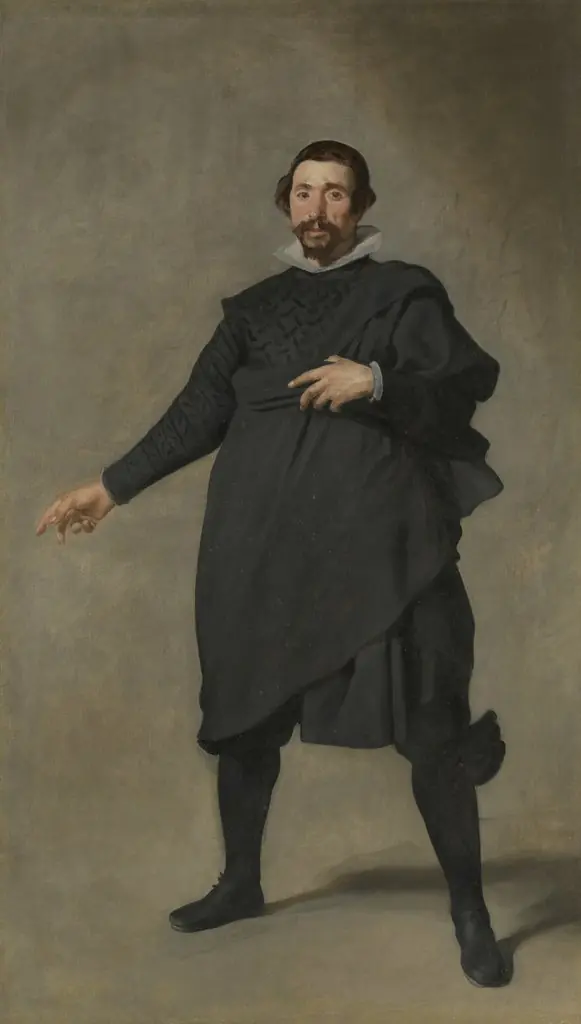 Portrait of Pablo de Valladolid
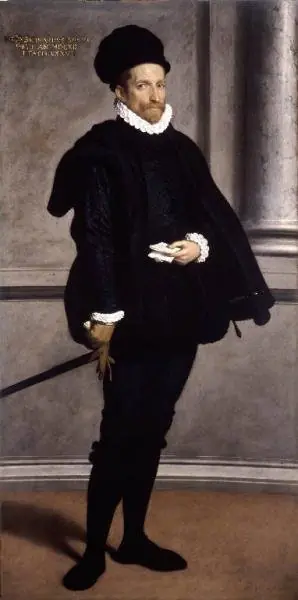 Portrait of Bernardo Spini
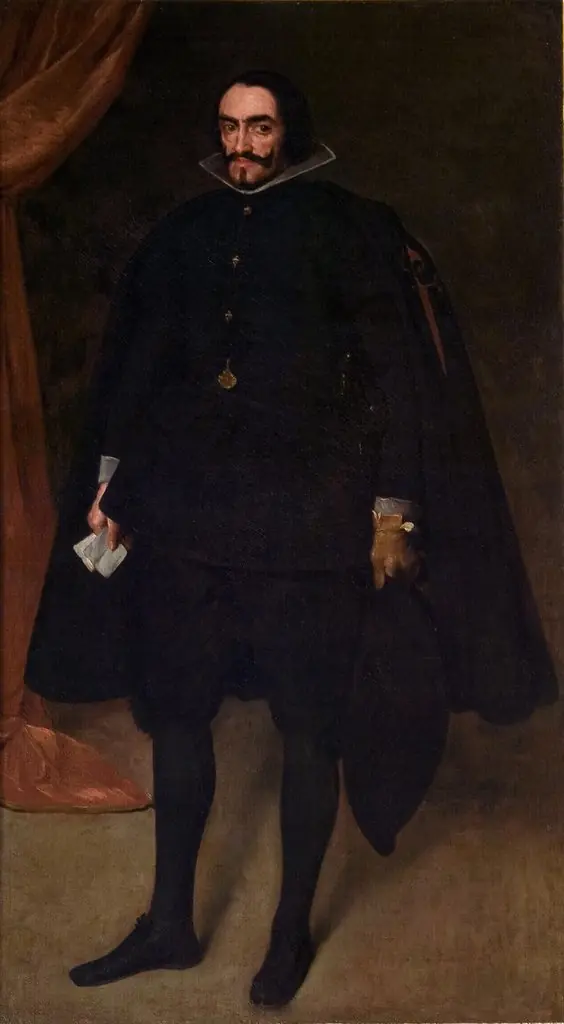 Portrait of a Knight of the Order of Santiago
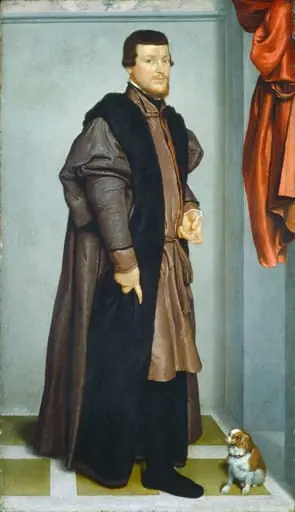 Gian Federico Madruzzo
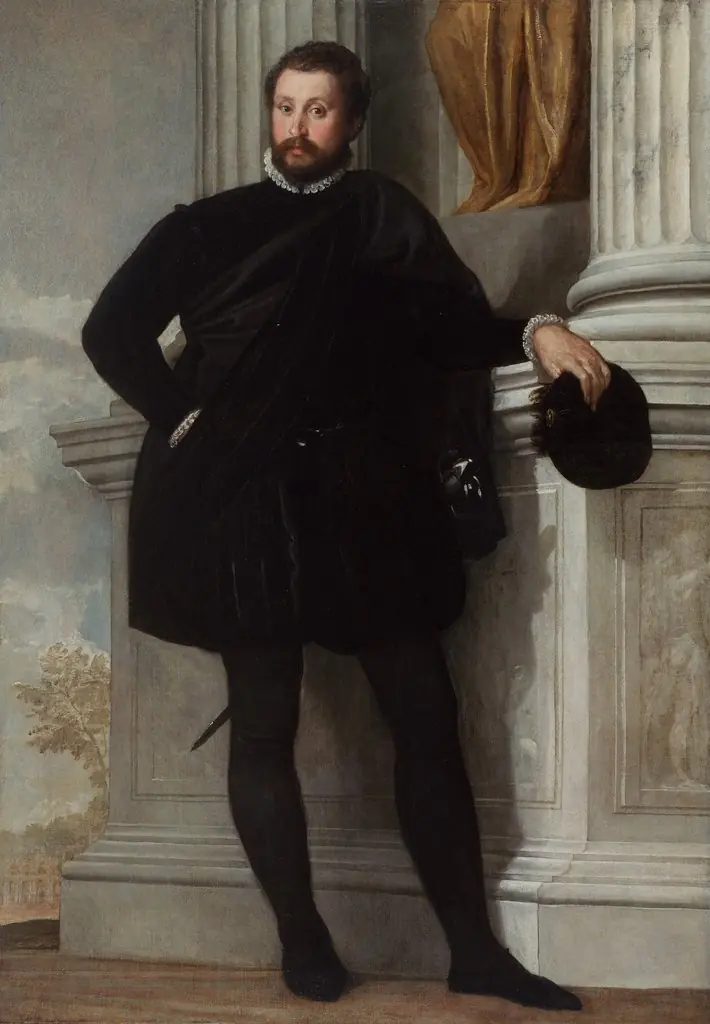 Portrait of a Man
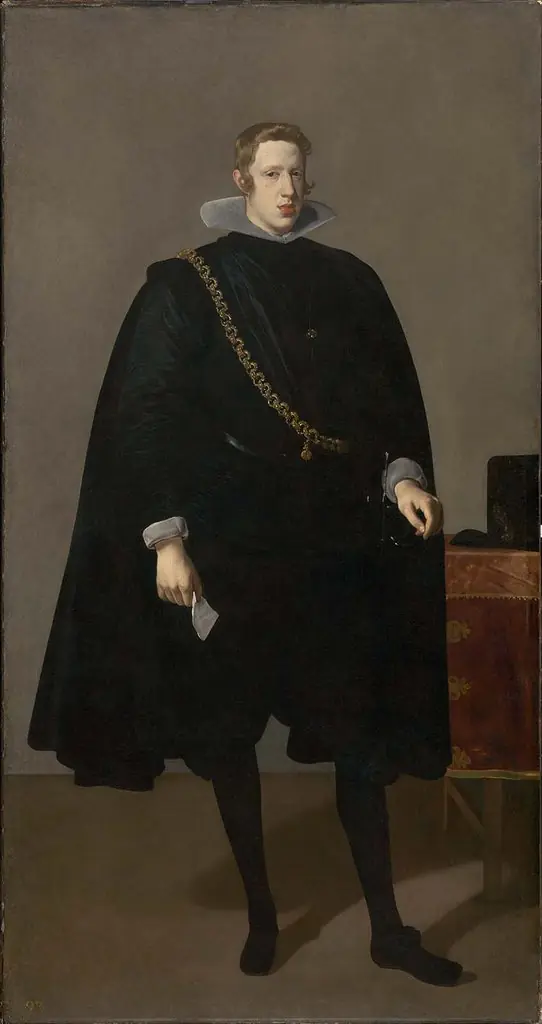 Philip IV, King of Spain
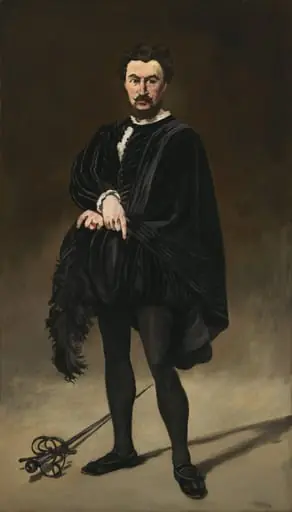 The Tragic Actor (Rouvière as Hamlet)
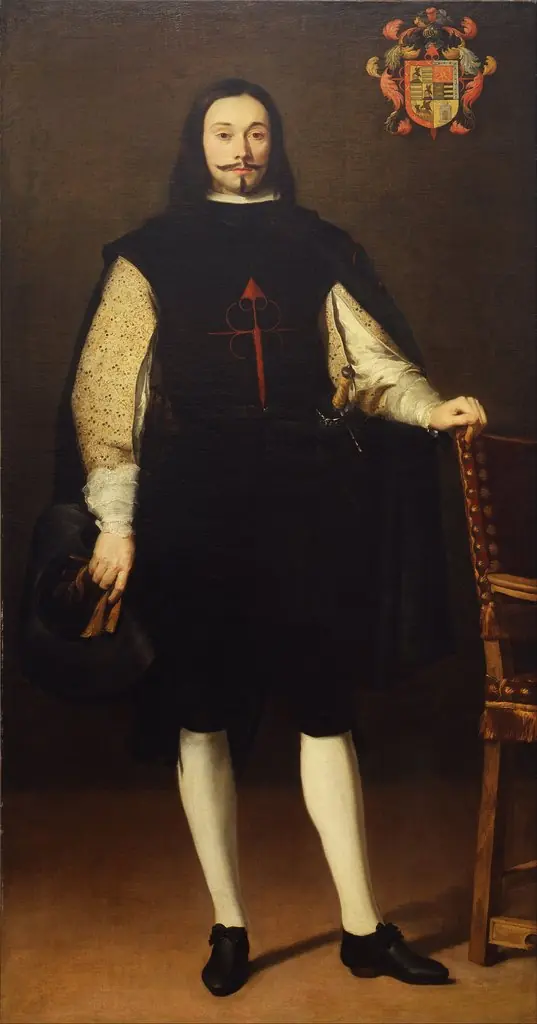 Portrait of Don Diego Felix de Esquivel y Aldama
 Diego Felipe de Guzmán, Marquis of Leganés