Artwork
Self Portrait
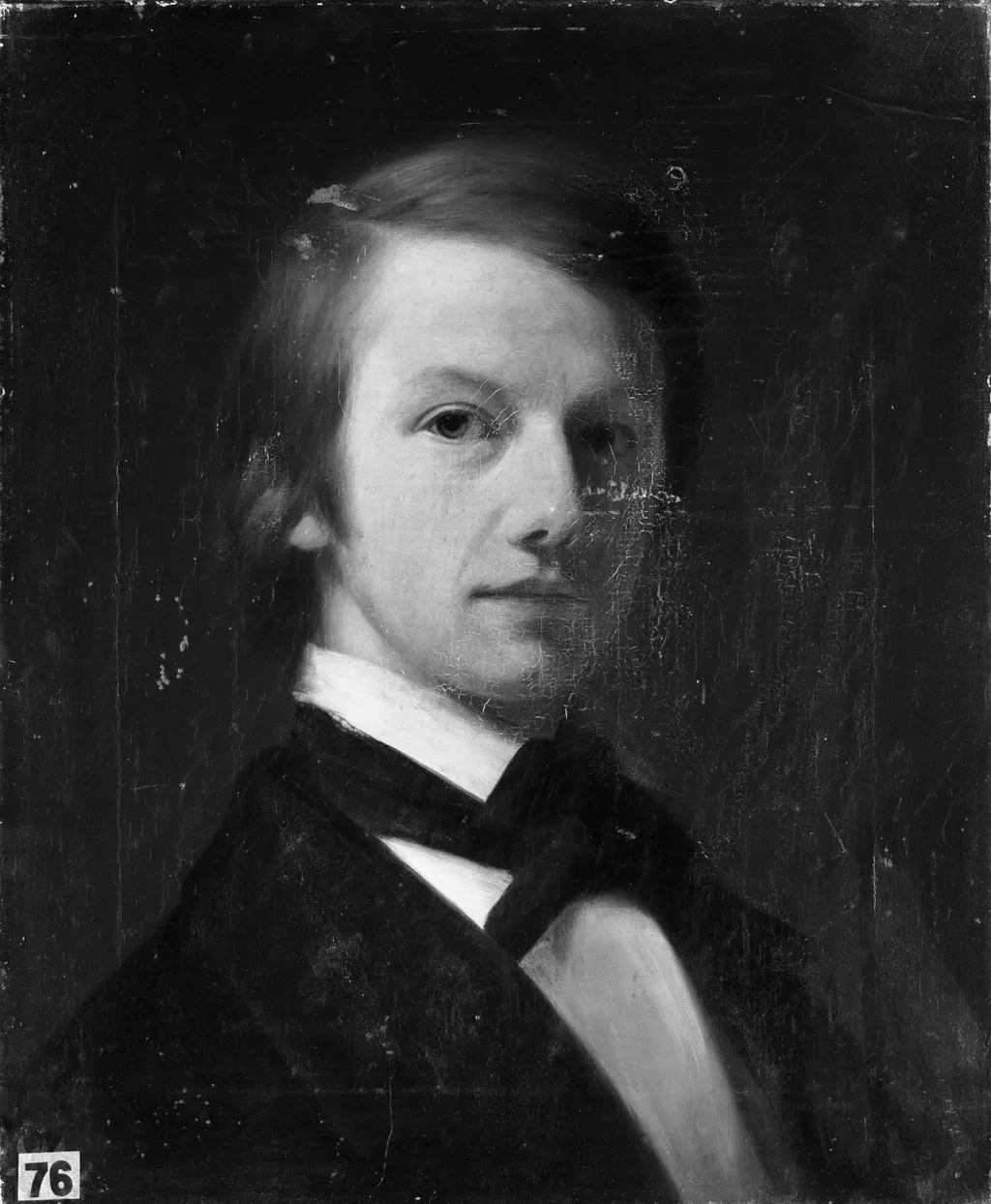
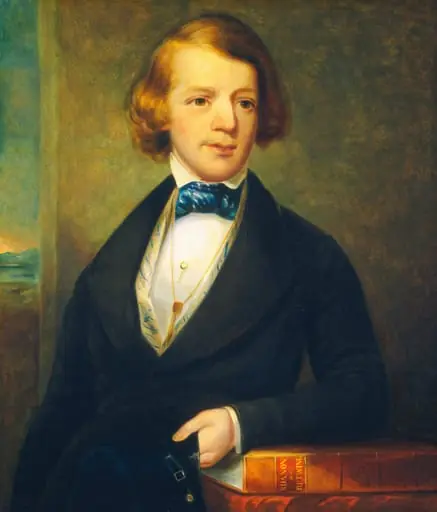
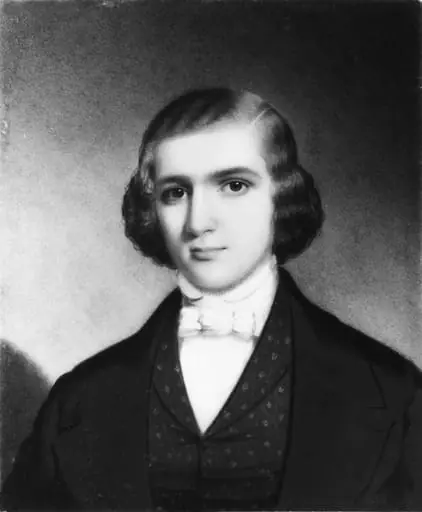
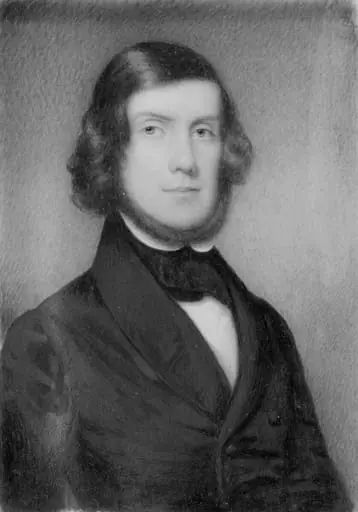
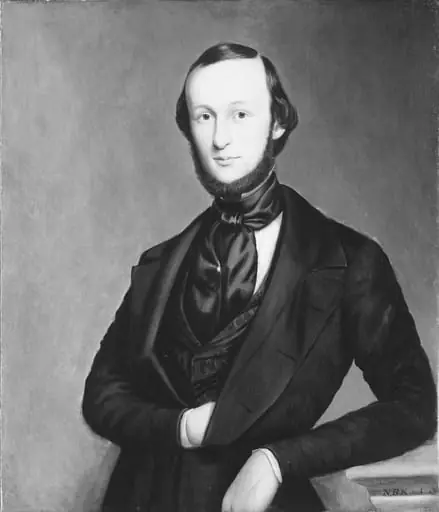
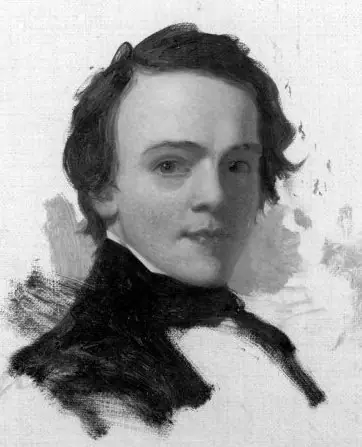
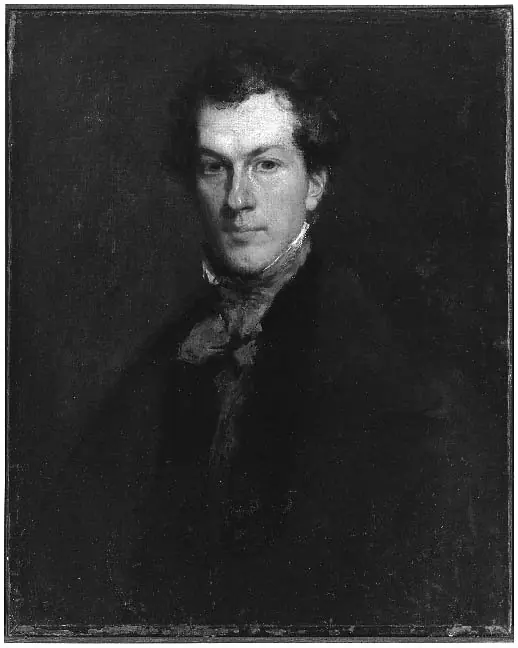
Self Portrait is an unspecified painting by the American Folk Art artist Charles V. Bond. It dates from 1847 and is held in the collection of the Detroit Institute of Arts.
About this work
Subject & Meaning
Bond, with no additional iconographic elements or symbolic attributes described in the available records.
The work is a self-portrait that depicts the artist, Charles V. Bond, presenting his own likeness directly to the viewer. As a portrait genre piece created in 1847, the painting functions primarily as a visual record of the creator's appearance rather than an allegorical composition. The subject is identified explicitly as Charles V. Bond, with no additional iconographic elements or symbolic attributes described in the available records.
The meaning of the work is rooted in its nature as a straightforward depiction of the artist himself, serving as a personal representation within the Detroit Institute of Arts collection.
History & Provenance
Charles V. Bond painted Self Portrait in 1847, a work classified as a portrait and self-portrait. The painting measures 43.2 cm in height and 35.6 cm in width. It entered the collection of the Detroit Institute of Arts, where it remains on display. Its inception date is recorded as 1847-01-01 in the cataloguing data.
Charles V. Bond's 1847 painting Self Portrait is held in the collection of the Detroit Institute of Arts in Detroit. The work is cataloged as a portrait and self-portrait depicting the artist. While the inventory or accession number is not specified in the available records, the piece remains part of the museum's permanent holdings. No specific exhibition history is documented in the provided sources.
Overview
Self Portrait, created in 1847 by Charles V. Bond, is a portrait of the artist himself, currently housed at the Detroit Institute of Arts.
Technique & Style
The painting features a detailed rendering of facial features. Notable artistic techniques employed include chiaroscuro (contrast of light and dark), impasto (thick paint application), and sfumato (soft, hazy effect), contributing to the overall somber tone.
Context
While specific contextual details about the artist's life or the era's influence on the work are not provided, the formal attire and serious demeanor reflect common conventions of mid-19th-century portraiture.
Legacy
Information on the painting's impact, exhibitions, or scholarly significance beyond its presence in the Detroit Institute of Arts collection is not available.
Own this work as a print
Artist & collection

Artist
This Brooklyn-born painter spent his evenings in saloons sketching the patrons because he liked the light on their faces and the stories in their hands.