Artwork
Ennion Williams
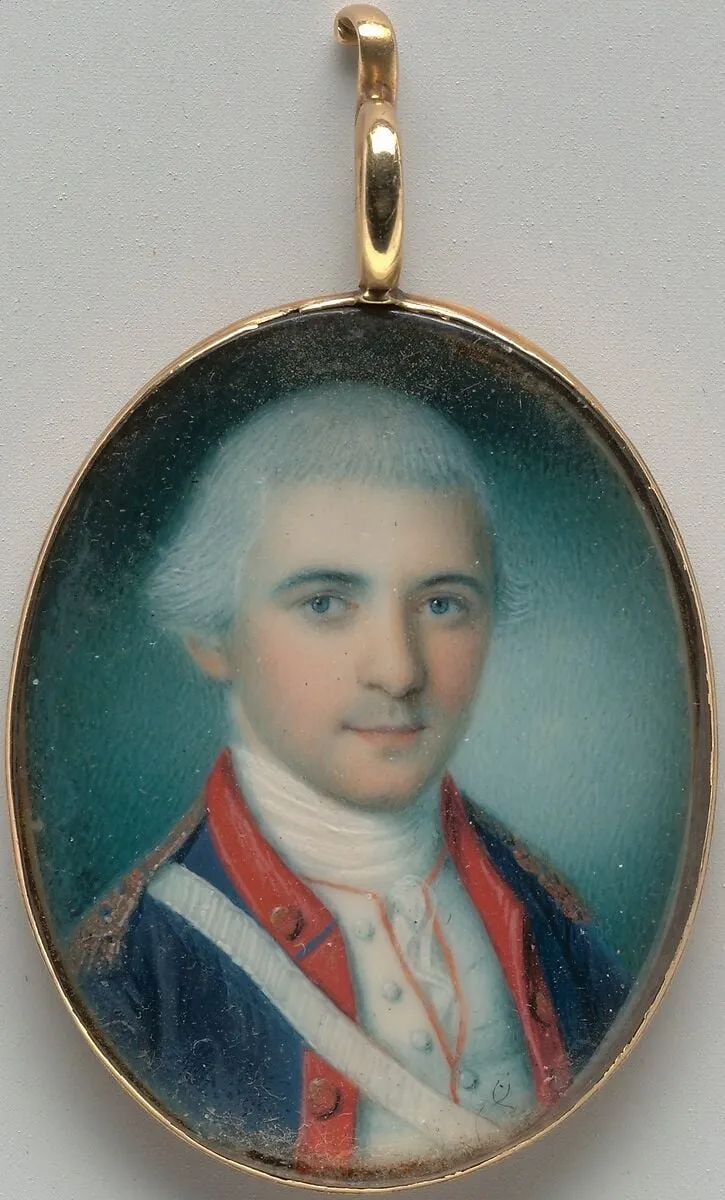
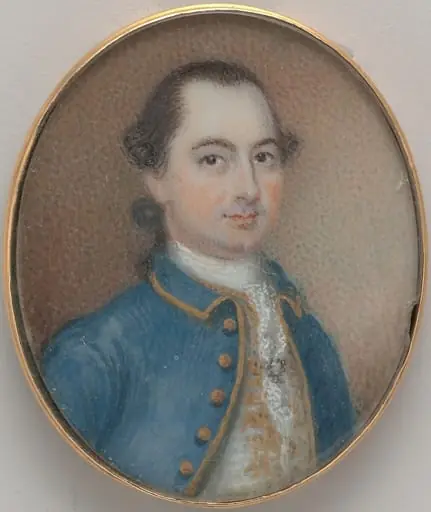
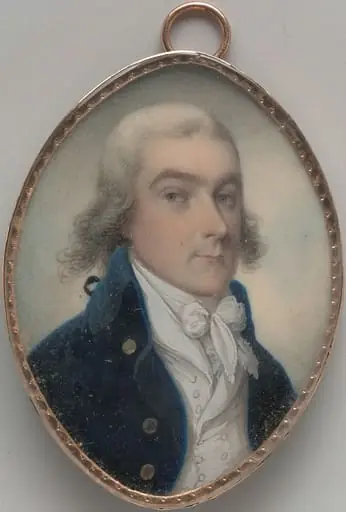
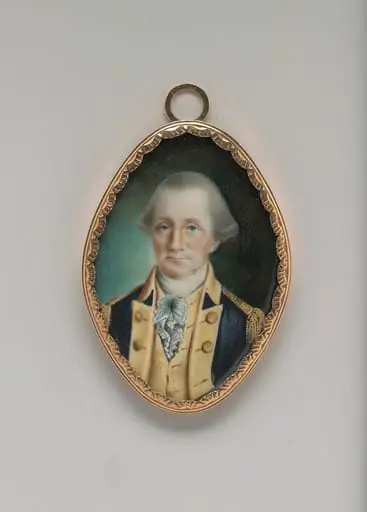
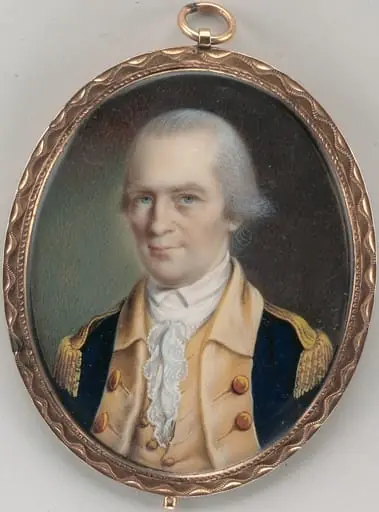
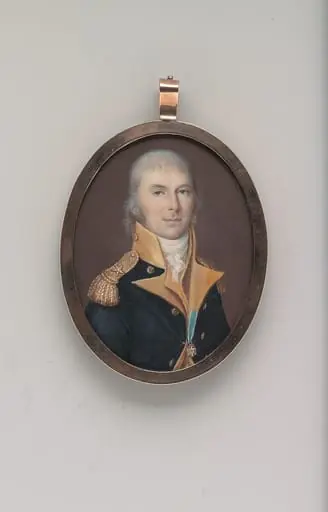
Ennion Williams is a watercolor painting by the American Impressionist artist Charles Willson Peale. It dates from 1776 and is held in the collection of the Metropolitan Museum of Art.
About this work
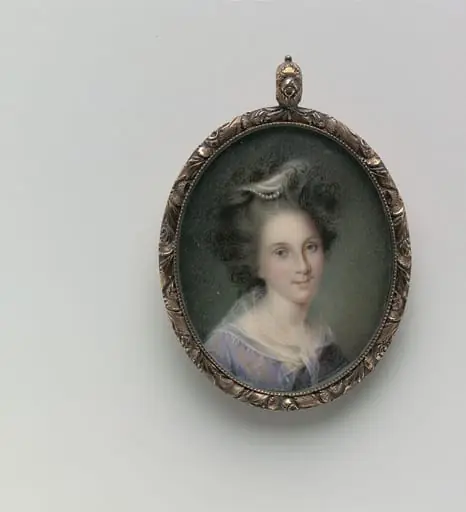
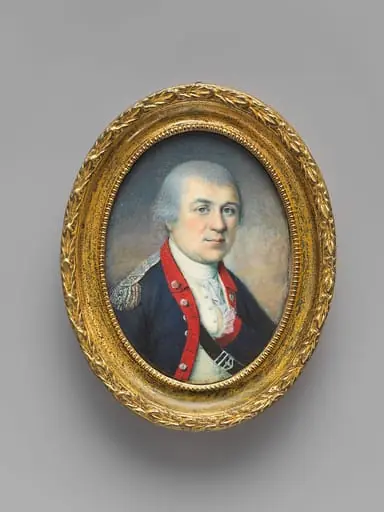
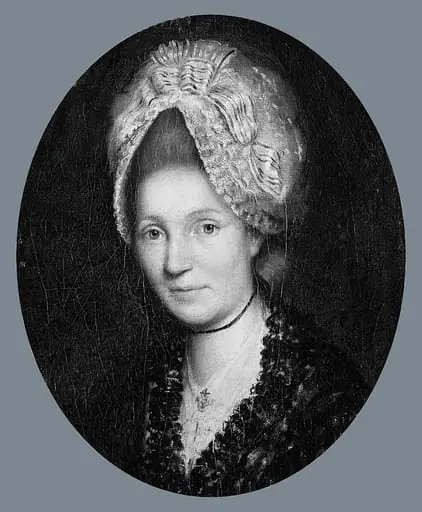
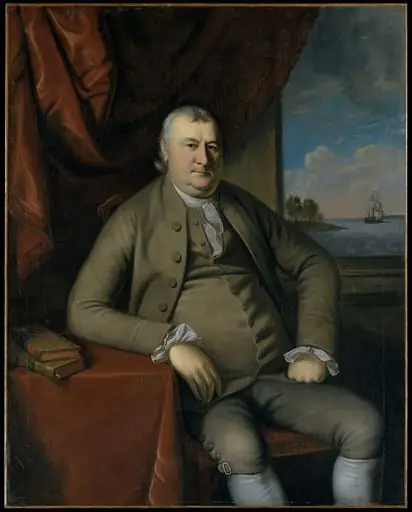
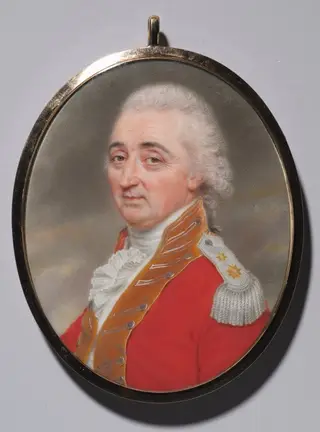
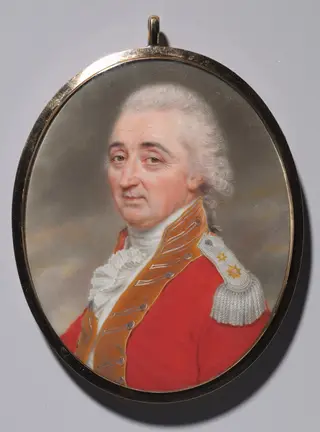
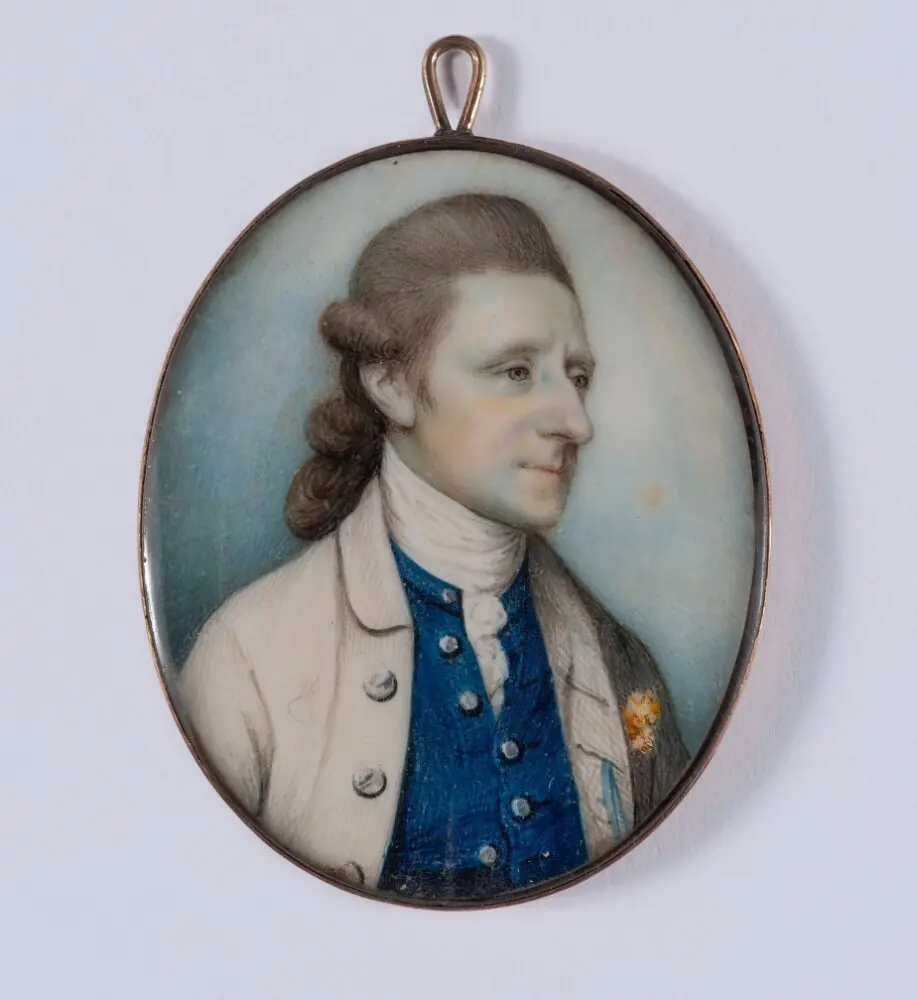
This portrait shows a man in a dark coat with a white ruffled shirt collar.
This portrait shows a man in a dark coat with a white ruffled shirt collar. Light hits his face, making his features sharp and clear. His eyes look calm but alert.
Peale painted this in 1776, the year America declared independence. He often painted leaders and thinkers of his time. This portrait honors a moment when new ideas changed a nation.
It’s done in watercolor on ivory, a delicate technique. Peale used glazing to build layers of color slowly.
Technique & Style
Created in 1776 by Charles Willson Peale, this work is a miniature portrait executed in watercolor on an ivory support. The piece measures approximately 3.8 centimeters in height by 3 centimeters in width, reflecting the intimate scale characteristic of the genre. As a miniature, the artwork relies on the smooth, luminous surface of the ivory to enhance the translucency of the watercolor pigments, allowing for fine detail in the depiction of the male subject.
The composition focuses strictly on the portrait genre, utilizing the specific handling required for such small-scale works to capture the likeness of Ennion Williams.
History & Provenance
Created in 1776, this watercolor portrait on ivory depicts Ennion Williams and was executed by the American artist Charles Willson Peale. The work is classified as a miniature with dimensions of 3.8 by 3 units. While specific details regarding the original commission or an intermediate ownership chain are not provided in the available records, the artwork is currently held in the collection of the Metropolitan Museum of Art, where it resides within the American Wing. The piece serves as a formal representation of its male subject, established during the late eighteenth century.
The watercolor on ivory portrait of Ennion Williams by Charles Willson Peale is held by the Metropolitan Museum of Art, where it forms part of the institution's American Wing collection. According to cataloguing data, the miniature is classified as a portrait within that curatorial department. The work's inception is dated to 1776, and its physical dimensions are recorded as 3.8 cm in height by 3 cm in width. No specific accession number or prior exhibition history is documented in the available sources.
Overview
Charles Willson Peale's 1776 watercolor on ivory depicts Ennion Williams, a subject rendered with precise detail. This miniature portrait exemplifies Peale's skill in capturing individual likenesses within a small format. Created during a pivotal year in American history, the artwork reflects the artist's engagement with the prominent figures and intellectual currents of the Revolutionary period, offering insight into the cultural landscape of late 18th-century America.
Subject & Meaning
The portrait presents Ennion Williams in a dark coat, accented by a white ruffled shirt collar. Peale illuminates the sitter's face, emphasizing sharp features and a gaze that conveys both composure and attentiveness. While the identity of Williams himself is not extensively detailed, the work's creation in 1776, a year of profound national transformation, suggests its connection to the era's emerging ideals and the individuals who embodied them.
Context
Created in 1776, the same year the American colonies declared independence, this portrait is situated within a period of significant political and social upheaval. Charles Willson Peale was not only a prolific artist but also an active participant in the Revolutionary cause, serving in both military and political capacities. His portraits frequently documented the leaders and intellectual figures who shaped the nascent nation, making this work a reflection of that transformative era.
Artist & collection
Artist
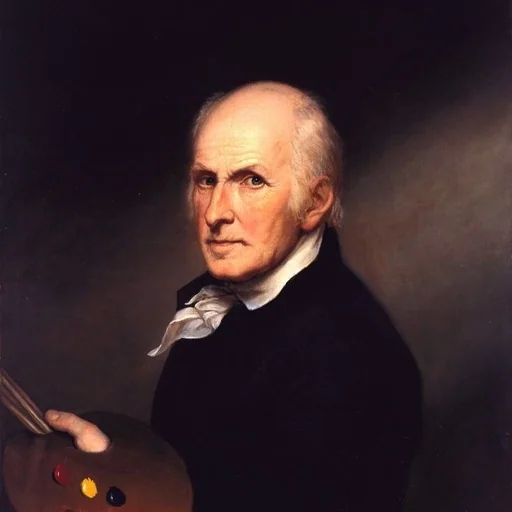
Charles Willson Peale (April 15, 1741 – February 22, 1827) was an American painter, military officer, scientist, and naturalist.