Artwork
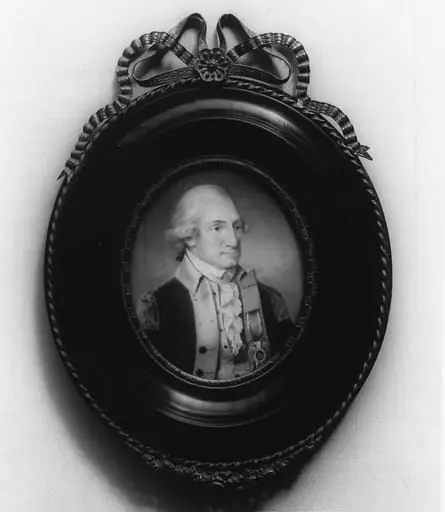
Governor George Clinton
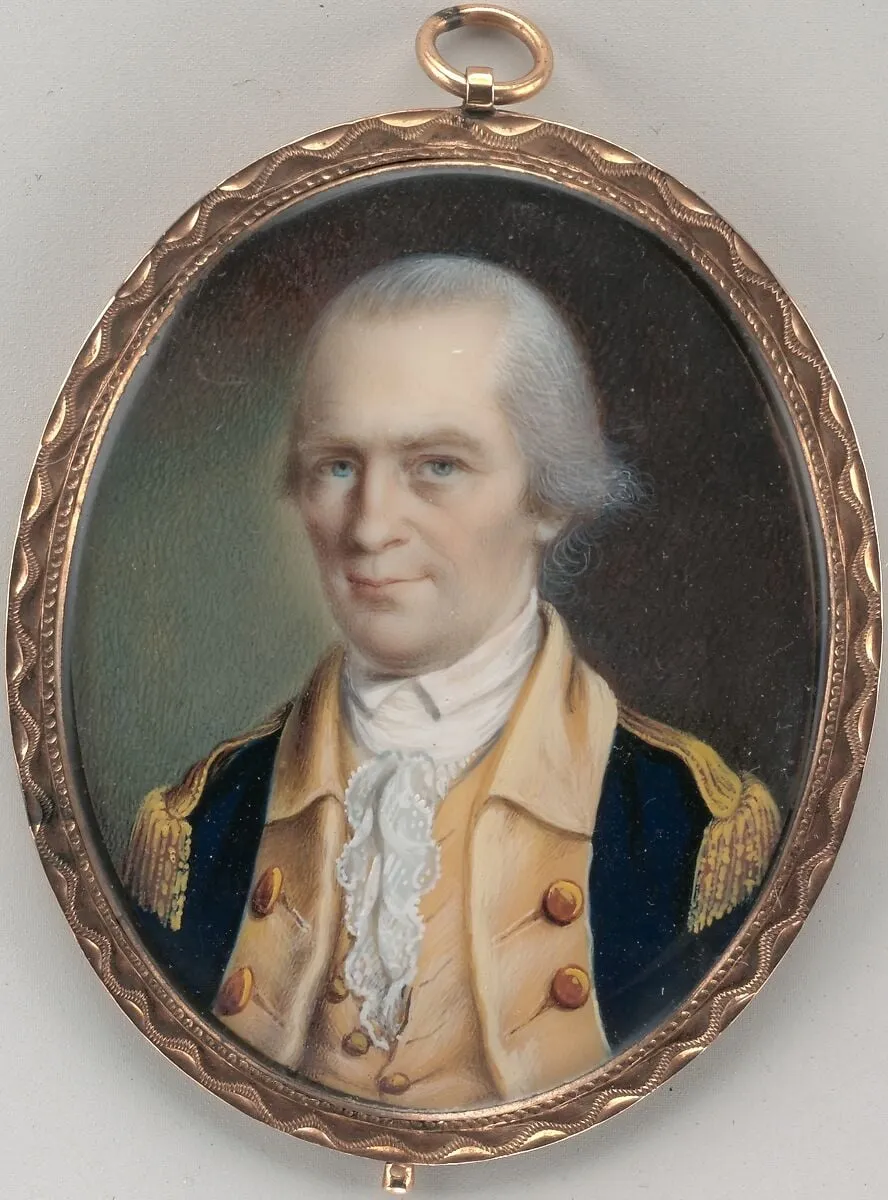
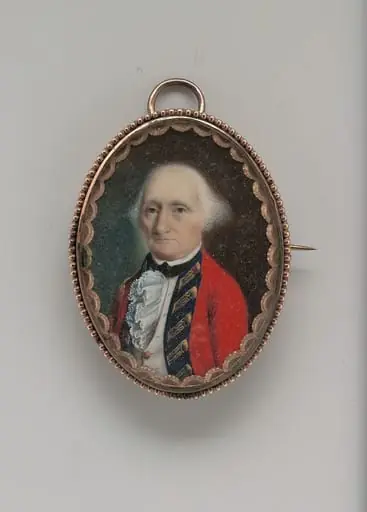
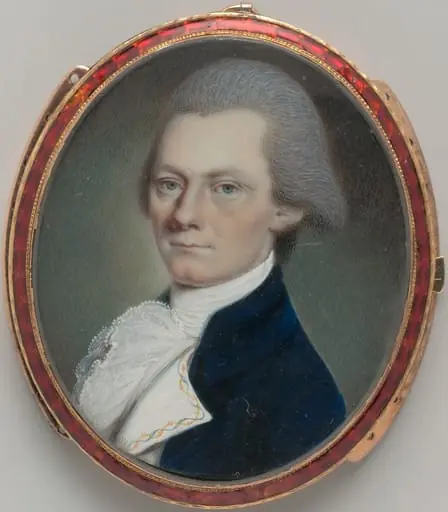
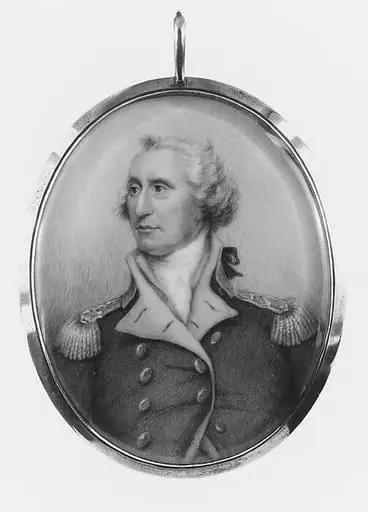
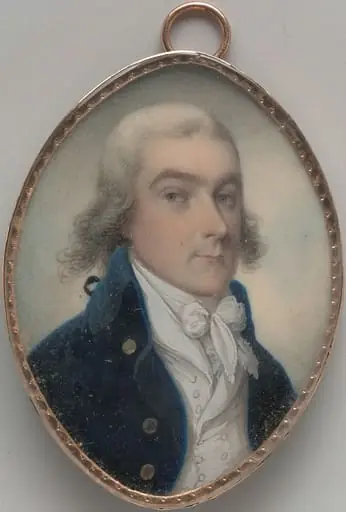
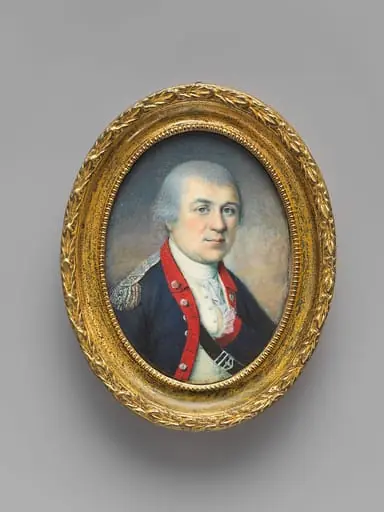
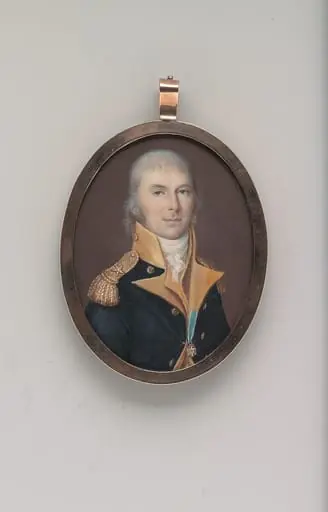
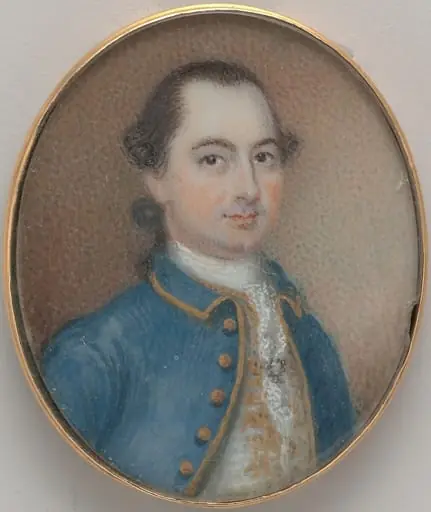
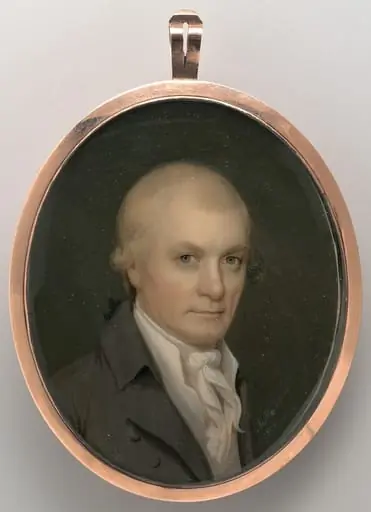
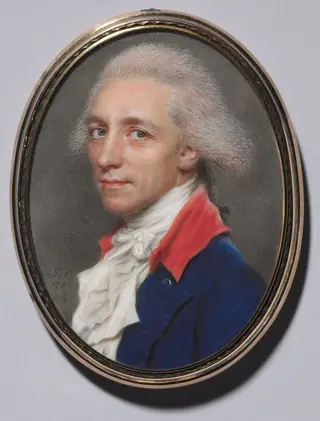
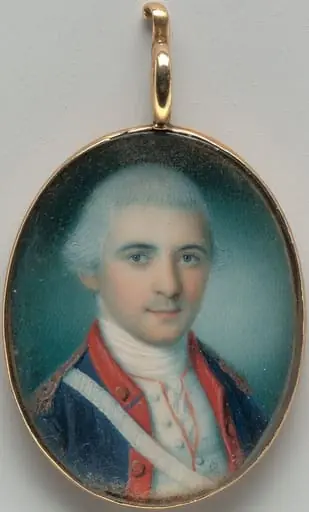
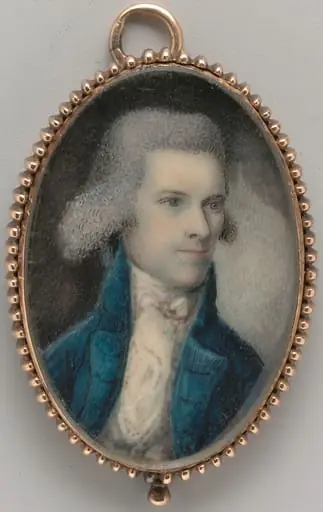
Governor George Clinton is a watercolor painting by the Rococo painting artist John Ramage. It dates from 1785 and is held in the collection of the Metropolitan Museum of Art.
About this work
Technique & Style
Ramage's handling of the medium produces a smooth surface with subtle gradations of tone that define the sitter's features and the folds of his attire.
The portrait Governor George Clinton was executed in 1785 using watercolor pigment applied to a thin ivory support, a technique noted for its delicate translucency and fine linear detail. Ramage's handling of the medium produces a smooth surface with subtle gradations of tone that define the sitter's features and the folds of his attire. The composition is tightly framed, emphasizing the sitter's dignified posture and the crisp rendering of facial expression characteristic of late-eighteenth-century American portraiture. The work measures approximately 4.4 × 3.5 cm and is held in the Metropolitan Museum of Art.
History & Provenance
The watercolor portrait of Governor George Clinton, painted by John Ramage in 1785, is housed in the Metropolitan Museum of Art in New York. It belongs to the museum's American Wing and is catalogued as a portrait within the institution's collection; the specific accession or inventory number is not disclosed in the available documentation. No exhibition record is cited in the sources, indicating that its public display history has not been documented in the provided references.
Overview
This miniature portrait, created by Irish-born American artist John Ramage around 1785, depicts George Clinton, New York's first governor and a Revolutionary War general. Executed in watercolor on ivory, the small-scale work exemplifies Ramage's specialization in intimate portraits of prominent figures during the late 18th century. It serves as a significant example of the period's portraiture, showcasing the artist's skill in this specialized format.
Subject & Meaning
The subject, George Clinton, held a pivotal role as New York's inaugural governor and a distinguished general during the Revolutionary War. Ramage's depiction captures a serious countenance, reflecting Clinton's public persona. Such miniature portraits were often commissioned by political figures for personal display or as tokens of esteem, allowing for a portable representation of their status and influence to be carried or worn.
Context
During the late 18th century, portrait miniatures served as a popular and personal form of art, often exchanged among family and associates. John Ramage established himself as a leading practitioner of this genre in America, particularly sought after for his depictions of political leaders. This work underscores his skill in capturing individual likenesses within the constraints of a small format, reflecting the era's demand for portable personal images.
Artist & collection

Artist
John Ramage (1748 – 24 October 1802) was an Irish American artist, goldsmith, patroller, and second lieutenant.