Artwork
Alexander Murray
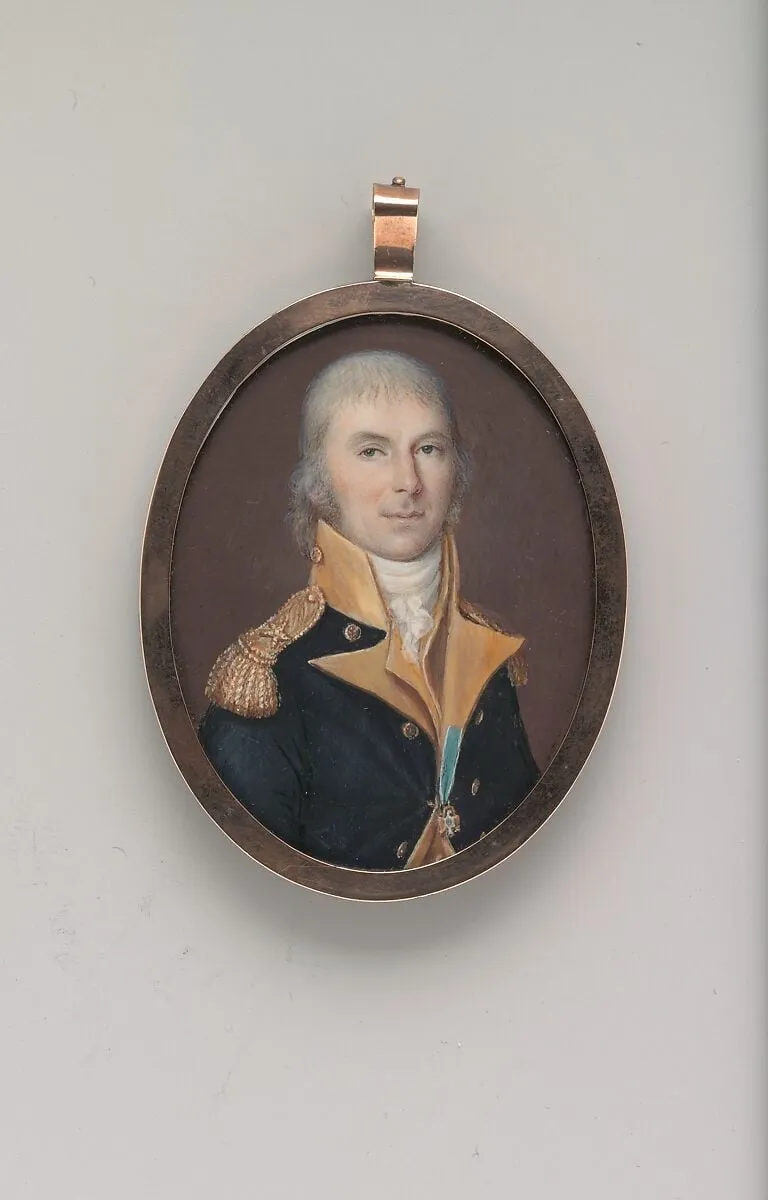
Alexander Murray is a watercolor painting. It dates from 1798 and is held in the collection of the Metropolitan Museum of Art.
About this work
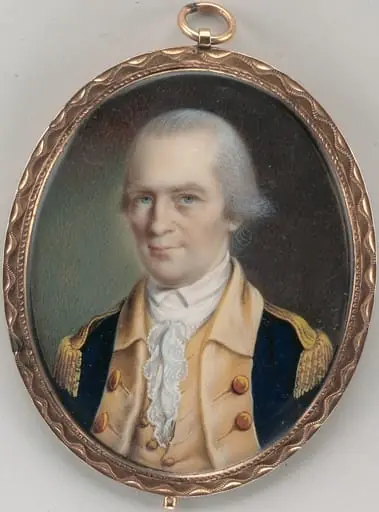
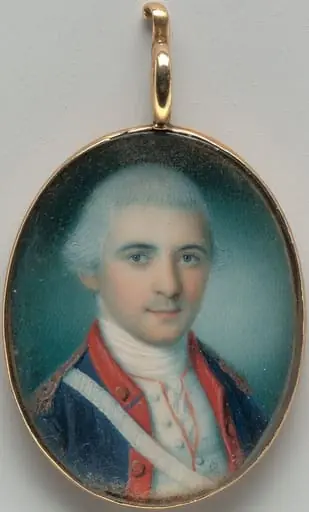
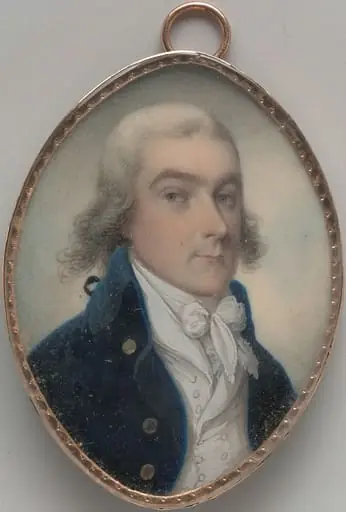
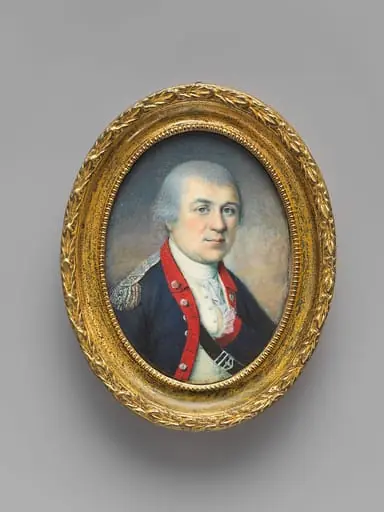
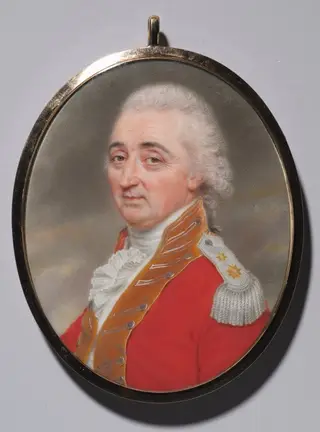
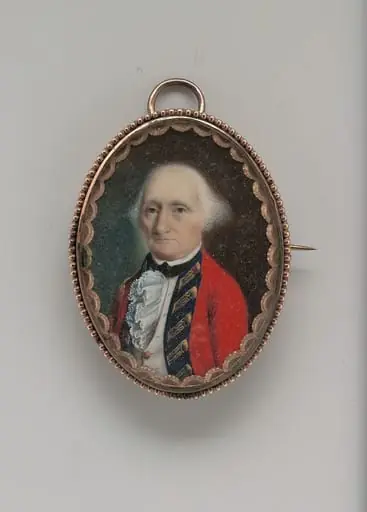
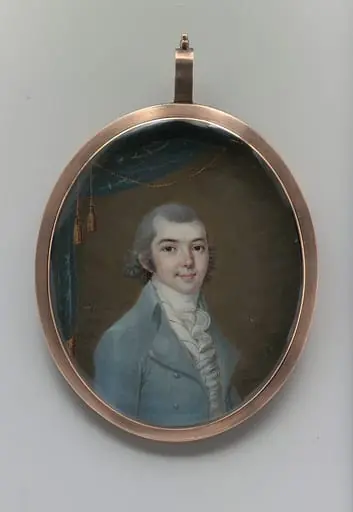
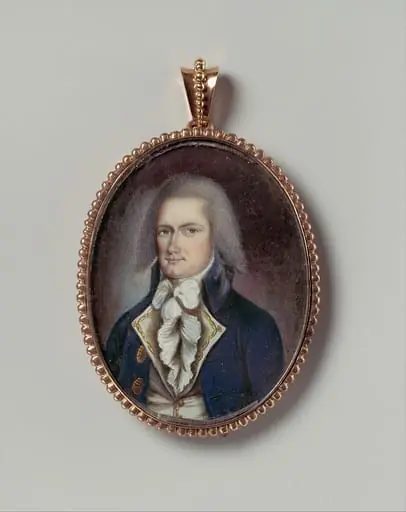
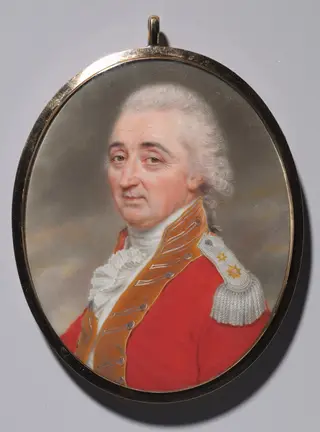
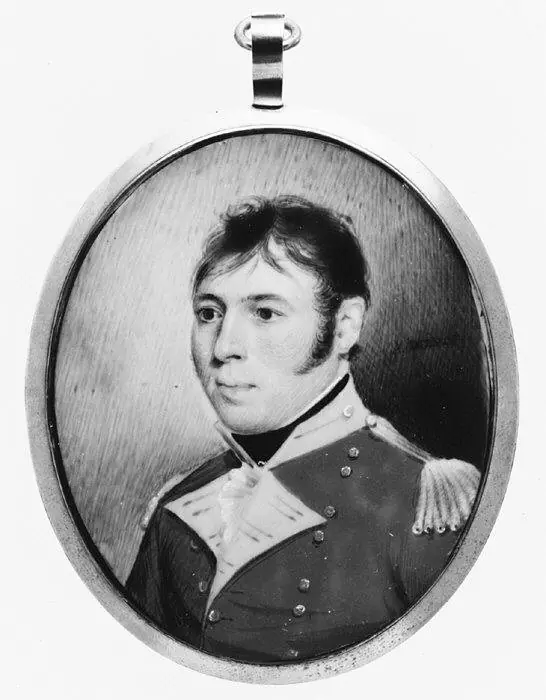
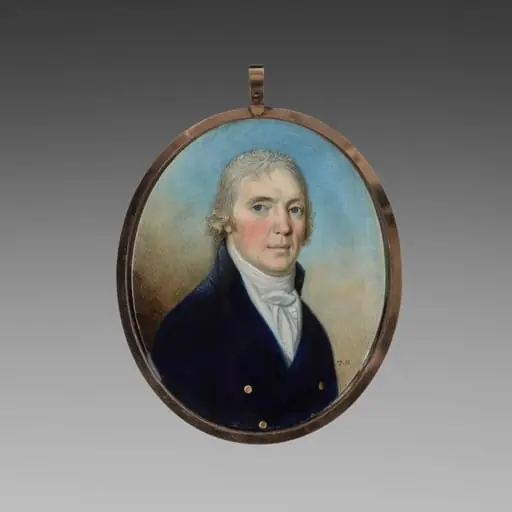
A man in a dark coat looks straight out, his face softly lit, his features built from tiny brushstrokes on a piece of ivory no bigger than a playing card. The sitter is Alexander Murray, painted in 1798. Watercolor on ivory was a popular way to carry a loved one's face in a pocket, and the work feels personal, almost private.
Subject & Meaning
As a portrait, the image functions as a visual record of the sitter’s appearance and social standing, typical of portraiture that conveys identity and status.
The work is a portrait that depicts Alexander Murray, an 18th‑century man identified in the catalog as the subject of an anonymous painting. Executed in watercolor on ivory in 1798, the piece measures roughly 6.7 by 5.2 inches and is housed in the Metropolitan Museum of Art, where it is listed under The American Wing’s portrait genre. As a portrait, the image functions as a visual record of the sitter’s appearance and social standing, typical of portraiture that conveys identity and status. The depiction thus represents Murray himself, serving as a commemorative likeness within the museum’s collection.
Technique & Style
The miniature portrait of Alexander Murray is executed in watercolor on a small ivory support, measuring approximately 6.7 cm in height and 5.2 cm in width. The technique emphasizes fine, controlled brushwork suited to the intimate scale, with delicate layering of translucent washes to model the sitter’s facial features and costume details. The medium’s luminosity enhances the lifelike rendering of textures, particularly in the treatment of hair and fabric, while the ivory’s smooth surface allows for precise linear definition.
Stylistically, the work adheres to late eighteenth-century portrait conventions, characterized by restrained naturalism and an emphasis on individual likeness, executed anonymously in a manner consistent with British or American provincial practice of the period.
History & Provenance
The watercolor on ivory portrait Alexander Murray is dated to 1798, when it entered the Metropolitan Museum of Art’s collection as an anonymous work. The sitter, Alexander Murray, is identified in both internal documentation and Wikidata records as the subject of the portrait, which measures 6.7 cm in height and 5.2 cm in width. No documented commission or provenance prior to the museum’s acquisition is recorded in the provided sources, and the artist remains unattributed.
The watercolor portrait of Alexander Murray, dated 1798, is held in the collection of the Metropolitan Museum of Art. Classified within The American Wing, the work is an anonymous painting on ivory depicting the subject as a man. Specific inventory details such as an accession number are not provided in the available records, though the piece is cataloged with dimensions of 6.7 by 5.2 units.
The sources confirm the artwork's location at the Metropolitan Museum of Art but do not list any specific exhibition history or past display records for this item. The portrait remains part of the museum's permanent holdings, identified by its creation date and medium rather than a named attribution.
Overview
This miniature portrait depicts Alexander Murray, created in 1798. Rendered in watercolor on a small piece of ivory, the artwork captures the subject's gaze directly. Its intimate scale and precise execution reflect a common practice of the late 18th century, offering a personal likeness that could be easily carried. The artist responsible for this particular work remains unidentified.
Context
During the late 18th century, miniature portraits like this one served a significant social function. Before the advent of photography, these small, portable images were a primary means for individuals to keep likenesses of loved ones close at hand. Often carried in pockets or worn as jewelry, they provided a personal connection, functioning much like a cherished photograph would in later centuries, fostering intimacy and remembrance.
Artist & collection