Artwork
Misty Landscape
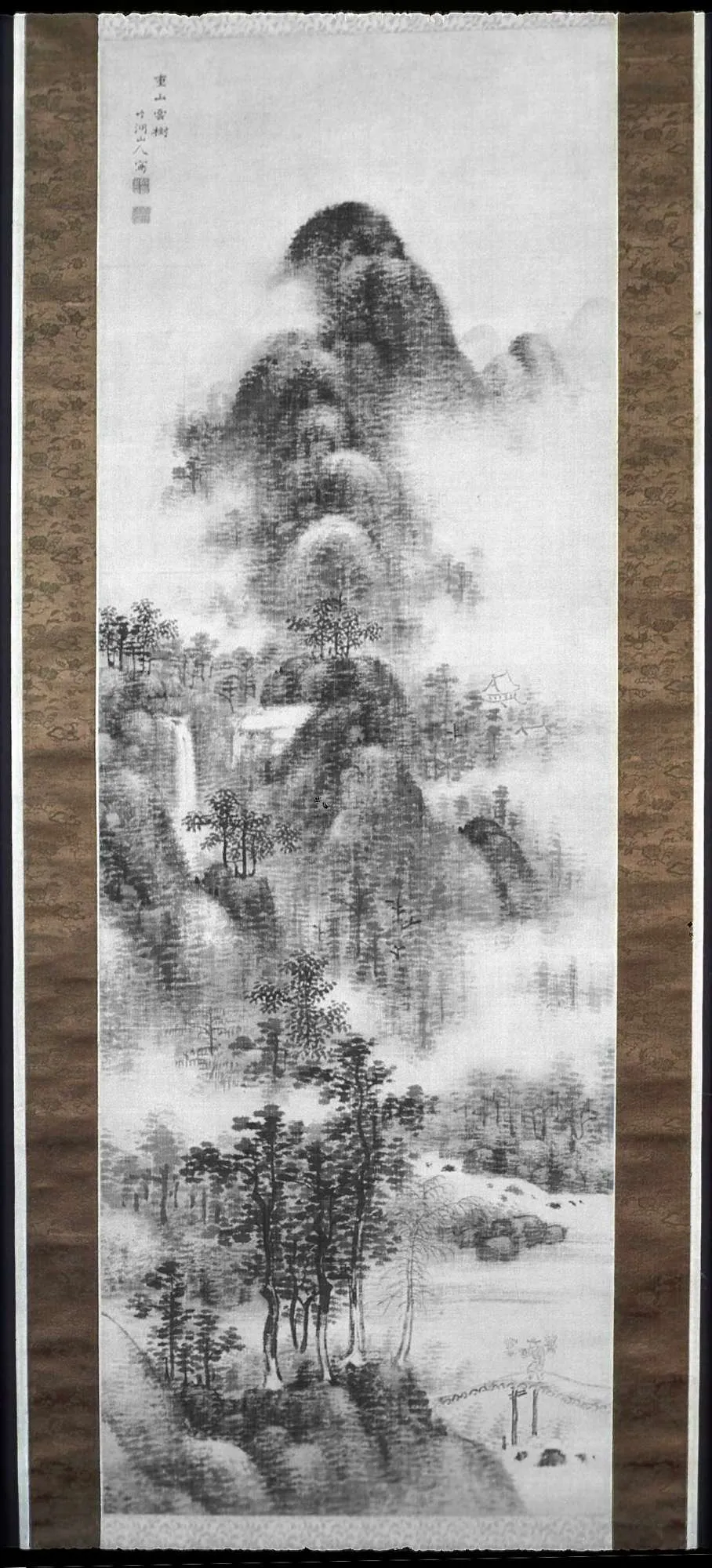
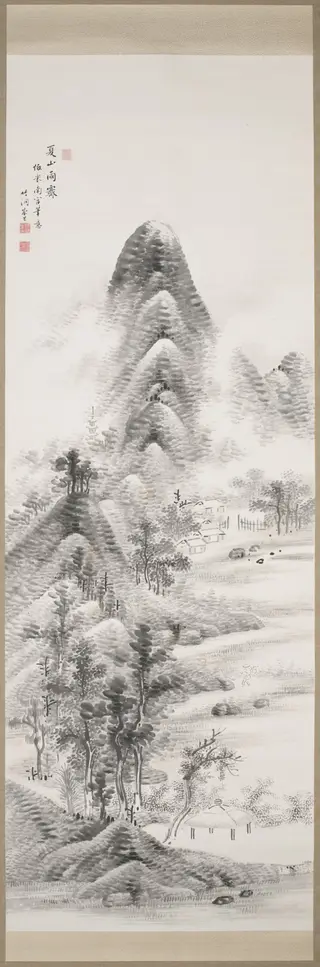
Misty Landscape is an unspecified painting by the Nanga artist Chikutō Nakabayashi. It dates from 1788 and is held in the collection of the Detroit Institute of Arts.
About this work
Overview
Chikutō Nakabayashi, active in the late 1700s and early 1800s, produced Misty Landscape in 1788 as a representative work of the nanga tradition.
Chikutō Nakabayashi, active in the late 1700s and early 1800s, produced Misty Landscape in 1788 as a representative work of the nanga tradition. Rooted in Chinese literati ideals, this style valued introspection and spontaneity over technical polish. Nakabayashi, who also went by the names Chūtan and Taigen’an, moved from Nagoya to Kyoto, where he engaged with a circle of scholar-artists committed to expressing inner feeling through nature.
Subject & Meaning
The painting presents a quiet, hazy mountain scene where form dissolves into atmosphere. Bare trees in the foreground anchor the composition, while distant hills fade into soft gray mist. Rather than depicting a specific location, the scene evokes a meditative state, nature as a vessel for contemplation. The absence of human figures reinforces the solitude and stillness central to nanga’s philosophical aims.
Technique & Style
Nakabayashi employed monochrome ink washes to build subtle gradations of tone, using varying densities of gray to suggest depth and texture. Wet brushwork blurs the edges of hills and clouds, while dry strokes define the skeletal branches of trees. The restrained palette and deliberate lack of detail reflect nanga’s preference for suggestion over description, inviting the viewer to complete the scene mentally.
History & Provenance
Created during a period when Japanese artists were reinterpreting Chinese models, the painting entered the Detroit Institute of Arts’ collection through documented acquisition. Its preservation reflects early 20th-century Western interest in East Asian literati art. No earlier ownership records are widely known, but its presence in a major U.S. institution underscores its recognition within global art historical discourse.
Context
Nanga emerged in Japan as an alternative to official painting schools, favored by educated elites who saw art as an extension of poetry and philosophy. Nakabayashi’s work aligned with contemporaries who rejected rigid conventions, favoring personal expression and natural motifs. The movement’s emphasis on solitude and impermanence resonated with Zen aesthetics, distinguishing it from more ornate Japanese styles of the time.
Legacy
Though less widely known than some of his peers, Nakabayashi’s Misty Landscape remains a clear example of nanga’s quiet power. Its influence endures in how modern viewers interpret Japanese ink painting, not as mere representation, but as a discipline of perception. The work continues to be studied for its restraint and emotional resonance within the broader canon of East Asian art.
Artist & collection
Artist
Nakabayashi Chikutō, originally Nariaki (Japanese:中林 竹洞; (1776, Nagoya - 27 April 1853, Kyoto) was a Japanese painter in the nanga style. His other art names include Chūtan (沖澹), Taigen’an (太原庵) and Tōzan Inshi (東山隠士).

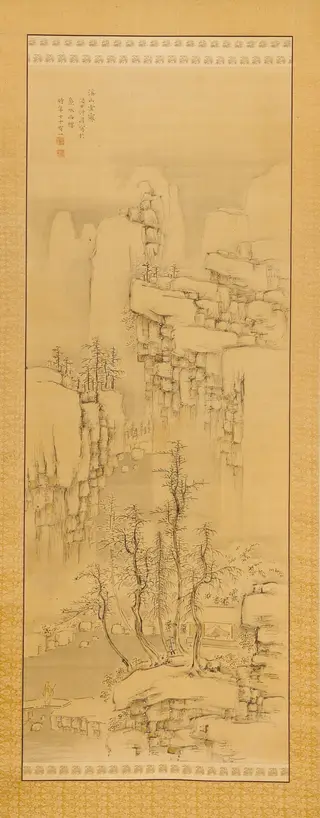
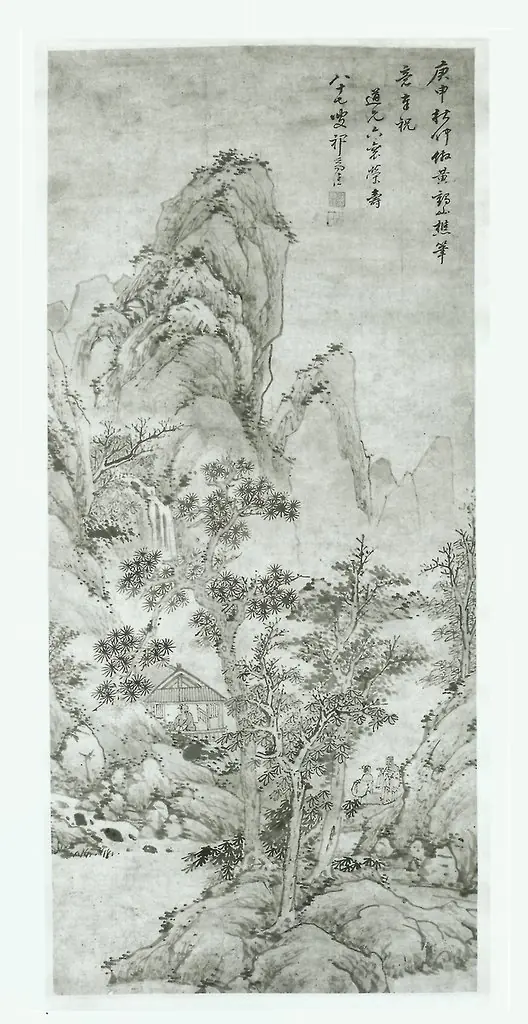 Landscape after Wang Meng
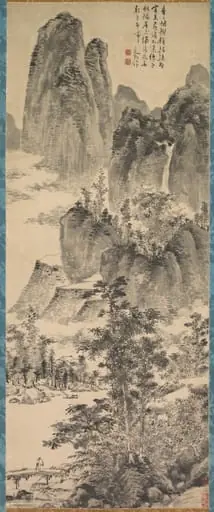 Looking for a Monastery in the Misty Mountains
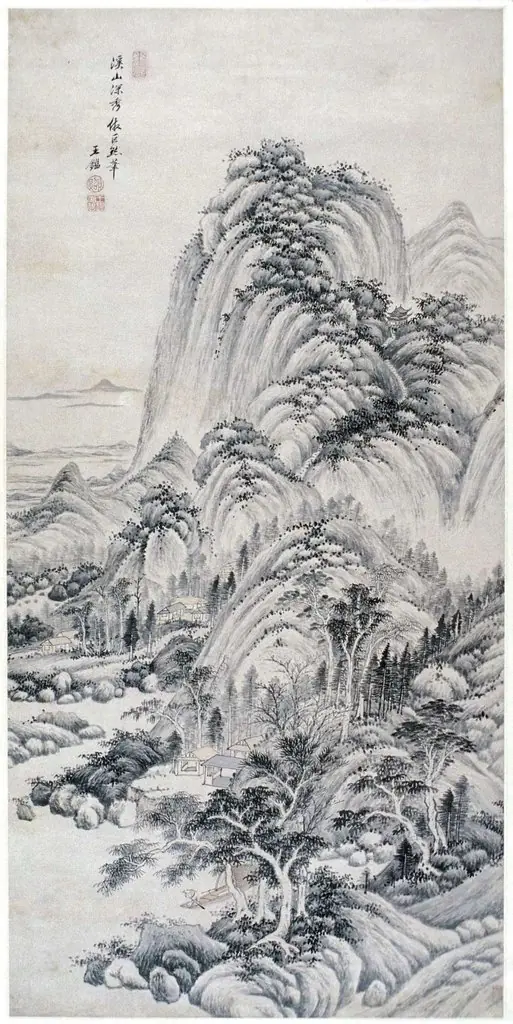 Landscape in the Style of Juran
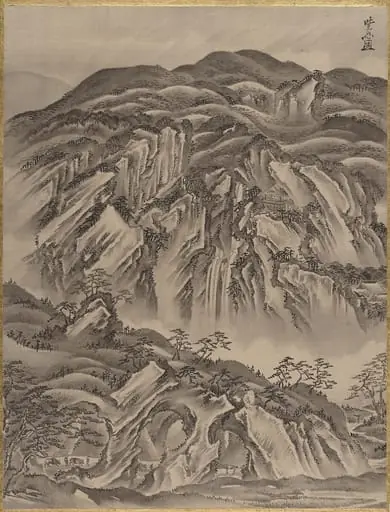 Untitled
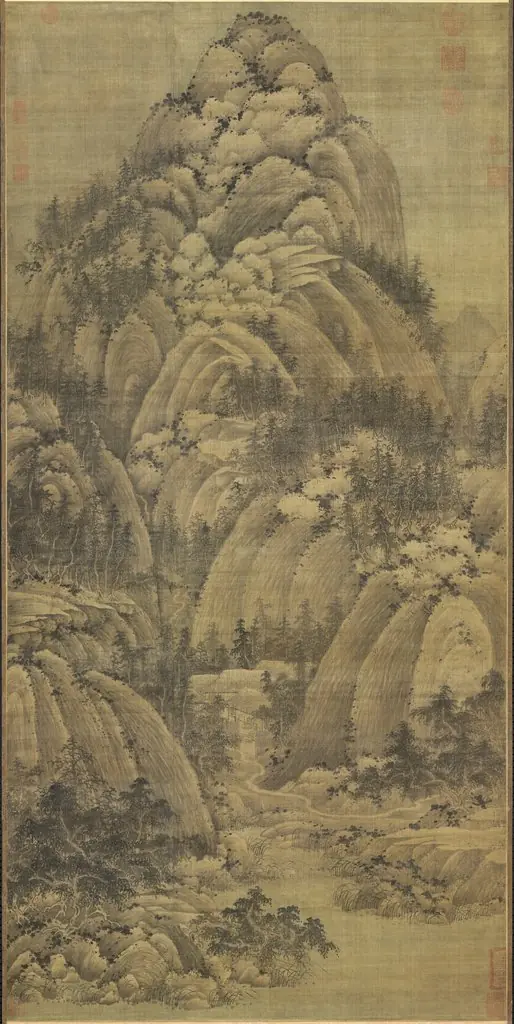 Seeking after the Tao in Autumn Mountains
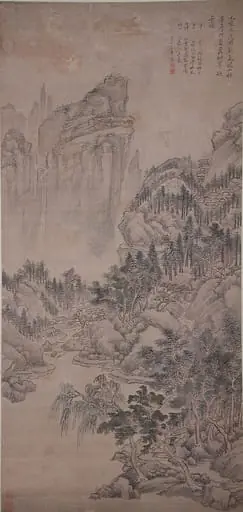 清 惲壽平 山水 軸|Landscape
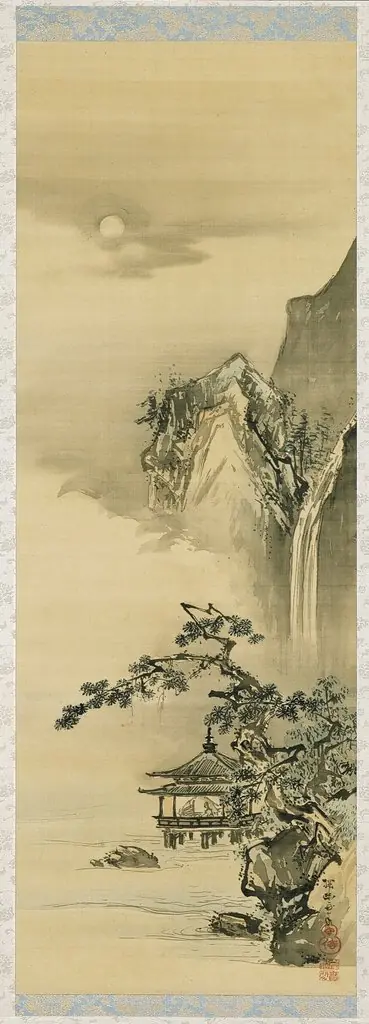 Lake Pavilion near a Waterfall
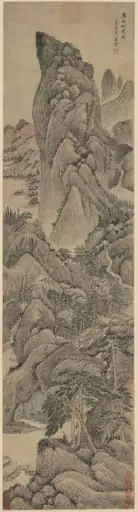 Pine Wind from Myriad Villages
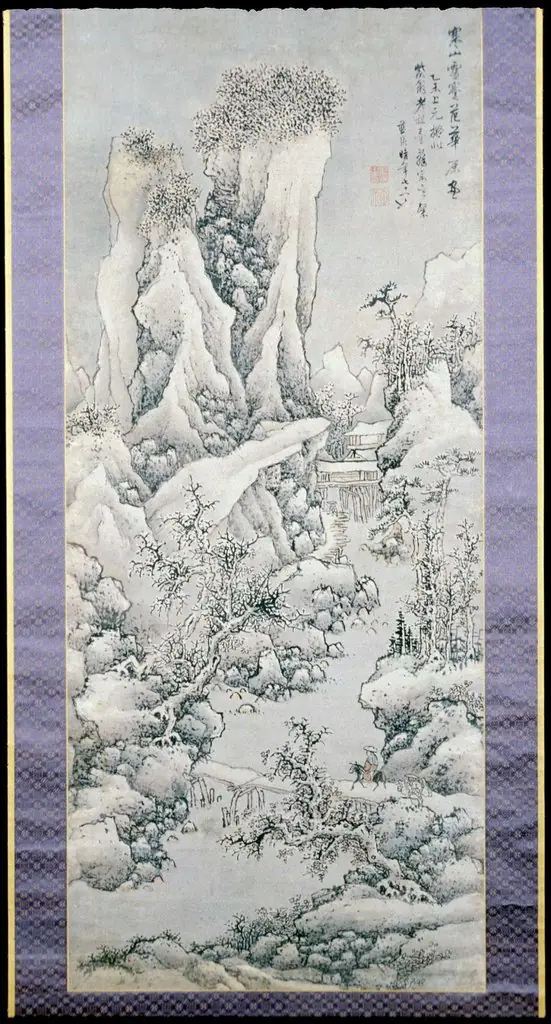 Cold Mountains and Snowy Peaks
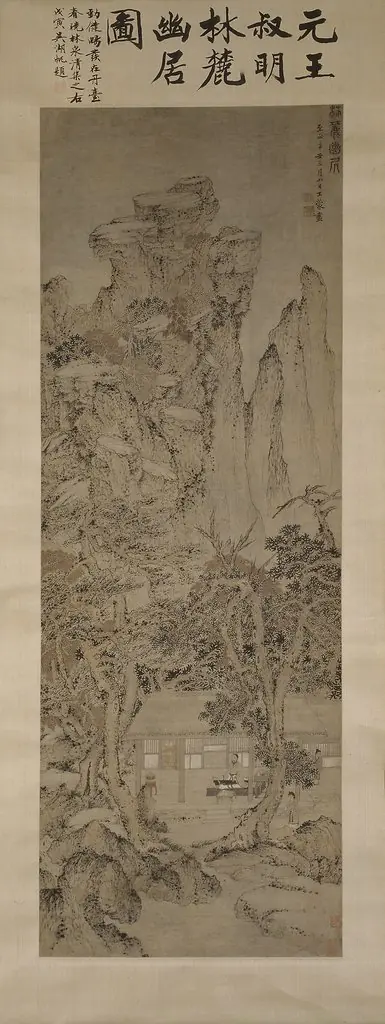 Quiet Life in a Wooded Glen
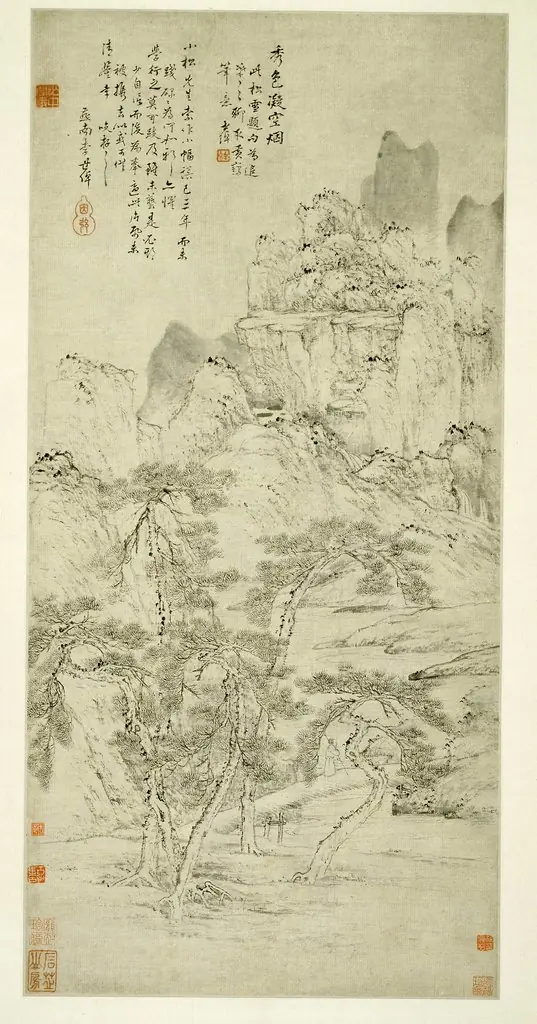
- Landscape: Beautiful Scenery Frozen in Mist