Artwork
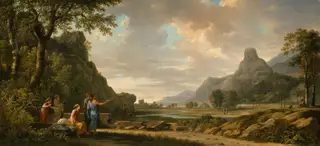
Landscape with Jacob and Laban and His Daughters
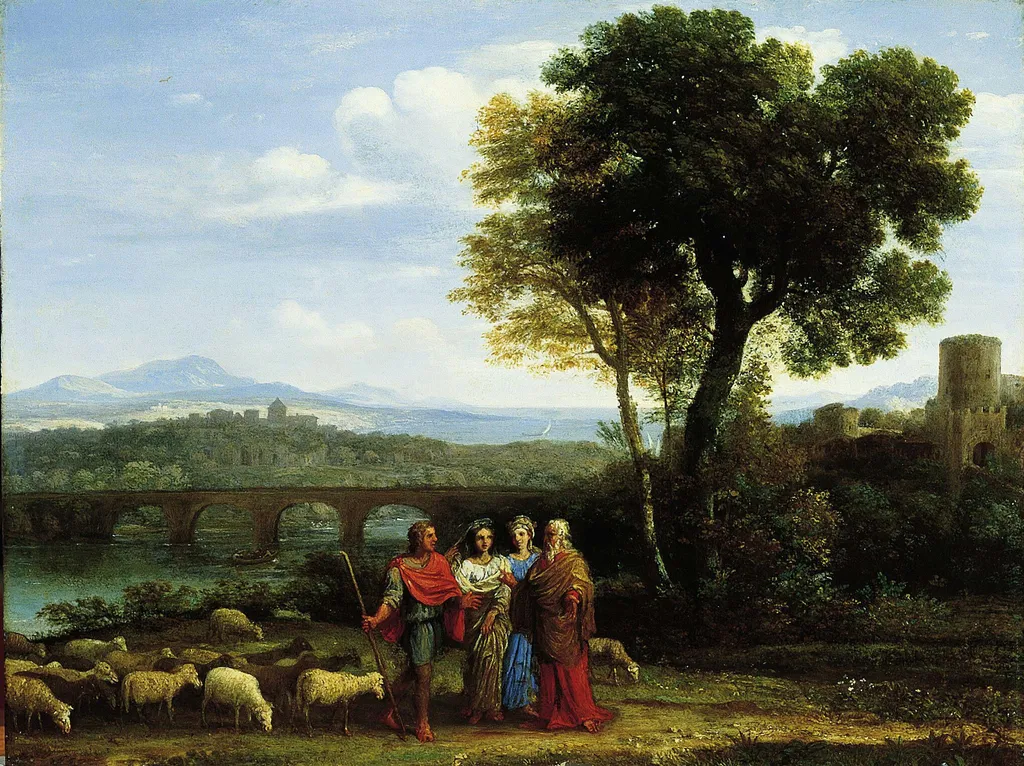
Landscape with Jacob and Laban and His Daughters is an oil painting by the French Classical Baroque artist Claude Lorrain. It dates from 1659 and is held in the collection of the Norton Simon Museum.
About this work
Overview
Though the scene is dominated by natural elements, river, hills, sky, the presence of a few figures anchors it in narrative.
Painted in 1659 on copper, this work by Claude Lorrain is a landscape infused with a biblical episode. Though the scene is dominated by natural elements, river, hills, sky, the presence of a few figures anchors it in narrative. Lorrain, a French artist based in Rome, specialized in harmonious compositions that merged serene nature with stories from scripture, elevating landscape beyond mere backdrop.
Subject & Meaning
The painting illustrates the moment from Genesis when Jacob meets Laban and his daughters at a well. The central group includes Jacob, identified by his red cloak and staff, Laban with his white beard, and two of Laban’s daughters. The quiet interaction among them, set against grazing sheep and a tranquil river, suggests a moment of arrival and connection, rendered with restraint rather than drama.
Technique & Style
Lorrain employed copper as a support for its smooth, non-absorbent surface, allowing precise detail and luminous glazes. His brushwork is subtle, blending tones to create atmospheric depth. Light filters gently through the sky, casting soft shadows and enhancing the sense of space. The composition follows classical balance, with the bridge and river guiding the eye into the distance.
History & Provenance
The painting entered the Norton Simon Museum’s collection through its founder’s acquisitions in the mid-20th century. Before that, it passed through private European collections, typical for works by Lorrain, whose reputation among collectors remained steady from the 17th century onward. Its copper support and intact condition reflect careful preservation over centuries.
Context
In mid-17th-century Italy, landscape painting was gaining status as an independent genre. Lorrain’s work responded to this shift by embedding biblical narratives within idealized natural settings, appealing to patrons who valued both spiritual resonance and aesthetic harmony. His approach contrasted with more theatrical Baroque styles, favoring calm and order.
Legacy
Lorrain’s integration of narrative and landscape influenced later artists, including English landscape painters of the 18th century. His use of light, spatial depth, and classical composition became benchmarks for academic training. Though less celebrated today than in earlier centuries, his works remain studied for their quiet mastery of atmosphere and structure.
Own this work as a print
Artist & collection
Artist
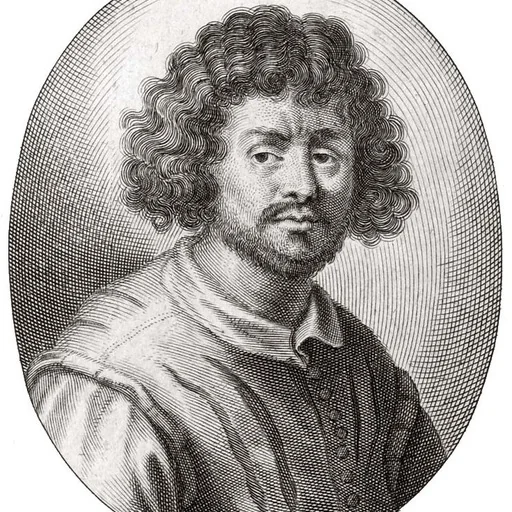
Claude Lorrain (French:; born Claude Gellée, called le Lorrain in French; traditionally just Claude in English; c.

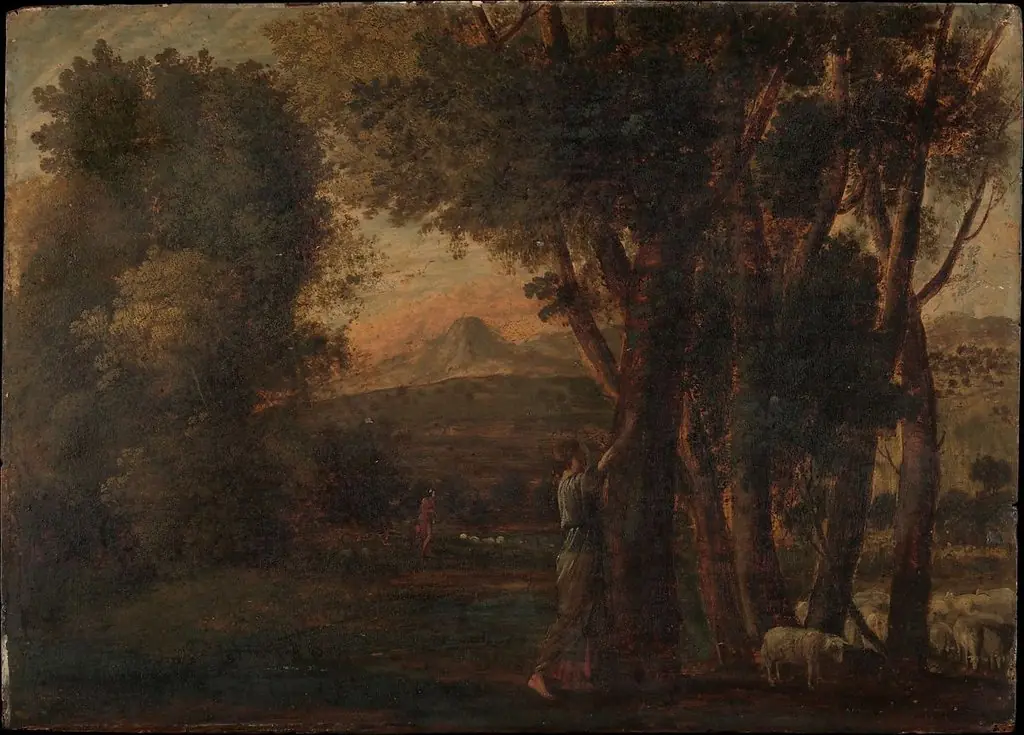
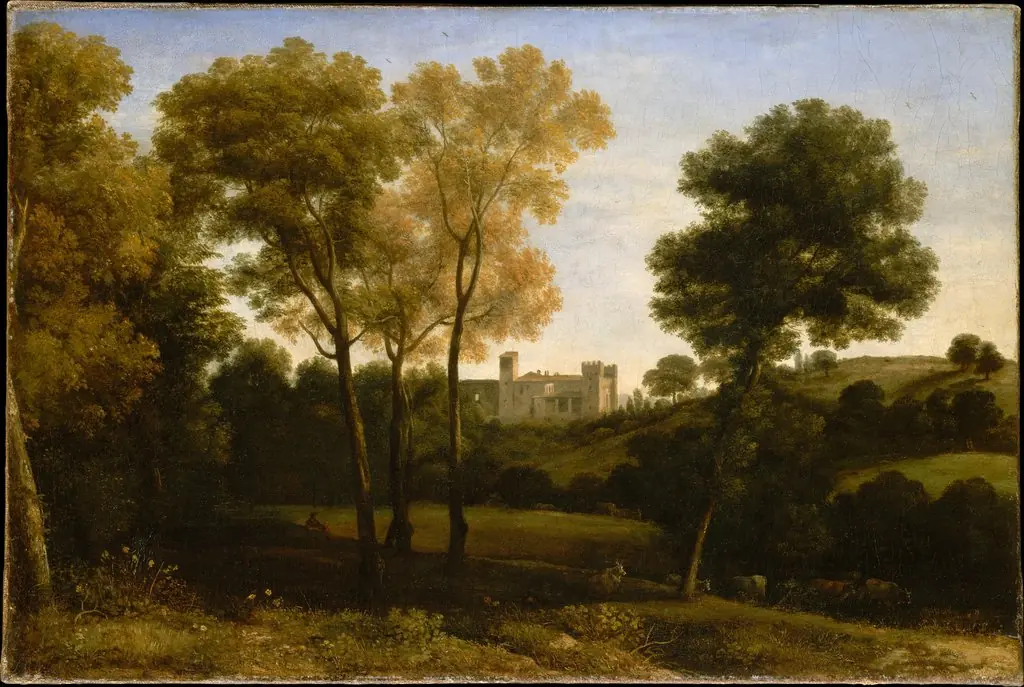
- Arcadian Landscape with Fishermen
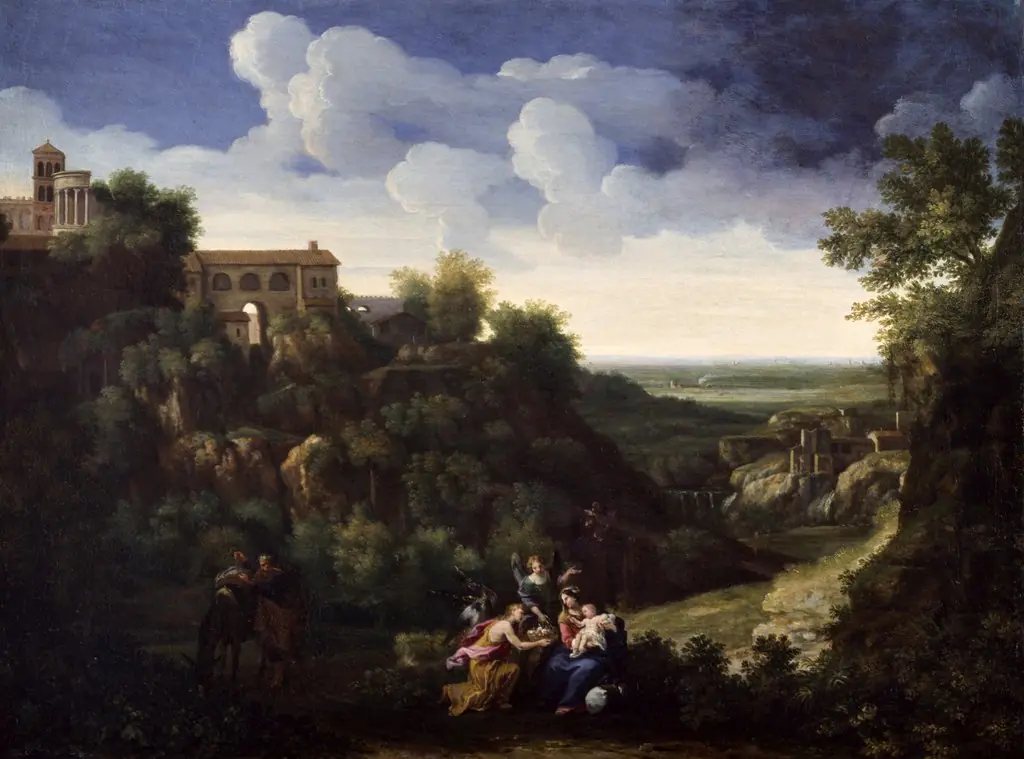 View of Tivoli with the Flight into Egypt
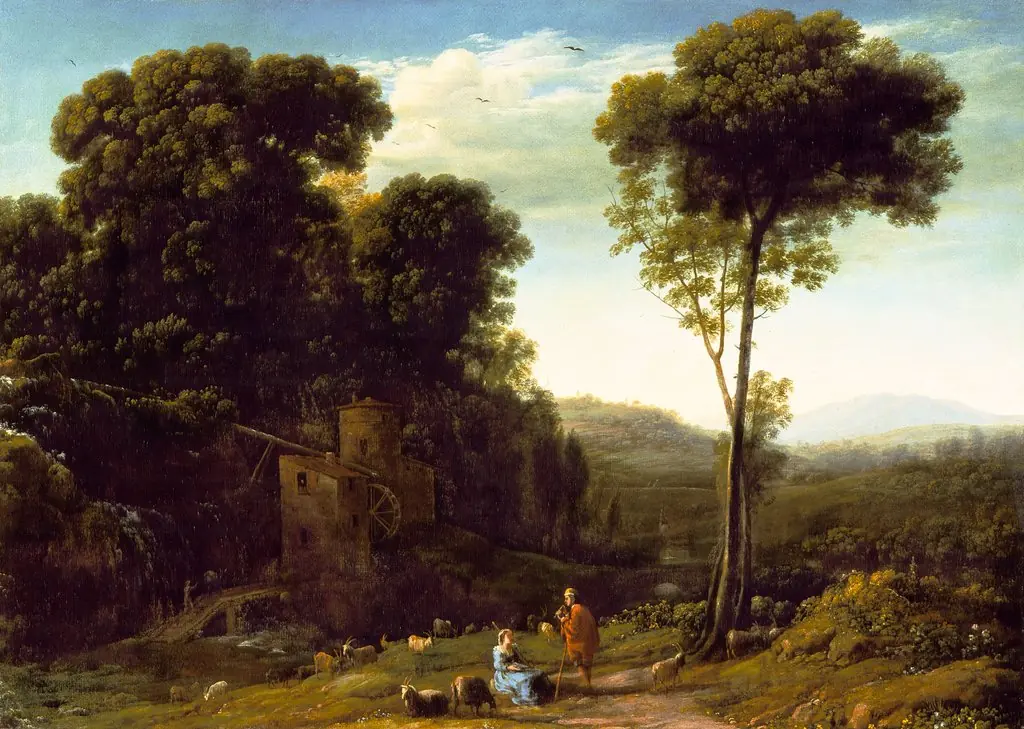 Pastoral Landscape with a Mill
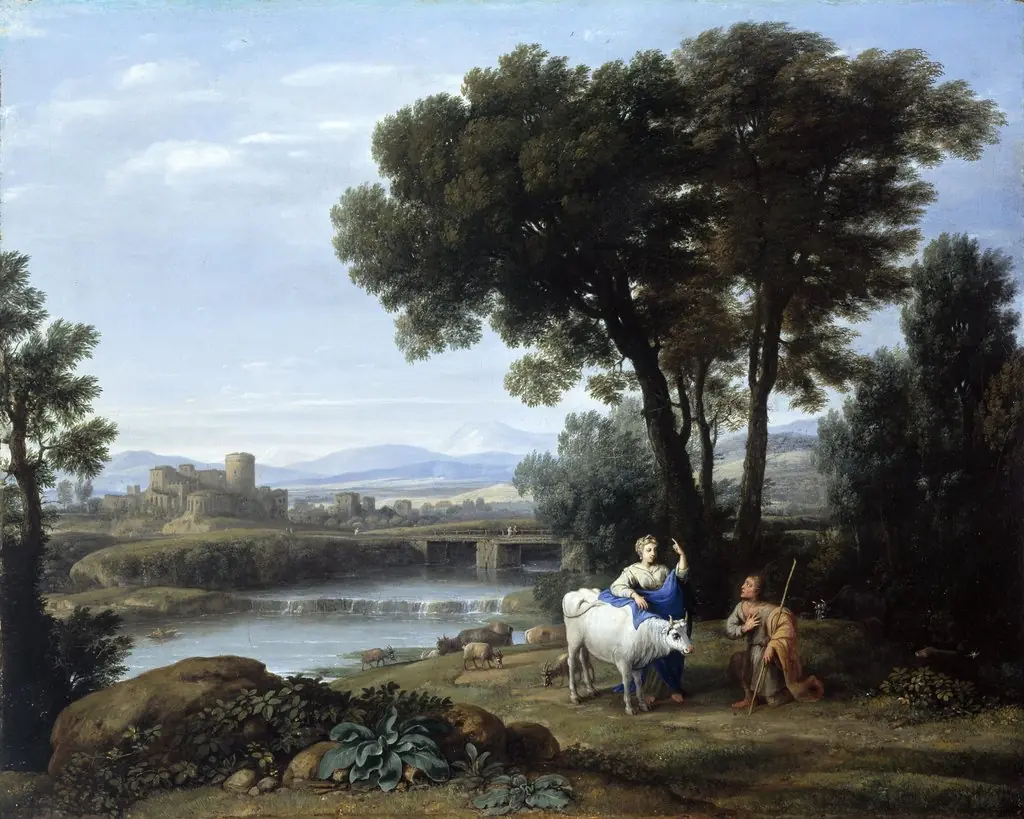 Juno Confiding Io to the Care of Argus
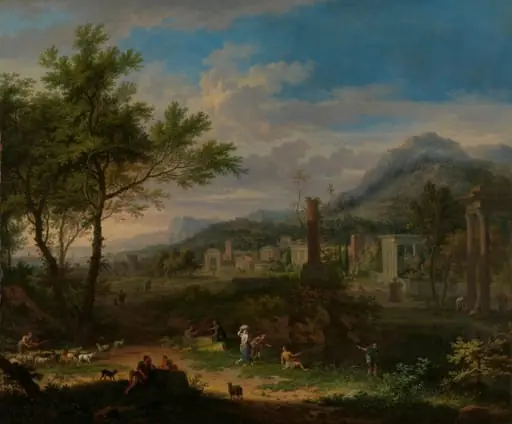 Arcadian Landscape with Fishermen
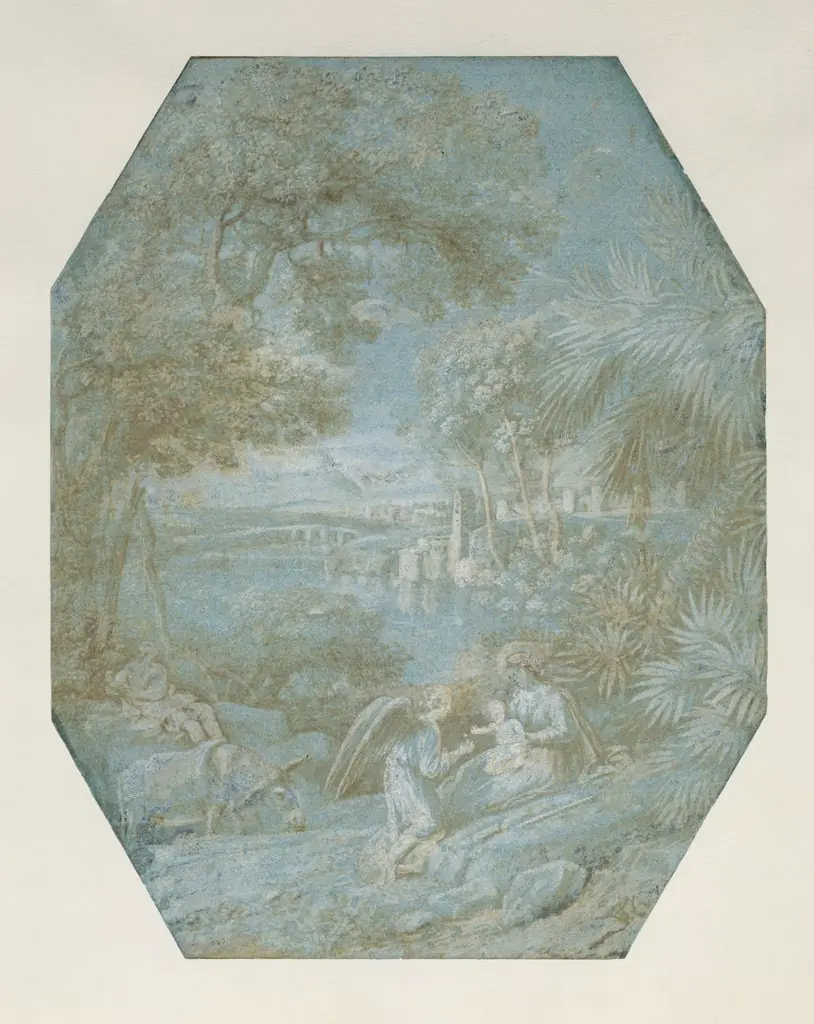
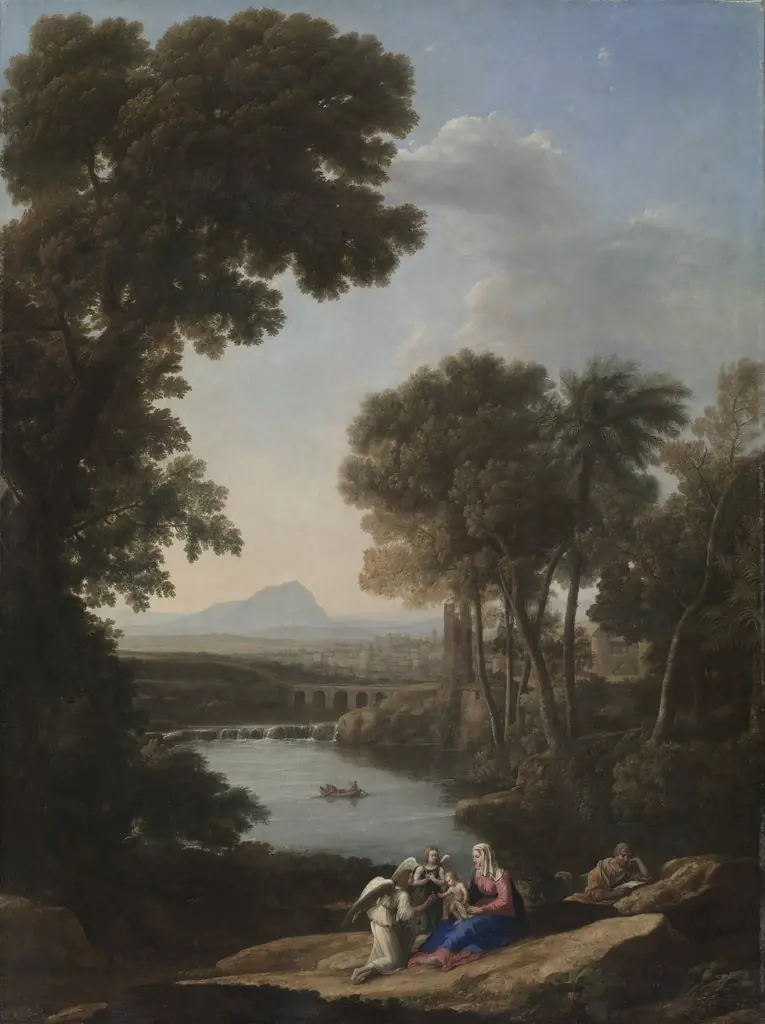
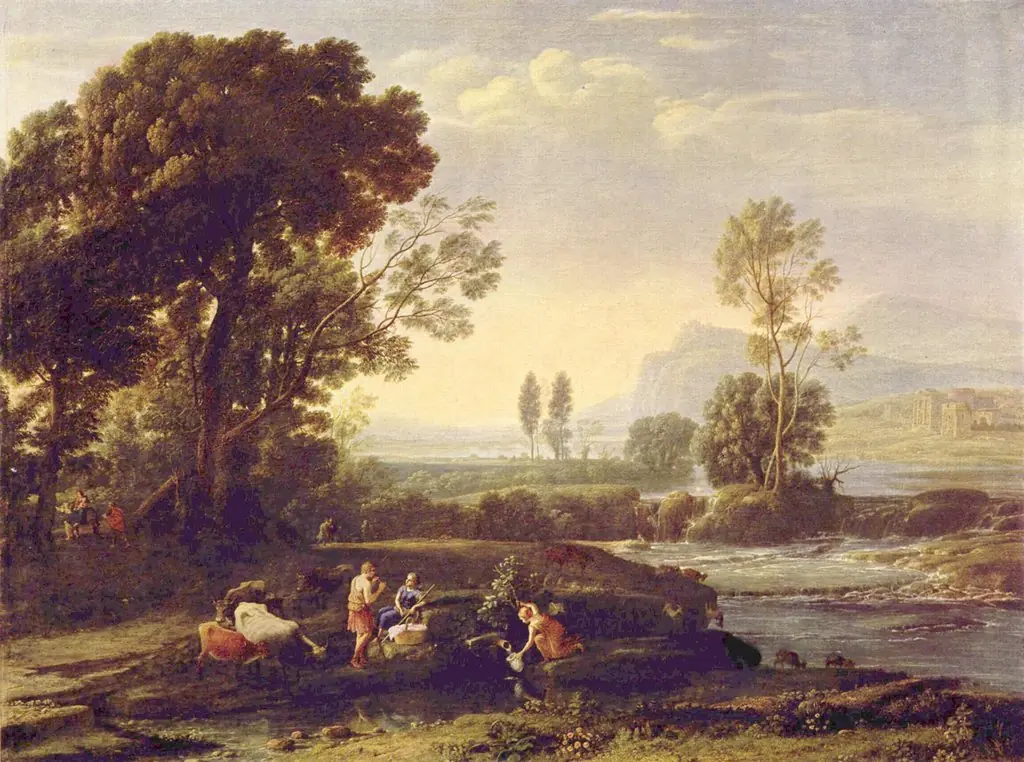 Landscape with Rest in Flight to Egypt
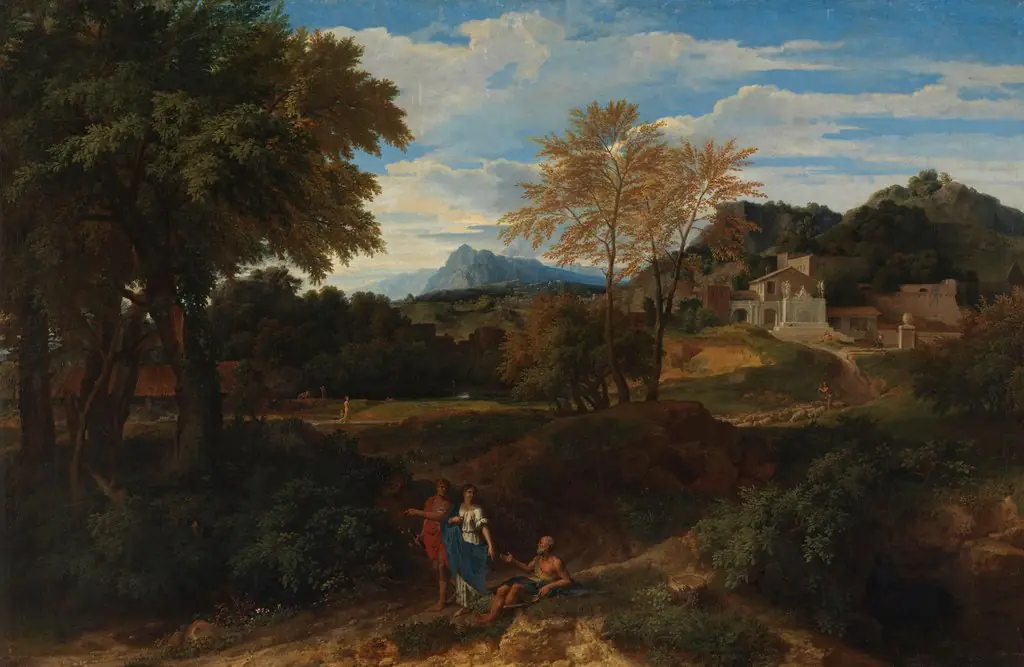 Klassische Landschaft
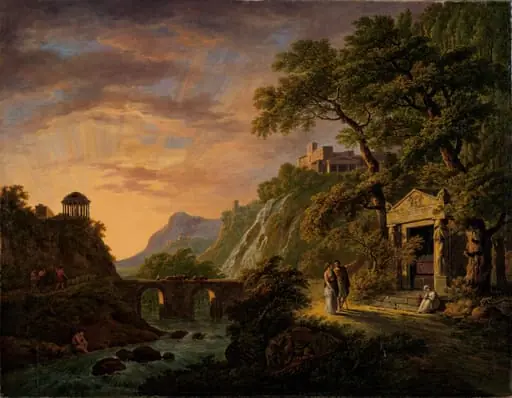 Arcadian Landscape with Setting Sun
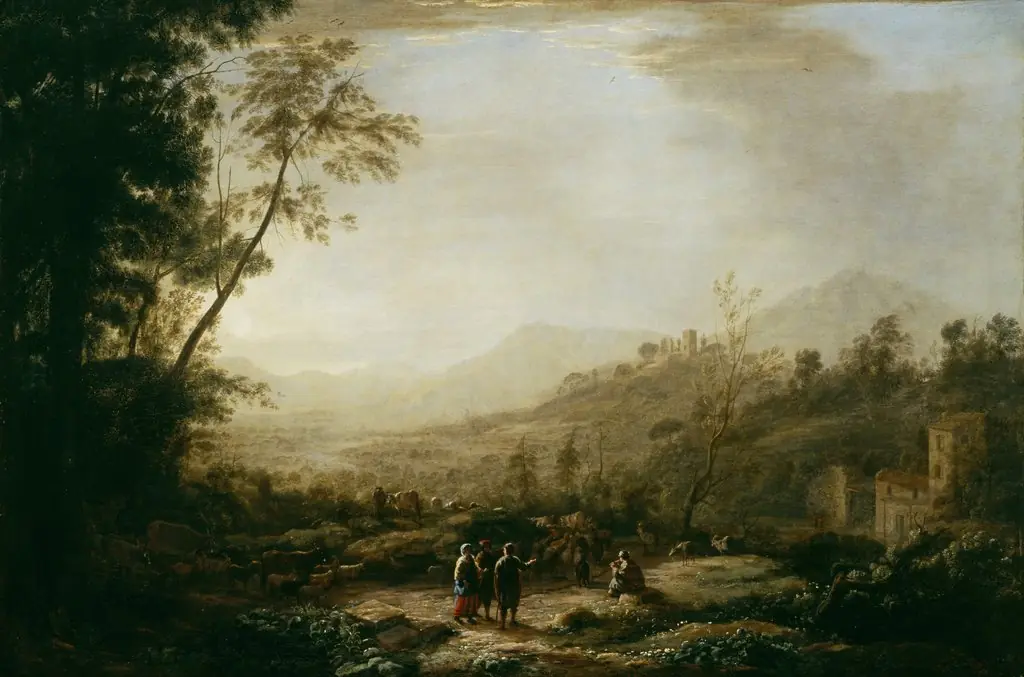 Sunrise
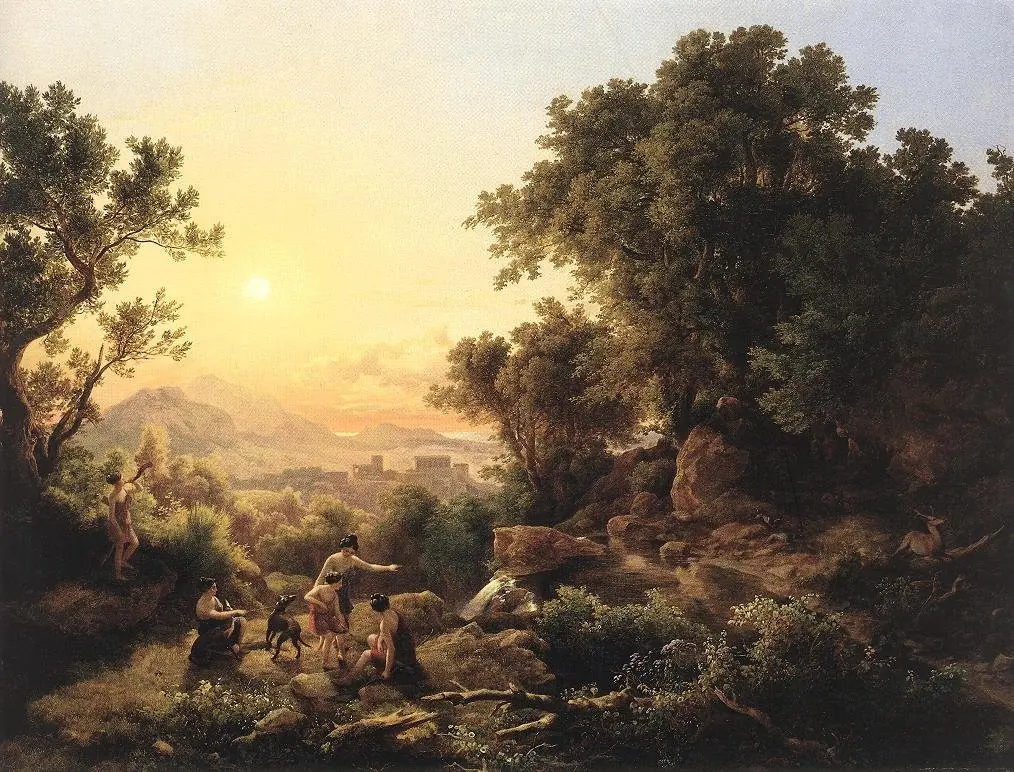 Diana at the Hunt (Hunting Nymphs)
 Mount Athos Carved as a Monument to Alexander the Great
 The Banishment of Hagar