Artwork
Garden at Bordighera, Impression of Morning
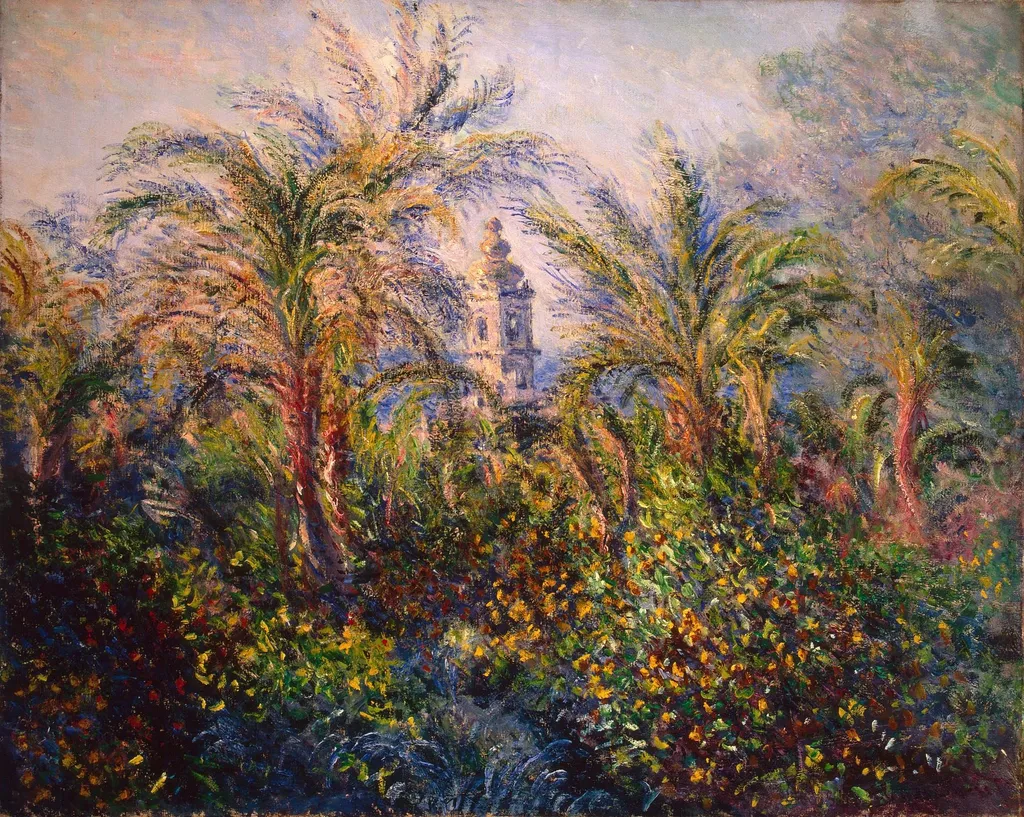
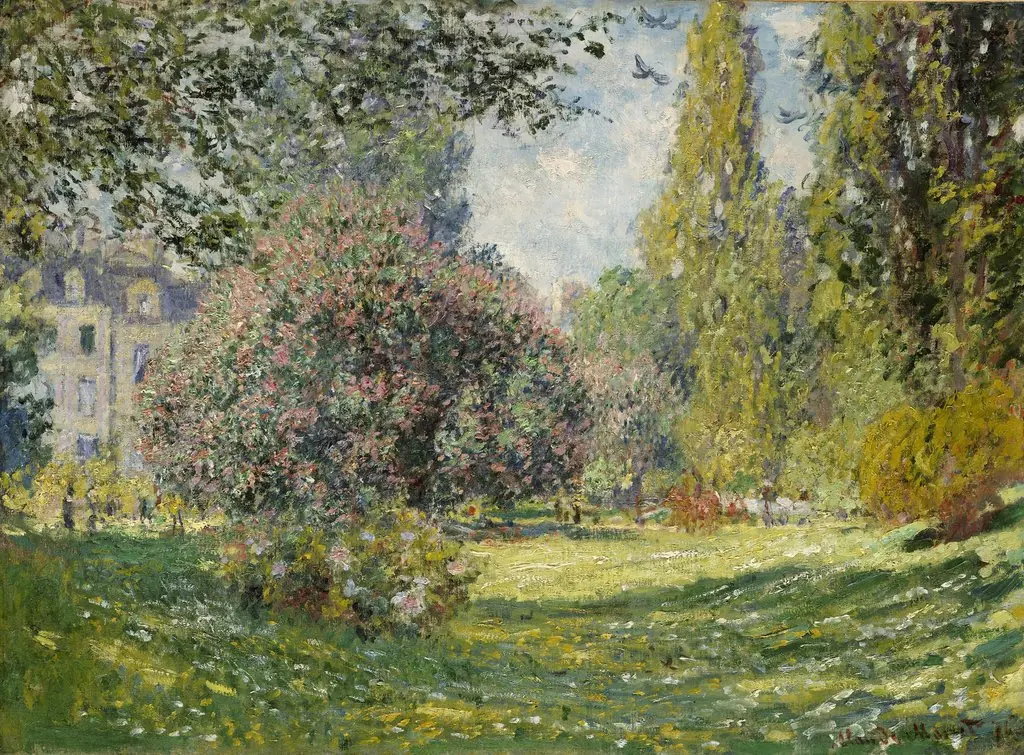
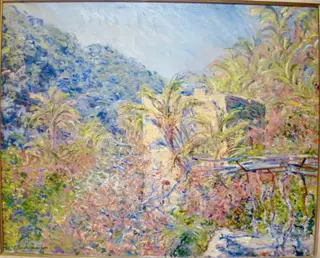
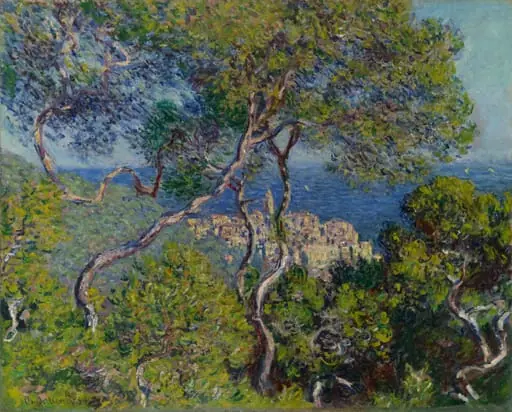
Garden at Bordighera, Impression of Morning is an oil painting by the Impressionist artist Claude Monet. It dates from 1892 and is held in the collection of the Hermitage Museum.
About this work
Overview
Painted in early 1884, Garden at Bordighera captures a sun-drenched garden on Italy’s Ligurian coast during Monet’s four-month stay in the town. Executed in oil on canvas, the work reflects his immersion in the region’s vivid light and flora. It entered the Hermitage Museum’s collection via the Otto Krebs bequest and was first publicly exhibited in 1995, long after its creation.
Subject & Meaning
His letter to Théodore Duret, referencing a 'palette of diamonds and precious stones,' underscores his awe at the intensity of the local color.
The scene depicts a lush, sunlit garden with towering palms and dense shrubbery, framed by the distant silhouette of a domed church. Monet’s focus is not on architectural detail but on the interplay of light through foliage and the sensory impression of a warm morning. His letter to Théodore Duret, referencing a 'palette of diamonds and precious stones,' underscores his awe at the intensity of the local color.
Technique & Style
Monet applied paint with thick, rapid brushstrokes, using impasto to convey texture and movement. Greens, yellows, and reds are layered in energetic dabs, suggesting leaves rustling in the breeze. The background structure is rendered softly, barely emerging from the foliage, emphasizing atmosphere over definition. This approach aligns with his Impressionist pursuit of transient light and sensory immediacy.
History & Provenance
Created during Monet’s winter-spring sojourn in Bordighera, the painting remained in private hands until it became part of the Otto Krebs collection in the early 20th century. Krebs’s bequest to the Hermitage Museum in 1930 transferred ownership, though the work was not publicly displayed until 1995, when it was included in a major exhibition of Monet’s Italian works.
Context
Monet traveled to Bordighera seeking relief from northern winters and artistic renewal. The region’s subtropical vegetation and clear Mediterranean light offered a stark contrast to his usual Normandy subjects. His letters from this period reveal fascination with the intensity of color, which influenced his palette and brushwork, pushing his Impressionism toward greater chromatic freedom.
Legacy
Garden at Bordighera stands as a testament to Monet’s responsiveness to new environments and his commitment to capturing fleeting natural effects. While less known than his water lilies or haystacks, the painting exemplifies his ability to translate sensory experience into paint. It remains a key example of his Italian period and the broader Impressionist engagement with light beyond France.
Own this work as a print
Artist & collection
Artist
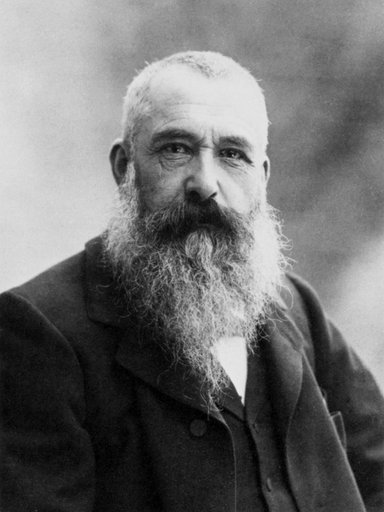
Oscar-Claude Monet was a French painter and founder of Impressionism who is seen as a key precursor to modernism, especially in his attempts to paint nature as he perceived it.