Artwork
Nymphéas
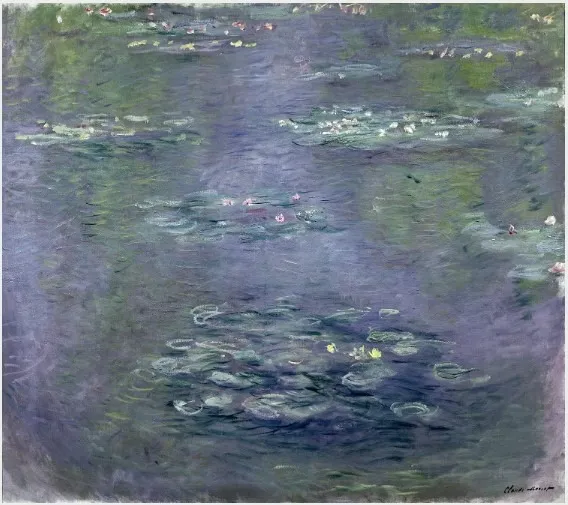
Nymphéas is an oil painting by the Impressionist artist Claude Monet. It dates from 1903 and is held in the collection of the Musée Marmottan Monet.
About this work
Overview
Nymphéas is an oil painting created by Claude Monet in 1903, now part of the collection at the Musée Marmottan Monet.
Subject & Meaning
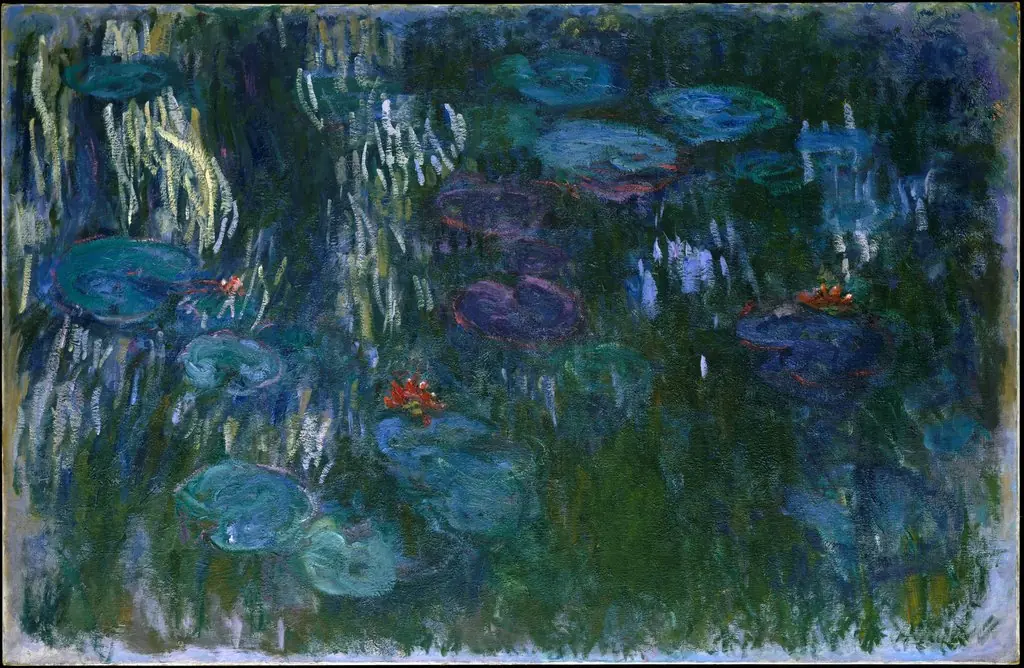
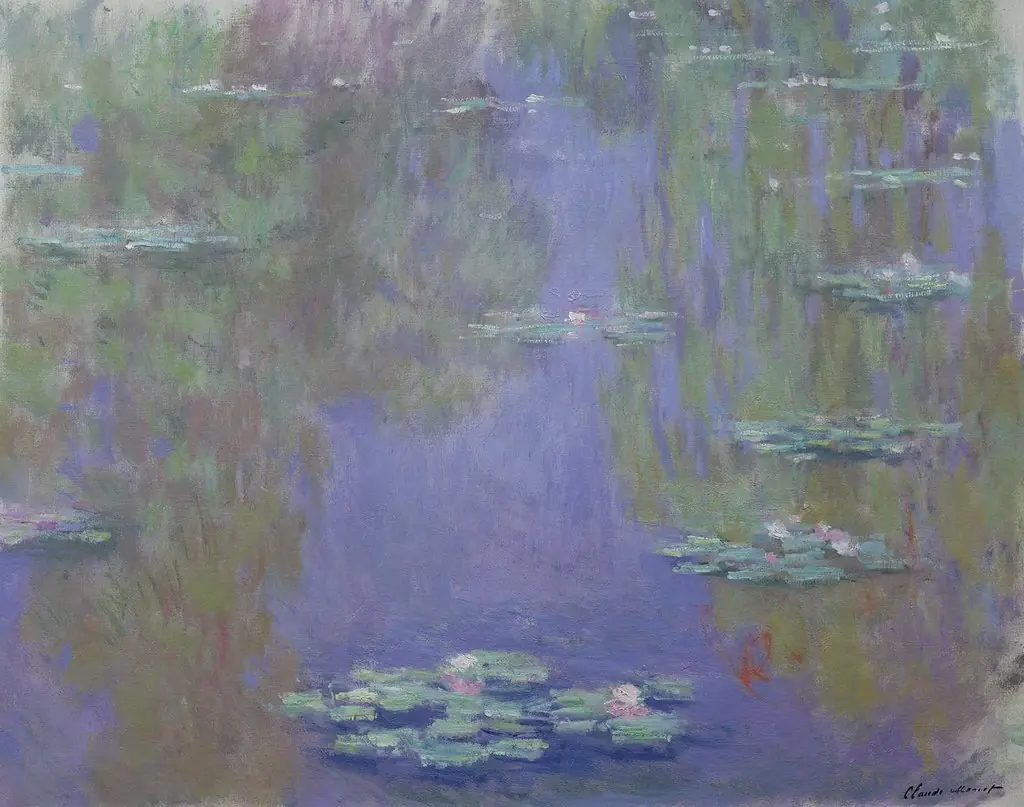
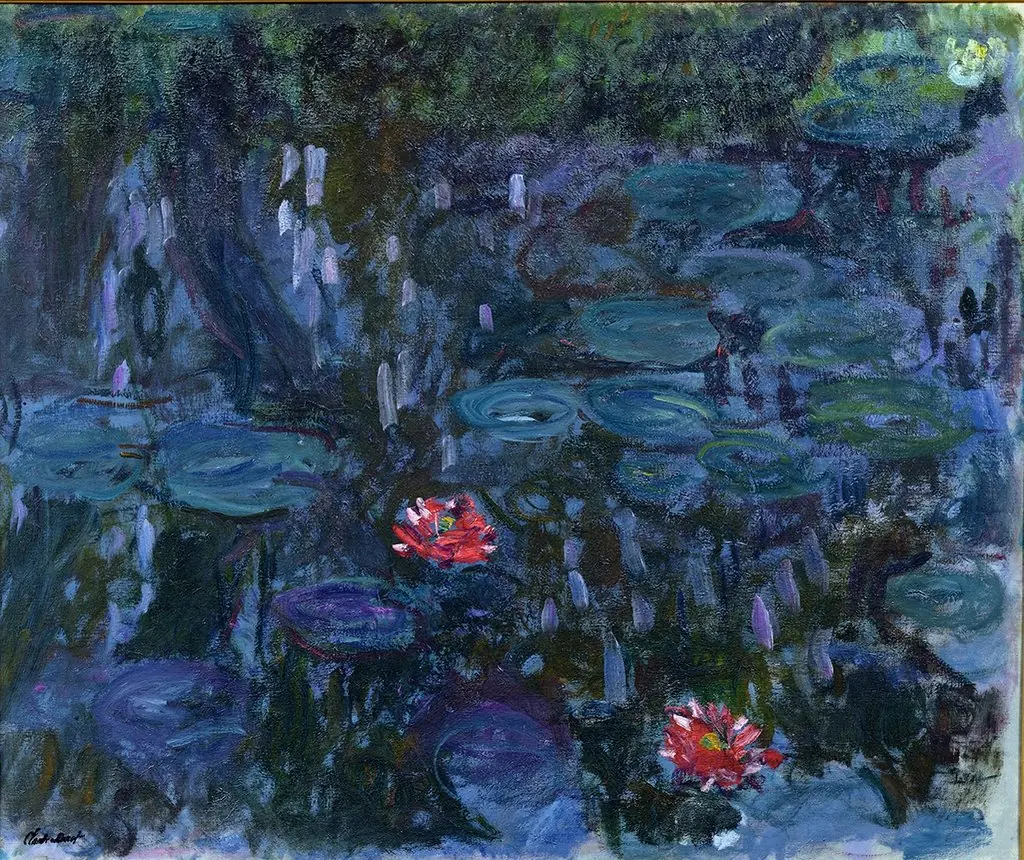
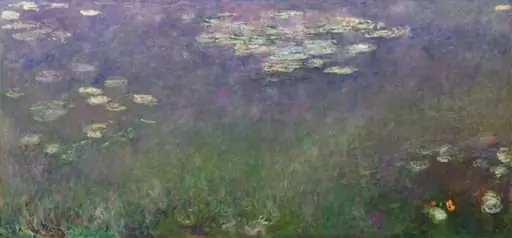
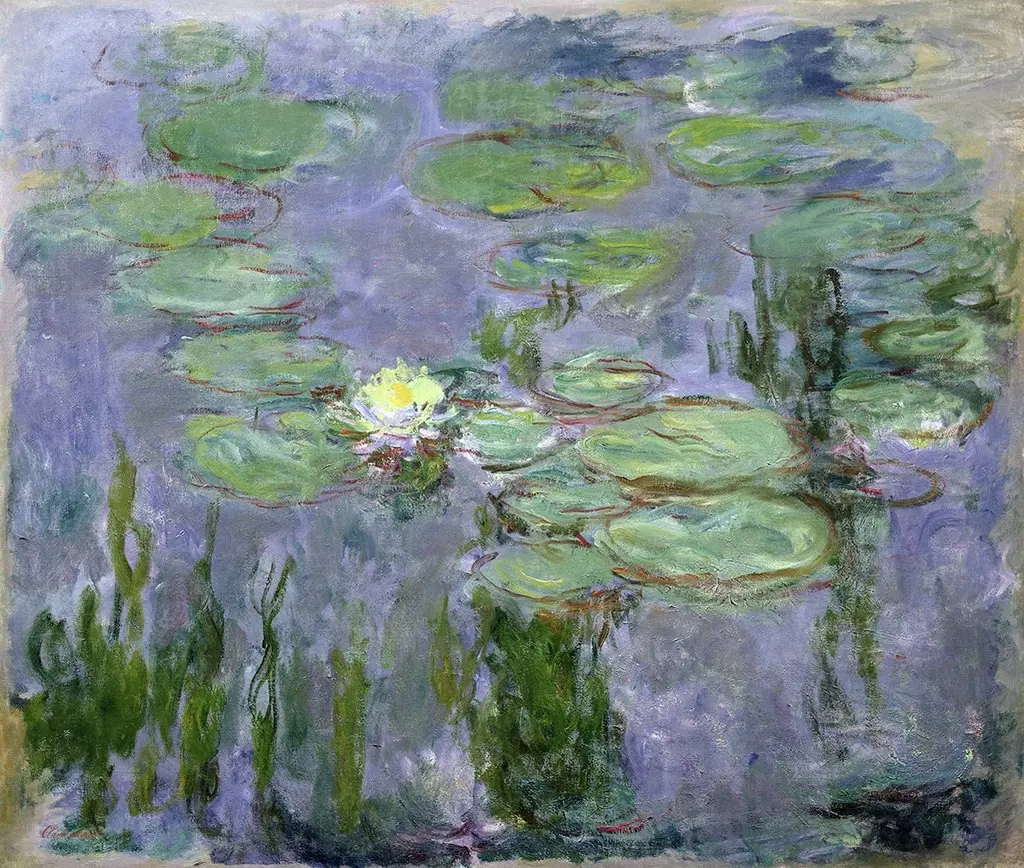
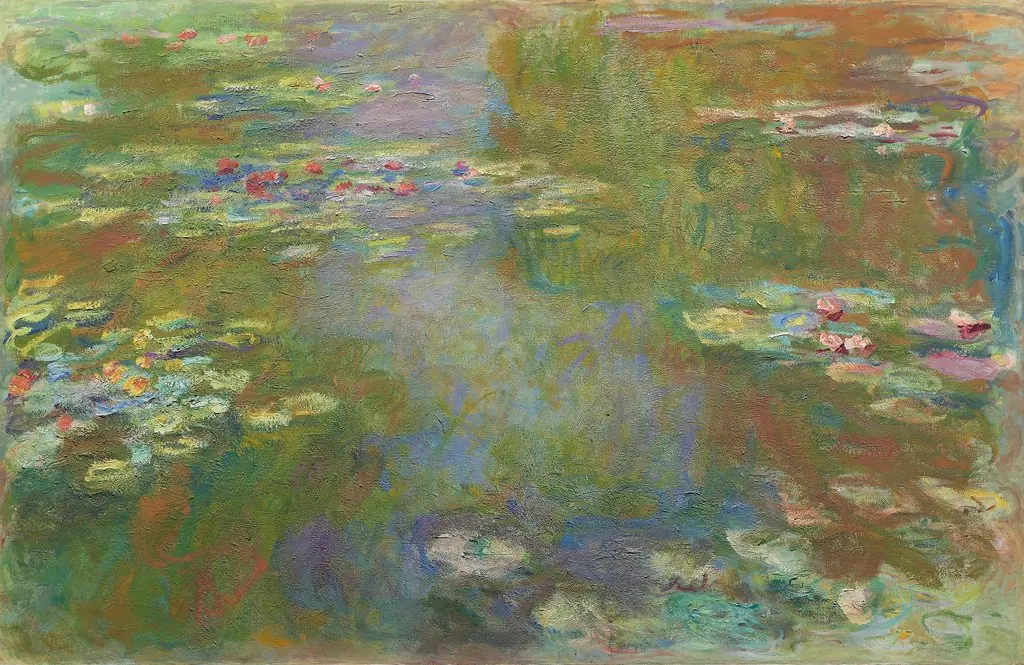
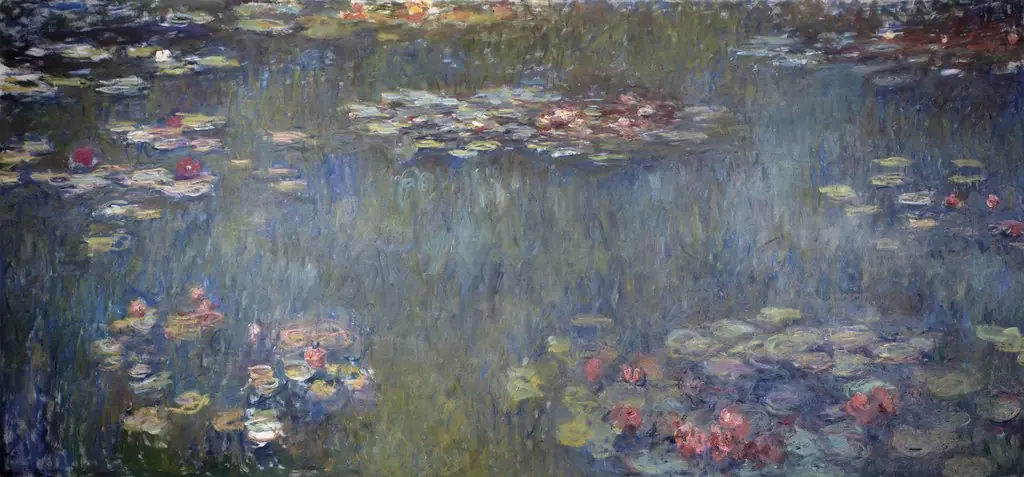
The painting depicts a serene pond scene, emphasizing the natural beauty of lily pads on water, characteristic of Impressionist focus on the natural world.
Technique & Style
Monet employed soft brushstrokes and a muted color palette to evoke calmness, with subtle light effects making the lily pads appear luminous in diffused light.
History & Provenance
Created in 1903, the work is currently held at the Musée Marmottan Monet, though specific details of its ownership history before acquisition are not provided here.
Context
Nymphéas reflects Impressionist principles, particularly in its attention to light and color, aligning with Monet's broader exploration of outdoor natural settings.
Artist & collection
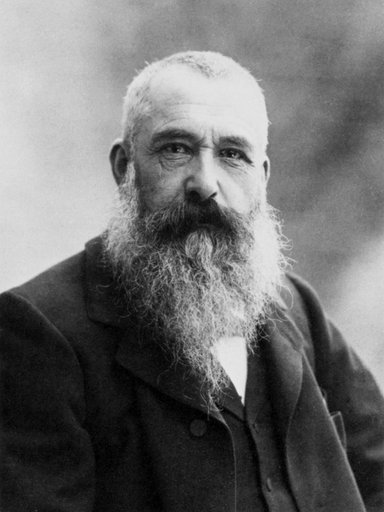
Artist
Oscar-Claude Monet was a French painter and founder of Impressionism who is seen as a key precursor to modernism, especially in his attempts to paint nature as he perceived it.