Artwork
Spring (Fruit Trees in Bloom)
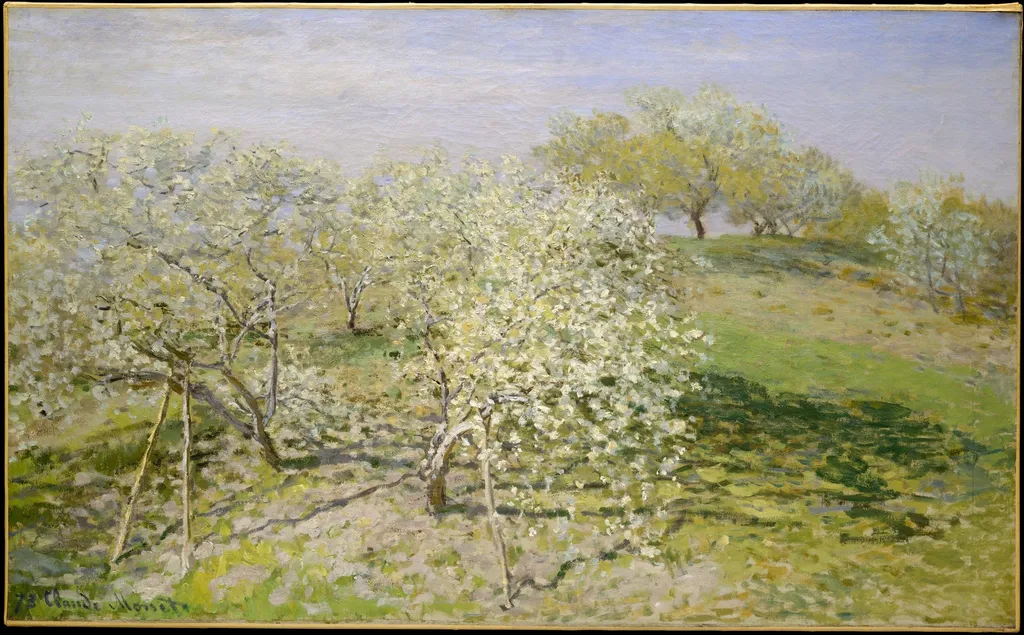
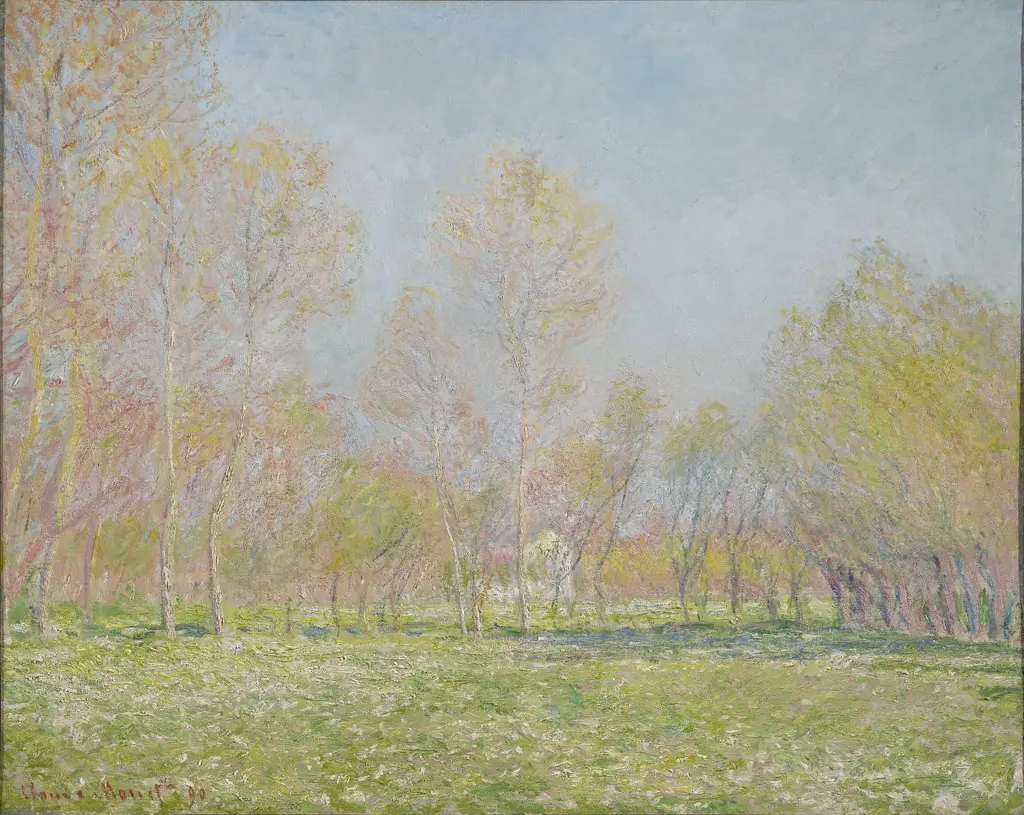
Spring (Fruit Trees in Bloom) is an oil painting by the Impressionist artist Claude Monet. It dates from 1873 and is held in the collection of the Metropolitan Museum of Art.
About this work
Technique & Style
Thin, translucent passages alternate with thicker impasto highlights, especially in the sunlit foliage and sky, creating a luminous, almost shimmering surface.
Spring (Fruit Trees in Bloom) is an oil painting on canvas executed in 1873, measuring 62.2 cm in height and 100.6 cm in width. Monet employed oil paint in a fluid, alla prima handling typical of plein-air practice, layering wet paint directly onto the primed canvas to capture fleeting atmospheric effects. The composition emphasizes the rhythmic repetition of blossoming fruit trees, rendered with quick, broken brushstrokes that dissolve form into vibrant color and light.
Thin, translucent passages alternate with thicker impasto highlights, especially in the sunlit foliage and sky, creating a luminous, almost shimmering surface. The palette relies on high-key pinks, whites, and soft greens, modulated by touches of violet and yellow to evoke the transience of spring.
History & Provenance
Claude Monet created the oil-on-canvas painting Spring (Fruit Trees in Bloom) in 1873. The work depicts fruit trees in bloom, capturing a spring scene with a height of 62.2 centimeters and a width of 100.6 centimeters. While the specific commission details and the initial ownership chain prior to its arrival at the Metropolitan Museum of Art are not detailed in the provided records, the inception date is established as 1873.
The painting is currently held in the collection of the Metropolitan Museum of Art, where it remains a documented example of Monet's landscape work from that period.
Spring (Fruit Trees in Bloom), painted by Claude Monet in 1873, is held in the collection of the Metropolitan Museum of Art, where it remains part of the museum's holdings. The work is executed in oil paint on canvas and measures 62.2 by 100.6 centimeters. No specific inventory or accession number is recorded in the available documentation, and no exhibition history is documented in the provided sources.
Overview
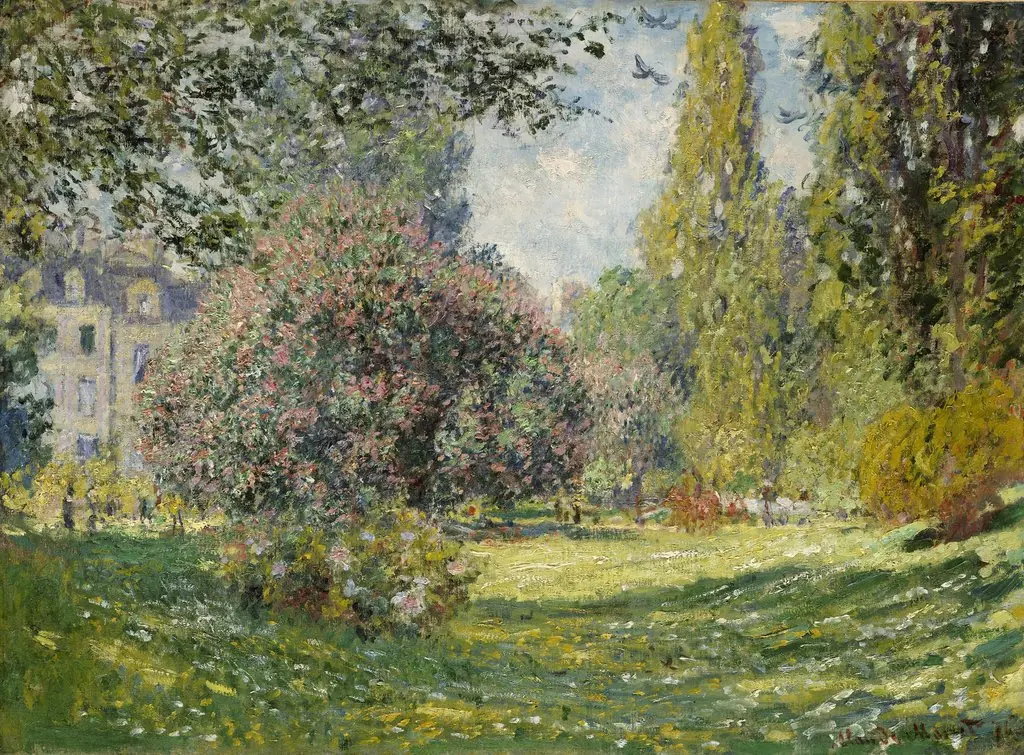
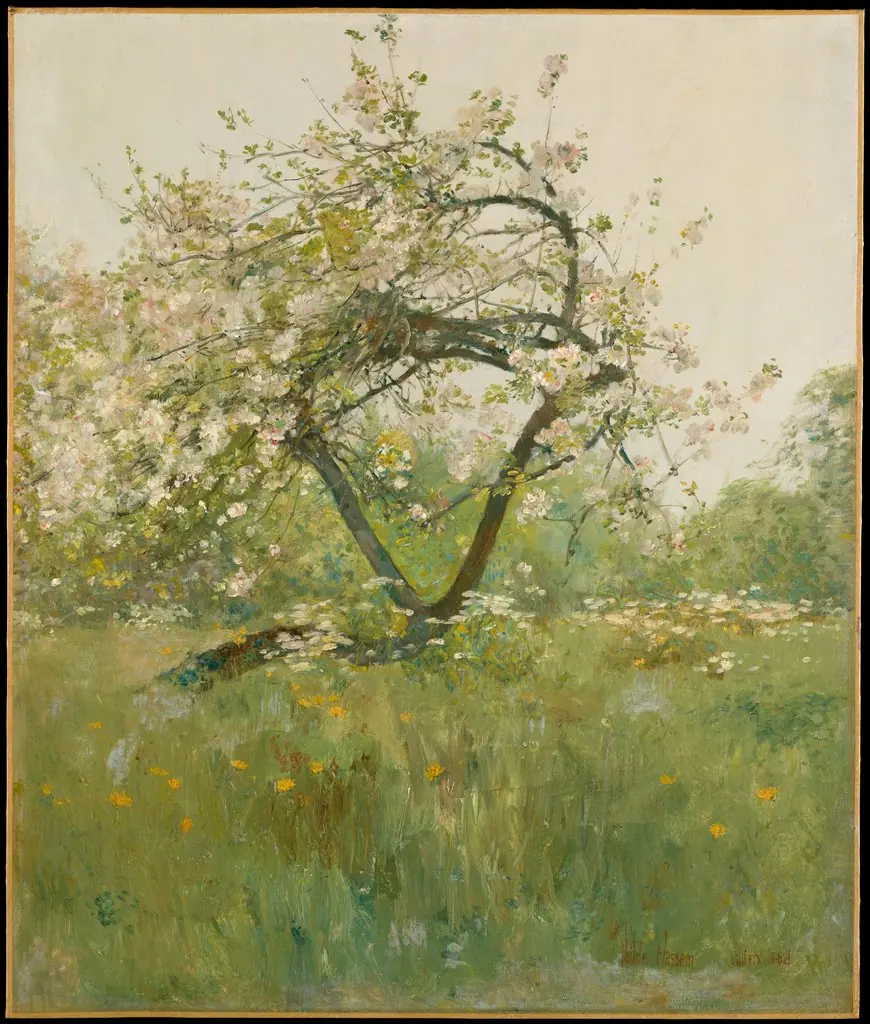
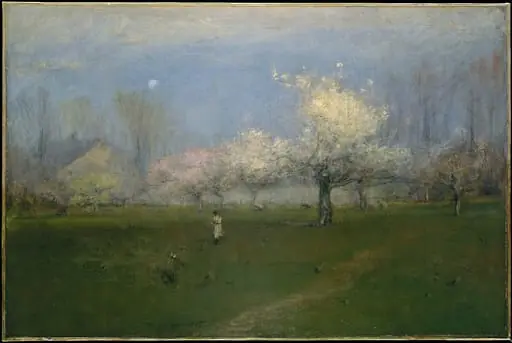
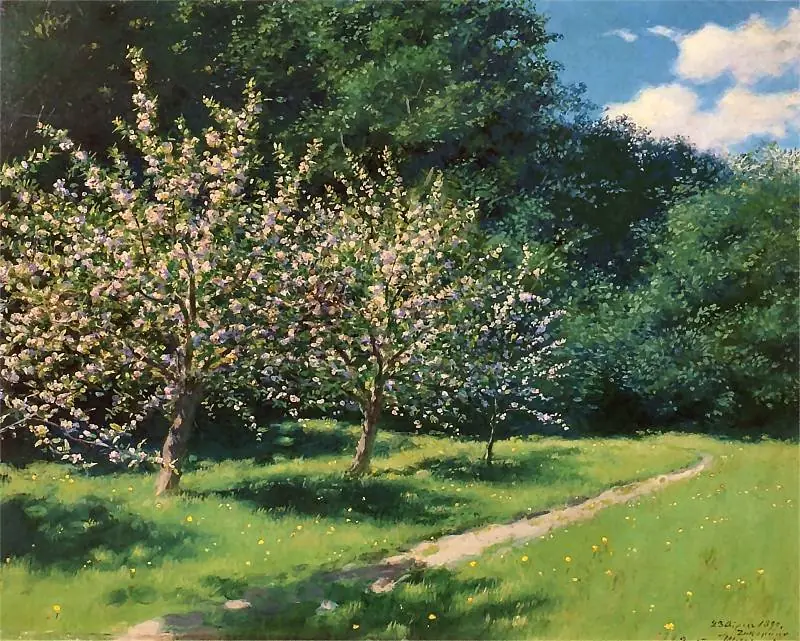
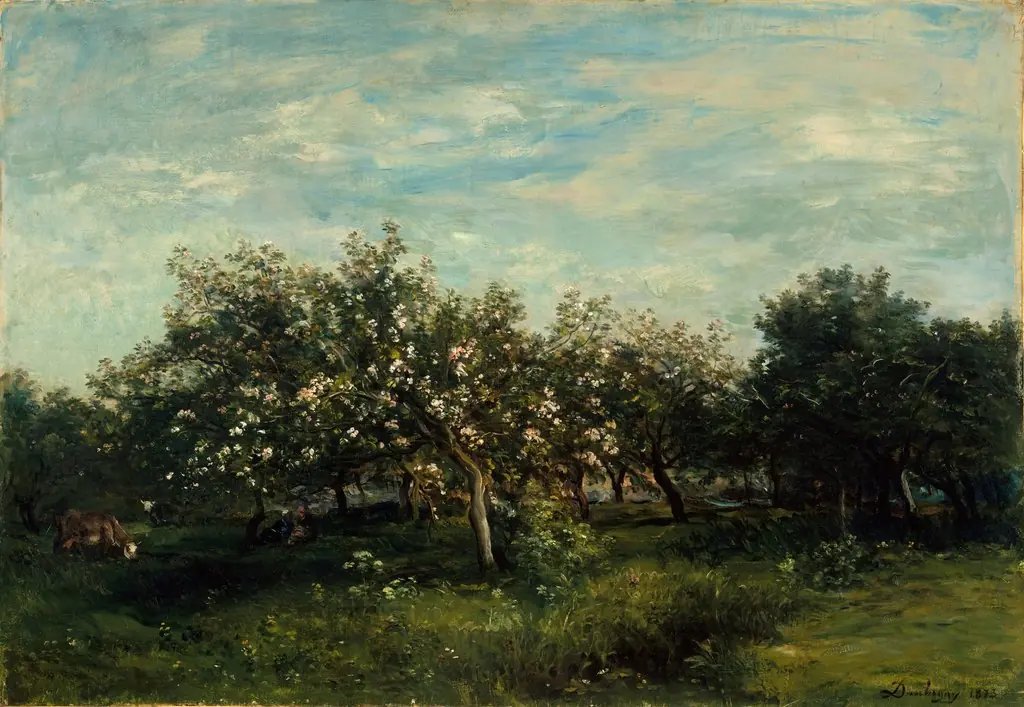
Painted in 1873, Spring (Fruit Trees in Bloom) is a quintessential example of Claude Monet's early Impressionist landscape work. The composition centers on a row of fruit trees in full spring bloom, their slender trunks rising vertically to support branches laden with dense clusters of white blossoms. Set against a pale blue sky, the trees dominate the upper two-thirds of the canvas, while the foreground features a grassy field rendered in dappled strokes of green and yellow, capturing the interplay of sunlight and shadow.
Monet employs thick, visible brushstrokes to convey the texture of the foliage and the vibrancy of the season, prioritizing the immediate visual sensation of light over precise detail. Created during a pivotal year when Monet was actively developing the techniques that would define the Impressionist movement, this work reflects his dedication to painting en plein air. It demonstrates his shift away from academic conventions toward a focus on atmospheric conditions and the transient effects of nature.
The painting stands as a significant document of Monet's exploration of seasonal change and his evolving approach to capturing the fleeting moments of the natural world.
Subject & Meaning
The canvas depicts a field of slender trees, heavily laden with white blossoms, set against a soft, pale blue sky. Below, the ground is rendered with a blend of green and yellow tones, marked by shifting patterns of light and shadow. The composition emphasizes the ephemeral beauty of spring, with the abundant flowers suggesting renewal and the transient nature of the season.
Own this work as a print
Artist & collection
Artist
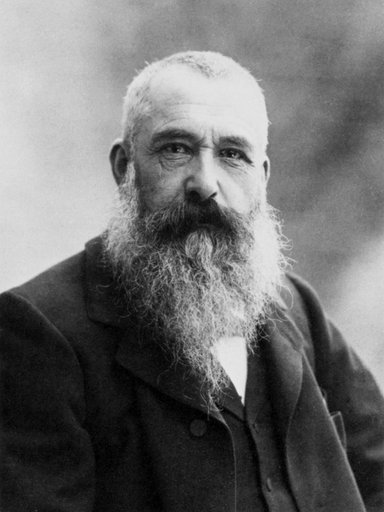
Oscar-Claude Monet was a French painter and founder of Impressionism who is seen as a key precursor to modernism, especially in his attempts to paint nature as he perceived it.