Artwork
The Seine at Vétheuil
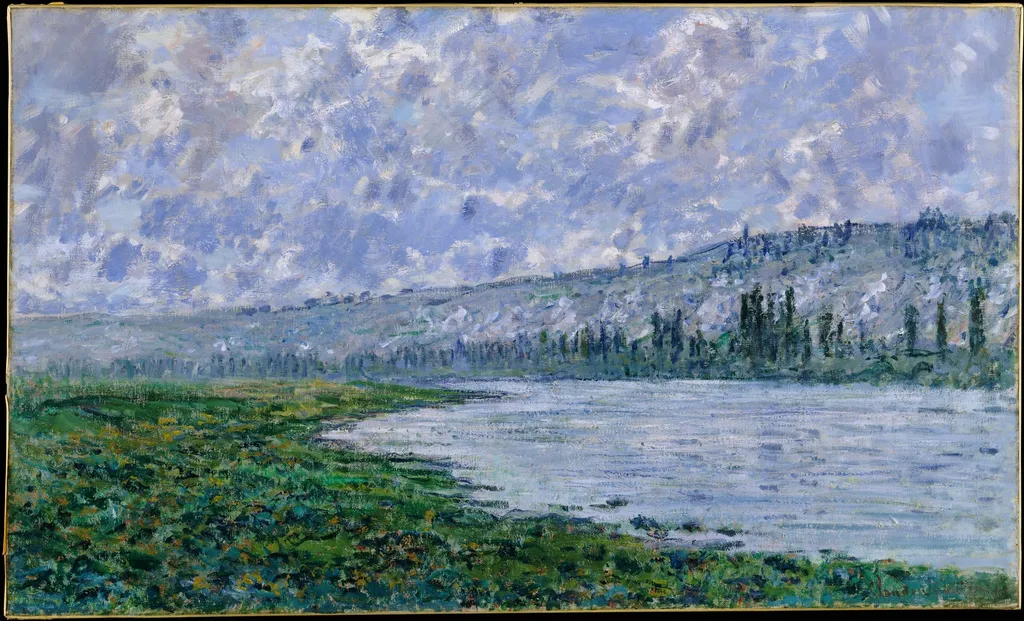
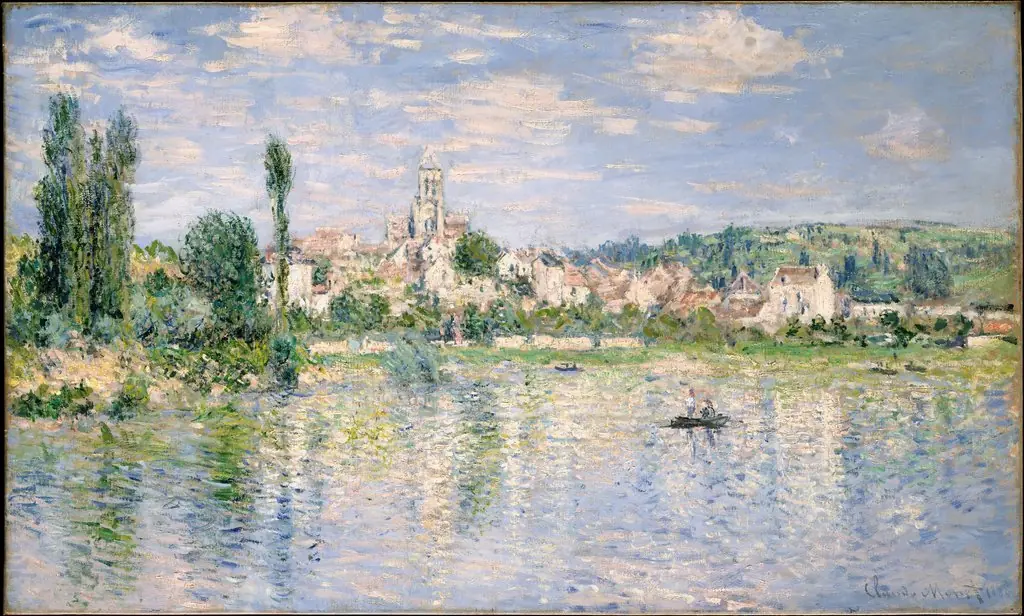
The Seine at Vétheuil is an oil painting by the Impressionist artist Claude Monet. It dates from 1890 and is held in the collection of the Metropolitan Museum of Art.
About this work
Subject & Meaning
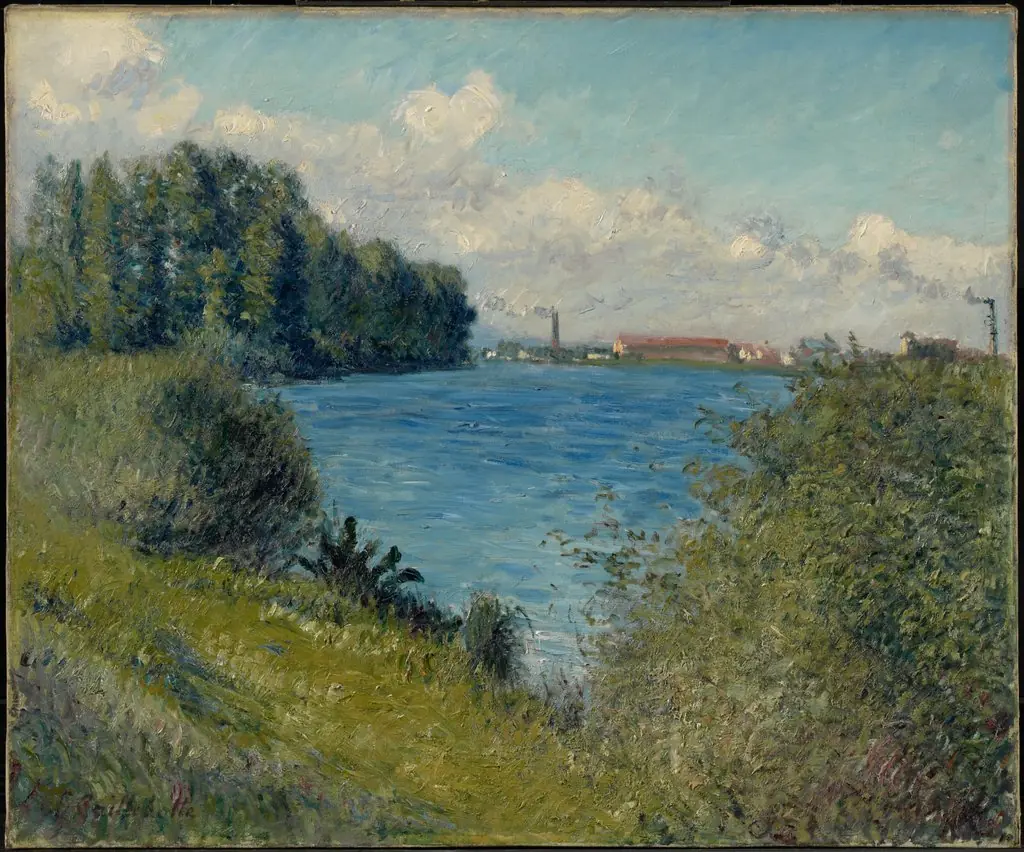
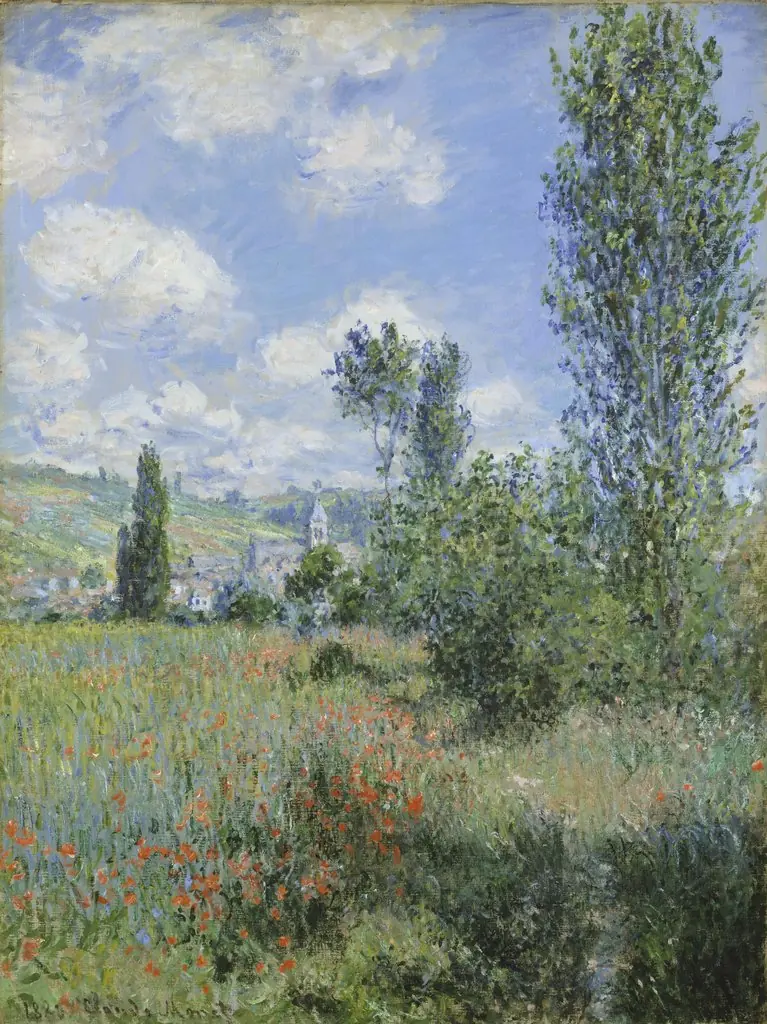
The composition centers on the broad expanse of water, framed by low riverbanks and crowned by an open sky filled with clouds.
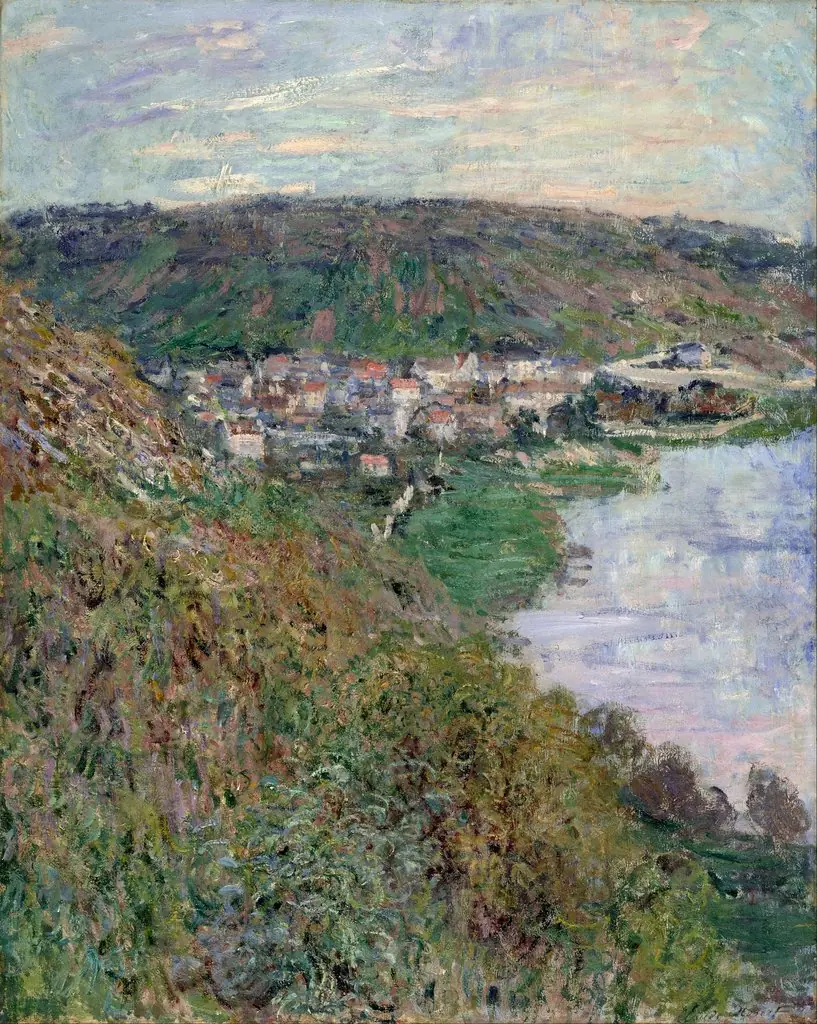
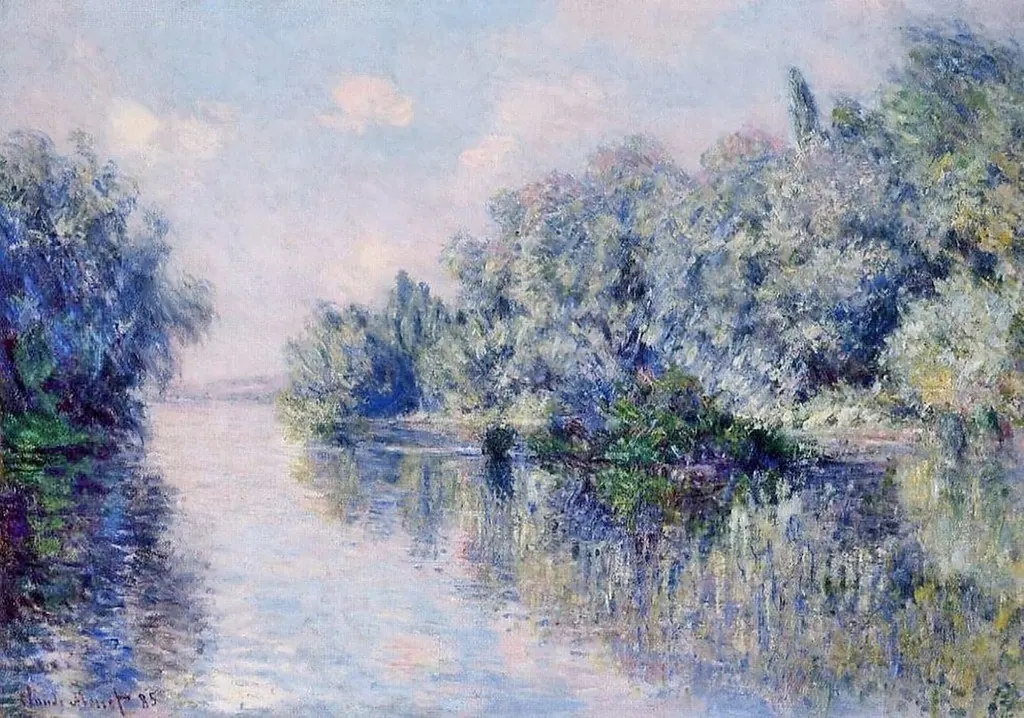
The painting presents a landscape view of the Seine river as it passes through the village of Vétheuil, the commune in the Vexin region along the river's banks where Monet settled in 1878. The composition centers on the broad expanse of water, framed by low riverbanks and crowned by an open sky filled with clouds. By depicting the river, the surrounding landscape, and the sky under specific atmospheric conditions, the work belongs to the tradition of plein-air landscape painting in which the visible environment is recorded directly from nature.
The subject reflects Monet's sustained interest in the changing appearance of the Seine near his home, treating the river and its skies as the primary subjects worthy of extended pictorial study rather than as incidental settings.
Technique & Style
The Seine at Vétheuil is an oil painting on canvas, with a support of woven fabric typical of oil works. It measures 60.3 cm high by 100.3 cm wide, giving it a horizontal format suited to its river view. The work presents a landscape of the Seine near Vétheuil, capturing the water, sky and surrounding terrain. These material and dimensional characteristics define its technique and provide the basis for its visual composition.
History & Provenance
The Seine at Vétheuil is an oil painting on canvas by Claude Monet, dated 1890. It is part of the Metropolitan Museum of Art collection, where it is currently held. The painting measures 60.3 by 100.3 centimetres. No information regarding commission, prior ownership, or chain of custody is provided in the available sources.
Overview
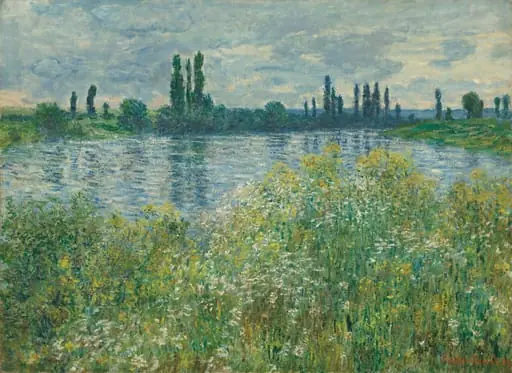
Claude Monet's The Seine at Vétheuil, executed in 1890, captures a tranquil stretch of the river near the village where the artist resided from 1878 to 1883. The composition features the Seine meandering through a flat, verdant landscape, bordered by tall, slender poplars that line the water's edge and create a rhythmic vertical counterpoint to the horizontal expanse of the river and sky. Painted in oil, the work exemplifies Monet's mature Impressionist technique, utilizing thick, textured brushstrokes to render the interplay of light on the water's surface and the fluffy white clouds drifting across a soft blue sky.
The palette is dominated by vibrant greens, blues, and whites, applied with a sense of immediacy to convey the atmospheric conditions of a specific moment. Although Monet had left Vétheuil by 1890, he returned to the motif during a period of revisiting and reworking earlier subjects, refining his approach to light and reflection. This painting stands as a significant example of his dedication to the landscape genre, demonstrating his ability to extract subtle variations in nature through a focus on color and texture rather than precise detail.
Own this work as a print
Artist & collection
Artist
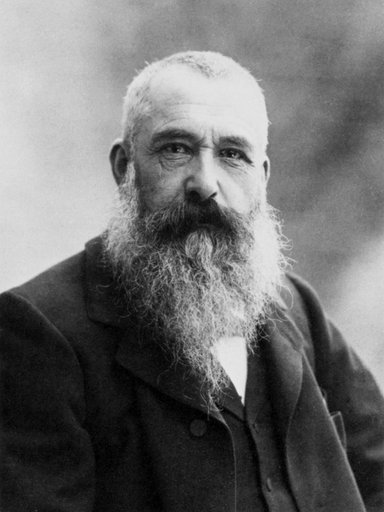
Oscar-Claude Monet was a French painter and founder of Impressionism who is seen as a key precursor to modernism, especially in his attempts to paint nature as he perceived it.