Artwork
The Valley of the Nervia
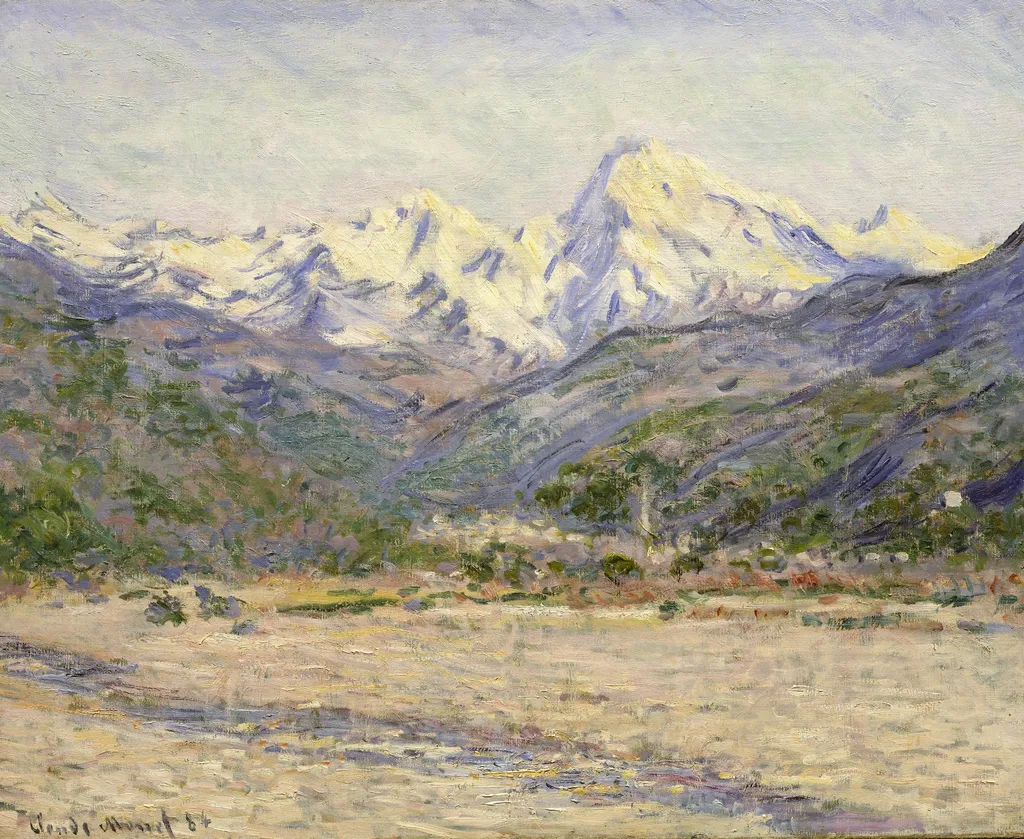
The Valley of the Nervia is an oil painting by the Impressionist artist Claude Monet. It dates from 1892 and is held in the collection of the Metropolitan Museum of Art.
About this work
An oil landscape of the Nervia valley by Claude Monet, painted in 1892. It belongs to his late work and is now part of the European paintings collection at the Metropolitan Museum of Art.
Subject & Meaning
Painted in 1884 during Monet's stay in the region, the work centers on the village of Camporosso, which nestles on the riverbanks at the foot of the foothills.
The Valley of the Nervia depicts a specific segment of the Italian Riviera landscape, focusing on the Ligurian coastal river Nervia flowing beneath snow-capped Alpine summits. Painted in 1884 during Monet's stay in the region, the work centers on the village of Camporosso, which nestles on the riverbanks at the foot of the foothills. The composition is structured through three distinct horizontal bands of color: an upper white zone of snow, a middle green band of vegetation, and a lower beige foreground.
This arrangement emphasizes the geological hierarchy of the scene, contrasting the permanent snow of the high mountains with the verdant foothills and the settled village below. The subject represents a precise observation of the light and topography of the Alps near the Mediterranean coast during winter.
Technique & Style
The Valley of the Nervia is an oil painting on canvas, a typical support for Monet’s late‑19th‑century work. The paint is applied in loose, broken brushstrokes characteristic of Impressionism, creating three distinct horizontal bands of colour: a white upper zone for snow‑capped mountains, a green middle zone for foothills, and a beige lower zone that holds the village of Camporosso along the River Nervia. This layered colour handling emphasizes atmospheric light and the flat, decorative quality of the landscape while retaining a naturalistic view of the Italian Riviera.
History & Provenance
The Valley of the Nervia was painted by Claude Monet in 1884 during his several‑month stay on the Italian Riviera, where he observed the snow‑capped Alps and the village of Camporosso along the Nervia River (3). The work is an oil on canvas landscape (1,2,4). After Monet’s death it entered the collection of Theodore M. Davis, who bequeathed the painting to the Metropolitan Museum of Art in 1915; it has remained there ever since (2,3,4). No record of a commission for the piece has been found.
The Valley of the Nervia is held in the collection of the Metropolitan Museum of Art in New York. The work entered the museum's holdings in 1915 as a bequest from Theodore M. Davis. While the painting dates to 1884 and depicts the Italian Riviera near Camporosso, the available records confirm its location at the Metropolitan Museum of Art following Davis's donation.
No specific inventory or accession numbers are provided in the current sources, nor are details regarding specific past exhibitions listed.
Context
The Valley of the Nervia (1884) is an oil‑on‑canvas landscape in which Monet renders the Italian Riviera near Camporosso, with snow‑capped Alpine peaks and the River Nervia flowing beneath them; the composition is organized into three horizontal bands of sky, foothills and foreground. Executed during Monet’s 1884 Italian sojourn, the work exemplifies his late Impressionist focus on atmospheric colour and spatial depth, reflecting his broader exploration of natural scenery beyond France. The painting measures 66 × 81.3 cm and belongs to the collection of the Metropolitan Museum of Art, having been bequeathed by Theodore M. Davis in 1915.
Its genre as a landscape places it within Monet’s oeuvre of European topography, marking a transitional phase toward his later series of Mediterranean vistas.
Overview
Claude Monet created The Valley of the Nervia in 1884, employing oil paint on canvas. This work exemplifies his late 19th-century output, capturing a specific landscape. The painting is recognized for its characteristic Impressionistic approach to light and atmosphere, reflecting the artist's ongoing exploration of natural settings.
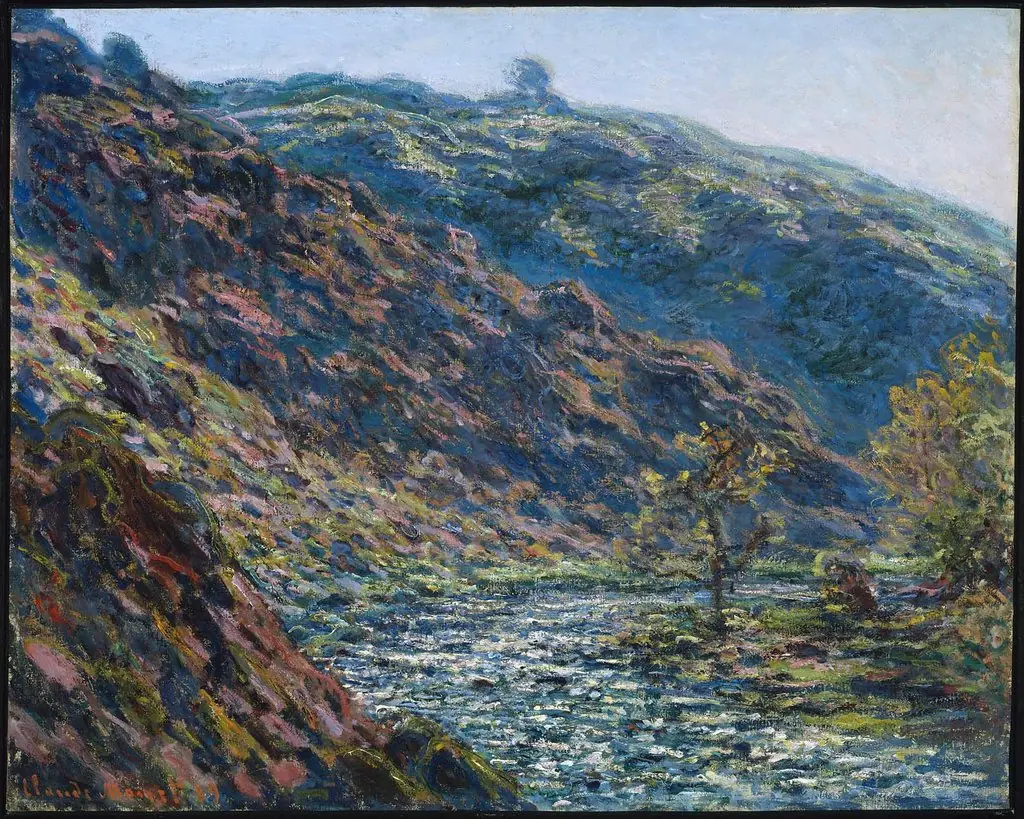
Own this work as a print
Artist & collection
Artist
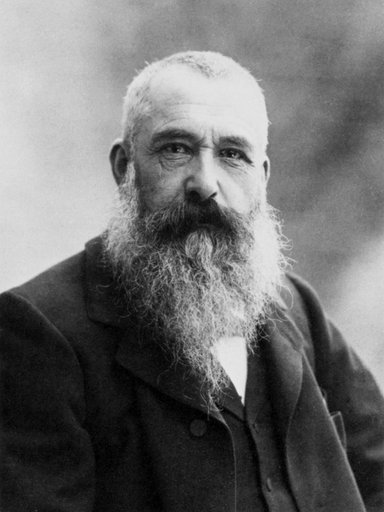
Oscar-Claude Monet was a French painter and founder of Impressionism who is seen as a key precursor to modernism, especially in his attempts to paint nature as he perceived it.

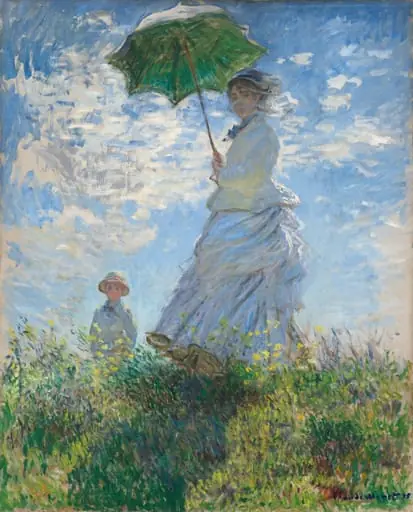
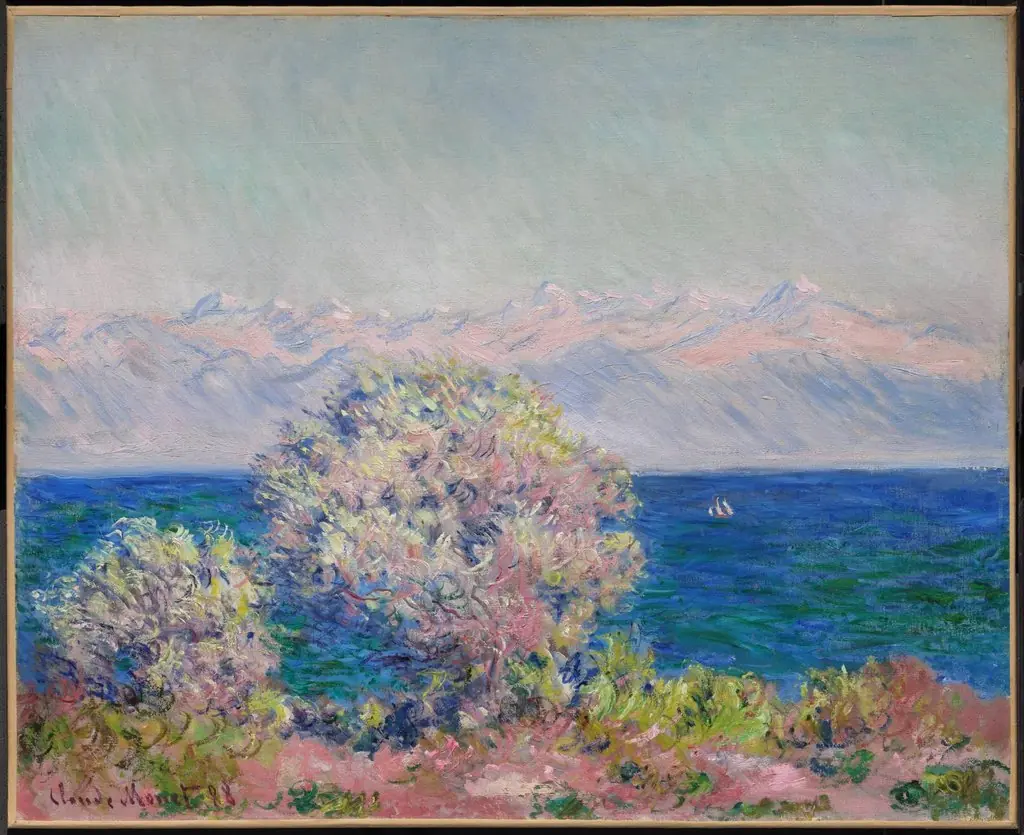 At Cap d'Antibes, Mistral wind
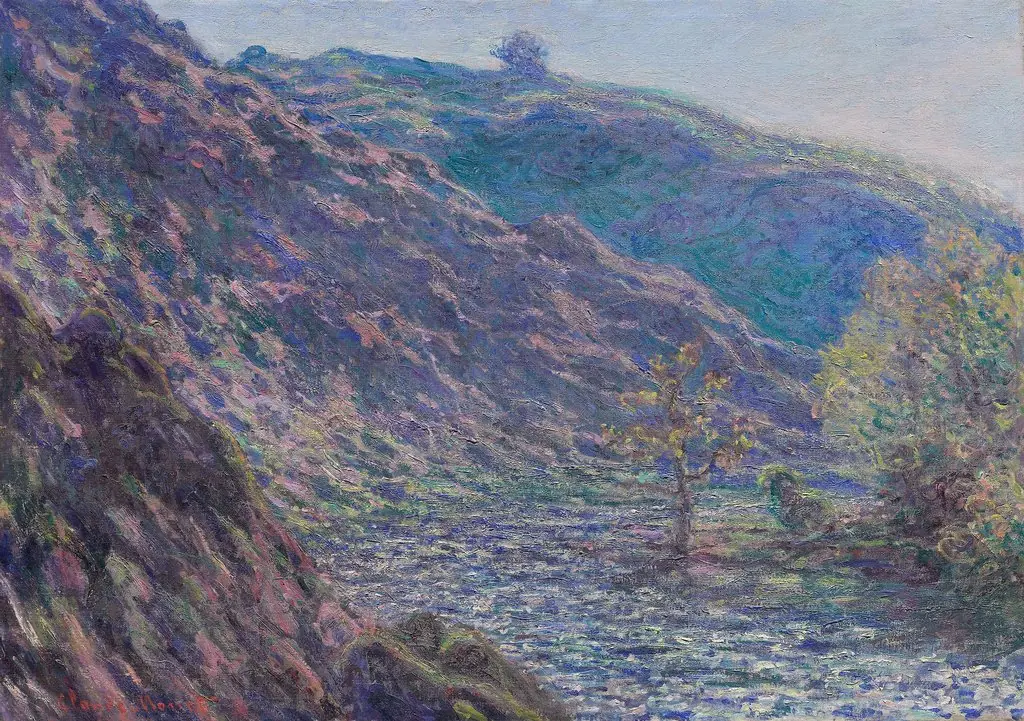 The Petite Creuse River
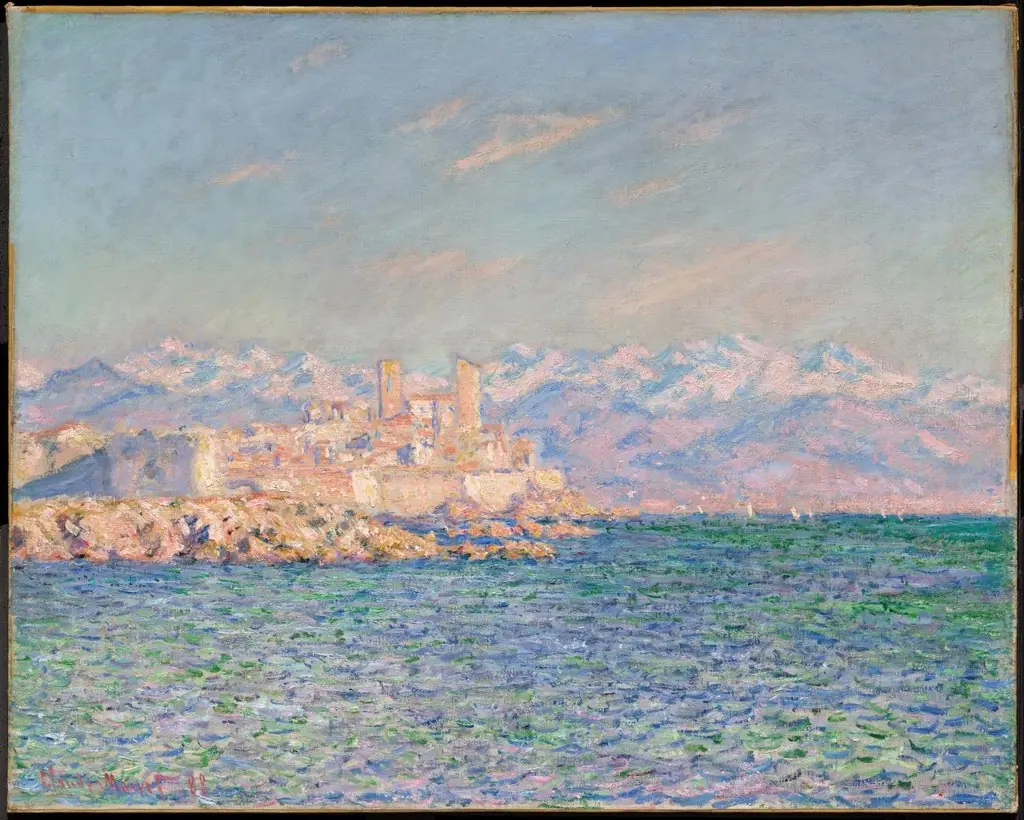 Antibes, Afternoon Effect
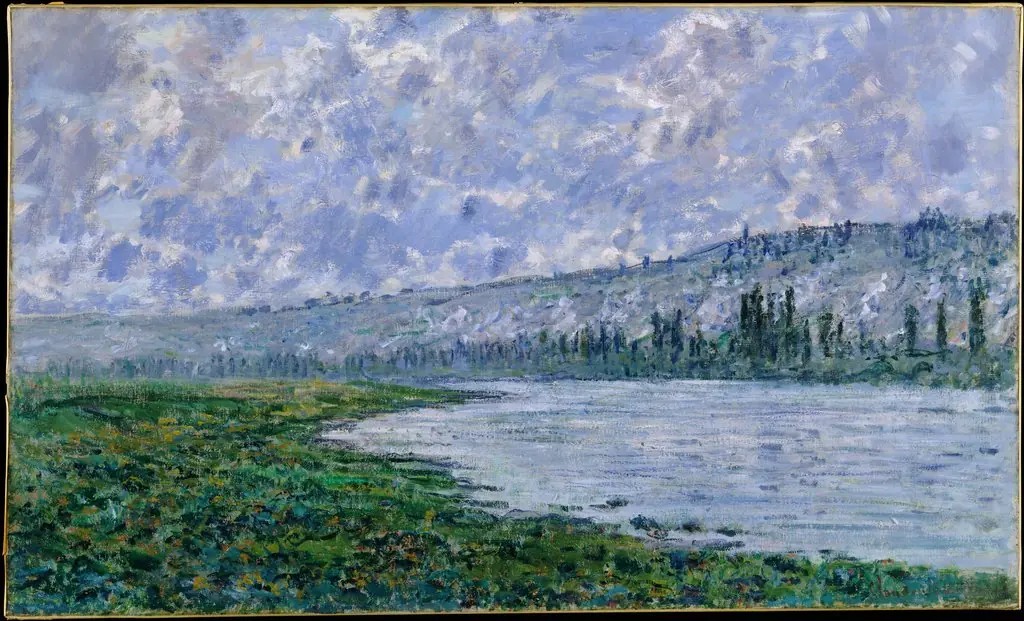 The Seine at Vétheuil
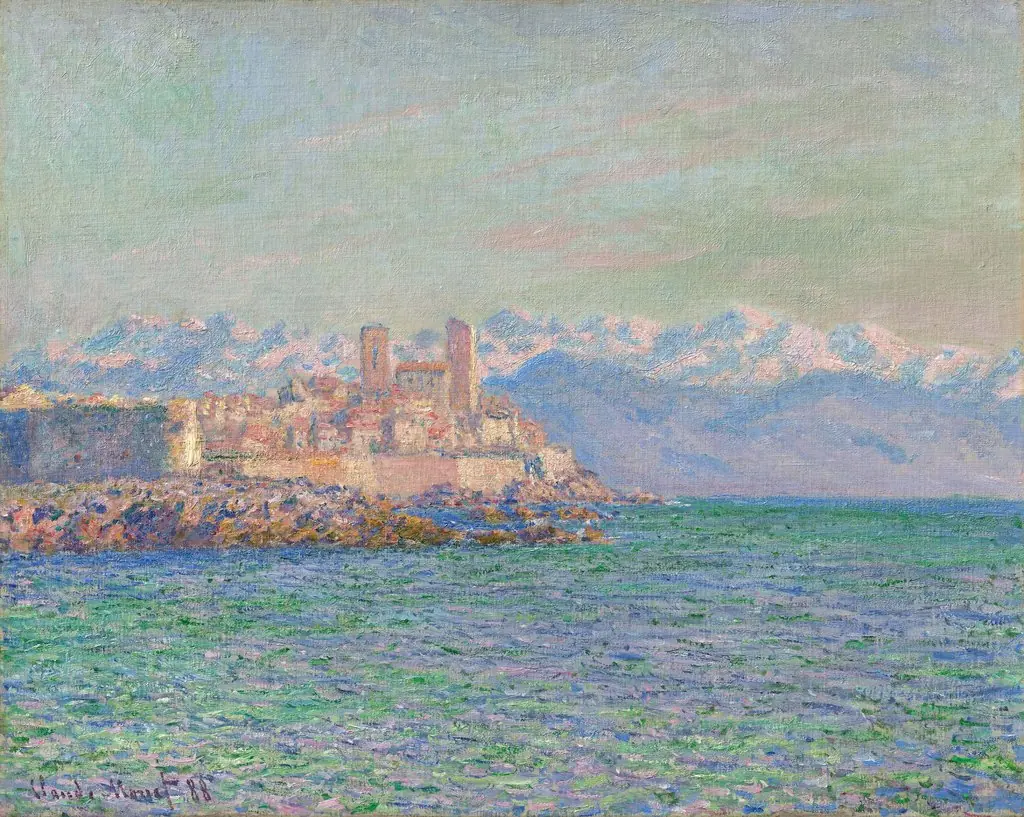 The Fort of Antibes
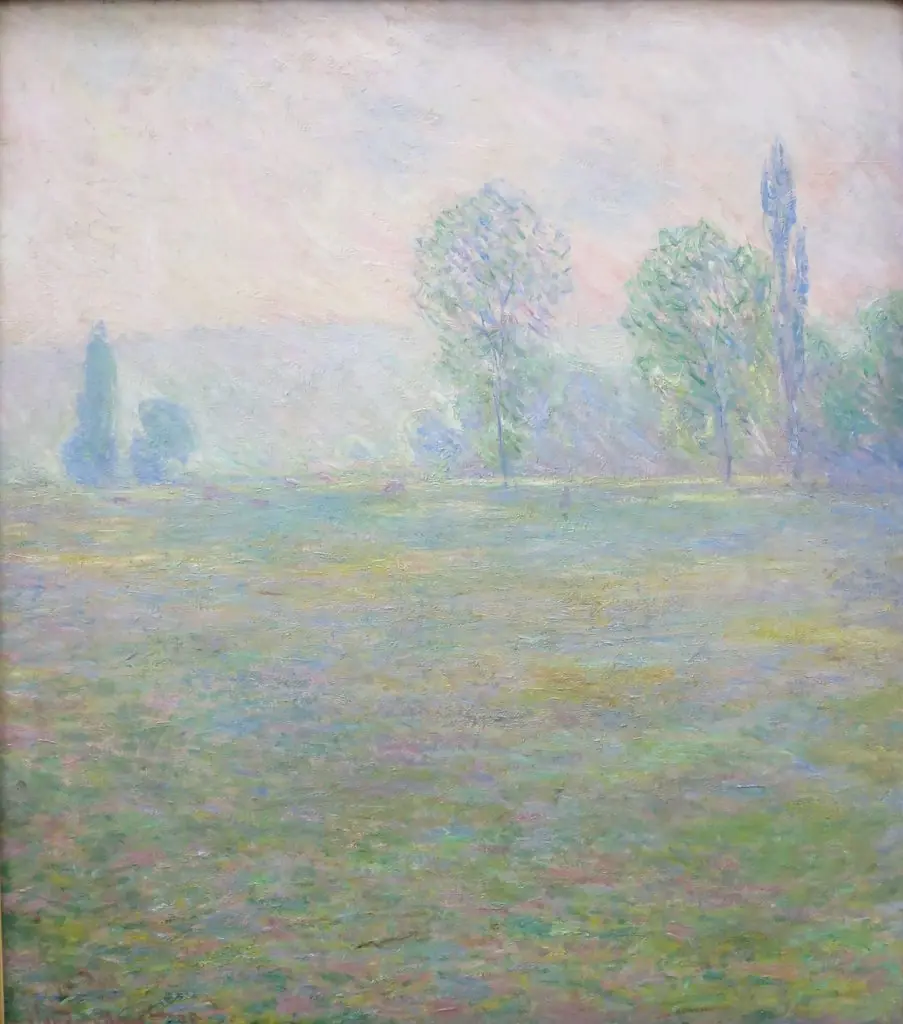 Meadows at Giverny
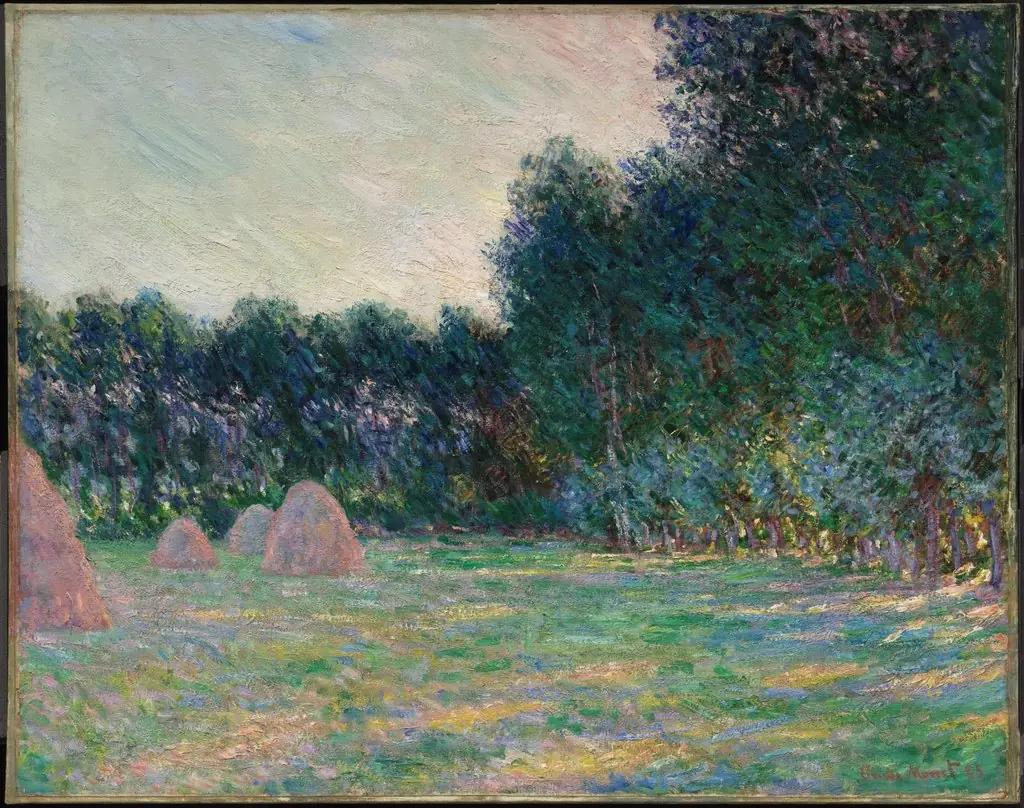 Meadow with Haystacks near Giverny
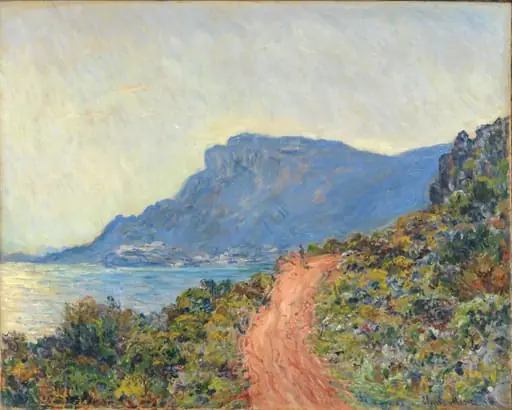 La Corniche bij Monaco
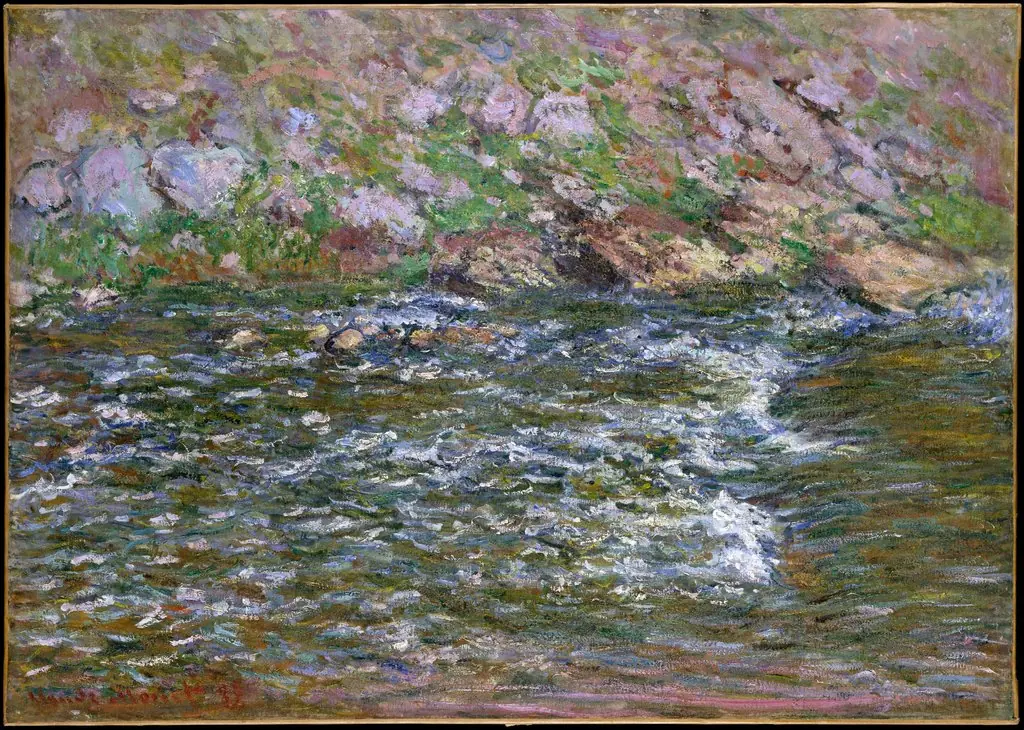 Rapids on the Petite Creuse at Fresselines
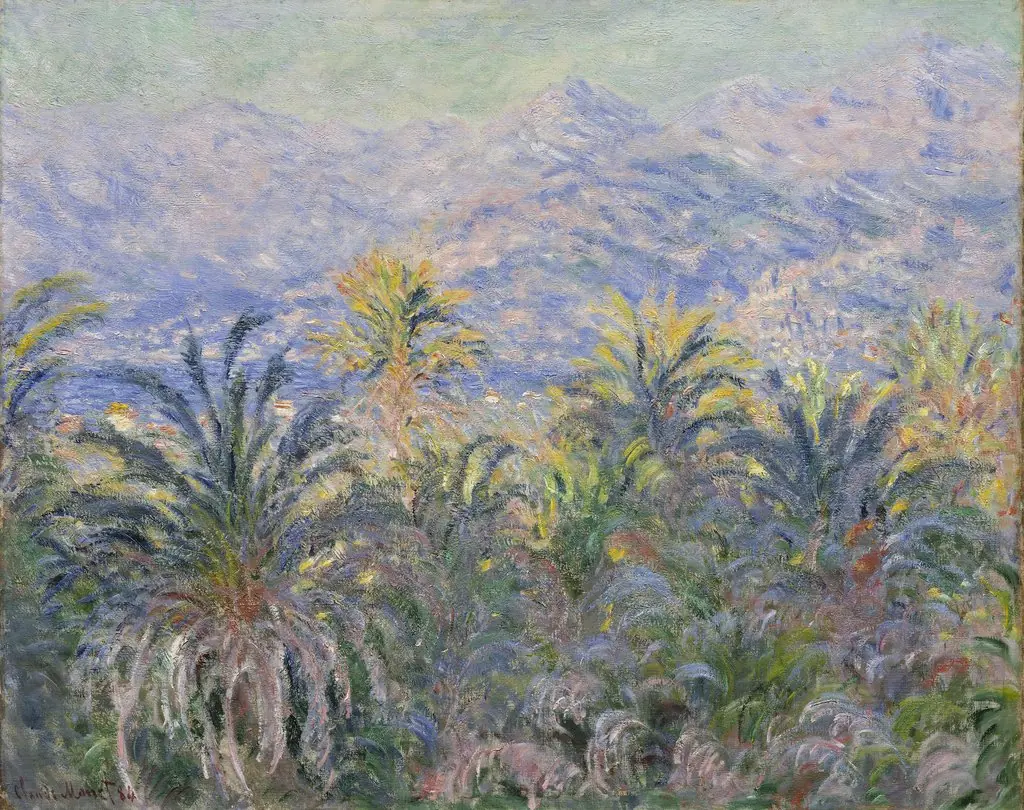 Palm Trees at Bordighera
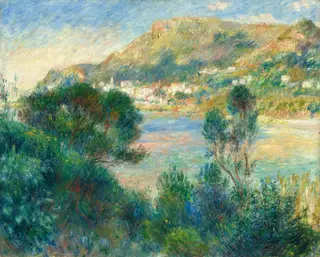 View of Monte Carlo from Cap Martin
- Valley of the Petite Creuse