Artwork
Wheatfield
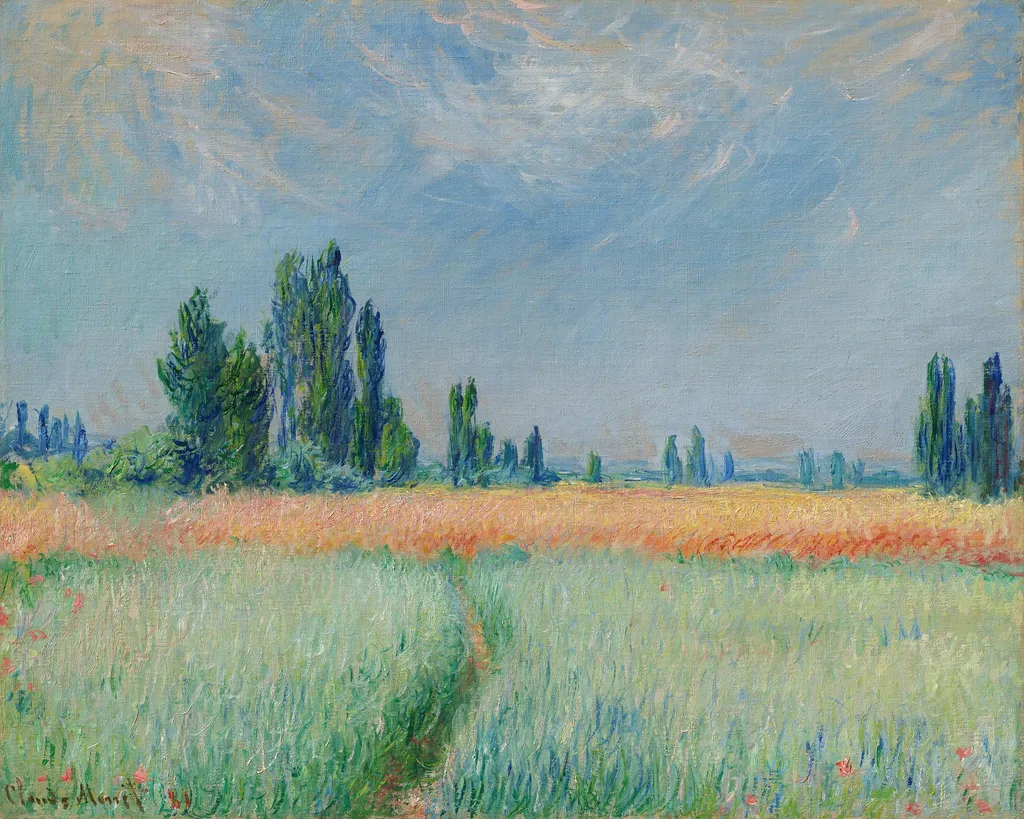
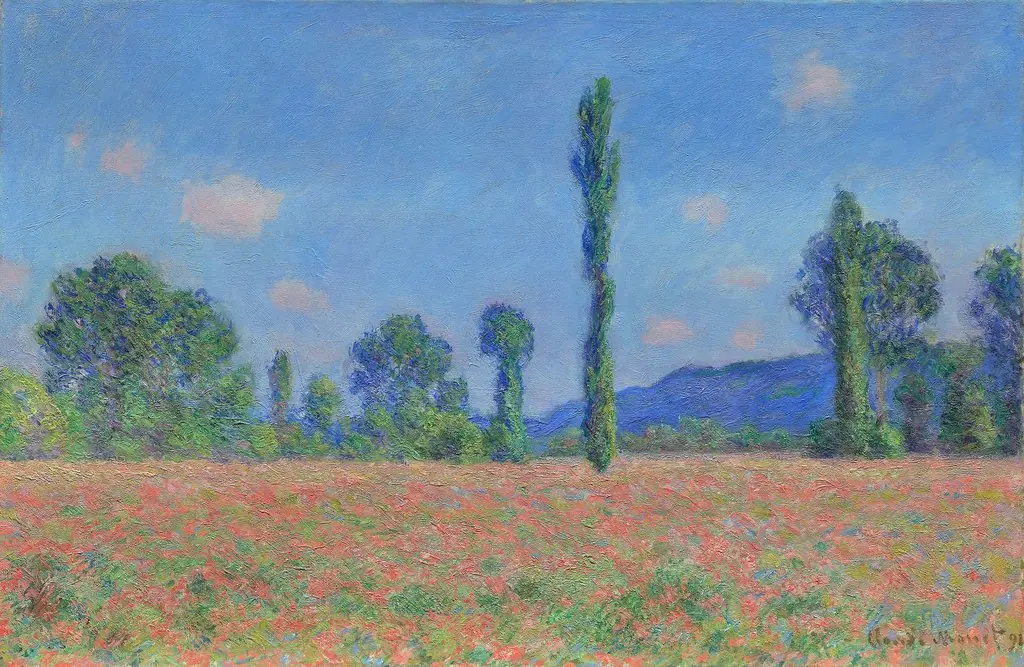
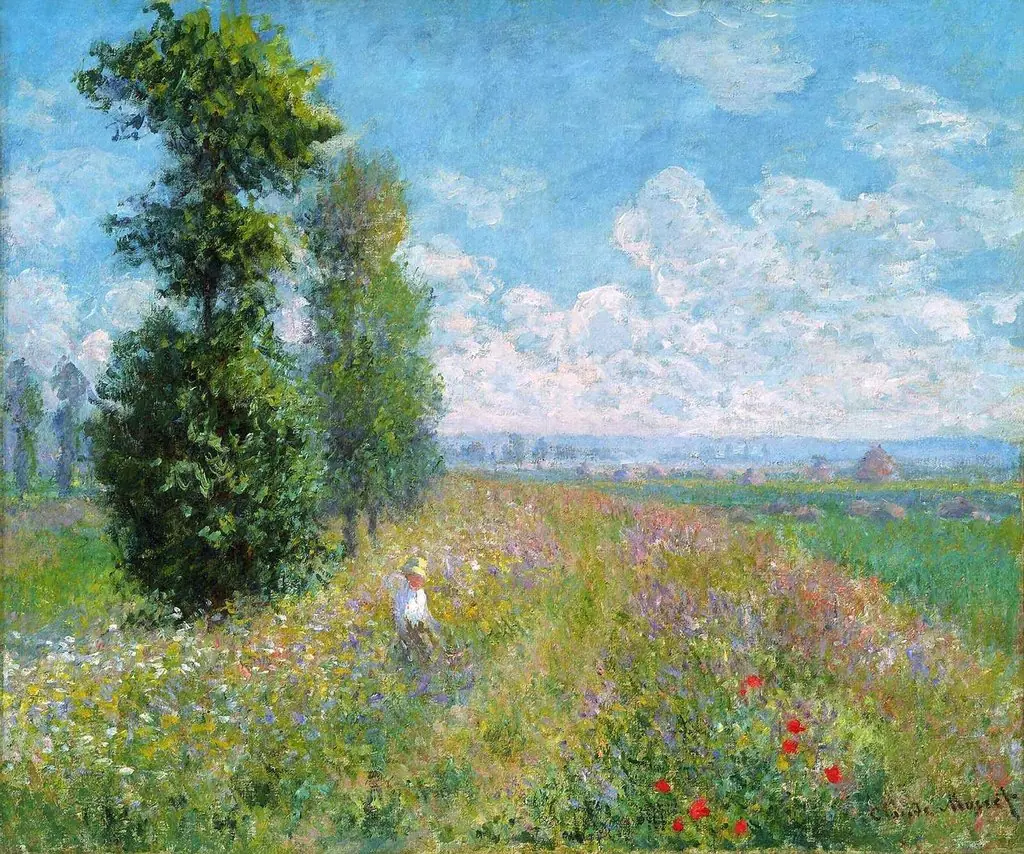
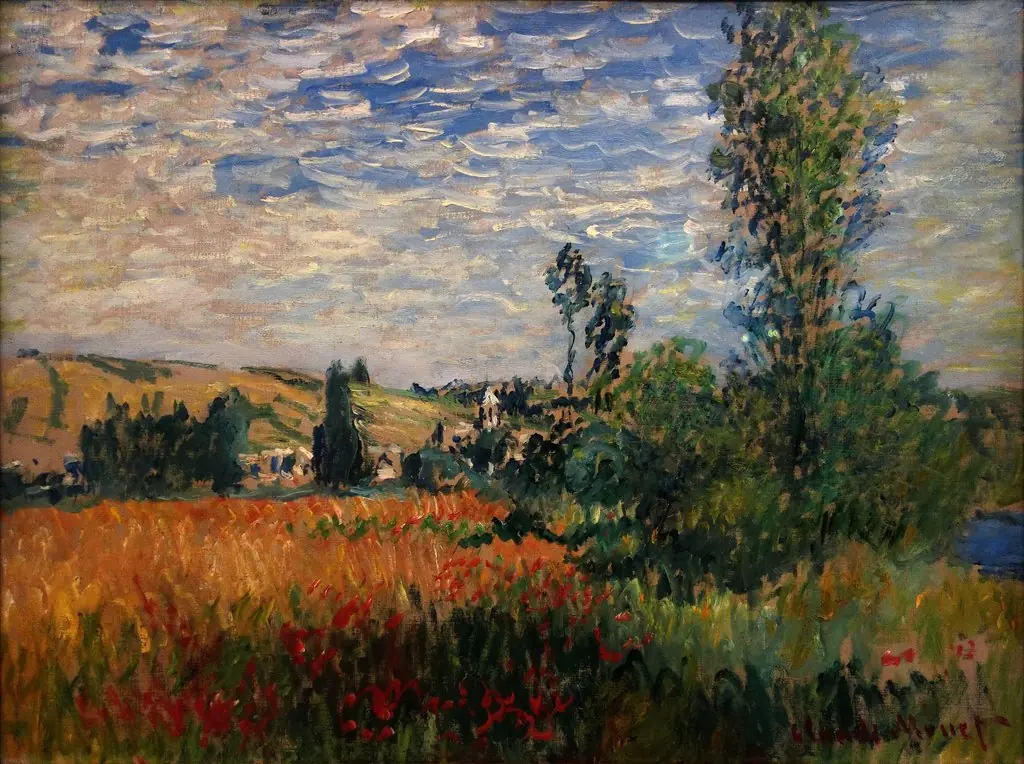
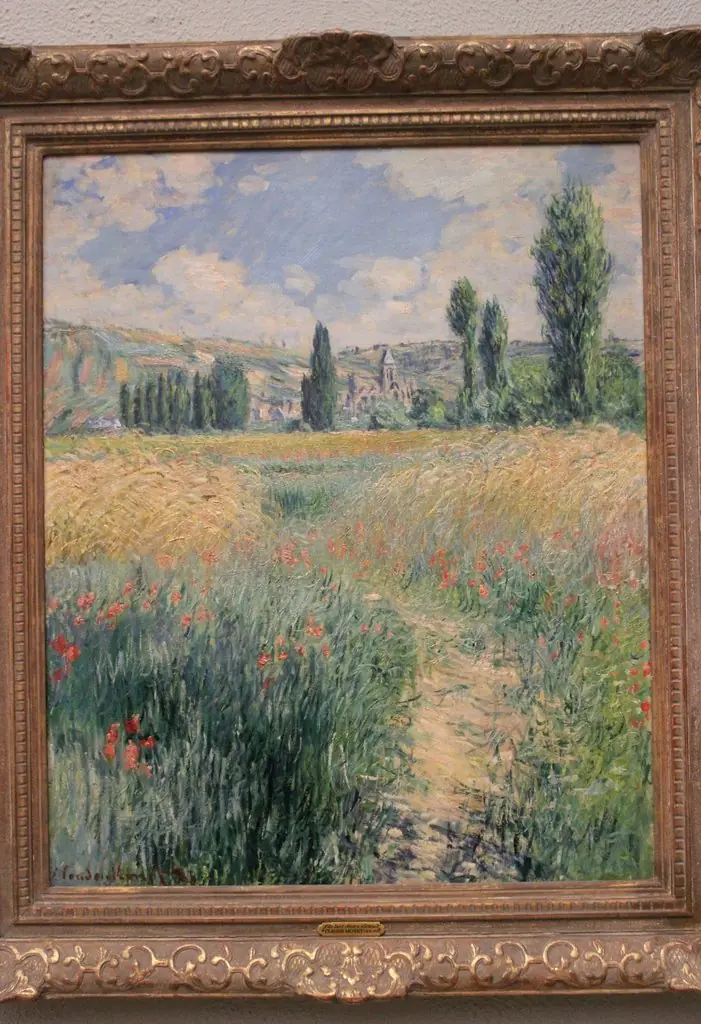
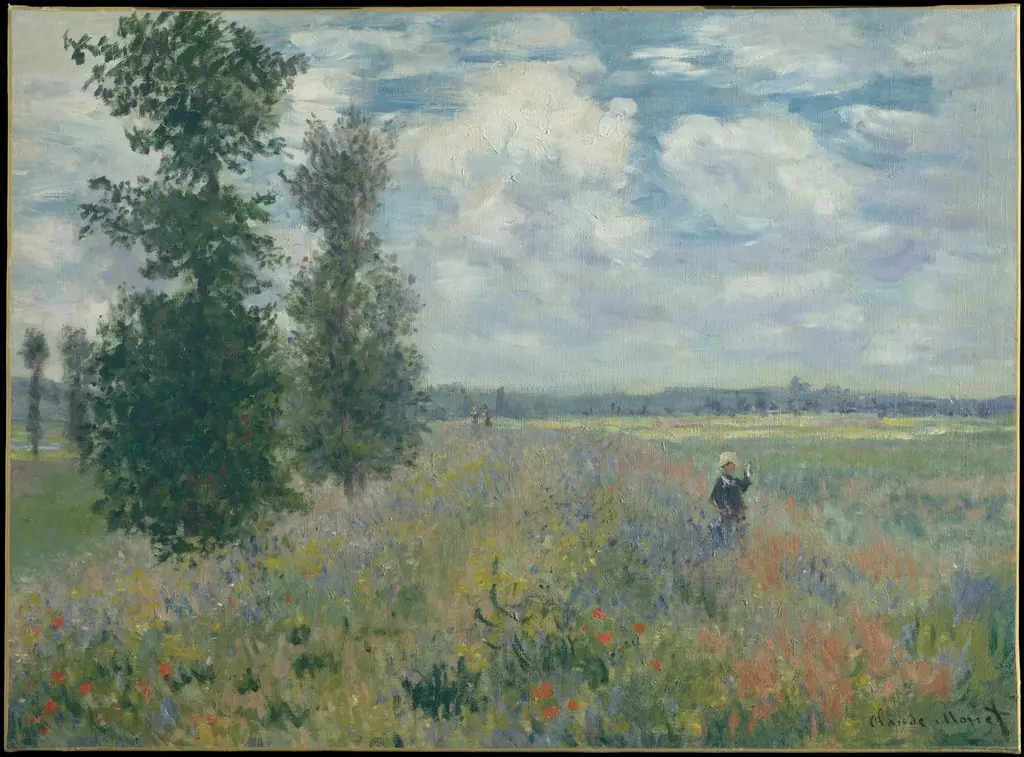
Wheatfield is an oil painting by the Impressionist artist Claude Monet. It dates from 1891 and is held in the collection of the Cleveland Museum of Art.
About this work
Subject & Meaning
While the title suggests a focus on agricultural fields, the specific visual content identified in the work's description includes a tree.
Claude Monet's Wheatfield, created in 1891, is an oil painting that primarily depicts a landscape scene. While the title suggests a focus on agricultural fields, the specific visual content identified in the work's description includes a tree. As an Impressionist piece, the painting captures a natural setting rather than a narrative or allegorical subject.
The work represents Monet's engagement with the rural environment, utilizing the medium of oil on canvas to render the scene.
Technique & Style
Wheatfield is executed in oil paint on canvas, a standard support for Monet's plein air practice. The painting measures 65.5 cm in height by 81 cm in width, a horizontal format suited to the broad sweep of an open field. Its subject is a tree set within the wheatfield, rendered in the loose, broken brushwork characteristic of Impressionist handling, where forms are built from discrete touches of color rather than precise contours. The work belongs to the Impressionist movement and is classified as a painting.
History & Provenance
Wheatfield is an oil painting on canvas by Claude Monet dated 1891. The work measures 65.5 cm in height and 81 cm in width and depicts a single tree within an open field. Following its creation, the painting entered the Hasso Plattner Collection of Impressionist works and is now displayed at Museum Barberini.
Overview
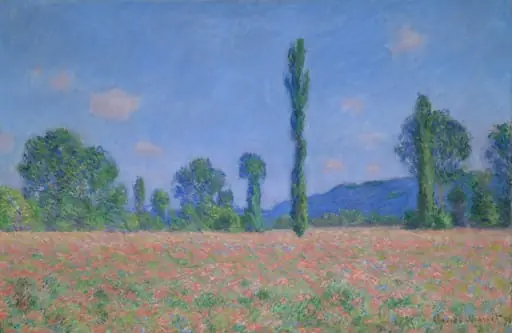
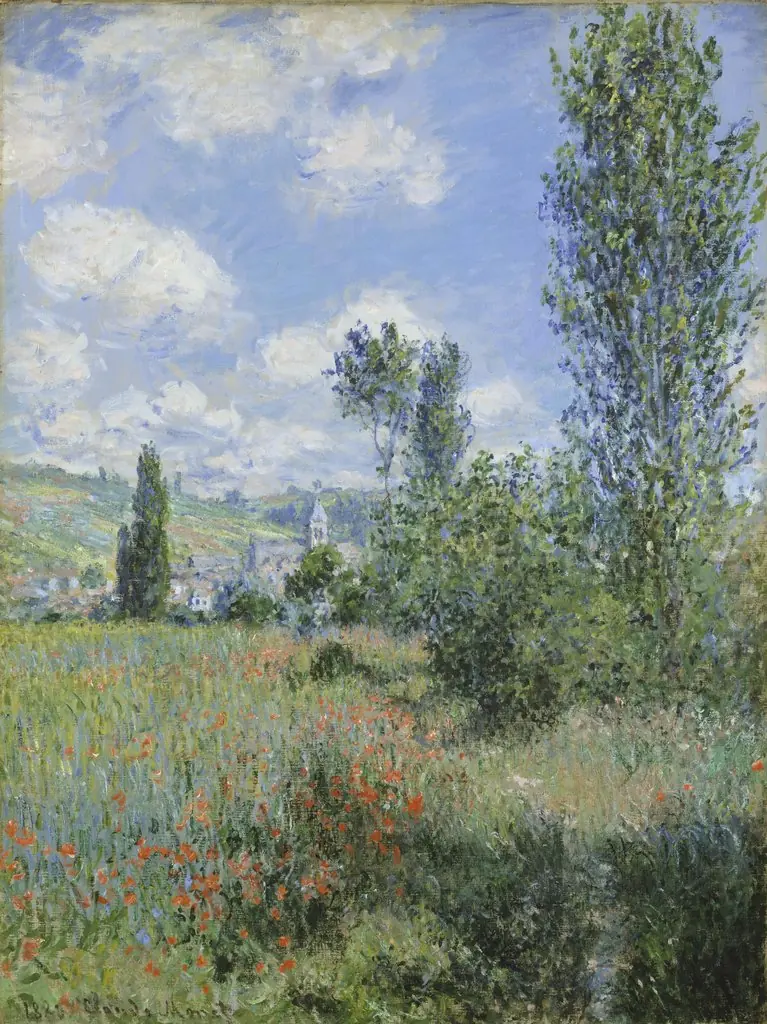
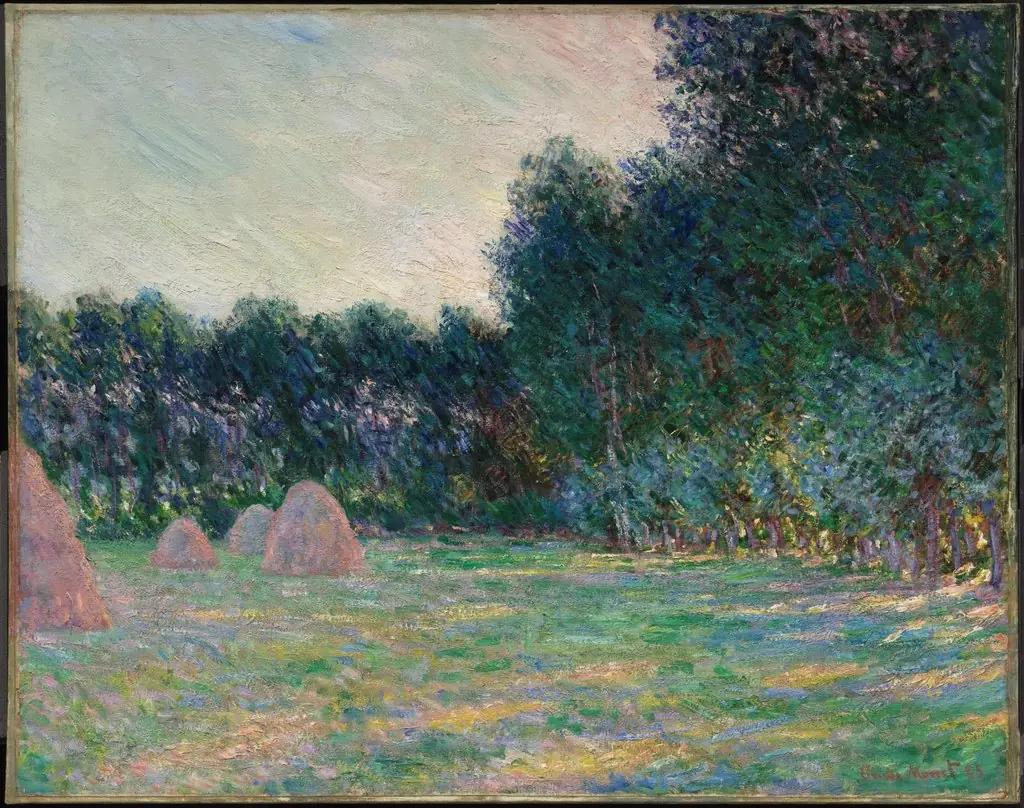
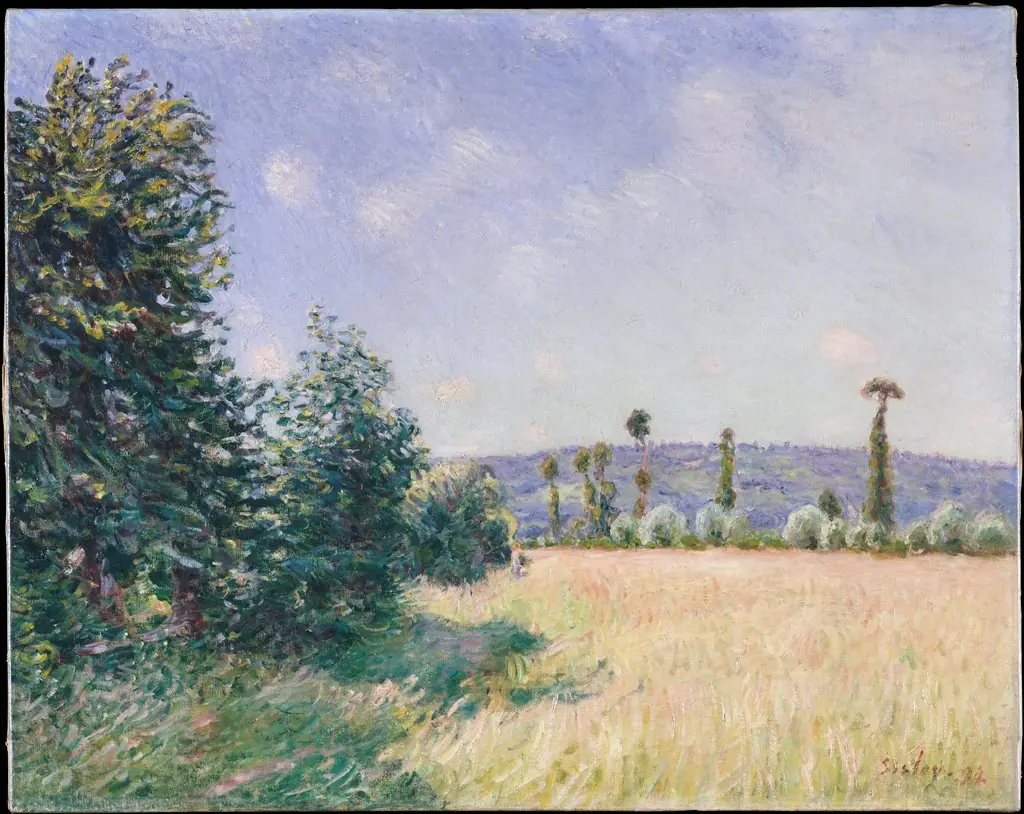
Painted in 1891, Wheatfield is a landscape by Claude Monet that captures a vast expanse of ripening grain under a pale sky. The composition is dominated by the horizontal sweep of the golden and green wheat, which fills the lower two-thirds of the canvas, leading the eye toward a distant, dark line of trees that anchors the horizon. Monet employs his characteristic Impressionist technique, using short, distinct brushstrokes to render the texture of the crops and the atmospheric effects of the light.
The palette is warm, emphasizing yellows, ochres, and soft greens, while the sky is rendered in cool, muted blues and whites to suggest a hazy, sunlit day. This work belongs to a series of wheat field paintings Monet produced during the early 1890s, a period when he focused intensely on the changing seasons and the play of light on the same subject. These paintings reflect his mature style, moving away from specific narrative content to explore the sensory experience of nature and the transient qualities of the French countryside.
Own this work as a print
Artist & collection
Artist
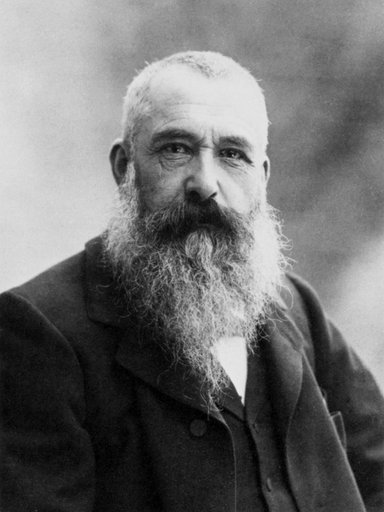
Oscar-Claude Monet was a French painter and founder of Impressionism who is seen as a key precursor to modernism, especially in his attempts to paint nature as he perceived it.