Artwork
A ship in distress
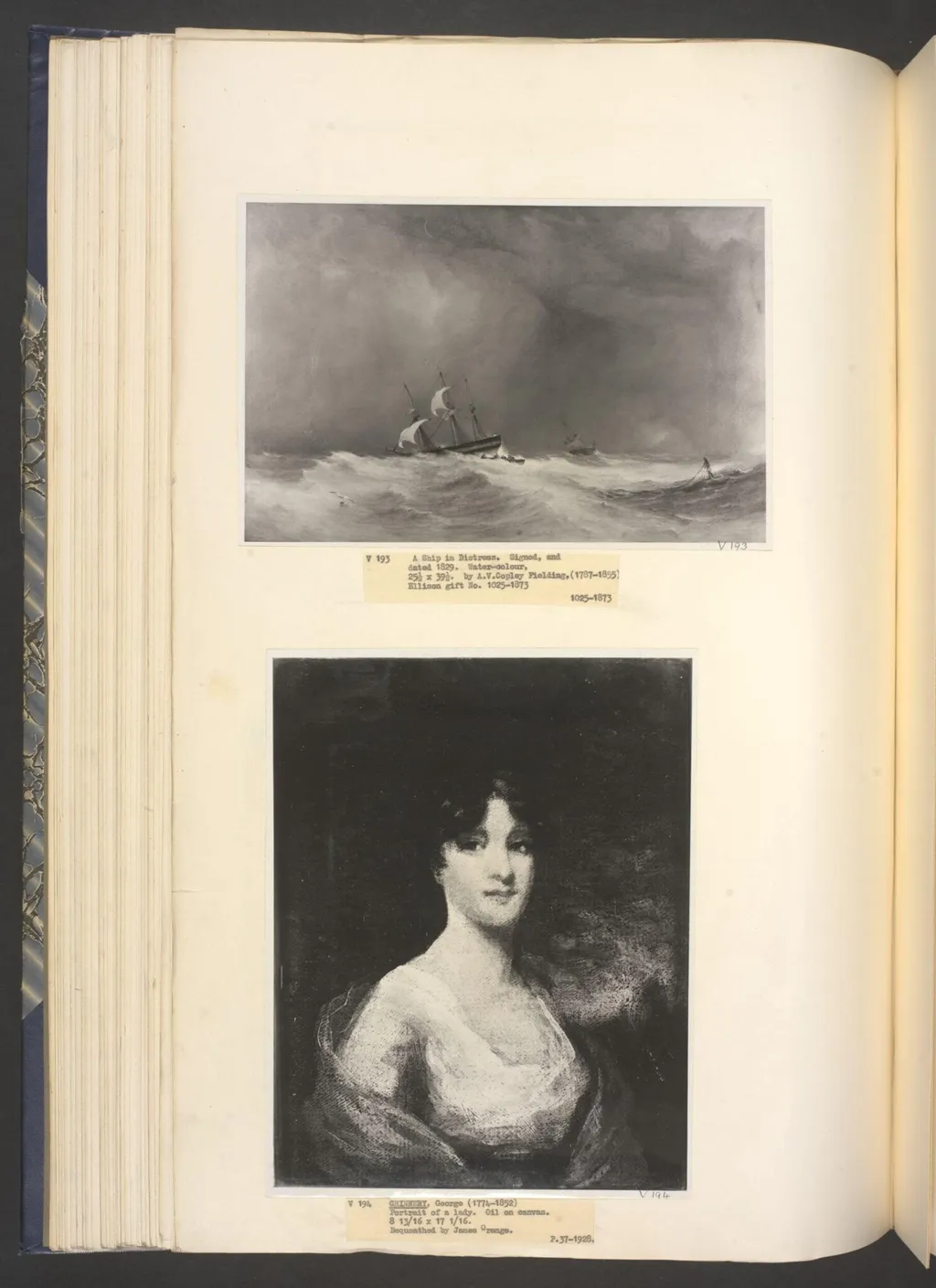
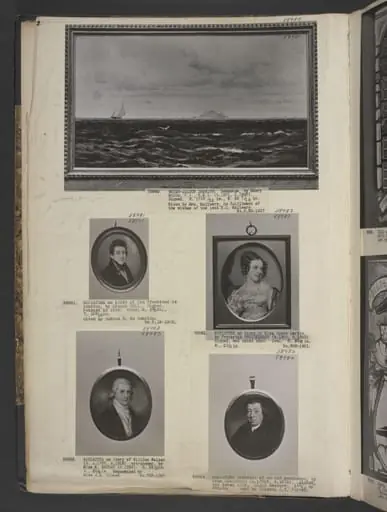
A ship in distress is a watercolor work on paper by the American Folk Art artist John Singleton Copley. It is held in the collection of the Victoria and Albert Museum. Created in 1829, this watercolour by Copley captures a vessel battling violent seas under a brooding sky.
About this work
In the background, another vessel sails toward it, while a small boat with people rows nearby.
This watercolor shows a stormy sea with a ship in rough waves, struggling to stay afloat. In the background, another vessel sails toward it, while a small boat with people rows nearby. The sky is dark and heavy, matching the choppy water below.
The top painting is signed and dated 1829, made by an artist named Copley. It’s called A Ship in Distress, showing rescue in progress.
Next, check out the Victoria and Albert Museum to see more works like this.
Overview
Created in 1829, this watercolour by Copley captures a vessel battling violent seas under a brooding sky. The scene is rendered in delicate washes, emphasizing the tension between human struggle and nature’s force. The artist’s signature and date appear at the top, confirming its origin and timing.
The composition includes a second ship approaching and a rowboat moving toward the distressed vessel, suggesting an ongoing rescue effort.
Subject & Meaning
The painting portrays maritime peril and the urgency of aid. The central ship, battered by waves, is framed by the distant silhouette of a rescuer and the active rowboat, implying coordinated response. No figures are clearly defined, focusing attention on the vessels and elements. The absence of human faces underscores the vulnerability of seafarers and the impersonal power of the ocean.
Technique & Style
Copley employed transparent watercolour washes to convey the movement of water and the weight of the sky. Subtle gradations of grey and blue suggest storm clouds and churning seas, while sharp, angular lines define the ship’s rigging. The lack of heavy detail enhances the sense of immediacy, aligning with the spontaneous nature of the event depicted.
History & Provenance
The work is documented as part of Copley’s later output, created during a period when he focused on marine subjects. Its survival with the artist’s signature and date suggests it was intended as a finished piece, not a sketch. It entered the Victoria and Albert Museum’s collection in the 20th century, where it remains among other 19th-century British watercolours.
Context
In the 1820s, British artists increasingly turned to maritime themes, reflecting national interest in naval history and seafaring life. Copley’s work aligns with a broader trend of documenting real-time crises at sea, often inspired by newspaper accounts or personal observation. This piece reflects a cultural moment when maritime safety and rescue were gaining public attention.
Legacy
Though not widely exhibited, the watercolour contributes to the understanding of Copley’s engagement with natural forces and human endurance. It stands as a quiet example of how British watercolourists used modest media to convey dramatic, emotionally resonant scenes without theatricality or embellishment.
Own this work as a print
Artist & collection

Artist
John Singleton Copley (July 3, 1738 – September 9, 1815) was an American-born British painter active in both the Thirteen Colonies and England.

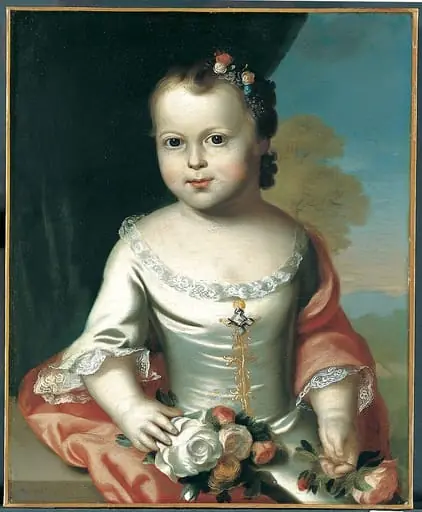
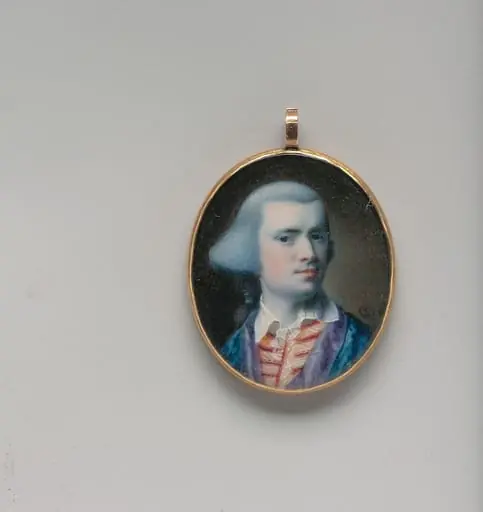
- Henry White, surgeon
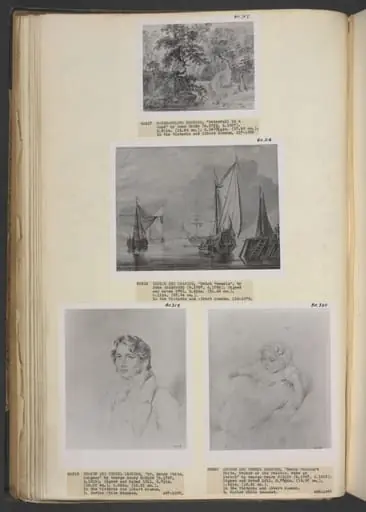 Henry Fancourt White, nephew of the painter, when an infant
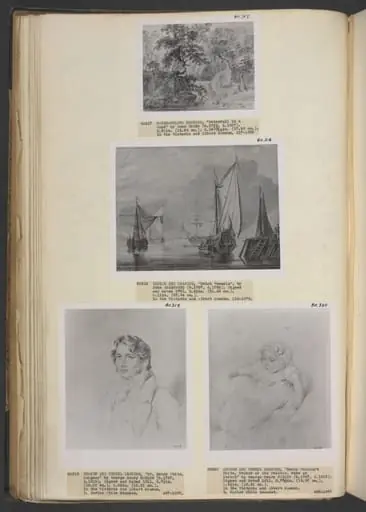 Dutch Vessels
 Seascape
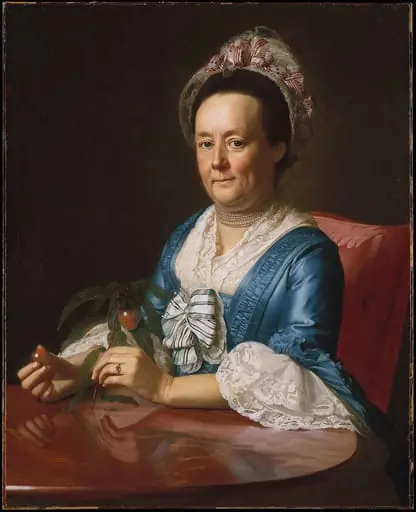
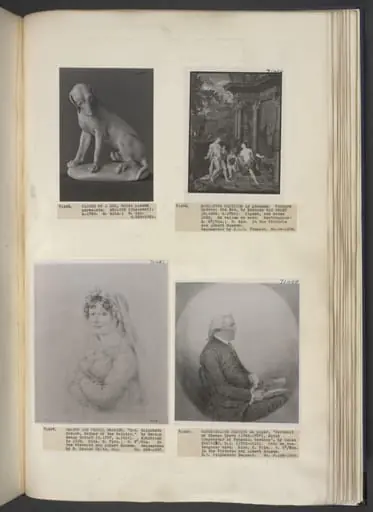 Mrs Elizabeth Harlow, mother of the painter
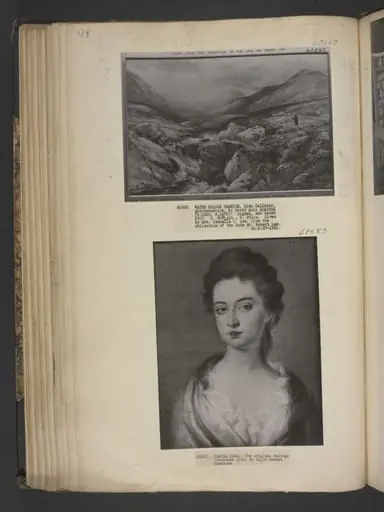 Glen Callater, Aberdeenshire
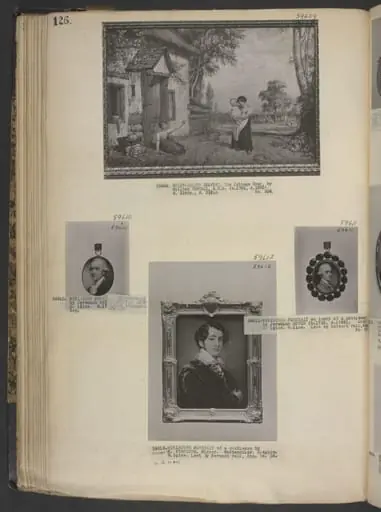 The Cottage Door
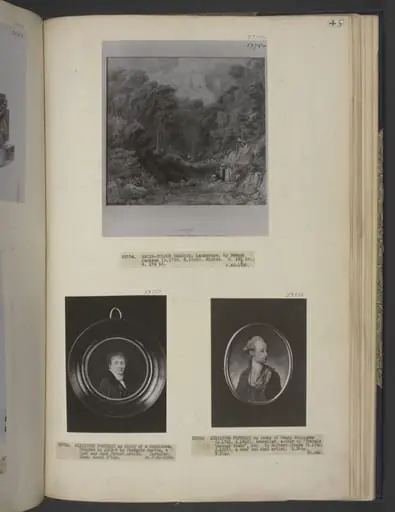 Nightingale Valley near Clifton with St. Vincent's Rocks and the Obsevatory Tower
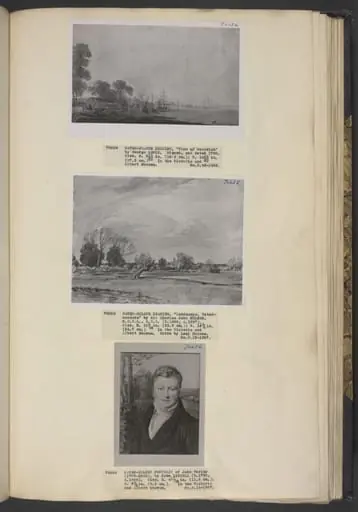 Landscape : Watermeadows
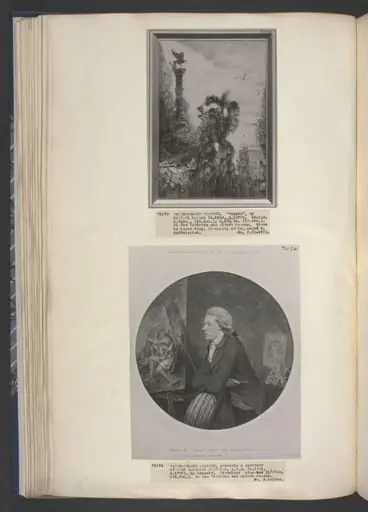 Portrait of a painter
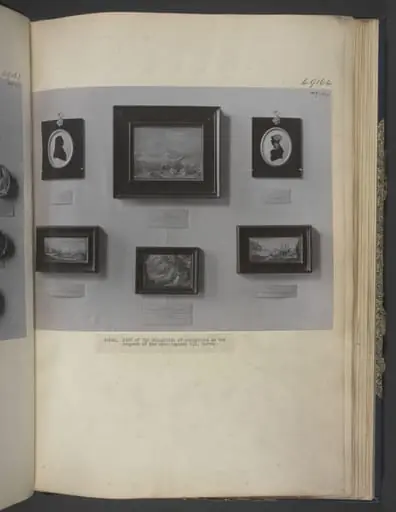 Miniature painting of a battle scene
 A Welsh Landscape