Artwork
Titelbild (Title Page)
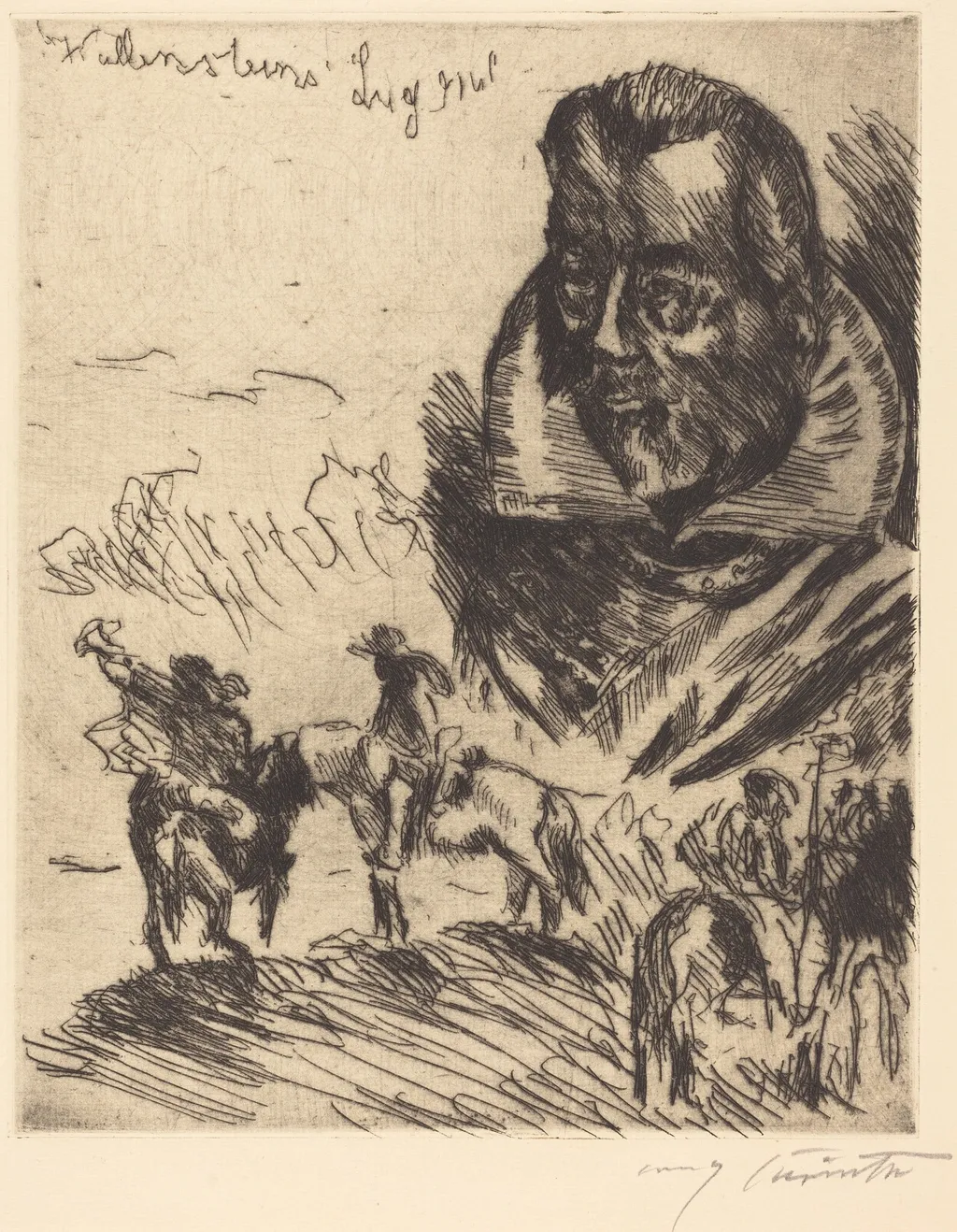
Titelbild (Title Page) is an ink print by Lovis Corinth. It dates from 1923 and is held in the collection of the National Gallery of Art.
- Inscription
- Inscribed:upper left in plate: Wallensteins' Lager; lower right in graphite: Lovis Corinth
About this work
Overview
It stands as a quiet yet powerful example of his late graphic output.
Lovis Corinth’s 1923 etching Titelbild (Title Page) emerges from his post-stroke artistic transformation, marked by a shift from naturalistic detail toward emotional intensity. Executed in black ink on laid paper, the work reflects his mature engagement with printmaking, blending the tonal subtlety of impressionism with the psychological weight of expressionism. It stands as a quiet yet powerful example of his late graphic output.
Subject & Meaning
The composition centers on a bearded man, his face turned slightly left, rendered with restrained precision. Behind him looms a large, hooded form, ambiguous in identity, perhaps a shadow, a memory, or a symbolic presence. The indistinct foreground elements suggest fleeting figures or objects, reinforcing an atmosphere of introspection. The work evokes inner tension without narrative clarity, inviting contemplation over explanation.
Technique & Style
Corinth employed etching to achieve a range of textures through varied line weight and hatching. The light background contrasts with dense, fluid shadows that define the central figure and the looming form. The simplicity of the composition belies technical nuance: delicate strokes model the face, while broader, looser marks suggest depth and movement. The medium’s immediacy aligns with his expressive aims, prioritizing emotional resonance over polish.
History & Provenance
Created in 1923, the etching belongs to Corinth’s final decade, following a debilitating stroke in 1911 that altered his artistic approach. Though he remained active in Berlin’s art circles and had led the Berlin Secession, his later works increasingly turned inward. Titelbild was likely produced for personal or limited circulation, not public exhibition, reflecting a private meditation rather than a public statement.
Context
In early 1920s Germany, artists grappled with the aftermath of war and societal upheaval. Corinth, once aligned with impressionist and realist traditions, now worked in a climate receptive to psychological depth and formal experimentation. His late prints, including this one, resonate with broader expressionist concerns, inner turmoil, identity, and the fragility of the self, while retaining his distinctive hand.
Legacy
Though less widely known than his paintings, Corinth’s late etchings like Titelbild reveal a sustained engagement with human vulnerability and formal economy. They influenced later generations of German printmakers who valued emotional authenticity over decorative finish. The work endures as a testament to his ability to distill complex inner states into minimal, resonant imagery.
Own this work as a print
Artist & collection
Artist
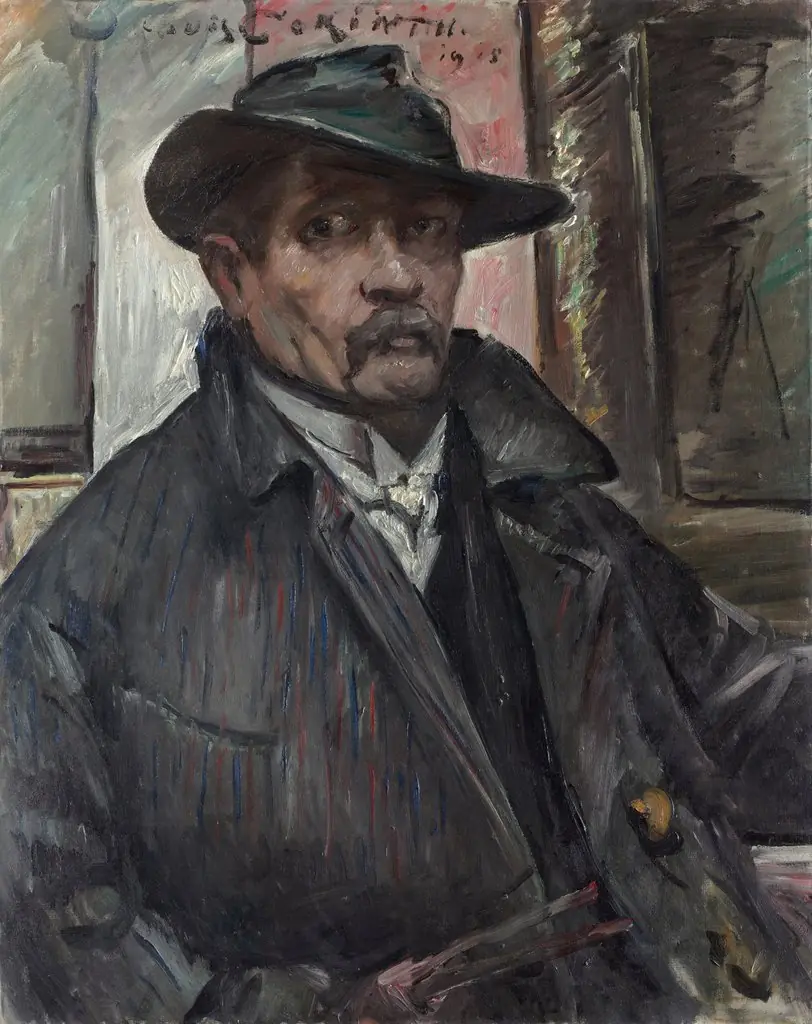
Lovis Corinth (21 July 1858 – 17 July 1925) was a German artist and writer whose mature work as a painter and printmaker realized a synthesis of impressionism and expressionism.

- A Lord from the Period of Francis I (Un Seigneur de temps de François Ier)
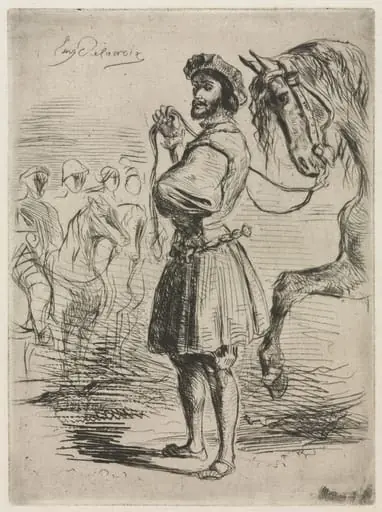 A Lord in the Time of Francis I
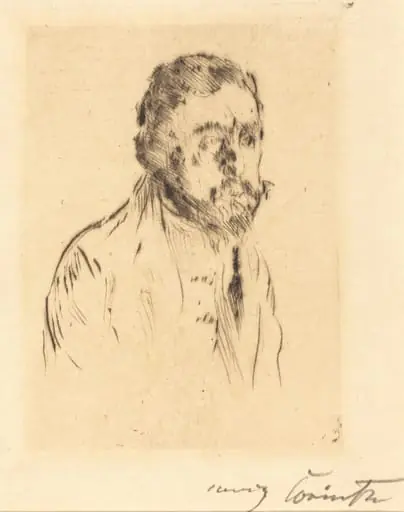 Bildnisstudie H. St. (Portrait Study of H. St.)
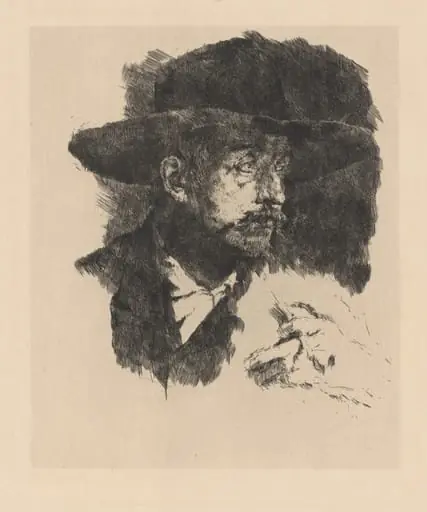 The Smoker (Portrait of the Painter Horstig)
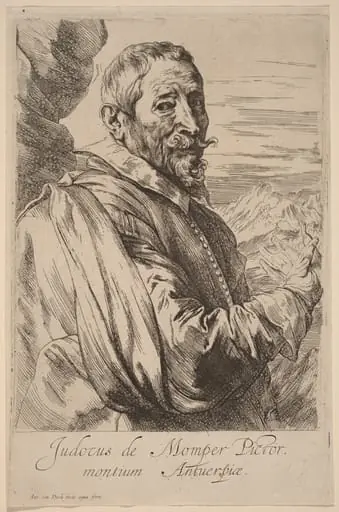 Jodocus de Momper
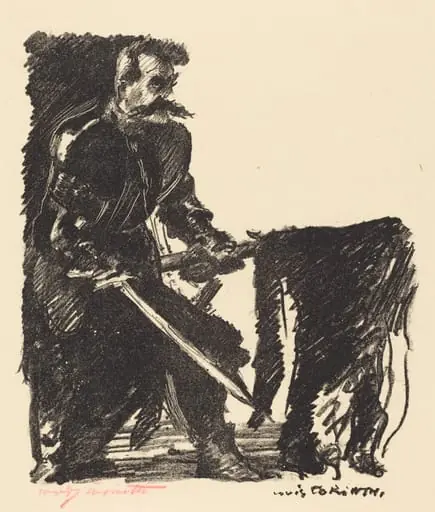 Bannerträger (Standard Bearer)
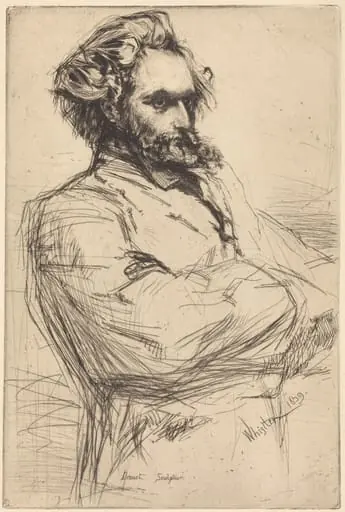 C. L. Drouet, Sculptor
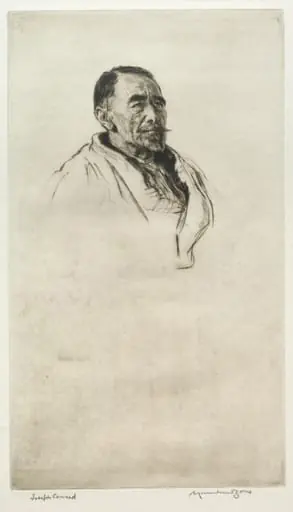 Arthur Joseph Conrad
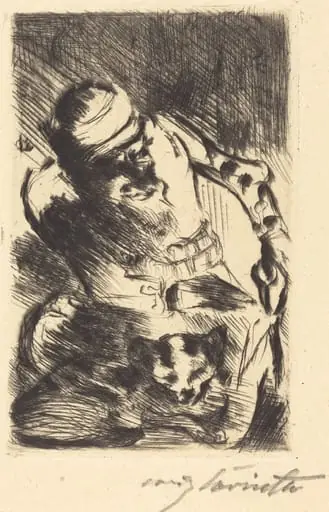 Die Katze des Propheten (The Cat of the Prophet)
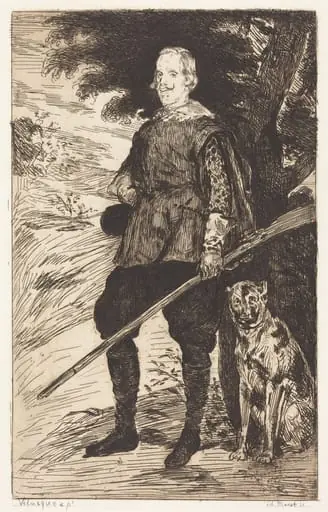 Philip IV (Philippe IV)
 Reiter II (Horseman II)
 Traveler taking Shelter (Le voyageur a l'abri)