Artwork
Portrait of Barthélemy Aneau
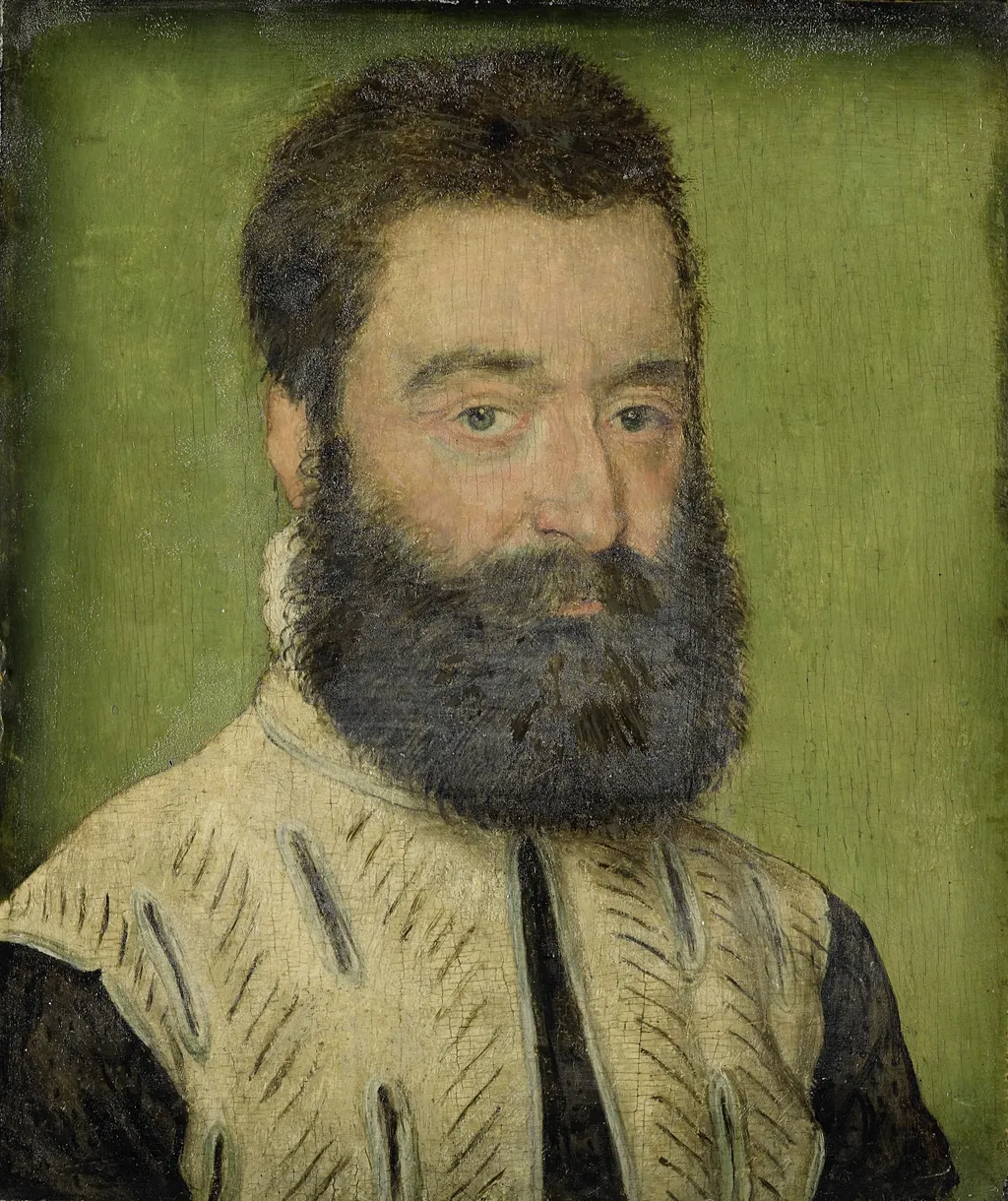
Portrait of Barthélemy Aneau is an oil painting by the Dutch Golden Age artist Corneille de Lyon. It dates from 1540 and is held in the collection of the Rijksmuseum.
About this work
Technique & Style
The work is executed in oil paint on a wooden panel, a typical support for small-scale portraits in mid‑sixteenth‑century France.
The work is executed in oil paint on a wooden panel, a typical support for small-scale portraits in mid‑sixteenth‑century France. Measuring approximately 15.5 cm in height and 13 cm in width, it presents a half‑length likeness of Barthélemy Aneau. The work is dated to 1540.
The medium allows fine detail and subtle modelling, characteristic of Corneille de Lyon’s portraiture. No information on the painting’s current condition or handling is provided in the sources.
History & Provenance
Corneille de Lyon painted Portrait of Barthélemy Aneau in 1540 as an oil on panel portrait for the merchant Barthélemy Aneau. The work entered the collection of the Rijksmuseum in Amsterdam, where it remains on display. Its dimensions are 15.5 cm in height and 13 cm in width.
Context
Barthélemy Aneau, a French Renaissance portrait subject, is documented in a 1540 oil painting by Corneille de Lyon now housed in the Rijksmuseum. This work exemplifies the artist’s distinctive approach to portraiture within the broader context of Northern Renaissance art, where individual identity and social status were conveyed through meticulous detail and composition. Scholarship highlights its significance as a representative example of 16th-century French portraiture, reflecting both the technical mastery of oil painting and the cultural emphasis on portraiture among the elite.
The painting’s provenance and scholarly analysis underscore its role in tracing the evolution of portrait conventions in early modern Europe.
Legacy
Portrait of Barthélemy Aneau, painted by Corneille de Lyon in 1540, depicts the sitter at half-length in a conventional courtly pose that reflects early French Renaissance portraiture. Its composition and subtle modeling of the sitter's features influenced subsequent portraitists who sought to balance realism with idealized dignity. The work is part of the Rijksmuseum collection and remains on public view in Amsterdam, where it is cited in scholarly studies of 16th‑century French portraiture as a reference point for later interpretations of bourgeois identity.
Overview
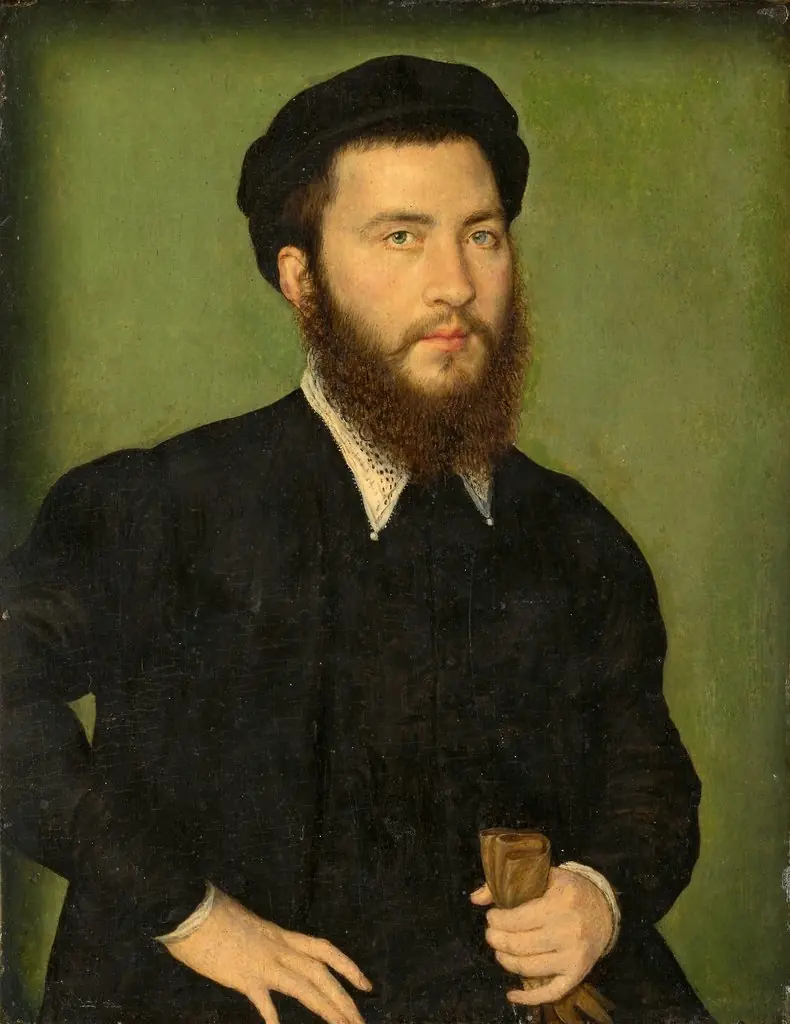
Corneille de Lyon’s oil portrait of Barthélemy Aneau dates from the early 1540s and is part of the Rijksmuseum’s collection. The work presents a half‑length view of the sitter against a uniform green backdrop, emphasizing the figure’s facial features and attire without decorative distraction.
Subject & Meaning
The portrait depicts Barthélemy Aneau, a contemporary figure whose identity is recorded in the inscription. His slightly weathered complexion and modest, well‑crafted clothing suggest a man of respectable standing, perhaps engaged in scholarly or clerical pursuits, as was common among educated men of the period.
Own this work as a print
Artist & collection
Artist
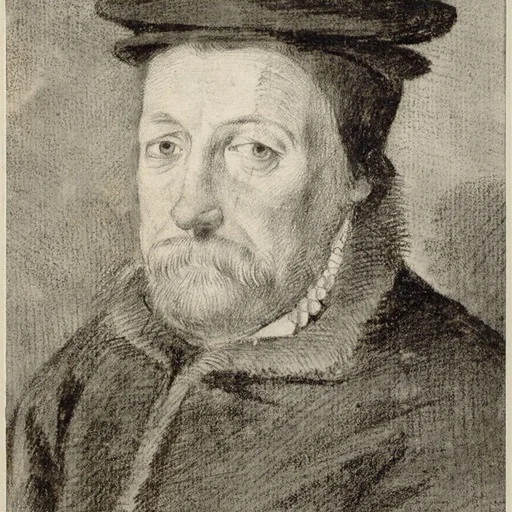
Corneille de Lyon was a Dutch painter of portraits who was active in Lyon, France, from 1533 until his death. In France and the Netherlands he is also still known as Corneille de La Haye after his birthplace, The Hague.

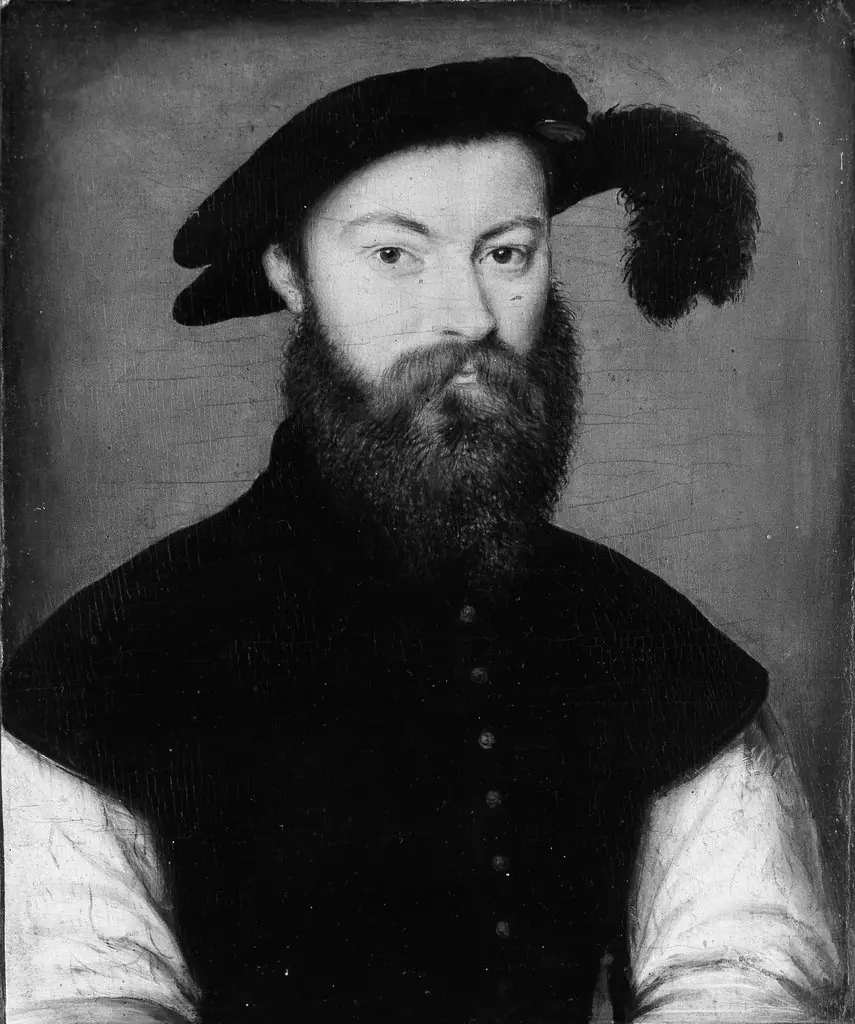
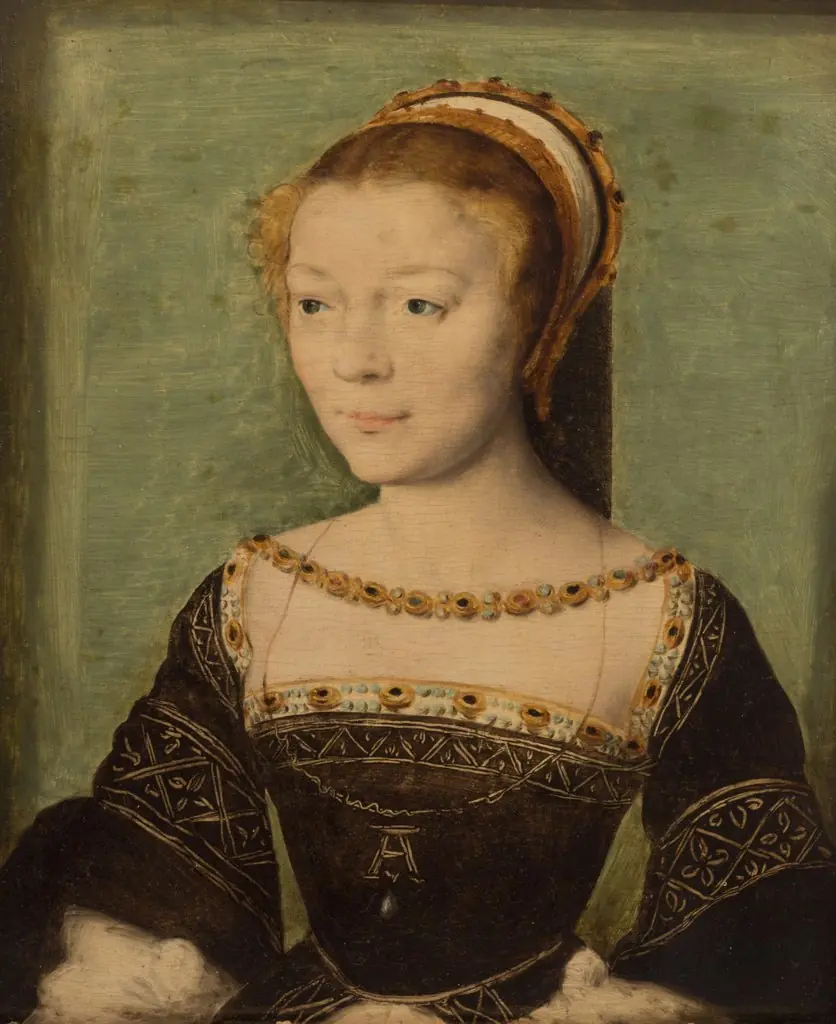
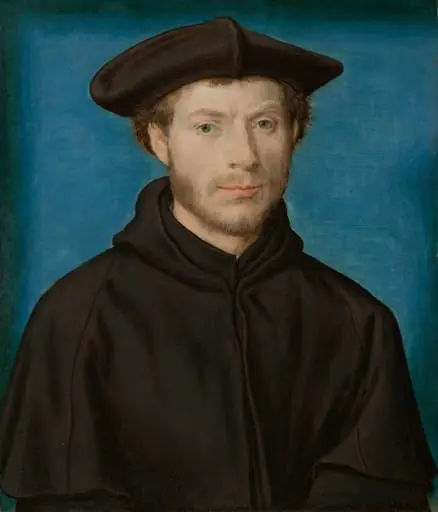
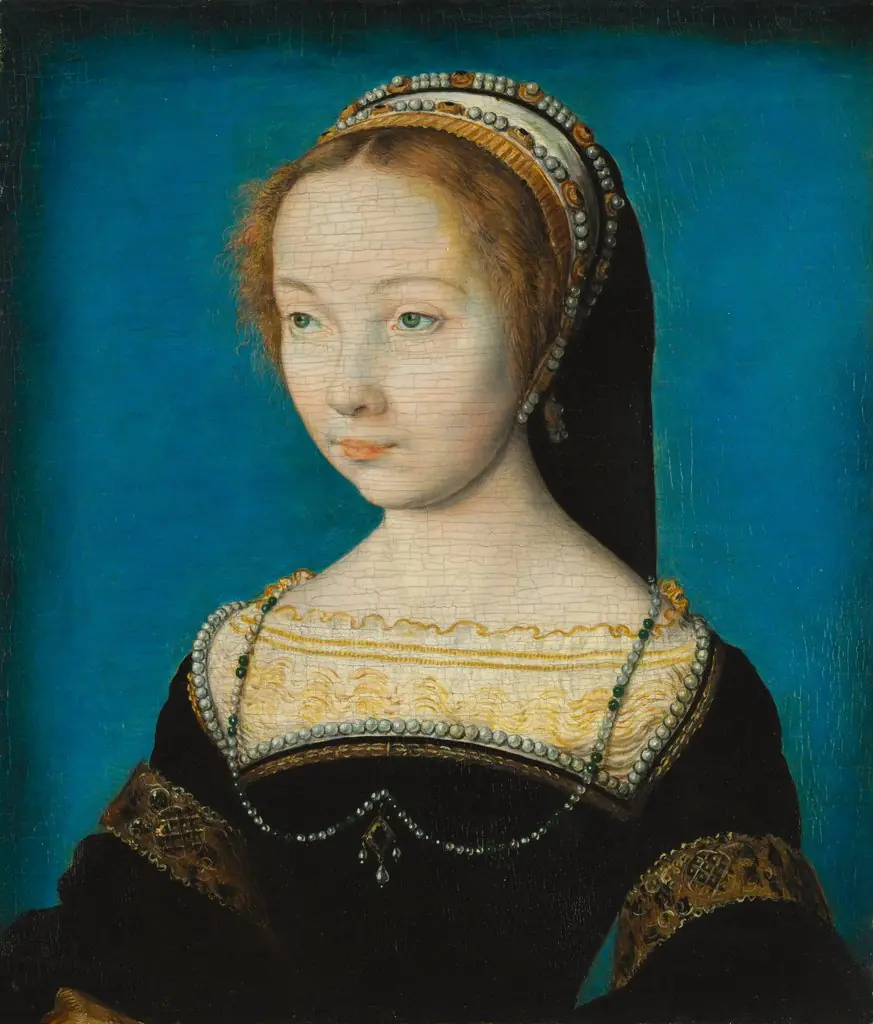
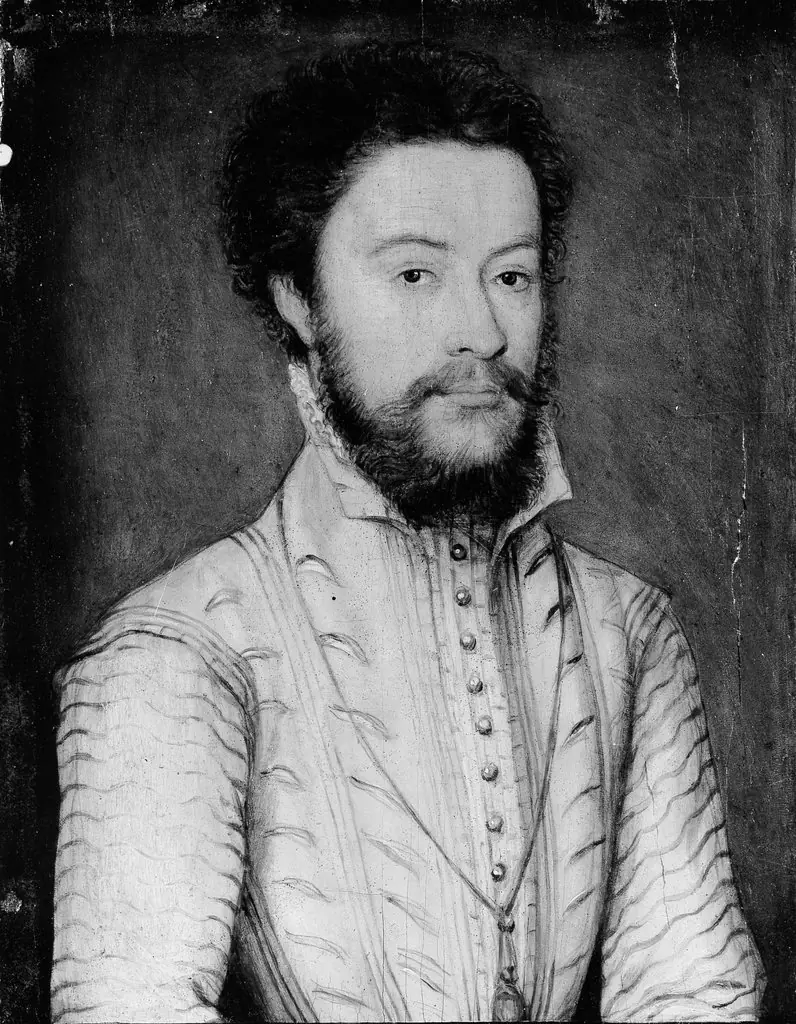
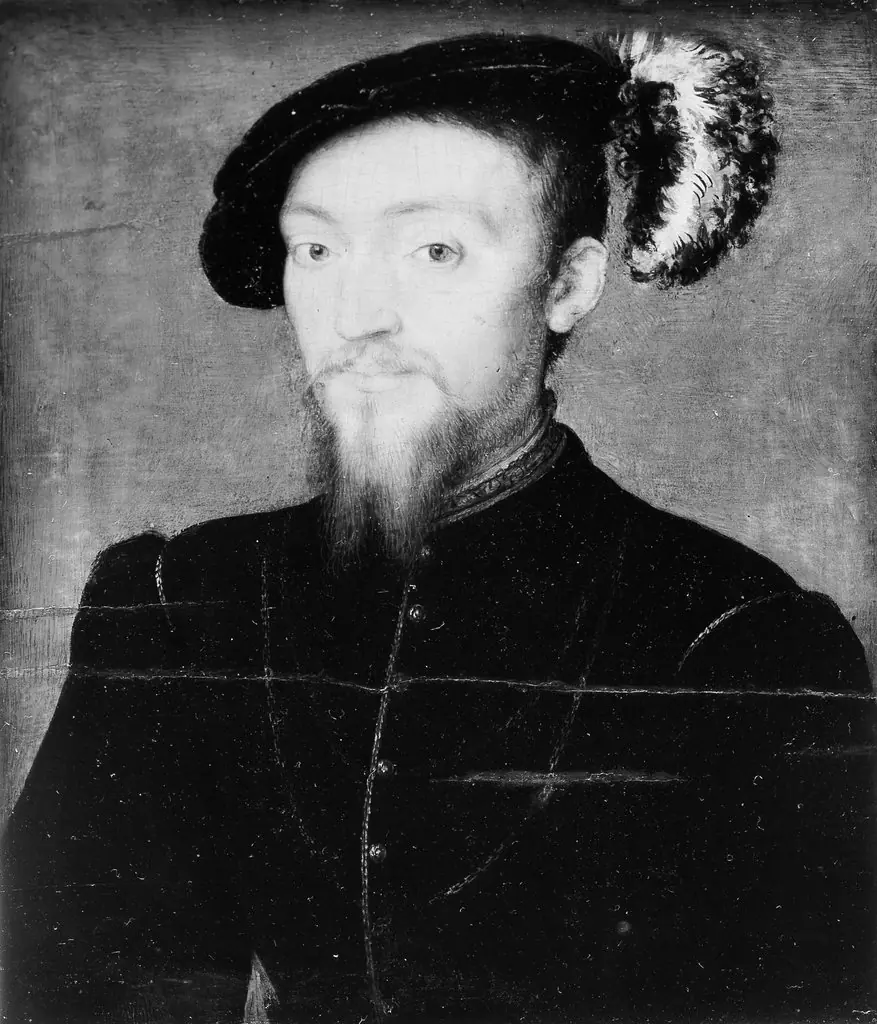
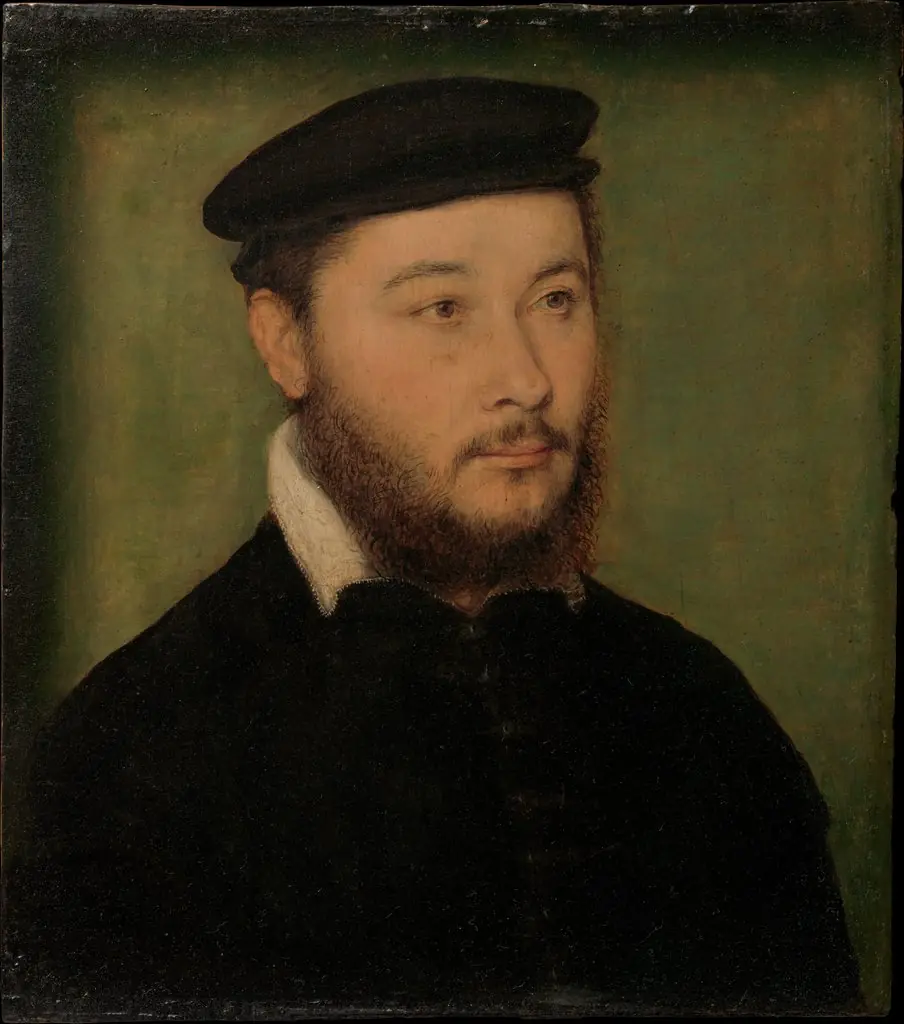
 Portrait of a Man
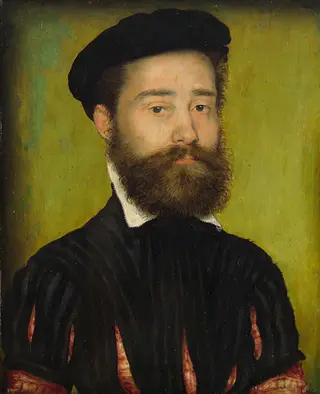 Bildnis eines bärtigen Mannes
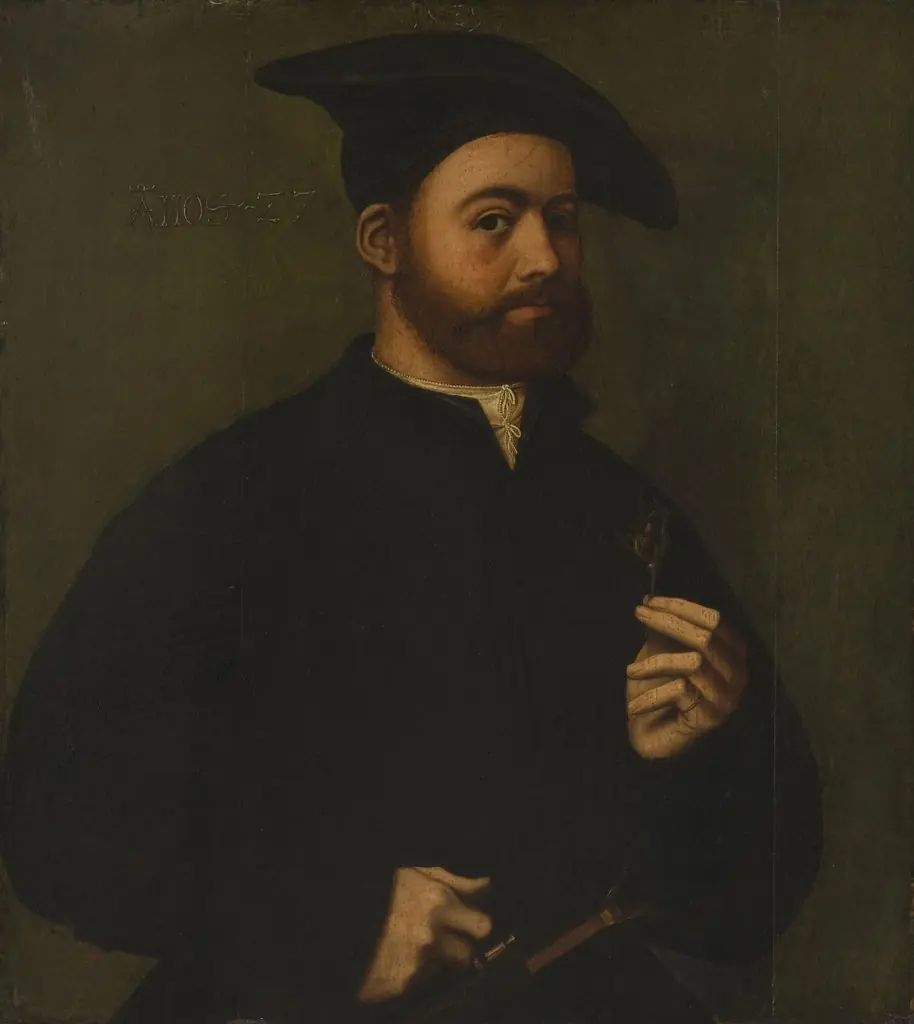 Portrait of a Man Holding a Rose
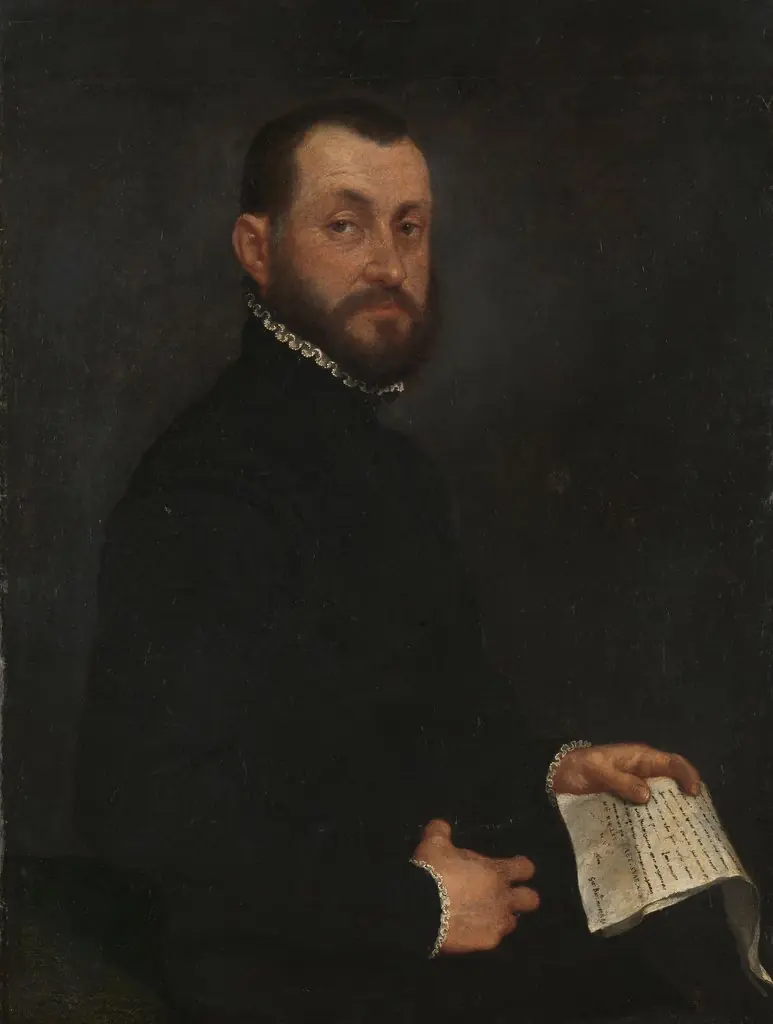 Portrait of a Man
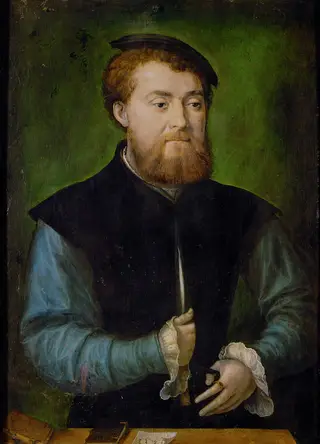 Bärtiger Mann in schwarzem Wams mit blauen Ärmeln
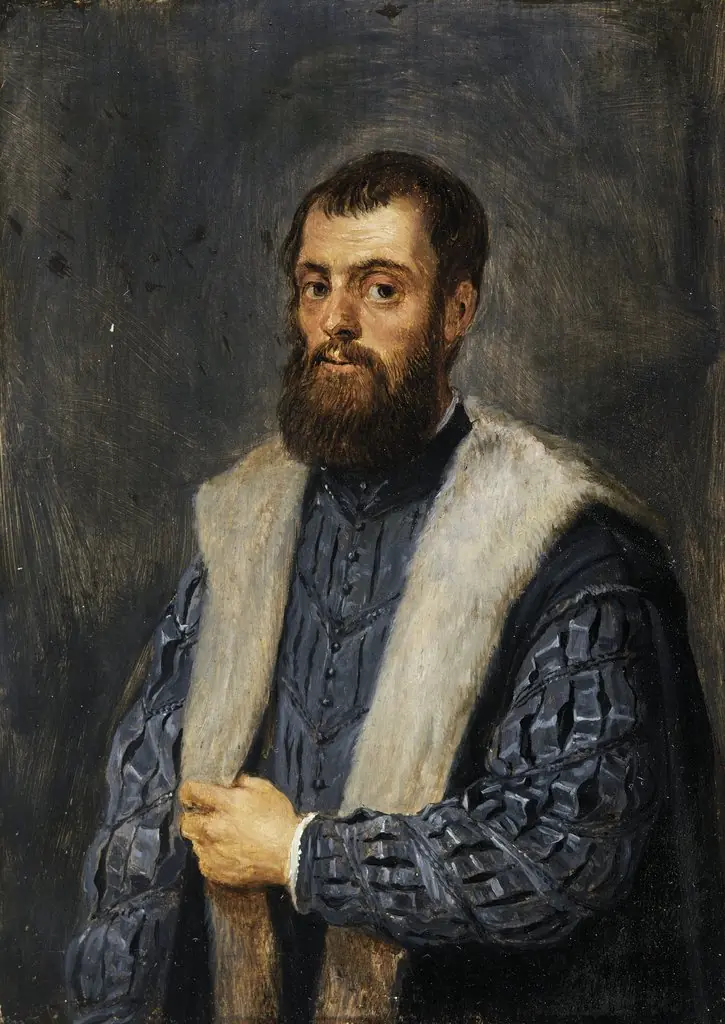 Portrait of a Man
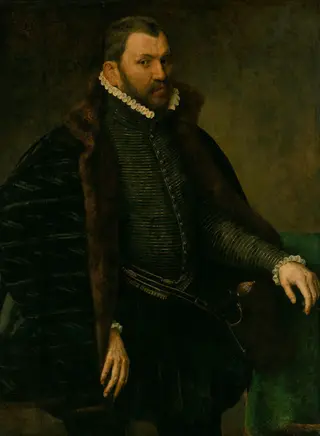 Portrait of a Man
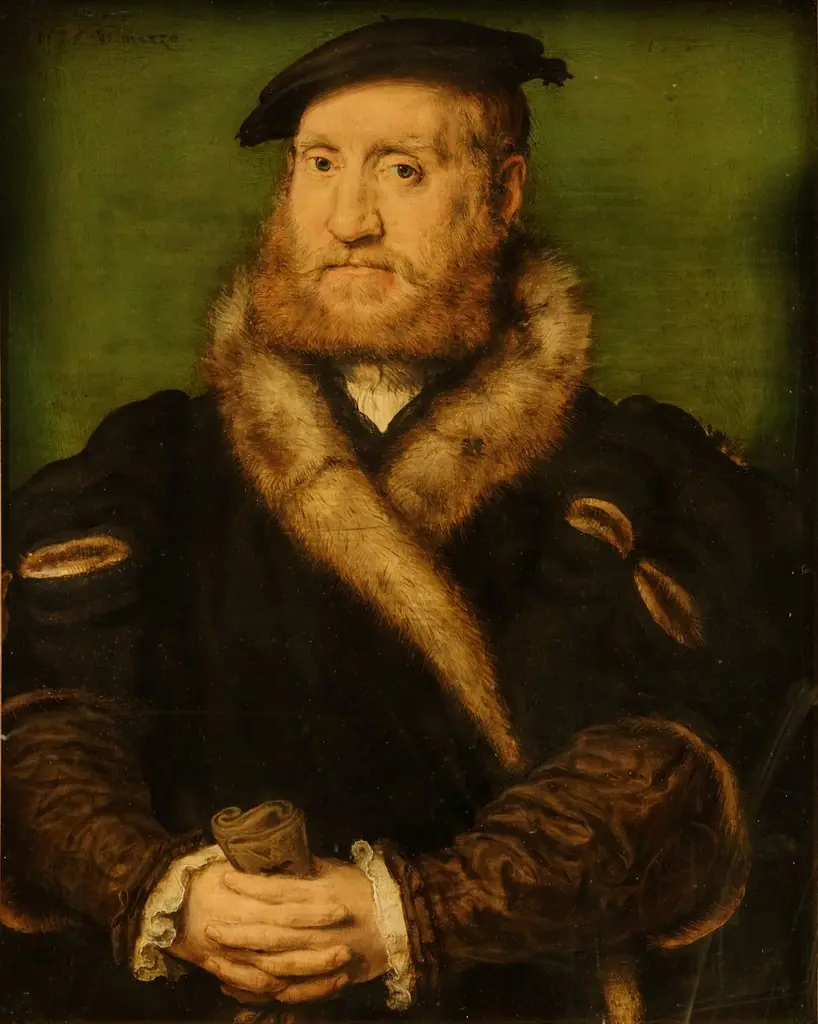 Bearded Man in a Fur Coat
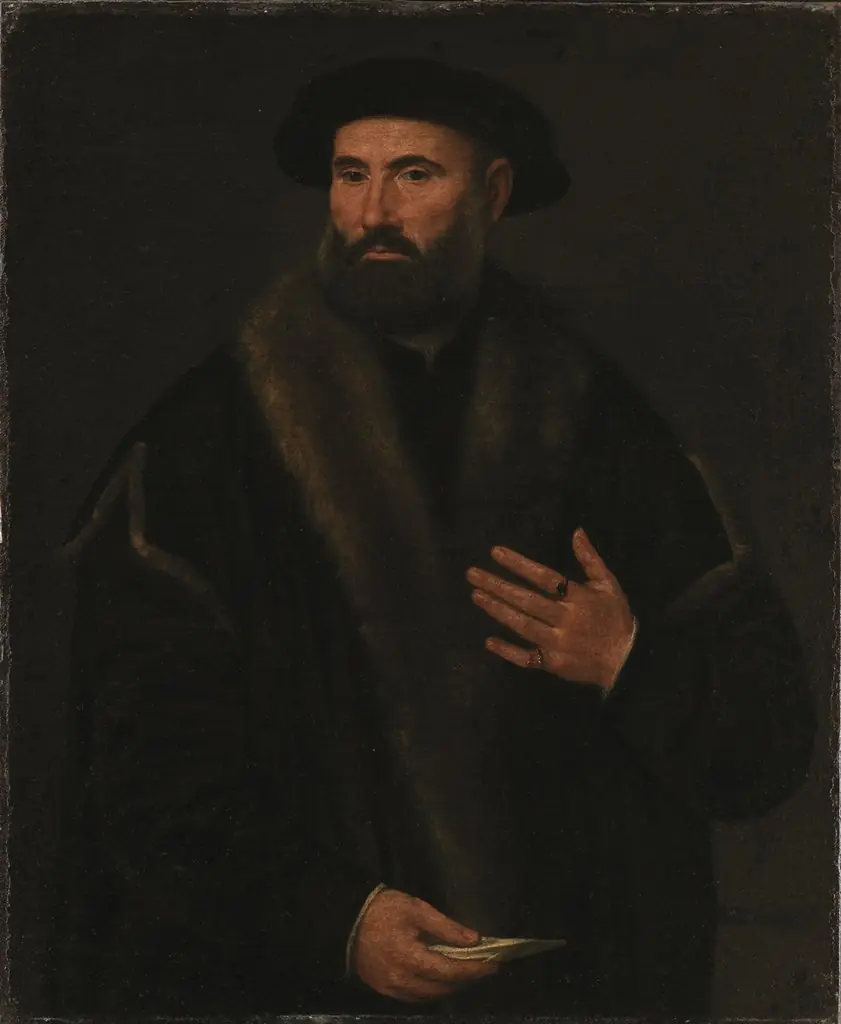 Portrait of a Man
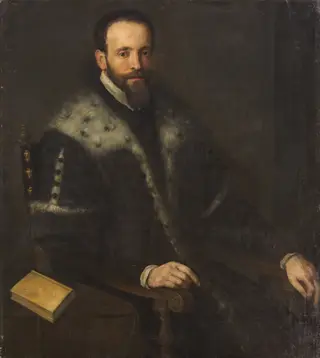 Bildnis eines Mannes im Lehnstuhl
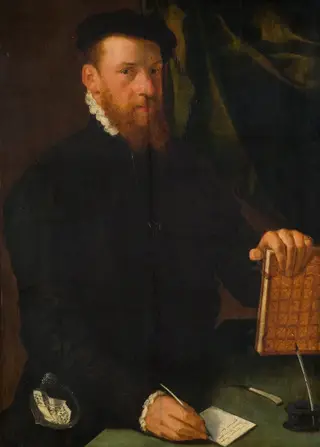 Männliches Bildnis
- Portrait of Barthélemy Aneau, Head of the Collège de la Trinité in Lyon