Artwork
The four Seasons
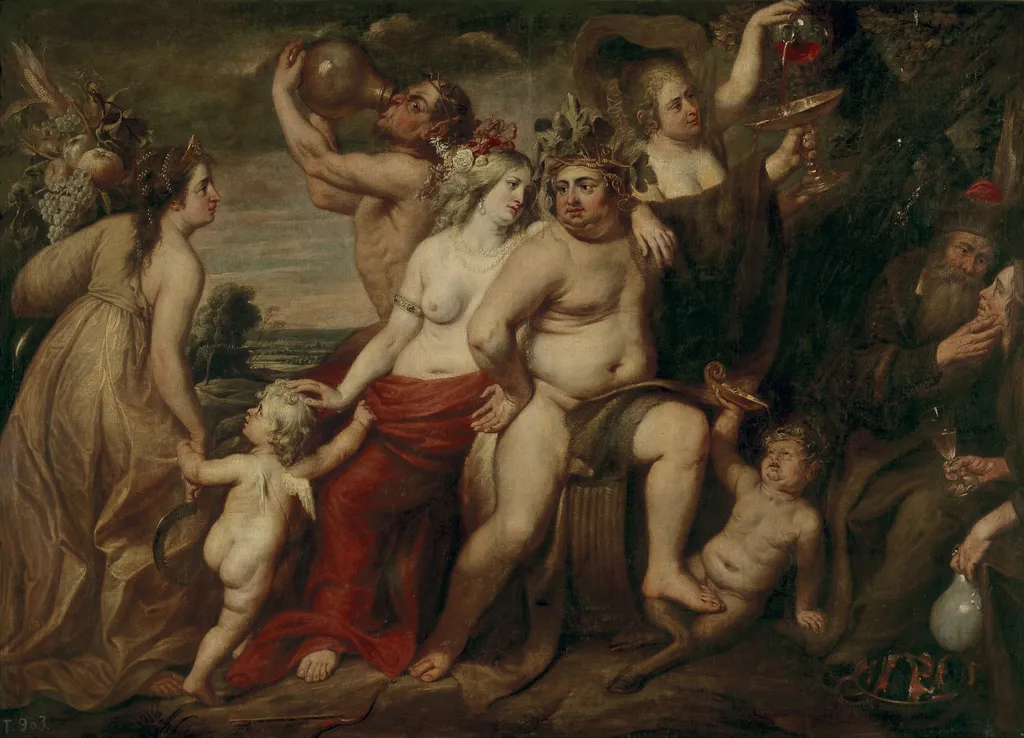
The four Seasons is an oil painting by the Flemish Baroque painting artist Cornelis de Vos. It dates from 1601 and is held in the collection of the Museo del Prado.
About this work
Overview
Painted in 1601 by Flemish artist Cornelis de Vos, The Four Seasons is an oil-on-canvas work that blends allegory with genre scenes.
Painted in 1601 by Flemish artist Cornelis de Vos, The Four Seasons is an oil-on-canvas work that blends allegory with genre scenes. Though primarily known for portraiture, de Vos here engages with seasonal symbolism through a lively outdoor gathering. The painting resides in the Museo del Prado’s collection and reflects the artistic currents of early 17th-century Antwerp, where mythological and rural themes often coexisted.
Subject & Meaning
The painting personifies the seasons through a communal feast, with a central female figure wearing a wreath and red drapery, possibly symbolizing Autumn. Figures hold fruit, wine, and vessels, while some are partially nude, evoking classical associations with abundance and fertility. A child reaching toward her suggests generational continuity.
The scene lacks overt narrative, instead inviting interpretation through symbolic gestures and seasonal motifs rooted in Renaissance allegory.
Technique & Style
De Vos employs warm, earthy tones, burnt reds, ochres, and browns, to unify the composition, enhancing the sense of a sunlit outdoor setting. Brushwork is fluid yet controlled, capturing texture in fabrics and skin without excessive detail. Figures are arranged dynamically across the foreground, creating rhythm without chaos.
The background’s rocky terrain and distant ship provide depth, while the calm expressions of participants contrast with the scene’s energetic activity.
History & Provenance
Commissioned or created shortly after de Vos established himself in Antwerp, the painting entered the Spanish royal collection by the mid-17th century, likely through diplomatic or artistic exchange. It was later transferred to the Museo del Prado upon its founding. Its presence in Spain underscores the cross-border circulation of Flemish art during the Habsburg era, though its early ownership records remain incomplete.
Context
Created during the early Baroque period, the work aligns with Antwerp’s thriving art market, where allegorical scenes appealed to both civic and private patrons. De Vos’s engagement with mythological themes paralleled his collaborations with Rubens, though this piece is more intimate and less grandiose. The blending of pagan symbolism with contemporary rural life reflects a broader Northern European trend of secularizing classical motifs for domestic decoration.
Legacy
While not among de Vos’s most widely studied works, The Four Seasons illustrates his versatility beyond portraiture and his ability to synthesize classical allegory with Flemish realism. It contributes to understanding how seasonal themes were visually adapted in the Low Countries before the rise of specialized genre painting. The painting remains a quiet testament to the nuanced interplay of myth and everyday life in early Baroque art.
Own this work as a print
Artist & collection
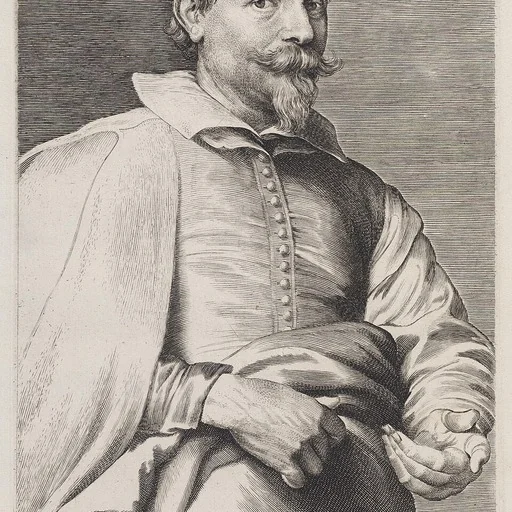
Artist
Cornelis de Vos (1584 - 9 May 1651) was a Flemish painter, draughtsman and art dealer.

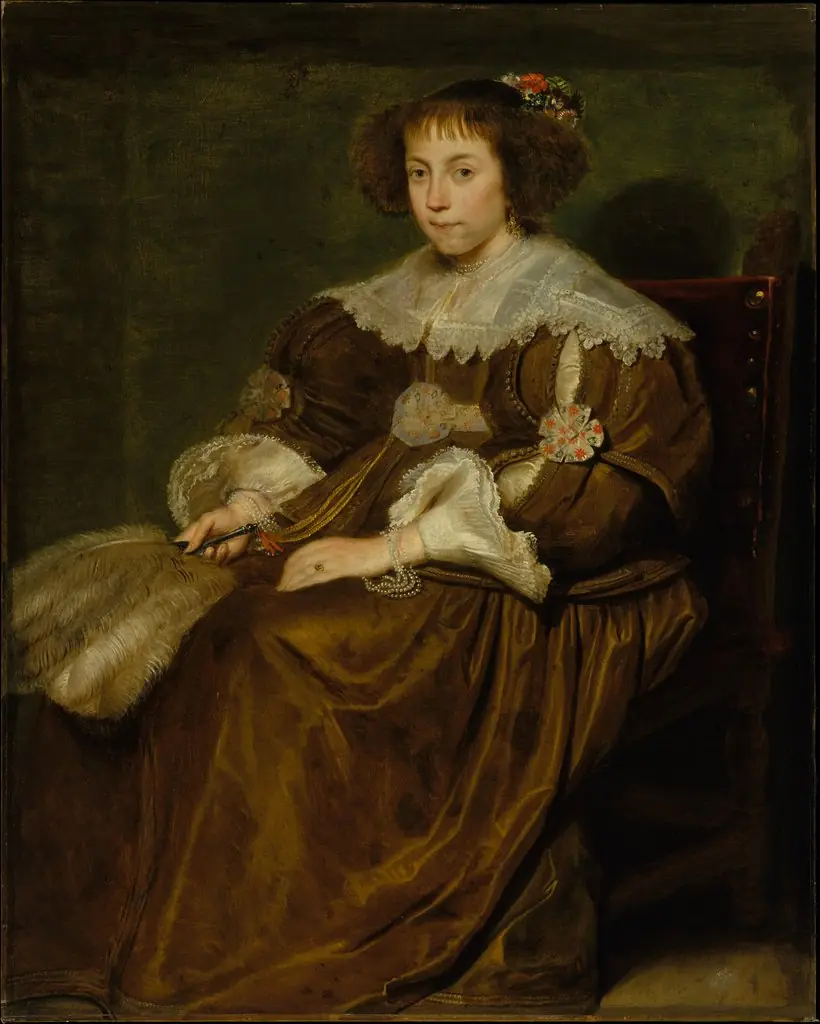 Portrait of a Young Woman
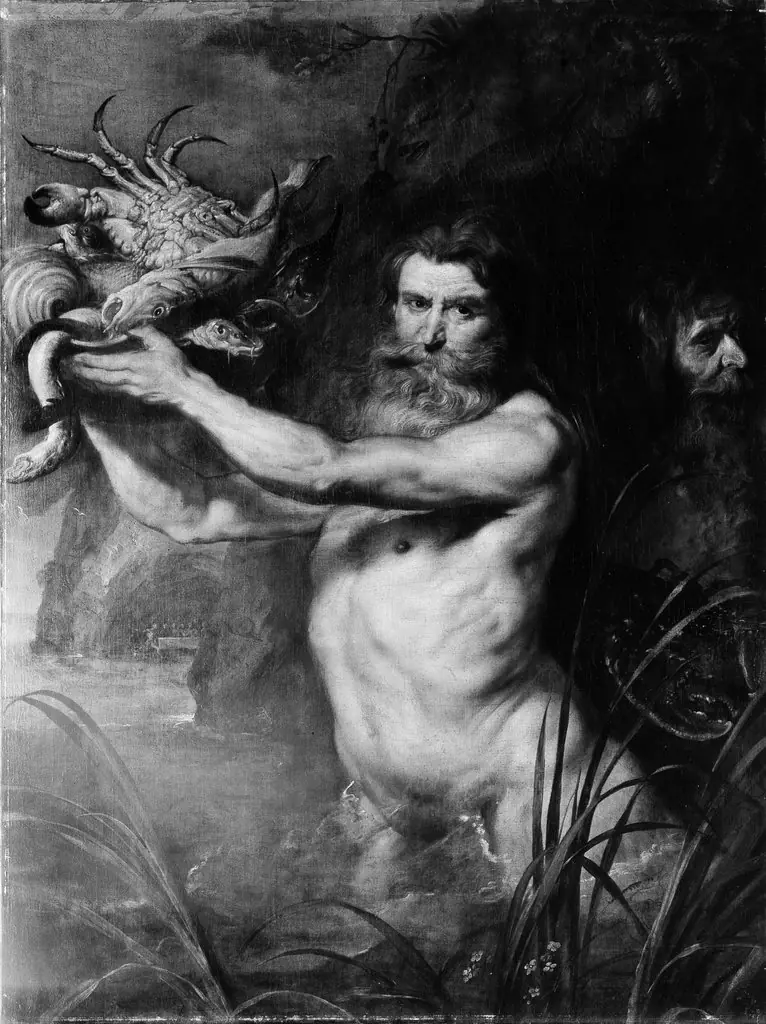 Two Tritons at the Feast of Acheloüs
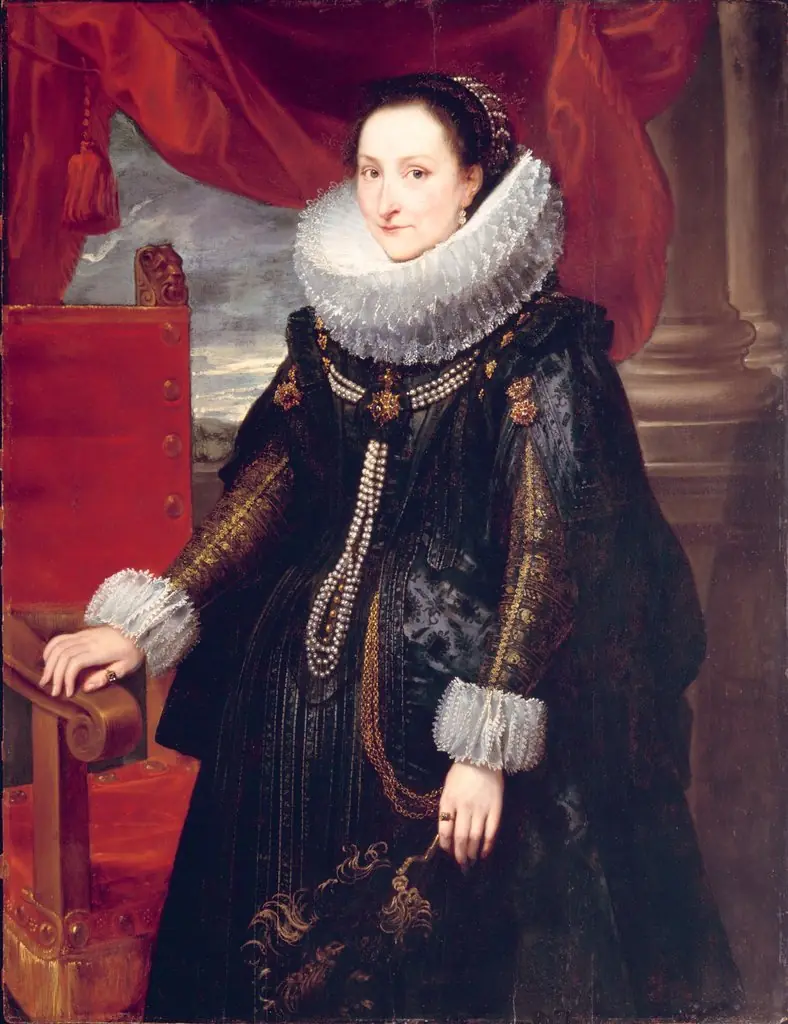 Portrait of a Woman
 The Holy Family with John the Baptist as child
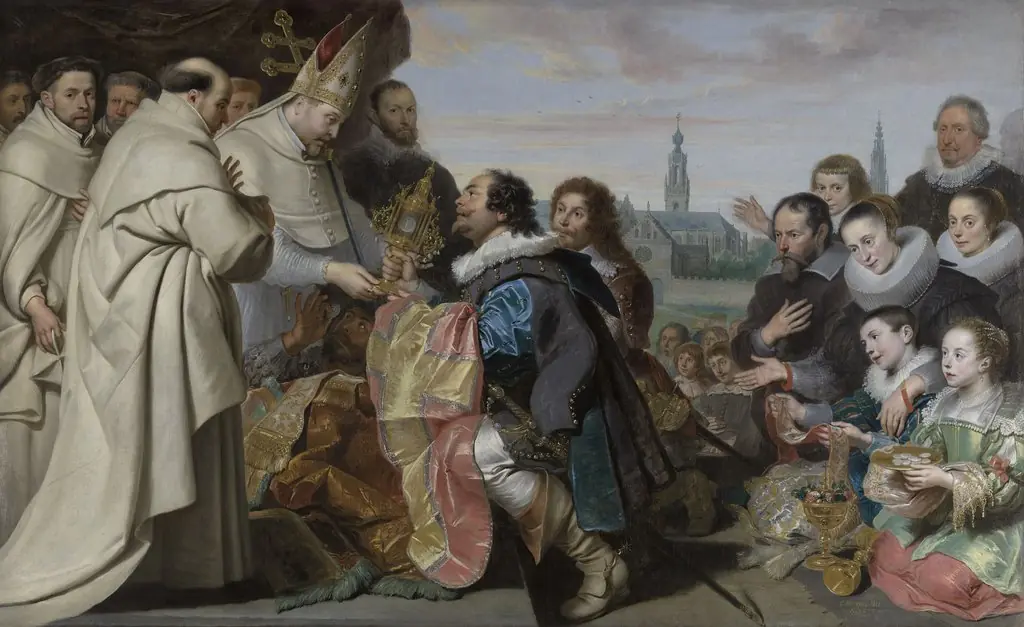 The Citizens of Antwerp bring back to Saint Norbert the Monstrance and other Sacred Vessels that they had hidden from Tankelin
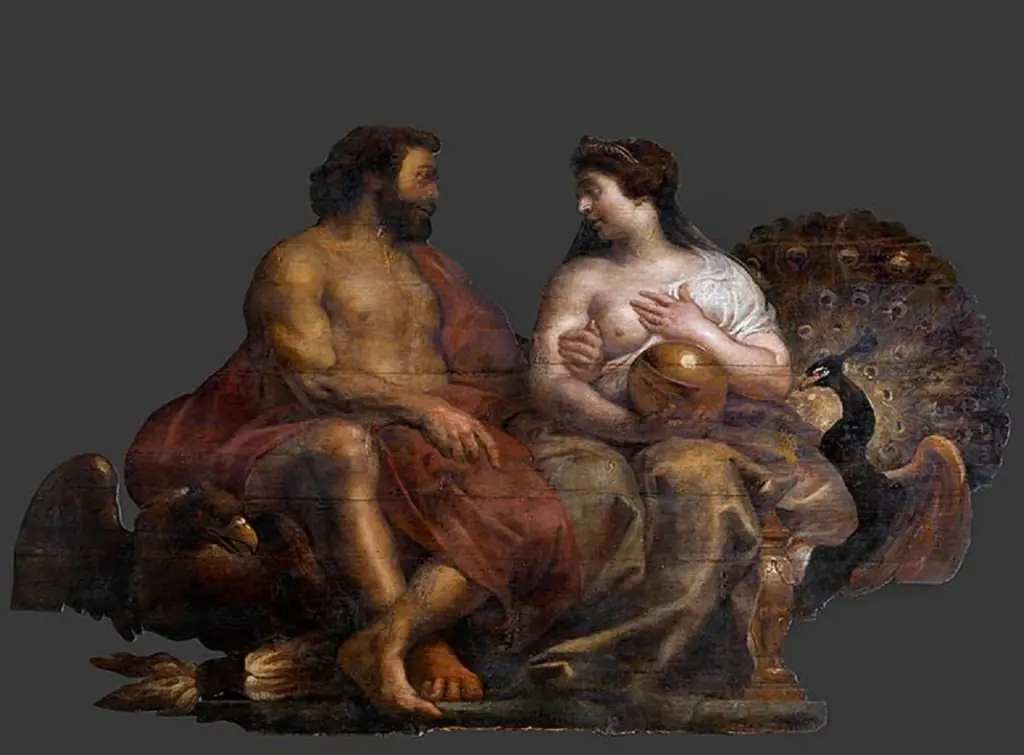 Jupiter and Juno
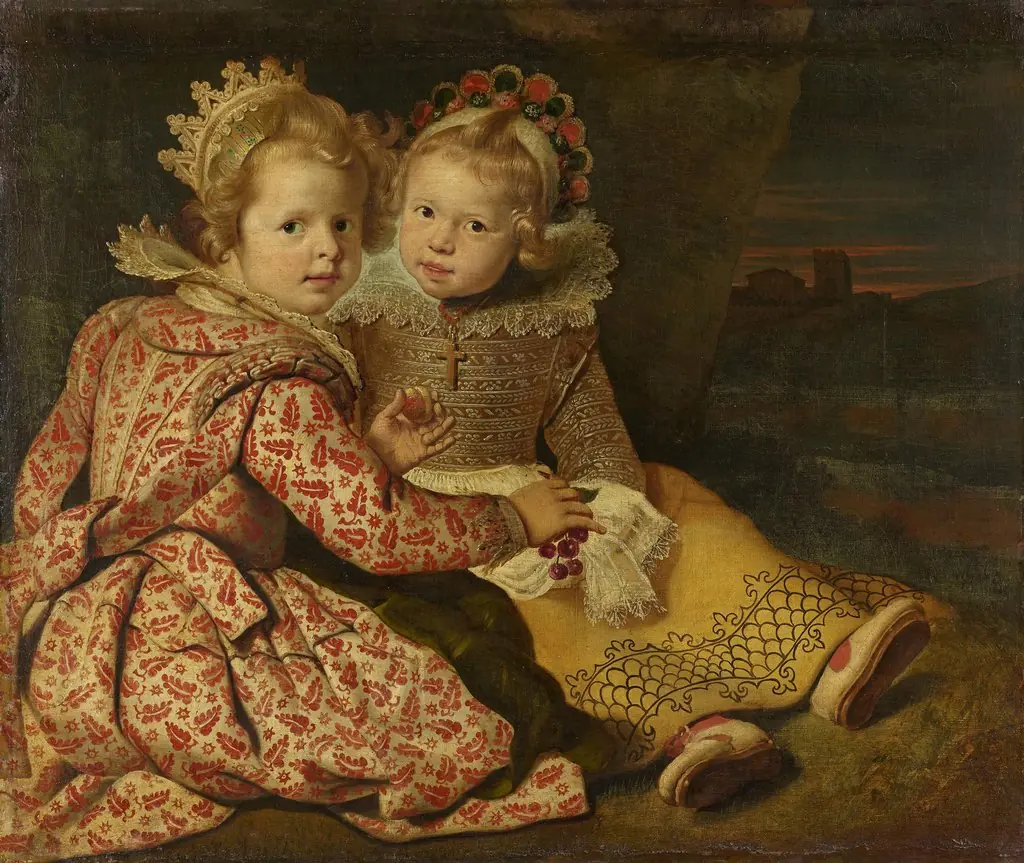 Magdalena and Jan-Baptist de Vos, Children of the Painter
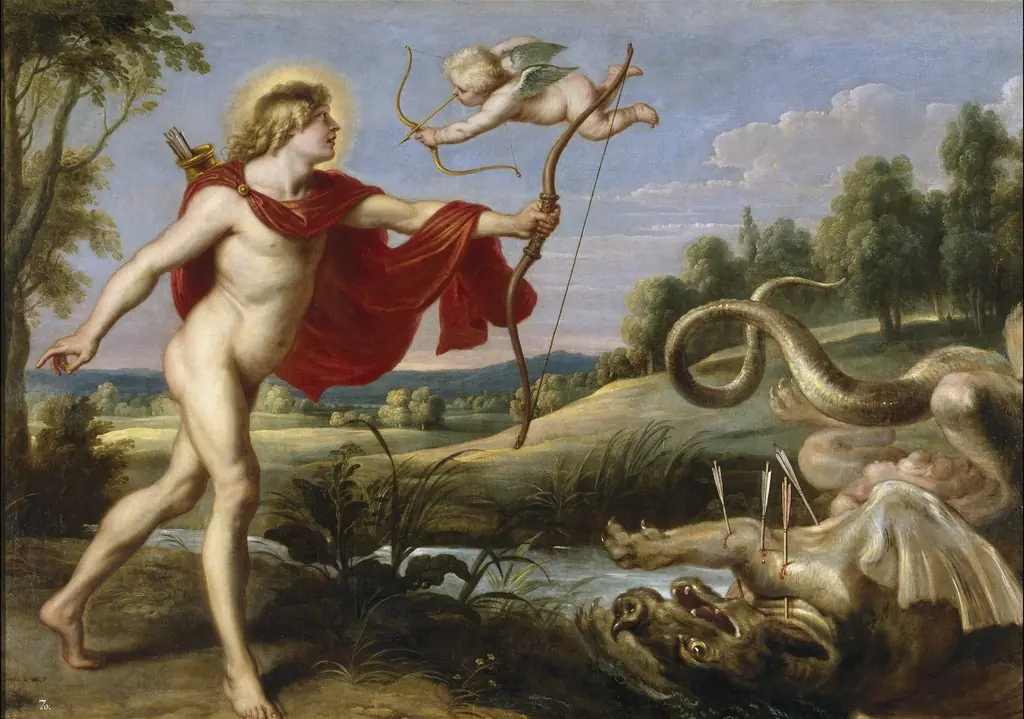 Apollo and the Python
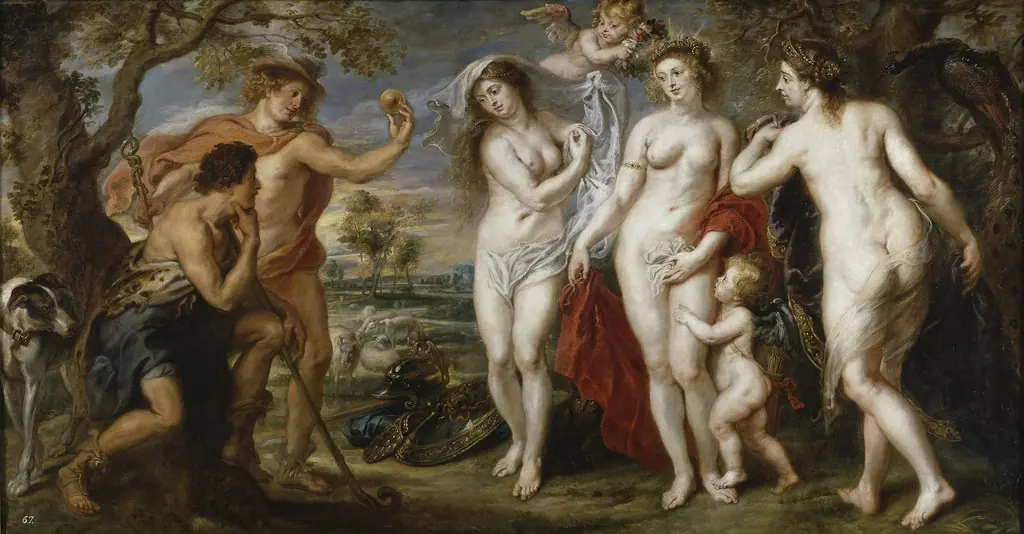
- The Judgement of Paris
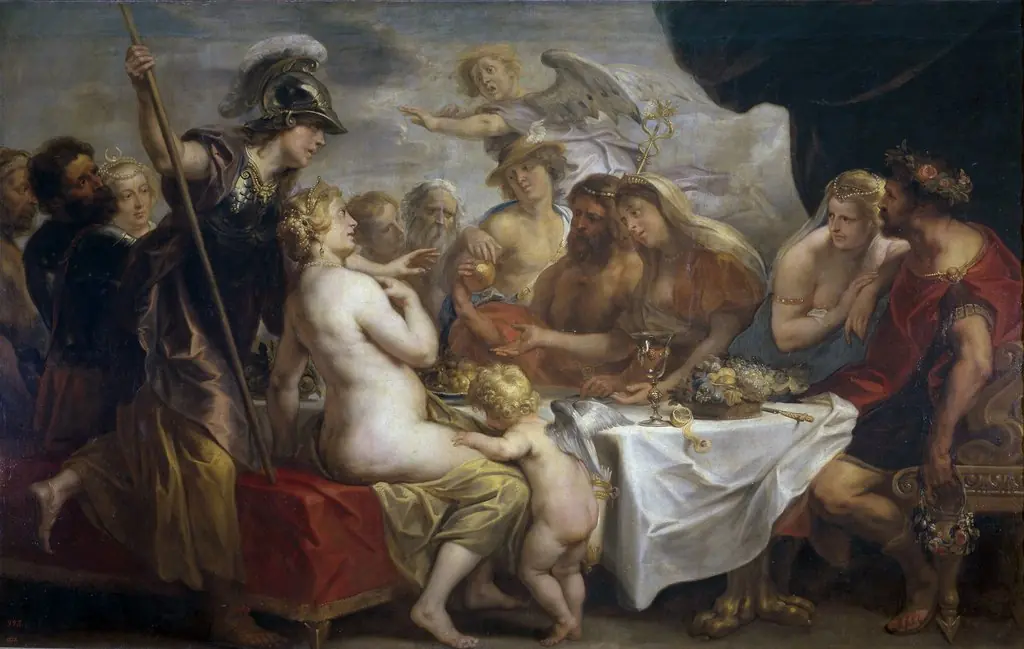 The wedding of Thetis and Peleus
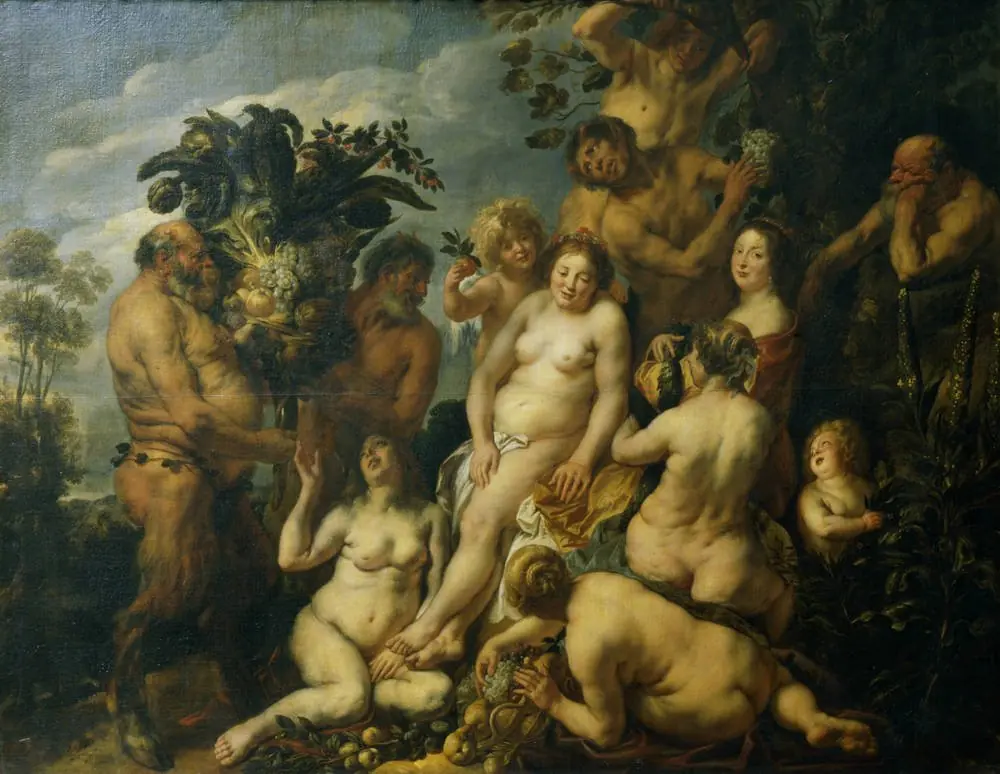 Allegory of Fertility
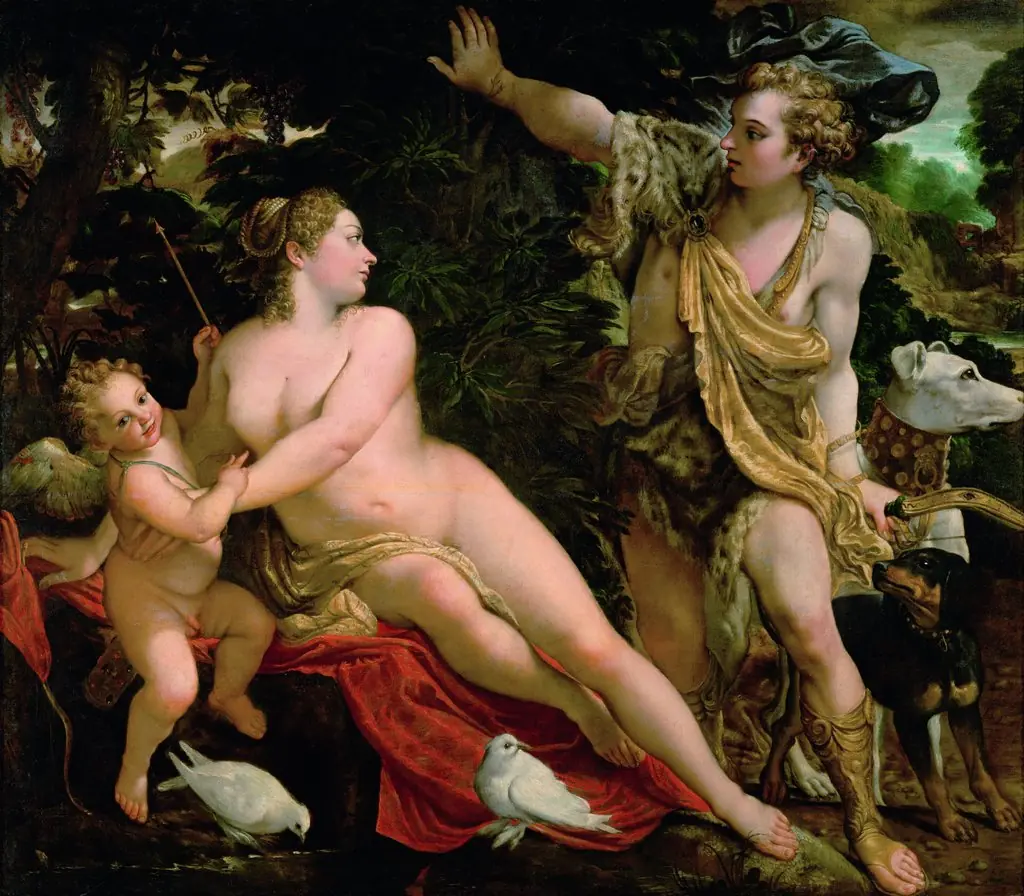 Venus, Adonis and Cupid
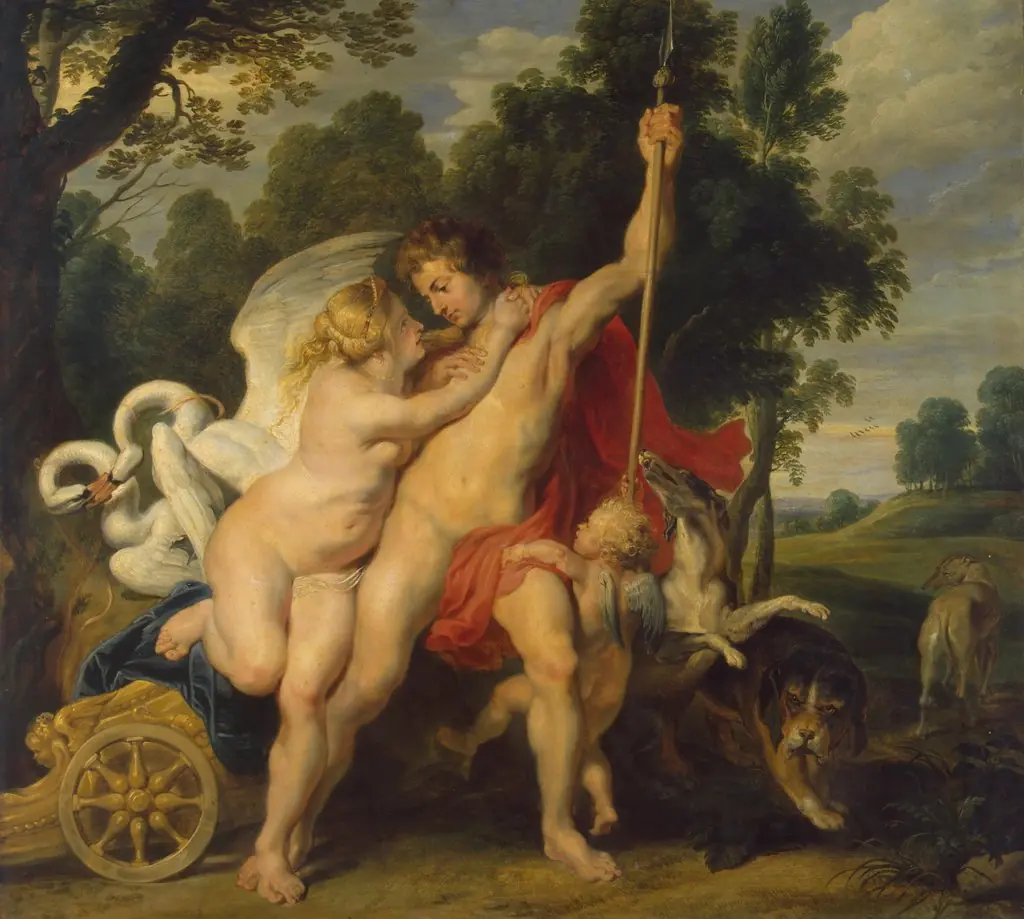 Venus and Adonis (Rubens, 1614)
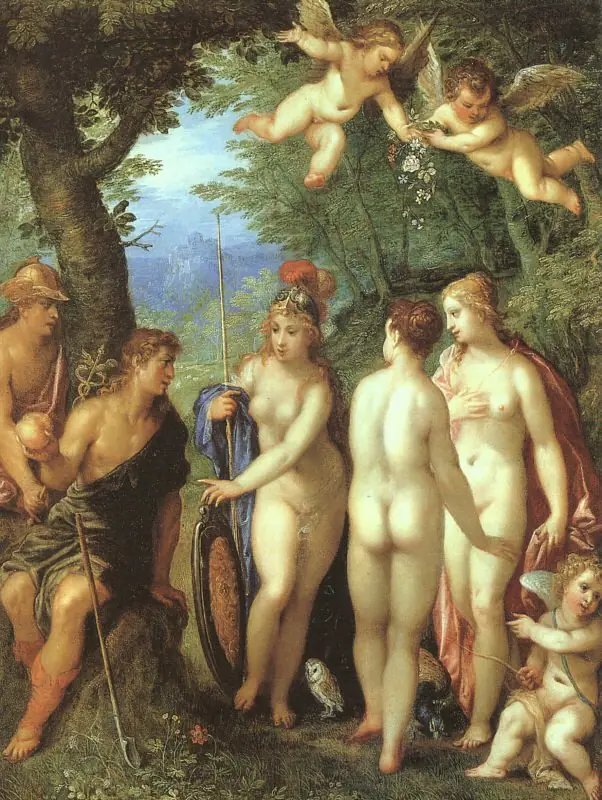 The Judgement of Paris by Hendrick van Balen
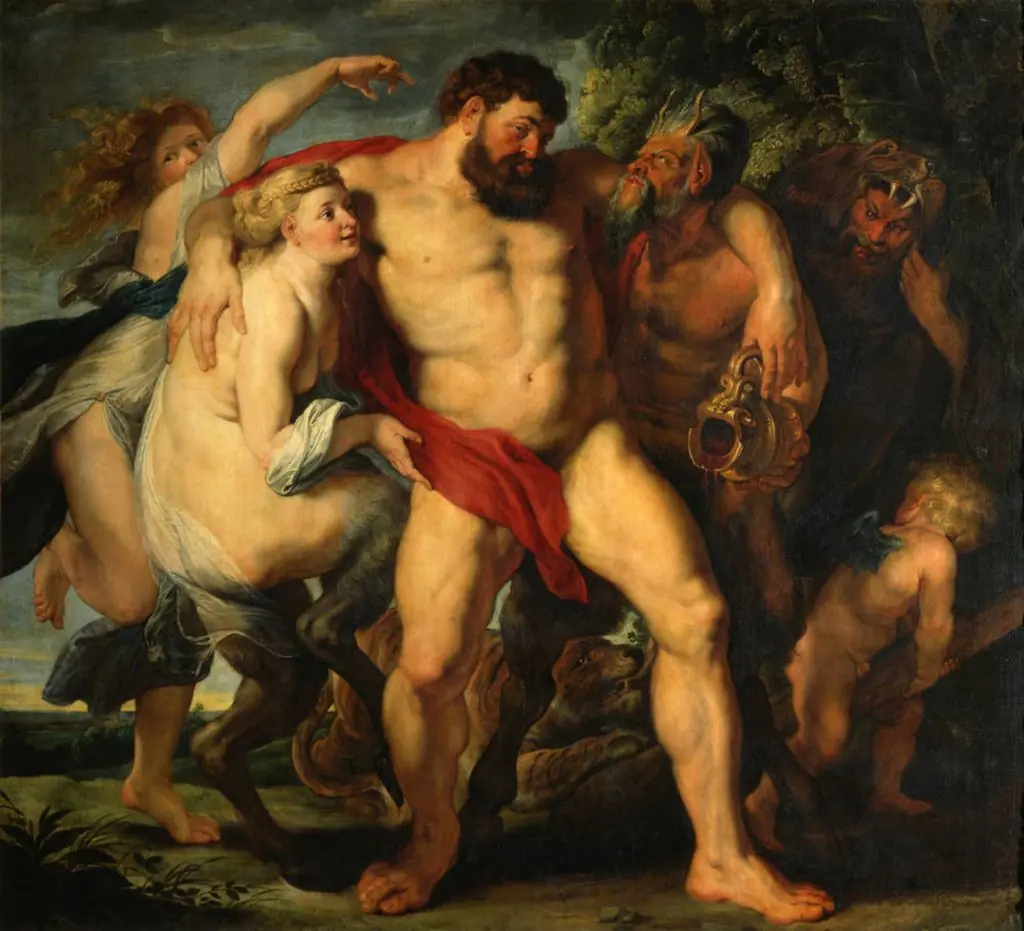 The Drunken Hercules being Led by a Satyr Couple
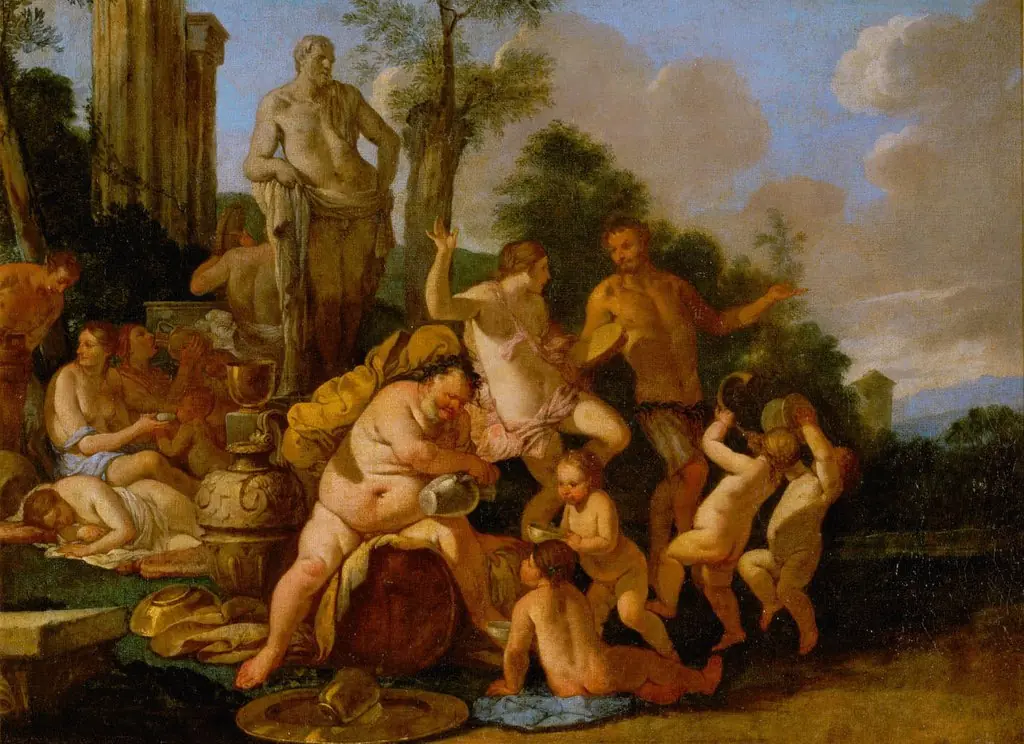 Bacchanal
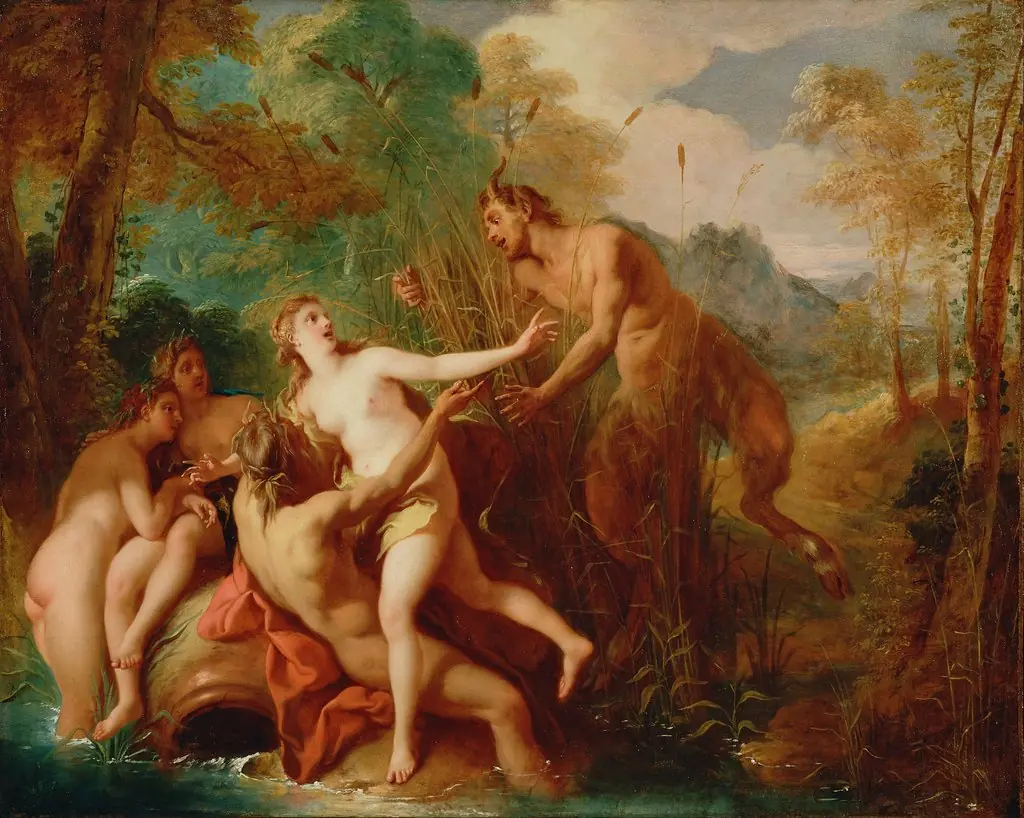 Pan and Syrinx
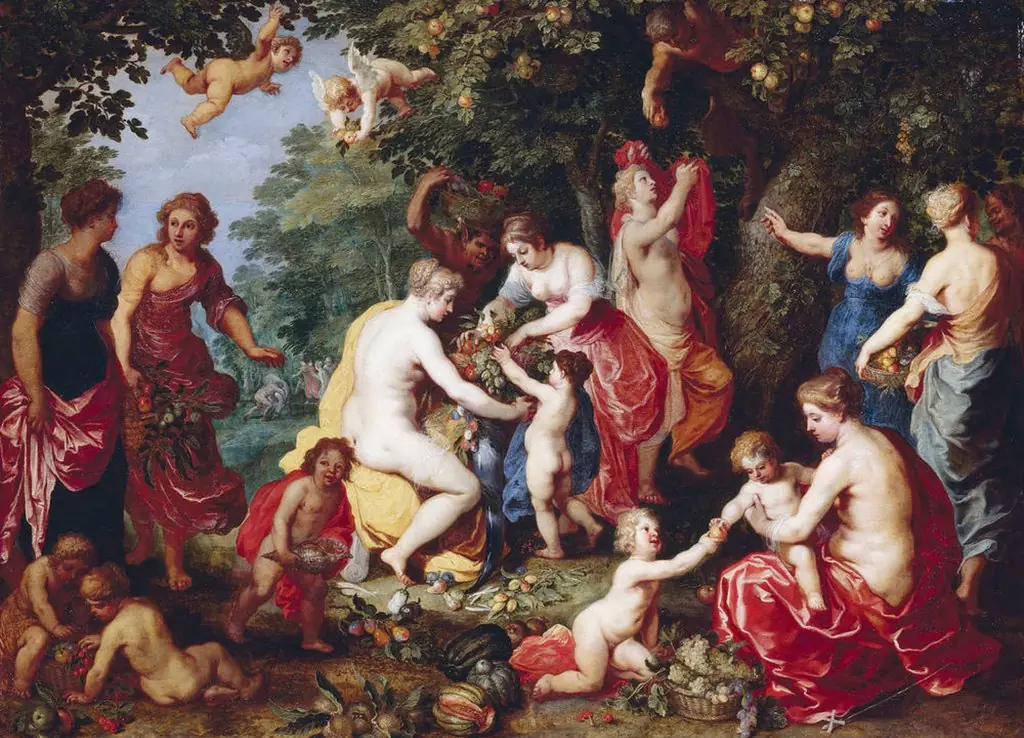 Nymphs and children under fruit trees (Naiads fill the cornucopia)
 Venus and Mars
 Paris's Judgement