Artwork
Venus and Adonis (Rubens, 1614)
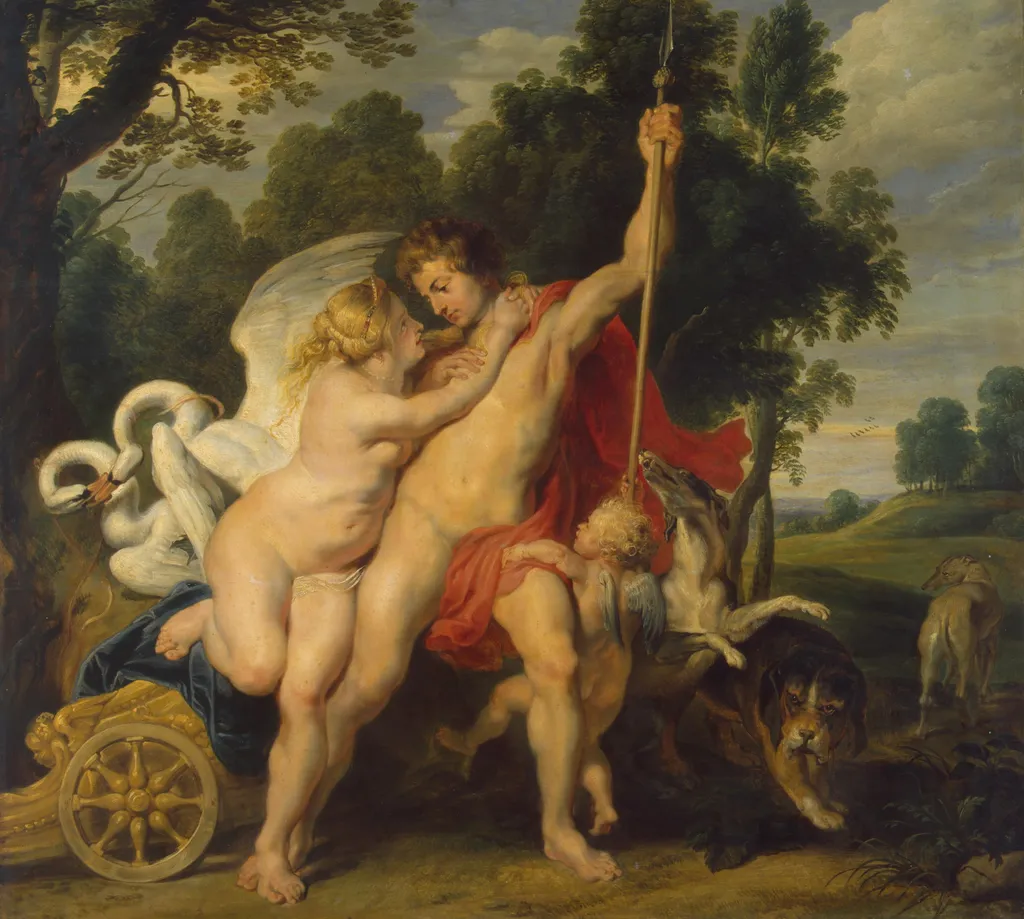
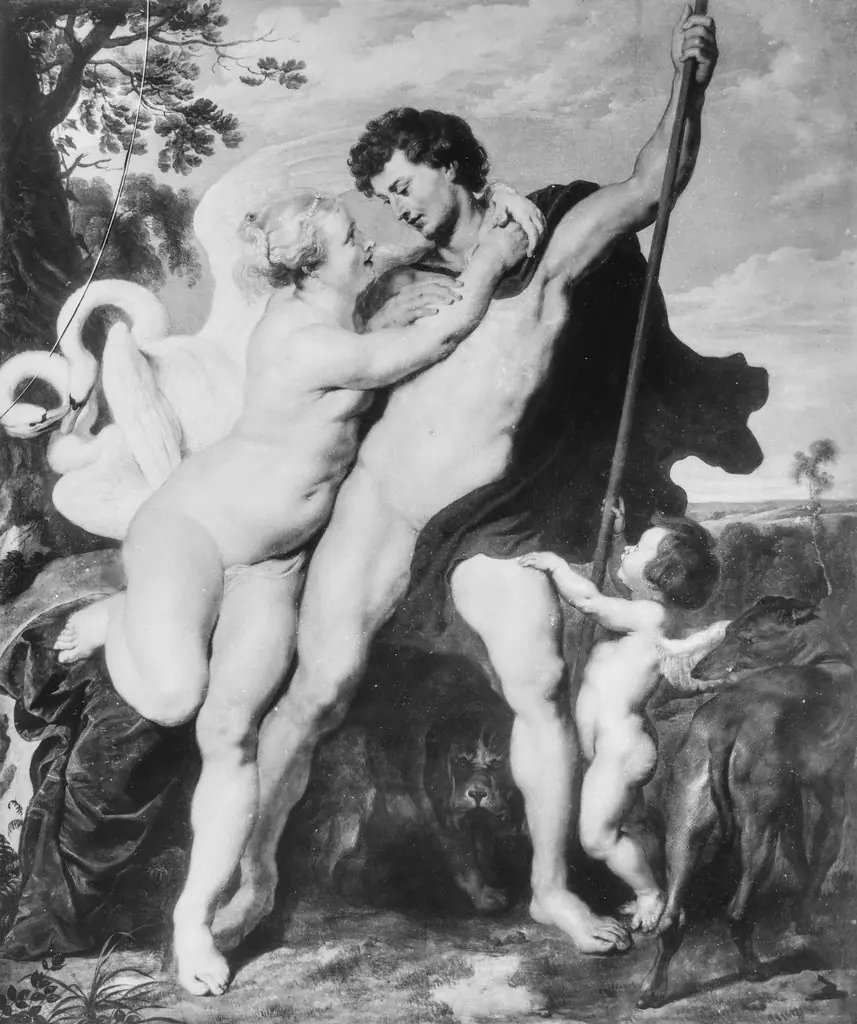
Venus and Adonis (Rubens, 1614) is an oil painting by the Flemish Baroque painting artist Peter Paul Rubens. It dates from 1610 and is held in the collection of the Hermitage Museum.
About this work
An oil on canvas by Rubens and his studio, around 1614. It repeats the subject of an earlier autograph version from 1609 but swaps the rocky backdrop for Venus's golden chariot. Painted for the Hermitage, it now hangs in the State Hermitage Museum in Saint Petersburg; a third version, once in Berlin, was lost in the Second World War.
Subject & Meaning
The painting illustrates a scene from Ovid's Metamorphoses where Venus attempts to prevent her lover Adonis from departing on a fatal hunting expedition.
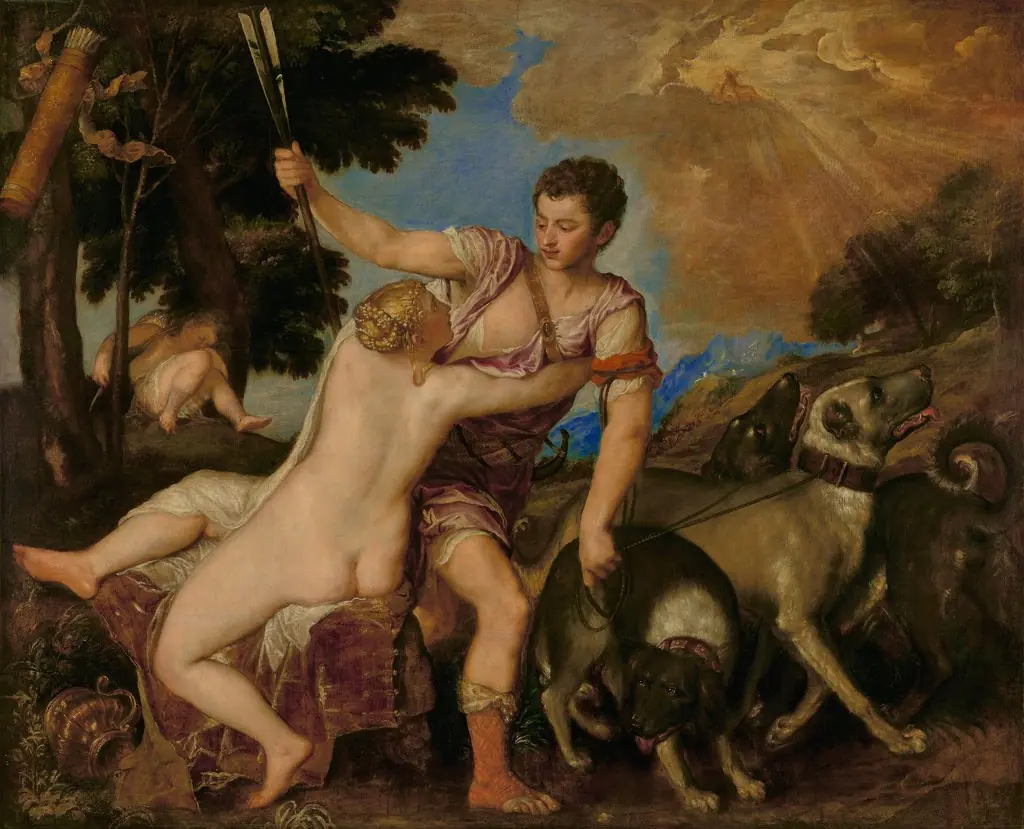
The painting illustrates a scene from Ovid's Metamorphoses where Venus attempts to prevent her lover Adonis from departing on a fatal hunting expedition. Following a night together, Adonis rises to leave, while the goddess of love physically strives to detain him. Iconographically, the work distinguishes itself from earlier versions by replacing a rocky seat with Venus's golden chariot, drawn by swans that emphasize the theme of love.
A small Cupid clings to Adonis's leg, serving as an allegorical symbol of love aiding Venus's effort to retain her partner. The figure of Adonis derives from the ancient Laocoön sculpture, and the composition is further enriched by the inclusion of hunting dogs, foreshadowing the chase. This narrative, popularized by artists like Titian, captures the tragic tension between romantic devotion and impending destiny.
Technique & Style
Executed circa 1614 in oil on wood panel, the composition is horizontally oriented (83 × 90.5 cm). Rubens’s own hand is evident in the principal figures, while landscape passages are attributed to Lucas van Uden or Jan Wildens and the dogs to Wildens. The scene replaces the rocky foreground of the 1609 autograph Düsseldorf version with Venus’s golden chariot drawn by swans, emphasizing the mythological narrative of love’s attempt to detain the departing hunter.
The palette favors warm, luminous flesh tones against cooler greens and blues, with Cupid clinging to Adonis’s leg as a symbol of binding desire. Brushwork is fluid yet precise, capturing dynamic movement in the intertwined bodies while maintaining clarity in the emblematic details such as the diadem and swan team.
History & Provenance
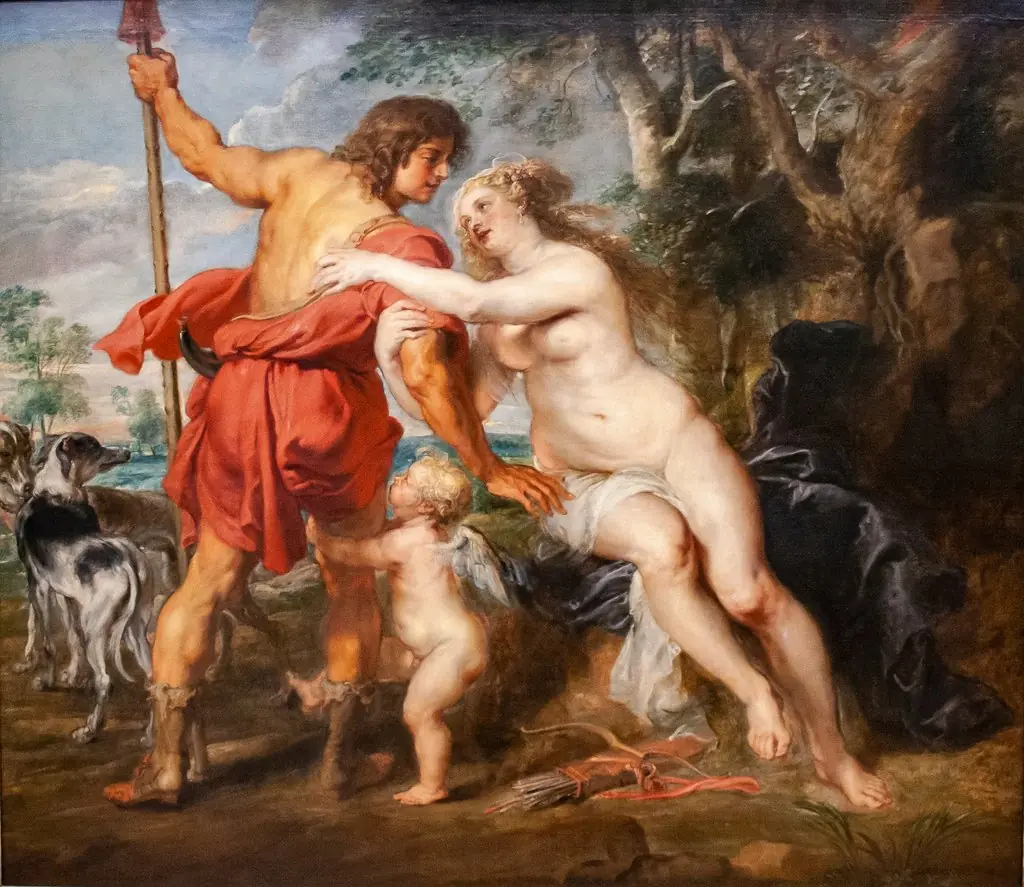
Executed circa 1614, this oil on canvas represents a studio collaboration where Peter Paul Rubens painted the principal figures while students, likely Lucas van Uden or Jan Wildens for the landscape and Wildens for the dogs, completed other areas. The work is a horizontal adaptation of Rubens's original 1609 autograph version held in Düsseldorf, notably replacing the earlier rocky background with Venus's golden chariot. A third variant formerly housed in Berlin's Kaiser-Friedrich-Museum was destroyed during World War II.
Prior to entering the Hermitage Museum in Saint Petersburg, the 1614 painting resided in private Brussels collections, specifically that of Carl de Cobenzel, until 1768 when a collector acquired it for the Russian imperial gallery.
The painting Venus and Adonis (Rubens, 1614) is part of the Hermitage Museum's collection in Saint Petersburg, Russia. Its acquisition occurred in 1768 when it was purchased from a private collection in Brussels. The work has been exhibited as part of the Hermitage's permanent display of European paintings, and its provenance traces from early private owners to the museum. No further public exhibition records are documented beyond its display in the Hermitage galleries.
Context
Rubens's Venus and Adonis (c. 1614) exemplifies his synthesis of classical antiquity and Ovidian narrative within the Flemish Baroque tradition. The work is a horizontal cabinet painting derived from an autograph 1609 vertical version held in Düsseldorf, distinguished by the substitution of a rocky background with a golden chariot, a specific attribute of Venus. Scholarly analysis identifies the main figures as the master's hand, while the landscape and dogs are attributed to studio assistants such as Lucas van Uden or Jan Wildens.
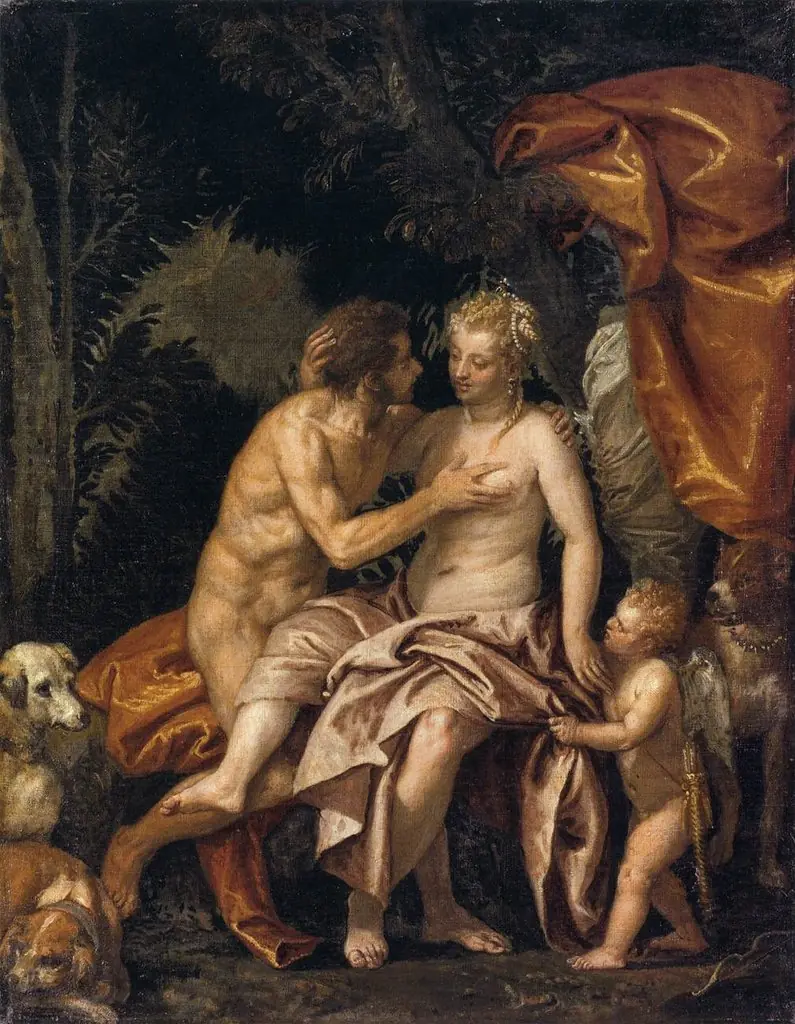
This composition reflects Rubens's engagement with a motif popularized by Titian, Poussin, and Veronese, yet adapts it by incorporating the Laocoön sculpture for Adonis's pose and adding swans to emphasize the lovers' bond. The painting's survival in the Hermitage, following its provenance in Brussels private collections, underscores its status as a significant variant within the artist's extensive mythological output.
Legacy
The Venus and Adonis motif enjoyed a lasting legacy, appearing in numerous literary works and inspiring paintings by Titian, Nicolas Poussin and Paolo Veronese. Rubens’ own treatment existed in several versions; the Hermitage canvas, dated c. 1614, is a later variant of his 1609 autograph now in Düsseldorf, replacing the original rocky background with a golden chariot attributed to Venus. While the central figures were painted by Rubens, the landscape and dogs were executed by his pupils, notably Lucas van Uden or Jan Wildens and Frans Wildens.
The work remained in private Brussels collections, such as that of Carl de Cobenzel, until 1768 when it entered the Hermitage Museum; a third version housed in Berlin’s Kaiser‑Friedrich‑Museum was destroyed during World War II.
Overview
Peter Paul Rubens and his studio executed Venus and Adonis around 1614, an oil on canvas painting depicting the mythological lovers. This work is part of a series of compositions by Rubens on the same theme, demonstrating his recurring engagement with classical narratives. It currently resides in the State Hermitage Museum in Saint Petersburg, representing a key example of his Baroque style.
Own this work as a print
Artist & collection
Artist
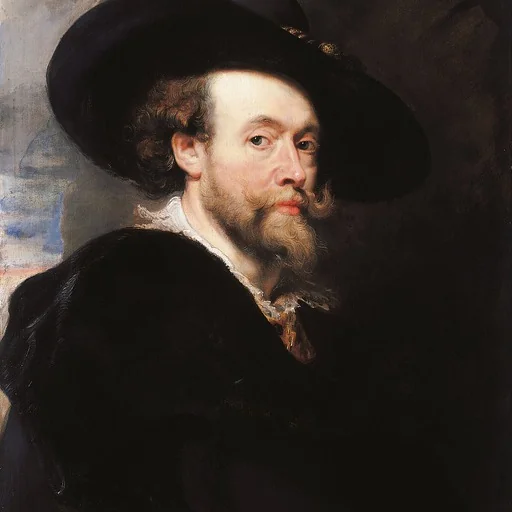
Sir Peter Paul Rubens ( ROO-bənz; Dutch:; 28 June 1577 – 30 May 1640) was a Flemish artist and diplomat.