Artwork
Adonis Slain
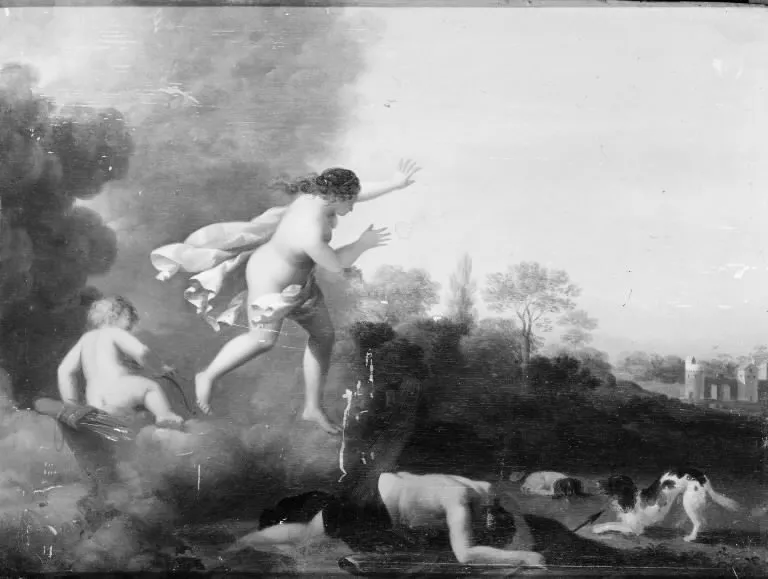
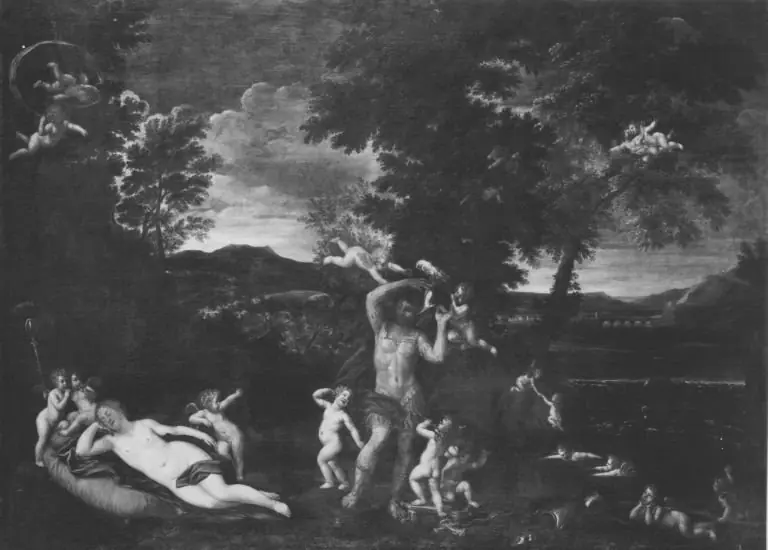
Adonis Slain is an oil painting by the Dutch Golden Age artist Cornelius van Poelenburgh. It dates from 1638 and is held in the collection of the Statens Museum for Kunst.
About this work
Subject & Meaning
Held in the Statens Museum for Kunst, the painting contributes to the visual tradition of rendering this classical subject for seventeenth-century collectors.
Adonis Slain depicts the mythological figure Adonis, as identified in the work's cataloguing. Classified as a mythological painting, the work takes as its subject a narrative drawn from classical mythology, in which the youthful Adonis meets his death, a theme frequently treated in Dutch Italianate painting of the period. The small-scale panel (26.2 × 34 cm), executed in oil, belongs to the genre of mythological painting, signaling that its meaning is rooted in the Ovidian tradition of recounting the fatal encounter associated with Adonis.
Held in the Statens Museum for Kunst, the painting contributes to the visual tradition of rendering this classical subject for seventeenth-century collectors.
Technique & Style
Cornelius van Poelenburgh's Adonis Slain (1638) is executed in oil paint on a panel support. The work measures 26.2 cm in height and 34 cm in width, presenting a compact mythological scene. As a painting classified within the mythological genre, the piece depicts the death of Adonis. The specific handling of the oil medium on the rigid panel surface defines its physical character.
History & Provenance
Adonis Slain is an oil on panel painting created in 1638 by Cornelis van Poelenburgh. The work portrays the mythological figure Adonis and is classified as a mythological painting. It measures 26.2 cm in height by 34 cm in width. The painting entered the collection of the Statens Museum for Kunst, where it remains on display.
The artwork was commissioned as a mythological subject and completed in the year 1638. Its provenance traces directly to the Statens Museum for Kunst, which holds it as part of its permanent collection.
The creation history of Adonis Slain is documented through its inception date of 1638-01-01, confirming the year of completion and establishing its historical context within the artist's oeuvre.
Adonis Slain is held by the Statens Museum for Kunst in Denmark, as recorded in the museum's collection data. The painting, an oil-on-panel work by Cornelius van Poelenburgh dated 1638, is catalogued within the museum's holdings of mythological paintings.
The panel measures 26.2 cm in height by 34 cm in width. No specific accession number is recorded in the available sources, and no exhibition history is documented.
Context
Cornelis van Poelenburgh’s Adonis Slain (1638) has been discussed primarily within the context of Dutch Italianate landscape painting, where mythological narratives serve as vehicles for idealized natural settings rather than dramatic action. Scholarly treatments typically position the work alongside Poelenburgh’s small-scale cabinet paintings, emphasizing the artist’s fusion of Italianate motifs with a meticulous, jewel-like finish characteristic of Utrecht Caravaggisti working in Rome during the 1620s–1630s.
Within the broader arc of Dutch art, the painting exemplifies the period’s taste for pastoral mythologies rendered as tranquil, luminous scenes. Its restrained composition and subdued palette align with contemporaneous preferences for cabinet pictures that invited contemplative viewing, a trend later echoed in the refined cabinet traditions of the Dutch Golden Age.
Overview
Adonis Slain is a 1638 oil painting by Cornelius van Poelenburgh, a Dutch Golden Age artist known for small-scale, mythologically themed landscapes. The work depicts a dramatic moment from the Adonis myth within an Italianate setting.
Artist & collection
Artist
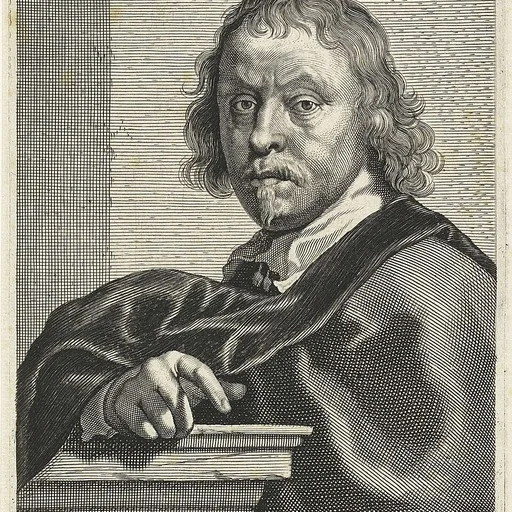
Cornelis van Poelenburgh or Cornelis van Poelenburch (1594 – 12 August 1667), was a Dutch landscape painter and draughtsman.


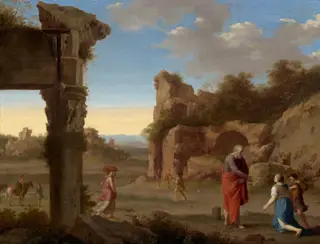
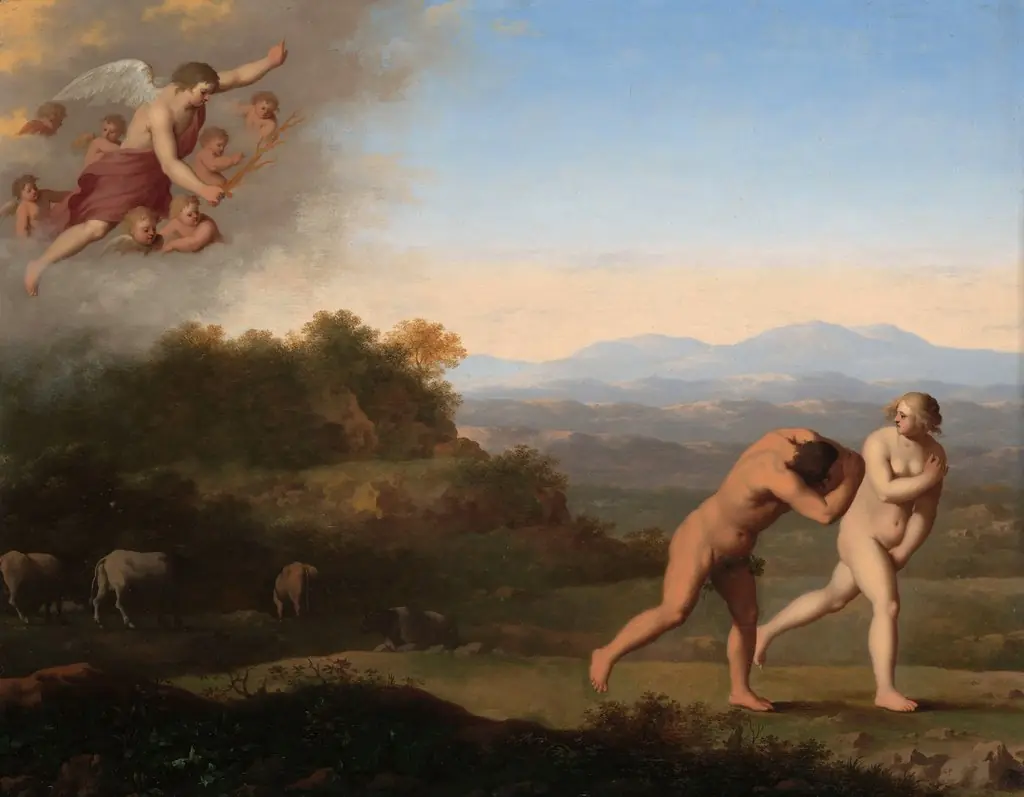
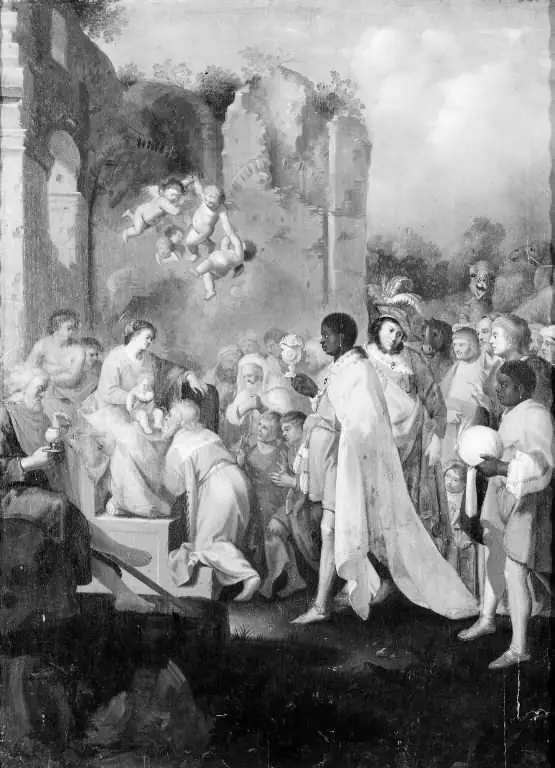
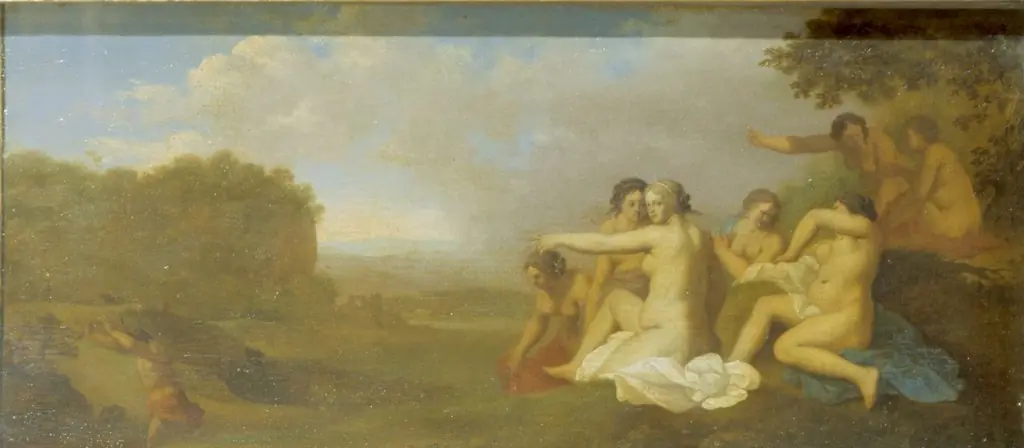
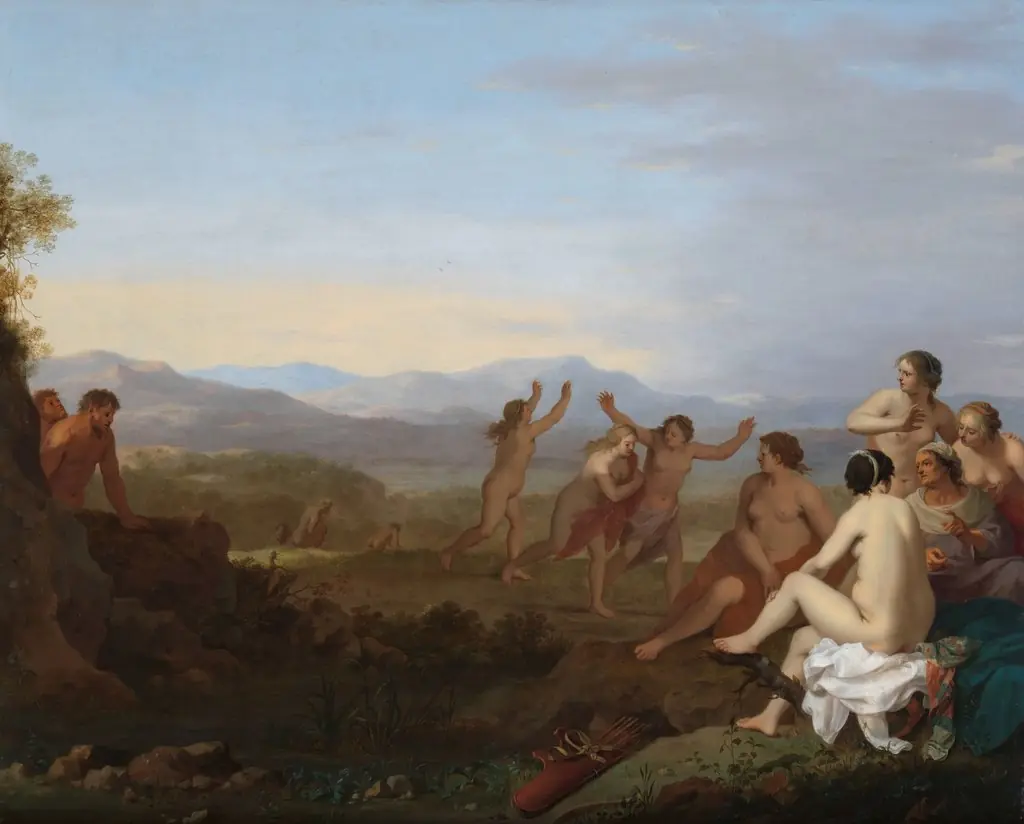
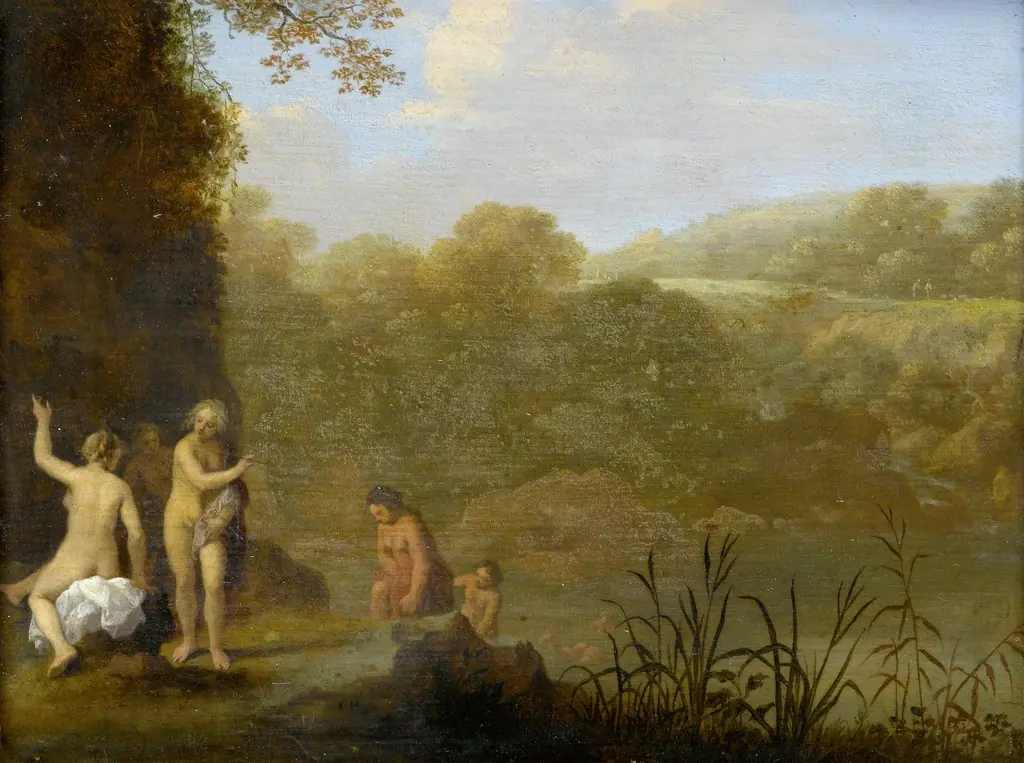
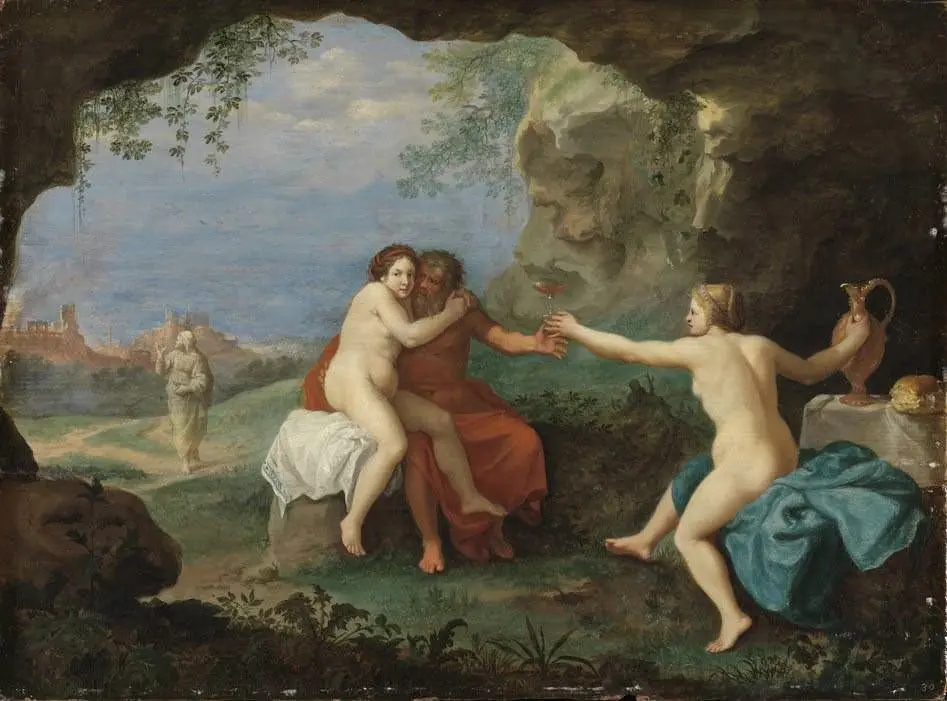
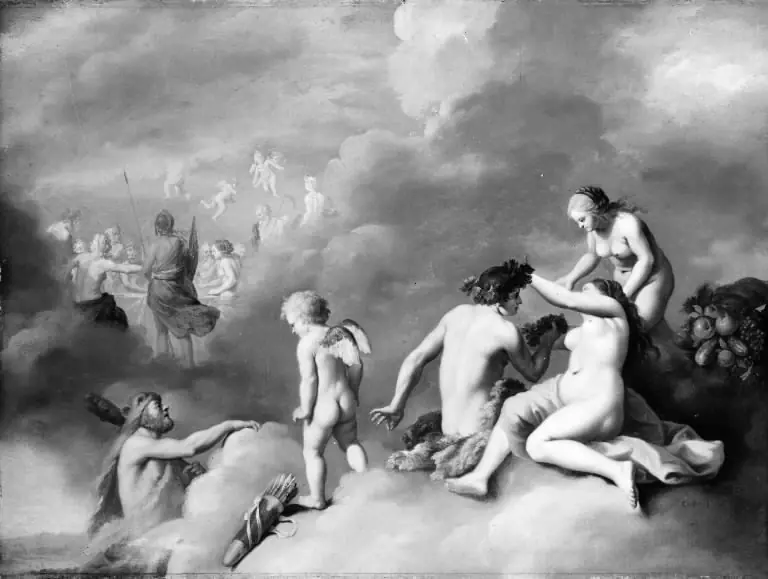 A Gathering of Gods
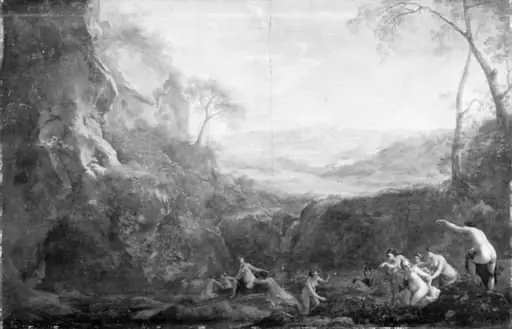 Landscape with Diana and Nymphs
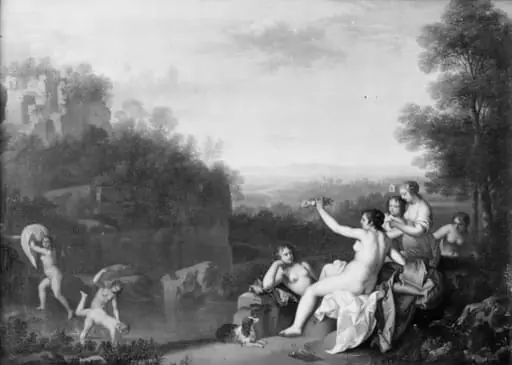 Diana and her Nymphs
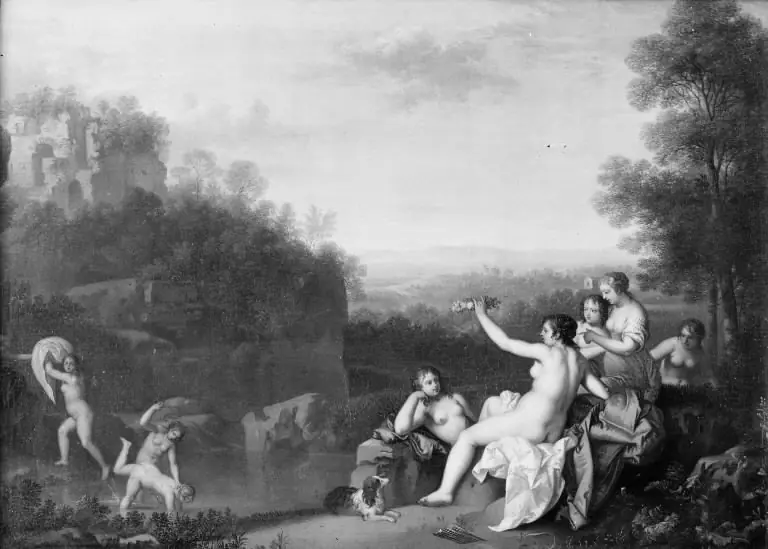 Diana and her Nymphs
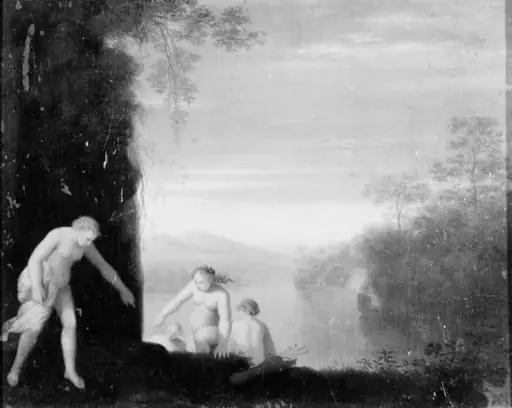 Diana and her Attendants
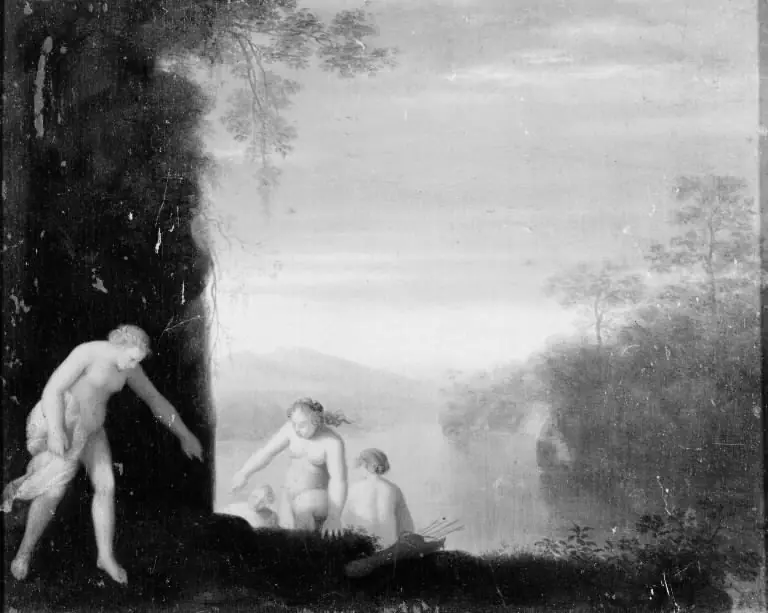 Diana and her Attendants
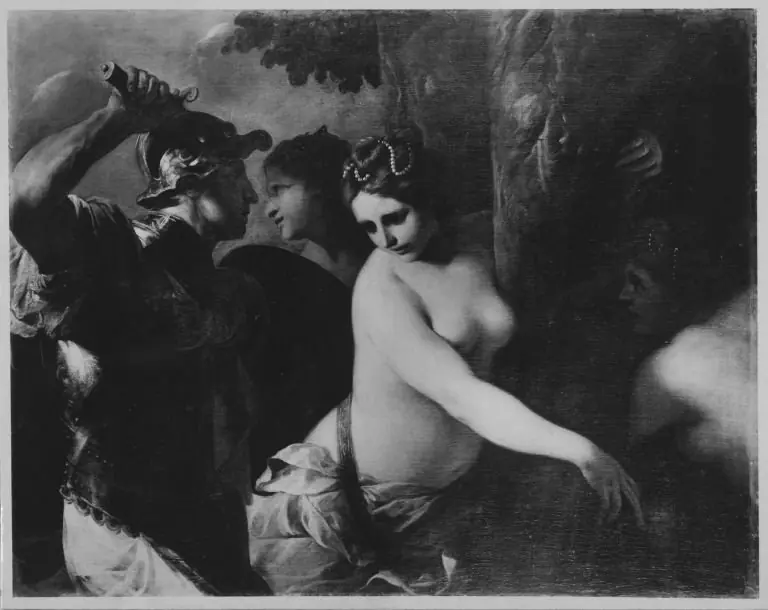 Rinaldo und Armida
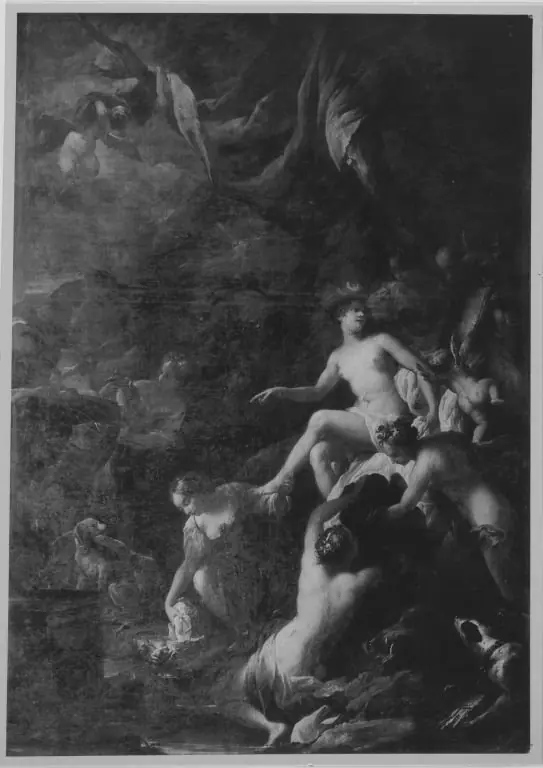 Das Bad der Diana
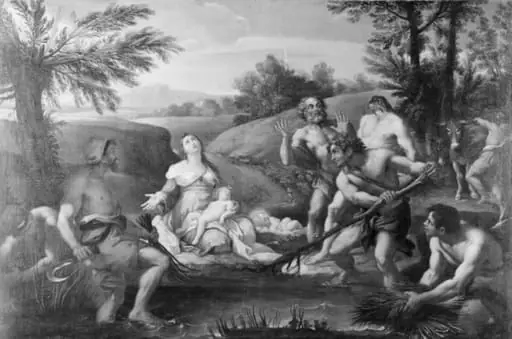 Latona forvandler Licias hyrder til frøer. Motiv fra Ovids "Metamorfoser", VI sang
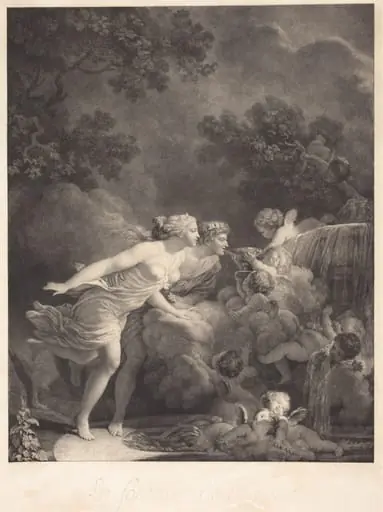 La Fontaine d'Amour (The Fountain of Love)
 Venus, von Mars belauscht
- Adonis Slain