Artwork
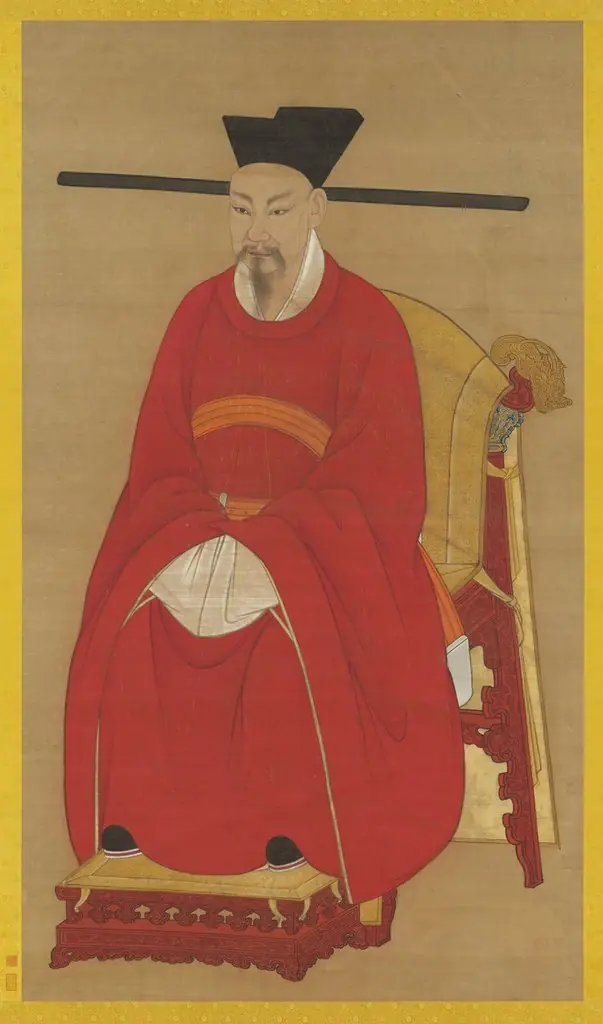
宋寧宗坐像 軸
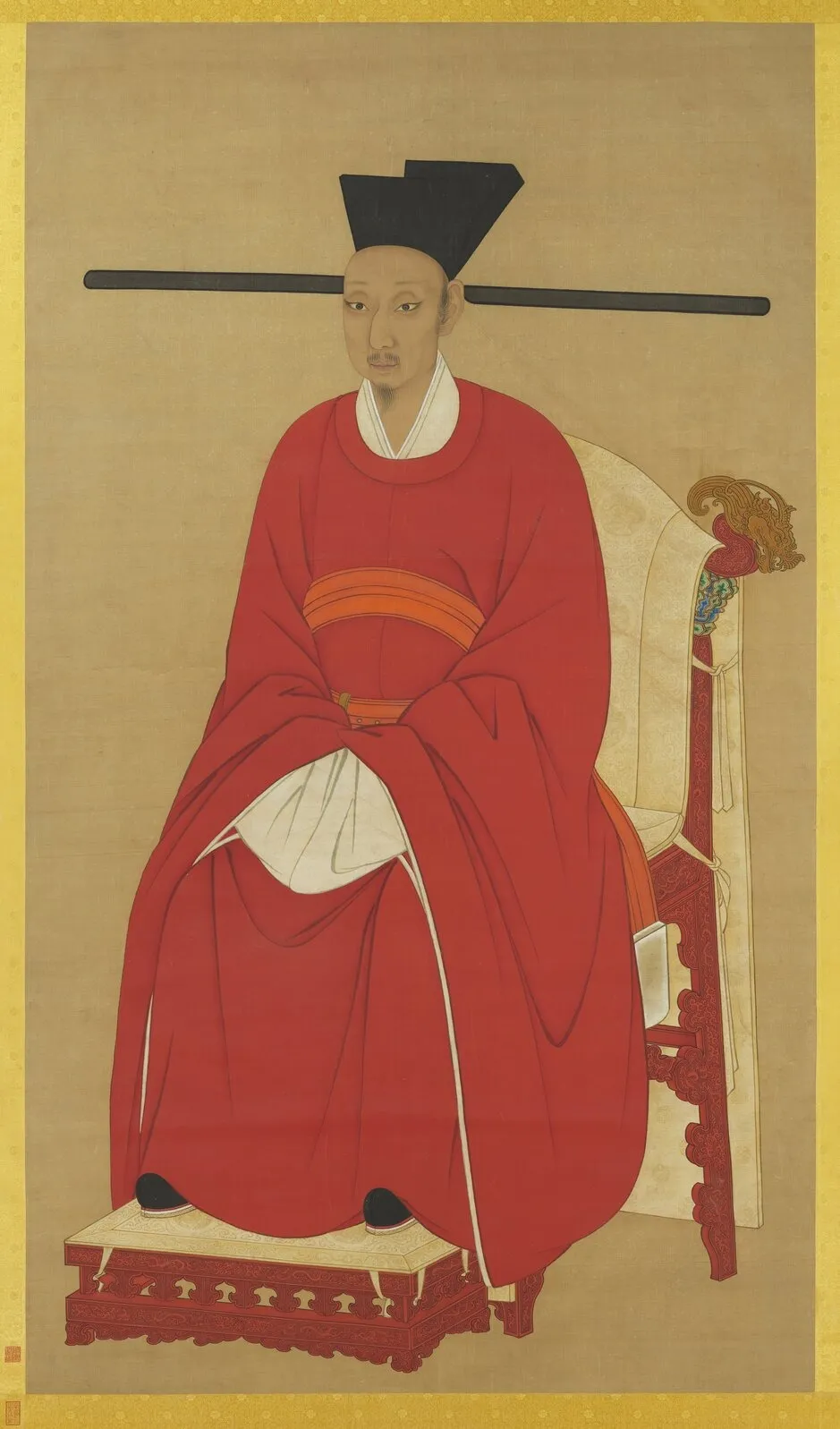
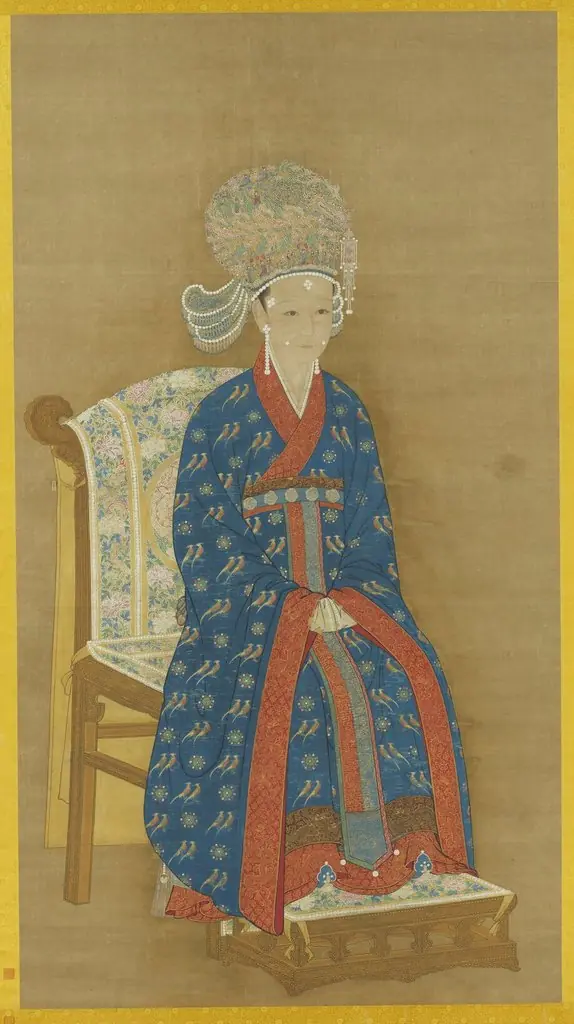
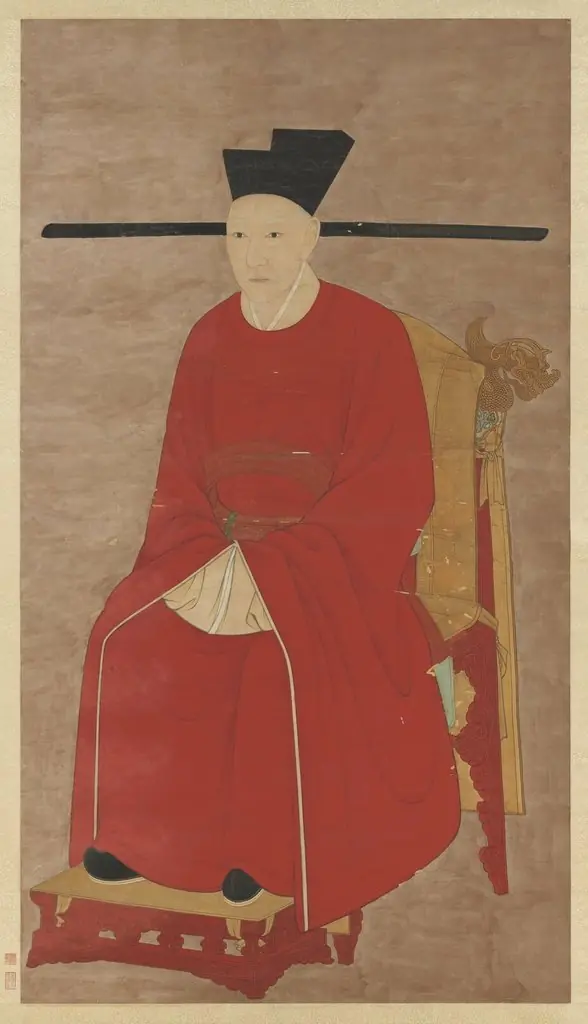
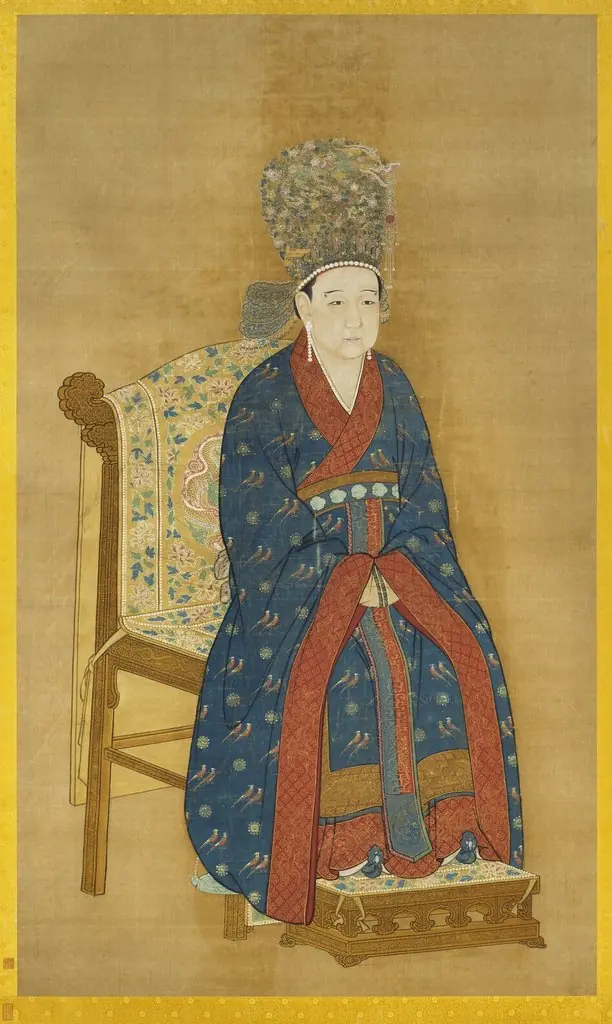
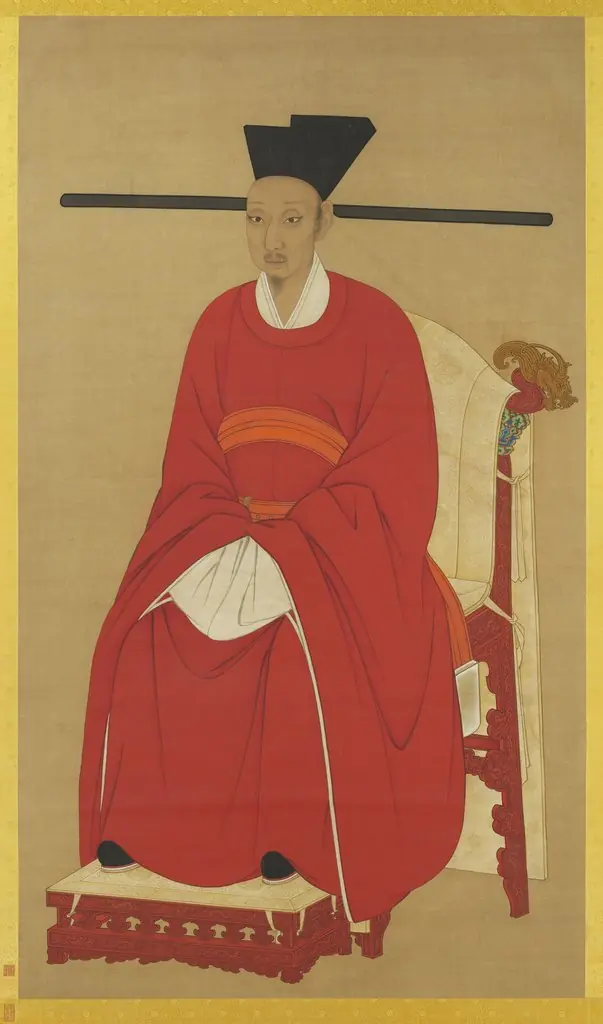
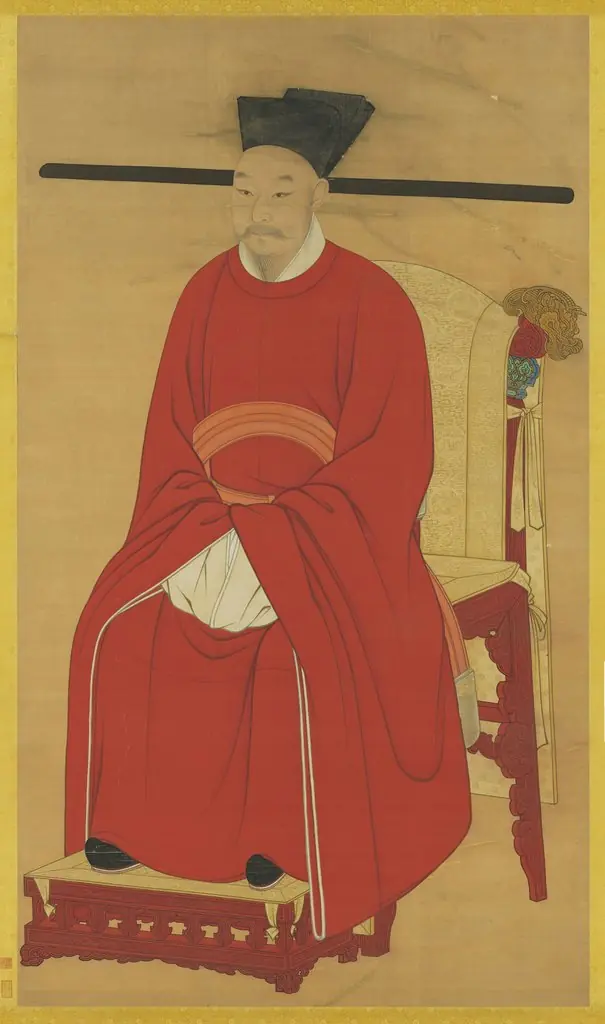
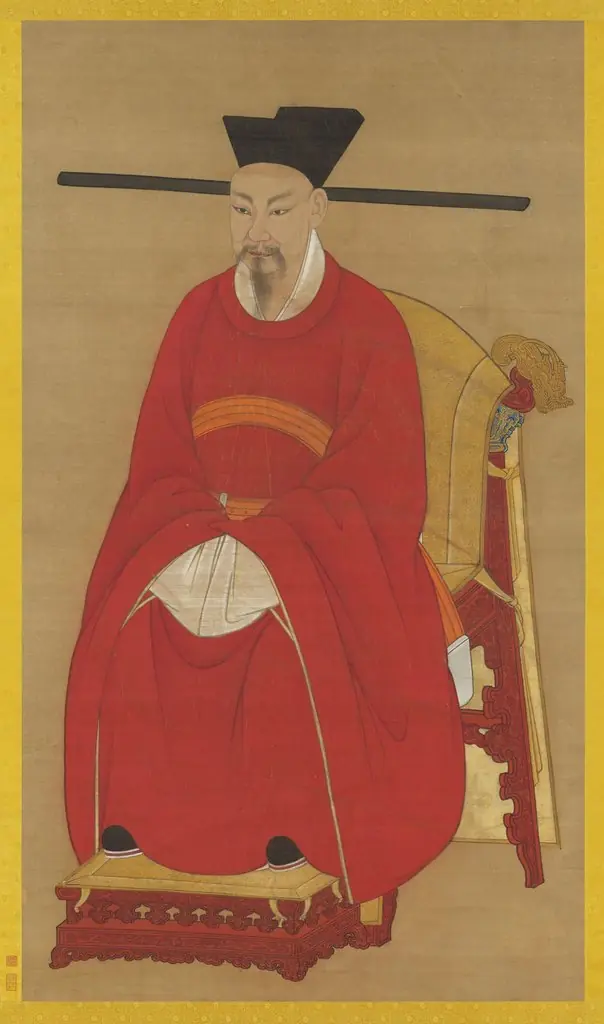
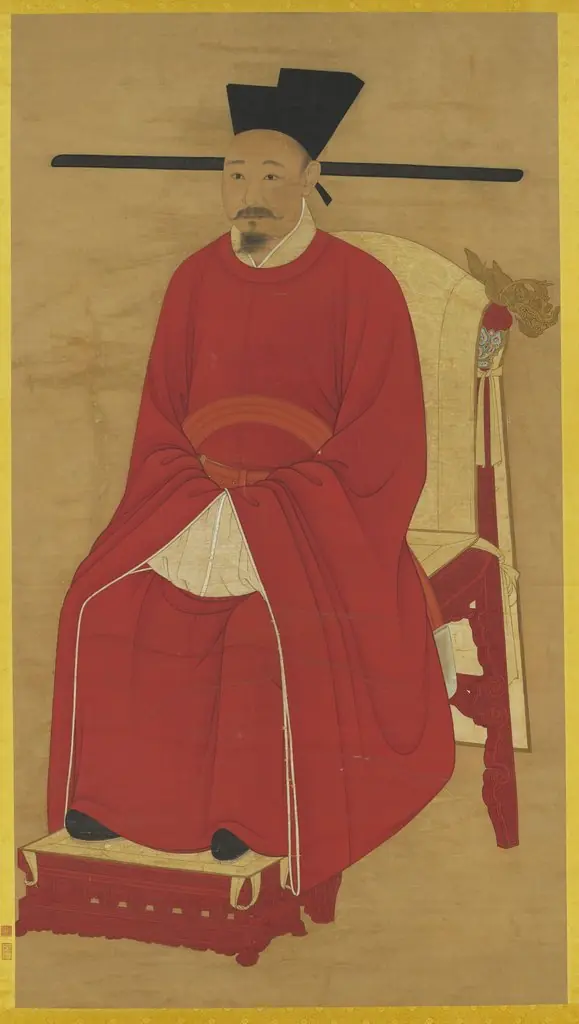
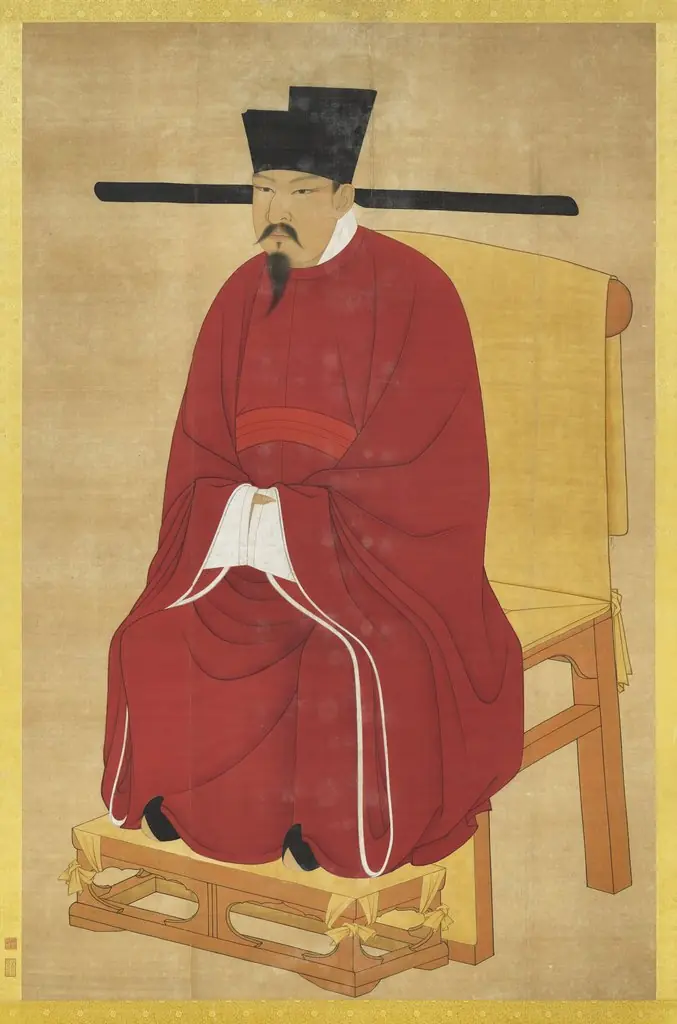
宋寧宗坐像 軸 is an unspecified painting by the Song dynasty landscape artist court painter. It dates from 1194 and is held in the collection of the National Palace Museum. This silk painting, dated to 1194, portrays Emperor Ningzong of the Southern Song dynasty seated in formal attire.
About this work
Overview
The work is part of the National Palace Museum’s collection, preserved as a record of dynastic authority and ceremonial presence.
This silk painting, dated to 1194, portrays Emperor Ningzong of the Southern Song dynasty seated in formal attire. Executed by a court artist, it adheres to the imperial portrait tradition of the period. The work is part of the National Palace Museum’s collection, preserved as a record of dynastic authority and ceremonial presence. Its medium and composition reflect the refined aesthetic values of Song court art.
Subject & Meaning
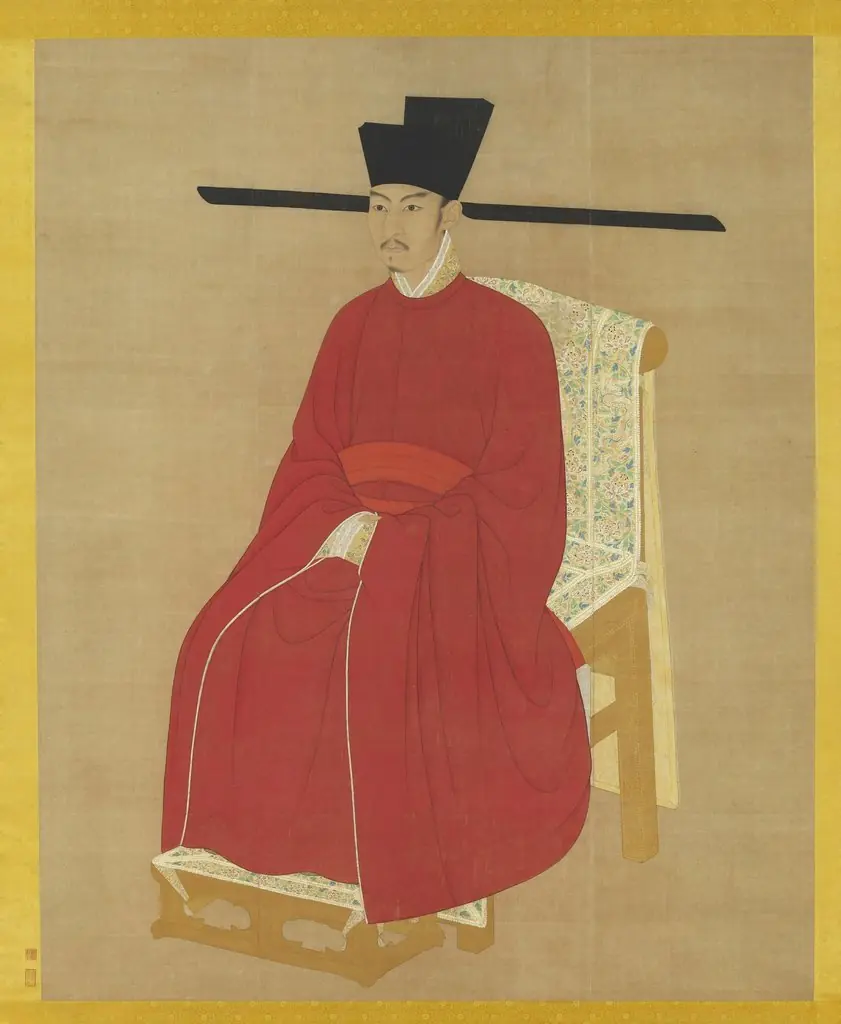
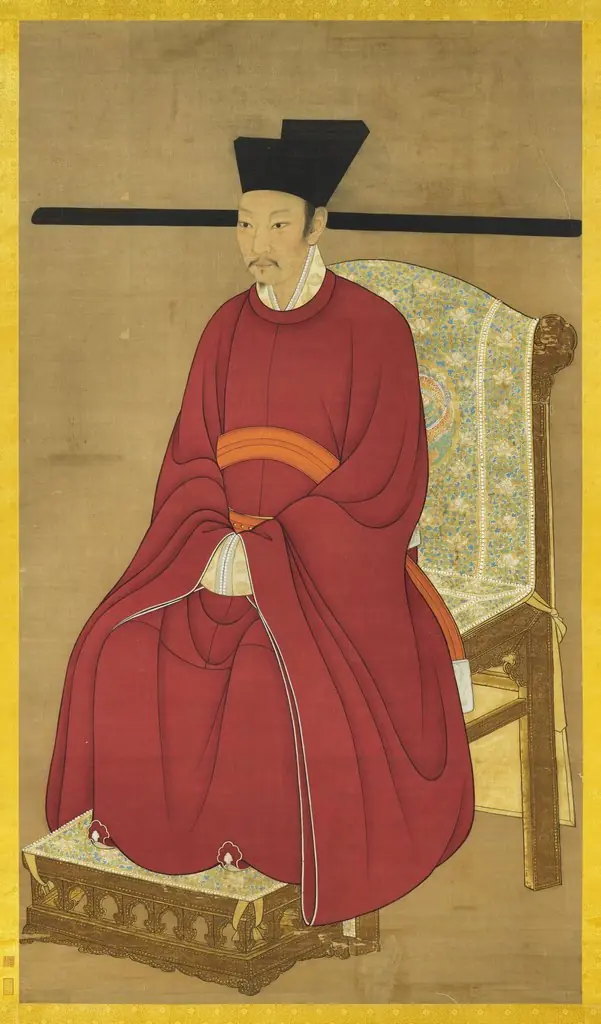
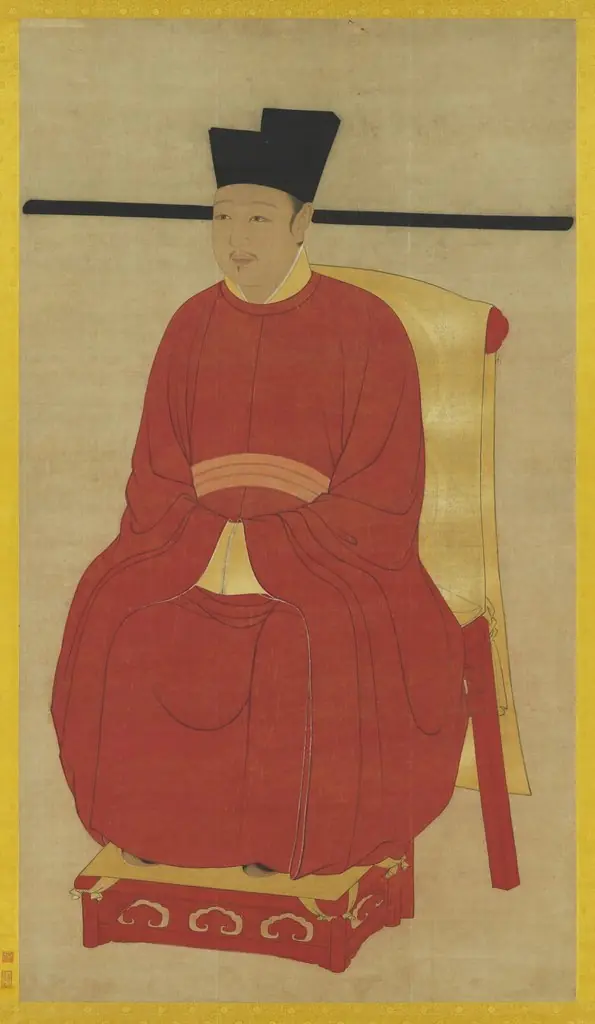
The figure is identified as Emperor Ningzong, the ninth ruler of the Southern Song. His seated posture, solemn expression, and regal garments signify imperial dignity and ritual authority. The red robe, white collar, and orange sash follow strict sumptuary codes, reinforcing his status.
The plain brown background focuses attention on the figure, eliminating distraction and emphasizing the portrait’s function as a symbol of legitimate rule.
Technique & Style
Rendered in fine brushwork on silk, the portrait employs subtle ink gradations and precise line control to define facial features and fabric folds. The clothing is depicted with meticulous attention to texture and layering, while the face is rendered with restrained realism. The composition is frontal and symmetrical, typical of official imperial portraits, prioritizing formality over individual expression.
History & Provenance
Created during Emperor Ningzong’s reign, the painting likely served a ceremonial or ancestral purpose within the imperial palace. It remained in imperial custody through subsequent dynasties and was later transferred to the National Palace Museum in Taipei following the relocation of the Qing collection in the 20th century. Its continuous institutional preservation underscores its enduring historical significance.
Context
In the late 12th century, the Southern Song court, though politically constrained by northern threats, maintained elaborate visual traditions to assert cultural legitimacy. Imperial portraits like this one were produced by specialized court painters under strict guidelines, serving both as records of rulers and as tools of political continuity. The use of silk, a costly material, reinforced the emperor’s elevated status.
Legacy
This portrait exemplifies the Song dynasty’s disciplined approach to imperial representation, influencing later dynastic portraiture. It remains a key reference for understanding how visual culture reinforced political authority in pre-modern China. Its survival offers insight into the rituals and aesthetics that sustained imperial identity across generations.
Artist & collection
Artist
They spent their life painting emperors and empresses on silk scrolls that were rolled up and stored in palace closets.