Artwork
The Betrothal of Philip the Fair with Joan of Castile
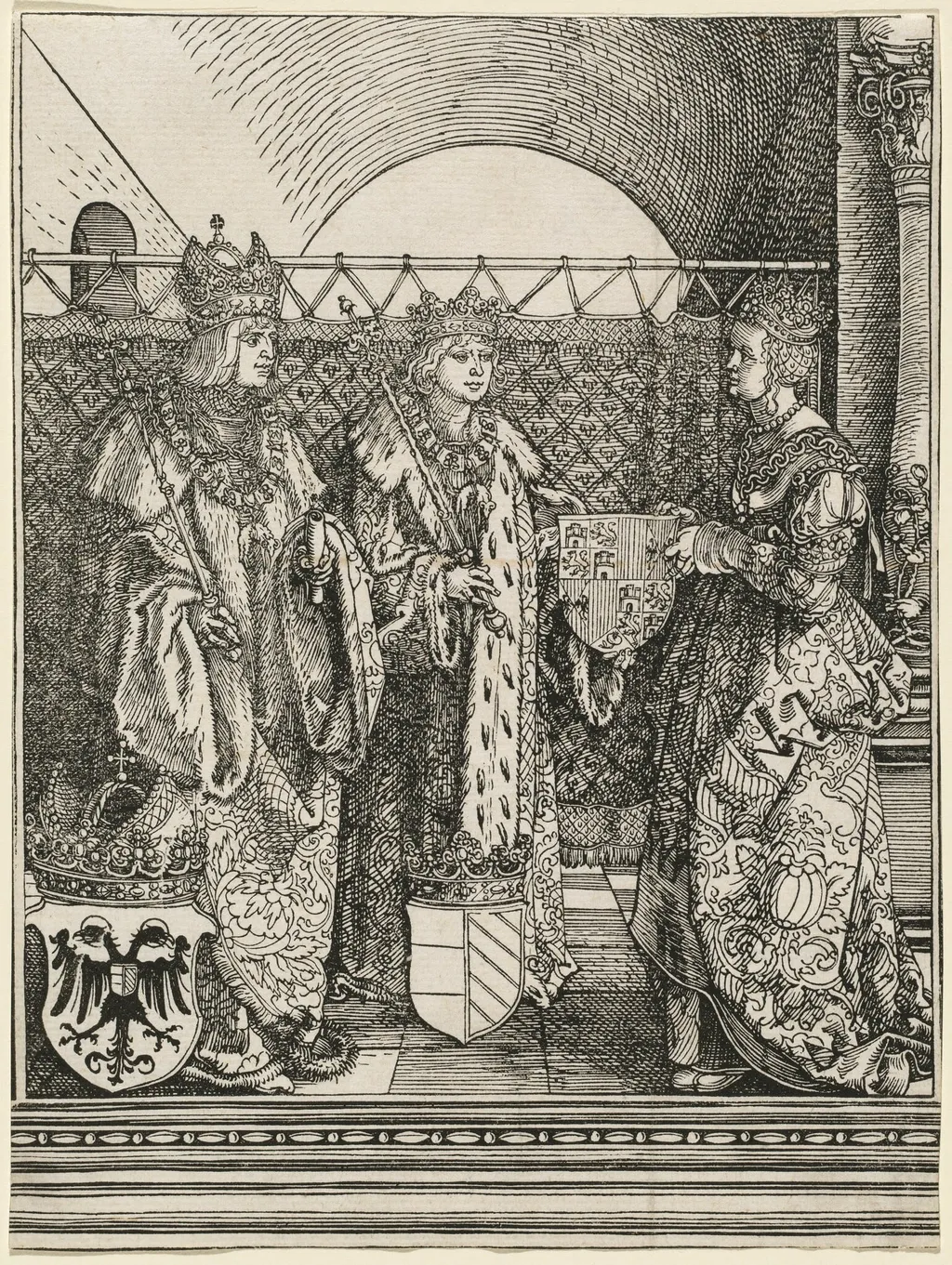
The Betrothal of Philip the Fair with Joan of Castile is an ink print by the Northern Renaissance artist Albrecht Dürer. It dates from 1515 and is held in the collection of the National Gallery of Art.
- Inscription
- Inscribed:verso, upper left, in graphite by a later hand: No 2; verso, lower left, in graphite by a later hand: v [?]; verso, lower left, in graphite by a later hand: a 23320
About this work
Subject & Meaning
The print shows the formal marriage contract between Philip I of Castile and his cousin Joanna of Castile, daughter of Ferdinand and Isabella.
The print shows the formal marriage contract between Philip I of Castile and his cousin Joanna of Castile, daughter of Ferdinand and Isabella. The composition emphasizes the political alliance through gestures of hand‑holding and the exchange of a ring, symbols of marital consent. Albrecht Dürer renders the scene with meticulous line work that highlights the status of the participants and the ceremonial setting, reflecting the significance of dynastic unions in early sixteenth‑century European politics.
Technique & Style
Executed in 1512, this work is a woodcut printed on laid paper. The print measures 19.8 cm in height and 14.8 cm in width. Created in Nuremberg during the German Renaissance, the piece utilizes the linear precision characteristic of Albrecht Dürer's graphic style to depict the engagement of Philip I of Castile and Juana I of Castile.
The medium relies on the stark contrast between the inked lines and the paper support to define the figures and narrative details without the use of color or tonal gradation typical of painting.
History & Provenance
The woodcut was produced by Albrecht Dürer in Nuremberg, dated to 1512, with a secondary inception date of 1515 also recorded. It was executed as a woodcut on laid paper.
The documented ownership chain begins with the print passing through the New York dealer William Schab. Lessing J. Rosenwald of Jenkintown, Pennsylvania acquired it from Schab in 1962. Rosenwald subsequently gave the work to the National Gallery of Art in Washington, D.C., in 1964, where it entered the Rosenwald Collection as part of the institution's prints holdings.
The woodcut is held by the National Gallery of Art, Washington, D.C., as part of the Rosenwald Collection, accessioned in 1964 following its gift by Lessing J. Rosenwald.
It was previously in the collection of William Schab, New York, before Rosenwald’s acquisition in 1962.
Context
The print was created during the German Renaissance when printmaking emerged as a medium for both artistic innovation and social commentary. Albrecht Dürer elevated woodcut to a sophisticated technique that combined meticulous draftsmanship with expressive line work, influencing printmakers across Europe. His approach to narrative subjects like royal betrothals helped establish print as a vehicle for sophisticated storytelling.
The work entered the National Gallery of Art through the Rosenwald Collection, reflecting the museum's early commitment to acquiring significant examples of Northern European printmaking.
Overview
The Betrothal of Philip the Fair with Joan of Castile is a 1515 woodcut on laid paper attributed to Albrecht Dürer, capturing a pivotal moment in royal history.
Legacy
While specific legacy details of this work are not provided, it contributes to the broader understanding of Dürer's woodcut technique and the artistic documentation of European royal history.
Own this work as a print
Artist & collection
Artist
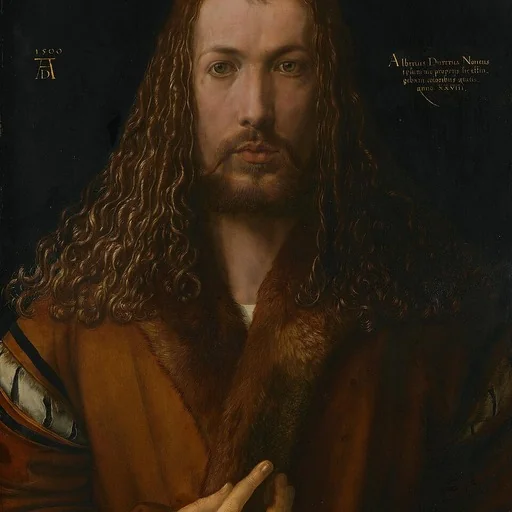
Albrecht Dürer spent his life in Nuremberg, a busy German city where artists traded prints like currency.

![Madonna and Child [obverse], by Albrecht Dürer](https://artifactworldgallery.com/img/albrecht-durer--madonna-and-child-obverse--d7b8ebf05d22ebe5-w320.webp)
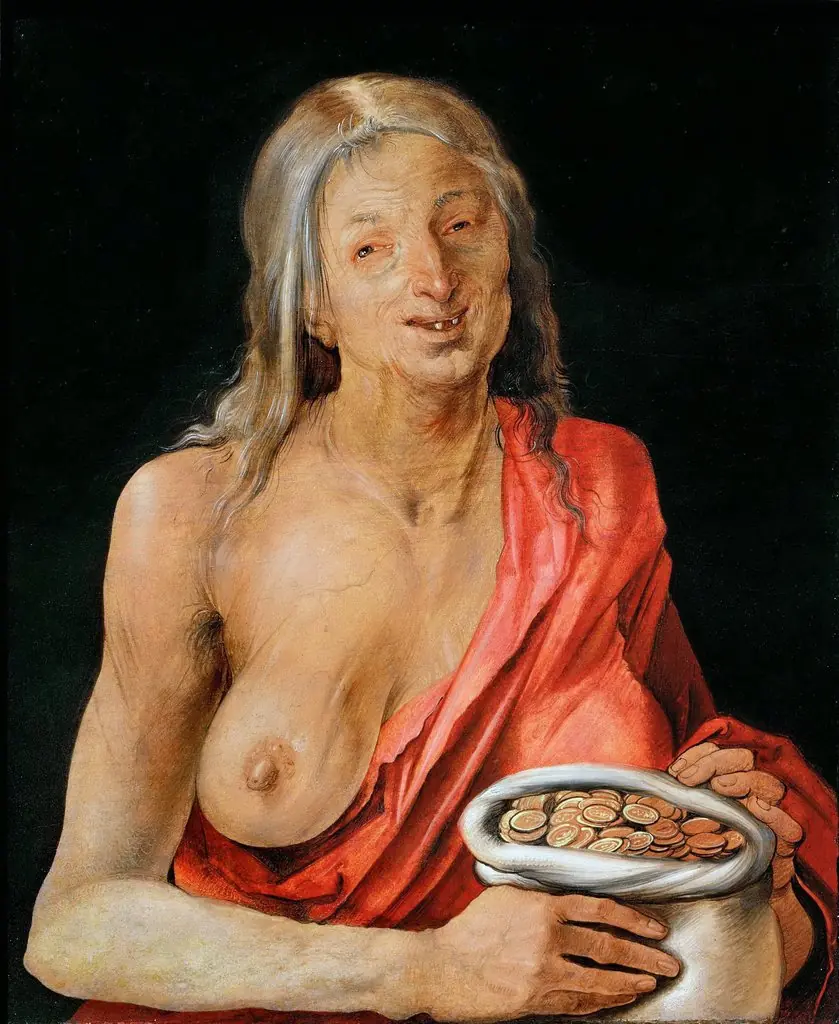
![Lot and His Daughters [reverse], by Albrecht Dürer](https://artifactworldgallery.com/img/albrecht-durer--lot-and-his-daughters-reverse--b4ebf9b282faa17a-w320.webp)
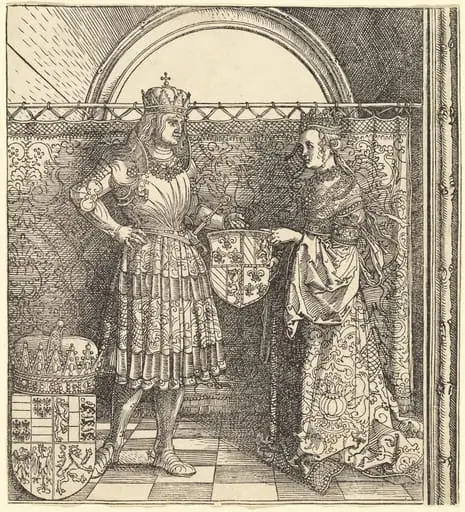
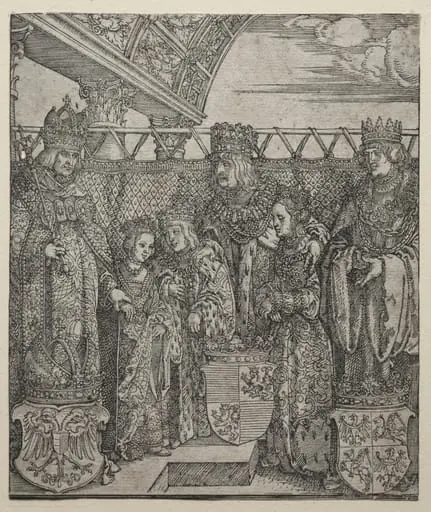
- The Betrothal of Maximilian with Mary of Burgundy
 The Congress of Princes at Vienna
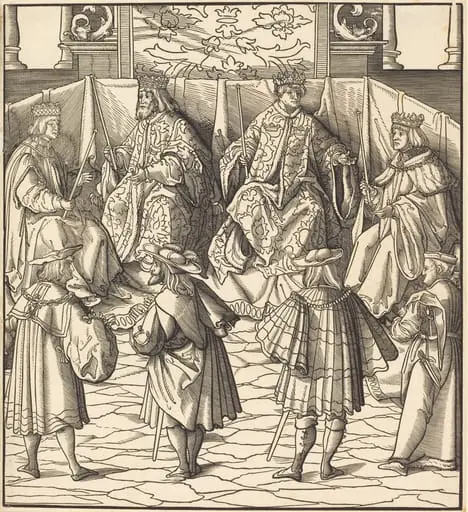 Assembly of Four Kings, in the foreground Four Men
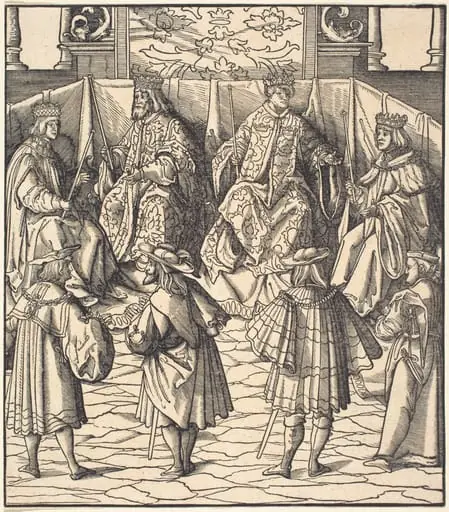 Assembly of Four Kings, in the foreground Four Men
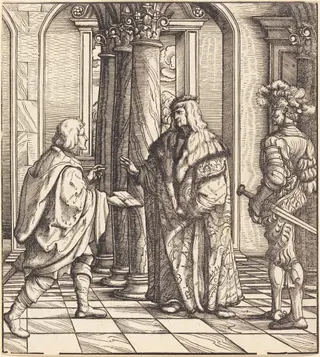 A Message Concerning the White King's Marriage
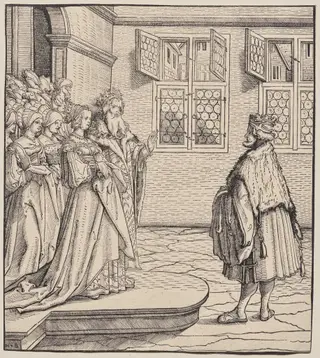 The Banished Duke of Otnop
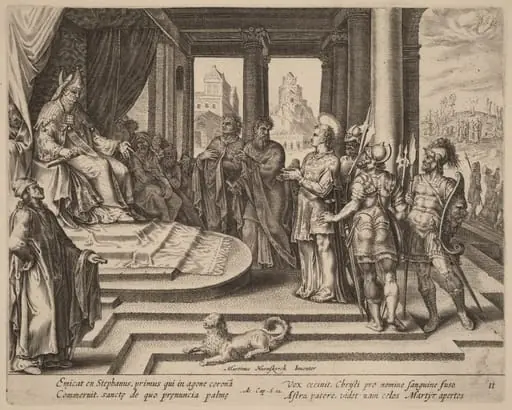 Saint Stephen before the Council
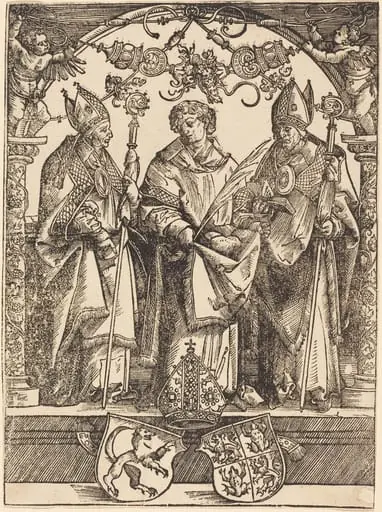 Saints Maximilian, Stephen, and Valentine
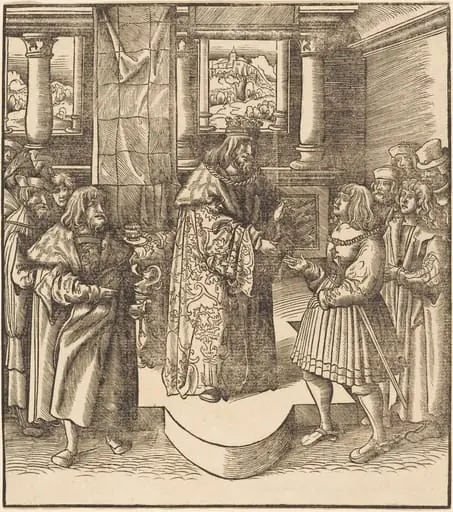 The Old White King Sending His Messengers to Portugal
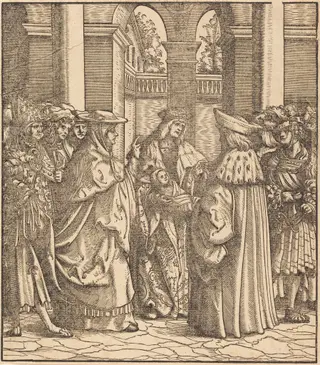 The Archbishop Blessing the Child after the Baptism
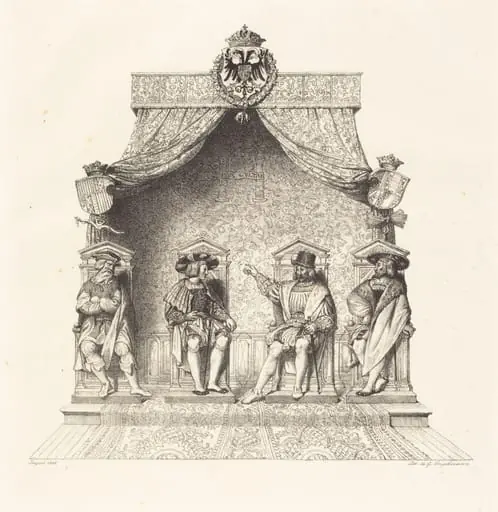 Four Magistrates of Besançon (Quatre magistrats de Besançon)
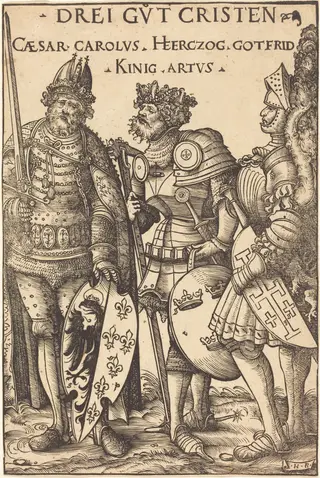 Charlemagne, Arthur and Godfrey